Brain.
Cognition, memory, focus, and mental sharpness — clear explainers grounded in current neuroscience, minus the nootropic hype.
Metabolic Psychiatry: Using Diet and Nutrition to Treat Mental Illness
Metabolic psychiatry uses ketogenic diets and metabolic interventions to treat serious mental illness. New clinical trials show psychiatric and metabolic improvements.
 Photograph · HL Benefits
The latest, in long form.
Browse all 28 →
GLP-1 and Depression: What Swedish Research Shows About Semaglutide and Mental Health
A Swedish national cohort study found semaglutide associated with 42% lower risk of worsening mental illness. Here's what the evidence shows and what it doesn't.
Selank vs. Semax: The Russian Brain Peptides Silicon Valley Is Obsessed With
BrainPT-141 for Men: The Brain-Based Erection Peptide That Works When Viagra Doesn't
BrainPeptides for ADHD: The Off-Label Stack Productivity Gurus Won't Talk About on Camera

The Nootropic Peptide Stack That Lifted Long-COVID Brain Fog in 30 Days
A look at the four-peptide stack clinics market for long-COVID brain fog, the mechanisms behind it, and what RECOVER and the FDA actually say.

The Memory-Restoring Peptide Researchers Are Calling "Liquid Genius"
A sourced guide to memory-restoring peptides, from the only one tested in humans to mouse-model breakthroughs generating headlines.

Dihexa: The Synapse-Building Peptide Reportedly 7× Stronger Than BDNF
Dihexa is the peptide marketed as 7x stronger than BDNF. The honest version: zero human trials, a retracted paper, and a failed Phase 2/3 trial.
Companion sections.
All sections →Health
A companion section to brain, with its own evidence-led reading list.
Food & Nutrition
A companion section to brain, with its own evidence-led reading list.
Weight Loss
A companion section to brain, with its own evidence-led reading list.
Definitive guides.
All guides →
Cerebrolysin: The Memory Peptide Used in 50 Countries — But Not the U.S.
Cerebrolysin is the porcine-brain peptide mixture European neurologists use for stroke recovery and vascular dementia. The FDA has never approved it. The Cochrane evidence is mixed, the gray market…

Anxiety Peptides: How Selank Compares to Xanax (Without the Withdrawal)
A detailed comparison of Selank peptide and Xanax for anxiety, covering mechanisms, clinical trial data, withdrawal risk, and regulatory realities.
On our desk this week.
More from the desk →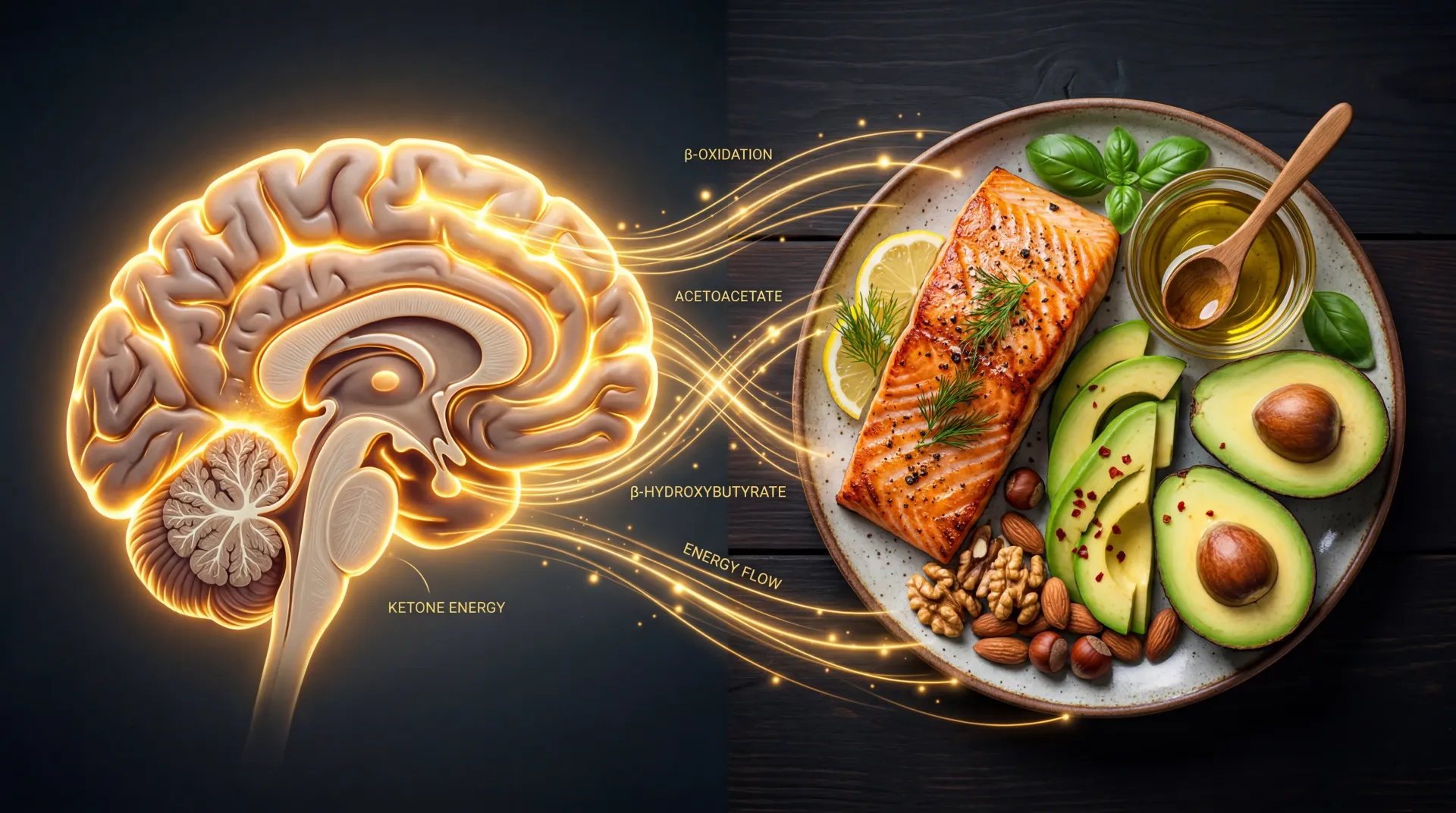
Ketogenic Diet for Mental Health: Depression, Bipolar, and Brain Energy Theory
Clinical trials at Stanford, Harvard, and Edinburgh are testing whether ketogenic diets can treat depression and bipolar disorder by providing the brain with an alternative fuel source.
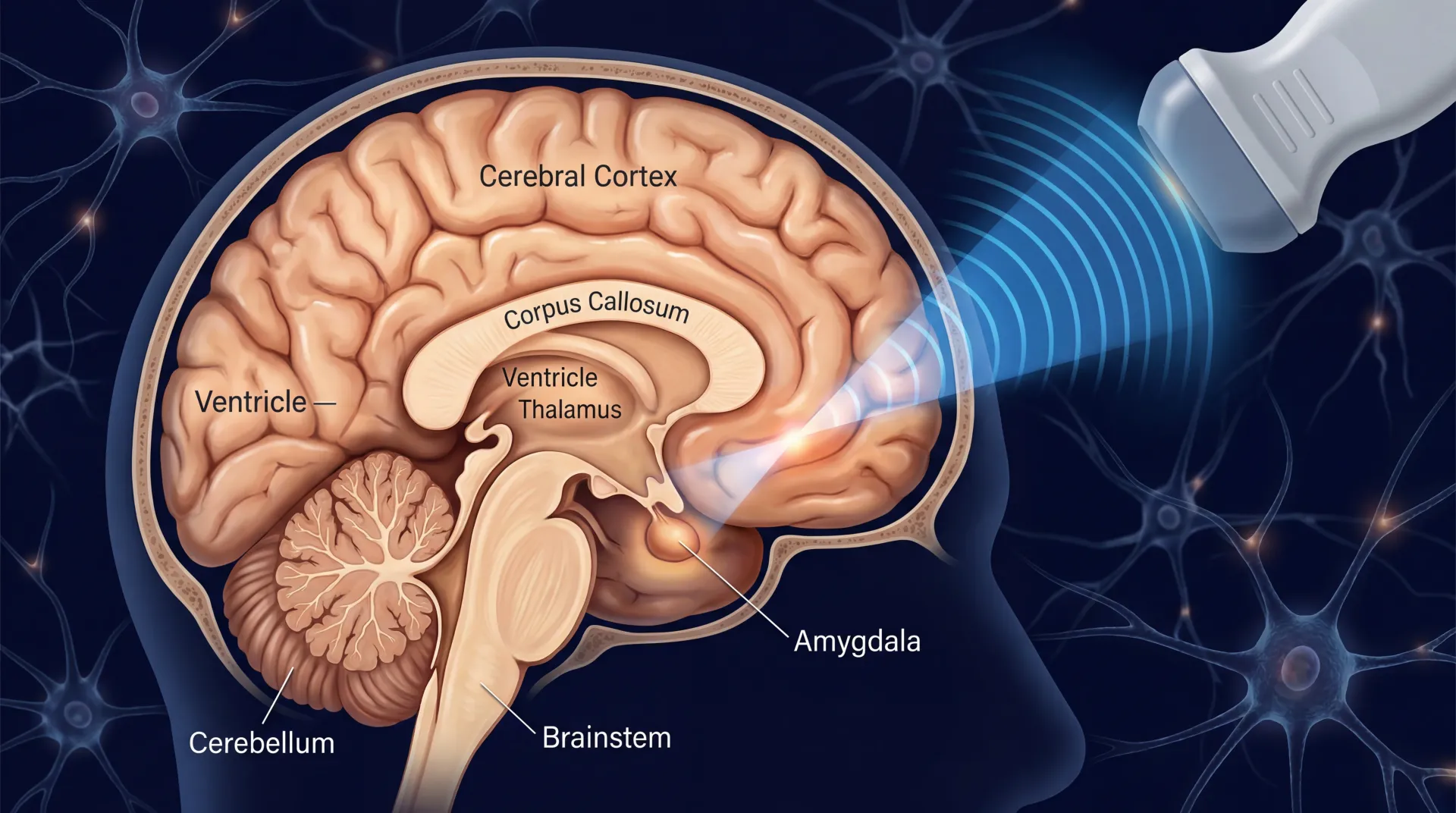
Focused Ultrasound for Mental Health: The Non-Invasive Brain Treatment You Haven't Heard Of
Sound waves can now reach brain structures linked to depression and anxiety without surgery. Clinical trials show significant symptom reduction in just three weeks.
Quick reads.
All 28 →Neurowellness: The #1 Wellness Trend of 2026 and How to Regulate Your Nervous System
The Global Wellness Summit named neurowellness the top trend for 2026. Here is the…
Men's Mental Health: Why Therapy for Men Is Surging and How to Start
Men's therapy use surged 36% between 2019 and 2021. Here's what changed, what works, and…
Phosphatidylserine for Memory, Cortisol, and Brain Health
Phosphatidylserine supports memory, lowers cortisol, and protects aging neurons. Here is…
Mediterranean Diet for Brain Health and Longevity: What the Research Shows
Current research links the Mediterranean diet to up to 30% lower Alzheimer's risk. Learn…
Lion's Mane Mushroom for Brain Health and Nerve Regeneration
Evidence-based guide to lion's mane mushroom for brain health, cognitive function, and…
Awe Walks: Daily Nature Exposure for Mental Well-Being
A practical, evidence-based guide to awe walks that uses daily nature exposure to reduce…
Best Ways to Seriously Improve Your Memory
Foods for Thought: Natural Brain Supplements That Science Supports
From the archive.
All 28 →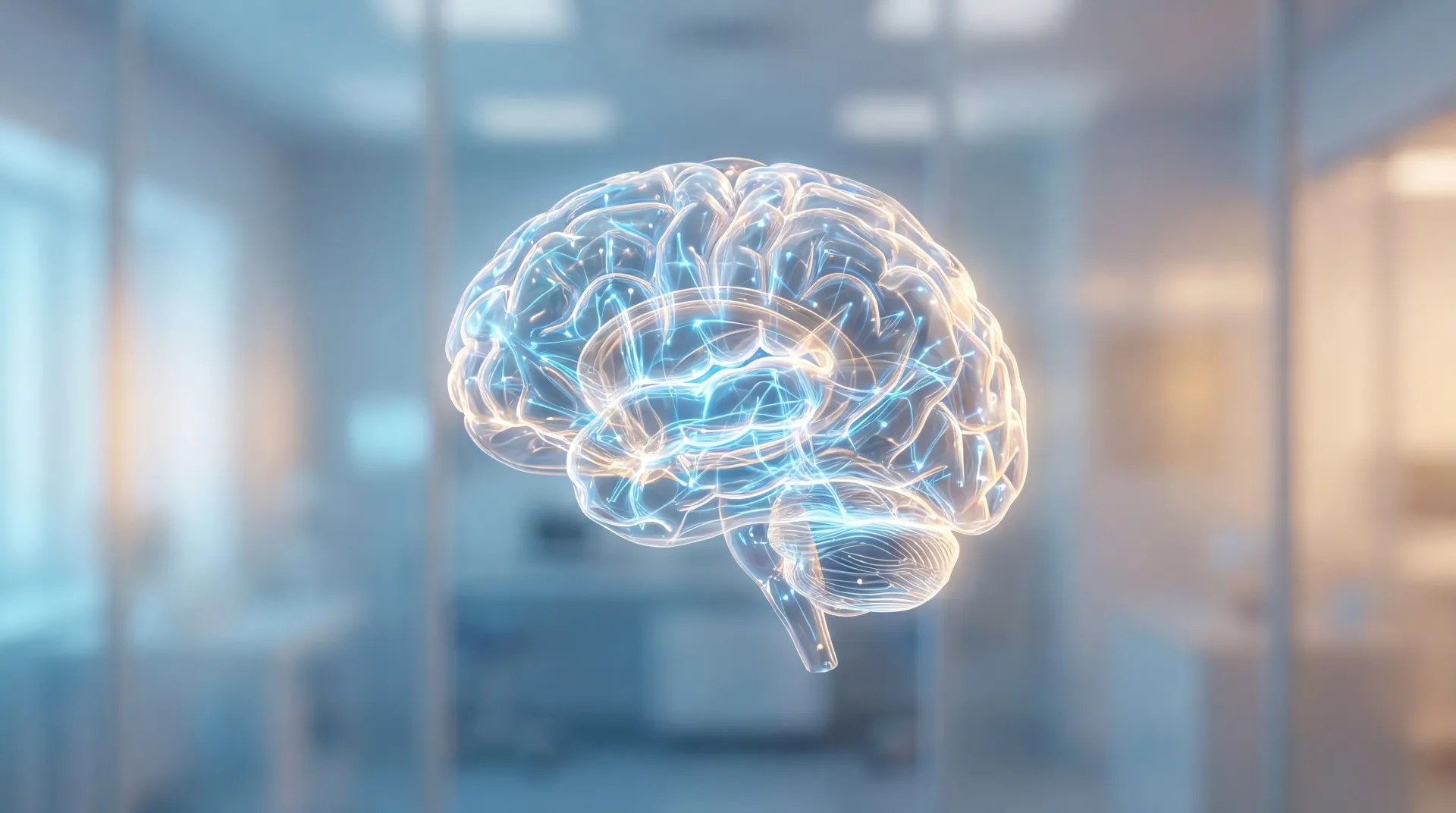
The Brain: Anatomy, Function, and Common Medical Conditions

Depression and Complementary Health Approaches: The Ultimate Evidence Guide