Where "Liquid Genius" Actually Comes From
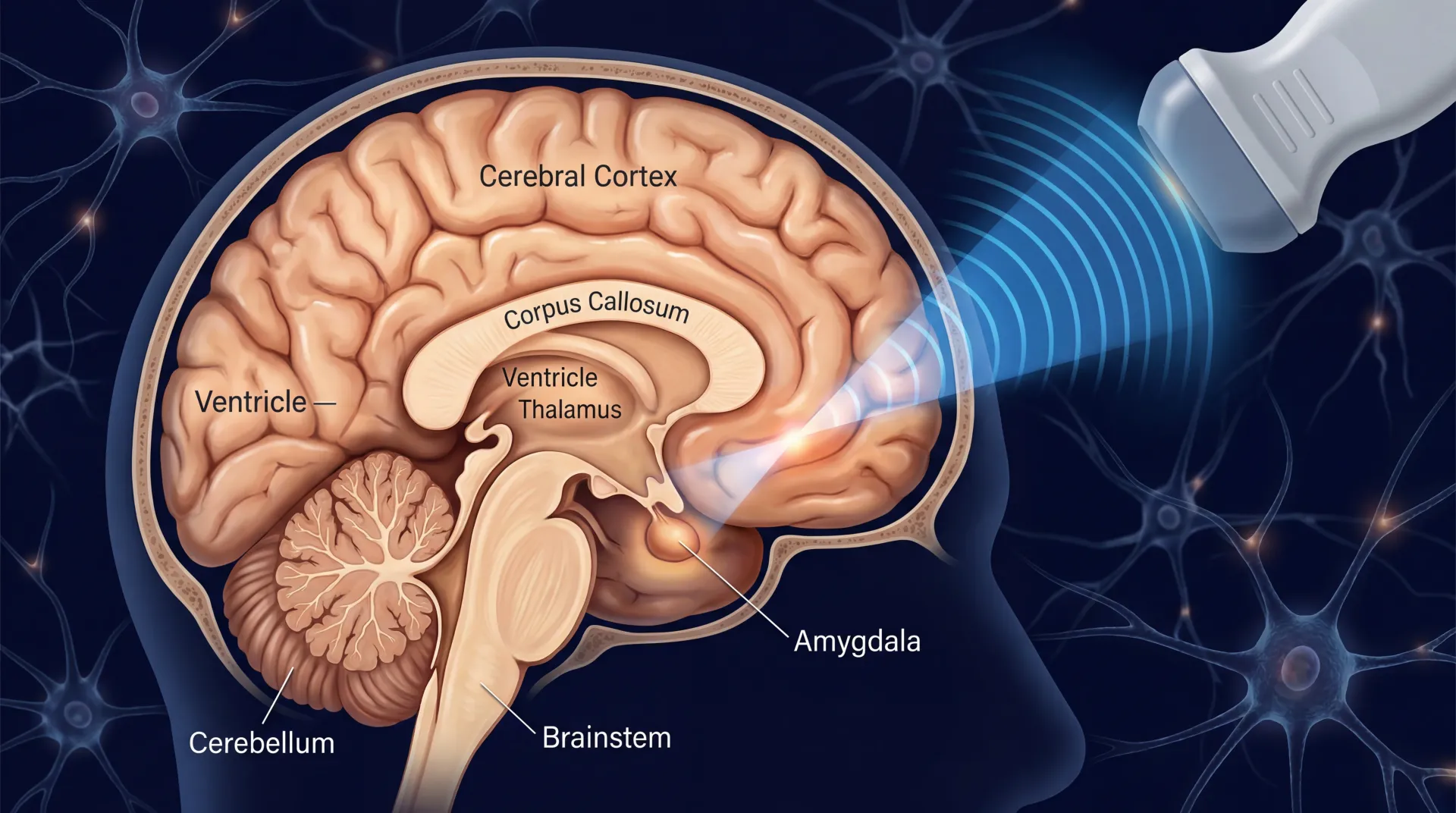
In 1999, New Scientist ran a feature with the headline "Liquid Genius" about the peptides floating in cerebrospinal fluid and their potential role in brain function. The article noted that roughly 20 percent of a healthy brain's volume consists of this fluid, a biological soup carrying signaling molecules between neurons.
That headline has since taken on a second life. Nootropic forums, peptide vendors, and biohacking podcasts have recycled "Liquid Genius" as shorthand for any injectable or intranasal peptide promising cognitive enhancement. The problem: it was a magazine headline about basic neuroscience, not a designation for any specific compound.
What makes the term sticky is that it captures something real, just imprecisely. A handful of synthetic peptides have genuinely reversed memory deficits in animal models of Alzheimer's disease. A smaller number have shown cognitive effects in human trials. The gap between those two statements is where most of the hype lives.
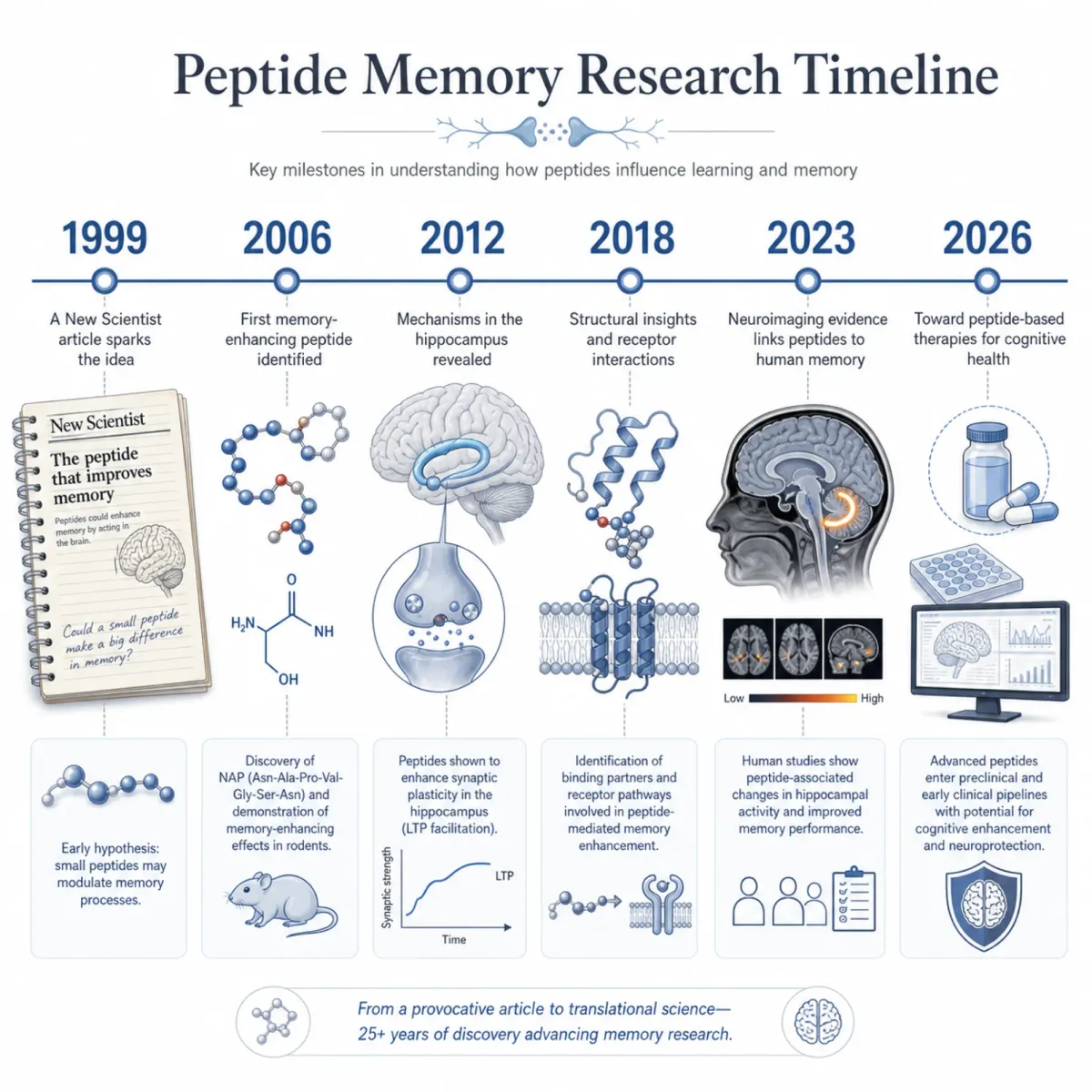
This guide covers the peptides with the strongest evidence for memory restoration: the one compound actually tested in humans with cognitive impairment, the mouse-model results generating real excitement in neuroscience labs, and the uncomfortable distance between the two. Every claim is sourced. Every limitation is stated.
Davunetide: The Only One With Human Memory Trial Data
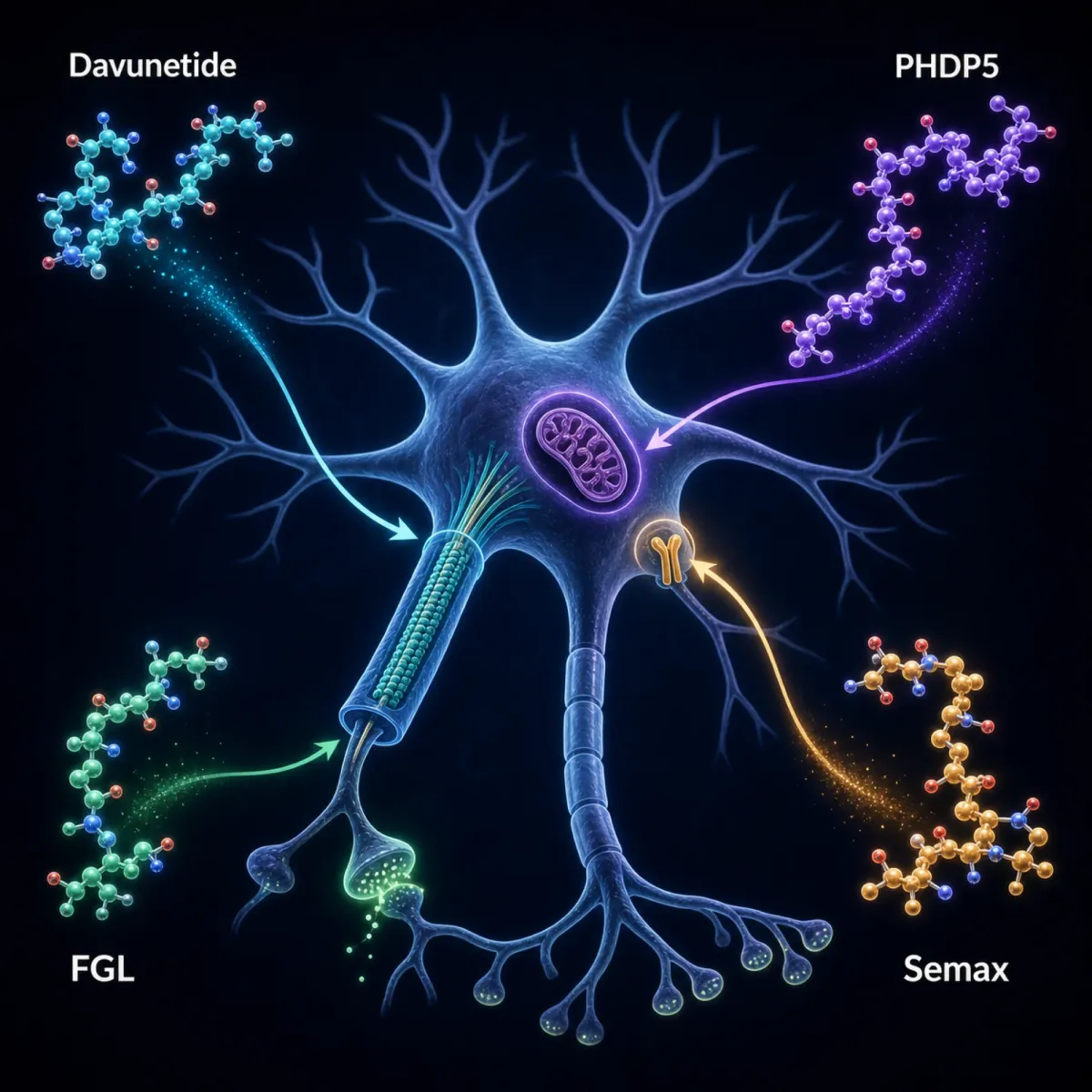
If you want to find the peptide closest to the "Liquid Genius" promise, davunetide (also called NAP or AL-108) is the only candidate with completed human cognitive trial data. It is an eight-amino-acid peptide derived from activity-dependent neuroprotective protein, or ADNP, a protein essential for brain development and function. The peptide stabilizes microtubules, the structural scaffolding inside neurons that tau protein attacks in Alzheimer's disease. Think of microtubules as the highway system inside each brain cell; when tau tangles block the roads, cargo stops moving and the cell eventually dies. Davunetide keeps those highways intact.
The Phase 2 trial enrolled 144 people with amnestic mild cognitive impairment, the stage where memory problems are detectable but haven't progressed to full dementia. Participants received either 5 milligrams once daily or 15 milligrams twice daily via nasal spray, or placebo. At 8 weeks and 16 weeks, the davunetide groups showed statistically significant improvement in memory test performance compared to placebo. The 12-week timepoint, oddly, did not reach significance, and researchers noted a strong placebo effect across all groups.
The excitement did not survive the next trial. A Phase 2/3 study tested davunetide in 313 patients with progressive supranuclear palsy (PSP), a different neurodegenerative condition also driven by tau pathology. Negative on all endpoints. Primary, secondary, exploratory. The drug did nothing measurable for PSP patients over one year at 30 milligrams twice daily.
The story gets more interesting with a 2024 reanalysis published in Translational Psychiatry that went back to the original mild cognitive impairment data and stratified by sex. Women in the trial appeared to benefit more than men, a pattern that showed up in the PSP data too when researchers looked specifically at functional decline measures. Whether this represents a genuine biological difference in how ADNP-based therapy works across sexes or a statistical artifact of slicing already-small datasets is an open question.
Davunetide's corporate history has been turbulent. The original developer, Allon Therapeutics, went insolvent after the PSP failure. Paladin Labs acquired the assets in 2013. In 2021, ExoNavis licensed the peptide from Tel Aviv University, and in October 2024, a Phase 3 trial began testing davunetide in 97 children with ADNP syndrome, a rare genetic condition causing intellectual disability. The FDA granted orphan drug and rare pediatric disease designations. If the peptide helps these children, it could renew interest in its memory applications for broader populations. But that trial is not an Alzheimer's trial, and conflating the two would be misleading.
For anyone evaluating davunetide honestly: it is the only peptide in this survey where published human data shows improved memory scores in patients with cognitive impairment. The effect was real but modest, the follow-up trial in a related disease failed completely, and the compound changed hands twice after the company that developed it ran out of money.
PHDP5: A Mouse Model Breakthrough Worth Watching
The 2024 result that generated the most media coverage came from the Okinawa Institute of Science and Technology, where Professor Emeritus Tomoyuki Takahashi's team published data on a synthetic peptide called PHDP5 in Brain Research.
PHDP5 attacks a different piece of the Alzheimer's puzzle than davunetide. In healthy neurons, a protein called dynamin handles the recycling of synaptic vesicles, the tiny packages that carry neurotransmitters between brain cells. When tau protein goes rogue in Alzheimer's, it destabilizes microtubules, and the loose microtubule fragments grab onto dynamin like Velcro, pulling it away from its real job. Synaptic communication breaks down. PHDP5 blocks the dynamin-microtubule interaction, freeing dynamin to keep doing its recycling work.
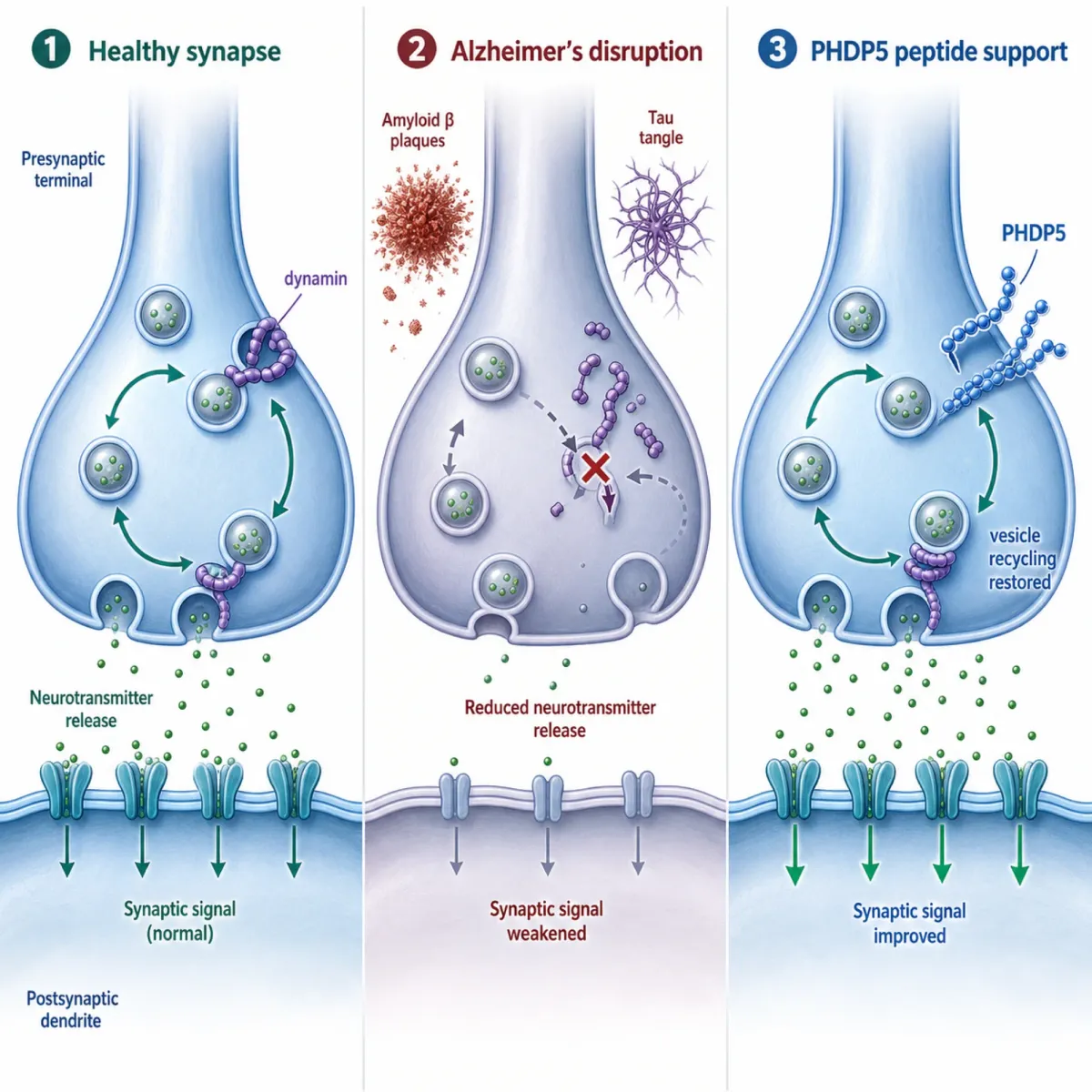
The team tested PHDP5 in transgenic Tau609 mice, which naturally develop tau tangles and progressive memory impairment. Mice received 2 milligrams of PHDP5 intranasally once daily for four weeks. The delivery method matters: the peptide was modified with a cell-penetrating peptide component that lets it bypass the blood-brain barrier through the nasal cavity, reaching the hippocampus directly.
The numbers were good for a mouse study. In the Morris Water Maze, a standard spatial memory test, treated mice cut their platform-finding time by 55 percent by day four. Healthy wild-type mice achieved 60 percent. Untreated transgenic mice managed 33 percent. In the memory probe, treated mice spent 33 percent of their time in the correct quadrant versus 25 percent for controls and 36 percent for healthy animals. The treated group was not quite normal, but it was far closer to normal than the untreated group.
Dr. Stefania Forner, who was not involved in the study, offered the necessary caveat in Medical News Today's coverage: animal models of Alzheimer's are "somewhat similar to how Alzheimer's progresses in humans, but they do not replicate the disease in humans exactly." That qualification applies to every mouse study in this article. The OIST team is working toward pharmaceutical development and human trials, but no timeline has been announced.
FGL, Semax, and the Emerging Peptide Pipeline
Davunetide and PHDP5 get the most attention, but the peptide pipeline for memory restoration is wider than two compounds. Two others stand out for the quality and specificity of their preclinical evidence.
FGL (FG Loop peptide) is derived from neural cell adhesion molecule, or NCAM, a protein involved in how neurons form and maintain connections. What makes FGL unusual is the durability of its cognitive effects. According to research covered by AlzForum, enhanced spatial memory in rats persisted for more than two weeks after a single administration, far longer than the drug stayed in the system. The mechanism: FGL binds and activates fibroblast growth factor receptor 1 (FGFR1), triggering a protein kinase C signaling cascade that increases the insertion of AMPA receptors at synapses. More AMPA receptors means stronger signal transmission between neurons, but only during active signaling, not continuously. That activity-dependent feature is therapeutically attractive because indiscriminate enhancement of all brain signaling could cause seizures.
An EU-funded consortium received 6 million euros to advance FGL toward human trials, originally planned for 2012. More than a decade later, no human trial results have been published. Whether this reflects funding gaps, regulatory hurdles, or negative preclinical findings that were never reported is unclear. The silence is itself a data point worth considering.
Semax, a synthetic analog of the hormone ACTH, occupies an unusual position. It is approved in Russia for stroke recovery and has been used there clinically since the 1990s. A 2025 study in APP/PS1 transgenic mice showed that intranasal Semax at 50 micrograms per kilogram, given every other day for one month, reduced cortical amyloid plaques 2.8-fold compared to untreated controls. The Heptapeptide, a modified Semax derivative, achieved a 1.6-fold reduction. Both peptides primarily shrank small plaques under 100 square micrometers, suggesting they block new plaque formation rather than dissolving existing deposits.
The durability finding was notable: even after a one-month washout period where mice received no treatment, Semax-treated animals still showed 2.2-fold cortical plaque reductions. In behavioral tests, treated mice performed better on spatial learning (Barnes Maze) and novel object recognition, with effects persisting through the washout. The proposed mechanism involves modulation of BDNF expression and TrkB signaling in the hippocampus, essentially boosting the brain's own growth-factor production.
Semax has a stronger human evidence base than most peptides here, but for stroke recovery, not Alzheimer's. The Alzheimer's Drug Discovery Foundation notes there is "little evidence whether it would improve cognition in healthy patients and no evidence for Alzheimer's disease" in clinical settings. Its Alzheimer's-related data remains entirely preclinical.
How These Peptides Attack Memory Loss Differently
You cannot rank these peptides against each other because they are not doing the same thing. A microtubule stabilizer will not help if the core problem is amyloid-driven synapse loss. A plaque-reduction agent will not repair dysfunctional vesicle recycling. Different targets, different mechanisms, different potential patient populations.
| Peptide | Primary Target | Mechanism | Delivery | Human Data |
|---|---|---|---|---|
| Davunetide (NAP) | Microtubule stability | ADNP-derived, stabilizes tau-affected scaffolding | Intranasal spray | Phase 2 aMCI (positive), Phase 2/3 PSP (failed) |
| PHDP5 | Dynamin-microtubule interaction | Frees dynamin for synaptic vesicle recycling | Intranasal + CPP | None (mouse only) |
| FGL | Synaptic plasticity (FGFR1) | Increases AMPA receptor insertion at synapses | Intracerebroventricular (animal) | None published |
| Semax | BDNF/TrkB signaling | Upregulates brain growth factors, reduces plaque formation | Intranasal | Clinical use for stroke (Russia), no AD trials |
| CDK5 peptide (MIT) | P25-CDK5 interaction | Blocks tau hyperphosphorylation at the kinase level | Experimental | None (mouse only) |
| P021 | CNTF/BDNF pathway | Promotes hippocampal neurogenesis, reduces tau | Oral (animal) | None (mouse only) |
The MIT contribution, led by Li-Huei Tsai at the Picower Institute for Learning and Memory, deserves mention for its elegance. Their 12-amino-acid peptide blocks the P25-CDK5 interaction, one of the key drivers of tau hyperphosphorylation. In transgenic mice, it reduced neurodegeneration, DNA damage, and neural inflammation while improving spatial memory. Published in the Proceedings of the National Academy of Sciences in 2023, it remains preclinical.
P021, a tetrapeptide derived from ciliary neurotrophic factor (CNTF), takes yet another approach. Rather than protecting existing neurons, it promotes the growth of new ones in the hippocampus. In 3xTG-AD mice, a model that develops both amyloid plaques and tau tangles, P021 prevented cognitive impairment when administered early and rescued deficits at later stages. It works through BDNF-mediated suppression of glycogen synthase kinase-3 beta, a major tau kinase. Like most entries on this list, it has not entered human clinical trials.
All this variety should temper expectations. Alzheimer's involves multiple pathological processes running in parallel, and having peptides that target different failure points could eventually enable combination therapies. But the flip side is blunt: no single "memory peptide" will fix everything. A compound that rescues dynamin recycling does nothing about amyloid accumulation. One that blocks tau hyperphosphorylation ignores synaptic plasticity deficits. The dream of one injectable that restores memory wholesale remains exactly that.
What None of This Means for You Yet
Every peptide covered in this guide shares one characteristic: none is FDA-approved for memory restoration, cognitive enhancement, or Alzheimer's treatment. Davunetide is the sole compound that has shown memory improvement in a completed human trial, and that trial enrolled 144 people with mild cognitive impairment, not a large Alzheimer's study.
| Evidence Level | What It Means | Peptides at This Stage |
|---|---|---|
| Phase 2+ human trial data | Tested in patients with cognitive symptoms; safety and preliminary efficacy established | Davunetide only |
| Human use for other conditions | Clinical experience exists but not for memory/Alzheimer's | Semax (stroke, Russia), Cerebrolysin (stroke/dementia, non-US) |
| Preclinical (mouse models) | Reversed deficits in genetically engineered mice; no human data | PHDP5, FGL, CDK5 peptide, P021 |
The distance between "reversed memory loss in mice" and "safe and effective treatment for humans" has killed dozens of Alzheimer's drug candidates over thirty years. Consider cerebrolysin, a peptide mixture in clinical use since the 1950s. A meta-analysis of six randomized controlled trials in mild-to-moderate Alzheimer's found a standardized mean difference of -0.40 for cognition at four weeks. At six months, the effect did not reach statistical significance. A peptide with seventy years of clinical data and multiple large trials producing marginal, short-lived cognitive benefits. That should recalibrate expectations for compounds that have only been tested in mice.
The nootropic market has not absorbed this nuance. Vendors sell research-grade Semax, and peptide forums discuss stacking multiple compounds as though preclinical results translate directly to human cognitive benefits. They do not. Mouse models of Alzheimer's use genetically engineered animals that develop specific pathological features on a compressed timeline. Human Alzheimer's involves decades of gradual neurodegeneration driven by genetics, vascular health, inflammation, sleep quality, and factors researchers are still identifying.
The field keeps producing new candidates. In April 2026, Cold Spring Harbor Laboratory reported that blocking PTP1B, a single protein, boosted memory and enhanced microglial plaque clearance in mice. Nicholas Tonks and his team pointed out that PTP1B is already a therapeutic target for diabetes and obesity, both Alzheimer's risk factors. If one drug could address metabolic dysfunction and neurodegeneration simultaneously, that would matter. Big "if," though.
A 2025 review in Peptide Science surveyed the field and named four peptides with the strongest memory-restoration evidence: amylin, NAP (davunetide), PHDP5, and FGL. The authors called small peptides "a promising therapeutic class." That word, "promising," carries a lot of weight in Alzheimer's research. The field has buried dozens of promising preclinical candidates that collapsed in human trials. Promising is a starting line, not a finish.
If you or someone you know is experiencing cognitive decline, the practical advice has not changed: see a neurologist, get a proper evaluation, ask about approved treatments, and address the modifiable risk factors (sleep, exercise, cardiovascular health, metabolic function) that decades of epidemiological research have identified. Follow ClinicalTrials.gov for compounds entering human testing. The peptides covered here may eventually earn a place in treatment. Right now, none has.
Frequently Asked Questions
Is "Liquid Genius" a specific peptide I can buy?
No. "Liquid Genius" is a magazine headline from a 1999 New Scientist article about brain peptides in cerebrospinal fluid. It has been adopted as marketing language by some peptide vendors and nootropic communities, but it does not refer to any specific compound. Any vendor selling a product called "Liquid Genius" is using a media term, not a scientific designation.
Which memory peptide has the strongest evidence in humans?
Davunetide (NAP/AL-108) is the only peptide covered here with completed Phase 2 human trial data showing memory improvement in patients with amnestic mild cognitive impairment. The effect was statistically significant at 8 and 16 weeks. However, a larger Phase 2/3 trial in progressive supranuclear palsy failed on all endpoints. Davunetide is not FDA-approved for any cognitive indication.
Can I take PHDP5 or FGL peptides for memory right now?
No. PHDP5 and FGL have only been tested in animal models. Neither is available as an approved medication, and neither has entered human clinical trials for cognitive indications. Research-grade peptides sold online are not manufactured to pharmaceutical standards and carry unknown safety risks.
How is Semax different from these experimental peptides?
Semax is approved in Russia for stroke recovery and has decades of clinical use for that indication. However, its evidence for Alzheimer's-related memory restoration is entirely from mouse studies. Clinical experience with Semax for stroke does not translate to evidence for cognitive enhancement or dementia treatment.
Why do so many Alzheimer's drugs that work in mice fail in humans?
Mouse models of Alzheimer's use genetically engineered animals that develop specific disease features on a compressed timeline. Human Alzheimer's develops over decades, involves multiple interacting pathologies, and is influenced by factors like cardiovascular health, sleep, genetics, and inflammation that mouse models cannot fully replicate. A treatment that reverses artificially induced deficits in mice may not address the complex, slow-burning human disease.
Medical Disclaimer
This article is for informational and educational purposes only and is not medical advice, diagnosis, or treatment. Always consult a licensed physician or qualified healthcare professional regarding any medical concerns. Never ignore professional medical advice or delay seeking care because of something you read on this site. If you think you have a medical emergency, call 911 immediately.