What exactly is an awe walk, and how is it different from a regular walk?
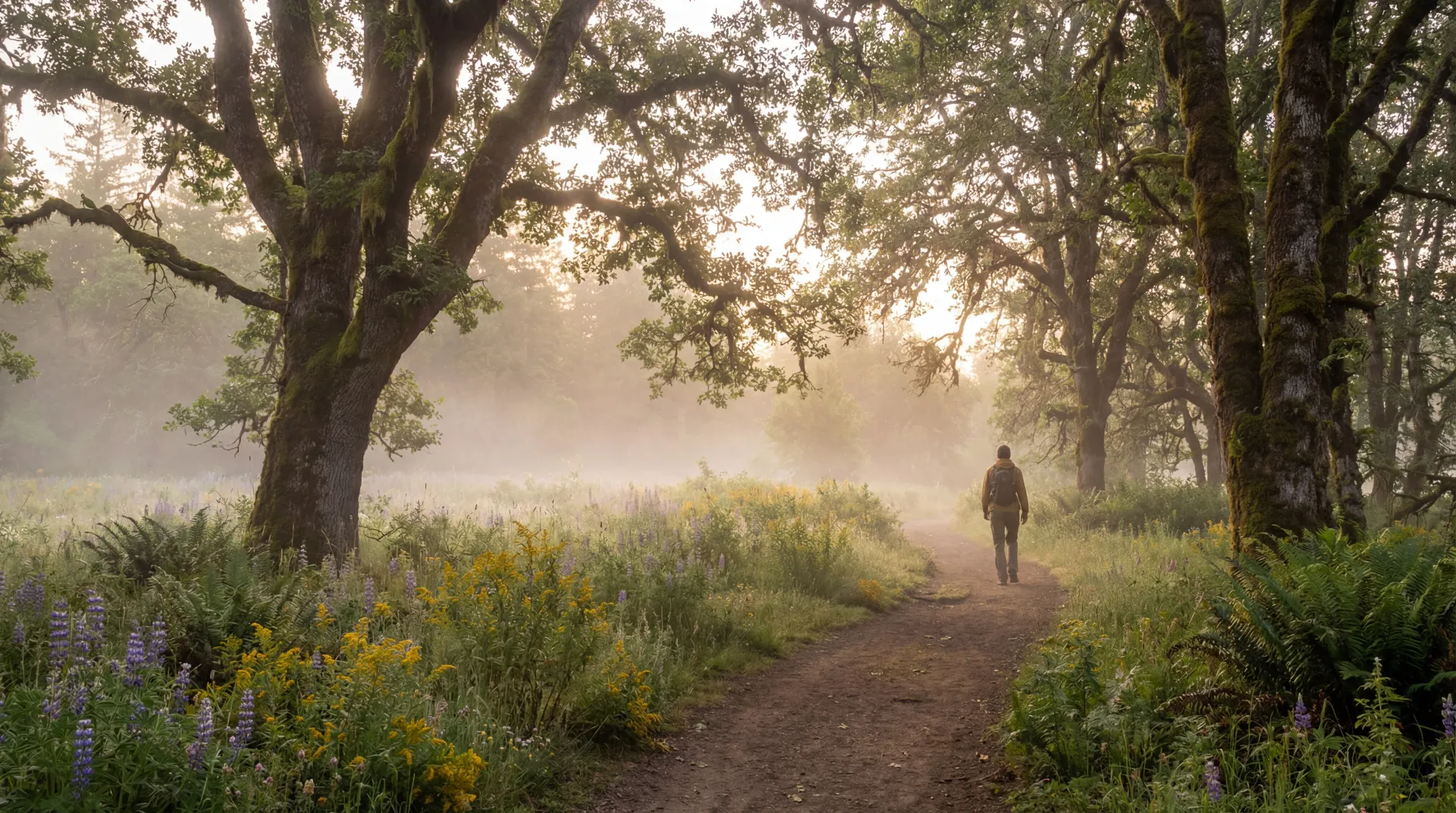
An awe walk is a short, intentional walk where your goal is not speed, calories, or steps. Your goal is to notice things that feel larger than your everyday concerns: light through trees, cloud movement, birdsong patterns, changing seasons, or the architecture of a city canopy. In a randomized clinical trial in older adults, participants who practiced weekly awe walks reported greater daily prosocial emotions and less distress over time, suggesting this is not just a pleasant idea but a measurable mental well-being practice (Sturm et al., 2022).
The key difference is attention. A regular walk can still be mentally noisy if you scroll your phone or replay stressful conversations. An awe walk gently widens your focus from "me and my problems" toward "me as part of a bigger environment." That broader perspective is one reason awe practices may reduce emotional narrowing and improve how people respond to daily stressors.
If you already use simple stress tools like paced breathing, you can blend them with this practice. For example, after 5 minutes of noticing your surroundings, use one round of the techniques from these breathing techniques for stress relief before continuing your walk.
Think of awe walks as a mindset upgrade for a habit you may already have. Many people already walk the dog, walk to transit, or walk between errands. By adding intentional noticing, those existing minutes become a mental recovery ritual rather than dead space between tasks. This helps people who struggle to add brand-new routines because you are modifying an existing behavior, not building one from zero.
| Regular Walk | Awe Walk |
|---|---|
| Primary goal is distance, pace, or exercise minutes | Primary goal is perspective shift and emotional renewal |
| Attention is often inward, distracted, or task-focused | Attention is intentionally outward, curious, and sensory-rich |
| Often done while multitasking (calls, messages, podcasts) | Done with reduced digital input to improve noticing |
| Mood benefits depend on intensity and consistency | Mood benefits come from both movement and emotional framing |
Quick takeaway: You do not need wilderness, expensive gear, or an hour of free time. You need consistent attention, a walkable route, and a willingness to be surprised by ordinary scenes.
Why daily nature exposure can shift mood, stress, and mental resilience
Researchers increasingly talk about a "nature dose": how much nature contact you need for meaningful health effects. A large study in Scientific Reports found that people spending at least 120 minutes per week in nature were more likely to report good health and well-being compared with those who had no nature exposure. That threshold can be reached with daily 15-20 minute walks.
Mental benefits also show up in short sessions. A landmark experiment found that even brief bouts of green exercise improved mood and self-esteem, with particularly noticeable gains in the first few minutes (Barton and Pretty, 2010). For people who feel overwhelmed, this matters: a meaningful intervention can be small, repeatable, and low-cost.
Nature walks may also reduce unhelpful rumination. In a controlled study, participants who walked in natural settings showed lower self-reported rumination and reduced neural activity in a brain region linked to repetitive negative thinking compared with those who walked in an urban environment (Bratman et al., 2015). That does not mean city walks are useless; it means route choice can influence psychological outcomes.
When mood is already low, a nature-based walk can still help. In people with major depressive disorder, interacting with nature improved memory and positive affect in one study (Berman et al., 2012). This is not a replacement for therapy or medical care, but it is a practical adjunct strategy many people can implement immediately.
In real life, outcomes are shaped by sleep, workload, social stress, and neighborhood conditions. Some days your walk may feel neutral rather than uplifting, and that is still progress because neutral can interrupt emotional escalation. Across weeks, this lower reactivity baseline is often as valuable as dramatic mood spikes.
If your schedule is packed, think in weekly totals. A daily 17-minute walk gives you roughly 119 minutes per week, which is close to the threshold associated with better self-reported well-being in population data. The path does not have to be scenic perfection; consistency tends to outperform occasional "ideal" outings.
For additional lifestyle context, you can pair this habit with practical sleep and stress hygiene. The site guide on meditation techniques and benefits can complement your post-walk wind-down routine.
What happens in the brain and body during an awe-focused walk
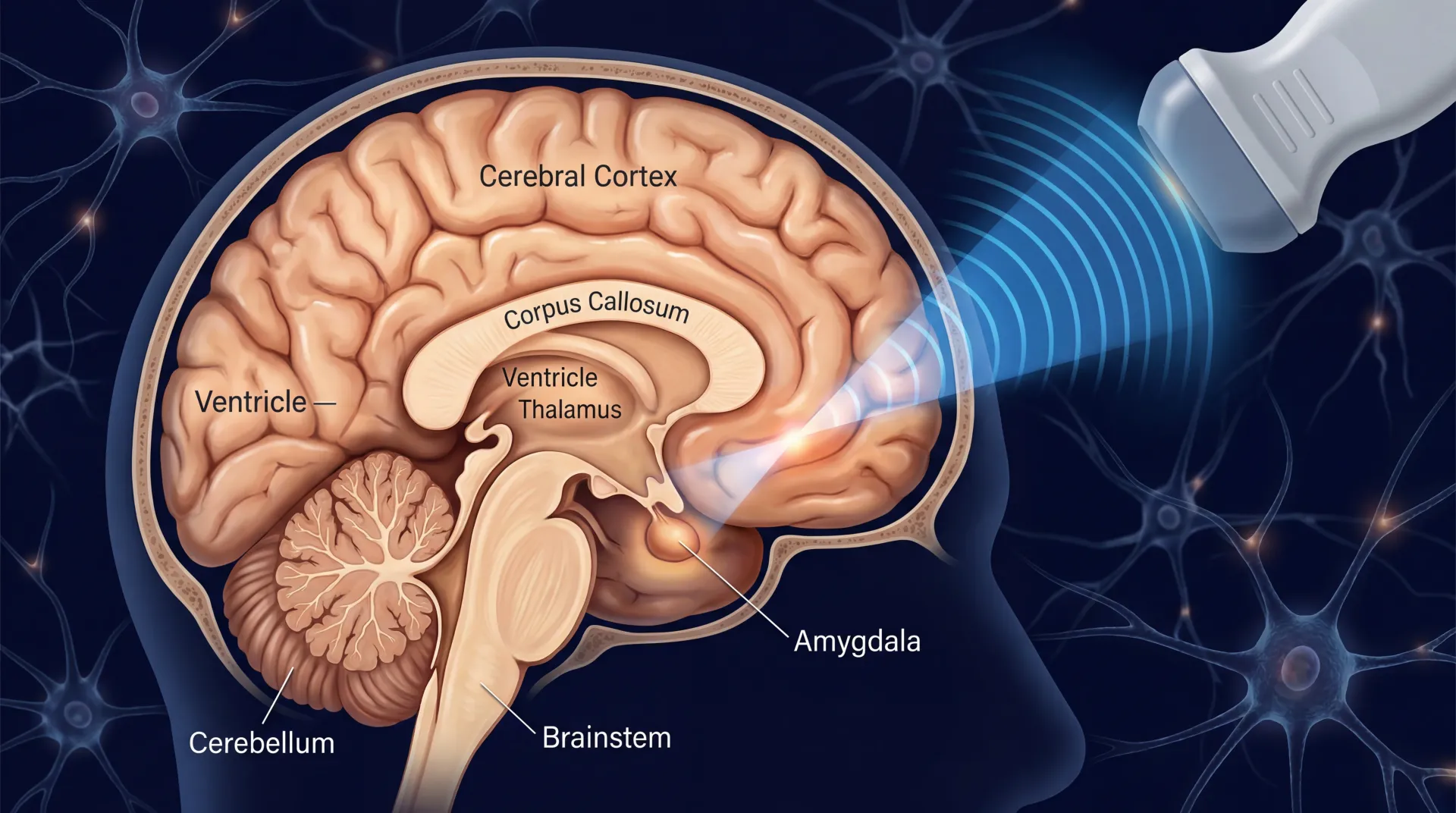
Awe appears to work through multiple pathways at once. First, it can create a "small self" perspective, where personal worries feel less dominant for a moment. Second, nature exposure can reduce cognitive fatigue by restoring directed attention. Third, gentle movement supports autonomic balance, sleep quality, and emotional regulation.
There is also growing interest in psychobiology. Research connecting positive emotional styles with lower inflammatory profiles suggests that emotional states are not only "in your head" but may relate to whole-body physiology over time (Stellar et al., 2017). A single walk will not transform inflammation, but repeated emotional regulation practices may contribute to healthier long-term trajectories when combined with sleep, nutrition, and exercise.
Systematic reviews further support links between green space exposure and mental health outcomes, including lower stress and better self-reported well-being across populations (Jimenez et al., 2021). The strongest interpretation is practical: regular contact with natural elements is a useful lever for prevention and self-management.
Another plausible pathway is social behavior. Awe can increase feelings of connectedness and reduce self-focused urgency, which may improve patience and cooperation in daily interactions. These \"small\" social shifts can protect mental well-being because interpersonal tension is one of the fastest ways stress compounds across a week.
| Potential Mechanism | What You May Notice During an Awe Walk | Why It Matters for Mental Well-Being |
|---|---|---|
| Attention restoration | Less mental clutter and easier concentration afterward | Can lower cognitive overload and irritability |
| Reduced rumination | Fewer repetitive negative thought loops | Supports better mood and emotional flexibility |
| Perspective broadening (awe) | Problems feel more manageable and less consuming | Can improve coping during stressful periods |
| Light physical activity effects | Subtle energy lift and calmer body state | Complements evidence-based movement guidance |
This is also why awe walks fit nicely with existing movement habits. If you already follow broader activity advice, such as taking daily walks for cognitive and mood support, the concepts in physical exercise and brain health align well with this approach.
How to do a daily awe walk in 20 minutes (even in a busy city)
The best routine is the one you can repeat. Start with a 20-minute structure and keep it simple for the first two weeks. You can do this in parks, quiet residential streets, waterfront paths, botanical spaces, or any route with visible sky and living elements.
| Minute Range | What To Do | Purpose |
|---|---|---|
| 0-2 | Put phone on silent, soften pace, and breathe normally through the nose | Transition out of task mode |
| 3-7 | Look up and widen visual field; scan trees, sky, birds, shadows, and movement | Shift attention outward |
| 8-12 | Focus on one sensory channel at a time: sound, texture, scent, temperature | Increase present-moment awareness |
| 13-17 | Ask: "What is larger than me in this scene right now?" | Evoke awe and perspective |
| 18-20 | Capture one sentence mentally or in notes: "Today I noticed..." | Consolidate the emotional memory |
If you feel self-conscious, remember that the practice is subtle. You do not need dramatic gestures, and nobody around you needs to know you are doing an awe intervention. Keep your pace natural. The only visible change is that you pay closer attention.
City-friendly substitutions work well: sidewalk trees, rooftop views, seasonal light on buildings, pocket parks, rivers, and even birds around transit stops. If you cannot access greenery daily, combine nature imagery with movement. This is not identical to outdoor exposure, but it can still be useful on difficult days.
Some people like to anchor an awe walk after work to decompress; others do it before work to reduce anticipatory stress. Test both for one week each. Whichever slot lowers friction is your long-term time.
Awe walks: myth vs fact
Because awe walks sound gentle, people often underestimate them. But low-intensity practices can still produce meaningful behavior change when repeated consistently.
| Myth | Fact |
|---|---|
| "It only works in forests or mountains." | Nature-rich routes help, but urban green space and sky exposure can still support mood and stress regulation. |
| "If I don’t feel amazing immediately, it failed." | Benefits are often cumulative; many people notice clearer effects after 1-2 weeks. |
| "Awe means spiritual or mystical experiences only." | Awe can be simple: a changing cloud pattern, birds in formation, or the geometry of tree branches. |
| "This is too small to matter for mental health." | Short, repeated interventions are supported by evidence in movement and nature exposure research. |
| "Awe walks replace treatment for depression or anxiety." | They are an adjunct habit, not a substitute for professional care when symptoms are significant or persistent. |
Use this mindset: small habit, strong consistency, realistic expectations. That combination tends to outperform rare, high-effort routines that are hard to maintain.
A practical 14-day awe walk plan you can start today
This progression is designed to move from simple noticing to deeper emotional regulation without adding complexity. If any day feels too long, cut it in half and keep the streak.
| Day | Minutes | Focus | Reflection Prompt |
|---|---|---|---|
| 1 | 10 | Slow pace and visual scanning | What did I notice that I normally miss? |
| 2 | 12 | Sound mapping | Which sound made me pause? |
| 3 | 12 | Sky and horizon | Did my worries feel bigger or smaller? |
| 4 | 15 | Texture and detail | Which detail felt unexpectedly beautiful? |
| 5 | 15 | Breath + steps rhythm | How did my body state change by the end? |
| 6 | 16 | Color and light | What color dominated today’s route? |
| 7 | 18 | Wide-angle attention | What felt larger than my current stress? |
| 8 | 18 | Route variation | Did a new path change my mood? |
| 9 | 20 | Awe question practice | Where did I feel perspective shift? |
| 10 | 20 | No-phone walk | What changed without digital interruptions? |
| 11 | 20 | Micro-pauses (3 x 30 sec) | Which pause felt most calming? |
| 12 | 20 | Compassion cue | Did I feel more patience with others? |
| 13 | 22 | Long exhale finish | How does my mind feel now vs start? |
| 14 | 22 | Favorite-route repeat | What is my weekly maintenance plan? |
At the end of day 14, choose your maintenance minimum: usually 15-20 minutes, five to seven days per week. Your best baseline is the smallest dose you can keep during stressful weeks.
For people rebuilding routines after burnout or low mood, this approach can pair well with basic behavior activation steps, like those discussed in this depression support habits guide, while still respecting professional treatment plans.
Troubleshooting: weather, safety, mobility, and low motivation
If weather is bad: Use "minimum viable exposure." Stand under covered outdoor space for 5 minutes, then walk indoors near windows, plants, or natural light. Not perfect, still useful.
If your neighborhood feels unsafe: Use populated routes, daylight windows, shopping districts with trees, community gardens, or indoor botanical spaces. Safety is non-negotiable.
If mobility is limited: You can practice awe from a bench, wheelchair route, balcony, or even a single block repeated slowly. The therapeutic target is attention and perspective shift, not athletic performance.
If motivation is low: Attach the walk to a fixed cue: after coffee, after lunch, or after logging off work. Habit stacking reduces decision fatigue.
If your mind keeps racing: Try a two-part script: 60 seconds of slow breathing, then identify three details in sequence (something moving, something textured, something distant). Repetition trains attentional control.
Finally, maintain realistic expectations. Awe walks are not instant cures; they are skill-building reps. Done consistently, they can improve daily emotional baseline, reduce stress reactivity, and support a broader mental health plan that may include therapy, medication, sleep work, social connection, and movement practices such as yoga for a healthier mind.
Global movement guidance is clear that regular physical activity supports both physical and mental health, and walking is one of the most accessible options (WHO Guidelines; CDC Health Benefits of Physical Activity). Awe walks build on that foundation by adding a deliberate emotional-cognitive lens.
If you like data, track one quick score before and after each walk for two weeks: stress from 0-10 or mood from 0-10. Keep the method simple and avoid overanalysis. You are looking for trend direction, not perfect numbers. Even modest improvements indicate the routine is worth protecting in your calendar.
Frequently Asked Questions
How long should an awe walk be to help mental well-being?
Most people do well with 15-20 minutes daily. If that feels hard, start with 8-10 minutes and build gradually. Consistency matters more than long sessions.
Do I need a forest, beach, or mountain for this to work?
No. Natural elements in cities can still support the practice: trees, clouds, sunlight patterns, birds, water features, and seasonal changes. Route quality helps, but regularity matters most.
Can awe walks replace therapy or medication?
No. Awe walks are a supportive lifestyle intervention, not a replacement for clinical care. If you have persistent depression, panic, trauma symptoms, or suicidal thoughts, seek licensed professional help promptly.
What if I feel nothing during the first week?
That is common. Treat the first week as training attention, not chasing a strong emotion. Many people notice cumulative gains in mood, patience, and stress tolerance after 10-14 days.
Should I listen to music or podcasts during an awe walk?
For best results, avoid continuous audio. If silence feels uncomfortable, use brief instrumental audio only at the start, then finish most of the walk without media so sensory noticing can do its job.
Related Articles
- Top Breathing Techniques to Relieve Stress - Practical breathing drills you can pair with pre-walk or post-walk recovery.
- Meditation Techniques: Guides, Tips, and Benefits - A beginner-friendly overview of meditation styles that complement awe-based attention training.
- Physical Exercise and Brain Health - Explains how movement habits support memory, mood, and long-term cognitive function.
- Dealing With Depression: 5 Simple Steps - Low-friction daily behaviors that can support treatment plans and emotional stability.
- Yoga for a Healthy Mind - Mind-body strategies for stress regulation and emotional recovery.
Medical Disclaimer
This article is for informational and educational purposes only and is not medical advice, diagnosis, or treatment. Always consult a licensed physician or qualified healthcare professional regarding any medical concerns. Never ignore professional medical advice or delay seeking care because of something you read on this site. If you think you have a medical emergency, call 911 immediately.