What Makes the Mediterranean Diet Different From Other Eating Patterns?
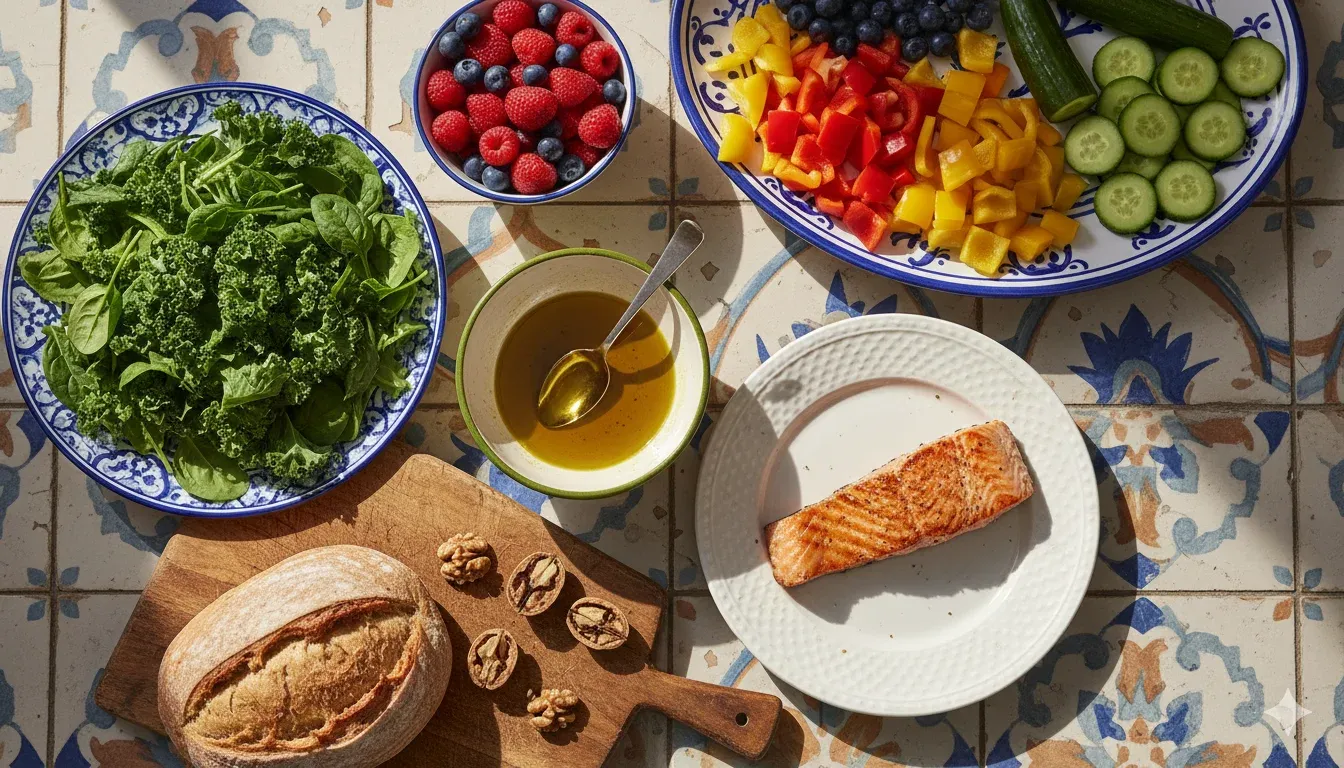
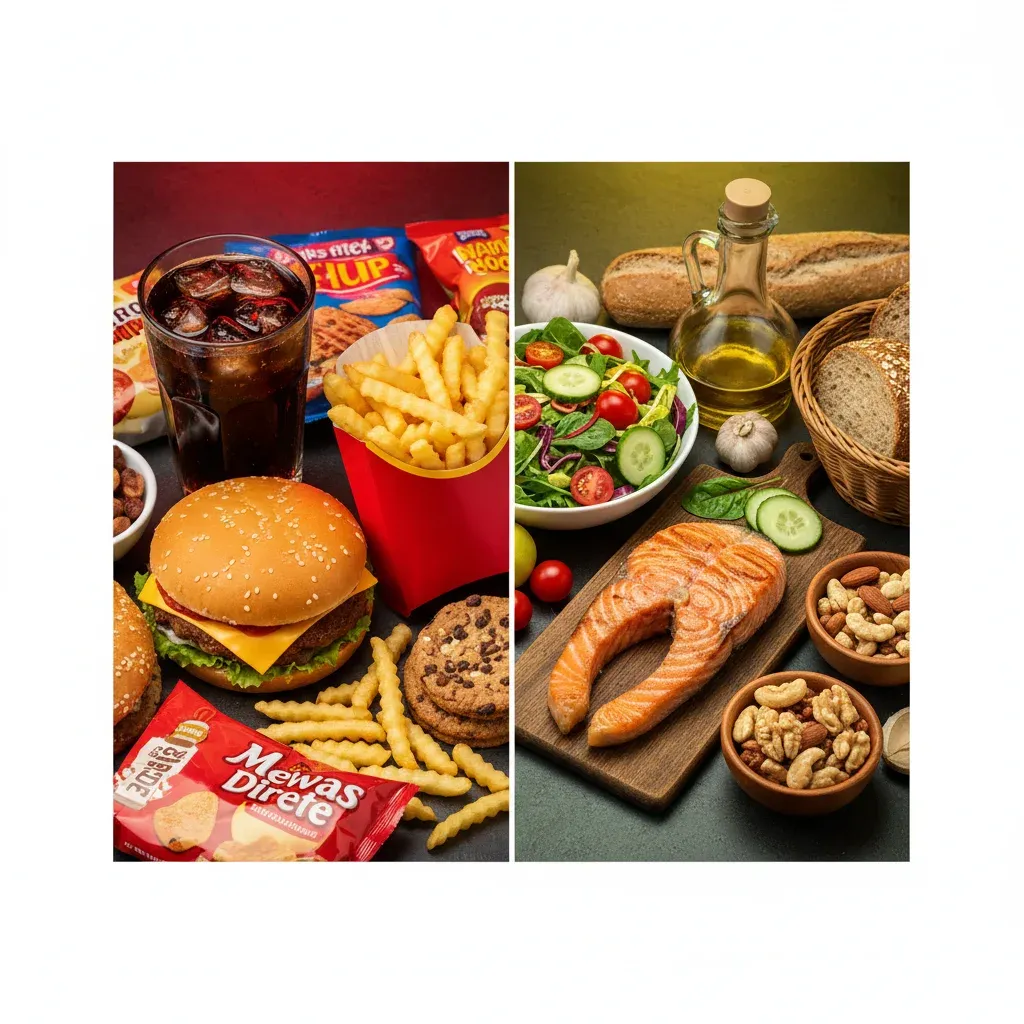
Most diets revolve around restriction -- counting calories, eliminating food groups, or measuring macronutrient ratios with obsessive precision. The Mediterranean diet works differently. It centers on abundance: generous amounts of vegetables, fruits, legumes, whole grains, nuts, and olive oil, with moderate fish and poultry, and limited red meat and processed foods.
What gives this pattern its staying power is that it was never designed in a laboratory. It emerged from the traditional eating habits of communities bordering the Mediterranean Sea, first documented scientifically in the landmark Seven Countries Study during the 1950s and 1960s, when researchers noticed that people in southern Europe enjoyed some of the longest lifespans in the world despite modest healthcare systems. The common thread was not a supplement or a surgical intervention -- it was what they ate every day.
The framework looks something like this in practice:
| Food Group | How Often | Serving Size |
|---|---|---|
| Vegetables | 3+ servings daily | 1 cup raw or 1/2 cup cooked |
| Fruits | 3 servings daily | 1/2 cup to 1 cup |
| Whole grains | 3-6 servings daily | 1/2 cup cooked or 1 slice bread |
| Extra virgin olive oil | 1-4 tablespoons daily | 1 tablespoon |
| Legumes | 3+ servings weekly | 1/2 cup |
| Fish (omega-3 rich) | 3 servings weekly | 3-4 ounces |
| Nuts | 3+ servings weekly | 1/4 cup |
| Red meat | Once weekly or less | 3 ounces |
Beyond the food itself, the Mediterranean pattern includes a cultural dimension that most diet plans ignore entirely. Meals are prepared and shared with family or friends. Cooking at home with fresh, local ingredients is the norm rather than the exception. Physical activity is woven into daily life rather than confined to gym sessions. These lifestyle elements are not just window dressing -- they interact with the dietary pattern in ways that reinforce its protective effects, particularly where the gut-brain axis and stress physiology are concerned.

Your Brain on Olive Oil, Fish, and Leafy Greens
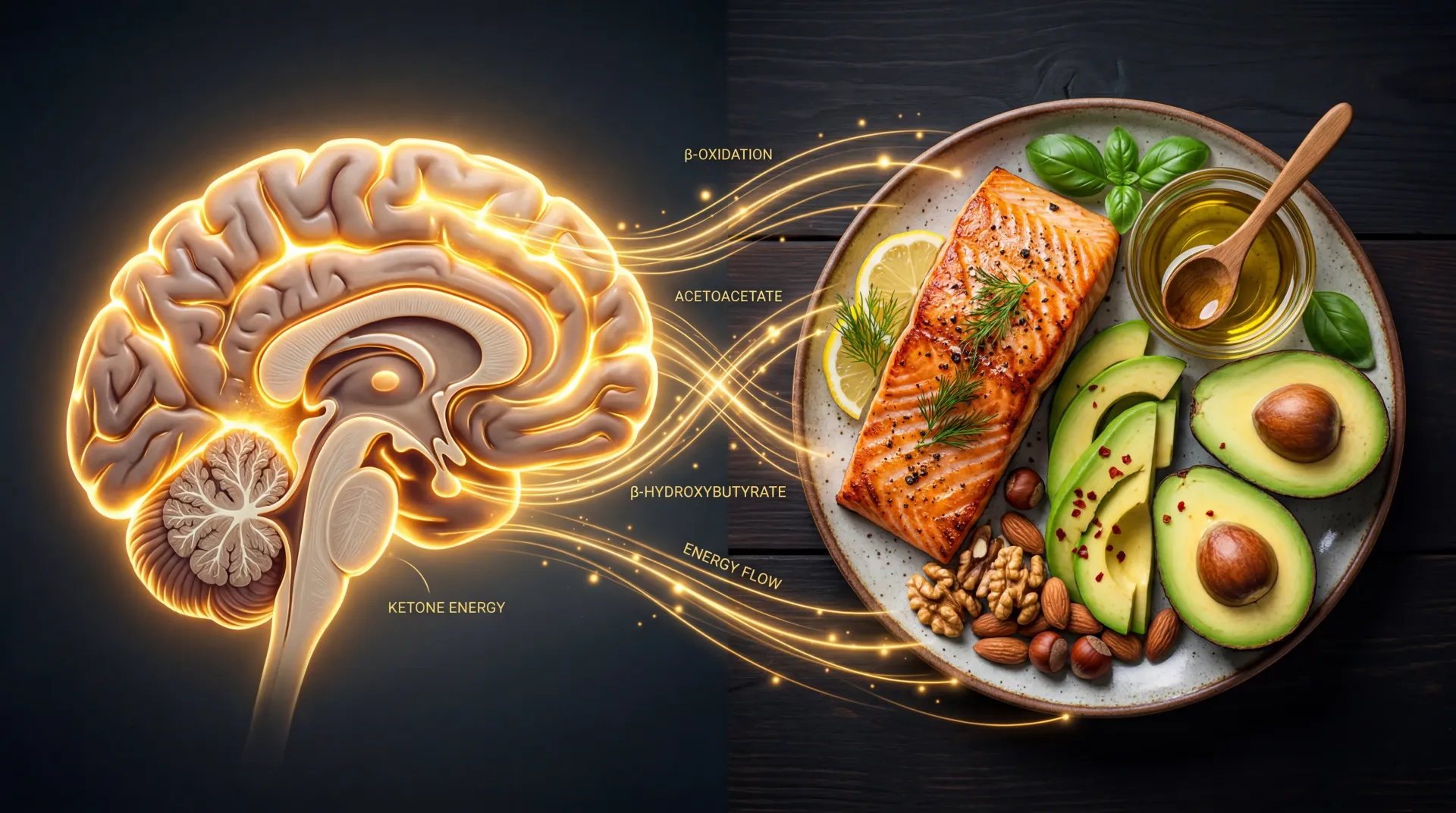
The Mediterranean diet does not protect your brain through a single magic ingredient. Its power comes from the combined and synergistic effects of several nutrient categories working together -- what researchers describe as a nutritional pattern rather than individual nutrients acting in isolation.
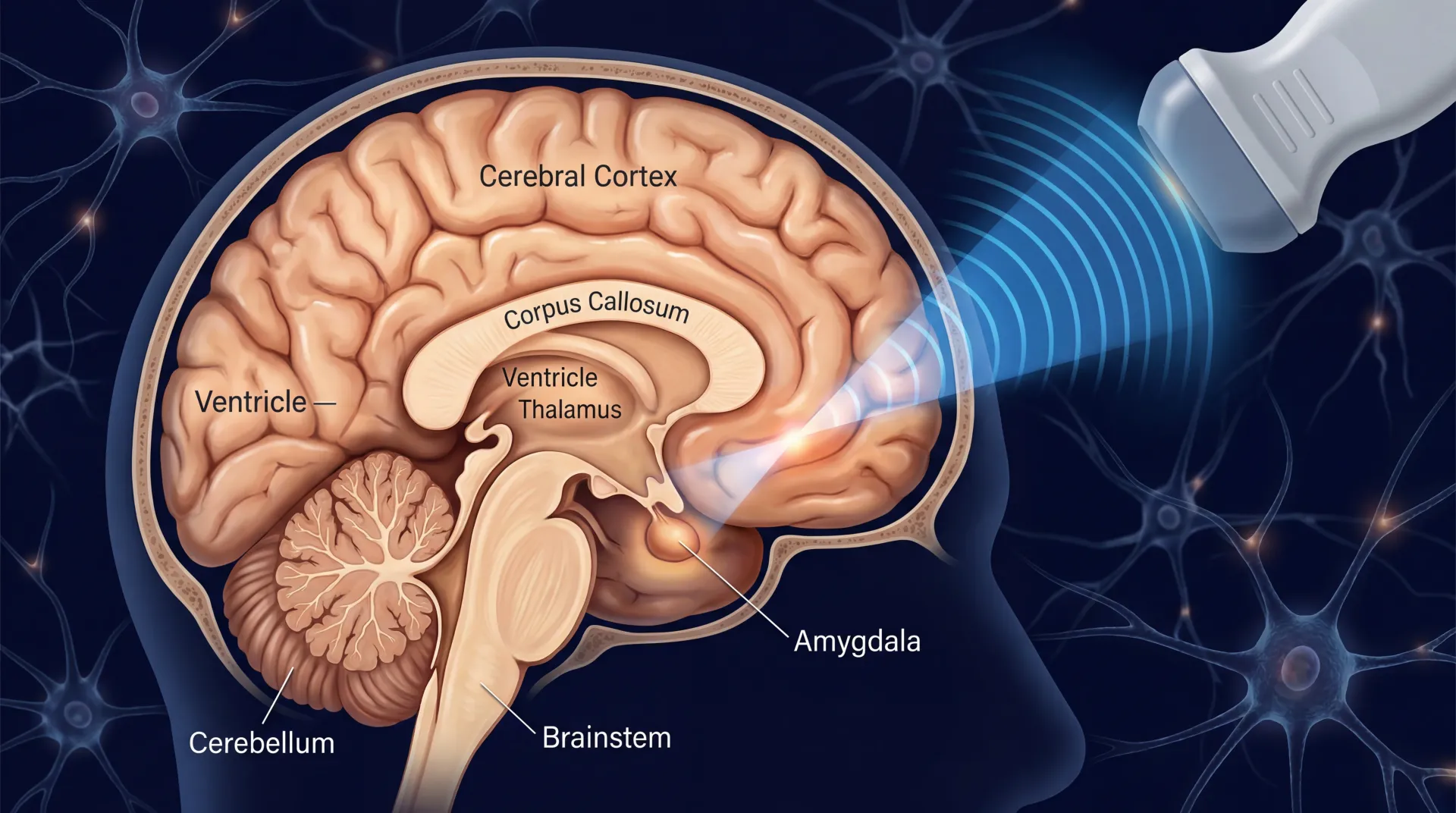
Quick fact: The brain accounts for only about 2% of your body weight but consumes roughly 20% of your daily energy. It is highly vulnerable to oxidative stress and inflammation -- exactly what Mediterranean diet components help fight.
Extra virgin olive oil sits at the foundation of this eating pattern, and for good reason. Rich in polyphenols, tocopherols (vitamin E), and oleic acid, EVOO has demonstrated anti-inflammatory properties that directly support cognitive function. The polyphenols in olive oil act as antioxidants that scavenge free radicals responsible for neuronal damage, while oleic acid supports the structural integrity of cell membranes throughout the brain. Notably, extra virgin olive oil is not interchangeable with regular olive oil here -- the cold-pressing process preserves the antioxidant compounds that get stripped away in more refined versions.
Fatty fish -- salmon, sardines, mackerel, and herring -- provide the omega-3 fatty acids DHA and EPA, which are essential structural components of neuronal membranes. DHA in particular concentrates heavily in the brain, where it supports synaptic plasticity (the ability of neural connections to strengthen and reorganize). A review published in Frontiers in Nutrition found that fish consumption was associated with lower cognitive impairment risk in a dose-response pattern -- meaning more servings correlated with greater protection, up to about three servings per week.
Leafy greens and berries bring concentrated doses of flavonoids, carotenoids, vitamin E, and folate. An NIA-funded study published in Neurology examined the brains of 581 older adults after death and found that green leafy vegetables were specifically associated with less Alzheimer's brain pathology. This was not a subtle association -- participants who ate more leafy greens had measurably fewer amyloid plaques, the protein deposits that characterize Alzheimer's disease.
Here is how the key components work at the biological level:
| Component | Brain Mechanism | Key Nutrients |
|---|---|---|
| Extra virgin olive oil | Reduces neuroinflammation, scavenges free radicals | Polyphenols, oleic acid, vitamin E |
| Fatty fish | Maintains neuronal membrane integrity, promotes synaptic plasticity | DHA, EPA (omega-3s) |
| Leafy greens | Antioxidant protection, reduces amyloid plaque formation | Flavonoids, vitamin E, folate, carotenoids |
| Berries | Anti-inflammatory, antioxidant protection | Anthocyanins, flavonoids, vitamin C |
| Nuts (walnuts, almonds) | Nerve signal transmission, serotonin precursors | Vitamin E, polyphenols, magnesium, tryptophan |
| Whole grains | Stable glucose metabolism, prevents insulin resistance | Fiber, ferulic acid, lignans |
These components do not work in isolation, though. The real value is how they interact. Research has shown that polyphenols from fruits and vegetables combined with omega-3 fatty acids amplify each other's antioxidant effects and reduce neuroinflammation more than either does alone. The fiber in whole grains and legumes feeds beneficial gut bacteria that produce short-chain fatty acids, which in turn help maintain the integrity of the blood-brain barrier and modulate neuroinflammatory pathways.
The Mediterranean diet may also influence brain health at the epigenetic level. A 2024 review found that key components -- polyphenols, monounsaturated fatty acids, and phytonutrients -- modulate gene expression through DNA methylation and histone modification, reducing pro-inflammatory gene activity and upregulating antioxidant pathways. The diet may not just provide short-term protection but actually reprogram how your cells respond to stress over time.
Cognitive Decline Slowed by Up to 30% in Key Studies
Multiple independent meta-analyses, pooling tens of thousands of participants, now point in the same direction: people who eat this way lose cognitive function more slowly.
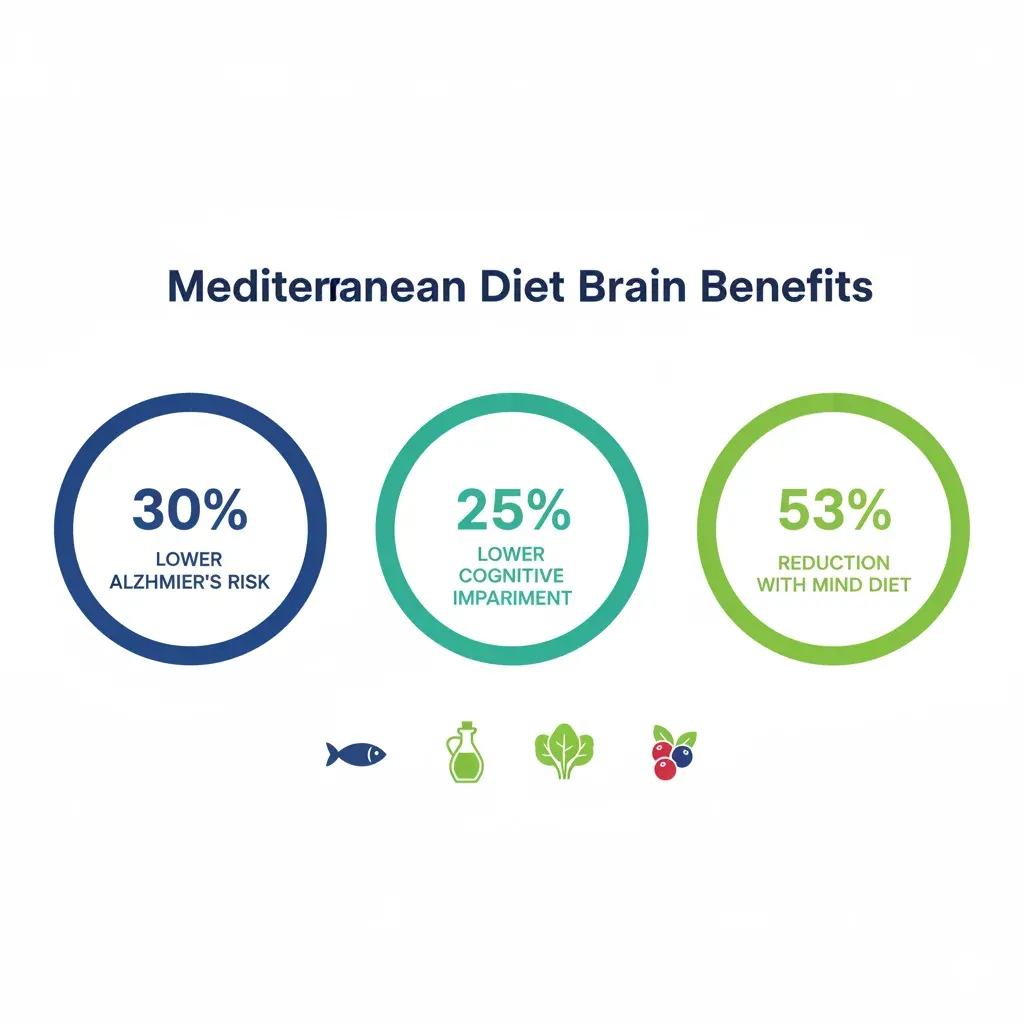
A 2025 meta-analysis published in GeroScience reviewed 23 studies spanning two decades and found that people who closely followed a Mediterranean diet experienced an 18% lower risk of cognitive impairment, an 11% lower risk of all-type dementia, and a 30% lower risk of Alzheimer's disease specifically. Applied to a condition affecting roughly 50 million people worldwide, those percentages represent a lot of preserved function.
A separate meta-analysis from 2022 in Frontiers in Nutrition, covering 31 cohort studies and five randomized controlled trials, found that high Mediterranean diet adherence was associated with a 25% lower risk of mild cognitive impairment and a 29% lower risk of Alzheimer's disease. The randomized trials within that analysis showed that the diet improved both episodic memory and working memory compared to control groups.
A third meta-analysis, this one focused specifically on elderly populations and published in Aging Clinical and Experimental Research in 2024, pooled data from 21 studies involving 65,955 participants. The results confirmed that Mediterranean diet adherence was associated with reduced dementia risk across different study designs and populations.
Key finding: The PREDIMED trial -- the largest and most rigorous randomized controlled trial of the Mediterranean diet -- found significant improvements in memory, frontal lobe function, and global cognitive scores among participants who followed a Mediterranean diet supplemented with extra virgin olive oil or nuts. The diet also reduced the risk of low brain-derived neurotrophic factor (BDNF) by 78% at the three-year mark. BDNF is a protein critical for learning, memory formation, and the survival of existing neurons.
The autopsy data is harder to argue with than questionnaire studies. The NIA-funded Rush University study examined the brains of 581 participants who had tracked their diets for up to a decade before death. Those who scored highest on Mediterranean and MIND diet adherence had significantly fewer amyloid plaques -- the protein clumps that are the hallmark of Alzheimer's pathology. This association held up even after controlling for physical activity, smoking, and vascular health, suggesting the dietary effect is direct rather than a side effect of generally healthier living.
Here is a comparison of the major meta-analyses:
| Study | Year | Studies Pooled | Participants | Key Finding |
|---|---|---|---|---|
| Fu et al., Front Nutr | 2022 | 36 (31 cohort, 5 RCTs) | Not reported | 25% lower MCI risk, 29% lower AD risk |
| Nucci et al., Aging Clin Exp Res | 2024 | 21 | 65,955 | 16% lower dementia risk (cohort), 27% lower AD risk |
| Fekete et al., GeroScience | 2025 | 23 | Not reported | 18% lower cognitive impairment, 30% lower AD risk |
The MIND diet -- a hybrid of Mediterranean and DASH eating patterns designed specifically for brain health -- produces particularly notable numbers. Observational data from the original Rush University analysis found that strict MIND diet adherence was associated with a 53% reduced rate of Alzheimer's disease over 4.5 years. Even moderate adherence -- following the guidelines roughly, without strict compliance -- reduced the rate by 35%. That gap between perfect and imperfect adherence is actually encouraging: it suggests you do not have to be perfect to get real protection.
The Longevity Connection: Blue Zones and Centenarian Research
Blue Zones -- geographic regions where people live past 100 at unusually high rates -- provide a multi-generational experiment in eating for longevity. These five areas (Okinawa, Sardinia, Nicoya, Ikaria, and Loma Linda) share dietary patterns that overlap substantially with the Mediterranean diet.
A critical review in the Food and Nutrition Journal analyzed dietary practices across all five Blue Zones and found common principles: predominantly plant-based eating, minimal processed food, moderate animal protein, fermented foods, and -- in Okinawa -- deliberate caloric modesty through hara hachi bu (eating until about 80% full).
The biological mechanism linking these dietary patterns to longevity may run through telomere length. Telomeres are protective caps at the ends of your chromosomes that shorten with each cell division -- essentially a biological clock of cellular aging. A population-based cohort study of 4,676 Americans found that higher Mediterranean diet adherence scores were linked to longer telomere length, suggesting the diet actually slows cellular aging at the chromosomal level. In Nicoya, Costa Rica, a study of 16,300 people found that those following the traditional diet had longer leukocyte telomere length and lower blood pressure compared to those eating modern processed diets.
Sardinia provides particularly relevant data for brain health. Research on Sardinian nonagenarians and centenarians found that those following traditional Mediterranean dietary patterns showed improved cognitive function and lower rates of disability compared to those who had shifted toward Westernized eating. The PREDIMED trial in Spain, involving 7,447 participants aged 55-80 over nearly five years, demonstrated that Mediterranean eating supplemented with extra virgin olive oil or mixed nuts significantly reduced cardiovascular events, which in turn protects the brain's blood supply.
The takeaway from Blue Zone research is not that you need to move to a Greek island or become Okinawan. It is that the dietary principles underlying these long-lived communities -- plant-forward eating, healthy fats, minimal processing, and meals shared with others -- are reproducible anywhere.
Myth vs. Fact: Common Misconceptions About the Mediterranean Diet and Brain Health
The popularity of the Mediterranean diet has generated a fair amount of oversimplification and outright misinformation. Here is what the evidence actually supports versus what gets exaggerated.
| Myth | Fact |
|---|---|
| The Mediterranean diet cures or reverses Alzheimer's disease | No diet has been shown to reverse established Alzheimer's. The evidence supports risk reduction and slower progression of cognitive decline, not reversal. The 2025 GeroScience meta-analysis found risk reductions of 11-30%, which is meaningful but not a cure. |
| You need to follow the diet perfectly for it to work | Moderate adherence still provides protection. The MIND diet research found that even people who followed the guidelines loosely had a 35% lower Alzheimer's rate, compared to 53% for strict followers. |
| The brain benefits come mainly from red wine | Wine is an optional and very minor component. The protective effects come primarily from olive oil, fish, vegetables, and nuts. Multiple studies showing brain benefits did not require wine consumption. |
| If you exercise and do not smoke, your diet does not matter for brain health | The Rush University brain autopsy study found that the Mediterranean diet's effect on amyloid plaques was independent of physical activity, smoking status, and vascular health. Diet provides additive protection beyond other healthy behaviors. |
| Randomized controlled trials have definitively proven the Mediterranean diet prevents dementia | Not quite. While observational evidence is strong, the RCT evidence is more nuanced. A systematic review of five RCTs found that most individual cognitive test results were nonsignificant, though the largest trial (PREDIMED) showed significant improvements in memory and frontal lobe function. Researchers emphasize the need for more long-term RCTs. |
| Any olive oil provides the same brain benefits | Extra virgin olive oil (cold-pressed, unrefined) contains significantly more polyphenols and antioxidants than regular or light olive oil. The antioxidant compounds responsible for neuroprotection are largely removed during the refining process. |
One important nuance that often gets lost: the NIA-funded autopsy study found that while Mediterranean and MIND diet adherence was linked to fewer amyloid plaques, there was no significant correlation with tau tangles -- the other major protein hallmark of Alzheimer's. This suggests the diet may work primarily through one pathological pathway rather than all mechanisms of the disease, which is another reason to frame it as risk reduction rather than prevention.
The relationship between chronic inflammation and disease also provides important context. The Western diet -- characterized by high intake of red meat, saturated fats, refined carbohydrates, and sugar -- actively increases cardiovascular disease risk, which in turn contributes to faster brain aging. So the Mediterranean diet's brain benefits likely come not only from what it includes (protective nutrients) but also from what it replaces (pro-inflammatory foods).
A Practical Week of Mediterranean Eating for Brain Protection
This is where most diet guides lose people -- they dump the research and leave you staring at your fridge. The Mediterranean pattern is more flexible than most -- it is about principles and proportions rather than rigid meal plans. Here is what a realistic week looks like, built around the foods that research links most strongly to cognitive protection.
Daily non-negotiables for brain health:
- 1-4 tablespoons of extra virgin olive oil (cooking, dressings, drizzled on food)
- At least 1 serving of leafy greens (spinach, kale, arugula, romaine)
- 3+ servings of vegetables across the day
- 3+ servings of whole grains (oats, brown rice, whole-wheat bread, quinoa)
- 1-2 servings of fruit, with berries at least twice per week
Weekly targets:
- 3 servings of fatty fish (salmon, sardines, mackerel)
- 4+ servings of legumes (lentils, chickpeas, black beans)
- 5+ servings of nuts (walnuts and almonds are especially well-studied)
- Red meat no more than once, ideally replaced with fish or legume-based protein
Sample day structure:
- Breakfast: Steel-cut oats with walnuts, blueberries, and a drizzle of EVOO (or Greek yogurt with berries and ground flaxseed)
- Lunch: Large salad with mixed greens, chickpeas, tomatoes, cucumber, feta, olives, and EVOO-based dressing, with whole-grain bread
- Dinner: Baked salmon with roasted vegetables (broccoli, bell peppers, sweet potato) over quinoa, finished with olive oil
- Snacks: Handful of almonds, fresh fruit, hummus with raw vegetables
The transition does not need to be abrupt. Research on the MIND diet suggests that even moderate adherence produces meaningful brain benefits. Start by increasing leafy greens and swapping butter or vegetable oil for EVOO, then gradually add more fish and legume-based meals. If you are increasing fiber substantially (which this diet does), do so gradually over two to three weeks. The Cleveland Clinic recommends consulting your healthcare provider before making significant dietary changes, particularly if you have existing conditions.
The social dimension matters too. Research from Blue Zone populations shows that communal eating -- preparing and sharing meals with others -- is associated with better outcomes. Shared meals tend to be slower-paced, involve more home-cooked food, and reduce the mindless consumption that characterizes eating alone. For brain health, the combination of thoughtful eating patterns with social engagement works on multiple levels at once.
Frequently Asked Questions
How quickly can the Mediterranean diet improve brain function?
The PREDIMED trial detected measurable improvements in memory and frontal lobe function within three years. However, the observational evidence suggests that protection is cumulative -- longer adherence correlates with greater benefit. Starting the diet at any age appears to offer some protection, though earlier adoption provides more time for the cumulative effects to build.
Is the MIND diet better than the Mediterranean diet for brain health?
The MIND diet was specifically designed to target brain health by combining elements of the Mediterranean and DASH diets, with extra emphasis on leafy greens, berries, and limiting fried foods. Observational studies of the MIND diet have shown larger effect sizes for Alzheimer's risk reduction (up to 53%) than the Mediterranean diet alone. However, no head-to-head randomized trial has definitively proven one superior to the other. Both share the same core principles -- plant-forward eating, healthy fats, minimal processed food.
Can the Mediterranean diet help if cognitive decline has already started?
Research suggests it may slow further decline. A review in Current Opinion in Clinical Nutrition and Metabolic Care found that higher Mediterranean diet adherence was associated with reduced conversion from mild cognitive impairment to Alzheimer's disease. The diet is not a treatment for established dementia, but it may help preserve remaining cognitive function alongside medical care.
Do I need to drink wine for the brain benefits?
No. Wine is not a required component, and the brain benefits documented in the major studies are driven by the food components -- olive oil, fish, vegetables, nuts, and whole grains. If you do not currently drink alcohol, the American Heart Association and most medical bodies advise against starting for health reasons. If you do drink, limiting consumption to moderate amounts of red wine with meals is consistent with the Mediterranean pattern.
How does the Mediterranean diet compare to supplements for brain health?
The NIA notes that no individual vitamin or supplement has been proven to prevent Alzheimer's in rigorous trials. The Mediterranean diet appears more effective than any single supplement because it delivers a synergistic combination of nutrients -- antioxidants, omega-3s, B vitamins, polyphenols -- that work together in ways isolated supplements cannot replicate. Compounds like phosphatidylserine in fatty fish are more bioavailable when consumed as whole foods.
Related Articles
- Gut-Brain Axis: How Your Microbiome Affects Mood and Cognition -- How dietary fiber and fermented foods influence the brain through the gut-brain connection.
- Polyphenol-Rich Foods for Heart Health -- A deeper look at the protective compounds found in olive oil, berries, and other Mediterranean staples.
- Inflammation, Chronic Disease, and Anti-Inflammatory Living -- Understanding the inflammatory pathways that the Mediterranean diet helps counteract.
- Telomere Length: How to Slow Cellular Aging -- The science of telomeres and how dietary patterns influence biological aging at the cellular level.
- Phosphatidylserine for Memory, Cortisol, and Brain Health -- One of the key brain-protective nutrients abundant in fatty fish and other Mediterranean foods.
Medical Disclaimer
This article is for informational and educational purposes only and is not medical advice, diagnosis, or treatment. Always consult a licensed physician or qualified healthcare professional regarding any medical concerns. Never ignore professional medical advice or delay seeking care because of something you read on this site. If you think you have a medical emergency, call 911 immediately.