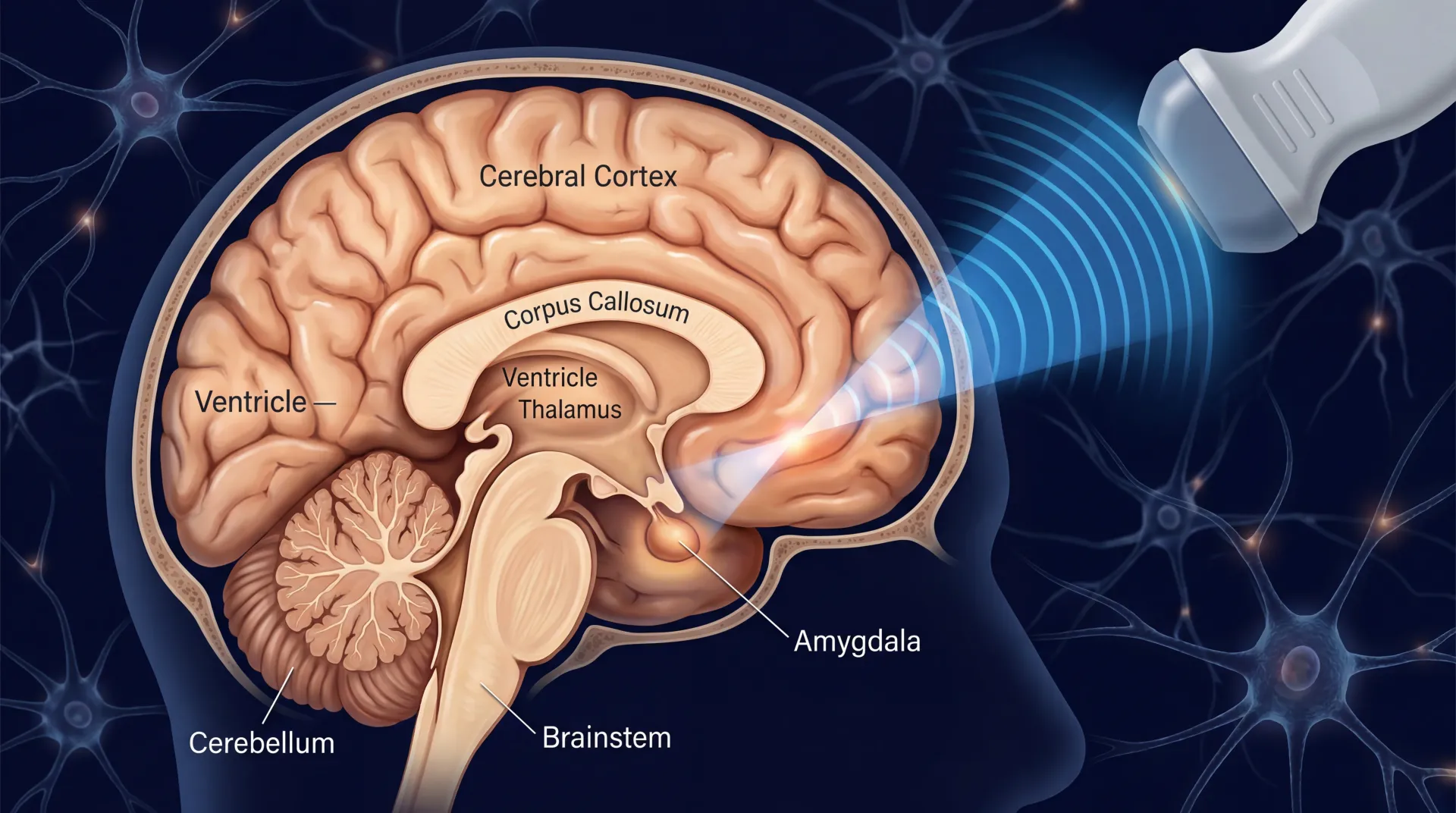
One in Three Americans Has Metabolic Syndrome — and People with Mental Illness Have It Far Worse
Standard psychiatric medications do something strange. They quiet the voices, flatten the mania, soften the depression — and then they make you gain 30 pounds, develop insulin resistance, and increase your risk of dying from heart disease. For the roughly 40% of people with severe mental illness who also have metabolic syndrome, this creates a vicious loop: the treatment for one condition feeds the other.
That paradox is the origin story of metabolic psychiatry, a field that asks a question most of mainstream psychiatry has largely ignored: what if the metabolic problems and the mental illness aren't separate conditions at all?
Dr. Shebani Sethi, a Stanford psychiatrist who is board certified in both obesity medicine and psychiatry, coined the term "metabolic psychiatry" and founded the first metabolic psychiatry clinic at Stanford Medicine. Her clinical observation was direct — she kept seeing patients where the metabolic illness and the psychiatric illness seemed tangled together. People with newly diagnosed bipolar disorder are 3.5 times more likely to have metabolic syndrome than the general population. Newly diagnosed schizophrenia patients are 3.7 times more likely to have insulin resistance. And people whose blood sugar sits in the prediabetes range are 2.7 times more likely to develop major depression.
These correlations show up before patients take any psychiatric medication, which means the metabolic problems aren't simply side effects. They appear to be part of the disease itself.
People with serious mental illness face a reduced life expectancy of up to 25 years compared to the general population, largely driven by cardiovascular, metabolic, and respiratory comorbidities.
The idea of treating metabolic dysfunction to improve psychiatric symptoms isn't limited to diet. Dr. Cynthia Calkin at Dalhousie University ran a trial giving the diabetes drug metformin to people with treatment-resistant bipolar depression who also had insulin resistance. Half of those who took metformin reversed their insulin resistance — and also found dramatic improvements in their psychiatric symptoms, even though most had been ill for 25 years without remission. As Calkin put it: "It's not that metformin is an antidepressant, it's that it can reverse insulin resistance, and that improves outcomes."
If metabolic dysfunction drives or worsens psychiatric symptoms, then correcting it — through drugs, diet, or exercise — could improve the psychiatric condition too. The ketogenic diet is the most-studied metabolic intervention in psychiatry so far, and it's where the most notable clinical results have appeared.
What Happens When Your Brain Can't Make Enough Energy
Dr. Christopher Palmer, a Harvard psychiatrist at McLean Hospital, has spent years building what he calls the "brain energy" theory of mental illness. The core argument is that psychiatric disorders — from depression to schizophrenia — are fundamentally disorders of brain metabolism. Not neurotransmitter imbalances, not purely genetic conditions, but problems with how brain cells produce and use energy.
The idea isn't entirely new. It draws on decades of neuroimaging research at McLean Hospital dating back to Seymour Kety's pioneering work in the 1950s on brain metabolism. What Palmer has done is synthesize scattered findings into a coherent framework. As he describes it, "Brain energy is a shorthand way of expressing the complexity of metabolism and mitochondria."
Mitochondria are the structures inside every cell that convert food into usable energy. Think of them as the power plants in each of your 86 billion neurons. When those power plants malfunction — producing less energy, generating more waste products, failing to maintain the cell — the neuron doesn't work correctly. Multiply that by millions of neurons and you get symptoms that look exactly like psychiatric illness: disrupted mood, disordered thinking, impaired cognition.
The evidence for mitochondrial involvement has been building for decades. Researchers at McLean, including Bruce Cohen and Anne Cataldo, found that mitochondrial size and distribution differ significantly in the cells of people with bipolar disorder compared to those without it. A systematic review in BJPsych Open noted that depression is characterized by reduced mitochondrial energy generation, while mania is characterized by increased mitochondrial biogenesis — the cell making more power plants in an attempt to compensate.
Palmer's turning point came in 2017 when he published a case report on two patients with schizoaffective disorder who experienced "truly dramatic, life-changing improvement" in their psychotic symptoms on a ketogenic diet. One was an 82-year-old woman who had suffered from schizophrenia for decades; on a ketogenic diet, her hallucinations and paranoia stopped, she lost 150 pounds, and she no longer needed medication.
The ketogenic diet's connection to brain function has a much longer history. The therapeutic use of ketosis dates back to Hippocrates in the 5th century BCE, who noted that fasting reduced seizures in people with epilepsy. In 1921, Mayo Clinic endocrinologist Russell Wilder discovered that the ketogenic diet could mimic the metabolic effects of fasting — without the starvation. Since then, more than a dozen randomized controlled trials have confirmed that ketogenic diets safely reduce seizures in medication-resistant epilepsy.
The link between epilepsy treatment and psychiatric treatment is already established in conventional medicine. Valproate and lamotrigine were developed as seizure medications and are now standard prescriptions for bipolar disorder. If a diet achieves the same neuronal stabilization that these shared medications provide, the logic extends naturally to psychiatric applications. Palmer doesn't oversell it: "it's not going to cure everybody with mental illness, or even necessarily help everybody." But the biological rationale is strong enough that serious investigation is underway.
The Stanford Pilot Trial: 21 Patients, Four Months, and a 31% Improvement in Psychiatric Symptoms
The clinical data for ketogenic diets in psychiatry is still early-stage, but the signal emerging from several studies is hard to ignore.
The most prominent is Dr. Sethi's pilot trial at Stanford, published in Psychiatry Research in 2024. The study followed 23 adults (21 who completed) diagnosed with schizophrenia or bipolar disorder, all taking antipsychotic medications, all with at least one metabolic abnormality. Participants followed a ketogenic diet — roughly 10% carbohydrates, 30% protein, and 60% fat — for four months. They received keto cookbooks, meal ideas, and access to a health coach. Nobody was told to count calories.
The metabolic numbers moved fast. Before the trial, 29% of participants met criteria for metabolic syndrome. After four months, zero did. Among those who adhered closely to the diet, the numbers were even more dramatic: 12% reduction in body weight, 13% reduction in waist circumference, and a 36% reduction in visceral fat. Insulin resistance dropped 27%. Triglycerides fell 25%.
The psychiatric improvements matched. Overall, participants showed a 31% improvement on the Clinical Global Impressions scale, and 79% improved at least one full point — meaning the improvement was clinically noticeable, not just statistically detectable. Those with schizophrenia specifically saw a 32% reduction in Brief Psychiatric Rating Scale scores. Patients also reported 17% better life satisfaction and 19% improved sleep quality.
A separate study provides evidence from a more controlled environment. In 2022, Dr. Georgia Ede co-authored a retrospective analysis of 31 inpatients with severe, treatment-refractory mental illness (major depression, bipolar disorder, and schizoaffective disorder) at a French psychiatric hospital. Patients were placed on a ketogenic diet restricted to 20 grams of carbohydrates per day alongside their standard inpatient care. Of the 28 who stuck with the diet beyond two weeks, the changes were large: Hamilton Depression scores dropped from 25.4 to 7.7 (anything below 7 is considered remission). Among the 10 patients with schizoaffective illness, PANSS scores fell from 91.4 to 49.3. Overall, 43% achieved clinical remission, and 64% were discharged on less psychiatric medication than when they entered.
These two studies have different designs but tell a similar story: when you fix the metabolic dysfunction, the psychiatric symptoms improve alongside it. Multiple larger trials are now underway, including a 100-participant randomized controlled trial comparing a dietitian-led modified ketogenic diet to a standard diet over 14 weeks in outpatients with bipolar disorder, schizoaffective disorder, or schizophrenia. A 12-week trial at McLean Hospital is measuring the effects of a ketogenic diet on brain energy metabolism using magnetic resonance spectroscopy. The Baszucki family has funded 13 clinical trials totaling $23.5 million to advance this research.
Four Mechanisms: How a High-Fat Diet Rewires Brain Function
Scientists studying ketogenic diets in epilepsy have spent decades trying to understand why restricting carbohydrates helps brains work better. Dr. Dominic D'Agostino, a professor of molecular pharmacology at the University of South Florida, characterizes the ketogenic diet as more of a "shotgun" than a "bullet" — it doesn't hit one target. It hits many at once. Four mechanisms appear most relevant for psychiatric conditions.
Alternative brain fuel. When carbohydrates are severely restricted, the liver begins converting fat into molecules called ketones. Neurons can burn ketones for energy instead of glucose. This matters because in metabolic dysfunction, cells become insulin resistant — they can't efficiently take up glucose. It's like having gas in the tank but a broken fuel pump. Ketones bypass this problem entirely. As Sethi explains, "a brain in ketosis bypasses the need for glucose and insulin to enter the brain for energy production, which is a problem for many people with mental illness."
Neurotransmitter rebalancing. Ketogenic therapy increases the ratio of GABA to glutamate in neurons. GABA acts as the brain's brake pedal — it slows things down. Glutamate is the accelerator. In conditions like bipolar mania and schizophrenia, there's too much glutamate relative to GABA, which means neurons fire excessively and erratically. Think of it as a car with a stuck accelerator. The ketogenic diet helps restore the brake-to-accelerator balance, which is exactly what anti-seizure medications like valproate do through a different chemical pathway.
Reduced neuroinflammation. Ketogenic therapy significantly reduces inflammation in the brain by regulating immune signaling and reducing oxidative stress. Chronic brain inflammation is strongly associated with depression, anxiety, schizophrenia, and bipolar disorder. This is one area where the evidence extends well beyond ketogenic diets — anti-inflammatory medications have shown antidepressant effects in clinical trials, suggesting that inflammation isn't just a bystander in psychiatric illness.
Mitochondrial repair and renewal. Ketones don't just provide alternative fuel — they actively repair the machinery that makes energy. KMT promotes mitochondrial biogenesis, meaning cells actually grow new mitochondria. Dr. Ana Andreazza at the University of Toronto studies the biological pathways behind this: ketones may relieve oxidative stress and provide energy that circumvents the dysfunctional machinery in damaged mitochondria. As D'Agostino summarized it, "Once you trend towards more normal mitochondrial function and metabolic health, that's restoring neurotransmitter systems, it's even restoring blood flow to the brain."
The Calkin metformin study adds another layer to this picture. People with bipolar disorder and comorbid insulin resistance have three times higher odds of a chronic illness course and more than eight times the odds of lithium resistance. When insulin resistance was reversed with metformin, the treatment-resistant depression improved. The ketogenic diet targets this same metabolic bottleneck through food rather than medication — but the underlying logic is the same: correct the metabolic dysfunction and the psychiatric symptoms may follow.
Who Should Consider Metabolic Psychiatry — and Who Shouldn't
A 2026 Delphi consensus study brought together 47 clinical experts experienced in ketogenic metabolic therapy for mental illness and achieved 100% agreement on all 33 statements about how to select, monitor, and treat patients. This paper represents the closest thing the field has to clinical guidelines.
The experts agreed on several categories of patients most likely to benefit:
| Patient Profile | Rationale |
|---|---|
| Treatment-resistant mental illness | Standard medications haven't produced adequate response; metabolic approach targets a different pathway |
| Psychiatric illness with metabolic comorbidities | Insulin resistance, metabolic syndrome, obesity, or type 2 diabetes alongside psychiatric diagnosis |
| Patients unable to tolerate psychiatric medications | Side effects of antipsychotics are severe enough to warrant an alternative therapeutic approach |
| Patients who decline pharmaceutical treatment | Metabolic therapy provides an evidence-based option beyond medication |
| Motivated patients with at least one support person | Dietary adherence requires sustained effort; social support improves outcomes |
The consensus was clear about one thing: ketogenic metabolic therapy should be offered as an adjunct to first-line treatment, not as a replacement. Sethi reinforced this in her clinical practice: "not to replace conventional treatments with ketogenic therapy, but to use the diet as one powerful therapeutic metabolic tool among many."
The monitoring requirements are specific. Clinically relevant ketosis starts at a blood BHB level of 0.5 mmol/L, measured through a finger-prick blood test. Many patients need to maintain levels of 1.0 mmol/L or higher for psychiatric benefits. The timeline matters too — improvements may take 6-12 weeks of consistent ketosis, and up to 3-4 months in some cases. Baseline lab work including a complete blood count, metabolic panel, lipid profile, fasting insulin, and vitamin levels should be drawn before starting.
A dose-response pattern has appeared across multiple studies. In Sethi's trial, fully adherent patients showed more benefit than semi-adherent ones. In Iain Campbell's Edinburgh pilot study, "as the ketone level went up, mood improved, energy improved, anxiety decreased and impulsivity decreased."
There are also people who should not try this approach. The Delphi consensus identified absolute contraindications including pregnancy, breastfeeding, porphyria, liver failure, active pancreatitis, use of SGLT-2 inhibitor medications, and certain rare metabolic disorders that prevent the body from processing fat properly. Type 1 diabetes requires endocrinology supervision. Underweight anorexia nervosa is considered an absolute contraindication.
The experts also warned against using ketogenic therapy as a standalone intervention for acute psychiatric emergencies — new or worsening mania, active psychosis, suicidal ideation, or severe agitation. Benefits take weeks to months to appear, and someone in crisis needs immediate pharmacological intervention.
The Evidence Is Promising, But Here's What We Don't Know Yet
The gap between what the early data suggests and what has been rigorously proven is wide, and responsible clinicians on both sides of this debate acknowledge it.
A systematic review published in BJPsych Open examined all available evidence for ketogenic and low-carbohydrate diets in mood and anxiety disorders and concluded that no high-grade evidence was found, and meta-analysis was not possible due to the heterogeneity and limited quality of existing studies. The studies that exist are small, mostly uncontrolled, and short-duration.
| What We Know | What We Don't Know |
|---|---|
| Metabolic improvements are consistent across studies | Whether psychiatric improvements persist long-term |
| Some patients show dramatic psychiatric improvement | Which patients will respond and which won't |
| The biological mechanisms are plausible | Which mechanism matters most for which condition |
| Adherence rates in studies range from 75-90% | Whether real-world adherence will be sustainable |
| Keto can be done safely with medical supervision | Long-term cardiovascular effects of high-fat diets in this population |
Dr. Drew Ramsey, a nutritional psychiatrist, offered a measured counterpoint: "Does it work? It works for some people, which is awesome, but most things work for some people in mental health." That observation cuts to the core problem — without large randomized controlled trials, it's impossible to separate the effects of the diet from the effects of intensive support, placebo response, or natural symptom fluctuation.
Dr. Rif El-Mallakh at the University of Louisville has been interested in ketogenic diets for mental illness for over 20 years. He believes they work but raises a practical concern: "Any time you have a single treatment that supposedly works for multiple things you have to be suspicious." He also pointed to adherence challenges in his own clinical experience — he hasn't been able to get many patients to stay on the diet long-term.
There are concrete physical risks too. Common adverse effects during the initial weeks include fatigue, nausea, and headaches as the body adapts to ketosis. A less-discussed but clinically important risk is potentiation — ketosis can amplify the effects of antipsychotic medications, essentially making a stable dose too strong. This happened to Lauren Kennedy West, a patient with schizoaffective disorder who started a ketogenic diet and quickly became over-sedated. Her psychiatrist had to taper her medication down repeatedly before she felt right. This interaction requires close physician monitoring and medication adjustment.
The Psychiatric Times commentary on the Stanford pilot trial pointed out the study's limitations directly: participants were already clinically stable, all remained on medications, the sample was small and heterogeneous, and there was no control group. The commentary concluded that the ketogenic diet "should be viewed as a potential adjunctive metabolic therapy, not a curative treatment for schizophrenia."
The relapse data also deserves attention. The BJPsych systematic review noted that several individuals relapsed when they stopped the diet, and even the 1965 study — the earliest ketogenic diet trial in schizophrenia — showed partial symptom return after the diet was discontinued. This suggests that if the approach works, it may need to be maintained indefinitely, which brings adherence challenges into sharp focus.
Dr. Dost Öngür, chief of the Division of Psychotic Disorders at McLean Hospital and a Harvard professor, captured the current state well: "You have to be modest about this. The ketogenic diet is really a test case, but it's not the silver bullet." He also noted that "there's no doubt that metabolic interventions will become increasingly important over the next 25 years."
The current state of the field is a mix of genuine momentum and genuine gaps. A field that barely existed a decade ago now has a name, dedicated clinics at Stanford and McLean, $23.5 million in philanthropic funding across 13 clinical trials, and a consensus paper with 100% expert agreement on treatment guidelines. But it also lacks a single large-scale, blinded, controlled trial with published results. The next two to three years of data from the trials currently underway at Stanford, McLean, the University of Pittsburgh, and in Australia will determine whether metabolic psychiatry transitions from a compelling hypothesis to standard clinical practice.
Frequently Asked Questions
Can the ketogenic diet replace psychiatric medications for conditions like bipolar disorder or schizophrenia?
Not based on current evidence. Every expert in the field — including its most vocal advocates — recommends using ketogenic metabolic therapy as an adjunct to existing treatment, not a replacement. Some individual patients have been able to reduce or stop medications under close medical supervision, but this is not the expected or recommended outcome. The 2026 Delphi consensus paper explicitly warns against using ketogenic therapy as a standalone intervention for acute or unstable psychiatric presentations.
How long does it take for the ketogenic diet to affect mental health symptoms?
Clinical responses are highly variable. Some patients notice changes within weeks, while others require 6 to 12 weeks of consistent ketosis before seeing measurable psychiatric improvement. The Delphi consensus estimates that the full duration may extend to 3-4 months in some cases. Metabolic improvements (weight loss, improved blood sugar, reduced triglycerides) tend to appear faster than psychiatric improvements.
Is the ketogenic diet safe for someone with a serious mental illness?
With proper medical supervision, yes, for most people. However, the diet can interact with psychiatric medications — particularly antipsychotics — by amplifying their effects, which requires dose adjustments. There are also absolute contraindications including pregnancy, porphyria, liver failure, and certain metabolic disorders. Anyone considering this approach should work with a physician experienced in both psychiatry and ketogenic therapy, not attempt it independently.
What is the difference between a weight-loss keto diet and ketogenic metabolic therapy?
Ketogenic metabolic therapy is a structured medical intervention that requires blood ketone monitoring, physician oversight, and specific ketone level targets (minimum 0.5 mmol/L BHB, often targeting 1.0+ mmol/L). The popular weight-loss keto diet is generally less restrictive, unmonitored, and not designed to sustain the consistent level of ketosis associated with therapeutic brain effects. As Sethi put it, this is "a serious medical intervention, not to be confused with the related but much less rigorous weight-loss diet."
Where can someone find a clinician trained in metabolic psychiatry?
The field is small but growing. Stanford Medicine operates a metabolic psychiatry clinic. McLean Hospital launched its Metabolic and Mental Health Program in 2025. The nonprofit Metabolic Mind, founded by the Baszucki family, maintains resources for patients and trains clinicians. Dr. Georgia Ede offers accredited clinician training programs. However, most psychiatrists currently receive no training in nutrition or metabolic interventions, which remains a barrier to access.
Medical Disclaimer
This article is for informational and educational purposes only and is not medical advice, diagnosis, or treatment. Always consult a licensed physician or qualified healthcare professional regarding any medical concerns. Never ignore professional medical advice or delay seeking care because of something you read on this site. If you think you have a medical emergency, call 911 immediately.