Why onions still matter in an evidence-based diet
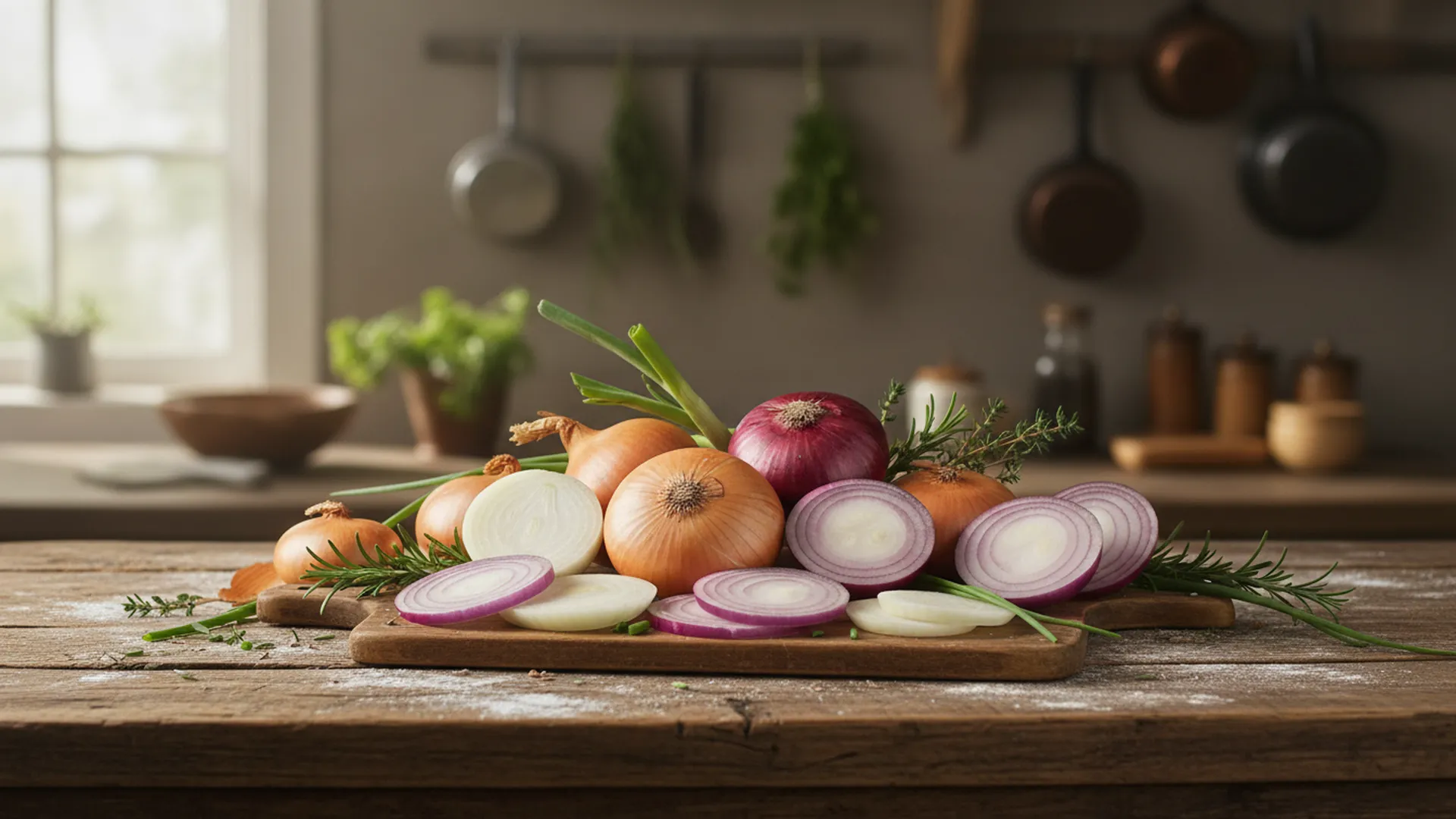
Onions are easy to overlook because they are so common. They are not marketed like an expensive superfood, and most people think of them as a flavor base rather than a health food. That is exactly why they are interesting from a public-health point of view. When a cheap, widely used ingredient has even moderate benefits, the population impact can be meaningful simply because people actually eat it.
Onions belong to the allium family, along with garlic, leeks, shallots, and chives. This family has been studied for potential effects on cardiometabolic markers, oxidative stress, and cancer-related outcomes. An umbrella review of allium vegetable meta-analyses found the strongest signal in some cancer-related outcomes, while still noting that evidence quality varies by endpoint and study design. In plain language: there is signal, but it is not a license to overpromise.
That balance matters. A lot of onion content online swings between two extremes: "onions cure everything" and "onions do nothing." Neither view helps readers make daily decisions. A better question is simpler: where does onion intake fit inside a realistic, long-term nutrition pattern? If your baseline diet already includes vegetables, legumes, and minimally processed foods, onions can strengthen that pattern at low cost and low friction.
Onions also improve adherence. People stick to healthy eating plans when food tastes good. If onions help someone cook more meals at home and use fewer ultra-processed sauces or snacks, that behavior change may matter as much as any direct biochemical effect. This is the same practical logic behind guides like anti-inflammatory eating patterns.
Quick perspective: Onions are not miracle medicine. They are a low-cost ingredient that can add flavor and nutritional value to a healthier eating routine.
Onion nutrition at a glance
According to the USDA FoodData Central entry for raw onions, 100 grams provides about 40 kcal, 9.34 g carbohydrate, 1.7 g fiber, 1.1 g protein, 146 mg potassium, and 7.4 mg vitamin C. That profile is not dramatic in any single nutrient, but it is useful in context: onions add flavor and volume with relatively few calories.
Because they are usually eaten with other foods, onions often work as a "nutritional amplifier." They make vegetables, beans, eggs, fish, and lean proteins more appealing, which can improve overall dietary quality without requiring a strict diet reset. Readers trying to upgrade daily meals can pair onions with foods covered in our guides to broccoli nutrition and garlic health benefits for a practical allium-rich pattern.
| Nutrient (per 100 g raw onion) | Approximate amount | Why it matters in real meals |
|---|---|---|
| Energy | 40 kcal | Adds flavor and bulk without large calorie load |
| Carbohydrate | 9.34 g | Mostly modest carbohydrate contribution per serving |
| Dietary fiber | 1.7 g | Supports satiety and gut-friendly meal structure |
| Protein | 1.1 g | Small contribution; pair with protein-rich foods |
| Potassium | 146 mg | Contributes to overall potassium intake pattern |
| Vitamin C | 7.4 mg | Supports antioxidant defenses and collagen-related pathways |
| Folate | 19 mcg | Useful micronutrient support, especially in plant-forward diets |
The vitamin and mineral contribution is modest, so onions should not be framed as a stand-alone solution for deficiencies. The bigger value is cumulative: frequent use can support better home cooking patterns.
Which onion compounds are most studied?
Onion research mostly focuses on sulfur-containing compounds and flavonoids, especially quercetin derivatives. These compounds are thought to influence oxidative stress, inflammatory signaling, and vascular function. The key phrase is "thought to": mechanisms are plausible, but mechanism alone is not proof of clinical benefit.
Quercetin gets the most attention in supplement studies. A meta-analysis of quercetin supplementation reported a modest reduction in systolic blood pressure in people with metabolic syndrome-related conditions. That does not mean eating one onion a day creates the same effect, because supplemental doses and bioavailability differ from whole-food intake. Still, it supports the broader idea that onion-related flavonoids are biologically active.
Another practical point: the total effect of onions likely comes from the food matrix, not one isolated compound. Fiber, water content, micronutrients, sulfur compounds, and cooking context all matter. This is why whole-diet strategies usually beat single-compound thinking. For readers managing glucose or metabolic risk, this layered approach aligns with broader dietary guidance in diets that help prevent and manage diabetes.
So what should you take from the compound data? Use it as a reason to keep onions in a balanced diet, not as a reason to replace medications or proven lifestyle interventions with onion-heavy "detox" plans.
What clinical trials show for metabolic health
If you only read headlines, onion trials can sound stronger than they are. The better reading is more nuanced. A 2023 systematic review and meta-analysis of randomized trials suggested onion supplementation may improve several metabolic parameters in specific contexts. Some outcomes moved in favorable directions, but effect sizes varied and study quality was mixed.
The most useful interpretation for everyday readers is this: onion intake can be part of a metabolic health strategy, but it is not a stand-alone intervention. Any measurable effect is usually modest compared with the combined impact of calorie balance, physical activity, sleep consistency, and overall dietary pattern.
That said, small effects are not meaningless. In real life, metabolic improvements often come from stacked changes: cooking at home, increasing fiber, reducing sugar-sweetened drinks, and improving hydration. Onions fit well inside that stack because they are affordable and easy to use in repeat meals.
| Outcome area | What evidence suggests | How to apply it safely |
|---|---|---|
| Lipid profile | Some RCT data suggest favorable changes in HDL and LDL patterns | Use onions as part of an overall heart-healthy meal pattern |
| Glycemic markers | Mixed but potentially favorable shifts in select studies | Pair onions with high-fiber, protein-containing meals |
| Blood pressure pathways | Quercetin supplementation shows modest SBP effect in meta-analysis | Do not replace prescribed hypertension treatment |
| Inflammation/oxidative stress | Mechanistic rationale exists; clinical translation is variable | Treat onions as supportive, not curative |
People looking for practical metabolic leverage usually get more traction by pairing onions with proven daily moves: replacing refined snacks with whole-food meals, walking after meals, and keeping hydration steady. If hydration is a weak spot, this guide on drinking water benefits is a useful companion.
Can onions support cardiovascular health?
Cardiovascular claims around onions are common, and some are partially grounded in evidence. A 2021 meta-analysis of randomized trials on onion and blood lipids found favorable changes in lipid markers in pooled analyses. The effect was not massive, and it did not make onions a substitute for statins or formal medical care. But it does support including onions in an overall cardiometabolic eating pattern.
Separately, observational data on allium vegetables and cancer-related outcomes are often discussed in the same conversations as cardiovascular risk because they reflect long-term dietary patterns. A meta-analysis in Gastroenterology found lower gastric cancer risk in high versus low allium intake groups, while also carrying the usual limitations of observational nutrition research. Association is not causation, but consistency across datasets keeps the hypothesis credible.
The most reliable way to use this information is practical: put onions into meals you are already trying to improve. Add onions to bean-based soups, vegetable omelets, roasted trays, stir-fries, and lentil stews. In that context, onions support intake of foods that have stronger cardiovascular evidence overall.
When readers ask, "Do onions protect the heart?" a defensible answer is: they can contribute to a heart-supportive dietary pattern, and some clinical and observational evidence is encouraging, but total lifestyle pattern still drives most of the risk reduction.
Onions, digestion, and the FODMAP question
This is where onion advice must be individualized. Onions contain fructans, which are fermentable carbohydrates in the FODMAP family. For many people, that is not a problem. For others, especially those with IBS, higher-fructan foods can worsen bloating, abdominal discomfort, and gas.
Evidence for low-FODMAP diets in IBS is reasonably strong. A systematic review and network meta-analysis in Gut found low-FODMAP strategies improved global IBS symptoms in many patients. This does not mean everyone should avoid onions forever. It means onion tolerance can be dose-dependent and person-specific.
The practical approach is tiered. During active symptom flares, temporary reduction of high-fructan foods may help. Once symptoms stabilize, gradual reintroduction can identify individual tolerance thresholds. Many people tolerate cooked onions better than raw onions, and many tolerate small portions in mixed meals better than large servings on an empty stomach.
If digestive symptoms are persistent, the best move is a structured plan with a qualified clinician or dietitian rather than permanent self-restriction. Restrictive diets without reintroduction can reduce dietary diversity and create unnecessary food fear.
| Digestive scenario | Likely onion response | Better strategy |
|---|---|---|
| No IBS history, generally stable digestion | Usually well tolerated | Use onions freely in balanced meals |
| IBS with bloating and gas flares | Symptoms may increase with large portions | Trial lower portions and reintroduce gradually |
| Raw onion intolerance but cooked onion tolerance | Common pattern | Prefer cooked applications and mixed dishes |
| Persistent severe symptoms | Unclear trigger overlap likely | Seek formal IBS evaluation and guided nutrition plan |
How cooking changes onion benefits
People often ask if cooking "kills" onion benefits. The short answer is no, but it does change the profile. Different methods can lower some compounds and increase the bioaccessibility of others. A 2021 study on cooking methods and onion phenolics found method-dependent changes, with some preparations preserving or enhancing measurable phenolic availability compared with raw states after digestion modeling.
In other words, this is not a raw-versus-cooked morality test. It is a culinary tradeoff. Raw onions may preserve some heat-sensitive compounds. Cooked onions may be easier to digest and easier to eat in meaningful portions. If you hate raw onions but enjoy sauteed onions in vegetable-rich meals, cooked wins in the real world because adherence beats perfection.
For households trying to improve nutrition consistency, a mixed approach works well: include raw onion in some salads and salsas, and use cooked onions in soups, stews, and skillet meals.
| Cooking method | Potential effect on bioactives | Practical recommendation |
|---|---|---|
| Raw, chopped | Preserves heat-sensitive compounds; strongest sharp flavor | Use in salads, yogurt sauces, and fresh relishes if tolerated |
| Sauteed or lightly grilled | Alters flavor and texture, often improves palatability | Great for daily cooking and mixed vegetable dishes |
| Long simmer (soups/stews) | Softens pungency and may reduce GI irritation for some | Useful for sensitive digestion and batch cooking |
| High-heat frying | Can increase palatability but may add excess fat/sodium depending on recipe | Use occasionally and control oil/salt balance |
How much onion to eat and how to use it weekly
There is no universal prescription for onion intake. Most studies do not map neatly onto one exact household serving, and tolerance varies widely. A practical target for many adults is to include onion in one or two meals per day in moderate portions, adjusted for digestive comfort.
If your goal is metabolic support, place onions in meals that already have strong structure: protein, fiber-rich carbohydrates, and unsaturated fats.
A simple week might look like this: onions in a vegetable omelet at breakfast, onions in lentil soup at lunch, and onions in a roasted tray dinner a few nights per week. This keeps variety high and decision fatigue low. People who meal-prep can pre-chop onions and freeze portions to reduce weekday friction.
- Use onions as a base for soups, bean dishes, and stir-fries instead of relying on packaged flavor packets.
- Combine onions with legumes, cruciferous vegetables, and quality proteins for better satiety and nutrient density.
- If digestion is sensitive, start with cooked onions in smaller portions before testing raw forms.
- Track symptom and energy response for two to three weeks instead of judging from one meal.
- Keep expectations realistic: consistency over months matters more than high intake for one week.
For readers managing blood sugar, the best use of onions is as part of high-fiber, minimally processed meals rather than as a stand-alone remedy. The same principle applies to weight management and cardiovascular goals.
Myth vs fact: common onion claims
Onion advice online is crowded with claims that sound scientific but skip context. This table clears up the most common ones.
| Myth | Fact | Actionable takeaway |
|---|---|---|
| "Onions detox your body." | Your liver and kidneys handle detoxification; onions can support overall dietary quality but do not replace organ function. | Use onions in nutrient-dense meals, not in detox protocols. |
| "Raw onions are always healthier than cooked." | Cooking changes compounds, but cooked onions can still provide value and may improve tolerance. | Use both raw and cooked forms based on tolerance and meal type. |
| "Onions cure high cholesterol and blood pressure." | Evidence suggests possible modest support, not medication-level treatment. | Keep prescribed treatment plans and use onions as supportive nutrition. |
| "If onions cause bloating, they are unhealthy for everyone." | Bloating response is individual, often linked to IBS and fructan sensitivity. | Adjust dose and preparation rather than assuming universal harm. |
| "More onions always means more benefit." | Benefit likely plateaus, while side effects can rise in sensitive people. | Aim for regular moderate intake, not extreme dosing. |
Risks, side effects, and who should be careful
Most people tolerate onions well, but "generally safe" does not mean zero risk. The main real-world issue is gastrointestinal discomfort in sensitive individuals, especially when portions are large or onions are eaten raw.
People with IBS, functional bloating, or reflux symptoms may need individualized portion control. A temporary lower-FODMAP approach can be useful during flares, followed by structured reintroduction to avoid unnecessary long-term restriction.
Another practical risk is overinterpreting supplement studies. Many positive trial outcomes involve concentrated onion extracts or controlled interventions that are not equivalent to ordinary food portions. If you take medications for diabetes, blood pressure, or lipids, do not treat onions as a medication substitute.
Rare onion allergy exists, but it is uncommon compared with intolerance patterns. If symptoms include hives, swelling, wheeze, or other potential allergic reactions after onion intake, seek medical evaluation promptly rather than self-diagnosing online.
| Risk area | Who may be affected | Practical safeguard |
|---|---|---|
| Bloating, gas, abdominal discomfort | People with IBS or fructan sensitivity | Reduce portion size, prefer cooked forms, reintroduce gradually |
| Reflux discomfort | People prone to GERD symptoms | Limit large raw portions and late-night high-onion meals |
| Overreliance on food claims | Anyone delaying needed treatment | Use onions as supportive nutrition, not treatment replacement |
| Possible allergic reaction | Small subset of susceptible individuals | Seek formal allergy assessment for severe or recurrent reactions |
The bottom line on risk is straightforward: personalize dose, keep context, and avoid all-or-nothing thinking. For most adults, moderate onion intake inside balanced meals is a low-risk, high-utility move.
Frequently Asked Questions
Are raw onions healthier than cooked onions?
Not always. Raw onions preserve some heat-sensitive compounds, but cooked onions can still provide beneficial compounds and are often easier to digest. The best choice is the one you can eat consistently without symptoms.
Can onions lower blood sugar by themselves?
Onions may support metabolic health, but they are not a stand-alone blood sugar treatment. Pair onions with high-fiber foods, protein, and structured meal patterns, and follow your clinician's plan for diabetes management.
How much onion per day is reasonable?
There is no single required dose. For many adults, moderate daily use in one or two meals works well. If you have digestive sensitivity, start small and adjust based on tolerance.
Do onions help with cholesterol?
Some trial data suggest modest lipid benefits, but the effect is generally supportive rather than dramatic. Onions work best when part of a broader cardiometabolic strategy that includes sleep, movement, and overall diet quality.
Should people with IBS avoid onions forever?
Usually no. Many people benefit from temporary reduction during symptom flares followed by careful reintroduction. Permanent elimination is often unnecessary unless symptoms remain clear and reproducible with onion exposure.
Related Articles
- Garlic Health: 8 Impressive benefits of garlic - Another allium-focused guide that explains where garlic evidence is strong and where claims are overstated.
- Broccoli: Nutrition Facts and Health Benefits - A practical way to pair onions with cruciferous vegetables in higher-fiber daily meals.
- Diets That Help Prevent and Manage Diabetes: Ultimate Guide - Meal-structure strategies for glucose control that can include onions without food fear.
- Comparing Anti-Inflammatory Eating Patterns: Mediterranean vs. DASH vs. Plant-Based - A broader dietary framework for reducing inflammation and improving cardiometabolic health.
- Top 10 Health Benefits of Drinking Water: Ultimate Guide - Hydration fundamentals that complement higher-fiber, onion-inclusive meal plans.
Medical Disclaimer
This article is for informational and educational purposes only and is not medical advice, diagnosis, or treatment. Always consult a licensed physician or qualified healthcare professional regarding any medical concerns. Never ignore professional medical advice or delay seeking care because of something you read on this site. If you think you have a medical emergency, call 911 immediately.