What Exactly Is Chamomile and Which Type Matters?
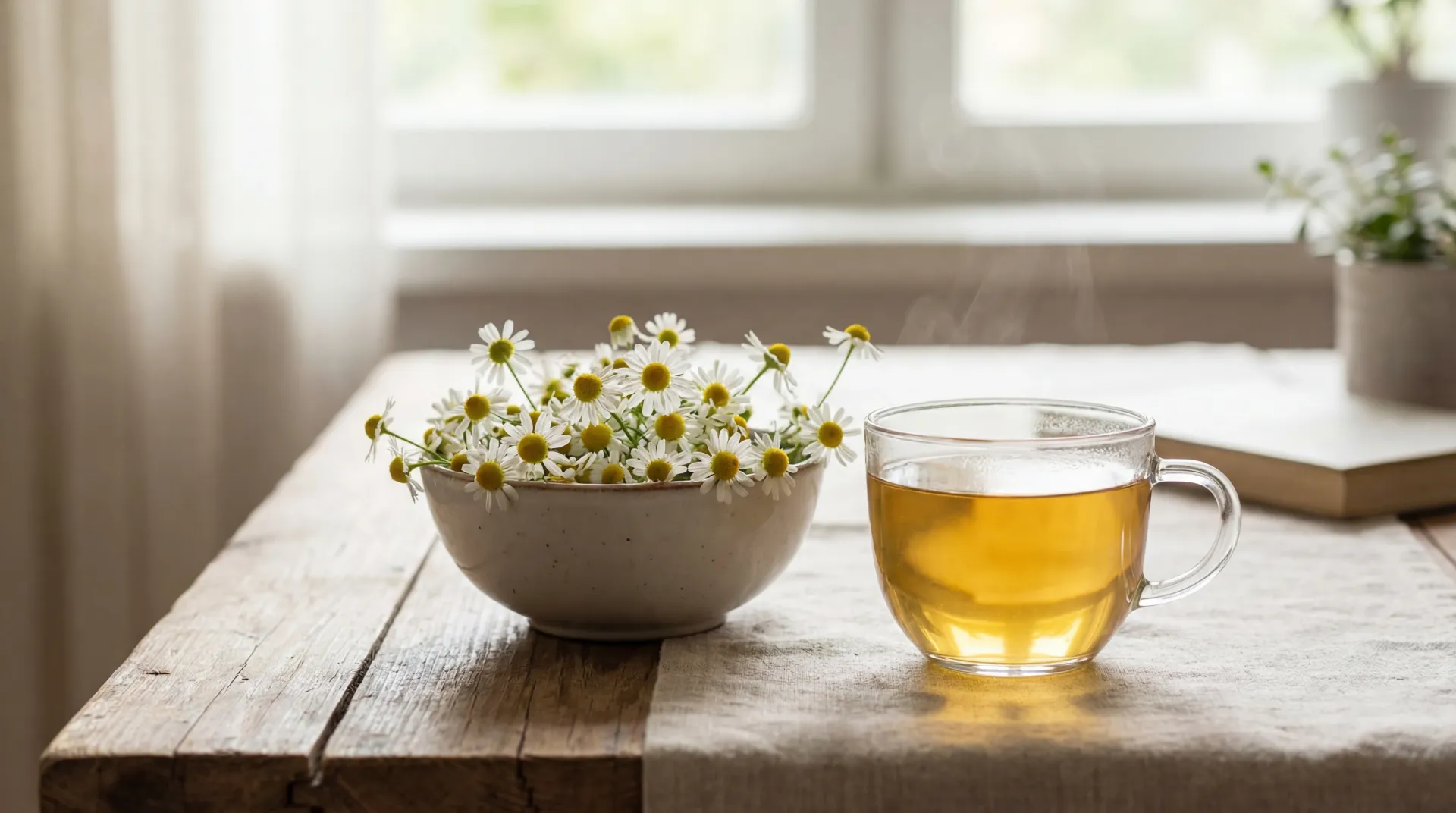
Chamomile is one of the most used medicinal herbs in the world, but the word “chamomile” can refer to more than one plant. The two main species in clinical and traditional use are German chamomile (Matricaria recutita) and Roman chamomile (Chamaemelum nobile). According to the U.S. National Center for Complementary and Integrative Health, chamomile is commonly used as a tea, concentrated extract, topical preparation, or essential oil. The European Medicines Agency monograph also distinguishes preparation type because safety and effects can change based on dose and form.
That difference is crucial. A cup of tea is not equivalent to a capsule standardized for specific flavonoids, and neither is equivalent to essential oil for aromatherapy. Many people assume all forms act the same way, then either overestimate what tea can do or underestimate potential side effects from concentrated products. A practical evidence-based approach starts with the exact preparation, the target symptom, and the quality of supporting data.
From a daily-life perspective, chamomile is usually used for mild sleep disturbance, stress-related tension, digestive discomfort, and menstrual pain support. If your main goal is better sleep, you should pair chamomile with broader sleep hygiene steps such as a stable bedtime routine and reduced late-night stimulation. If you are already working on those habits, this guide complements resources like 10 Simple Tips to Improve Your Sleep by showing where chamomile may add measurable value.
| Chamomile form | Typical use | Evidence quality | Main caution |
|---|---|---|---|
| Tea (infusion) | Sleep support, calming ritual, mild GI discomfort | Moderate for symptom relief, limited for disease treatment | Possible allergy in Asteraceae-sensitive people |
| Standardized extract | Anxiety, sleep quality, menstrual discomfort in some studies | Moderate but mixed by condition and dose | Potential medication interactions; product quality varies |
| Topical cream/compress | Minor skin irritation and inflammation support | Low to moderate | Patch test first to reduce dermatitis risk |
| Essential oil (aromatherapy) | Relaxation and stress reduction routines | Low to moderate for clinical outcomes | Do not ingest essential oil unless medically directed |
Bottom line: chamomile is best viewed as a supportive tool, not a standalone cure. Expectations stay realistic when you match the form to the symptom and use a measured dose for a defined time frame.
Chamomile’s Active Compounds and Why They Matter
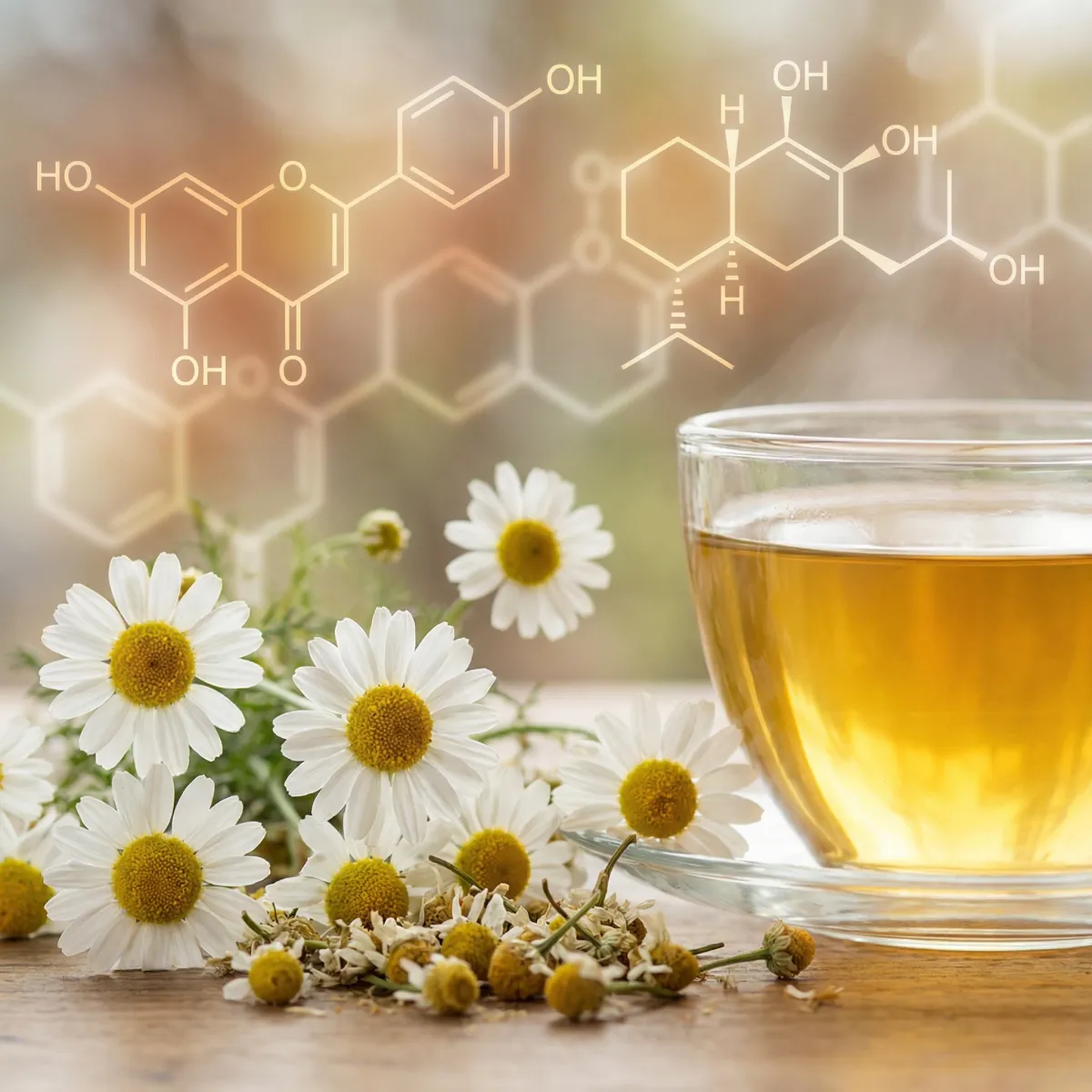
Chamomile contains a complex mixture of bioactive compounds. The most discussed include apigenin, chamazulene, bisabolol, and flavonoid-rich fractions that may contribute to anti-inflammatory, antioxidant, and mild sedative effects. A pharmacology overview in Herbal Medicine: Biomolecular and Clinical Aspects describes chamomile’s broad chemical profile and highlights that different extraction methods can change how much of each compound ends up in the final product.
Apigenin gets special attention because it appears to interact with pathways related to calming and sleep regulation. Meanwhile, bisabolol and related constituents have been studied for anti-inflammatory activity, and broader flavonoid content has been examined for oxidative stress modulation. A mechanistic review indexed at PubMed suggests plausible pathways, but mechanism alone does not prove large clinical effects in humans. That is why good trials matter more than theoretical biochemical appeal.
Quick fact: The same herb can have different effects depending on preparation strength, steeping time, and whether it is consumed as tea, extract, or topical product.
In practice, this means two people can both report “I use chamomile” while taking materially different doses. One may drink a weak bedtime infusion; another may use a concentrated extract standardized to active fractions. When clinicians and researchers see mixed results, this variability is often part of the story. Consistency in product type and dosing is one of the easiest ways to make personal outcomes more predictable.
Another key point: while chamomile has anti-inflammatory potential, this does not make it interchangeable with medically prescribed treatment for significant inflammatory disease. It can be part of a broader lifestyle pattern that also includes nutrition, movement, stress management, and condition-specific care. For readers exploring diet strategy alongside botanicals, this anti-inflammatory eating pattern comparison can help contextualize where a tea-based intervention fits.
Which Benefits Have the Strongest Evidence?
The best-supported chamomile outcomes tend to be modest symptom improvements rather than dramatic disease reversal. Across studies, the most credible areas include mild anxiety relief, improved subjective sleep quality in some groups, menstrual discomfort support, and short-term digestive soothing. Evidence for anti-cancer claims is mostly preclinical and should be framed carefully.
For anxiety, clinical trials have evaluated chamomile extract in adults with generalized anxiety symptoms. A controlled trial available via PubMed (Amsterdam et al.) showed statistically meaningful symptom reductions versus placebo in some participants. A later long-term study in adults with generalized anxiety disorder, also indexed on PubMed, reported benefit signals for sustained use in selected patients. These are promising findings, but they do not replace evidence-based mental health care when symptoms are moderate or severe.
Sleep evidence is directionally positive but mixed in magnitude. A randomized trial in postpartum women linked chamomile tea to better short-term sleep quality and lower depressive symptoms during the intervention period (PubMed). The effect size may depend on baseline sleep problems, preparation strength, and coexisting stress burden. This is why chamomile often works best as part of a larger nighttime routine that also includes behavioral tools such as breathing drills or digital wind-down habits; if stress arousal is your biggest blocker, pairing with practices from Top 10 Breathing Techniques to Relieve Stress can be more effective than relying on tea alone.
For menstrual pain, pooled analyses suggest chamomile may reduce cramp intensity in some users. One review indexed at PubMed found support for dysmenorrhea symptom improvement, though study quality and dosing protocols varied. GI symptom support is mostly traditional and observational, with fewer large modern trials, but many people report subjective comfort from warm chamomile infusion after meals.
| Target symptom | What current evidence suggests | Confidence level | Practical expectation |
|---|---|---|---|
| Mild anxiety symptoms | Clinical trials show potential improvement versus placebo | Moderate | Useful adjunct, not sole therapy for severe anxiety |
| Sleep quality | Some RCTs report short-term subjective improvement | Moderate | Most effective when combined with sleep hygiene |
| Menstrual cramps | Systematic reviews suggest symptom reduction in some studies | Moderate | Can be trialed for mild to moderate discomfort |
| Digestive discomfort | Traditional use and mechanistic rationale; limited robust RCTs | Low to moderate | Symptom support, not treatment for persistent GI disease |
| Cancer prevention/treatment | Mostly lab/preclinical evidence at this stage | Low for direct clinical claims | Do not use as cancer treatment substitute |
When readers ask, “Does chamomile work?” the most accurate answer is: it can help specific symptoms for some people, often modestly, and usually as part of a broader strategy. That may sound less exciting than miracle claims, but it is a better path to safe and realistic outcomes.

Sleep, Anxiety, and Stress: What Trials Show
Chamomile is most commonly used at night, and this makes sense: its calming profile may reduce pre-sleep cognitive arousal in people with mild stress or tension. The improvement many users feel can come from both biochemistry and behavior. Biochemically, flavonoids such as apigenin have been studied for mild anxiolytic and sedative-like effects. Behaviorally, a nightly chamomile ritual can create a consistent wind-down cue that reinforces circadian regularity.
Clinical literature supports cautious optimism. In anxiety research, chamomile extract showed symptom improvements in selected adults, but effects were not universal and careful patient selection mattered. In sleep studies, gains were typically incremental rather than dramatic. Think fewer awakenings, smoother sleep onset, or better perceived sleep quality, not a guaranteed cure for chronic insomnia. When sleep disruption persists, screening for conditions such as sleep apnea, thyroid dysfunction, mood disorders, or medication effects is still essential.
If your goal is better sleep quality, a practical trial might include one cup of chamomile tea 30 to 60 minutes before bed for 2 to 4 weeks, while keeping bedtime and wake time consistent. Track sleep latency, awakenings, and morning alertness. Objective self-tracking helps you decide whether the intervention is worth continuing.
For daytime anxiety support, some studies used standardized extracts rather than tea. That distinction matters because extract dosing can be more consistent across participants. If you choose an extract product, quality assurance and third-party testing become especially important.
Digestive Comfort, Cramps, and Pain Relief Support
Chamomile has a long history in digestive wellness, especially for post-meal bloating, mild upper abdominal discomfort, and stress-related gut symptoms. Mechanistically, anti-inflammatory and antispasmodic effects are often proposed, though high-quality contemporary trials for every GI indication are limited. In practical terms, chamomile tea can be a low-risk first-line comfort strategy for short-lived, non-severe symptoms.
The menstrual pain literature is stronger than many people expect. Controlled studies and pooled analyses indicate that chamomile may reduce cramp intensity and possibly associated symptoms like mood irritability for some users. The degree of relief varies, and severe pain still warrants medical assessment to rule out secondary causes such as endometriosis or fibroids. But for mild-to-moderate cyclical discomfort, chamomile can be a useful tool alongside heat therapy, sleep optimization, and movement.
There is also a broader pain-management context. Stress sensitizes pain perception, and interventions that lower stress can indirectly improve pain coping. This is one reason chamomile may feel helpful even when it does not target the primary pathology directly. If you are building a wider non-pharmacologic toolkit, you can combine chamomile with evidence-aligned practices such as graded movement and recovery strategies described in Natural Remedies Pain Relief.
One practical framework is to define your main outcome before starting: less cramping, less evening GI discomfort, or better stress-related pain tolerance. Then use chamomile consistently for a set period and reassess. Without a clear target metric, people often over- or under-estimate benefit.
Important warning signs should always override self-care trials: persistent severe abdominal pain, GI bleeding, recurrent vomiting, unexplained weight loss, fever, or progressive symptoms need medical evaluation. Botanical support is appropriate for mild symptom management, not for delaying diagnosis of serious disease.
Skin and Topical Use: Promising Areas and Limits
Topical chamomile preparations are commonly marketed for irritation-prone skin, redness, and barrier support. Some small studies and mechanistic data suggest anti-inflammatory potential, but the quality and consistency of evidence remain mixed. This means topical chamomile may be worth trying for mild issues, but strong claims should be avoided.
If you choose a chamomile cream or compress, patch testing is essential, especially if you have sensitive skin or known plant allergies. Start with a small area for 24 to 48 hours. Discontinue if burning, itch, or worsening redness occurs. Skin-friendly use depends as much on the base formulation (fragrance, preservatives, emulsifiers) as on chamomile itself.
For scalp and hair products, chamomile is often used for soothing and cosmetic brightening effects. Clinical outcomes are less robust than consumer marketing suggests, so expectations should stay practical: comfort and cosmetic support rather than treatment of inflammatory scalp disease.
Evidence-based lens: topical chamomile can be a supportive option for mild irritation, but persistent rashes, eczema flares, or infection signs need clinician-led care.
Tea vs Extract vs Oil: Myth vs Fact
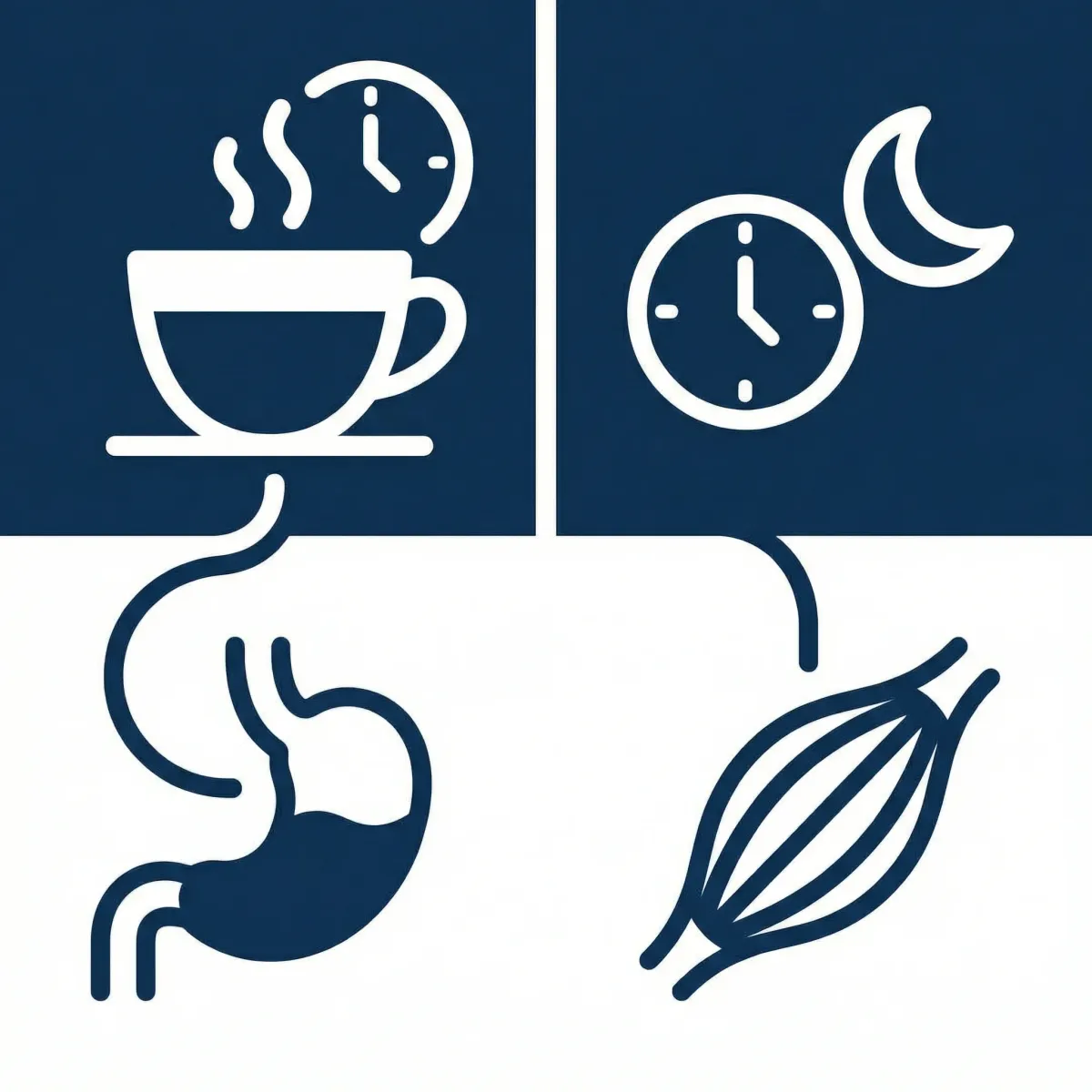
Comparisons between chamomile products are where confusion is most common. Marketing often implies that stronger is always better, but that is not necessarily true. Product choice should match symptom, safety profile, and your tolerance for risk.
Myth: “Chamomile tea and chamomile extract are interchangeable.”
Fact: Extracts usually deliver more standardized active compounds per dose than tea, which can produce stronger effects but also raises interaction considerations.
Myth: “Essential oil is just a concentrated tea.”
Fact: Essential oils are chemically distinct and much more concentrated in volatile compounds; ingestion without medical supervision is unsafe.
Myth: “If it’s natural, it cannot interfere with medications.”
Fact: Chamomile can interact with drugs in susceptible individuals, especially when products are concentrated.
| Claim | What evidence supports | What to do in practice |
|---|---|---|
| “Tea will cure chronic insomnia.” | Evidence supports modest sleep-quality support, not a cure | Use as adjunct with full sleep plan and clinical review if persistent |
| “Extract is always superior.” | Extract can be more consistent, but not always necessary | Start with tea for mild symptoms; escalate only when appropriate |
| “Essential oil is safe to ingest because it is natural.” | No broad safety support for routine ingestion | Use aromatically or topically only when label and clinician guidance allow |
| “More cups means better outcomes.” | No strong dose-response proof for unlimited intake | Use moderate consistent dosing and monitor tolerance |
People who already drink caffeinated beverages late in the day may notice pronounced benefits when swapping one evening serving for chamomile. If this feels useful, compare with your response to other non-caffeinated options discussed in our green tea evidence guide, especially around timing and stimulant sensitivity.

Side Effects, Interactions, and Who Should Avoid It
Chamomile is generally well tolerated for many adults when used in moderate amounts, but “generally safe” does not mean risk-free. The most important concern is allergy, particularly for people sensitive to plants in the Asteraceae family (such as ragweed). Reactions can range from mild skin irritation to more serious hypersensitivity in rare cases.
Medication interactions are another critical area. Clinical resources such as Mayo Clinic’s chamomile monograph and pharmacology summaries note potential interactions with sedatives, anticoagulants, and medications metabolized through overlapping pathways. Risk appears higher with concentrated extracts than occasional tea intake, but caution applies to both.
Pregnancy and breastfeeding guidance is less definitive because high-quality safety data are limited. Conservative practice is to avoid high-dose supplementation unless a qualified clinician explicitly advises otherwise. People preparing for surgery are often advised to disclose herbal use in advance because of potential sedation or bleeding-related concerns depending on product type and co-medications.
Children, older adults with polypharmacy, and individuals with chronic liver or kidney disease should discuss regular chamomile supplementation with a healthcare professional before long-term use. This is not because chamomile is uniquely dangerous, but because baseline medication burden and altered metabolism can increase unpredictability.
| Scenario | Potential issue | Recommended action |
|---|---|---|
| Ragweed or Asteraceae allergy history | Allergic reaction risk | Avoid or test only under clinical guidance |
| Taking anticoagulants or antiplatelets | Possible additive bleeding risk in susceptible users | Consult prescribing clinician before regular use |
| Using sedative medications | Potential additive drowsiness | Use caution with timing and dose |
| Pregnancy or breastfeeding | Insufficient high-quality safety data for high-dose products | Prefer conservative use; seek professional advice |
| Upcoming surgery | Possible interaction with perioperative medications | Report all herbal products to care team ahead of time |
Practical rule: if you take daily prescription medication, treat chamomile extracts the same way you would treat any supplement and review compatibility first. A brief safety check can prevent most avoidable problems.
How to Use Chamomile Safely at Home
If you are new to chamomile, start simple. Use a plain chamomile tea product from a reputable manufacturer with clear ingredient labeling and no unnecessary stimulant additives. A typical starting approach is one cup in the evening, steeped for 5 to 10 minutes, then adjusted by tolerance and response.
For sleep support, keep timing consistent. For digestive comfort, many users do best with a cup after a meal. For menstrual discomfort, daily use in the days leading up to and during symptoms may be more useful than occasional intake. Track your symptom score over at least two weeks before deciding whether it helps.
Hydration status, caffeine timing, meal pattern, and stress load all influence outcomes. If you want to isolate chamomile’s effect, avoid changing too many variables at once. If there is no clear improvement after a fair trial, move on rather than escalating dose indefinitely.
Used thoughtfully, chamomile can be a practical, low-cost part of a broader self-care plan. It works best when expectations are realistic: mild-to-moderate symptom support, better evening routines, and safety-aware use.
Frequently Asked Questions
How long does chamomile take to work for sleep?
Many people notice calming effects within 30 to 60 minutes of drinking chamomile tea, but measurable sleep-pattern improvements often require consistent use for 1 to 2 weeks. Effects are usually modest and stronger when paired with sleep hygiene habits.
Can I drink chamomile tea every day?
Daily moderate intake is commonly tolerated in healthy adults, but people with plant allergies, medication interactions, pregnancy concerns, or chronic conditions should confirm safety with a clinician first. More is not always better, so start with a conservative amount.
Is chamomile better as tea or extract?
Tea is usually the gentler starting point for mild symptoms and nighttime routines. Extracts may provide more consistent dosing for certain goals, but they also require extra attention to quality and interaction risk.
Can chamomile replace anxiety or sleep medication?
No. Chamomile may support mild symptoms, but it should not replace prescribed treatment for clinically significant anxiety, depression, or chronic insomnia unless your treating clinician makes that change.
Related Articles
- 10 Simple Tips to Improve Your Sleep - Behavioral strategies that pair well with chamomile for better night routines.
- Top 10 Breathing Techniques to Relieve Stress - Practical breathwork approaches that can amplify evening calming effects.
- Comparing Anti-Inflammatory Eating Patterns - Nutrition context for readers using botanicals as part of inflammation support.
- Natural Remedies Pain Relief - Additional non-drug strategies for mild recurring pain and discomfort.
Medical Disclaimer
This article is for informational and educational purposes only and is not medical advice, diagnosis, or treatment. Always consult a licensed physician or qualified healthcare professional regarding any medical concerns. Never ignore professional medical advice or delay seeking care because of something you read on this site. If you think you have a medical emergency, call 911 immediately.