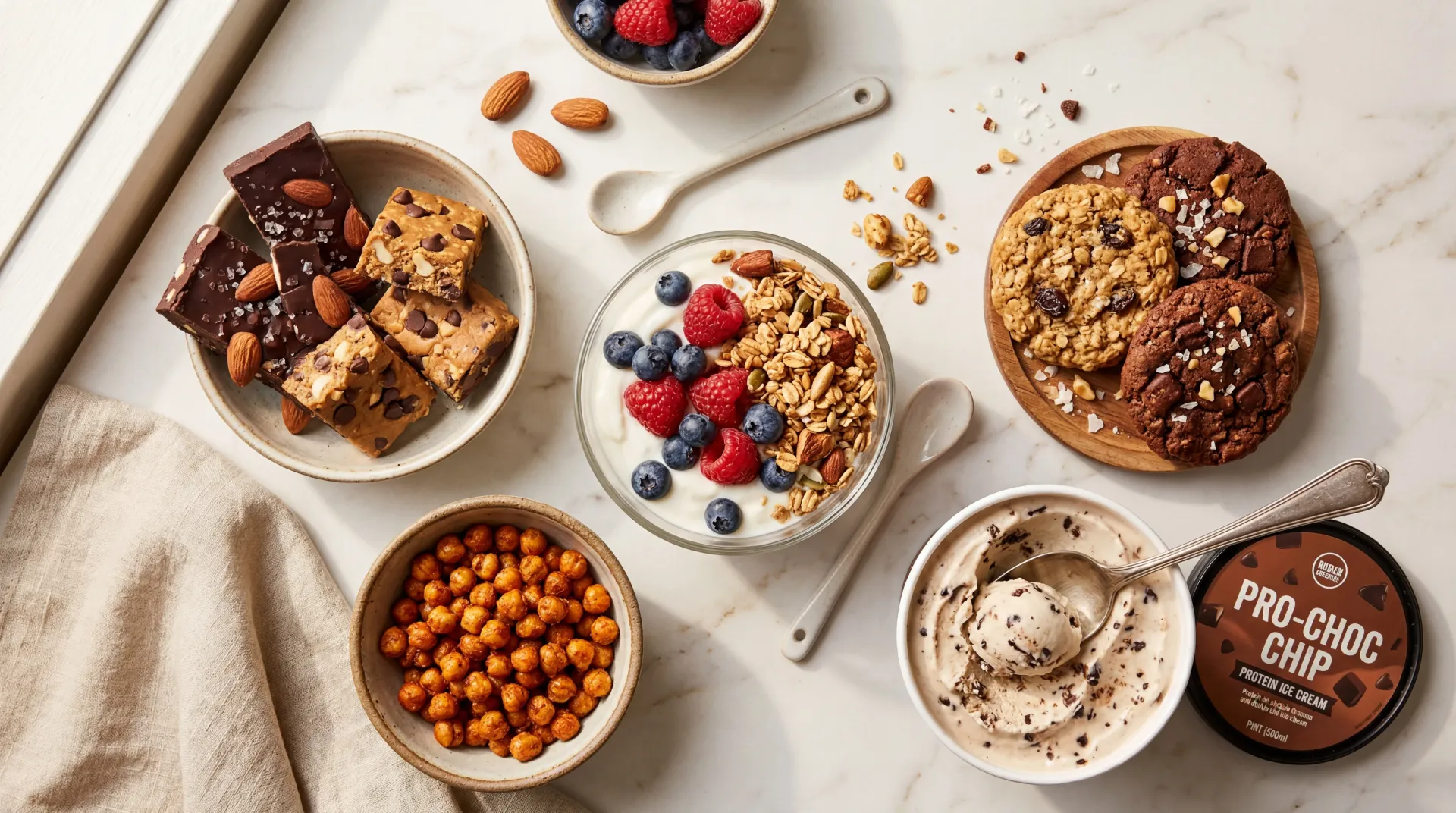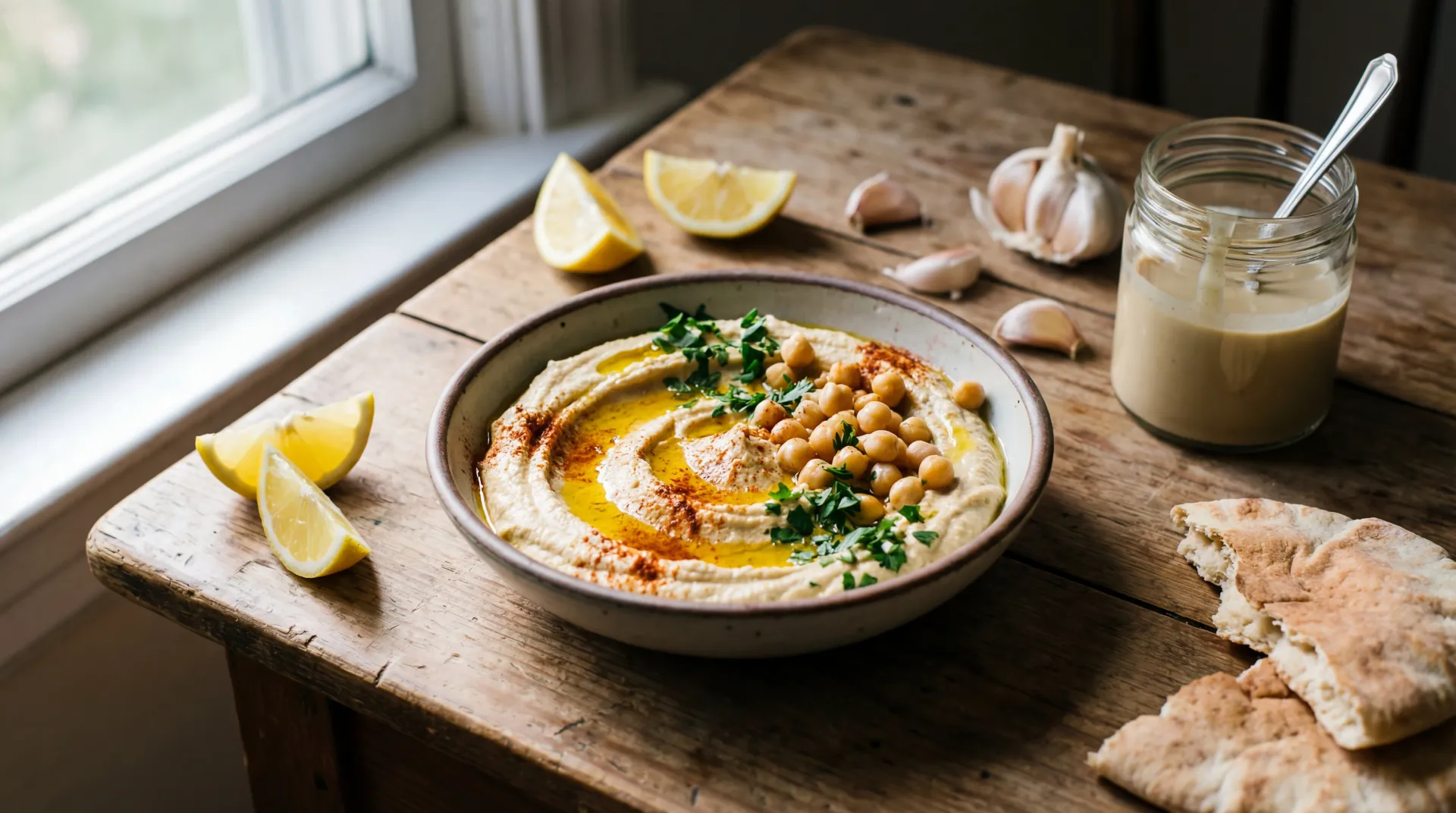
Why Protein Planning Matters on Plant-Based Diets
The short answer is simple: vegan and vegetarian diets can absolutely meet protein needs, but they reward planning more than autopilot eating. People usually run into trouble when they remove meat and dairy, then replace those calories with low-protein foods. You can still eat enough calories and fall short on protein quality, meal timing, or both.
That is not a criticism of plant-based eating. In fact, the Academy of Nutrition and Dietetics position paper on vegetarian diets has been clear for years: well-planned vegetarian and vegan patterns can support health across the life cycle. The phrase that matters is well-planned. When the plan is loose, people often feel hungry, recover slowly from training, or lose lean mass during weight loss attempts.
A newer systematic review of vegan and vegetarian protein adequacy reached a practical conclusion: many people do meet total protein intake targets, but food choices determine whether amino acid balance and meal-level protein distribution are strong enough for performance, satiety, and muscle maintenance. This is why two people can both say they are "plant-based" while one feels great and the other feels depleted.
Think of protein strategy in layers. Layer one is total grams per day. Layer two is protein quality and digestibility. Layer three is consistency across meals, because one giant protein dinner does not fully compensate for a low-protein breakfast and lunch. Once you understand those layers, plant-based eating gets easier and much less confusing.
Quick fact: most protein problems on vegetarian diets come from distribution and food selection, not from the diet label itself.
If you are just starting, you may find it useful to build around foods you already enjoy, then increase their protein density. For example, a grain bowl that includes lentils, tofu, and seeds is much easier to sustain than a complete kitchen overhaul in one week.
How Much Protein Do You Actually Need?
The baseline recommendation for healthy adults is around 0.8 g/kg/day, as summarized in the National Academies reference material hosted by NCBI (Dietary Reference Intakes chapter). That number prevents deficiency in most people, but it is not always the best target for body composition, active lifestyles, or aging.
Many clinicians and sports nutrition practitioners use higher targets when goals include preserving lean mass during fat loss, supporting frequent training, or maintaining muscle in older adults. The International Society of Sports Nutrition position stand discusses ranges up to roughly 1.4-2.0 g/kg/day for active individuals depending on training load and goals.
You do not need to obsess over decimal points. A useful approach is to pick a realistic daily target, then spread intake across 3-5 eating occasions. For many adults, a practical first milestone is 25-35 g protein per main meal, then adjust from there.
| Body Weight | Baseline Target (0.8 g/kg) | Active Lifestyle Range (1.2-1.6 g/kg) | Heavy Training Upper Range (to 2.0 g/kg) |
|---|---|---|---|
| 60 kg (132 lb) | 48 g/day | 72-96 g/day | Up to 120 g/day |
| 70 kg (154 lb) | 56 g/day | 84-112 g/day | Up to 140 g/day |
| 80 kg (176 lb) | 64 g/day | 96-128 g/day | Up to 160 g/day |
| 90 kg (198 lb) | 72 g/day | 108-144 g/day | Up to 180 g/day |
Notice how quickly needs can outgrow the old "56 grams for men, 46 grams for women" shorthand. Those fixed numbers are easy to remember but often too low for active people. Body weight, age, activity level, and weight goals all matter.
Complete vs Incomplete Protein: What Changed
You have probably heard that plant proteins are "incomplete." That statement is technically true for some individual foods, but misleading in daily life. The real question is whether your total diet provides enough essential amino acids by the end of the day. For most people eating varied plant foods, the answer is yes.
Research reviews on plant protein quality, including this assessment of nutritional quality and health effects and this clinical review comparing plant and animal proteins, emphasize two practical points. First, digestibility can differ by protein source and processing method. Second, combining complementary foods across meals helps close amino acid gaps without forcing rigid "same-plate" combinations at every bite.
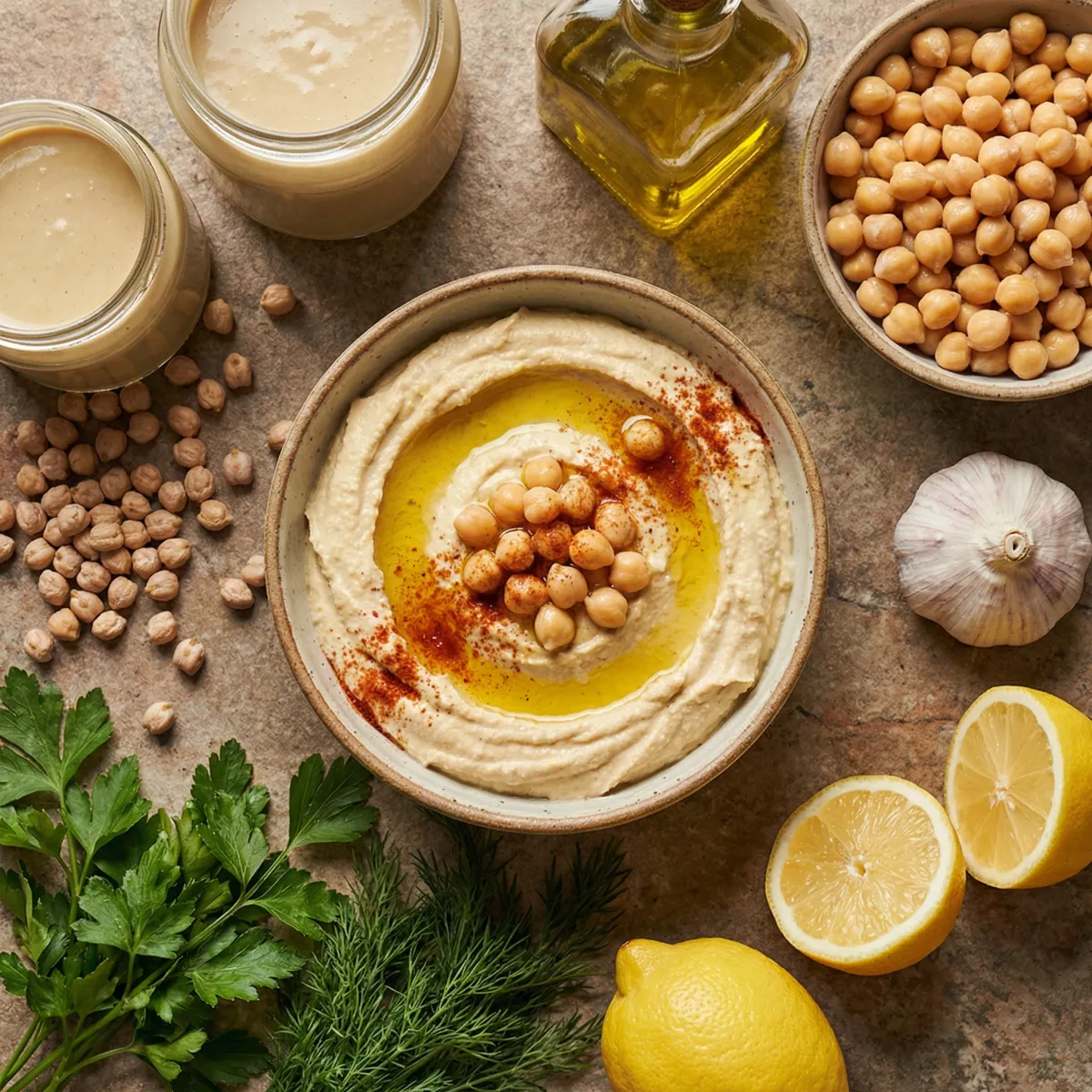
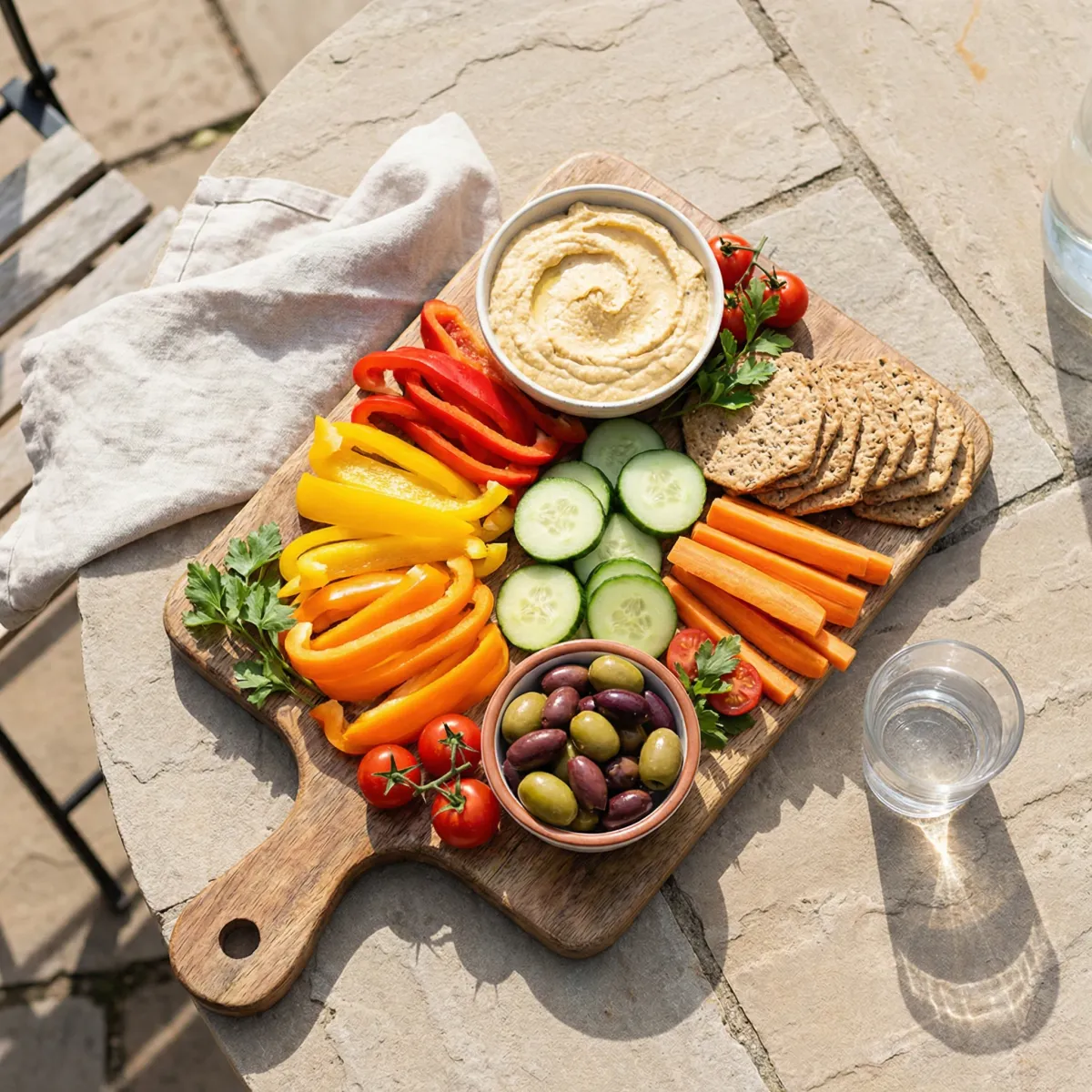
You do not need perfect pairings in every meal, but pairing patterns are still useful. Beans with rice, hummus with whole-grain pita, lentil pasta with pumpkin seeds, and tofu with quinoa are all easy examples. These combinations improve overall amino acid coverage and usually increase fiber and micronutrient intake at the same time.
Older guidance suggested strict same-meal pairing. Current consensus is less rigid: variety across the day usually works. That is good news because it keeps your diet livable, which matters more than textbook precision you cannot sustain.
| Common Combination | Why It Works | Practical Example |
|---|---|---|
| Legume + Grain | Balances limiting amino acids between both foods | Lentils with brown rice and herbs |
| Soy + Whole Grain | Soy adds high-quality protein with strong amino acid profile | Tofu stir-fry over quinoa |
| Legume + Seed/Nut | Raises total protein and energy density | Chickpea bowl with tahini and sunflower seeds |
| Dairy or Eggs + Plants (for vegetarians) | Boosts meal protein efficiently | Greek yogurt with oats, berries, and chia |
In real kitchens, consistency beats perfection. A repeatable template you enjoy will outperform a complicated plan you abandon after ten days.
Best Vegan and Vegetarian Protein Foods by Category
Not all high-protein foods play the same role. Some are daily anchors, some are supporting players, and some are useful add-ons when meals run short. The table below focuses on commonly available options and realistic serving sizes.
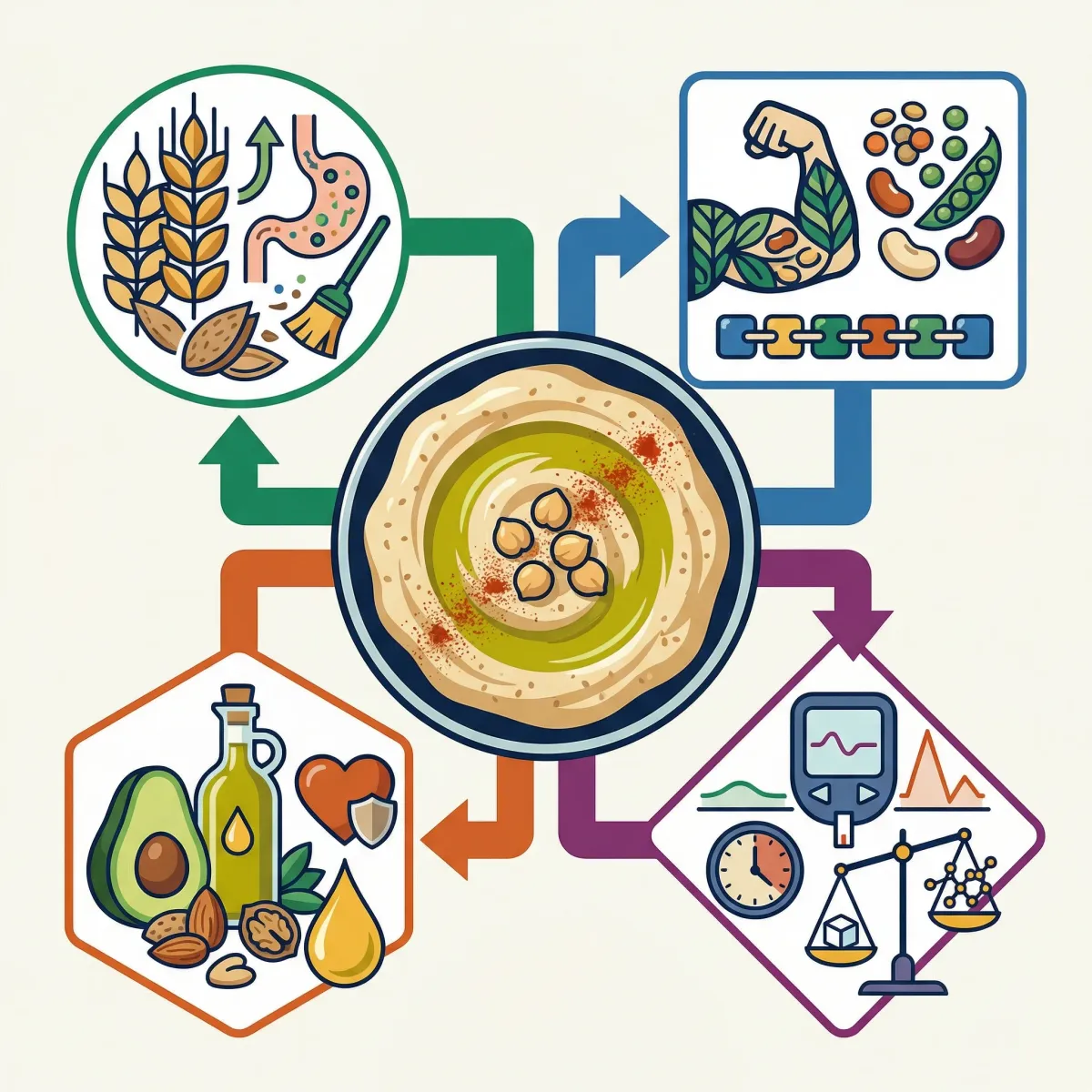
If you want recipe ideas while you build your list, this guide on hummus health benefits and recipes is a practical place to start for chickpea-based meals. For snack upgrades, this internal piece on nuts and their health effects can help you rotate options instead of relying on one type every day.
| Food (Typical Cooked/Ready Serving) | Approx Protein | Best Use | One Caution |
|---|---|---|---|
| Tempeh (100 g) | ~19 g | High-protein meat alternative in bowls and stir-fries | Can taste bitter if not steamed/marinated first |
| Extra-firm tofu (100 g) | ~10-14 g | Versatile for savory meals and blended sauces | Texture depends on pressing and cooking method |
| Seitan (100 g) | ~20-25 g | Very high protein for sandwiches and stir-fries | Not suitable for gluten intolerance/celiac disease |
| Lentils (1 cup cooked) | ~18 g | Budget-friendly base for soups and salads | Increase gradually if fiber tolerance is low |
| Chickpeas (1 cup cooked) | ~14-15 g | Bowls, curries, spreads, roasted snacks | Portion size matters if sodium is high in canned products |
| Black beans (1 cup cooked) | ~15 g | Tacos, soups, grain bowls | Rinse canned beans to reduce sodium load |
| Edamame (1 cup cooked) | ~17 g | Easy side dish or salad topper | Frozen versions can be salty depending on preparation |
| Greek yogurt (170 g, vegetarian) | ~15-20 g | Fast breakfast or snack protein anchor | Choose unsweetened versions when possible |
| Cottage cheese (1/2 cup, vegetarian) | ~12-14 g | High-protein add-on for toast and bowls | Can be high in sodium |
| Hemp seeds (3 tbsp) | ~10 g | Quick protein and fat boost for oatmeal/salads | Easy to over-pour calories |
| Pumpkin seeds (30 g) | ~8-9 g | Crunchy topper for bowls and soups | Portion creep adds calories quickly |
Chia is not the highest-protein seed by gram, but it is still useful for meal structure because it thickens foods and adds fiber. If you use it often, this article on ways to use chia seeds has practical prep ideas.
Protein Quality, Digestibility, and Leucine
Total grams still matter most, but quality details matter more as goals become specific. If your aim is muscle retention during weight loss, strength gains, or healthy aging, digestibility and leucine content can influence how efficient each meal is.
Broadly, soy foods, dairy proteins (for vegetarians), eggs, and many refined plant isolates score higher on digestibility than minimally processed legumes and grains. That does not make whole legumes bad. It means you may need a larger portion or a mixed-meal strategy to get the same anabolic signal.
For active adults, a practical meal target is often around 2-3 g leucine within a protein-containing meal, usually reached with a larger portion of legumes/soy or by combining multiple protein foods. You do not need to calculate this forever, but understanding it can explain why some meals keep you full and recovered while others do not.
| Protein Source Type | Digestibility Trend | Leucine Density Trend | How to Use It Practically |
|---|---|---|---|
| Soy foods (tofu, tempeh, soy yogurt) | Moderate to high | Moderate to high | Use as main protein anchor in at least 1-2 meals/day |
| Legumes (beans, lentils, peas) | Moderate | Moderate | Pair with grains/seeds and use larger servings |
| Seitan (wheat gluten) | High for many users | Moderate | Rotate with legumes to diversify amino acid pattern |
| Dairy/eggs (vegetarian) | High | High | Helpful when total protein intake is low |
| Nuts and seeds | Variable | Lower per calorie | Use as support foods, not sole protein base |
None of this requires expensive powders. Powders can help in high-volume training blocks, but whole-food structure should come first. If appetite is low, a smoothie with soy milk, tofu, oats, and seed butter can bridge a gap without replacing regular meals.
A Practical High-Protein Day Without Meat
Here is a realistic template for someone targeting around 90 g/day. Adjust portions up or down for your own body weight and goals. The point is not to copy this exactly. The point is to see how normal food combinations can reach meaningful protein intake.
| Meal | Example Plate | Approx Protein |
|---|---|---|
| Breakfast | Overnight oats with soy milk, chia, hemp seeds, and peanut butter | ~24 g |
| Lunch | Quinoa bowl with tempeh, edamame, roasted vegetables, tahini dressing | ~32 g |
| Snack | Roasted chickpeas plus fruit, or Greek yogurt for vegetarians | ~10-18 g |
| Dinner | Lentil and black bean chili over brown rice with pumpkin seeds | ~30 g |
This kind of structure also fits broader dietary patterns. If you want a high-protein pattern that still supports cardiometabolic health, this internal guide comparing anti-inflammatory eating patterns can help you align protein choices with your bigger health goals.
Execution details matter more than fancy ingredients. Keep two cooked protein bases ready in the fridge, two easy sauces, and one backup freezer option. Most people fail because weekday friction is too high, not because they do not understand nutrition.

Mistakes That Quietly Reduce Results
The first common mistake is over-relying on low-protein staples. Oats, fruit, vegetables, and healthy fats are valuable, but they do not automatically create a high-protein day. Without deliberate anchors like soy foods, legumes, eggs, dairy, seitan, or concentrated seed additions, totals drift down quickly.
The second mistake is ignoring micronutrients that interact with long-term dietary quality. The NIH Office of Dietary Supplements fact sheets on vitamin B12, iron, calcium, and omega-3 fatty acids are worth reviewing if you eat mostly or fully plant-based. Protein is only one part of the adequacy picture.
The third mistake is switching everything at once and then blaming the diet when digestion gets rough. A steep fiber increase can cause bloating for a few weeks. Start with smaller bean portions, rinse canned legumes, spread fiber across meals, and increase fluid intake. Slow progression usually beats all-or-nothing changes.
The fourth mistake is treating vegetarian convenience foods as automatic upgrades. Some are excellent. Others are mostly starch, salt, and oils with modest protein. Read labels and compare products by protein per serving, sodium, and ingredient quality, not marketing terms.
Finally, people often underestimate boredom as a nutrition problem. A repetitive menu looks disciplined at first, then collapses after a month. Rotate protein anchors across the week and vary cooking methods. Sustainable variety is a performance tool, not a luxury.
Myth vs Fact: Plant Protein Edition
| Myth | Fact |
|---|---|
| You cannot build muscle on a vegan or vegetarian diet. | You can, if total protein, training stimulus, and meal distribution are adequate. |
| You must combine every amino acid at the same meal. | Variety across the day is usually enough for amino acid adequacy. |
| Nuts and seeds alone are enough as a primary protein source. | They help, but legumes, soy foods, seitan, eggs, or dairy usually need to carry the main load. |
| Protein powders are mandatory for plant-based diets. | Most people can meet needs with food-first planning; powders are optional tools. |
| High-protein vegetarian eating is automatically expensive. | Lentils, beans, peas, tofu, and eggs/yogurt (for vegetarians) are often budget-friendly per gram of protein. |
The best mindset is pragmatic: build repeatable meals, audit your actual intake, and adjust based on outcomes. If energy, training recovery, and satiety improve, your plan is probably moving in the right direction.
Frequently Asked Questions
Can I hit high protein targets without supplements?
Yes. Many people can reach 80-120 g/day using combinations of legumes, soy foods, seitan, dairy/eggs (if vegetarian), and protein-dense seeds. Supplements are optional when appetite, schedule, or training volume makes food-only intake hard.
Is soy safe to eat every day?
For most healthy adults, moderate soy intake from foods like tofu, tempeh, and edamame is considered safe and can be part of a balanced diet. If you have a specific medical condition or thyroid concerns, review your full diet and medication timing with your clinician.
Do I need to count protein every day forever?
No. Tracking for 2-4 weeks is usually enough to calibrate portions and meal templates. Once your routine is consistent, periodic check-ins are often sufficient unless goals or activity levels change.
What is the fastest way to improve a low-protein vegetarian diet?
Add one clear protein anchor to each main meal: for example tofu at lunch, lentils at dinner, and Greek yogurt or soy yogurt at breakfast. This single change often improves satiety and total intake more than adding snacks.
Related Articles
- Spinach Health Benefits and Nutritional Facts - A practical breakdown of nutrient density and simple ways to use spinach daily.
- Broccoli Nutrition Facts and Health Benefits - Evidence-based review of one of the most useful high-fiber vegetables for meal planning.
- Whole Foods: How to Improve Your Overall Health - A broader framework for building nutrient-dense meals beyond single "superfoods."
- Health Benefits of Nuts and Side Effects - A guide to choosing nuts for satiety, heart health, and better snack quality.
Medical Disclaimer
This article is for informational and educational purposes only and is not medical advice, diagnosis, or treatment. Always consult a licensed physician or qualified healthcare professional regarding any medical concerns. Never ignore professional medical advice or delay seeking care because of something you read on this site. If you think you have a medical emergency, call 911 immediately.