What Makes Spinach a Nutritional Standout
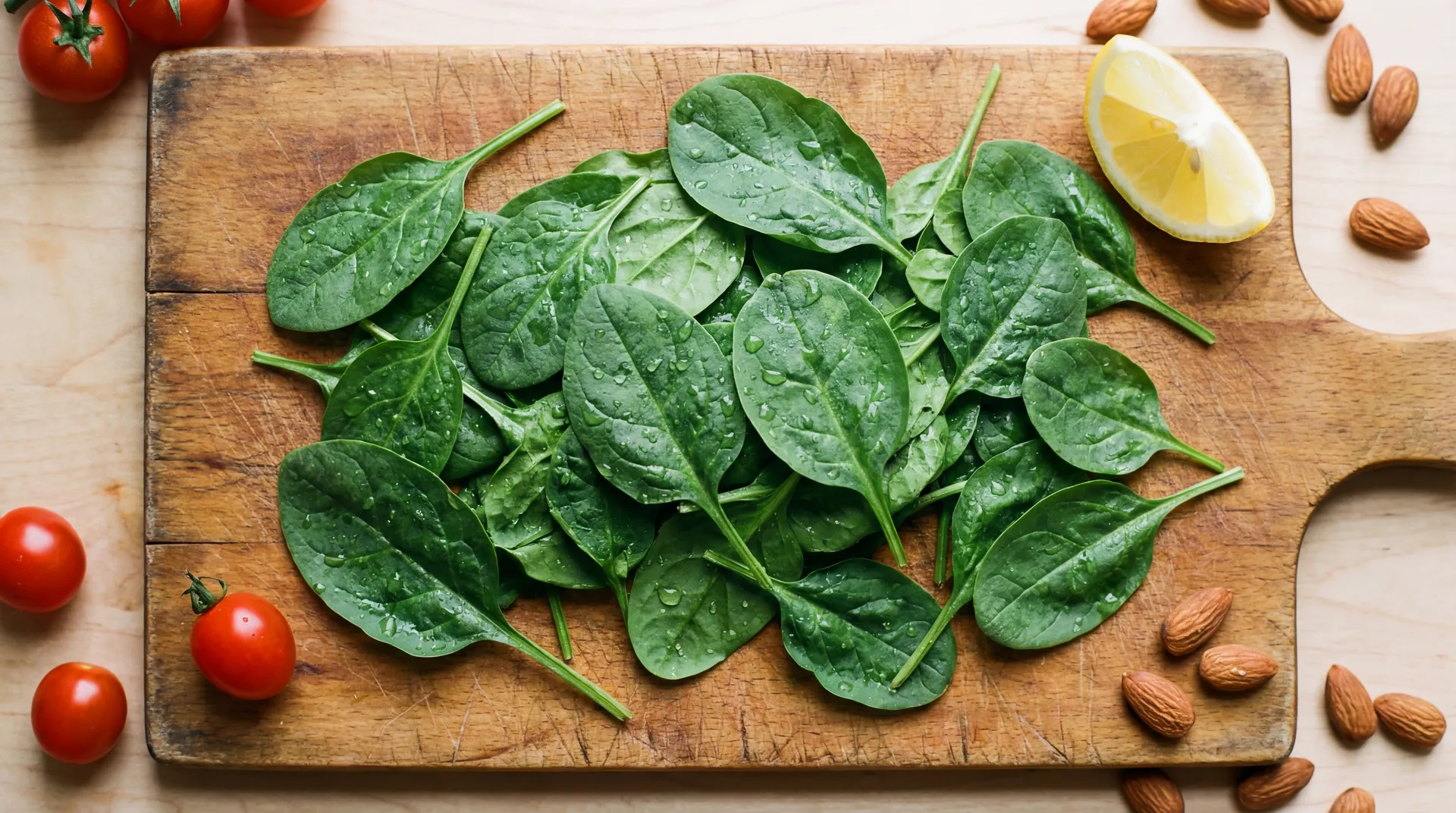
One hundred grams of raw spinach, roughly three loose cups, gives you 403% of your daily vitamin K, 52% of your vitamin A, and 49% of your folate. That is 23 calories. The numbers come from USDA FoodData Central, and they go a long way toward explaining why researchers keep coming back to this particular green.
Spinach belongs to the Amaranthaceae family alongside beets and quinoa. It started in Central Asia around the 7th century and made its way to Europe through Arab traders. China now grows over 90% of the world's spinach, though the plant does fine in most temperate climates.
Compared to other leafy greens, spinach packs more vitamin K than kale, more folate than romaine, and more lutein than any other commonly eaten vegetable. It also has bioactive compounds (thylakoids, glycolipids, dietary nitrates) that researchers have tied to outcomes like lower blood pressure and reduced tumor growth in animal models.
Below you will find the full nutritional breakdown raw and cooked, 10 health benefits backed by peer-reviewed research, five popular myths corrected, and a practical guide to which cooking methods preserve the most nutrients.
Raw vs. Cooked: The Full Nutrition Breakdown
Cooking changes spinach more than you might expect. Some nutrients concentrate, others break down, and the method matters. Here is the USDA data for 100 grams, raw versus boiled and drained.
Macronutrients
| Nutrient | Raw Spinach | Cooked (Boiled, Drained) |
|---|---|---|
| Calories | 23 kcal | 23 kcal |
| Protein | 2.9 g | 3.0 g |
| Total Fat | 0.4 g | 0.3 g |
| Carbohydrates | 3.6 g | 3.8 g |
| Dietary Fiber | 2.2 g | 2.4 g |
| Water | 91.4 g | 91.2 g |
Vitamins
| Vitamin | Raw (Amount / %DV) | Cooked (Amount / %DV) |
|---|---|---|
| Vitamin K | 483 mcg / 403% | 494 mcg / 411% |
| Vitamin A (RAE) | 469 mcg / 52% | 524 mcg / 58% |
| Folate (B9) | 194 mcg / 49% | 146 mcg / 37% |
| Vitamin C | 28 mg / 31% | 9.8 mg / 11% |
| Vitamin E | 2.0 mg / 13% | 2.1 mg / 14% |
| Riboflavin (B2) | 0.19 mg / 13% | 0.24 mg / 18% |
| Vitamin B6 | 0.2 mg / 10% | 0.24 mg / 14% |
Minerals
| Mineral | Raw (Amount / %DV) | Cooked (Amount / %DV) |
|---|---|---|
| Manganese | 0.9 mg / 39% | 0.94 mg / 41% |
| Magnesium | 79 mg / 19% | 87 mg / 21% |
| Iron | 2.7 mg / 15% | 3.6 mg / 20% |
| Potassium | 558 mg / 12% | 466 mg / 10% |
| Calcium | 99 mg / 8% | 136 mg / 11% |
| Copper | 0.13 mg / 13% | 0.17 mg / 19% |
| Zinc | 0.53 mg / 5% | 0.76 mg / 7% |
Key takeaway: Cooking concentrates iron (15% → 20% DV), calcium, and vitamin A, but cuts vitamin C by 65% (31% → 11% DV). Vitamin K stays essentially unchanged regardless of preparation method.
10 Evidence-Based Health Benefits of Spinach
1. Lowers Blood Pressure Through Dietary Nitrates
Spinach is one of the richest dietary sources of nitrates, which your body converts into nitric oxide — a molecule that relaxes blood vessel walls. A randomized controlled trial gave 27 participants high-nitrate spinach soup (845 mg nitrate per day) for seven days and measured a 3.39 mmHg reduction in central systolic blood pressure with no tolerance development. A larger 2024 meta-analysis of 75 randomized trials confirmed that dietary nitrate intake produces dose-dependent blood pressure reductions. Data from the Danish Diet, Cancer and Health Study found that adding just one daily portion of nitrate-rich vegetables was enough to lower cardiovascular disease risk.
2. Protects Your Eyes from Age-Related Damage
Spinach contains 7,450 mcg of lutein per 100 grams — more than any other commonly consumed vegetable. Lutein and zeaxanthin are the only carotenoids that accumulate in the retina's macula, where they filter damaging blue light and act as antioxidants. A prospective cohort study following over 100,000 participants for more than 20 years found that higher lutein and zeaxanthin intake was associated with reduced risk of advanced age-related macular degeneration. A separate pilot study showed that consistent spinach consumption increased macular pigment optical density, a marker of eye protection.
3. Supports Bone Density Through Vitamin K
One serving of spinach delivers over four times the daily value of vitamin K1, which activates osteocalcin — a protein essential for binding calcium to bone tissue. An NHANES analysis of 5,075 adults over 50 found that medium-to-high vitamin K intake reduced osteoporosis risk in women and slowed bone loss at the femoral neck in men. A 2024 meta-analysis of randomized trials confirmed that vitamin K supplementation increased bone mineral density at the lumbar spine. An important note: spinach's calcium itself is poorly absorbed due to oxalates (roughly 5% vs. 30% from dairy), so the bone benefit comes primarily from vitamin K and magnesium, not calcium.
4. Shows Promising Anti-Cancer Properties
Spinach contains glycolipids — a class of compounds found in chloroplast membranes — that have demonstrated anti-tumor activity in controlled studies. Oral administration of spinach glycolipid extract to mice with colon tumors produced a 56.1% decrease in solid tumor volume over two weeks with no observed side effects. A follow-up study found that one specific glycolipid (MGDG) reduced colon tumor volume by approximately 60% by increasing programmed cell death and inhibiting tumor blood vessel growth. An epidemiological study found that eating spinach more than twice weekly was associated with an odds ratio of 0.56 for breast cancer risk. These findings are preclinical and observational — they do not prove spinach prevents cancer in humans — but the consistency across multiple studies warrants attention.
5. Helps Manage Blood Sugar and Appetite
Thylakoids, compounds found in spinach's chloroplast membranes, slow the digestion of dietary fat and trigger satiety hormones. A randomized controlled trial in overweight women found that thylakoid-rich spinach extract reduced hunger by 21% and cravings for sweets by 38%. Another trial in obese women with PCOS showed that spinach thylakoid extract combined with calorie restriction produced significant decreases in fasting blood glucose, insulin, and insulin resistance markers over 12 weeks. A systematic review of thylakoid studies confirmed these compounds promote CCK release and GLP-1 secretion — hormones that signal fullness. Worth noting: these studies used concentrated thylakoid extracts, not whole spinach, though eating whole spinach still provides thylakoids in smaller amounts.
6. Slows Cognitive Decline
The Rush Memory and Aging Project followed 960 adults (ages 58-99) for an average of 4.7 years and found that those consuming the most green leafy vegetables, including spinach, showed cognitive decline rates equivalent to being 11 years younger compared to those eating the least. The study researchers identified the protective nutrients as vitamin K, lutein, folate, alpha-tocopherol, nitrate, kaempferol, and beta-carotene — all abundant in spinach. A separate randomized trial found that acute consumption of nitrate-rich spinach improved cognitive performance on reaction time tasks in healthy adults.
7. Reduces Inflammation
Spinach is rich in flavonoids including kaempferol and quercetin, which have demonstrated anti-inflammatory activity at the cellular level. Laboratory research showed that these compounds inhibited NF-kappaB activation and reduced inflammatory marker production in activated immune cells. A 2024 animal study found that spinach supplementation significantly reduced TNF-alpha, IL-1, IL-4, and IL-6 levels in subjects fed inflammatory diets. While most inflammation research remains preclinical, the consistency of findings across multiple compound classes in spinach is notable.
8. Provides Plant-Based Iron
Spinach delivers 2.7 mg of non-heme iron per 100 grams raw (15% DV), rising to 3.6 mg when cooked (20% DV). That makes it one of the better plant-based sources of iron, particularly for people following vegetarian or vegan diets. The relative biological value of spinach iron has been measured at approximately 53% compared to iron sulfate, with absorption rates around 7-9% from leafy greens versus 25-30% from animal sources. Pairing spinach with vitamin C — a squeeze of lemon, for instance — can boost iron absorption by up to four times.
9. Supports Gut Microbiome Diversity
A 26-week animal study found that a diet containing 10% freeze-dried baby spinach significantly increased gut microbial diversity, promoted beneficial Lachnospiraceae bacteria, and activated butanoate metabolism pathways linked to gut health. Spinach provides 2.2 grams of fiber per 100 grams — mostly insoluble fiber that promotes regularity and acts as a prebiotic. The Cleveland Clinic recognizes spinach as a prebiotic food that supports digestive health alongside its other probiotic-supporting nutrients.
10. May Support Healthy Weight Management
Setting the thylakoid research aside, spinach is just a good food for managing weight: 23 calories per 100 grams, 2.9 grams of protein, 2.2 grams of fiber. You get full without eating many calories. The thylakoid trials showed that 5 grams of daily spinach extract over three months reduced body weight and total cholesterol while participants reported feeling more satisfied after meals.
The Bioactive Compounds Behind the Benefits
Spinach has a lot going on beyond the standard vitamins and minerals. The compounds below help explain why it keeps showing up in studies on everything from blood pressure to cancer prevention.
| Compound | Amount per 100g Raw | Primary Health Effect |
|---|---|---|
| Lutein | 7,450 mcg | Macular protection, blue light filtering |
| Beta-carotene | 5,600 mcg | Vitamin A precursor, antioxidant |
| Kaempferol | 30-55 mg | Anti-inflammatory (inhibits NF-kappaB) |
| Quercetin | ~50 mg | Anti-inflammatory, reduces TNF-alpha |
| Dietary nitrates | 24-741 mg (varies) | Converts to nitric oxide, lowers BP |
| Thylakoids | Present in chloroplasts | Slows fat digestion, promotes satiety |
| Glycolipids (MGDG, SQDG) | Present in chloroplasts | Anti-tumor via DNA polymerase inhibition |
| Oxalates | 656-978 mg | Binds calcium/iron (reduces absorption) |
A 2016 phytochemical review concluded that spinach's benefits probably come from these compounds working together, not any single one in isolation. That is why eating actual spinach tends to beat taking individual supplements.
Spinach Myths Versus Facts
Spinach has more nutritional mythology attached to it than almost any other vegetable. Some myths make it sound like a cure-all. Others write it off unfairly. Here is what the research actually says.
Myth: Spinach is an incredible source of iron (the Popeye effect)
Fact: Spinach contains a respectable 2.7 mg of iron per 100 grams (15% DV), making it a good plant-based source but not the superfood Popeye suggested. The popular story that a decimal point error inflated spinach's iron content tenfold has itself been debunked — research by Professor Mike Sutton at Nottingham Trent University found the discrepancy likely came from comparing fresh versus dried spinach, not a transcription error. And Popeye's creator never actually cited iron; the cartoon character ate spinach for vitamin A.
Myth: Spinach is a great calcium source for bones
Fact: While spinach contains 99 mg of calcium per 100 grams, oxalates bind approximately 95% of it, dropping absorption below 5%. Dairy calcium absorbs at roughly 30%. Spinach benefits bone health primarily through its vitamin K1 content (403% DV per serving), which activates the bone-building protein osteocalcin — not through calcium.
Myth: Raw spinach is always healthier than cooked
Fact: It depends on which nutrient you care about. Raw spinach delivers more vitamin C and lutein (especially when chopped, which releases more antioxidants from cell walls). But cooking increases beta-carotene bioavailability by up to 3.5 times, concentrates iron and vitamin A per serving, and reduces oxalates by 30-87% depending on method. There is no single "healthiest" way — it depends on your goals.
Myth: Oxalates make spinach nutritionally worthless
Fact: Oxalates reduce calcium and iron absorption but have no meaningful effect on vitamin K (403% DV), vitamin A (52% DV), folate (49% DV), manganese (39% DV), or magnesium (19% DV). These nutrients are what make spinach worth eating, and boiling with water discarded removes 30-87% of soluble oxalates for those concerned.
Myth: People on blood thinners must avoid spinach entirely
Fact: A 2025 study found no pharmacokinetic or pharmacodynamic interaction between spinach and warfarin at portions below 100 grams per day. The Mayo Clinic's guidance is to maintain consistent vitamin K intake rather than eliminate it — sudden changes in intake, not intake itself, disrupt INR levels.
Best Ways to Prepare Spinach for Maximum Nutrition
How you cook spinach genuinely changes what you get out of it. A controlled study on vitamin retention tested four cooking methods head to head.
| Cooking Method | Vitamin C Retention | Vitamin K Retention | Beta-Carotene | Oxalate Reduction |
|---|---|---|---|---|
| Raw | 100% | 100% | 100% | 0% |
| Microwaved | 91% | 121% | 115% | Minimal |
| Blanched | 58% | 97% | 87% | Moderate |
| Steamed | 45% | 88% | 85% | 5-53% |
| Boiled (water discarded) | 40% | 95% | 102% | 30-87% |
Best overall method: Steaming for 3-4 minutes strikes the best balance — it reduces oxalates by roughly 35%, retains most vitamins, and keeps the spinach tender without waterlogging it.
For maximum lutein (eye health), eat spinach raw and chopped. For maximum beta-carotene absorption, cook lightly and add a small amount of fat — olive oil or nuts work well. For people with kidney stone concerns who want to minimize oxalates, boil briefly and discard the water.
Who Should Be Careful with Spinach
Spinach is safe for most people in normal dietary amounts, but certain groups should pay attention to intake levels.
Kidney stone history: Spinach accounts for over 40% of total dietary oxalate intake in Western diets. A large prospective cohort study found modest risk increases in men and older women with high oxalate consumption, though the study authors concluded dietary oxalate alone is "not a major risk factor." People with a history of calcium oxalate stones should discuss intake with their physician and consider boiling to reduce oxalate content.
Warfarin users: The high vitamin K content means warfarin users need to maintain consistent spinach intake rather than eating it sporadically. Work with your healthcare provider to establish a stable dietary pattern.
Histamine sensitivity: Spinach is classified as a high-histamine food by both Johns Hopkins and the Cleveland Clinic. People with histamine intolerance may experience pseudo-allergic reactions. Individual tolerance varies — keeping a food diary helps identify triggers.
Thyroid conditions: Like other cruciferous and leafy green vegetables, spinach contains goitrogens that can interfere with thyroid function in very large amounts. Normal dietary quantities are generally safe, but people with existing thyroid conditions should discuss high-spinach diets with their doctor.
Simple Ways to Eat More Spinach Every Week
None of the above matters much if you do not eat spinach regularly. Here are some ways to work it into your week that go beyond the obvious salad.
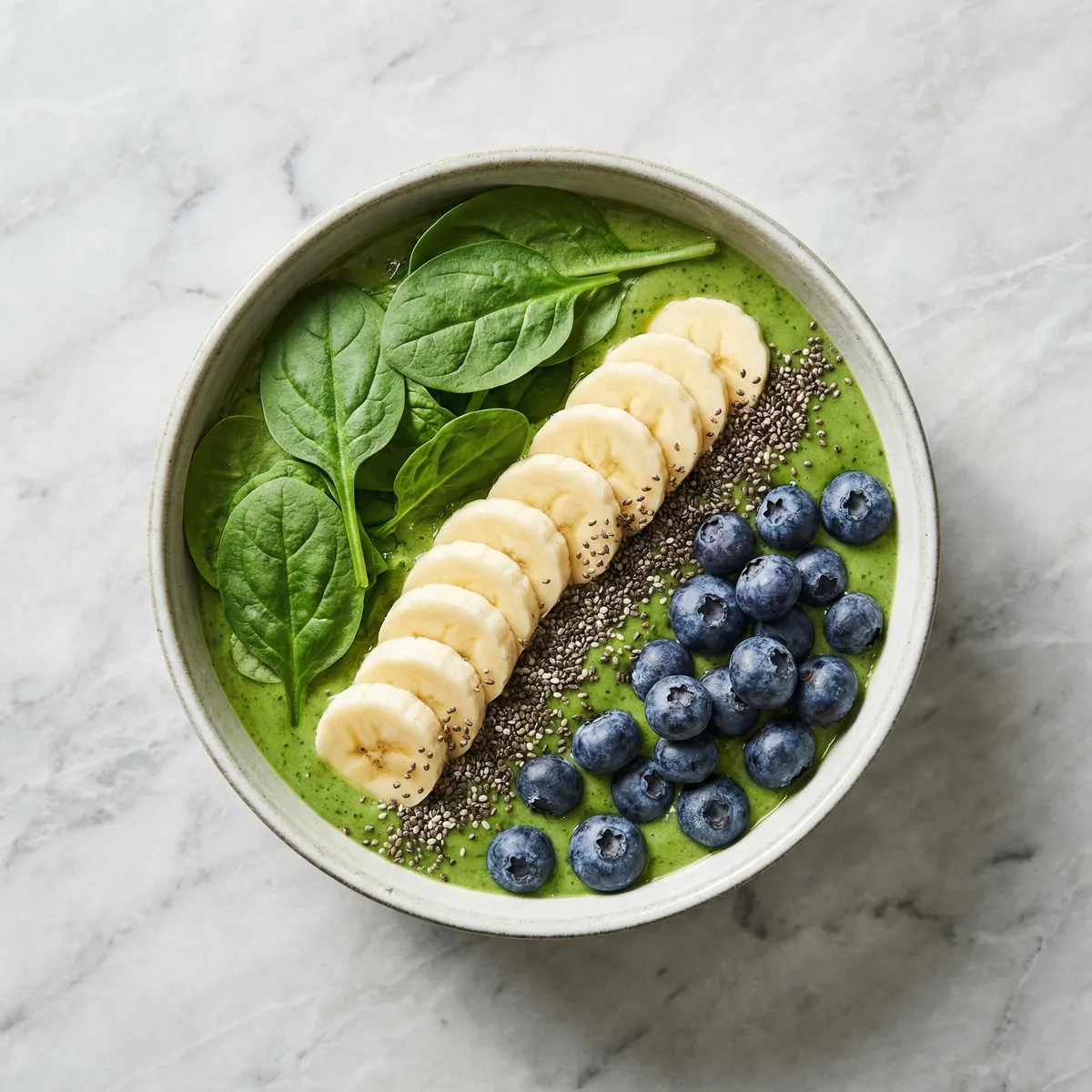
Smoothies: Two large handfuls of raw spinach blended into a fruit smoothie are virtually undetectable by taste. The mild flavor disappears behind banana, berries, or mango. This is the easiest way to get raw spinach's full lutein and vitamin C content.
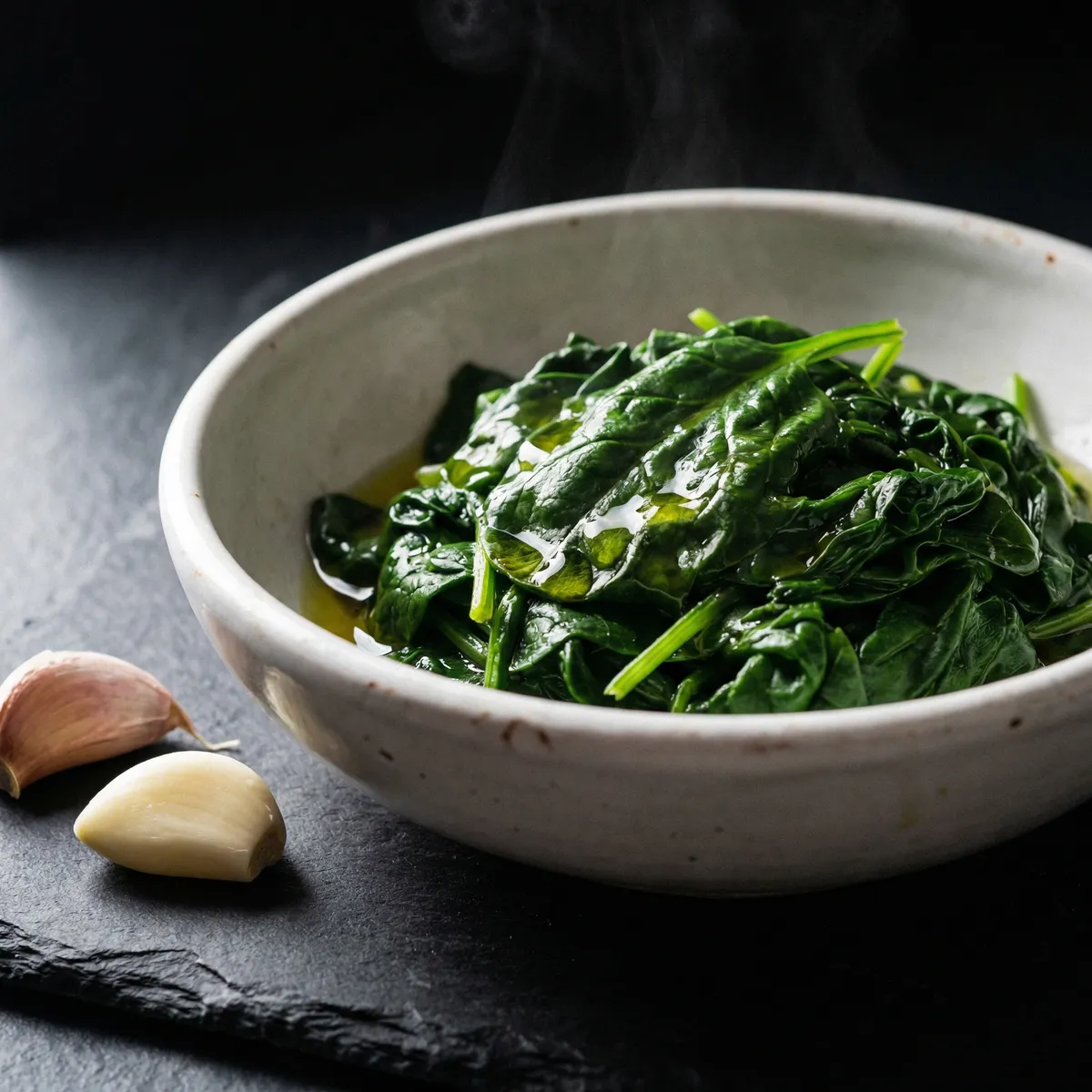
Sauteed as a side: Heat olive oil in a pan, add garlic for 30 seconds, then add spinach and cook until just wilted (about 2 minutes). A full bag of spinach cooks down to roughly half a cup. Season with salt, pepper, and a squeeze of lemon for enhanced iron absorption.
Stirred into soups and stews: Add a few handfuls of fresh spinach to any soup during the last 2-3 minutes of cooking. It wilts into the broth and adds nutrients without changing the dish's character. This pairs well with hummus-based soups and lentil dishes.
Egg dishes: Fold spinach into omelets, scrambled eggs, or frittatas. The heat wilts the spinach while the eggs provide fat for better beta-carotene absorption.
As a pasta or grain base: Use wilted spinach as a bed for grains, roasted vegetables, or proteins instead of plain rice. It adds nutritional density to meals built around plant proteins.
Frequently Asked Questions
How much spinach should you eat per day?
Most nutrition researchers and organizations like the American Heart Association suggest one to two cups of leafy greens daily as part of a balanced diet. For spinach specifically, 100-200 grams per day provides substantial nutrient coverage. People with kidney stone history or on warfarin should discuss specific amounts with their healthcare provider.
Is baby spinach more nutritious than mature spinach?
Baby spinach and mature spinach have nearly identical nutritional profiles per gram. Baby spinach has slightly more tender leaves and a milder flavor, which makes it more popular in raw salads. Mature spinach holds up better to cooking. The nutritional difference between them is negligible — choose based on how you plan to eat it.
Can you eat too much spinach?
In typical dietary amounts, spinach is safe for healthy adults. Eating very large quantities daily (multiple cups over extended periods) could contribute to kidney stone formation in susceptible individuals due to oxalate accumulation. The practical concern is more about variety — rotating spinach with other leafy greens like broccoli and Brussels sprouts provides a broader nutrient spectrum.
Does freezing spinach destroy its nutrients?
Frozen spinach retains most of its nutritional value. Flash-freezing at harvest actually preserves nutrients better than fresh spinach that has been stored in the refrigerator for several days. Frozen spinach may have slightly lower vitamin C content but comparable or even higher levels of lutein, beta-carotene, and minerals. It is a practical and cost-effective alternative to fresh.
Why does spinach make your teeth feel gritty?
That chalky, gritty feeling after eating spinach — especially raw — is caused by oxalic acid combining with calcium in your saliva to form tiny calcium oxalate crystals on your teeth. Cooking spinach significantly reduces this effect by breaking down soluble oxalates. Pairing raw spinach with acidic dressings (lemon juice, vinegar) also helps minimize the sensation.
Related Articles
- Broccoli Nutrition Facts and Health Benefits — Another cruciferous powerhouse with complementary nutrients to spinach.
- Brussels Sprouts Facts and Health Benefits — A fellow leafy green rich in vitamin K and fiber.
- Best Vegan and Vegetarian Protein Sources — How spinach fits into a complete plant-based nutrition plan.
- Vitamin D Benefits, Deficiency Warnings, and Precautions — Essential reading for bone health alongside vitamin K.
- Health Benefits of Probiotics — How gut microbiome health connects to nutrient absorption from foods like spinach.
Medical Disclaimer
This article is for informational and educational purposes only and is not medical advice, diagnosis, or treatment. Always consult a licensed physician or qualified healthcare professional regarding any medical concerns. Never ignore professional medical advice or delay seeking care because of something you read on this site. If you think you have a medical emergency, call 911 immediately.