What natural appetite suppressants can really do
Most people look for appetite suppressants at the exact moment hunger feels urgent: late at night, between meetings, or right after a stressful day. That is understandable. The challenge is that hunger is not a single switch you can turn off with one food, one tea, or one supplement. Appetite is a system involving gut hormones, blood sugar patterns, sleep quality, stress load, meal composition, and your food environment. Natural strategies can help, but they work best when they are layered and consistent rather than used as emergency fixes.
From a physiology perspective, appetite is influenced by signals such as ghrelin, peptide YY, GLP-1, insulin, and mechanical stomach stretch. If your routine repeatedly spikes and crashes these signals, you will feel hungry more often, even if total daily calories are high. This is one reason ultra-processed, low-fiber eating patterns can drive extra intake, as shown in controlled feeding work such as the NIH-supported ultra-processed diet trial. In practical terms, appetite suppression is less about numbing hunger and more about making hunger predictable.
Natural appetite suppressants are best understood as tools that increase meal satisfaction, slow gastric emptying, stabilize energy, and reduce cue-driven snacking. Foods rich in protein, viscous fiber, water, and certain fats usually do this better than stimulant-heavy products. Foundational nutrition guidance from the CDC healthy eating framework and obesity physiology summaries in Endotext support this pattern-first approach.
Quick reality check: The goal is not to never feel hungry. The goal is to reduce chaotic hunger so your choices stay consistent.
If you already use nutrition tools from this site, think of this guide as the missing layer between cravings and execution. For example, pairing these strategies with practical snack structure from waist-friendly snack ideas makes adherence far easier than trying to "white-knuckle" through long gaps without food.
Why hunger feels out of control even when you ate
Many people are surprised that they can finish a meal and still want food again within an hour. Usually this is not a character problem. It is a meal-design and routine problem. A meal can be high in calories yet still low in satiety if it lacks protein, fiber, and volume. Liquid calories and highly refined snacks create the same issue: fast digestion, weak fullness, and a quick return of hunger cues.
Sleep loss is another hidden driver. Experimental evidence has shown that short sleep can shift appetite hormones in a direction that increases hunger and preference for energy-dense foods, including findings in studies such as sleep restriction and ghrelin/leptin research. This is why many people feel "snacky" after poor sleep even when total intake was already high the previous day.
Stress and food cues amplify the cycle. If snacks are constantly visible or easy to grab during work transitions, boredom or tension can masquerade as biological hunger. You can reduce this dramatically by pre-deciding food windows and removing high-trigger foods from default visibility. If sugar cravings are your biggest obstacle, the behavior framework in these sugar reduction tips pairs well with satiety-focused meals.
| Hunger driver | What it feels like | Likely root cause | Best natural response |
|---|---|---|---|
| Rapid rebound hunger | Hungry again soon after a meal | Low protein and low fiber meal composition | Add protein anchor and high-fiber produce at each meal |
| Late-evening cravings | Strong pull toward sweets and salty snacks | Undereating earlier and decision fatigue | Use structured afternoon snack with protein and fiber |
| All-day grazing | Frequent nibbling without true hunger | Food cues, stress, and undefined eating windows | Set meal windows and keep trigger foods out of sight |
| Morning appetite crash | Low appetite in morning, overeating later | Poor sleep and high evening intake | Protect sleep and start with hydration plus light protein |
If this table describes your pattern, do not jump to aggressive restriction. Restriction often backfires when the appetite system is already unstable. Start by stabilizing rhythm: predictable meals, better hydration, and a realistic sleep window. You will often notice lower hunger intensity within one to two weeks.
Build meals that create satiety, not just fullness
Satiety is the sensation that keeps you comfortably satisfied between meals. Fullness alone can come from volume, but satiety depends more on nutrient mix and digestion speed. Protein is consistently one of the strongest appetite-modulating nutrients, with human data summarized in reviews such as this protein and satiety evidence base. Soluble and viscous fiber also helps by slowing gastric emptying and improving fullness signaling, consistent with findings from fiber-focused weight management analyses.
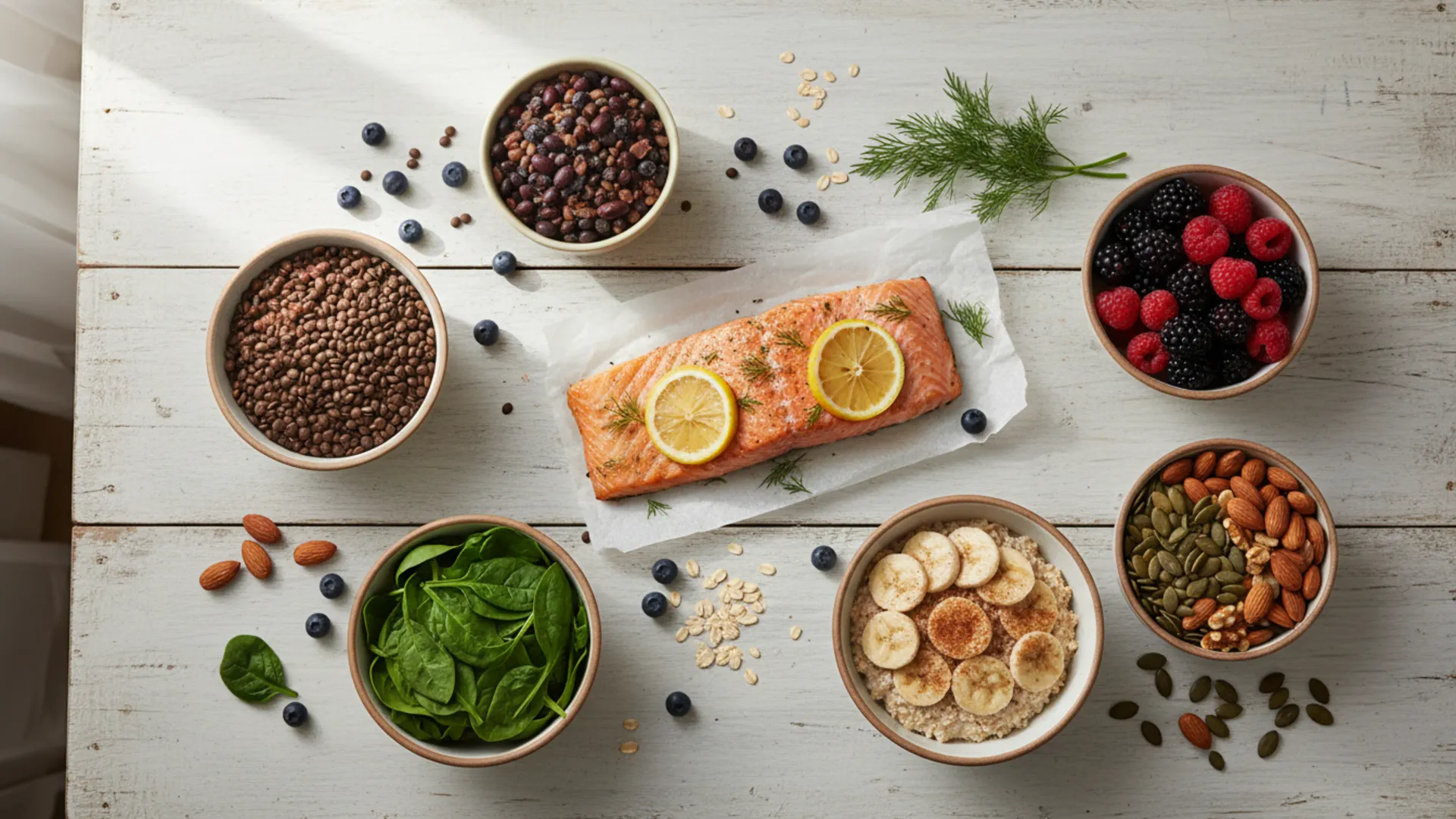
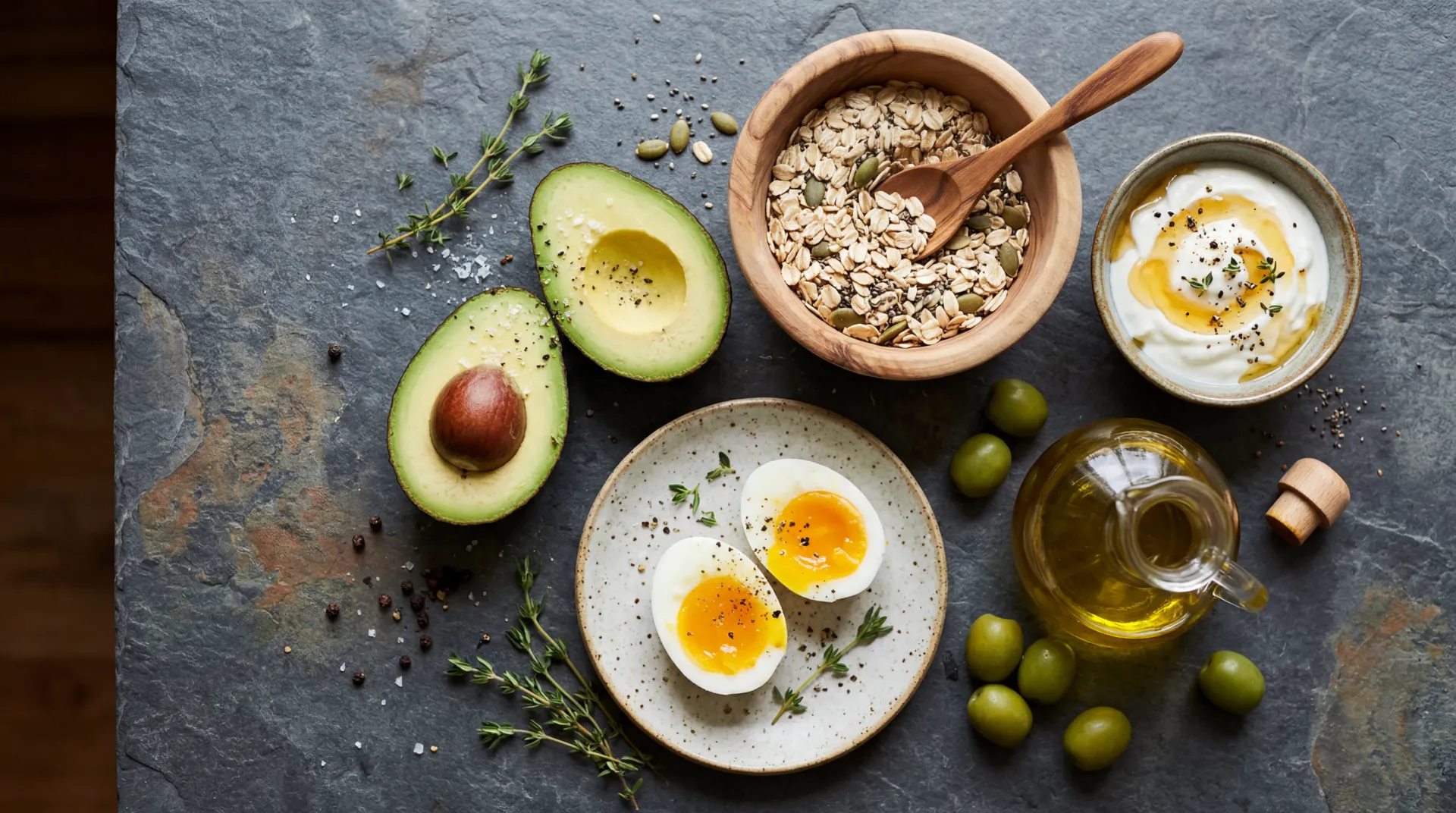
In practical meal design, use four building blocks: protein anchor, high-fiber base, water-rich volume, and a moderate fat source for flavor and staying power. This combination reduces the urge to keep searching for food after meals. It also makes calorie intake easier to control without rigid tracking.
| Meal component | Examples | Appetite benefit | Simple portion cue |
|---|---|---|---|
| Protein anchor | Eggs, Greek yogurt, fish, tofu, chicken, beans | Higher satiety and slower rebound hunger | One palm-sized serving per meal |
| Fiber-rich base | Lentils, oats, vegetables, berries, chia, beans | Improves fullness and meal volume | At least two fists of produce/legumes |
| Water-rich foods | Soups, salads, fruit, steamed vegetables | Supports stomach stretch with lower energy density | Start meal with broth or salad when possible |
| Satisfying fat | Olive oil, avocado, nuts, seeds | Flavor and adherence support | One thumb-sized amount per meal |
There is no single "best" appetite-suppressing food, but some foods are repeatedly useful because they hit multiple satiety mechanisms at once. Chia, oats, legumes, apples, eggs, yogurt, and potatoes are practical examples when portioned into balanced meals. For a deeper look at one of these, you can review this guide on chia seeds and then apply it inside a full meal pattern rather than as a standalone fix.
Protein timing matters too. If breakfast and lunch are very low in protein, evening hunger usually intensifies. A consistent morning protein intake often lowers nighttime cravings. If you use shakes for convenience, compare options carefully with this whey vs casein breakdown and choose one that supports your routine without replacing whole-food meals entirely.
One overlooked strategy is "planned satisfaction." Include one enjoyable, portioned food at meals so you do not feel chronically deprived. Appetite suppression works better when your plan feels livable.
Drinks and preloads that reduce overeating
What you drink and what you eat right before meals can strongly influence total intake. A simple, well-supported tactic is drinking water before meals, which has shown useful effects in controlled settings such as pre-meal water and energy intake studies. This does not mean water burns fat directly. It means hydration can reduce compensatory overeating and improve meal pacing.
Low-calorie preloads can also help: broth-based soup, salad with vinegar dressing, or a small fruit-and-yogurt starter. These options increase volume and slow eating speed, creating time for satiety signals to catch up. In contrast, sweetened drinks often add calories without meaningful fullness and can worsen rebound hunger later.
| Preload strategy | How to use it | Why it helps appetite | Common mistake |
|---|---|---|---|
| Water preload | Drink 12 to 16 oz about 20-30 minutes before meals | Supports fullness and meal pacing | Waiting until already overeating |
| Broth soup starter | One cup before main meal | Adds volume with low energy density | High-cream soups with hidden calories |
| Salad preload | Vegetable-heavy first course | Increases fiber and slows intake speed | Sugar-heavy dressings and extras |
| Unsweetened tea routine | Use between meals as default beverage | Replaces liquid calories and grazing cues | Adding calorie-dense sweeteners repeatedly |
Caffeine can transiently blunt appetite in some people, but the effect is usually modest and short-lived. If caffeine worsens sleep, the next-day hunger rebound can erase any benefit. Treat caffeinated drinks as optional, not core therapy.
Also watch hidden liquid calories. Many "healthy" smoothies and coffee drinks are essentially desserts with a health label. When appetite control is the goal, calories you drink should be deliberate and portioned.
Sleep, stress, and routine: the hidden appetite switches
People often chase appetite suppressants while ignoring the strongest hunger amplifiers: sleep disruption and chronic stress. Short sleep, irregular bedtimes, and nighttime screen exposure can all raise next-day hunger intensity and decrease impulse control around food. If your evenings are unstructured, no supplement will fully compensate.
Stress has a double effect: it increases emotional eating risk and weakens planning capacity. This is why good intentions collapse at 9 p.m. after a difficult day. Appetite control improves when you reduce the number of food decisions you must make under stress. Batch meal prep, pre-portioned snacks, and fixed eating windows reduce this cognitive load.
Routine is your appetite thermostat. A consistent wake time, morning hydration, regular meals, and planned movement stabilizes signals over time. If your broader goal includes fat loss, pairing appetite structure with movement habits from this metabolism routine guide can make progress steadier and less mentally exhausting.
| Daily rhythm lever | Minimum effective action | Expected appetite impact |
|---|---|---|
| Sleep timing | Hold wake time steady within a 60-minute window | Lower evening cravings and fewer rebound hunger spikes |
| Meal rhythm | Use 3 meals and 1 planned snack if needed | Less all-day grazing and better satiety predictability |
| Stress interrupts | 5-minute walking or breathing breaks before snacks | Fewer stress-triggered eating episodes |
| Environment setup | Keep high-trigger foods out of immediate view | Reduced cue-driven intake |
The main idea is simple: appetite control is not just what you eat, but when and under what conditions you eat. Improve those conditions, and hunger becomes easier to manage without extreme tactics.
Myth vs fact: natural appetite suppressants
Online weight-loss advice mixes partial truths with exaggerated claims. Use this comparison to keep expectations realistic and decisions safer.
| Myth | Fact | What to do instead |
|---|---|---|
| Natural appetite suppressants melt fat on their own. | Most effects are modest and depend on meal structure and consistency. | Use them as part of a full routine, not a standalone solution. |
| If I am hungry, my diet is failing. | Some hunger is normal; chaotic hunger is the real problem. | Design meals for satiety and stabilize daily rhythm. |
| Skipping meals is the best appetite suppression trick. | For many people, long gaps increase later overeating and cravings. | Use predictable meals and planned snacks when needed. |
| Supplements are safer because they are natural. | Natural products can still cause side effects and drug interactions. | Check evidence and safety with trusted medical resources first. |
| Caffeine is always helpful for cravings. | It can help briefly, but poor sleep can worsen next-day hunger. | Protect sleep before increasing stimulants. |
For supplement claims specifically, the NIH Office of Dietary Supplements review is a strong reality filter because it summarizes what evidence actually supports and where findings are mixed or weak.
Decision rule: If a product promises rapid fat loss without changes to sleep, meals, or activity, assume the claim is stronger than the evidence.
A 14-day appetite reset you can actually follow
You do not need a perfect month to improve appetite control. A focused 14-day reset is enough to reduce chaos and rebuild trust in your routine. The objective is not aggressive weight loss. The objective is appetite stability, fewer cravings, and repeatable structure.
Days 1-3: remove friction. Set meal times, buy satiety-focused groceries, and pre-portion snacks. Keep water visible. Move high-trigger foods out of immediate reach. Sleep target: consistent wake time.
Days 4-7: build meal anchors. Each meal gets a protein source, a fiber source, and water-rich volume. Use one planned snack if your evening hunger is consistently high. Keep caffeine earlier in the day.
Days 8-10: add preload strategies. Use water or broth before one or two major meals. Practice slower eating pace. Stop eating when comfortably satisfied, not stuffed.
Days 11-14: stress-proof the plan. Add short movement breaks around high-risk craving windows. Prepare two backup meals and two backup snacks for busy days. Review your trend rather than one difficult day.
| Craving scenario | High-risk default | Reset alternative | Why it works |
|---|---|---|---|
| Late-night sweet craving | Large dessert or grazing | Greek yogurt, berries, chia, cinnamon | Protein and fiber improve satisfaction quickly |
| Afternoon energy crash | Vending machine snack | Apple plus nuts or boiled eggs | Steadier energy and slower digestion |
| Stress after work | Continuous snacking while cooking | 10-minute walk plus pre-portioned starter | Reduces stress cue before eating begins |
| Weekend social meals | Arrive very hungry and over-order | Preload with water and protein snack | Lowers impulsive ordering and pace |
Track four signals daily: hunger intensity before dinner, late-night cravings, number of unplanned snacks, and sleep duration. If these trend in the right direction, your system is improving even before the scale changes.
If you have diabetes, cardiovascular disease, an eating disorder history, or use medications that affect appetite, use this framework with clinical guidance. Public resources from NIDDK safe weight-loss guidance are a good starting point for setting realistic and safe expectations.
Frequently Asked Questions
Do natural appetite suppressants work without calorie tracking?
They can help, especially when you build meals around protein, fiber, hydration, and routine. Many people reduce intake naturally when satiety improves. Tracking is optional, but meal structure is not.
What is the fastest natural way to reduce cravings?
The quickest improvement usually comes from three steps used together: better sleep timing, higher-protein first meal, and removal of visible trigger snacks. These changes often reduce cravings within several days.
Are fiber supplements better than whole foods for appetite control?
Whole foods are usually the best first line because they combine fiber, water, and nutrients. Fiber supplements can be useful add-ons for some people, but they work best with hydration and balanced meals.
Can I rely on coffee or tea to suppress appetite?
These drinks may briefly reduce hunger for some people, but effects are inconsistent and short-lived. If they interfere with sleep, appetite often rebounds the next day, so they should not be your primary strategy.
How long should I test a natural appetite plan before judging results?
A fair test is usually 2 to 4 weeks of consistent routine. Look for reduced unplanned snacking, fewer severe cravings, and steadier meal timing before focusing only on scale changes.
Bottom line: structure beats willpower
Natural appetite suppression works best when you stop treating hunger as a moral battle and start treating it as a system. Build meals that satisfy, hydrate before you are desperate, protect sleep, reduce cue exposure, and use routines that survive busy days. That combination consistently outperforms one-off tricks.
If your current plan feels fragile, simplify it. Repeatable basics are more powerful than complicated protocols. You can always add precision later once appetite stability is in place.
Related Articles
- Boost Metabolism Naturally: Daily Evidence Guide - Practical daily routines that support energy use, activity consistency, and appetite regulation.
- How to Lose Weight Fast - A behavior-first framework for sustainable fat loss without extreme restriction.
- Health Benefits of Chia Seeds - A deeper look at a high-fiber, high-satiety food that can fit appetite-control meal plans.
- Whey vs Casein: Benefits and Disadvantages - Compare protein options for satiety, convenience, and recovery support.
Medical Disclaimer
This article is for informational and educational purposes only and is not medical advice, diagnosis, or treatment. Always consult a licensed physician or qualified healthcare professional regarding any medical concerns. Never ignore professional medical advice or delay seeking care because of something you read on this site. If you think you have a medical emergency, call 911 immediately.