Water is easy to overlook because it is always around us. Yet no nutrient is used more constantly by the human body. Every heartbeat, breath, nerve signal, and muscle contraction depends on fluid balance. When intake drops, even slightly, energy, focus, digestion, exercise tolerance, and mood can start to slip long before you feel intense thirst.
This guide updates the classic “top benefits of drinking water” topic with practical, evidence-based advice you can actually use. You will learn what water does physiologically, which benefits are strongly supported, how much most adults need, and how to hydrate in a way that fits real life rather than a rigid rule.
If you have been trying to improve weight control, workout recovery, digestion, skin comfort, or daily concentration, hydration is one of the simplest levers to adjust first. It is low-cost, safe for most people, and surprisingly effective when done consistently.
How Water Supports Your Body
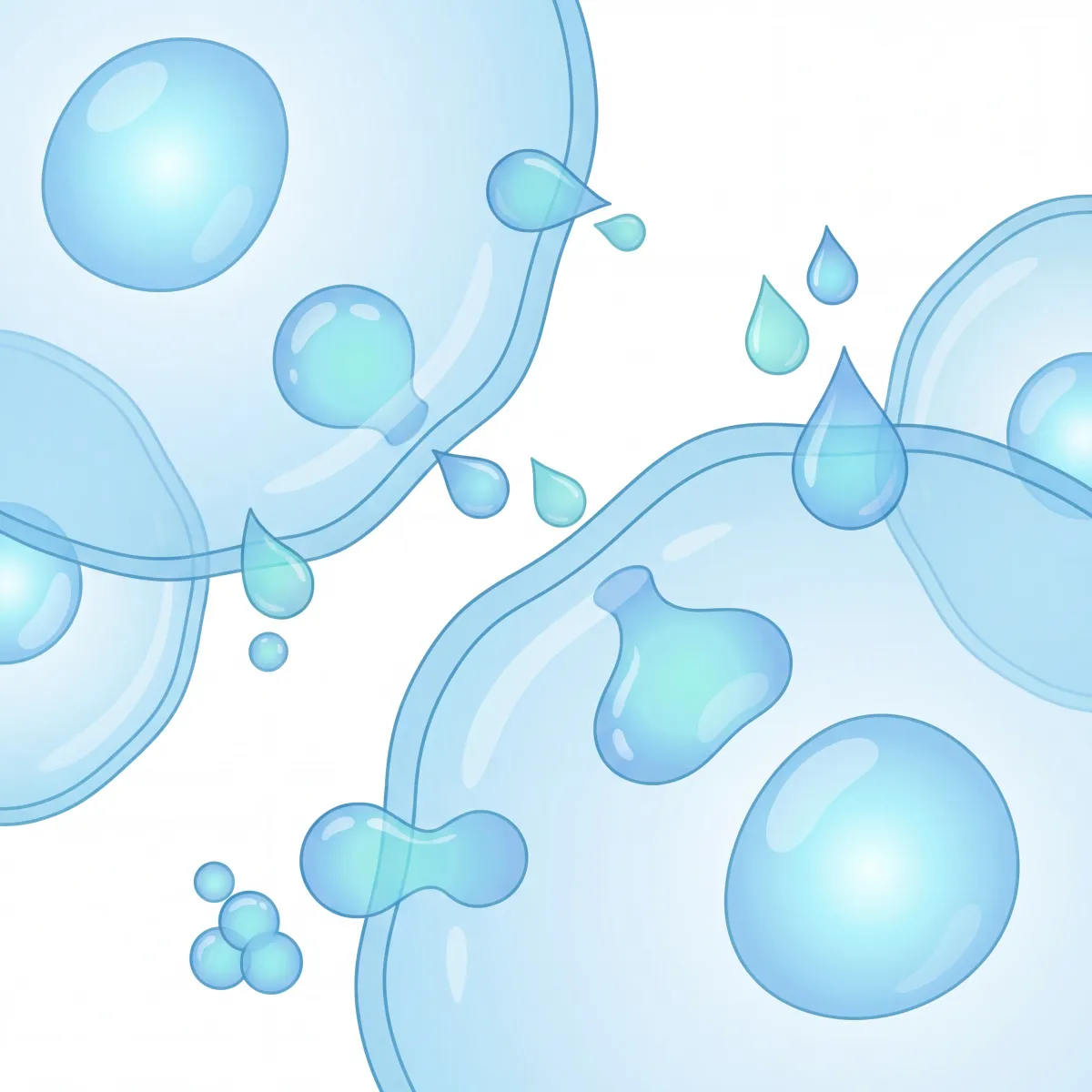
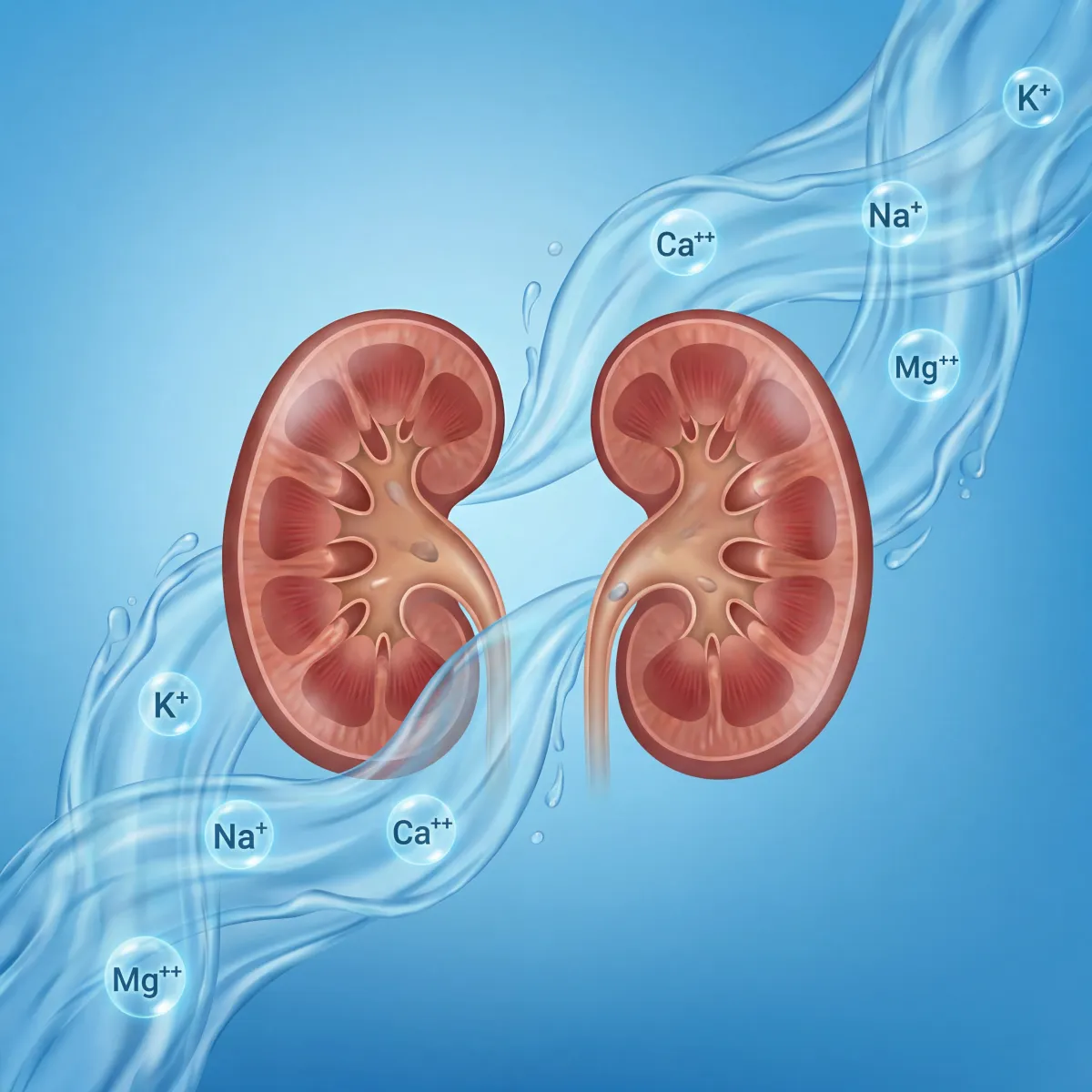
Water is the medium your body uses to move nutrients, hormones, oxygen, and metabolic byproducts. Blood plasma is mostly water, and lymphatic fluid relies on hydration to circulate immune cells efficiently. Inside and outside your cells, water also helps maintain electrolyte balance, which supports normal nerve transmission and muscle function.
Your kidneys are a great example of why hydration matters daily, not occasionally. They filter blood continuously and regulate sodium, potassium, and acid-base balance. According to the National Institute of Diabetes and Digestive and Kidney Diseases (NIDDK), healthy kidneys depend on adequate blood flow and fluid handling to remove waste and maintain internal balance.
Water is also essential for temperature regulation. When your core temperature rises, sweat evaporates to cool your skin. If you are underhydrated, that cooling system becomes less efficient, making exercise and hot weather harder to tolerate. This is one reason people often feel unusually fatigued or “sluggish” during dehydration.
Finally, hydration affects the gastrointestinal tract more than many people realize. Fluid helps keep stool soft, supports motility, and works together with dietary fiber to maintain regular bowel function. If you are working on gut health, improving water intake and fiber intake together is usually more effective than focusing on either one alone.
Hydration is not a cure-all. But because it supports so many systems at once, good hydration habits can produce broad day-to-day gains that feel disproportionate to the effort required.
Top Evidence-Based Health Benefits of Drinking Water
The list below focuses on benefits with meaningful physiologic rationale and real-world relevance. Think of these as “high confidence” outcomes when hydration improves from insufficient to adequate.
1. Better physical performance and recovery
Even mild dehydration can increase perceived effort during exercise and reduce endurance performance. Losing fluid through sweat without replacing it can also increase heart rate and make a workout feel harder than it should. For active adults, drinking water before, during, and after activity improves consistency and lowers the risk of heat-related performance drops.
2. More stable energy and mental clarity
When fluid balance falls, concentration and short-term attention often decline first. Many people interpret this as “afternoon burnout” and reach for extra caffeine. In practice, starting with water can help restore alertness without adding stimulants. If focus is a recurring issue, pairing hydration with sleep hygiene and stress management is a strong strategy. You can also pair these habits with nutrition planning from our guide on nutrition for a stronger immune system.
3. Improved digestion and bowel regularity
Water supports digestion from start to finish. It helps saliva formation, gastric processing, and intestinal transit. Inadequate intake can contribute to harder stools and constipation, especially when fiber intake increases quickly. People often add more fiber but forget fluids, then feel worse rather than better. Hydration and fiber should be adjusted together.
4. Healthier kidney and urinary function
Adequate water intake supports urine dilution and regular urine flow, which may reduce risk factors associated with some kidney stone patterns. It also supports normal waste removal. While individual needs vary based on medical history and climate, regular hydration is a foundational kidney-protective habit for most healthy adults.
5. Easier appetite management
Thirst is sometimes misread as hunger, especially during busy workdays. Drinking water before meals can help some people reduce overeating by improving satiety cues. It is not a fat-loss shortcut on its own, but it can make a calorie-conscious eating plan easier to follow. This works especially well when water replaces sugar-sweetened beverages.
6. Lower intake of sugary drinks
The U.S. CDC recommends choosing water in place of sugar-sweetened beverages as a practical step for long-term cardiometabolic health. Their guidance on water and healthier drink choices highlights how small beverage swaps can reduce added sugar intake without complex dieting rules.
7. Better temperature regulation in heat
Hot environments and physically demanding routines can increase fluid needs quickly. Staying hydrated supports sweating and heat dissipation, reducing risk of heat strain. This matters for athletes, outdoor workers, and anyone exercising in warm climates. Drinking steadily throughout the day is generally better than trying to “catch up” all at once.
8. Fewer dehydration-related headaches for some people
Headaches have many causes, but dehydration is a common contributor. If you notice headaches after long periods without fluids, increasing water intake may reduce frequency. This is particularly relevant for people who consume significant caffeine, travel often, or work in dry, climate-controlled indoor spaces.
9. Better skin comfort and appearance over time
Hydration does not erase wrinkles or replace evidence-based skincare. But adequate fluid intake can improve skin comfort, reduce the appearance of dryness, and support overall skin barrier function when paired with topical care, sleep, and balanced nutrition. Think of water as foundational support, not cosmetic magic.
10. More resilient day-to-day health habits
People who hydrate well tend to make better health decisions overall because hydration improves baseline energy and self-regulation. That can make it easier to plan meals, stick to activity goals, and avoid all-or-nothing behavior. If you are also refining lifestyle routines, our article on daily metabolism-supporting habits pairs well with a hydration-first approach.
How Much Water You Need
There is no single perfect number for everyone. Total fluid requirements depend on body size, activity level, climate, diet composition, medications, and health conditions. The most practical approach is to use evidence-based benchmarks and then personalize.
The U.S. National Academies reference intakes (summarized by the Dietary Reference Intakes for Water) suggest total daily water intake from all beverages and foods of about 3.7 liters for men and 2.7 liters for women in general adult populations. Total intake includes moisture from foods, not just plain drinking water.
For day-to-day tracking, urine color can be a useful rough signal. Pale yellow urine usually indicates adequate hydration for most healthy adults, while consistently dark urine may suggest you need more fluids. This is only a quick self-check and not a diagnostic tool.
Fluid needs rise with sweat loss, fever, gastrointestinal illness, and high-altitude travel. They may also rise when eating high-protein or high-fiber diets. During intense training blocks, a fixed “8 glasses” rule is rarely enough. Athletes and highly active adults often benefit from weighing before and after training sessions to estimate sweat losses and rehydration needs.
At the same time, more is not always better. Drinking very large amounts rapidly can dilute blood sodium in rare cases. This is uncommon in everyday life but can happen during prolonged endurance events when fluids are overconsumed relative to sodium loss. Spread intake across the day rather than forcing extreme volumes in short windows.
Best Times to Hydrate
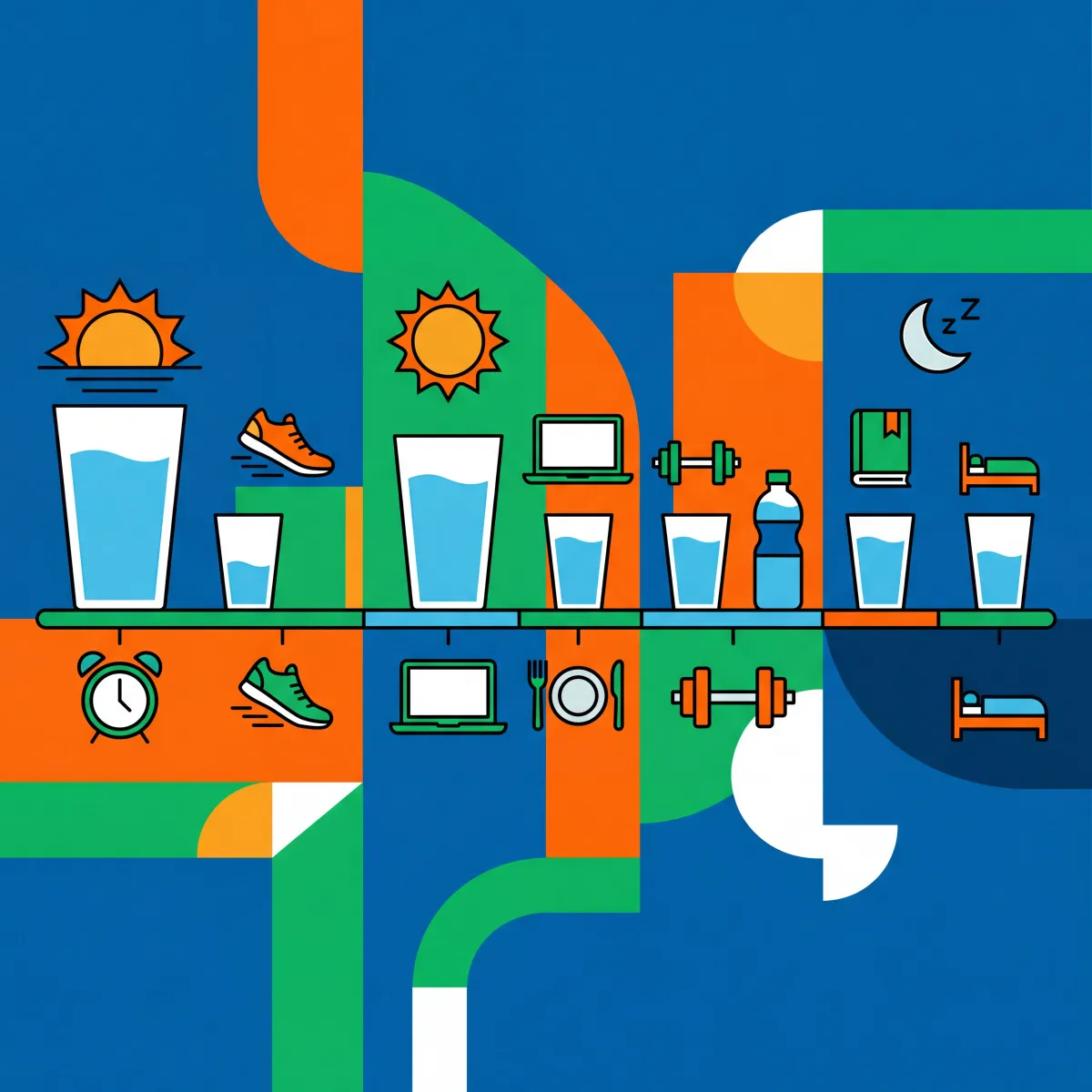
Hydration works best when it is distributed across your routine. A simple timing framework can prevent both underhydration and last-minute overdrinking.
- After waking: Start with one glass of water to offset overnight fluid losses.
- With meals: Drink moderate amounts with meals for digestion comfort and satiety support.
- Before exercise: Hydrate in advance rather than waiting until you feel depleted.
- During long activity: Sip at regular intervals, especially in heat or humid conditions.
- After activity: Replace sweat losses steadily over the next few hours.
If you struggle with afternoon fatigue, schedule hydration breaks at the same times each day. Habit stacking works well: drink water before coffee refills, before meetings, or before checking messages. This prevents long dry intervals that can worsen energy dips.
For people with recurrent dehydration symptoms, our guide on unusual signs of dehydration can help you spot patterns earlier and adjust sooner.
Easy Ways to Drink More Water
Most hydration failures are logistical, not motivational. If water is not visible, easy to carry, and pleasant to drink, intake usually drifts down. These strategies help without making hydration feel like a chore.
- Use a bottle you actually like and keep it where decisions happen: desk, car, gym bag, kitchen counter.
- Pre-fill your daily target amount in the morning so progress is visible.
- Use flavor boosters such as citrus, berries, cucumber, or mint if plain water is unappealing.
- Choose sparkling water over soda when you want carbonation without added sugar.
- Pair every caffeinated drink with water to balance net fluid habits.
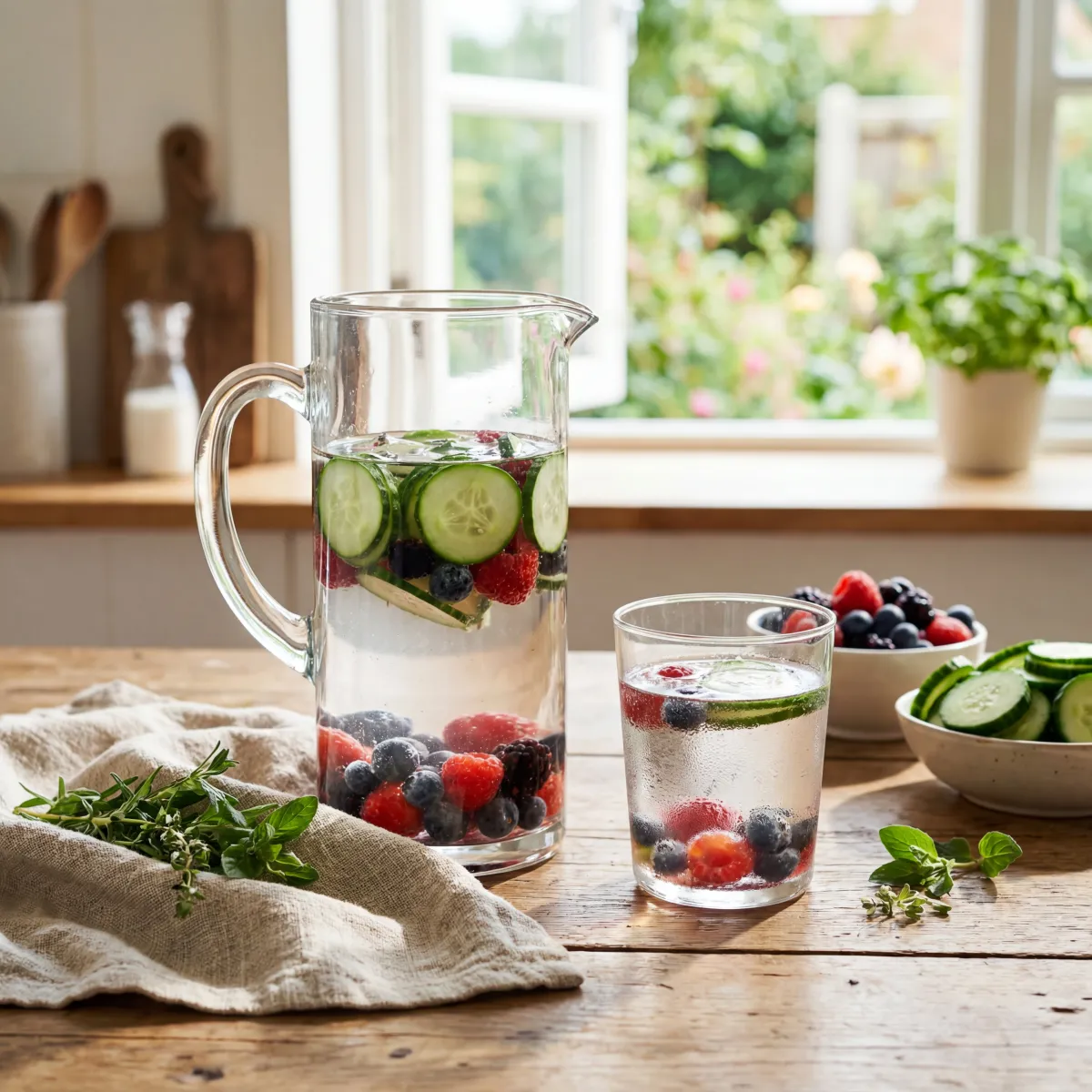
Some people ask whether specialty waters are necessary. In most cases, no. Filtered tap water is an excellent default for many households. If you are curious about pH claims, read our breakdown of alkaline water benefits and disadvantages before spending extra on premium products.
Hydrating foods can help too. Fruits and vegetables contribute meaningful water to total intake. If you want to build food-based hydration into meals and snacks, options like cucumber, citrus fruits, and watermelon are practical starts. We also cover this in our article on watermelon health benefits.
Common Hydration Mistakes
Many people fall into an all-or-nothing pattern: drinking very little most of the day, then trying to fix everything with a huge amount at night. This approach is uncomfortable, interrupts sleep with overnight bathroom trips, and does not support stable energy. Spreading fluids throughout the day is both easier and more physiologically useful.
Another common mistake is assuming all flavored beverages are equal. Some drinks marketed as “hydrating” contain high sugar loads or large amounts of caffeine. They may still provide fluid, but they can also increase total calorie intake or trigger energy crashes in sensitive people. In most routines, plain or lightly flavored water should be the default, with sweet drinks treated as occasional choices.
A third mistake is ignoring context. Your hydration needs on a cool office day are not the same as your needs during travel, illness, or outdoor exercise in heat. Build a flexible plan with baseline intake plus “add-on” fluids for sweat, fever, or gastrointestinal losses. This is more effective than rigidly forcing the same amount every day regardless of conditions.
Finally, do not rely on thirst alone if your schedule is demanding. In long meetings, caregiving shifts, flights, or physically active work, you may miss thirst cues until mild dehydration is already affecting concentration and mood. Timed reminders, pre-filled bottles, and hydration anchors around meals can prevent this drift.
When to Get Personalized Advice
General hydration guidance works for many healthy adults, but personalized targets are important in several situations. If you have chronic kidney disease, heart failure, liver disease with fluid retention, recurrent kidney stones, or endocrine conditions that affect fluid balance, daily intake should be discussed with your healthcare team.
Medication profiles matter too. Diuretics, some blood pressure medications, laxatives, and certain psychiatric medications can change fluid and electrolyte dynamics. In these cases, hydration recommendations from generic wellness content may be incomplete. A clinician can help you avoid both underhydration and unnecessary overhydration.
Pregnancy, breastfeeding, older age, and high-performance athletics are also scenarios where individualized planning helps. Fluid needs can change substantially, and symptoms may present differently than expected. If you are in one of these groups and still feeling fatigued, dizzy, or chronically thirsty despite increasing fluids, it is reasonable to request a focused medical review.
The key point is simple: hydration should make you feel and function better. If your plan is producing persistent symptoms, edema, or frequent nighttime urination, adjust the strategy and seek tailored guidance rather than forcing a one-size-fits-all number.
Signs You Need More Water
Thirst is a helpful signal, but it often appears after fluid deficit has already developed. Earlier clues are usually subtler: dry mouth, lower urine volume, darker urine, unusual fatigue, lightheadedness, headache, and reduced exercise tolerance.
Authoritative patient resources like MedlinePlus and the Mayo Clinic dehydration overview also emphasize warning signs such as confusion, rapid heartbeat, or persistent vomiting that warrant urgent medical assessment, especially in older adults and children.
If you have heart failure, advanced kidney disease, liver disease, or take medications that affect fluid balance, hydration targets should be personalized with your clinician. In these cases, generic online advice can be misleading or unsafe.
For most healthy adults, gradual improvements are enough. Add one or two predictable hydration anchors each day, monitor symptoms and urine color, and adjust based on activity and weather. Consistency matters more than perfection.
Frequently Asked Questions
How much plain water should I drink if I already consume tea, coffee, or soups?
Total hydration comes from all fluids and water-rich foods, so coffee, tea, soups, and produce count. A practical method is to monitor urine color and daily thirst while adjusting plain water upward if intake seems low, exercise increases, or climate gets hotter.
Can drinking water help with weight loss?
Water supports weight management mainly by replacing calorie-containing beverages and improving appetite awareness. It is best viewed as a supportive habit inside a broader nutrition and activity plan, not a stand-alone fat-loss intervention.
Is cold water better than room-temperature water?
Neither is universally superior. The best choice is the temperature you will consistently drink. During intense exercise or heat exposure, cooler fluids may feel easier to consume and can improve comfort.
Can you drink too much water?
Yes, although this is uncommon in routine daily life. Very high fluid intake in a short period can dilute blood sodium. Spread intake across the day and avoid forced overdrinking, especially during long endurance activity.
Do hydrating foods really make a difference?
Yes. High-water foods such as fruits, vegetables, soups, and yogurt contribute meaningfully to total daily fluid intake. They are especially useful for people who do not enjoy drinking large volumes of plain water.
Related Articles
Medical Disclaimer
This article is for informational and educational purposes only and is not medical advice, diagnosis, or treatment. Always consult a licensed physician or qualified healthcare professional regarding any medical concerns. Never ignore professional medical advice or delay seeking care because of something you read on this site. If you think you have a medical emergency, call 911 immediately.