Why does the gut-brain axis matter for mood?
The short answer is that your gut and brain are in constant two-way communication. Signals travel through the nervous system, immune system, hormones, and microbial metabolites. That does not mean gut bacteria single-handedly control your emotions, but it does mean the gut environment can influence stress response, sleep quality, and emotional resilience over time.
If you are new to this topic, start with the NCCIH overview of probiotics and the NIH Office of Dietary Supplements professional fact sheet. Both explain a key principle many articles skip: probiotic effects are strain-specific, condition-specific, and dose-specific. In practice, that means saying "probiotics improve mood" is too broad to be accurate. The better question is: which strain, at what dose, in which people, for how long?
Mood itself is also multifactorial. Sleep debt, chronic stress, social isolation, metabolic health, trauma history, and medication effects can all shift mood patterns. The NIMH depression resource and the WHO depression fact sheet make this clear: symptoms are real, common, and clinically important, and treatment decisions should never rely on one tool alone. Probiotics can be useful in a broader plan, but they are not a stand-alone substitute for professional care when symptoms are moderate to severe.
The idea of supporting mental wellness through gut health becomes much more practical when you think in systems. People who benefit most from probiotics often improve several levers at once: more fiber-rich foods, fewer ultra-processed meals, better sleep timing, consistent movement, and stress-reduction habits. That pattern can improve both gastrointestinal symptoms and daily mood stability.
If you want a broader primer before diving into strains, this internal guide on health benefits of probiotics is a useful foundation. It will help you separate established benefits from overhyped claims and prepare you to choose products more intentionally.
| Pathway | How it may affect mood | What supports it in daily life |
|---|---|---|
| Neural signaling | Gut activity can influence vagal and central stress signaling | Regular meals, reduced gut irritation, stress management routines |
| Immune modulation | Microbial balance can shape inflammatory tone linked to mood burden | Higher-fiber diet, diverse plant intake, improved sleep |
| Metabolite production | Microbes produce compounds that may influence brain function indirectly | Fermented foods plus prebiotic fibers from whole foods |
| HPA axis stress response | Some interventions may reduce stress-reactivity markers in select groups | Consistent routines, exercise, and strain-specific probiotic trials |
Quick reality check: mood support from probiotics is typically gradual and modest. Think in weeks, not days, and pair probiotics with sleep, nutrition, and stress basics for better odds of noticeable change.
Which probiotic strains are most studied for mood?
When you read research summaries, you will often see the term "psychobiotics". It usually refers to probiotic or prebiotic interventions studied for mental and emotional outcomes such as stress, anxiety, depressive symptoms, or cognitive reactivity. The strongest lesson from this field is not that one strain is magical. The strongest lesson is that specific strain combinations appear more promising in specific contexts, while generic products with unclear labeling are harder to trust.
Meta-analyses provide a helpful zoomed-out view. For example, a meta-analysis on probiotics and depressive symptoms suggests potential benefit in some populations, and a broader systematic review of psychobiotics and mood outcomes highlights both promise and inconsistency. That combination is common in nutrition science: encouraging results with real heterogeneity in protocols, duration, and participant characteristics.
What does this mean for daily decisions? First, look for products that list full strain names, not only genus and species. "Lactobacillus" alone is too vague. Second, match your goal. A product tested for antibiotic-associated diarrhea is not automatically appropriate for mood support. Third, give any well-selected trial adequate time, usually four to eight weeks, while tracking baseline symptoms.
This site also has a practical strain-by-strain companion that helps decode labels: probiotic strains and species benefits research. Use it alongside clinical evidence so your choices are evidence-aligned rather than marketing-driven.

| Strain family example | Research context for mood | Practical takeaway |
|---|---|---|
| Lactobacillus helveticus combinations | Frequently studied for stress perception and emotional reactivity | Consider only products with explicit strain coding and clinical dosing |
| Bifidobacterium longum strains | Studied in stress and mood support protocols | Prioritize transparent labels and use a symptom log for 4 to 8 weeks |
| Lactobacillus rhamnosus lines | Mechanistic and early human data on stress pathways | Evidence is promising but not universal across all products |
| Multi-strain blends | Common in trials targeting mood plus GI comfort outcomes | Useful if blend matches studied formula, not just high CFU claims |
Notice what is missing from the table: claims of guaranteed mood transformation. Good evidence almost never supports that language. Instead, think in probabilities. A well-chosen probiotic may improve stress tolerance or depressive symptom burden for some people, especially when paired with better sleep, nutrition quality, and routine physical activity.
Diet quality matters just as much as capsules. The NCBI review on the microbiota-gut-brain axis emphasizes that microbial ecology changes with food patterns, medications, and lifestyle exposures. If your routine is highly restrictive or low in fermentable fiber, a probiotic alone may produce underwhelming results.
Food-first or supplement: which path fits you?
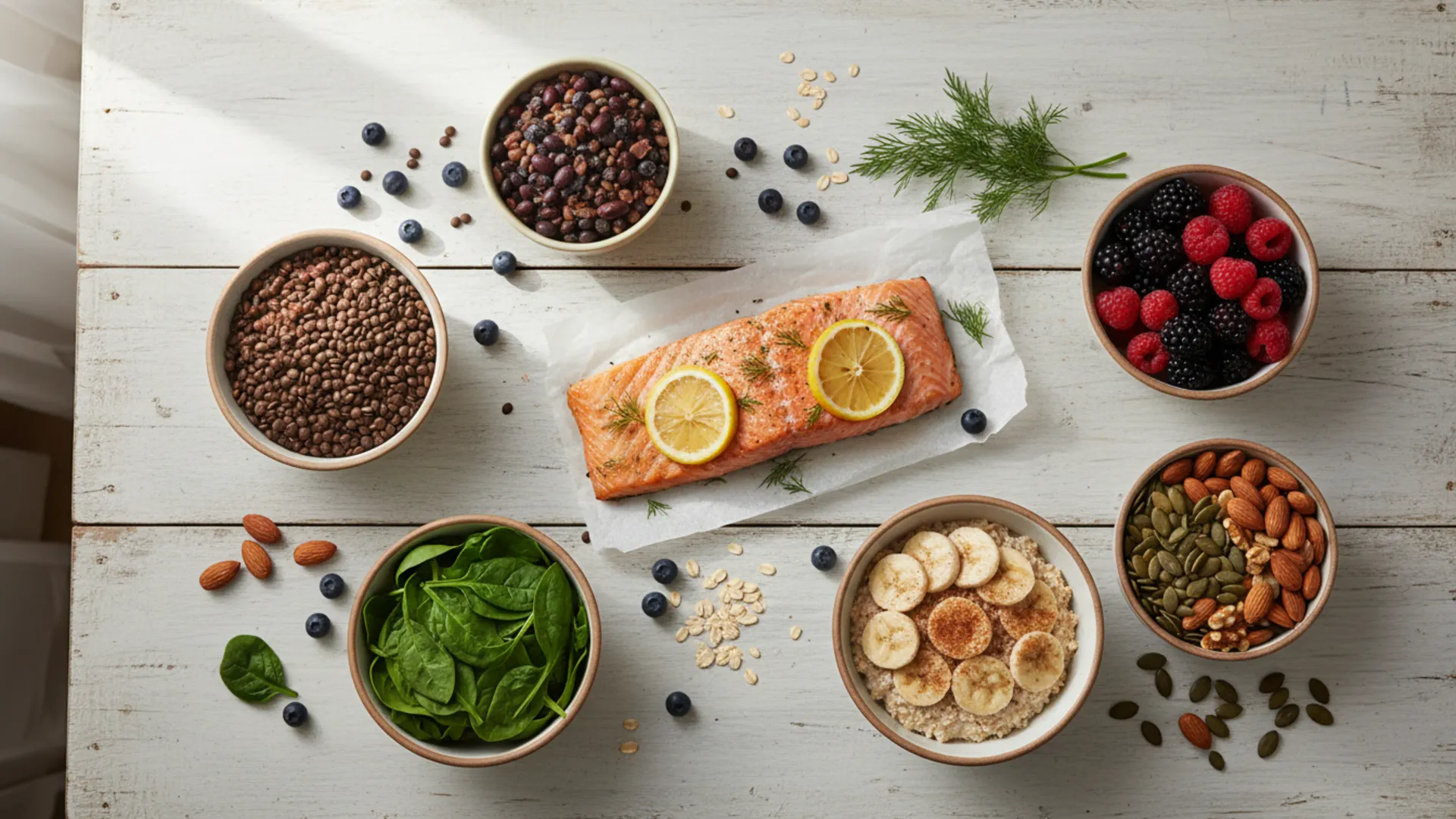
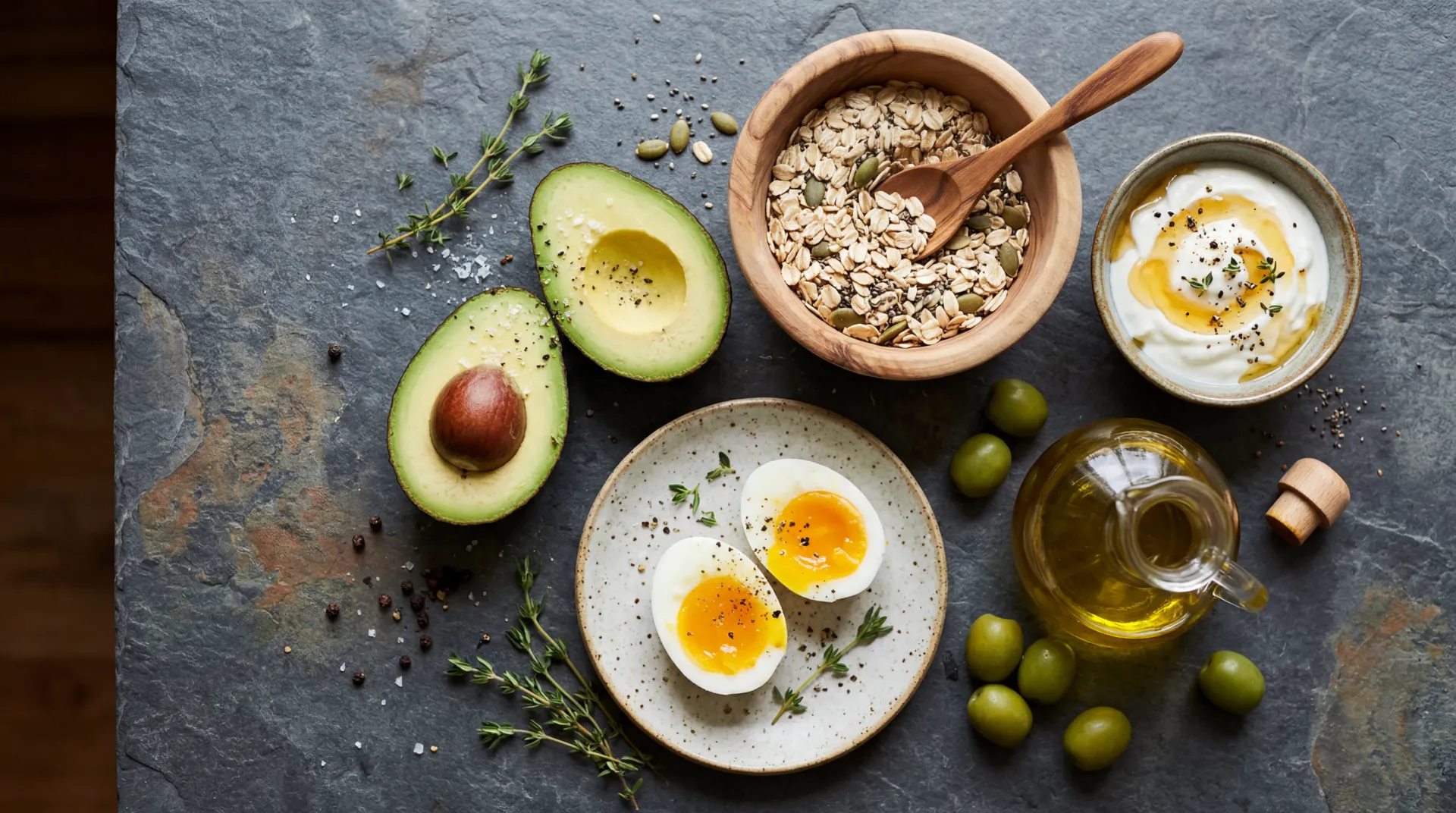
For most people, a food-first strategy is the safest starting point. Fermented foods introduce microbial diversity and often come packaged with proteins, micronutrients, and bioactive compounds that support overall health. Examples include plain yogurt with live cultures, kefir, kimchi, sauerkraut, tempeh, and certain fermented vegetables.
A food-first strategy can also improve adherence. A daily bowl of yogurt with berries is easier for many people to sustain than an expensive supplement protocol. If you need ideas, this internal resource on immune-boosting probiotic foods offers practical meal-level options you can rotate through the week.

Supplements become more useful in two common situations: when you need targeted strains that are difficult to get through food, or when symptoms require a controlled short trial where dose and strain identity are clearly documented. Even then, pair supplements with prebiotic foods such as oats, legumes, onions, garlic, and resistant starch sources. Probiotics without prebiotic substrate can have a weaker effect because beneficial organisms need fuel.
| Approach | Best use case | Main advantage | Main limitation |
|---|---|---|---|
| Fermented foods | Daily baseline gut support and long-term adherence | Nutrient dense, affordable, easy to integrate into meals | Strain and dose can be less standardized |
| Single-strain supplement | Targeted trial for a specific evidence-backed outcome | Clearer alignment with clinical studies | Can be expensive and quality varies by brand |
| Multi-strain supplement | Broad trial when blend matches published protocols | Potentially wider functional support | Hard to isolate what is working if symptoms shift |
| Food plus supplement hybrid | People seeking both consistency and targeted support | Combines ecology support and strain-specific intervention | Requires planning and routine tracking |
Keep your expectations grounded. Probiotics are one layer in a mood-support stack. When people report better results, they often improve multiple inputs simultaneously: stable meal timing, better sleep window, less alcohol, more daylight exposure, and consistent movement. That stack effect is usually more meaningful than any single supplement decision.
How do you read labels and dose probiotics practically?
Most product labels overwhelm buyers with CFU numbers and broad promises. A better approach is to scan for five essentials: full strain names, viable dose through shelf life, storage instructions, quality testing, and intended use case tied to evidence.
The FDA dietary supplement overview is a useful reminder that supplements are regulated differently than prescription drugs. Label quality can vary, and third-party testing matters. Avoid products that hide strain identifiers or rely on exaggerated emotional claims.
If gluten exposure or other allergens are a concern, check manufacturing and excipient details carefully. This internal guide on probiotics and celiac-related gluten concerns explains why ingredient transparency is not optional in sensitive populations.
| Label checkpoint | What to look for | Red flag |
|---|---|---|
| Strain identity | Genus, species, and strain code listed clearly | Only generic terms like "probiotic blend" |
| Dose clarity | CFU guaranteed through expiration, not only at manufacture | Unclear timing or no expiration guarantee |
| Storage guidance | Specific refrigeration or room-temperature stability details | Missing storage instructions for sensitive strains |
| Quality controls | Third-party testing or GMP manufacturing statements | No quality verification information |
| Purpose alignment | Claims match published strain evidence and target population | Universal cure language or unrealistic timelines |
For dosing, start low and consistent. A common practical trial is once-daily intake for four weeks, with symptom notes collected at baseline and weekly intervals. Track sleep duration, bowel patterns, stress level, and mood variability. If there is no meaningful change after an adequate trial and adherence is good, pivot instead of escalating blindly.
The goal is decision quality, not supplement intensity. Better data from your own routine beats expensive guesswork.
Myth vs fact: can probiotics replace mental health care?
Short answer: no. Probiotics can be supportive, but they should not replace evidence-based mental health evaluation or treatment when symptoms are significant. Mood disorders are medical conditions, and treatment plans should be proportional to symptom severity and functional impact.
This is where the conversation often goes wrong online. People feel better after improving diet and adding a probiotic, then assume probiotics alone drove the change. Sometimes they helped, but improvement may also reflect better sleep, less alcohol, social support, therapy, medication adjustment, or simply regression to the mean after an acute stress period.
| Myth | Fact | Better action |
|---|---|---|
| "Any probiotic will boost mood quickly." | Effects vary by strain, dose, and individual factors. | Choose strain-specific products and track outcomes for several weeks. |
| "More CFUs always means better results." | Dose without strain relevance is often not meaningful. | Match product profile to human study context, not marketing numbers. |
| "Supplements can replace therapy or medication." | Mood disorders require personalized clinical care when symptoms persist. | Use probiotics as adjunct support, not a primary replacement strategy. |
| "No side effects means no need for caution." | Some people experience bloating, discomfort, or interactions. | Start gradually and review with a clinician when risk factors exist. |
| "If one product fails, probiotics do not work." | One failed product does not invalidate the entire category. | Reassess strain choice, adherence, baseline habits, and symptom target. |
When mood concerns are recurring, combine lifestyle tools with appropriate professional care. This internal article on depression and complementary health approaches outlines how supportive strategies can complement formal treatment rather than compete with it.
A simple rule helps: if symptoms affect work, relationships, sleep, or safety, step up clinical support early. Nutrition and probiotics can remain part of the plan, but timely diagnosis and treatment should come first.
Your 4-week gut-mood action plan
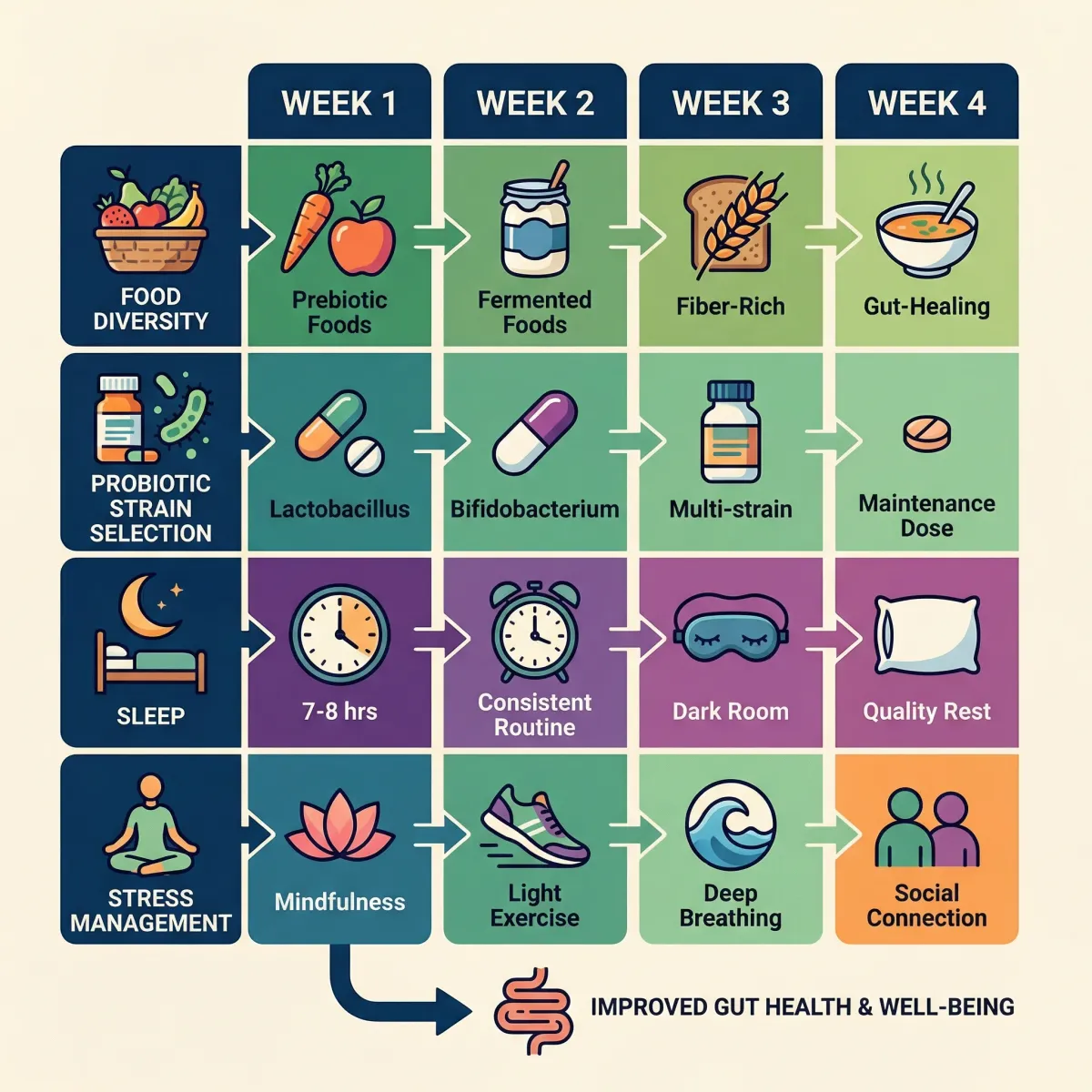
A practical plan beats a perfect plan. Use this four-week progression to test whether probiotic-focused habits improve your day-to-day mood stability, stress tolerance, and digestive comfort.
| Week | Primary objective | Daily actions | Tracking signals |
|---|---|---|---|
| Week 1 | Set baseline and stabilize routine | Record sleep hours, stress score, mood score, bowel pattern, and current diet | Baseline averages and symptom variability |
| Week 2 | Implement food-first probiotic pattern | Add one fermented food daily plus two high-fiber meals | GI tolerance, energy consistency, afternoon mood dips |
| Week 3 | Begin targeted supplement trial if needed | Introduce one strain-specific product with consistent timing | Stress reactivity, irritability, sleep continuity |
| Week 4 | Evaluate and decide next step | Compare baseline to current trends and continue, switch, or stop | Net symptom change and adherence feasibility |
Make the trial measurable. Use a simple 1 to 10 score for mood stability, stress load, and digestive comfort at the same time each evening. Avoid changing too many variables at once; otherwise, you will not know what actually helped. If you add a probiotic and also start intense exercise, strict dieting, and new sleep aids on the same week, your data becomes noisy.
For many people, the most effective version of this plan includes straightforward defaults:
- Breakfast: plain yogurt or kefir with fruit and seeds.
- Lunch or dinner: one fermented side plus fiber-rich vegetables.
- Evening: fixed wind-down routine to improve sleep consistency.
- Movement: at least one daily walk to support stress regulation.
- Mindset: evaluate trends weekly, not hour to hour.
If you want to keep it even simpler, start with two anchors only: one fermented food per day and one consistent bedtime window. Once those are stable, add a strain-specific supplement trial if your goals are not yet met.
You can also use a short checklist before buying any product:
- Is the strain fully identified?
- Does the claim match available human evidence?
- Can I realistically take this for 4 to 8 weeks?
- Do I have a way to track whether it helps?
- Does this fit my budget without replacing core habits?
Decision rule: if adherence is low, simplify. A smaller plan you can execute daily beats a comprehensive protocol you quit in five days.

When should you use caution and talk to a clinician?
Although probiotics are generally well tolerated for many healthy adults, there are situations where extra caution is appropriate. People with severe immune compromise, central venous catheters, major acute illness, or complex gastrointestinal disease should review plans with a clinician first. The same is true if you are pregnant, recently hospitalized, or managing multiple medications and chronic conditions.
Mild side effects such as gas or bloating can occur during adjustment. These symptoms often settle with lower starting doses and slower ramp-up. But persistent discomfort, new severe symptoms, or worsening mood should trigger a reassessment rather than pushing forward automatically.
Quality and contamination concerns also matter. Choose brands with transparent manufacturing, clear storage instructions, and evidence of quality testing. Vague labels and exaggerated cure claims are signs to skip a product.
Children and older adults may have different risk-benefit profiles, so dosing and product choice should be individualized. This is one reason generic social media advice can be misleading. Personalized context always matters more than viral anecdotes.
Finally, remember that worsening depressive symptoms, panic, hopelessness, or safety concerns require timely professional support. Probiotics can stay in the conversation as adjunct tools, but they should never delay needed care.
Frequently Asked Questions
How long does it usually take to notice mood changes from probiotics?
Most people who notice benefits report gradual shifts over several weeks, not overnight. A fair trial is usually four to eight weeks with consistent use and simple symptom tracking.
Should I take probiotics with food or on an empty stomach?
Follow product-specific instructions first, because viability can vary by formulation. For many products, taking probiotics with a meal improves adherence and tolerance, which often matters more than perfect timing.
Can I use fermented foods instead of supplements?
Yes, and for many people that is a strong first step. Fermented foods plus prebiotic fiber can support microbial diversity, while supplements are more useful when you need specific researched strains or controlled trials.
What if probiotics make my bloating worse?
Pause, reduce dose, or switch strain rather than forcing continuation. Persistent symptoms should be reviewed with a clinician to rule out other causes and adjust your approach safely.
Do probiotics help everyone with stress, anxiety, or depression?
No. Response varies across individuals and clinical contexts. Probiotics may be helpful adjuncts for some people, but they are not universal replacements for therapy, medication, or other evidence-based care.
Related Articles
- Health Benefits of Probiotics: An Evidence-Based Ultimate Guide - A broad clinical overview of where probiotics have stronger evidence and where claims are still emerging.
- Probiotic Strains and Species | Benefits and Research - A practical reference for decoding strain names and matching them to outcomes.
- Immune-Boosting Probiotic Foods - Food-based options that make it easier to build a daily probiotic routine.
- Do Probiotics for Celiac Disease Contain Gluten? - Label-reading and ingredient-risk guidance for people with gluten sensitivity concerns.
- Depression and Complementary Health Approaches - How complementary strategies can support, but not replace, mental health treatment plans.
Medical Disclaimer
This article is for informational and educational purposes only and is not medical advice, diagnosis, or treatment. Always consult a licensed physician or qualified healthcare professional regarding any medical concerns. Never ignore professional medical advice or delay seeking care because of something you read on this site. If you think you have a medical emergency, call 911 immediately.