What Are Lectins and Where Do They Hide?
Lectins are proteins that bind to carbohydrates. They exist in virtually every plant, animal, and microorganism on Earth, but when people talk about "dangerous lectins," they usually mean a specific subset found at high concentrations in raw legumes and certain grains. Plants produce them as part of their defense system against insects and pathogens. Humans have been eating lectin-containing foods for tens of thousands of years.
The lectin that causes the most documented harm is phytohaemagglutinin (PHA), found in raw or undercooked kidney beans. PHA can cause red blood cells to clump together and produce nausea, vomiting, stomach cramps, and diarrhea. These symptoms are acute and dose-dependent, and they resolve once the lectin is deactivated through cooking.
Other well-studied lectins include wheat germ agglutinin (WGA) found in wheat, and various lectins in soybeans, peanuts, lentils, tomatoes, and potatoes. The concentrations vary widely. Raw kidney beans contain between 20,000 and 70,000 hemagglutinating units (hau), while fully cooked kidney beans contain 200 to 400 hau. That difference matters.
Quick fact: Canned beans are already fully cooked and contain negligible lectin activity. You do not need to soak or boil canned beans to reduce lectins.
Most fruits, leafy greens, and cruciferous vegetables contain very low lectin levels. The foods that tend to concern lectin-avoidance advocates are legumes, grains, nightshade vegetables (tomatoes, peppers, eggplant, potatoes), and some dairy products. But context matters here. The lectin content of a cooked tomato sauce bears little resemblance to the lectin content of raw kidney beans soaked in cold water.
A quick note on terminology: you will sometimes see lectins described as "anti-nutrients," a category that also includes phytates, tannins, and oxalates. This label is technically accurate in the sense that active lectins can interfere with mineral absorption. But the term overstates the practical risk. Phytates in whole grains, for example, are also classified as anti-nutrients, yet they show antioxidant and anti-cancer properties in research. The anti-nutrient label describes a mechanism, not a verdict.
The Plant Paradox Theory: What Dr. Gundry Claims
In 2017, cardiologist Steven Gundry published The Plant Paradox, arguing that lectins are a hidden cause of weight gain, autoimmune disease, and chronic inflammation. The book's central thesis is that many foods considered healthy, including whole grains, beans, tomatoes, and squash, are silently damaging your gut lining through their lectin content.
Gundry recommends eliminating or drastically reducing high-lectin foods and replacing them with what he considers "safe" alternatives: leafy greens, avocados, sweet potatoes, and pasture-raised animal proteins. He argues that lectins breach the intestinal wall, trigger immune responses, and contribute to conditions ranging from arthritis to Parkinson's disease.
Some of these claims have a kernel of scientific basis. Research published in Toxicon (2004) confirmed that active lectins can damage gut epithelial cells, interfere with nutrient digestion and absorption, and disrupt the intestinal barrier when consumed in large quantities in their raw form. The study found that lectins can "affect the turnover and loss of gut epithelial cells" and "damage the luminal membranes."
But there is a significant gap between "raw lectins damage cells in lab conditions" and "you should stop eating tomatoes." Gundry's recommendations extrapolate from animal studies using isolated, concentrated lectins to dietary advice for humans eating normal cooked food. Most nutrition researchers consider this a leap the evidence does not support.
Gundry also sells a line of supplements marketed alongside his dietary advice, including a "Lectin Shield" product. This financial interest does not automatically invalidate his scientific claims, but it does provide additional reason to evaluate those claims against the broader evidence rather than accepting them at face value. The supplement industry around lectin avoidance generates substantial revenue, and several of Gundry's specific product claims have drawn scrutiny from nutrition scientists and regulatory observers.
It is worth noting that many traditional food cultures have independently developed lectin-reduction practices without knowing the chemistry behind them. Soaking beans overnight, fermenting grains into sourdough bread, nixtamalizing corn with lime water, and pressure-cooking lentils are all ancient techniques that happen to deactivate lectins. These cultures did not avoid beans. They learned how to prepare them properly.
What the Research Actually Shows
The gap between lectin science and lectin fear is wide. Most of the alarming findings about lectins come from test-tube studies, animal models using purified lectin extracts, or case reports of people eating undercooked beans. These findings are real, but they describe scenarios that almost never occur in normal human diets.
Large population studies paint a different picture. According to Harvard's School of Public Health, the evidence consistently shows that people who eat more lectin-containing foods (legumes, whole grains) have lower rates of cardiovascular disease, type 2 diabetes, and obesity. The epidemiological data does not support the idea that these foods are harming people at a population level.
Harvard's review concluded that "the health benefits of consuming these foods far outweigh the potential harm of lectins in the diet." This assessment aligns with guidance from the World Health Organization and most national dietary guidelines, which recommend legumes and whole grains as foundational foods.
| Claim | Evidence | Verdict |
|---|---|---|
| Raw kidney bean lectins cause food poisoning | Well-documented, dose-dependent | True (for raw/undercooked beans) |
| Cooked beans still contain harmful lectins | Cooking reduces PHA by 95-99% | Unsupported for properly cooked beans |
| Lectins cause leaky gut in healthy people | Lab studies only; no clinical trials | Unproven in normal diets |
| Lectin-rich diets cause autoimmune disease | No controlled human studies | Speculative |
| Avoiding lectins aids weight loss | No comparative trials vs. standard diets | Not demonstrated |
One reason the anti-lectin argument gains traction is that some people do feel better after cutting out beans and grains. But correlation runs both ways. Eliminating these foods also eliminates common gas-producing FODMAPs, reduces overall caloric intake, and often leads to more careful eating in general. The improvement may have nothing to do with lectins specifically. People with irritable bowel syndrome sometimes benefit from FODMAP reduction, and lectins happen to come along for the ride.
There is also a selection bias problem with lectin-avoidance testimonials. People who try a restrictive diet and notice nothing tend not to write about it online. People who feel better do. This creates a skewed impression that lectin elimination works for most people when the clinical data suggests otherwise.
Lectins may also have beneficial properties that get lost in the fear narrative. Harvard's review notes that lectins function as antioxidants, can slow the digestion and absorption of carbohydrates (which may help regulate blood sugar), and show early promise in cancer research applications. Some lectins are being studied as potential drug delivery mechanisms because of their ability to bind specific cell surface carbohydrates. Reducing all lectins to "toxins" misses the nuance.
High-Lectin Foods vs. Low-Lectin Alternatives
If you are interested in reducing lectins, whether for digestive comfort or personal experimentation, knowing which foods contain the most and least can help you make informed swaps. The table below shows lectin content in raw form versus after proper cooking.
| Food | Lectin Type | Raw Lectin Level | After Cooking |
|---|---|---|---|
| Red kidney beans | PHA | Very high (20,000-70,000 hau) | Negligible (200-400 hau) |
| Soybeans | SBA | High | Low after boiling |
| Wheat (whole grain) | WGA | Moderate | Reduced by processing |
| Peanuts | PNA | Moderate | Partially reduced by roasting |
| Tomatoes | Various | Low-moderate | Low after cooking |
| Potatoes | STA | Low-moderate | Low after cooking/peeling |
| Lentils | LCA | Moderate | Negligible after boiling |
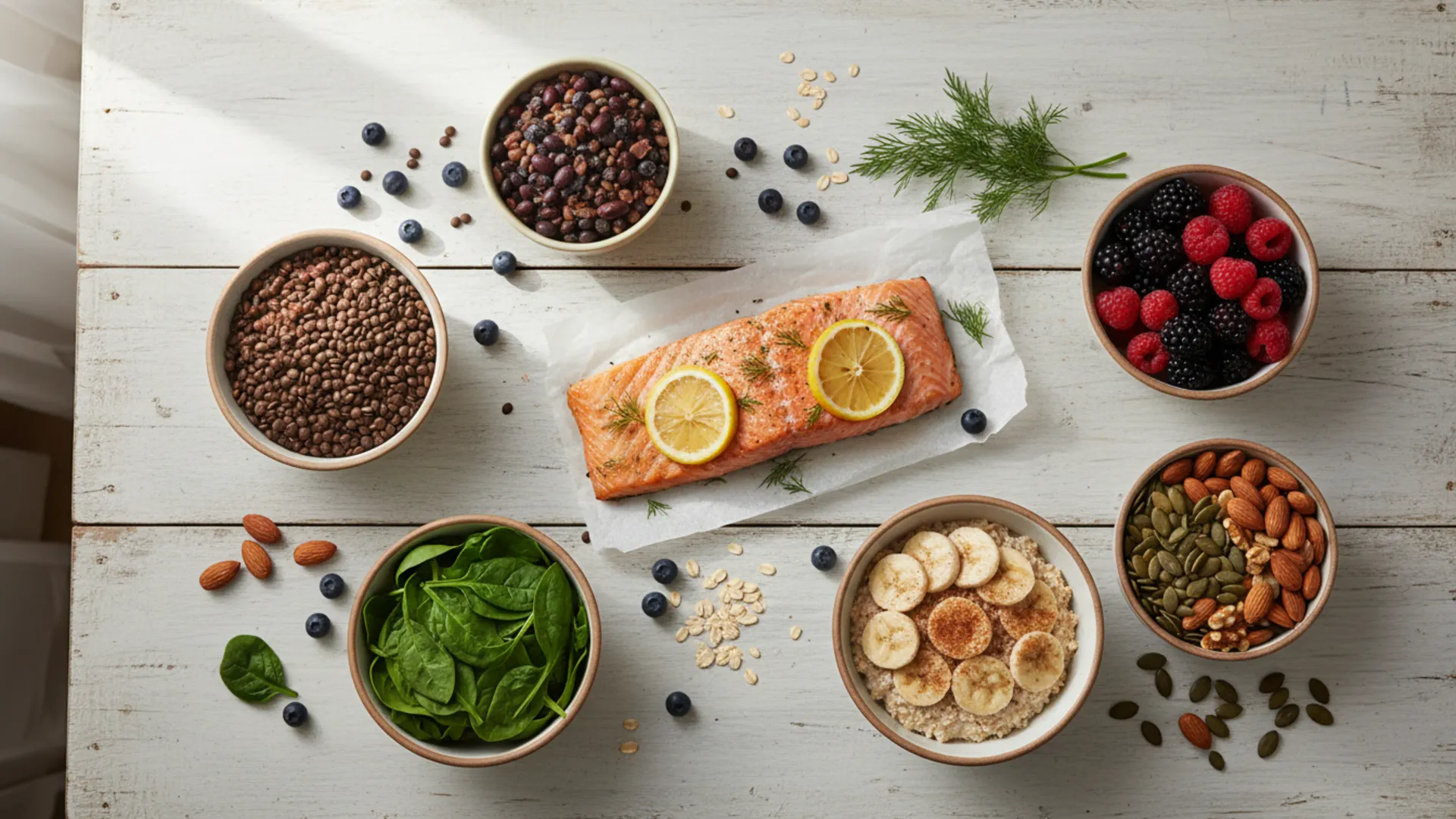
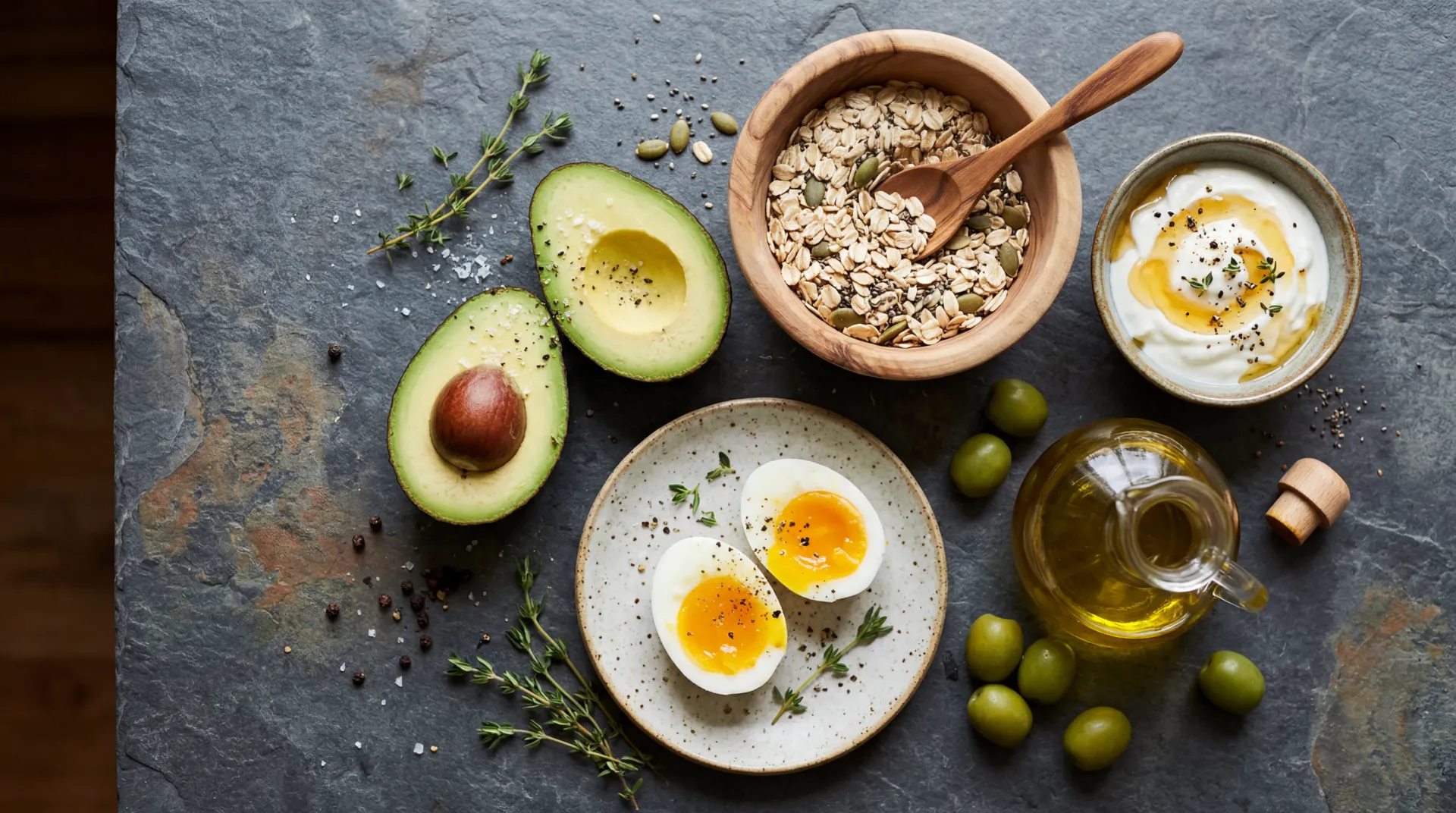
Foods naturally low in lectins include most fruits (berries, citrus, stone fruits), leafy greens, cruciferous vegetables like broccoli and cauliflower, sweet potatoes, avocados, olive oil, and pasture-raised animal proteins. These foods form the backbone of Dr. Gundry's recommended diet, but they also overlap substantially with what any reasonable nutrition plan would include.
The irony is that many of the "high-lectin" foods Gundry warns against, such as beans and lentils, are some of the most nutrient-dense, affordable, and environmentally sustainable protein sources available. Black beans provide roughly 15 grams of protein and 15 grams of fiber per cup when cooked, along with iron, folate, and magnesium. Cutting them out means finding those nutrients elsewhere.
| Nutrient | 1 Cup Cooked Black Beans | Equivalent Source (No Lectins) |
|---|---|---|
| Protein | 15 g | 2 eggs + 1 oz chicken |
| Fiber | 15 g | 3 cups broccoli |
| Folate | 256 mcg (64% DV) | 4 cups spinach |
| Iron | 3.6 mg (20% DV) | 5 oz beef |
| Magnesium | 120 mg (29% DV) | 1 oz pumpkin seeds |
How Cooking and Preparation Neutralize Lectins
The single most important fact in the entire lectin debate is this: proper cooking destroys most dietary lectins. Boiling kidney beans for 10 minutes reduces PHA by more than 99%. Nobody in food science disputes this, which is why no major health organization recommends avoiding beans.
Different preparation methods vary in effectiveness:
| Method | Lectin Reduction | Notes |
|---|---|---|
| Boiling (10+ min at 100C) | 95-99% | Most effective single method |
| Pressure cooking | 95-99% | Equally effective, faster |
| Soaking (12+ hours) | 30-50% | Helpful pre-step, insufficient alone |
| Sprouting | 50-75% | Varies by seed type |
| Fermentation | 60-95% | Effective for grains and soy |
| Slow cooker (low heat) | Variable | May NOT reach temperatures needed |
| Roasting (peanuts) | 40-60% | Partial reduction only |
One genuinely useful warning: slow cookers may not reach temperatures high enough to destroy PHA in kidney beans. The FDA recommends boiling kidney beans for at least 10 minutes before adding them to a slow cooker recipe. Undercooked kidney beans have caused documented food poisoning outbreaks, though all cases involved beans that were not properly boiled first.
Soaking beans overnight and then boiling them is the traditional preparation that humans have used for millennia. It works. Canned beans are pressure-cooked during processing and require no additional lectin reduction. Fermented soy products like tempeh, miso, and traditionally made soy sauce have had their lectins substantially broken down during fermentation.
Peeling and deseeding nightshade vegetables (tomatoes, peppers) can further reduce lectin content for those who want to minimize exposure. Gundry recommends this, and it will not hurt anything nutritionally, though the fiber and nutrient loss from removing skins may be a tradeoff worth considering.
For wheat and other grains, processing matters more than most people realize. White flour has lower lectin content than whole wheat because the bran (where WGA concentrates) has been removed. Sourdough fermentation further breaks down remaining lectins through extended microbial activity. A slice of artisan sourdough bread has gone through a process that substantially reduces its lectin load compared to a quick-rise whole wheat loaf. Traditional bread-making, like traditional bean cooking, was solving the lectin problem long before anyone could identify what lectins were.
Sprouting is another preparation method worth understanding. When seeds germinate, their lectin content drops as the plant shifts its biochemical priorities from defense to growth. Sprouted lentils, mung beans, and grain products have measurably lower lectin levels than their unsprouted counterparts. Many health food stores now carry sprouted grain breads and flours, though these products still contain some residual lectins and are not "lectin-free."
Who Might Actually Benefit from Reducing Lectins?
For most healthy people, there is no documented benefit to avoiding lectins in cooked food. But "most people" is not everyone. Some groups may notice improvements from reducing lectin intake, even if the mechanism is not entirely clear.
People with inflammatory bowel disease (IBD), including Crohn's disease and ulcerative colitis, sometimes report that legumes and certain grains worsen their symptoms during flares. Whether this is due to lectins, fiber content, FODMAPs, or the combination is hard to untangle. If you have active IBD and beans make you worse, avoiding them during flares is reasonable regardless of the reason.
Those with food sensitivities or diagnosed autoimmune conditions sometimes experiment with elimination diets that remove lectins along with other potential triggers. The autoimmune protocol (AIP) diet eliminates grains, legumes, nightshades, and several other food groups, and some people with conditions like rheumatoid arthritis or Hashimoto's thyroiditis report symptom improvement. Research on AIP is limited but growing, and the few published studies show modest improvements in IBD symptoms.
People who eat large quantities of undercooked legumes, or whose diets rely heavily on raw or minimally processed grains, may face higher lectin exposure. This is more common in certain developing regions where fuel for extended cooking is scarce. In those contexts, lectin-related nutritional concerns, specifically interference with mineral absorption (calcium, iron, zinc, and phosphorus), are legitimate public health considerations.
If you are healthy, eat a varied diet, and cook your beans and grains properly, the evidence does not support eliminating these foods. The Mediterranean and DASH dietary patterns, which consistently rank among the healthiest eating approaches, include beans and whole grains as staple foods.
Frequently Asked Questions
Do lectins cause leaky gut syndrome?
In lab studies using concentrated raw lectin extracts, lectins can damage intestinal cell membranes. But no controlled clinical trial has shown that eating normal amounts of cooked lectin-containing foods causes intestinal permeability in healthy humans. The doses used in lab studies do not reflect typical dietary exposure after cooking.
Is the Plant Paradox diet safe to follow?
The diet itself is not dangerous. It emphasizes vegetables, healthy fats, and quality proteins, which are all reasonable dietary choices. The concern is what it removes: beans, whole grains, and many vegetables are inexpensive, nutrient-dense foods. Eliminating them without careful substitution can lead to gaps in fiber, B vitamins, and minerals. Talk to a dietitian before making major dietary changes.
Can you eat tomatoes and peppers if you are worried about lectins?
Yes. Nightshade vegetables contain relatively low lectin levels compared to raw legumes, and cooking reduces them further. Peeling and deseeding tomatoes removes additional lectins. Most people tolerate cooked nightshades without any issues. If you have a specific autoimmune condition and notice symptom flares after eating nightshades, a temporary elimination trial may be worth discussing with your doctor.
Are lectins destroyed by all cooking methods?
No. Boiling and pressure cooking are the most effective methods, reducing lectins by 95-99%. Slow cooking at low temperatures may not reach adequate heat to destroy PHA in kidney beans. Roasting reduces lectins partially (40-60% for peanuts). The FDA recommends boiling kidney beans for at least 10 minutes before slow cooking. Canned beans are already fully cooked and safe.
Should I take lectin-blocking supplements?
Lectin-blocking supplements, often containing ingredients like N-acetyl glucosamine or modified citrus pectin, lack clinical evidence showing they provide meaningful health benefits in people eating normal cooked diets. They are not regulated for efficacy. Proper cooking achieves far greater lectin reduction than any supplement can claim, and it costs nothing.
Related Articles
- Main Benefits of Eating Vegetables - A comprehensive look at why vegetables remain the foundation of a healthy diet.
- Anti-Inflammatory Eating Patterns: Mediterranean vs. DASH vs. Plant-Based - Compare three evidence-based dietary approaches that include lectin-containing foods.
- Low FODMAP Diet for IBS: Step-by-Step Guide - If digestive issues are your concern, FODMAPs may be a more productive area to investigate than lectins.
- Gut Health Personalization and Microbiome Testing - Understanding your individual gut microbiome can provide more actionable guidance than blanket lectin avoidance.
- Allergies and Food Sensitivities: Tips and Tricks - Practical guidance for identifying and managing specific food intolerances.
Medical Disclaimer
This article is for informational and educational purposes only and is not medical advice, diagnosis, or treatment. Always consult a licensed physician or qualified healthcare professional regarding any medical concerns. Never ignore professional medical advice or delay seeking care because of something you read on this site. If you think you have a medical emergency, call 911 immediately.