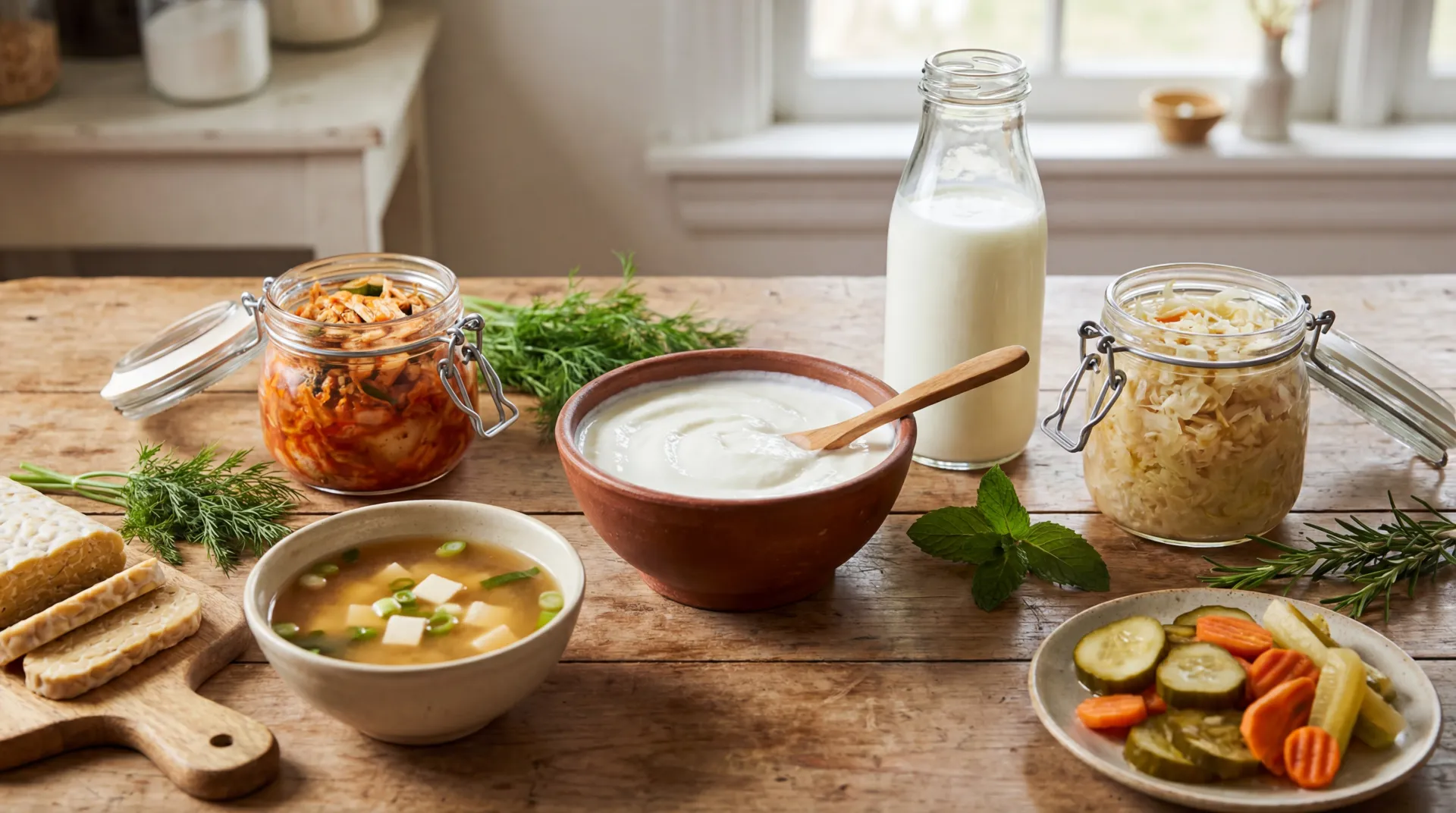
Immune-Boosting Probiotic Foods: The Evidence-Based Ultimate Guide
Most people search for "immune-boosting foods" when they are tired of getting sick every season, not because they want another nutrition trend. Probiotic foods are often at the center of that search, and for good reason: the immune system and the gut microbiome are deeply connected. But "deeply connected" is not the same as "guaranteed cure." If you want results, you need clarity on what probiotic foods can realistically do, which foods have better evidence, and how to use them without creating new digestive problems.
This guide translates the current research into practical decisions. We will separate fermented foods from true probiotic foods, explain where benefits are strongest, and build a realistic weekly plan you can sustain. We will also cover common mistakes, including over-reliance on sweetened yogurt products, poor strain matching, and introducing too much fermentation too fast. You will leave with a framework that supports immune resilience instead of quick-fix marketing.
Quick take: Probiotic foods can support immune function when used consistently as part of a broader dietary pattern, but effects are usually modest and strain-specific, not magical or instant.
Can probiotic foods really strengthen immunity, or just support it?
The best answer is that probiotic foods can support immune function, especially through gut-barrier health and inflammatory signaling, but they do not make you invincible against infections. Research in this area has improved over the last decade, including randomized trials and meta-analyses on upper respiratory infections, antibiotic-associated diarrhea, and some GI outcomes. Across that evidence, the pattern is consistent: benefits are usually meaningful but moderate, and they vary by strain, dose, host factors, and baseline diet.
That distinction matters for expectations. If your sleep is poor, your diet is low in fiber, and your stress is chronically high, adding one probiotic food rarely changes the full trajectory. But if probiotic foods are part of a better total pattern, outcomes improve. This is why prevention-focused nutrition plans generally combine fermented or probiotic foods with high-fiber plants, adequate protein, and sleep hygiene.
Large reviews have reported that probiotics may reduce the risk or duration of some respiratory infections in specific populations, though certainty differs by outcome and study quality (Cochrane, 2022; Nutrients, 2023). The practical meaning is not "you will not get sick," but "your odds and recovery profile may improve over time."
If you want foundational context before this deeper guide, our related article on health benefits of probiotics is a useful primer.
Up to 70% of immune cells interact with gut-associated tissue, and diet shapes that environment daily
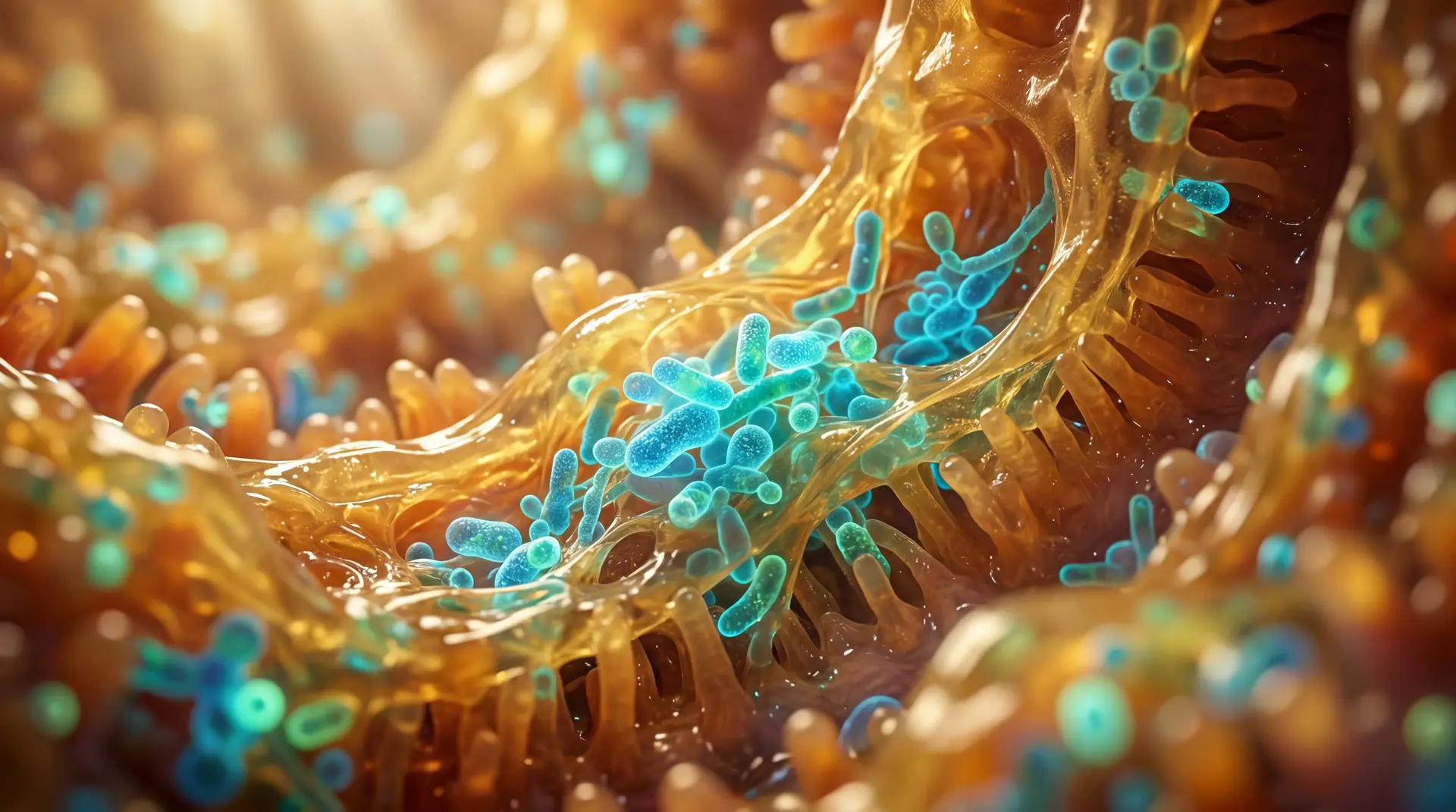
You will often hear that most immune activity is associated with the gut. The exact percentage varies by source and method, but the bigger point is correct: your intestinal immune ecosystem is not peripheral, it is central. Gut-associated lymphoid tissue is constantly sampling microbes, food components, and metabolites. Probiotic foods may influence this environment by modifying microbial composition, short-chain fatty acid production, mucosal signaling, and barrier integrity.
In plain language, your gut acts like an immune training ground. A diverse and stable microbial environment appears to support better immune calibration, while low diversity and dysbiosis can correlate with inflammation and vulnerability. A widely cited randomized trial in Cell (2021) found that a fermented-food-rich dietary pattern increased microbiome diversity and lowered multiple inflammatory markers in healthy adults over the intervention period.
This does not prove that one bowl of kimchi "activates immunity." It does suggest that dietary patterns rich in fermented foods can nudge immune-relevant biology in a favorable direction, especially when sustained consistently rather than used in bursts.
| Mechanism area | What probiotic foods may influence | Why it can matter clinically |
|---|---|---|
| Gut barrier function | Mucosal integrity and intestinal permeability signals | May reduce low-grade inflammatory load in some people |
| Immune signaling | Cytokine patterns and immune-cell communication | May support more balanced immune responses |
| Microbial diversity | Relative abundance and ecosystem resilience | Associated with broader metabolic and immune stability |
| Metabolite production | Short-chain fatty acid pathways and pH environment | Can support colon health and host-microbe cross-talk |
None of these pathways replace vaccination, targeted treatment, or physician-led care for chronic disease. Think of probiotic foods as one layer of immune resilience, not a replacement for medical prevention tools.
The grocery-cart mistake that turns probiotic goals into sugary snacks
The most common mistake is buying foods labeled "probiotic" without checking sugar content, live-culture viability, sodium, or portion reality. A flavored yogurt drink with heavy added sugar can fit into a plan occasionally, but it should not be the core strategy for immune support. Likewise, some shelf-stable fermented foods may not contain meaningful live cultures at the point of consumption.
The NIH Office of Dietary Supplements notes a critical distinction many shoppers miss: not all fermented foods are probiotics, because true probiotics require live microorganisms shown to confer a health benefit when consumed in adequate amounts. That means labels matter, storage conditions matter, and product processing matters.
Another common error is overloading fermented foods in week one. People jump from zero to multiple servings daily, then stop when bloating appears. A better approach is progressive dosing: start low, hold for several days, then increase if tolerance is good. Immune-supportive eating should feel sustainable, not punishing.
For a broader food-quality framework that helps avoid "health halo" traps, see our guide on nutrition for a better stronger immune system.
"Not all fermented foods are probiotics" is the distinction that changes everything
Fermentation is a process; probiotics are a validated functional category. This is the distinction most marketing copy blurs. Some fermented foods are excellent probiotic candidates. Others are fermented for flavor or preservation but do not deliver clinically relevant live strains at intake.
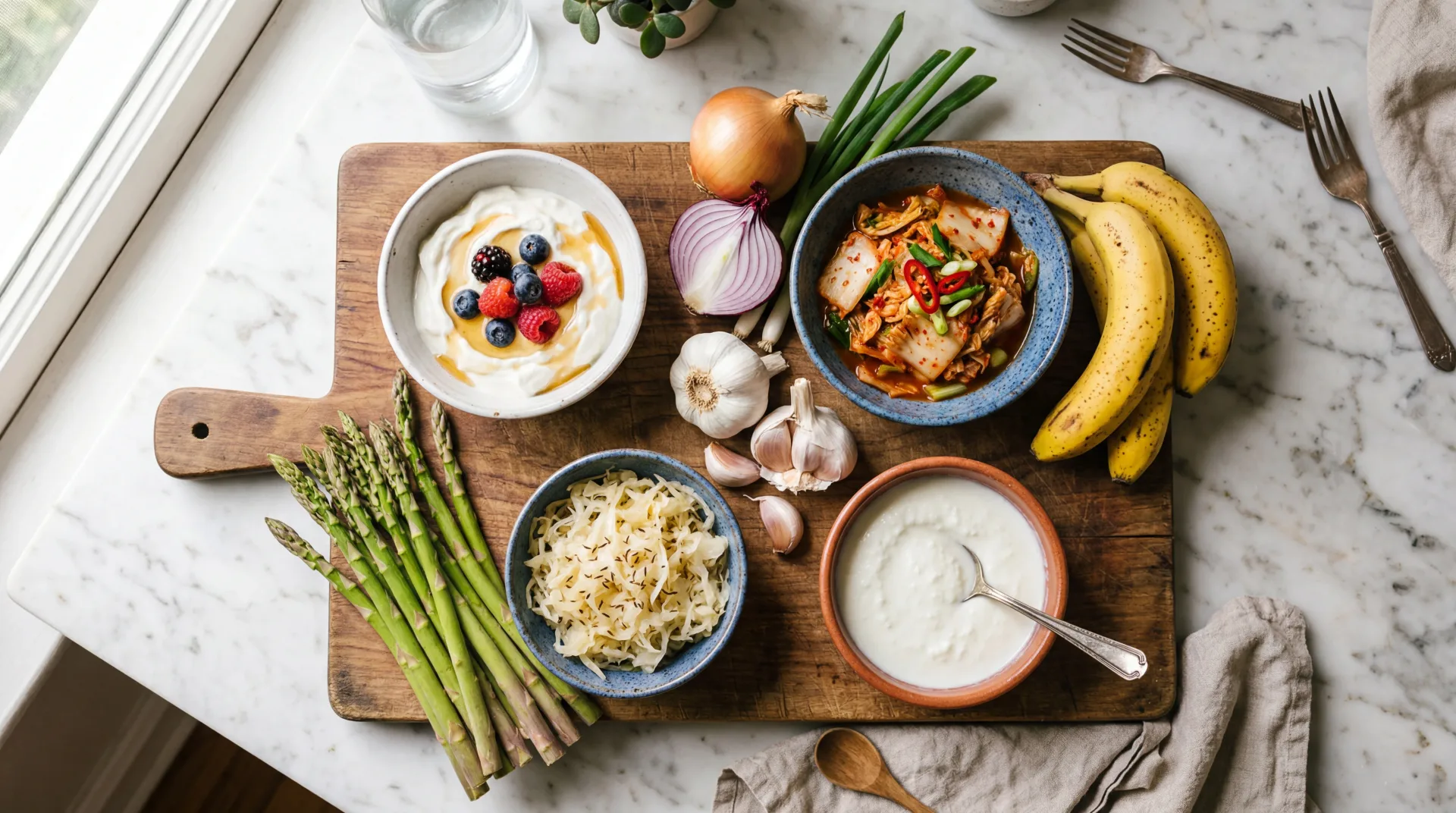
For example, live-culture yogurt and kefir often qualify as probiotic-rich foods when they contain viable organisms in sufficient amounts. Tempeh can be nutritionally valuable but may not always provide the same live-culture profile after cooking. Pickled vegetables can be probiotic when traditionally fermented and unpasteurized, but vinegar-brined shelf products are different. Miso contributes fermented-food value, yet very hot preparation can reduce viable organisms.
Strain specificity matters too. Evidence from respiratory and GI trials often depends on particular species and strains, not a generic "more bacteria is better" concept. A product naming Lactobacillus broadly without strain detail is less informative than one listing defined strains with viability indicators.
| Food | Typical probiotic potential | What to check before buying |
|---|---|---|
| Plain yogurt with live cultures | Often high, depending on processing and storage | "Live and active cultures," low added sugar |
| Kefir | Often broad live-culture profile | Unsweetened options, refrigeration, ingredient simplicity |
| Sauerkraut or kimchi | Variable; strongest when unpasteurized fermented versions are used | Refrigerated fermented products, sodium awareness |
| Miso | Nutritionally useful fermented food; live-culture delivery depends on prep | Use lower-temperature additions when possible |
| Tempeh | High-quality fermented protein; probiotic effect less predictable post-cooking | Protein quality, sodium, minimal additives |
If your goal is broad education on fermented options, our earlier breakdown of probiotic foods and supplements complements this section well.
Which probiotic foods have the strongest evidence for immune support in real life?
In practical terms, foods with the best day-to-day evidence signal are live-culture yogurt and kefir, followed by selected fermented vegetables when tolerated and prepared in lower-sodium ways. The strongest outcomes data is not identical across foods, but consistent intake of microbiome-supportive foods appears beneficial in many cohorts and trials.
For respiratory illness outcomes, meta-analyses and systematic reviews have reported that probiotics can reduce the incidence or duration of common upper respiratory tract infections in some populations, though certainty and magnitude vary (Cochrane, 2022; Frontiers in Cellular and Infection Microbiology, 2022; Nutrients, 2023). This is exactly the profile most preventive nutrition interventions show: not dramatic, but meaningful at the population level.
For antibiotic-associated diarrhea, pooled data has repeatedly shown preventive benefit when probiotics are started close to antibiotic initiation in appropriate populations (American Journal of Gastroenterology, 2021; guideline syntheses cited by NIH ODS). Clinically, this matters because preserving gut stability during antibiotic courses can indirectly support immune recovery and reduce downstream disruption.
Another useful perspective comes from dietary pattern studies. People who build regular fermented-food intake into a high-quality diet often improve more than people who use isolated products inconsistently. In other words, immune support is a systems outcome, not a single-item outcome.
Myth vs fact: more strains, higher CFU, and stronger immunity are not the same claim
| Myth | Fact | What to do instead |
|---|---|---|
| Any fermented food automatically works as a probiotic. | Fermented does not always mean live, viable, and clinically validated. | Choose foods with live-culture evidence and proper storage. |
| Higher CFU always means better immune outcomes. | Outcome quality depends on strain, host response, and context, not CFU alone. | Prioritize evidence-supported strains and consistent intake. |
| Probiotic foods replace vaccines or medical prevention. | They can complement, not replace, established preventive medicine. | Use probiotic foods as one layer of a full prevention plan. |
| Results should be obvious in two days. | Most measurable effects require sustained use over weeks. | Track symptoms and tolerance over 4 to 8 weeks. |
| If one product causes bloating, all probiotics are bad for you. | Response varies by strain, dose, baseline microbiome, and food matrix. | Adjust type, portion, and progression instead of quitting entirely. |
This comparison section is where most people reset expectations. Probiotic foods are tools, not miracles. Tools work best when matched to the right use case.
How can you build a 7-day probiotic food plan without bloating and burnout?
A practical week should balance three goals: tolerance, consistency, and nutrient quality. If you suddenly add multiple servings of fermented foods daily, you may experience gas, fullness, or stool changes that make adherence collapse. Gradual progression solves most of that.
Use this staged model:
- Days 1-2: One small probiotic serving daily, usually plain yogurt or kefir.
- Days 3-4: Add a second small serving from a different food source if tolerated.
- Days 5-7: Maintain two servings and pair with high-fiber plant foods to support substrate availability for gut microbes.
- Hydration: Increase water intake as fiber and fermented food exposure increases.
- Sodium check: Moderate high-sodium ferments like kimchi and some pickled products.
| Day range | Daily probiotic-food target | Focus behavior |
|---|---|---|
| 1-2 | 1 small serving | Test tolerance and avoid stacking multiple ferments |
| 3-4 | 1-2 servings | Add variety with low-sugar choices |
| 5-7 | 2 servings | Pair with fiber-rich meals and hydration |
Fiber pairing is especially important. Probiotic organisms work within a broader ecology, and diet quality shapes whether those organisms can persist and interact beneficially. This is one reason fermented foods plus whole plants often outperform probiotic foods alone.
If you are planning proactively for seasonal infection periods, pair this week-by-week approach with the lifestyle fundamentals in natural ways to strengthen your immune system during winter.
When probiotic foods may backfire: histamine sensitivity, IBS, and immunocompromised states
Probiotic foods are not universally tolerated. People with histamine sensitivity may react to some aged or fermented products. People with IBS may respond differently depending on food type, dose, and total fermentable carbohydrate exposure. Early bloating does not always mean failure, but it can require adjustments in pacing and product selection.
Safety context also matters in high-risk groups. The NIH Office of Dietary Supplements and clinical guidance documents note that probiotics are generally safe for healthy individuals, but caution is warranted in severely ill or immunocompromised patients, especially when central lines, critical illness, or complex comorbid conditions are involved. In those settings, probiotic strategies should be clinician-guided.
Another overlooked issue is substitution logic. If probiotic foods are added on top of a high-sugar pattern without replacing low-quality foods, overall metabolic load may worsen. Immune resilience usually improves when probiotic choices displace ultra-processed snacks, not when they become another add-on calorie source.
Use these flags to pause and reassess:
- Persistent abdominal pain, severe bloating, or diarrhea lasting more than several days after dose reduction.
- Recurrent hives, flushing, or headache patterns clearly linked to fermented foods.
- Complex medical treatment plans where food-supplement interactions are uncertain.
- Major immune compromise where infection risk management requires individual care.
What does a high-quality immune-supportive probiotic plate actually look like?
It looks less like a supplement ad and more like a balanced meal. Start with a probiotic anchor food, then add fiber-rich vegetables, a reliable protein source, and minimally processed carbohydrates as needed for energy. This structure supports satiety, glycemic stability, and consistency.
A practical plate framework:
- Anchor: plain yogurt, kefir, or a measured serving of fermented vegetables.
- Fiber base: leafy greens, cruciferous vegetables, legumes, or oats.
- Protein: tempeh, fish, eggs, tofu, or legumes.
- Smart carbs: whole grains, fruit, or starchy vegetables based on activity level.
- Flavor strategy: herbs, citrus, spices, and moderate sodium ferments.
This model avoids the "single superfood" trap and supports day-to-day adherence. For additional practical food lists, you can compare options in our best probiotic foods review.
Consistency also matters more than novelty. Rotating 4 to 6 reliable meals you actually enjoy typically beats chasing new probiotic products every week. Immune-supportive nutrition is a long game.
Frequently asked questions about probiotic foods and immunity
How long does it take to notice immune-related benefits from probiotic foods?
Some digestive changes can appear in days, but immune-related outcomes are usually evaluated over weeks in clinical studies. A realistic trial window is 4 to 8 weeks of consistent intake and stable lifestyle habits.
Do I need supplements if I already eat probiotic foods?
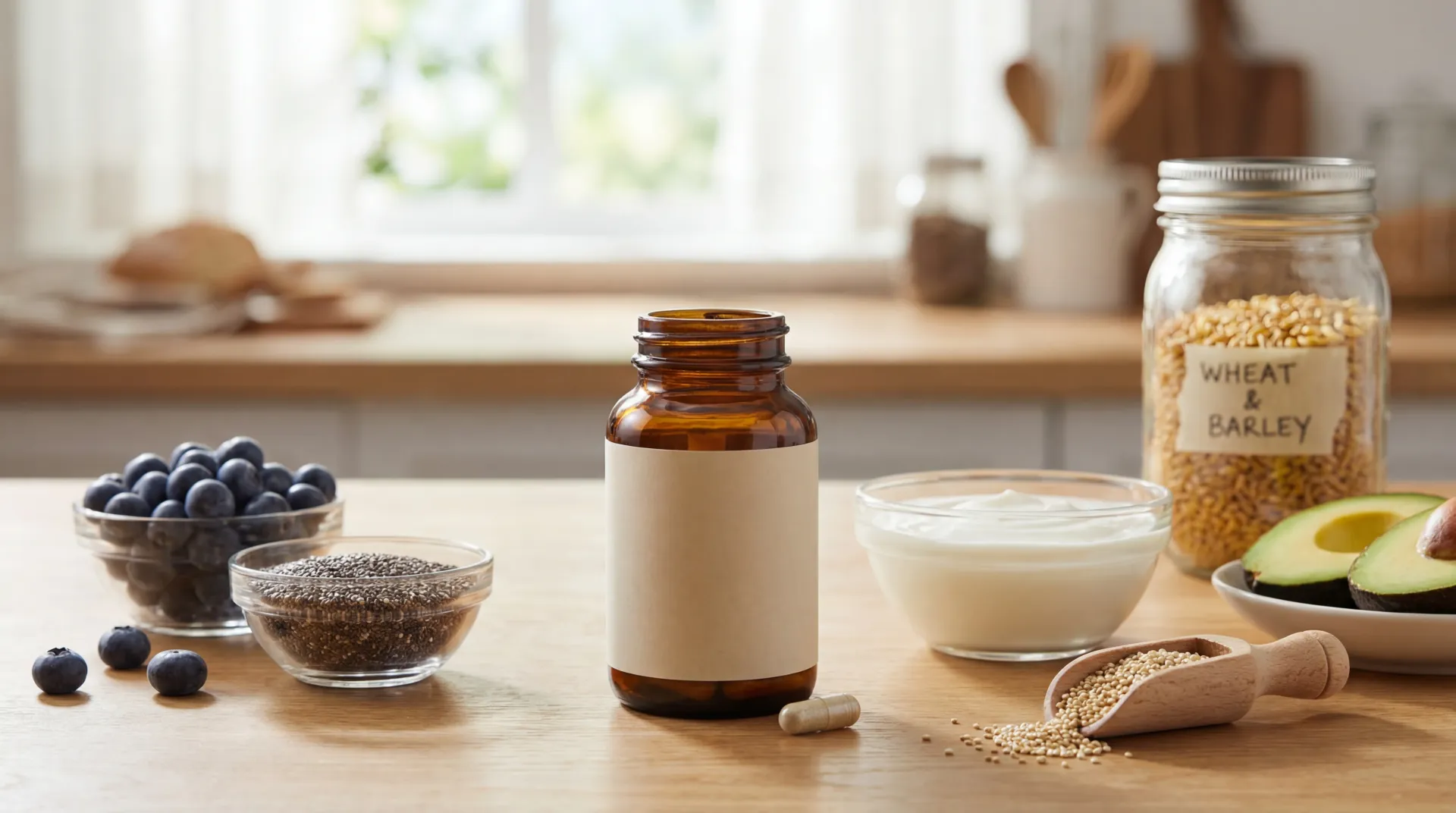
Not always. Many people can build an effective routine using foods alone. Supplements may be useful in specific scenarios, but decisions should be based on target outcomes, tolerance, and clinical context.
Can probiotic foods prevent every cold or flu-like illness?
No. Evidence supports potential risk or duration reductions in some settings, not complete prevention. Continue evidence-based prevention practices, including vaccination and medical guidance.
Is yogurt enough, or do I need multiple fermented foods?
Yogurt can be a strong starting point if it is low in added sugar and contains live cultures. Variety can help long-term adherence and microbial diversity, but progression should match tolerance.
Are probiotic foods safe for children?
In many cases, yes, especially through regular foods like yogurt, but age, health status, and medical history matter. If a child has significant medical conditions, consult a pediatric clinician before major dietary changes.
Can I use probiotic foods during antibiotics?
Evidence suggests probiotics may help lower antibiotic-associated diarrhea risk in some populations, but timing and strain selection matter. Coordinate with your prescribing clinician, especially for high-risk patients.
What if fermented foods make me feel worse?
Reduce dose, simplify sources, and reintroduce gradually. If symptoms persist, stop and seek medical evaluation to rule out other GI conditions or food sensitivities.
The strongest immune gains come from systems, not single foods
Probiotic foods earn their place in an immune-supportive lifestyle, but they work best when you use them as part of a total pattern: quality sleep, regular movement, stress management, enough protein, and high-fiber plant diversity. In that context, probiotic foods can improve gut ecology and support immune balance over time.
If you want the highest return, focus on repeatable habits instead of extreme protocols. Pick two probiotic foods you genuinely enjoy, pair them with fiber-rich meals, and follow that plan for at least a month before judging outcomes. This is how evidence-based nutrition works in real life: modest changes, repeated consistently, producing meaningful long-term benefits.
Evidence anchors used in this guide: Cochrane systematic review on probiotics for upper respiratory tract infections (2022); NIH Office of Dietary Supplements probiotic evidence summary and safety guidance (updated 2025); American Journal of Gastroenterology clinical guideline on probiotics and antibiotic-associated diarrhea (2021); Cell randomized trial on fermented foods, microbiome diversity, and inflammatory markers (2021); recent meta-analytic updates in nutrition and infection journals (2022-2024).
Medical Disclaimer
This article is for informational and educational purposes only and is not medical advice, diagnosis, or treatment. Always consult a licensed physician or qualified healthcare professional regarding any medical concerns. Never ignore professional medical advice or delay seeking care because of something you read on this site. If you think you have a medical emergency, call 911 immediately.