What Is Cockroach Milk and Why Scientists Care
The phrase “cockroach milk” sounds like internet clickbait, but it came from a real line of research. Scientists were not milking household pests into glasses. They were studying a live-bearing cockroach species, Diploptera punctata, whose embryos receive nutrient-rich secretions in the brood sac during development.
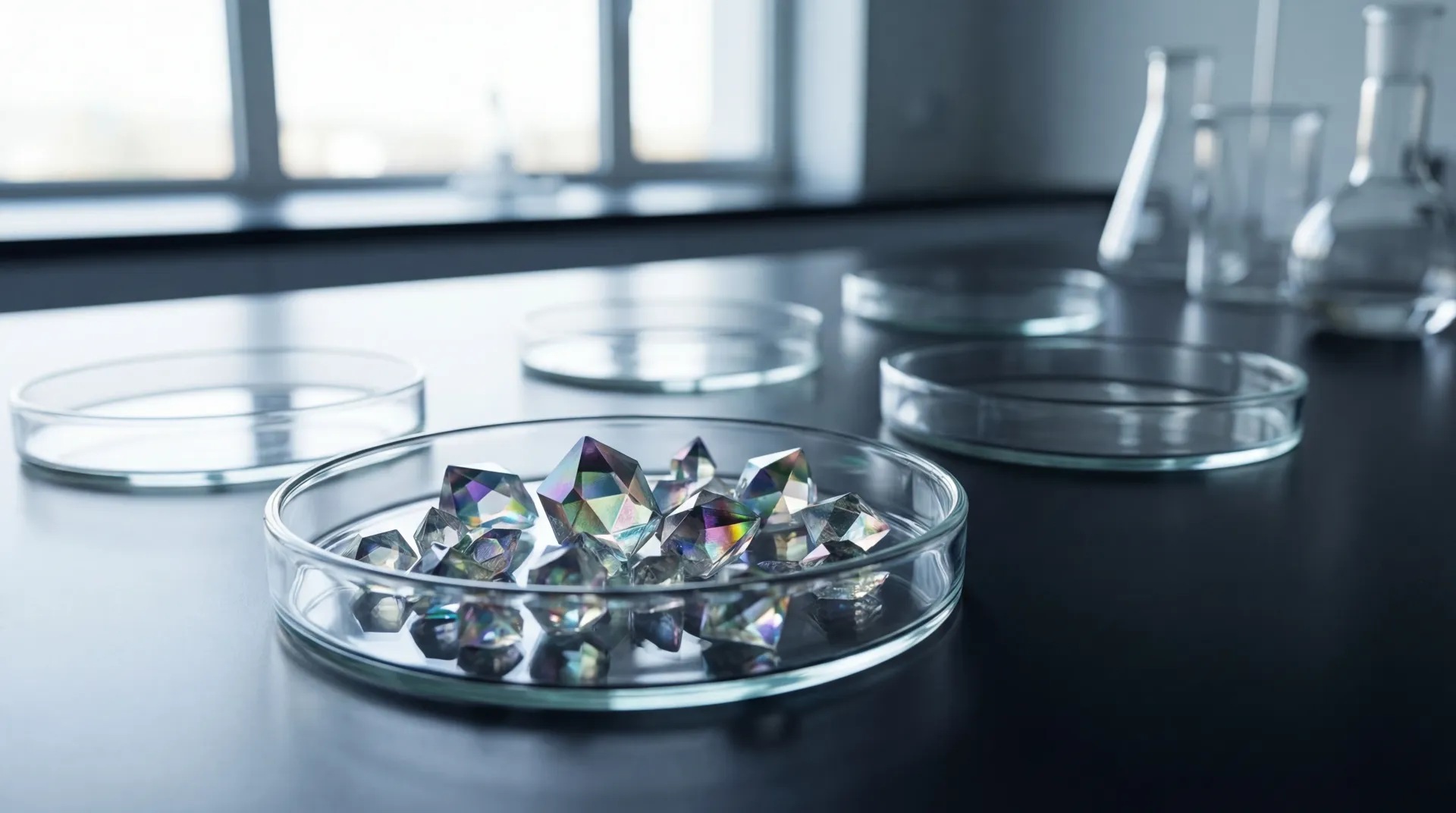
The attention spike started after structural biology work showed that these embryo food crystals pack protein, fat, and sugar in a dense format. That made headlines because the crystals appeared calorie-dense and nutritionally broad inside the insect life cycle. The key point is often lost: this was a discovery about insect developmental biology first, and human nutrition second.
That distinction matters. Nutrition headlines often jump from “contains nutrients” to “new superfood,” skipping three hard questions: dose, safety, and real-world usability. Food science history is full of compounds that looked exciting in a lab but failed as practical food ingredients.
Quick reality check: cockroach milk is a research concept, not a validated human food product.
So why do scientists care at all? Because dense, stable proteins are scientifically useful. They can teach us about digestion kinetics, protein crystal behavior, and potentially inspire future precision-fermented ingredients. But inspiration is not the same thing as a grocery aisle product, and it is definitely not the same thing as a proven health upgrade.
The 2016 Crystal Study: What It Actually Found
The core paper that launched the trend is indexed on PubMed as Molecular basis for branching of sporogenic crystals in the viviparous cockroach, Diploptera punctata. Researchers used X-ray methods to characterize nutrient crystals associated with embryo development. This is rigorous structural work and a legitimate scientific contribution.
What it did not show matters just as much. It did not establish a safe human dose. It did not run human feeding trials. It did not establish long-term effects. It did not prove superiority over existing protein foods. Put simply, it answered a biology question, not an everyday nutrition question.
To understand context, older developmental studies on this species are also relevant, including work on embryonic nutrition and milk-gene systems such as Evolutionary lability and putative remnant male expression of a structurally unique, highly-specialized gene in viviparous cockroaches. These studies strengthen the biological story but still do not convert into direct nutrition guidance for humans.
More recent review work, including Molecular mechanisms in development and pathogenesis of insect viviparity, adds evolutionary and mechanistic detail. Again, useful science, but still not a basis for “everyone should consume this.”
Media coverage often compresses this into one line: “three times more caloric than buffalo milk.” Even if a density claim holds in a narrow experimental context, nutrition quality depends on digestibility, amino acid balance, allergen profile, serving practicality, manufacturing quality, and regulatory clearance. Calories per gram alone are not enough to rank a superfood.
| Claim Type | What Evidence Exists | What Is Missing | Confidence for Human Health Advice |
|---|---|---|---|
| Crystal structure is nutrient-dense in embryos | Strong structural biology data in insect context | Human digestion and metabolic response data | Low for direct consumer advice |
| Could become a future ingredient | Plausible via biotechnology pathways | Scalable production, safety dossiers, approvals | Moderate as a research direction |
| Current superfood for public use | No robust human trial support | Clinical outcomes, long-term safety, clear labeling | Very low |
Can Humans Digest It Safely?
This is the question that decides whether hype survives contact with reality, and right now it is where the story is weakest. Safety is not binary. A food can be tolerated by many people and still trigger serious reactions in a meaningful minority.
Insect proteins are an active allergy research area. A review on edible insect allergy, Insect food allergy and allergic reactions in the tropics, discusses known risks and cross-reactivity patterns. Another systematic review, Allergic Risks of Edible Insects, highlights that cross-reactive allergens (including tropomyosin-related issues) are a practical concern, especially for people with existing shellfish or mite allergies.
That means “it is natural” is not a safety argument. Peanut is natural. Shellfish is natural. Both can be dangerous for some people. Novel proteins need careful allergen characterization and clear labeling before broad recommendation.
Human trial evidence is also still early in the wider insect-food field. A recent human-focused review, Consumption of Insects by Humans and Associated Health Effects, concludes that the evidence base is promising but limited, with study heterogeneity and a need for stronger trials. That is a far cry from saying a specific cockroach-derived protein is ready for routine use.
There is also a practical formulation issue. Even if a molecule is nutritious, real products need stable manufacturing, contaminant controls, reproducible composition, and reliable shelf life. You are not evaluating a single research crystal; you are evaluating a food system.
| Safety Question | Current Position | What Would Improve Confidence |
|---|---|---|
| Allergy potential | Plausible risk based on broader insect-protein literature | Standardized allergen panels and challenge studies |
| Digestive tolerance | Insufficient cockroach-specific human data | Dose-ranging human trials with adverse-event tracking |
| Long-term use | No robust long-term clinical evidence | Longitudinal safety studies and post-market surveillance |
| Population-level recommendation | Not justified | Reproducible benefit over existing, safer options |
Nutrition Math: Where the Superfood Claim Breaks Down
“Superfood” is a marketing word, not a regulatory standard. A better way to evaluate claims is to score a food candidate across five dimensions: nutrient density, amino acid quality, safety profile, production feasibility, and behavior change practicality.
Cockroach milk research currently scores well on potential nutrient density in an insect developmental model. On the other four dimensions, evidence is still thin. Compare that with ordinary foods that already meet people where they live: legumes, dairy, fish, eggs, soy foods, nuts, and mixed dietary patterns.
If your real goal is better protein quality across a week, you can often get there with combinations that are already validated and easier to sustain. For plant-forward diets, practical combinations and preparation ideas matter more than novelty. If you need ideas, these guides can help with realistic planning: health benefits of chia seeds, health benefits of nuts and side effects, and main benefits of eating vegetables.
For immune and recovery support, overall pattern quality, adequate calories, and consistency still beat trendy ingredients. This companion piece on nutrition for a better, stronger immune system aligns with what we see in clinical nutrition practice: the basics work when people can follow them for months, not just days.
| Evaluation Dimension | Cockroach Milk Research Status | Established Protein Foods | Practical Winner Today |
|---|---|---|---|
| Nutrient density concept | Interesting but early-stage | Well characterized | Established foods |
| Human clinical outcomes | Insufficient direct evidence | Large and diverse evidence base | Established foods |
| Allergy and safety clarity | Unresolved for routine use | Known risks and labeling systems | Established foods |
| Supply chain scalability | Experimental pathways | Mature infrastructure | Established foods |
| Consumer adoption feasibility | High psychological and cultural friction | Already integrated into diets | Established foods |
Myth vs Fact: Cockroach Milk Edition
Online nutrition discussions get messy because technical findings are translated into absolute statements. Let’s clean up the biggest misconceptions.
| Myth | Fact | Why It Matters |
|---|---|---|
| Scientists proved cockroach milk is the best protein on Earth. | They characterized protein crystals in an insect reproductive context; they did not run broad human superiority trials. | Prevents overreach from mechanistic data to consumer recommendations. |
| It is already available as a standard supplement. | No mainstream, validated cockroach-milk supplement category exists with broad clinical support. | Avoids spending money on hype products or mislabeled alternatives. |
| If it is dense in calories, it is automatically healthier. | Calorie density can help in some contexts but is not a universal health marker. | Keeps nutrition choices tied to goals, not headlines. |
| Insect proteins are always safe because they are natural. | Allergic cross-reactivity is a known concern in insect-protein research. | Highlights the need for screening, labeling, and personal risk assessment. |
| This is the fastest path to solve world hunger. | Food security is constrained by access, affordability, policy, logistics, and local infrastructure, not one ingredient. | Keeps expectations realistic and policy-focused. |
A better way to frame the science is: cockroach milk research is a fascinating clue about how biology solves nutrient delivery under extreme constraints. That can inspire innovation. It does not replace comprehensive nutrition and food-systems planning.
Is Cockroach Milk a Real Climate Solution?
Climate arguments show up in almost every “future protein” discussion. There is legitimate reason to evaluate alternatives to emissions-intensive food systems. For context, broad greenhouse gas data and methane relevance are summarized by the U.S. EPA methane overview. Large comparative food-impact analyses, such as Poore and Nemecek (Science), also show meaningful variation in environmental footprints across foods and production methods.
But translating those macro findings into “cockroach milk is the answer” is premature. Environmental modeling depends on actual manufacturing pathways. If a protein requires expensive sterile bioprocessing, energy-heavy purification, and cold-chain logistics, its total footprint can look very different from a headline estimate.
The broader edible-insect literature, including the FAO report on edible insects, suggests potential sustainability benefits under certain conditions. Conditions are the key phrase. Outcomes vary by feed input, scale, waste handling, transport, and local energy mix.
So is cockroach milk a climate solution right now? Not as a consumer-ready product. It is better described as one speculative node in a larger innovation graph that includes plant proteins, fermentation-derived proteins, and lower-emission agricultural practices.
What Would Have to Happen Before You See It in Stores?
For any novel protein to become mainstream, several gates must be cleared in order, not in parallel hype cycles.
- Demonstrate reproducible composition at manufacturing scale.
- Run toxicology and allergenicity programs that satisfy regulators.
- Show human tolerance and useful outcomes in controlled studies.
- Build quality systems for contamination control and batch consistency.
- Design labels that communicate risk clearly for sensitive groups.
- Achieve a price point and taste profile that regular people will adopt.
This is why precision fermentation is getting more attention than literal insect harvesting in some R&D pipelines. A recent review, Precision fermentation as an emerging ingredient production platform toward more sustainable and healthy food systems, outlines how controlled microbial production can improve consistency and scale for novel ingredients.
Even then, “possible” is not “ready.” Regulatory agencies evaluate specific products, not concepts. A future ingredient inspired by cockroach milk biology might succeed. That still would not validate every product marketed with similar language.
If you ever see a product in this category, read labels like a skeptic. Look for protein source details, third-party safety testing, allergen statements, and transparent serving data. If those are vague, skip it.
Practical, Better-Tested Ways to Improve Protein Intake
Most people do not need exotic ingredients. They need a system they can execute. Here is a practical framework you can apply this week.
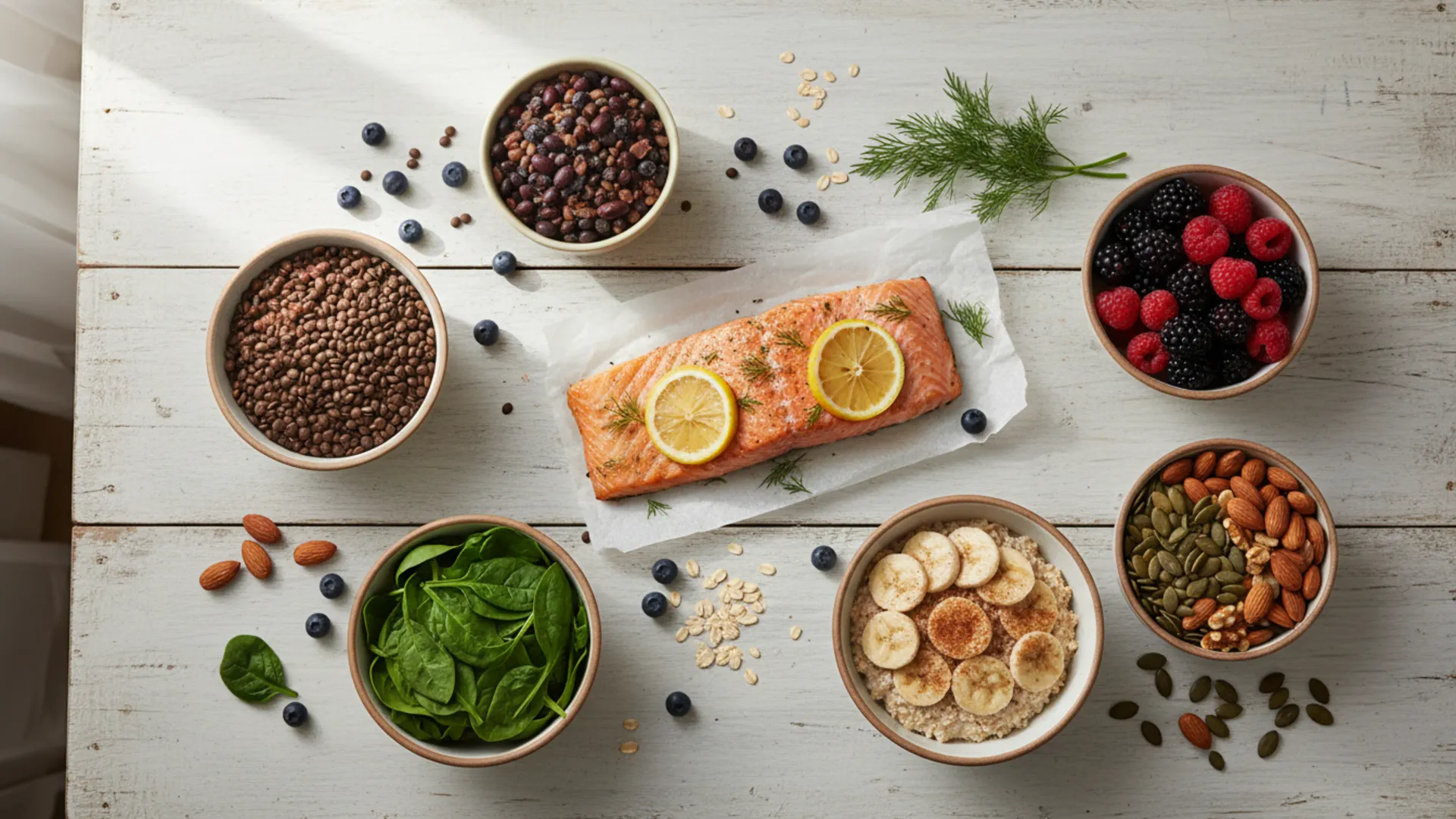
- Anchor each meal with a protein source: eggs, fish, dairy, tofu, tempeh, legumes, poultry, or combinations.
- Pair protein with fiber-rich foods: vegetables, beans, oats, or whole grains improve satiety and metabolic consistency.
- Distribute intake: spreading protein across meals often works better than loading it into one dinner.
- Match strategy to goal: muscle gain, weight management, and appetite control require different total intake patterns.
- Audit tolerance: adjust for digestion, allergies, and cultural preferences so the plan survives real life.
You can also use a simple decision filter before buying any new “advanced” nutrition product. Ask four questions: what is the exact ingredient identity, what human outcome has been measured, which population was studied, and what risk group warnings are provided? If a product page cannot answer those in plain language, that is not a research gap you need to solve with your wallet.
Another helpful move is to separate novelty from utility. Novelty asks, “Is this new?” Utility asks, “Will this improve my next 90 days of eating?” Utility usually wins through meal prep logistics, grocery availability, budget fit, and symptom tolerance. A futuristic protein can still fail if it causes GI issues, tastes unpleasant, or costs too much to use consistently. Conversely, ordinary foods can perform extremely well when they are prepared in ways people actually enjoy and repeat.
When people ask whether they should wait for a breakthrough superfood, the honest answer is still no. The strongest evidence supports a balanced dietary pattern, adequate protein from established sources, and consistency over novelty. Exotic research can be fascinating, but most real health progress comes from simple habits repeated long enough to matter.
If the cockroach milk story pushes you to question nutrition headlines, that is a win by itself. The skill to build is not trend-chasing. It is learning to separate mechanistic possibility from clinically meaningful, repeatable benefit.
Frequently Asked Questions
Is cockroach milk sold as a mainstream supplement today?
No, not as a clinically validated mainstream category. You may see products using provocative language, but that is not the same as a well-established, regulated nutrition standard with strong human outcomes data.
Could cockroach milk protein become useful in the future?
Possibly, especially if biotechnology can produce similar proteins safely and consistently. The pathway would still require strong safety testing, human studies, regulatory review, and practical product design.
If I have shellfish allergies, should I be cautious with insect proteins?
Yes. Current literature on edible insect allergy suggests potential cross-reactivity in some individuals. Anyone with known shellfish, mite, or related allergies should speak with a clinician before trying novel insect-derived proteins.
What is the best current alternative if I just want more protein?
Use established foods with known safety and good adherence: legumes, dairy or fortified dairy alternatives, eggs, fish, soy foods, lean meats, and nuts. Build a repeatable weekly pattern instead of chasing one trending ingredient.
Bottom Line
Cockroach milk is a compelling research story, not a finished nutrition solution. The science around Diploptera punctata crystals is real and interesting, but the leap from lab insight to everyday superfood is still unsupported. Today, the evidence-backed move is to optimize protein quality and dietary consistency using foods and patterns that are already proven, affordable, and practical.
Related Articles
- Health Benefits of Chia Seeds - A practical guide to fiber, omega-3 intake, and how to add chia to regular meals.
- Health Benefits of Nuts and Side Effects - Covers nutrient density, portion strategy, and common tolerance issues.
- Main Benefits of Eating Vegetables - Explains how produce diversity supports long-term cardiometabolic health.
- Nutrition for a Better, Stronger Immune System - Focuses on evidence-based diet patterns for immune resilience.
Medical Disclaimer
This article is for informational and educational purposes only and is not medical advice, diagnosis, or treatment. Always consult a licensed physician or qualified healthcare professional regarding any medical concerns. Never ignore professional medical advice or delay seeking care because of something you read on this site. If you think you have a medical emergency, call 911 immediately.