Why these three supplements keep coming up together
Erectile dysfunction, low libido, and declining testosterone rarely have a single cause. Vascular health, hormone production, psychological arousal, and neurological signaling all play roles. Pharmaceutical options like Viagra (sildenafil) and testosterone replacement therapy work, but they come with contraindications, side effects, and compliance challenges that make many men look elsewhere.
That search usually leads to three supplements: zinc, L-arginine, and maca root. Each targets a different part of the problem. Zinc supports testosterone production at the hormonal level. L-arginine fuels nitric oxide synthesis for blood flow. Maca acts on the central nervous system to restore sex drive without touching hormone levels at all. Used together and timed correctly, they address the nutritional foundations of erectile function from multiple angles.
But here is the part that supplement marketing skips: each of these compounds carries specific risks when dosed incorrectly or combined carelessly. High-dose zinc can cause permanent nerve damage by depleting copper. L-arginine can trigger herpes outbreaks and dangerous blood pressure drops. Raw maca powder can wreck your digestion and harbor mold toxins. This guide covers what works, what does not, and what can go wrong.
The zinc-testosterone connection: what the research actually shows
Zinc is involved in over 300 enzyme reactions in the body. For sexual health, its main job is supporting the Leydig cells in the testes, which produce testosterone. When zinc levels drop, luteinizing hormone signaling weakens and testosterone output falls. Zinc also protects the penile blood vessel lining from oxidative damage, which matters because erections depend on healthy endothelial function.
The clinical data on zinc supplementation breaks down into two tiers. At conservative doses (around 30 mg of elemental zinc daily as a chelated form), men in studies saw testosterone rise from roughly 180 ng/dL to 222 ng/dL over one to six months. That is a measurable but modest shift. At higher medicinal doses, specifically 220 mg of zinc sulfate taken twice daily (delivering about 100 mg of elemental zinc per day), results were far more dramatic. Men with confirmed hypogonadism saw testosterone climb from 50 ng/dL to nearly 400 ng/dL over one to four months.
The supplement form matters more than most people realize. Here is how the common zinc formulations compare:
| Zinc form | Elemental zinc content | Best use case |
|---|---|---|
| Zinc sulfate | ~23% | Rapid deficiency correction and testosterone recovery. Frequently causes nausea and stomach cramps, especially on an empty stomach. |
| Zinc gluconate | ~14% | Common in cold lozenges. Low elemental yield makes it impractical for long-term hormonal support. |
| Zinc citrate | ~31% | Good absorption with less GI irritation. Suitable for sensitive stomachs. |
| Zinc picolinate | ~20% | Maximized intracellular transport. Good for men with absorption issues, though some animal data suggests faster elimination. |
One important caveat: zinc works best as a supporting player, not a solo act. In men with severe primary testicular failure or advanced central hypogonadism, zinc supplementation alone will not restore normal testosterone. Those conditions require medical intervention beyond what natural testosterone-boosting strategies can provide.
Quick fact: Thiazide diuretics, commonly prescribed for high blood pressure, increase zinc excretion through the kidneys. Men on these medications should have their zinc levels checked, since the drug itself may be contributing to sexual dysfunction.
The zinc-copper problem most people ignore
This is where high-dose zinc gets dangerous. The Tolerable Upper Intake Level for zinc is 40 mg of elemental zinc per day. Therapeutic protocols for hypogonadism call for 50 to 100 mg daily. That gap between "therapeutic" and "too much" is narrow, and the consequences of getting it wrong are severe.
The mechanism is straightforward but brutal. High zinc intake forces the intestinal cells to produce metallothionein, a metal-binding protein. Metallothionein binds copper with even higher affinity than it binds zinc. As intestinal cells naturally turn over and shed, the trapped copper gets flushed out in stool. Over weeks to months, this process can completely drain the body's copper reserves.
Without adequate copper, three systems start failing. Red blood cell production drops, causing anemia. Immune cells decline, leading to neutropenia. And myelin, the insulating sheath around nerves, degrades. Documented cases show men aggressively supplementing zinc for months who developed sensory ataxia, numbness in the extremities, and spastic gait disturbances. The anemia and immune problems can be reversed with copper repletion. The neurological damage is sometimes permanent.
The prevention protocol is simple:
| Guideline | Recommended ratio or dose | Reasoning |
|---|---|---|
| Zinc-to-copper ratio | 10:1 to 15:1 | Mirrors natural dietary intake patterns and prevents metallothionein from overwhelming copper absorption. |
| Preventive copper dose | 1 to 3 mg per day | Required for anyone taking 50+ mg elemental zinc daily to prevent anemia and neuropathy. |
| Therapeutic copper dose | 3 to 8 mg orally (severe cases: 2 to 4 mg IV) | Only for confirmed copper deficiency with low serum ceruloplasmin levels. |
There is also an unexpected source of zinc overexposure: denture adhesive creams. Some contain 17 to 34 mg of zinc per gram of product. Chronic use in older adults has been directly linked to copper deficiency, which in that population gets misdiagnosed as age-related neurological decline.
L-arginine for erections: dosing, limits, and a better alternative
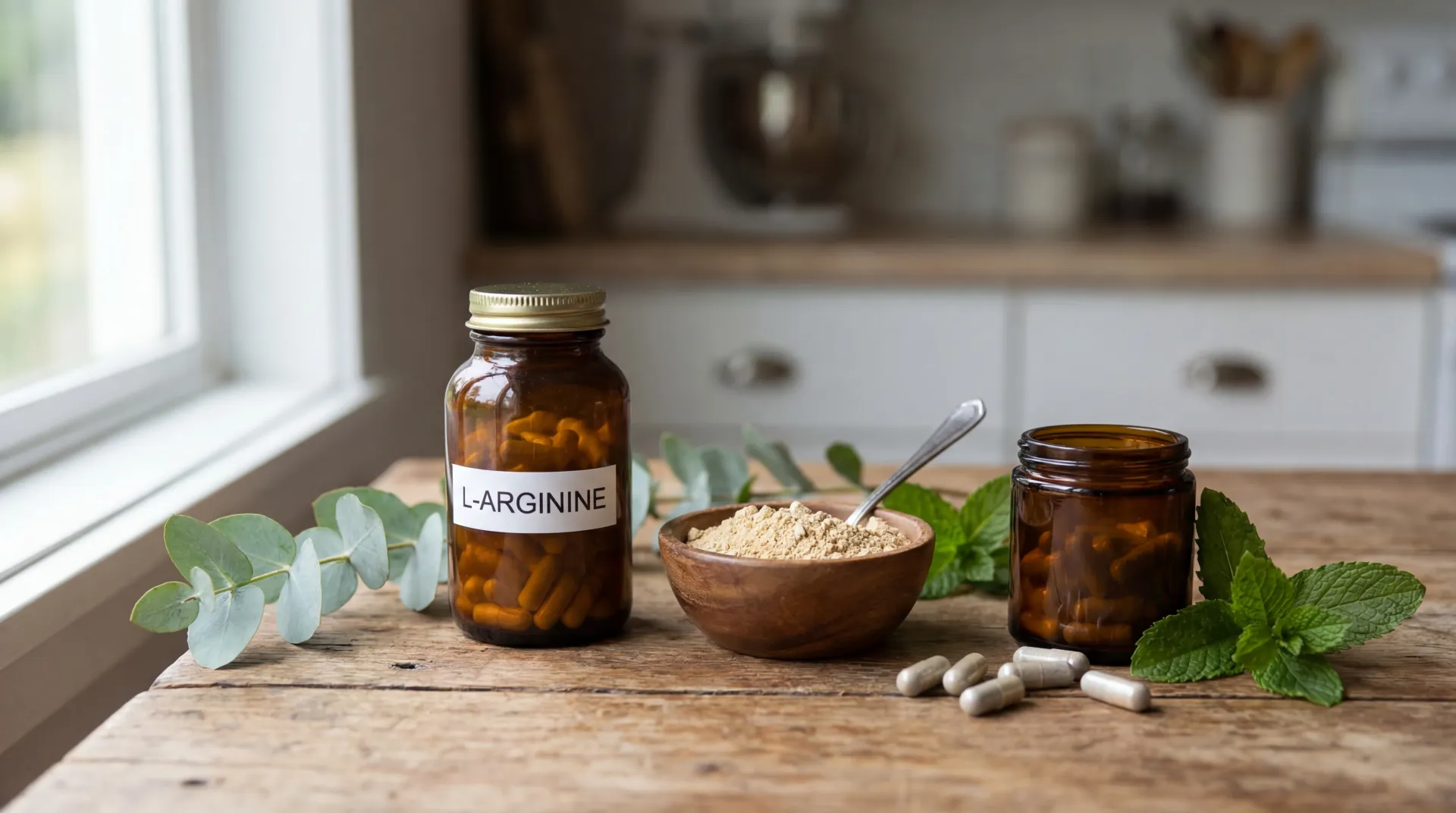
Erections are a blood flow event. When nitric oxide (NO) gets released in the penile blood vessels, it triggers a chain reaction that relaxes smooth muscle, dilates arteries, and allows blood to fill the erectile tissue. L-arginine is the direct raw material the body uses to make nitric oxide through the enzyme nitric oxide synthase (NOS). Without enough circulating arginine, NO production drops and erections weaken.
A meta-analysis of 10 randomized controlled trials involving 540 men found that L-arginine at doses between 1,500 mg and 5,000 mg daily improved erectile function scores by an odds ratio of 3.37 compared to placebo. Satisfaction with intercourse, orgasmic function, and overall sexual satisfaction all improved. One thing that did not change: sexual desire. L-arginine is strictly a vascular tool. It helps blood flow, not arousal. That distinction matters for understanding where maca fills the gap later.
Higher doses of 6 to 8 grams daily over three to six months have shown even stronger results in men with confirmed vasculogenic ED. But there is a catch. Oral L-arginine gets hammered by first-pass metabolism. The liver enzyme arginase breaks down a huge portion of it before it reaches the bloodstream. To get therapeutic levels, you need massive oral doses, which frequently cause bloating, cramping, and diarrhea.
This is why L-citrulline has become the preferred delivery method in informed supplement protocols:
| Factor | Oral L-arginine | Oral L-citrulline |
|---|---|---|
| Liver metabolism | Heavy degradation by arginase enzymes | Bypasses the liver largely intact |
| Blood arginine levels | Short spike requiring frequent dosing | 30% more effective at raising sustained plasma arginine |
| Duration | Short half-life, brief effect | Sustained NO elevation over 7 to 16 days of continuous use |
| GI tolerance | Bloating, cramps, diarrhea at 5g+ | Well tolerated even at high doses |
Clinical trials comparing the two found that combined L-citrulline and L-arginine supplementation raised plasma NO concentrations higher than either one alone. If you are going to use arginine-based supplementation, combining 2.4 to 6g of L-citrulline with a moderate arginine dose gives better results with fewer side effects than megadosing arginine on its own.
Pairing L-arginine with Pycnogenol (maritime pine bark extract) also amplifies NO production. This combination improved erectile function scores by 3 to 6 points in clinical studies, offering a viable option for men with mild-to-moderate ED who cannot tolerate PDE5 inhibitors.
Safety warning: L-arginine must not be used by men who recently had a heart attack. Clinical trials in post-MI patients were stopped early due to increased mortality. It also dangerously drops blood pressure when combined with nitrate medications, PDE5 inhibitors, or ACE inhibitors.
The arginine-herpes connection you need to know about
This risk gets almost no attention in supplement marketing, but it is well documented in virology research. The herpes simplex virus (HSV-1 and HSV-2) requires arginine to build its viral envelope and replicate during outbreaks. Taking 5 grams of L-arginine daily for erectile dysfunction creates an arginine-rich environment inside the body that acts as a catalyst for viral replication, making outbreaks more frequent, longer-lasting, and more severe.
The countermeasure relies on amino acid competition. L-lysine and L-arginine use the same cellular transport pathways. When lysine levels are high, arginine gets blocked from entering cells, starving the virus of the substrate it needs to multiply. For men on standard diets without supplemental arginine, 500 to 1,000 mg of daily lysine is typically enough to suppress outbreaks.
But when you are loading 5 grams of arginine daily, low-dose lysine is useless. Clinical data shows that suppressing HSV in an arginine-rich environment requires lysine doses exceeding 3 grams per day. The maximum safe lysine intake is around 7.5 grams daily. Above that, animal studies suggest increased risk of gallstone formation and altered cholesterol metabolism.
The practical takeaway: any man who carries HSV-1 or HSV-2 (and roughly 67% of the global population under 50 carries HSV-1) should either avoid high-dose arginine entirely, switch to L-citrulline as the primary NO precursor, or maintain aggressive lysine co-supplementation with careful timing to avoid competitive absorption issues.
Maca root: a different kind of libido booster
Maca (Lepidium meyenii) operates on a completely different axis than zinc or arginine. It does not change testosterone, estrogen, FSH, or LH levels. Instead, its bioactive compounds, primarily macamides and macaenes, appear to act directly on the brain's reward and arousal centers through endocannabinoid pathway modulation. The result is increased sexual desire without the hormonal side effects that come with testosterone-boosting interventions.
In randomized, double-blind, placebo-controlled trials, daily maca doses of 1.5 to 3.0 grams over 8 to 12 weeks produced significant improvements in subjective libido scores. These improvements were dose-independent for general libido, meaning 1.5g worked about as well as 3g for baseline sexual desire.
Where dosing does matter is in SSRI-induced sexual dysfunction. Antidepressant-related erectile problems, delayed orgasm, and libido suppression are notoriously hard to treat without stopping the medication. Trial data indicates that 3.0 grams of maca daily significantly reduced SSRI-induced sexual dysfunction, while the 1.5g dose failed to reach the therapeutic threshold. For men taking SSRIs who are struggling with sexual side effects, black maca at the higher dose is worth discussing with their prescribing physician.
Not all maca is the same. The plant comes in three main color variants, each with distinct clinical applications:
| Maca type | Harvest frequency | Primary benefits |
|---|---|---|
| Yellow maca | 60-70% of harvest | General adaptogen for energy, mood, and stress reduction. Most affordable and widely available. |
| Red maca | 20-25% of harvest | High antioxidant capacity. Protective effects on prostate health and bone density. Reduces anxiety. |
| Black maca | 10-15% of harvest | Strongest effects on sperm count, motility, erectile function, memory, and libido. |
For male sexual health specifically, black maca is the phenotype backed by the strongest evidence. It is also the rarest and most expensive.
Raw vs. gelatinized: this distinction is not optional. Traditional Andean use never involves eating raw maca. The root gets dried, then boiled or fermented. Raw maca powder, which is what many global retailers sell, contains complex starches the human gut cannot break down efficiently. The result is cramping, bloating, and poor absorption of the active compounds. Raw maca also carries moisture that promotes bacterial and fungal contamination during shipping and storage. As a cruciferous vegetable, raw maca also contains goitrogens that may interfere with thyroid function in susceptible individuals.
Gelatinized maca has been processed with heat and pressure to break apart the indigestible starch bonds, concentrate the bioactive compounds, and remove moisture. Clinical trials almost exclusively use gelatinized or atomized extract forms. If you are buying maca for sexual health, check the label for "gelatinized" or "extract." Skip raw powder.
Timing and stacking: how to take these without canceling each other out
Combining zinc, arginine, and maca makes physiological sense. Zinc handles hormone production. Arginine (or citrulline) handles blood flow. Maca handles neurological arousal. Clinical trials using multi-ingredient stacks of L-arginine with Tribulus terrestris and ginseng showed significant improvements across all erectile function parameters. But swallowing everything at once is a mistake.
Minerals and amino acids compete for the same intestinal transport pathways. Taking zinc with calcium, iron, or magnesium at the same time blocks zinc absorption. Taking arginine and lysine simultaneously defeats the purpose of lysine's protective role against herpes. The order and spacing of doses determines whether the stack actually works.
| Supplement | Best timing | What to avoid taking with it |
|---|---|---|
| Zinc (any form) | Morning on empty stomach, or bedtime on empty stomach | Calcium, iron, magnesium, dairy, tea (tannins bind zinc) |
| Copper | At least 2 hours away from zinc dose | High-dose vitamin C, antacids, zinc |
| L-arginine / L-citrulline | 60-90 minutes before sexual activity or exercise | L-lysine (space by 2+ hours). Split 5g+ doses across the day. |
| L-lysine (if needed for HSV) | Morning and evening, spaced from arginine | L-arginine (competitive transport) |
| Gelatinized black maca | Morning or early afternoon with food | Evening dosing (may disrupt sleep due to energy boost) |
A practical daily schedule might look like this: zinc on waking (empty stomach), maca with breakfast, copper with lunch, arginine or citrulline in the afternoon or pre-activity, and lysine (if needed) at bedtime. This separates competing nutrients and aligns each supplement with its intended physiological window.
One combination to watch out for: botanical mood enhancers like St. John's Wort combined with maca or SSRIs can dangerously elevate serotonin, risking serotonin syndrome. If you are taking any psychiatric medication, discuss supplement additions with your prescriber before starting.
Multi-ingredient capsules that pack zinc, magnesium, calcium, and iron together are marketing convenience products. The minerals compete so aggressively at the intestinal border that multiple nutrients pass through completely unabsorbed. Targeted, timed individual supplements outperform all-in-one formulas for absorption and efficacy.
Frequently Asked Questions
How long does it take for zinc to raise testosterone levels?
At conservative doses (30 mg elemental zinc daily), changes may take one to six months to become measurable. At higher medicinal doses (50-100 mg elemental zinc daily with copper co-supplementation), significant testosterone increases have been documented within one to four months. The timeline depends on the severity of the deficiency and the formulation used.
Can I take L-arginine with Viagra or Cialis?
No. Combining L-arginine with PDE5 inhibitors like sildenafil (Viagra) or tadalafil (Cialis) creates a dangerous additive blood pressure drop. Both substances promote vasodilation through related pathways, and the combined effect can cause severe hypotension. The same risk applies to nitrate medications and ACE inhibitors. Always consult a physician before combining these.
Is L-citrulline actually better than L-arginine for erectile function?
For most men, yes. L-citrulline largely bypasses liver metabolism, raises blood arginine levels 30% more effectively than direct arginine supplementation, and sustains nitric oxide elevation for longer periods. It also causes far less gastrointestinal distress. The research supports using 2.4 to 6g of L-citrulline daily, ideally combined with a moderate dose of L-arginine, for the strongest synergistic NO production.
Does maca actually increase testosterone?
No. Multiple randomized controlled trials confirm that maca does not alter serum testosterone, estrogen, FSH, or LH levels. Its effect on libido and sexual function appears to work through central nervous system pathways involving endocannabinoid modulation. This makes it useful for men who want to improve desire and arousal without affecting hormone levels, and particularly valuable for men dealing with SSRI-induced sexual dysfunction.
What are the signs of zinc-induced copper deficiency?
Early signs include unexplained fatigue, frequent infections (due to neutropenia), and anemia that does not respond to iron supplementation. As copper depletion progresses, neurological symptoms emerge: tingling and numbness in hands and feet, difficulty with balance and coordination, and an unsteady gait. If you are taking more than 40 mg of elemental zinc daily for more than a few weeks without copper supplementation, consider getting blood work that includes a serum copper and ceruloplasmin panel.
Related Articles
- Erections, Stamina, and Nutrition: Foods and Vitamins That Matter - A broader look at the dietary foundations of erectile health and sexual performance.
- Men's Sexual Health: Remedies, Myths, and Common Concerns - Evidence-based overview separating effective approaches from common misconceptions about male sexual health.
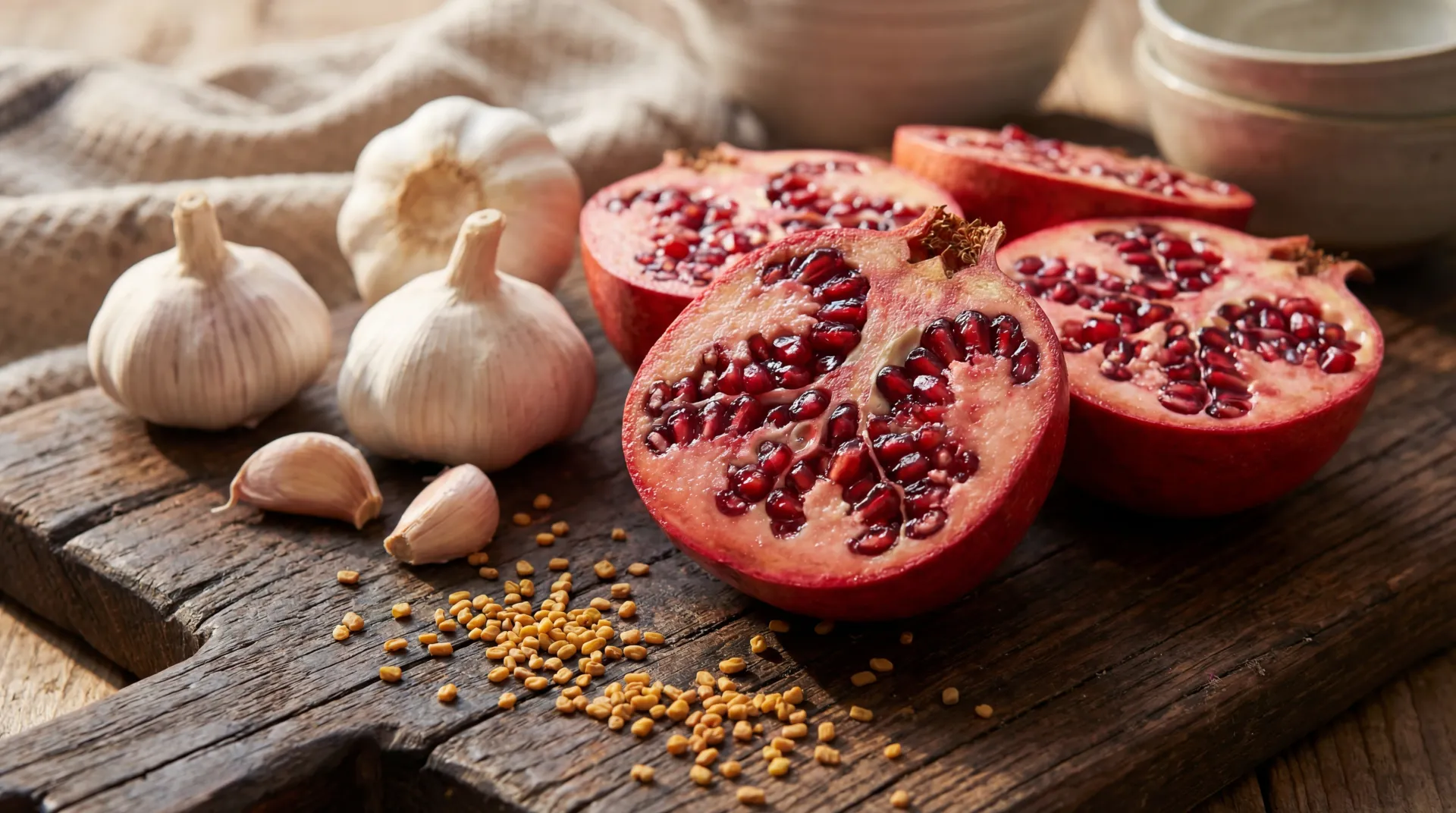
- Natural Libido Boosters: Pomegranate, Garlic, and Fenugreek - Complementary natural compounds that support sexual desire through different pathways.
- Kegel Exercises for Men: A Complete Guide - Pelvic floor training that works alongside supplementation to improve erectile quality and stamina.
- Natural Remedies: Best Testosterone Boosters - Additional evidence-based approaches to supporting healthy testosterone levels naturally.
Medical Disclaimer
This article is for informational and educational purposes only and is not medical advice, diagnosis, or treatment. Always consult a licensed physician or qualified healthcare professional regarding any medical concerns. Never ignore professional medical advice or delay seeking care because of something you read on this site. If you think you have a medical emergency, call 911 immediately.