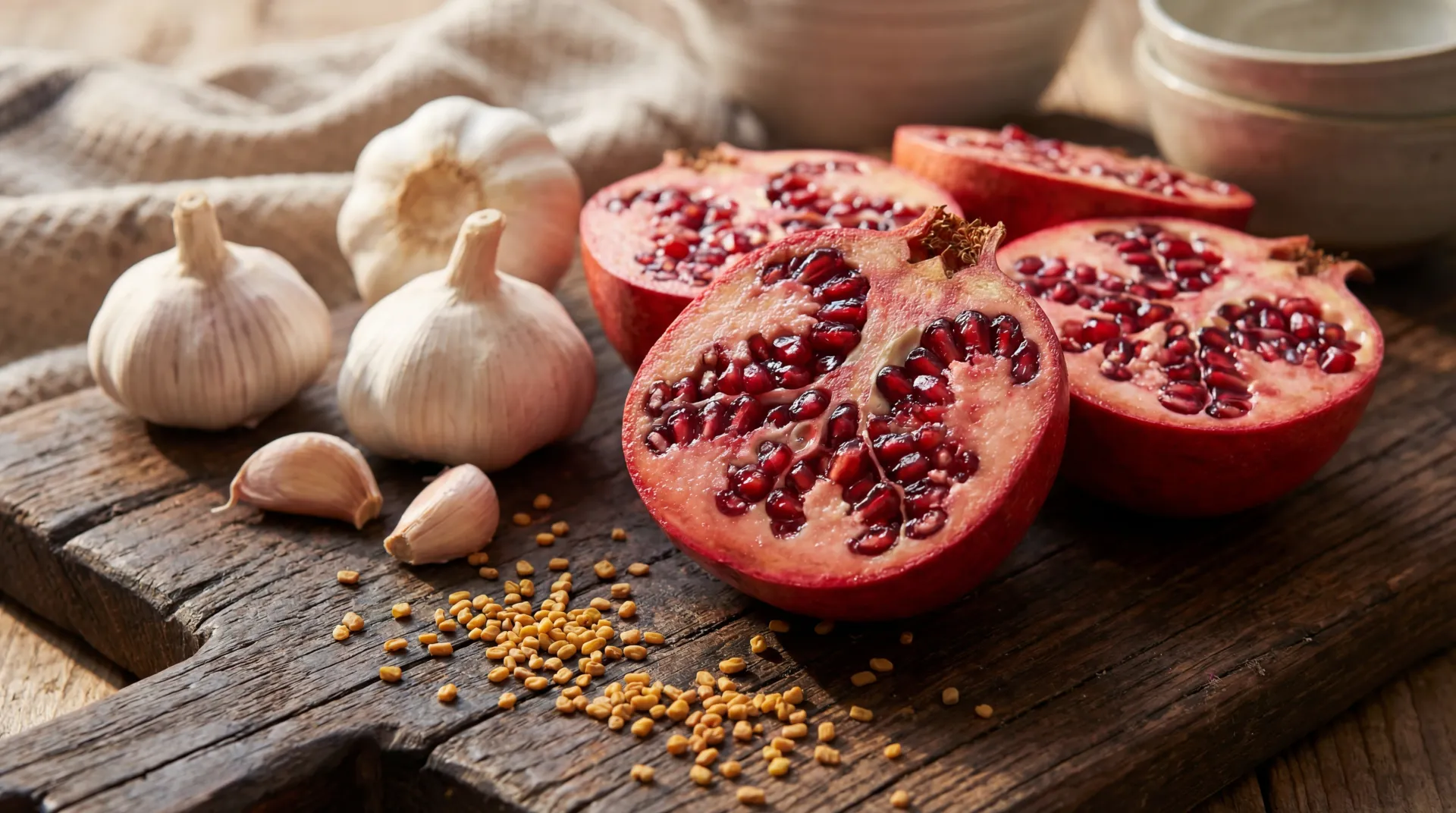
What is black seed oil and why does it keep showing up
Black seed oil comes from Nigella sativa, a flowering plant native to southwest Asia and the Mediterranean. People across the Middle East, India, and North Africa have used the seeds medicinally for over 2,000 years. The Prophet Muhammad reportedly called it "a cure for everything except death." That quote still circulates in supplement marketing, which should tell you something about how the industry operates.
What actually changed is that researchers started running clinical trials on those old claims. A 2019 review in Evidence-based Complementary and Alternative Medicine catalogued studies on cardiovascular disease, diabetes, inflammation, cancer, infections, and neurological conditions. The main bioactive compound is thymoquinone, and it accounts for most of the pharmacological effects seen in both lab and human studies.
Thymoquinone is fat-soluble. That detail matters more than you might expect: the oil form and whole seeds deliver better results than water extracts. Examine.com tracks 88 studies across more than 8,700 participants, and oil-based preparations consistently outperform water-based ones.
Quick fact: Black seed oil contains 0.4-2.5% essential oil with about 40 identified compounds. Thymoquinone concentration varies wildly by extraction method (1.06 to 2,940 mg per kilogram), which means quality and sourcing matter more here than with most supplements.
The seeds themselves pack a dense nutritional profile: roughly 22% protein, 38% fat, 8% fiber, and 32% carbohydrates. They also contain phytosterols (beta-sitosterol, campesterol, stigmasterol) and 9-27 mg of tocopherols (vitamin E compounds) per 100 grams.
Blood sugar and metabolic effects
The blood sugar data is probably the most consistent thing about black seed oil research. Multiple trials in type 2 diabetes patients show results in a similar range, which is unusual for supplement studies.
Trials using 1-3 grams of seeds daily found significant fasting glucose reductions after one month. A separate trial with 2.5 mL of oil twice daily saw blood sugar drops at the 20-day mark. Patients who added 2 grams daily to their existing diabetes medications for three months showed HbA1c improvements, the measure that reflects blood sugar control over weeks rather than a single moment. A 2025 review in Life journal confirmed these findings across multiple trials.
| Dosage Form | Amount | Duration | Key Findings |
|---|---|---|---|
| Whole seeds | 1-3 g/day | 1 month | Significant fasting glucose reduction |
| Oil | 1.5-3 mL/day | 20 days | Reduced random blood sugar |
| Oil | 2.5 mL twice daily | 2 months | Improved glycemic markers |
| Seeds with oral meds | 2 g/day | 3 months | HbA1c improvement |
How does it work? Black seed oil seems to improve insulin sensitivity, slow glucose absorption in the gut, and support pancreatic beta-cell function. A trial of 50 obese participants found that eight weeks of supplementation reduced oxidative stress markers, and oxidative stress feeds into insulin resistance.
If you want to understand how dietary approaches affect blood sugar more broadly, chia seeds use fiber-mediated mechanisms to achieve some of the same metabolic effects.
Heart health and cholesterol
The cardiovascular research breaks into two parts: lipids and blood pressure.
At 2-3 grams daily, black seed significantly dropped total cholesterol and triglycerides in clinical trials. LDL went down consistently across studies. HDL went up at every dose tested. A 57-patient hypertension trial confirmed these lipid changes alongside blood pressure reductions.
| Lipid Marker | Direction | Dosage Range |
|---|---|---|
| Total cholesterol | Decreased | 2-3 g/day seeds |
| LDL cholesterol | Decreased | 2-3 g/day seeds |
| HDL cholesterol | Increased | All tested doses |
| Triglycerides | Decreased | 2-3 g/day seeds |
Blood pressure is where it gets uneven. A year-long study of 57 patients on 2 grams daily found reductions in systolic, diastolic, and mean arterial pressure, plus lower heart rate. Shorter trials at 200-500 mg twice daily for 4-6 weeks also showed drops. But one RCT in elderly patients (300 mg twice daily, four weeks) failed to reach significance. Dose and duration both matter, and the elderly trial may have used too little for too short a period.
The blood pressure mechanism appears to involve calcium channel blockade and increased nitric oxide availability. Those are the same pathways some prescription blood pressure drugs target, which is relevant if you're already on those medications.
For broader context on metabolic health, daily metabolism strategies can work alongside these kinds of supplementation approaches.
When inflammation is the problem
In lab models, thymoquinone showed dose-dependent anti-inflammatory activity comparable to indomethacin, a standard pharmaceutical anti-inflammatory. Pain tests (acetic acid writhing, formalin, tail flick) showed consistent relief. Those are animal studies, but the human data backs them up in at least one area.
Forty women with rheumatoid arthritis took 500 mg of black seed oil capsules twice daily and showed improved disease activity scores. The mechanism hits both cyclooxygenase (COX) and lipoxygenase (LOX) enzymes. Those are the same targets as ibuprofen and aspirin.
Thymoquinone also modulates NF-kB, a signaling pathway that acts as a master switch for inflammatory gene expression. NF-kB controls production of TNF-alpha and interleukins, and when it goes haywire, chronic inflammatory conditions follow.
Context: Lab studies matched indomethacin's potency, but every human trial used black seed oil as an add-on to existing treatment. Nobody has tested it as a standalone anti-inflammatory for serious conditions. The comparison to pharmaceutical drugs applies to mechanism, not clinical recommendation.
The antioxidant numbers are hard to ignore. In rats on an atherogenic diet, black seed extract restored total antioxidant power by 88%. It boosted glutathione S-transferase, glutathione reductase, and glutathione peroxidase, all cellular protection enzymes. Curcumin from turmeric works through similar multi-step anti-inflammatory pathways, which is one reason these two supplements often appear in the same conversations.
Fighting infections across the board
Black seed oil kills bacteria, fungi, viruses, and parasites. That kind of range from a single plant compound is unusual.
Thymoquinone works against both gram-positive and gram-negative bacteria, including Staphylococcus aureus. Against dermatophyte fungi, it outperformed fluconazole (a common antifungal prescription) but fell short of ketoconazole.
| Pathogen Type | Key Finding | Context |
|---|---|---|
| Gram-positive bacteria | Effective across multiple species | Including S. aureus |
| Gram-negative bacteria | Inhibition confirmed | Multiple strains tested |
| Dermatophyte fungi | Better than fluconazole | Less potent than ketoconazole |
| Malaria parasite | 94% reduction | vs. 86% for chloroquine in animal model |
The malaria numbers deserve attention. In an animal model, black seed reduced Plasmodium yoelii infection by 94%, compared to 86% for chloroquine. That is a preclinical result, not a replacement for antimalarial drugs, but it shows how far the antimicrobial reach extends.
In hepatitis C patients, 16.67% became seronegative (virus undetectable) and 50% had significant viral load reductions. Case reports exist for HIV viral suppression at very high doses (10 mL twice daily for six months), though that evidence is far too thin to guide treatment decisions.
Black seed oil also influences both innate and adaptive immune responses, which may explain why traditional practitioners reached for it across so many different infections. Probiotics affect immunity through the gut in a parallel way, addressing the system rather than a specific pathogen.
What about skin, hair, and topical use?
The external uses of black seed oil have their own research track, separate from the oral supplement data. A 2017 review in the Journal of Tropical Medicine covered its dermatological applications.
For acne, the case makes sense on paper: the same antimicrobial compounds that fight S. aureus internally also work when applied to skin. Studies used 10-20% black seed oil preparations applied twice daily.
Psoriasis and vitiligo research is preliminary. Thymoquinone modulates immune responses, and both conditions involve immune dysfunction in the skin. Clinical data is thin, though, especially compared to the metabolic research.
Wound healing has a logical basis: anti-inflammatory plus antimicrobial means fewer complications during repair. A 2025 review (PMID: 41575220) examined thymoquinone specifically for burn injuries and found its mechanisms support tissue repair by reducing both inflammation and infection risk.
Hair claims are mostly traditional. People use it on their scalps in many cultures, and the anti-inflammatory properties could help with scalp conditions. Controlled trials on hair growth? Almost nonexistent.
On the safety side, topical reactions are rare. Only two cases of contact dermatitis appear in the published literature.
How to take it: dosage, forms, and safety
Clinical trials have tested doses from 200 mg to 3 grams daily. The right amount depends on what you're taking it for.
| Condition | Form | Dosage | Duration |
|---|---|---|---|
| Type 2 diabetes | Seeds or oil | 1-3 g/day or 2.5 mL oil twice daily | 1-3 months |
| High blood pressure | Seeds or oil | 200-500 mg twice daily or 2 g/day | 4 weeks to 1 year |
| Rheumatoid arthritis | Capsules | 500 mg twice daily | Duration varied |
| Mood and anxiety | Capsules | 500 mg daily | 4 weeks |
| General supplementation | Oil or seeds | 1-2 g/day | Ongoing |
| Topical skin use | Oil (10-20% preparation) | Applied twice daily | As needed |
Examine.com puts the target at 2 grams daily for metabolic benefits, especially type 2 diabetes. For general use, 1-2 grams daily seems to be enough based on the available trials.
Oil and whole seeds work better than water extracts (again, thymoquinone is fat-soluble). Cold-pressed oil keeps more thymoquinone intact than heat-processed versions. Store it refrigerated in dark, sealed containers. The polyunsaturated fats oxidize if you leave it sitting on a warm shelf.
Safety data is solid for normal doses. The LD50 of thymoquinone in mice is 2.4 g/kg body weight. A 90-day study at doses up to 90 mg/kg/day found no mortality and no significant organ changes. A 12-week study at 2 mL/kg daily showed no liver enzyme alterations or tissue damage. Toxicology researchers summarized the profile as "minor and/or negligible toxicological effects and a wider therapeutic margin."
Drug interactions: Black seed oil can interact with blood pressure medications, blood thinners, and diabetes drugs. It has real pharmacological activity in all three areas, so combining it with prescriptions creates additive risk. Talk to your doctor before starting. Pregnancy safety data is limited.
Mild digestive discomfort is the most common complaint when starting, especially at higher doses. Start with 500 mg daily and increase over two weeks. Like coconut oil, tolerance usually improves with consistent use.
Myths vs. what the evidence actually shows
Black seed oil has attracted claims that run ahead of the research. Here is where things stand.
| Claim | Evidence Level | Reality |
|---|---|---|
| "Cures cancer" | Preclinical only | Thymoquinone kills cancer cells in lab dishes and boosts chemotherapy drugs in animal models. No completed human cancer treatment trials exist. |
| "Replaces diabetes medication" | Moderate human evidence | Improves blood sugar when added to existing meds. No trial has tested it as a standalone replacement for metformin or insulin. |
| "Cures HIV" | Case reports only | A handful of case reports at very high doses. Not treatment evidence. Do not substitute for antiretroviral therapy. |
| "Lowers blood pressure" | Good human evidence | Multiple trials show meaningful reductions at 200 mg+ twice daily over 4+ weeks. |
| "Fixes everything" | Overstated | Genuine pharmacological activity across multiple systems, but most human trials are small (40-100 people) and short-term. |
The cancer research gets the most attention, so it deserves a closer look. Thymoquinone shows concentration-dependent cytotoxicity against breast, cervical, bladder, renal, prostate, and liver cancer cell lines. It triggers apoptosis through p53 activation and mitochondrial pathways, as detailed in a 2025 review in the International Journal of Molecular Sciences. Combined with paclitaxel, gemcitabine, or topotecan, it produced enhanced anticancer effects in lab settings. In animal models, it reduced colorectal tumor growth over 30 weeks.
All real science. None of it evidence for treating cancer in a person. The gap between killing cells in a dish and treating disease in a body is where most promising compounds fail. Thymoquinone is a compound worth studying further, not a cancer treatment you should rely on.
Mood, memory, and the brain
This area of the research gets less coverage but has some interesting early data. Five hundred milligrams daily for four weeks raised serotonin levels and tryptophan (serotonin's precursor) in both plasma and brain tissue of healthy volunteers. They reported more stable mood and less anxiety.
In mice, thymoquinone at 10-20 mg/kg reduced anxiety-like behavior without sedation. Memory studies showed better learning and recall with repeated dosing.
Neuroprotection data is early but worth tracking. In Alzheimer's models, thymoquinone reduced oxidative brain damage markers and broke apart amyloid-beta peptide clumps. In Parkinson's models, it protected dopamine-producing neurons through combined antioxidant and anti-inflammatory action.
The mechanisms are plausible. Neuroinflammation and oxidative stress contribute to most neurodegenerative diseases, and thymoquinone addresses both. But no clinical trials in Alzheimer's or Parkinson's patients have been published yet. If you want to read more about antioxidants and brain health, our guide to honey's neuroprotective compounds covers related ground.
Frequently Asked Questions
How long does it take for black seed oil to show effects?
Most trials saw measurable changes within 4-8 weeks. Blood sugar improvements showed up as early as 20 days in some studies. Cholesterol and blood pressure changes usually needed at least a month. Your response will depend on dose, your starting health, and what you're trying to address.
Can I take black seed oil with prescription medications?
It can interact with blood pressure drugs, diabetes medications, and blood thinners because it has real pharmacological activity in all three areas. The risk is additive effects, not neutralization. Talk to your prescribing doctor before combining, especially if you take warfarin, metformin, or antihypertensives.
Is black seed oil the same as black cumin seed oil?
Yes. Black seed, black cumin, and Nigella sativa are the same plant. Do not confuse it with regular cumin (Cuminum cyminum) or the spice called black cumin (Bunium persicum). Different plants, different properties. Check the Latin name on the label.
What is the best form of black seed oil to take?
Cold-pressed oil and whole seeds deliver the most thymoquinone because it is fat-soluble. Cold-pressed, unrefined oil in dark glass bottles, stored in the fridge, retains the highest potency. Capsules offer consistent dosing. Avoid heat-processed oils when you can, as heat degrades thymoquinone.
Is black seed oil safe during pregnancy?
There is not enough human data to say. Animal toxicology shows a wide safety margin, but that does not transfer automatically to pregnant women. Most practitioners advise against supplementation during pregnancy and breastfeeding until better data exists. Check with your OB-GYN.
Related Articles
- 12 Health Benefits of Turmeric: Ultimate Guide - Turmeric's curcumin works through anti-inflammatory pathways that parallel thymoquinone's mechanisms.
- Health Benefits of Coconut Oil - Another traditional oil with both internal and external applications, plus a reality check on heart health claims.
- Health Benefits of Probiotics: An Evidence-Based Ultimate Guide - Probiotics influence immune function through the gut, complementing what black seed oil does systemically.
- Chia Seeds Benefits and Risks: Ultimate Guide - Chia seeds share some metabolic benefits with black seed through different mechanisms.
Medical Disclaimer
This article is for informational and educational purposes only and is not medical advice, diagnosis, or treatment. Always consult a licensed physician or qualified healthcare professional regarding any medical concerns. Never ignore professional medical advice or delay seeking care because of something you read on this site. If you think you have a medical emergency, call 911 immediately.