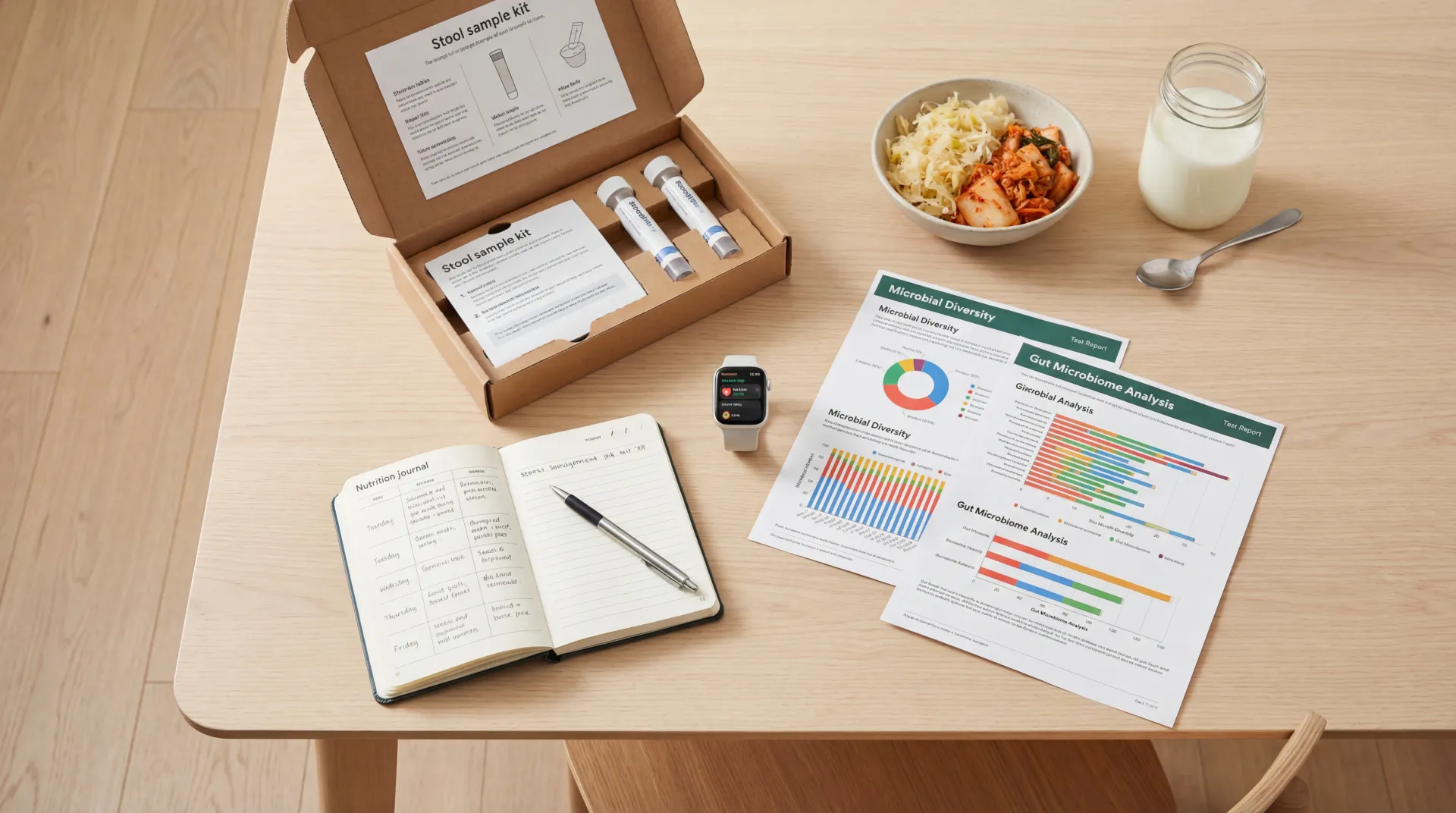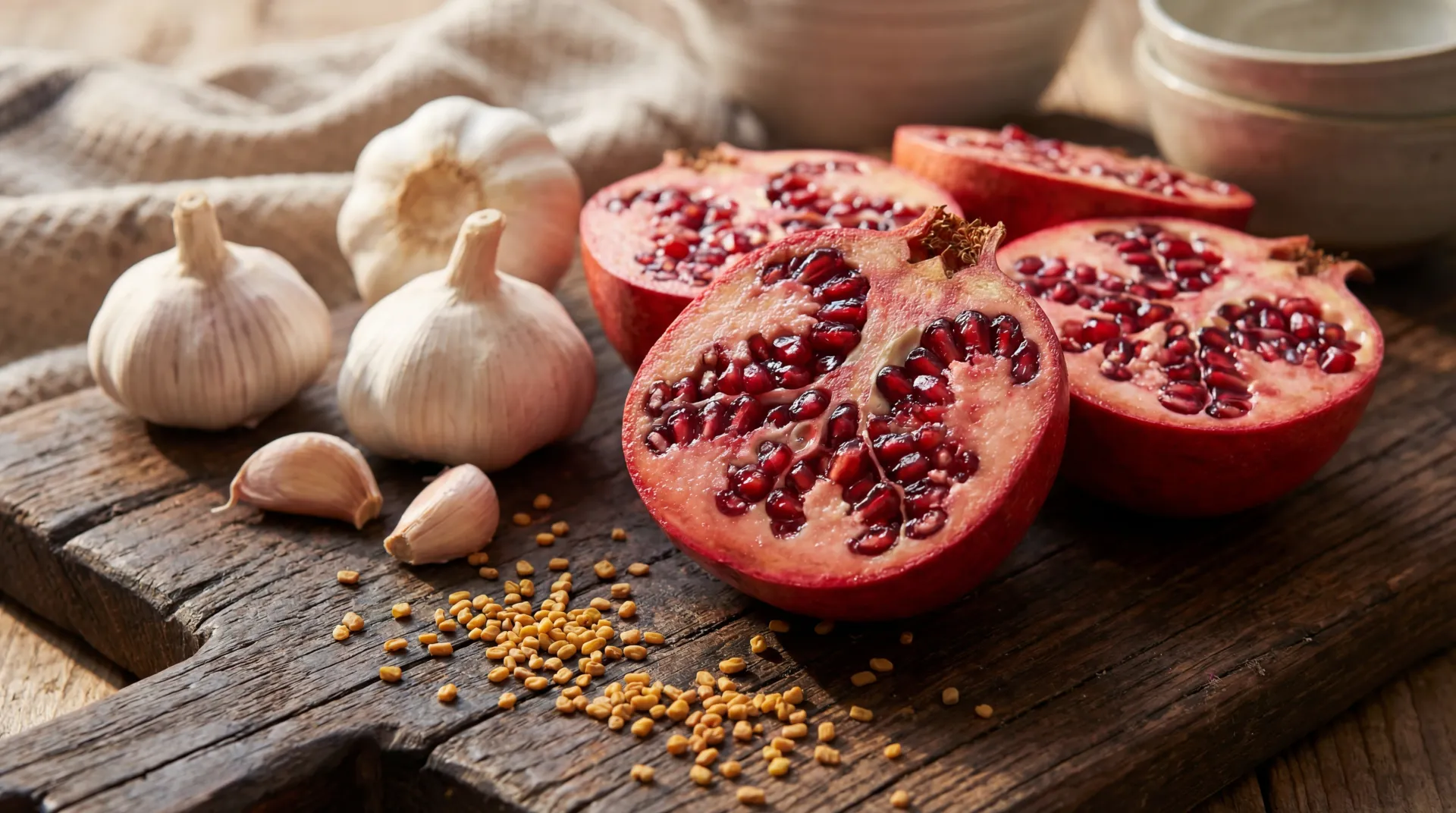
Quick takeaway: Sexual Performance Anxiety affects up to 25% of men. Over 400 "all-natural" supplements have been recalled by the FDA for containing hidden prescription drugs. Meanwhile, L-arginine (1.5-5g daily) and structured pelvic floor training have solid clinical data behind them. Erectile dysfunction is also a known early warning sign for cardiovascular disease.
Why performance anxiety affects 1 in 4 men
Most conversations about erectile dysfunction start with blood flow, testosterone, and vascular mechanics. The part that rarely gets discussed is Sexual Performance Anxiety (SPA), a condition estimated to affect between 9% and 25% of men across all age groups. SPA is not recognized as a standalone clinical diagnosis in standard psychiatric or urological manuals, which means there are no standardized treatment protocols and limited targeted research.
The basic physiology explains why SPA is so destructive. An erection is a parasympathetic event. When aroused in a relaxed state, parasympathetic nerves release nitric oxide, which relaxes smooth muscle in the corpora cavernosa and allows blood to fill the penis. But when performance anxiety kicks in, the brain treats the encounter as a threat. The sympathetic nervous system floods the bloodstream with adrenaline and cortisol, powerful vasoconstrictors that redirect blood away from the pelvis and toward major muscle groups. The biology of an erection requires vasodilation; sympathetic overdrive makes that impossible.
An online study of over 12,000 men found direct links between SPA and both erectile dysfunction and premature ejaculation. About 75% of respondents reported intrusive feelings of inadequacy during sex, and 32% of those reported a corresponding physical response: lost erection, low arousal, or sudden cognitive distraction. That cycle of failure feeding more anxiety is what makes SPA so hard to break without help.
Treatment typically combines Cognitive Behavioral Therapy (CBT) or mindfulness training with PDE5 inhibitors like sildenafil or tadalafil. The medication does not fix the underlying anxiety, but by ensuring a reliable physical response, it breaks the psychological loop. Once confidence returns, many men gradually reduce and stop the medication. For men dealing with stress-related issues, breathing techniques for stress relief can be a useful complement to professional treatment.
What pomegranate juice and garlic actually do
Both pomegranate juice and garlic target the nitric oxide pathway, the chemical trigger for penile engorgement. They just work differently.
Pomegranate is rich in antioxidants and polyphenols that protect nitric oxide from oxidative destruction. Unchecked oxidative stress damages the pelvic vasculature and causes fibrotic scarring of erectile tissue. A 2007 randomized, double-blind crossover trial in the International Journal of Impotence Research tested this in 53 men with mild to moderate ED. After drinking 8 ounces of pomegranate juice daily for 4 weeks, men were more likely to report improved erectile scores, though the result (p=0.058) narrowly missed the conventional significance threshold of 0.05. Animal studies back up the trend: rats given pomegranate extract for seven weeks showed large increases in penile blood flow and improvements in sperm quality.
Garlic works the other direction. Rather than protecting existing nitric oxide, its sulfurous compounds stimulate production of nitric oxide synthase (NOS), the enzyme that manufactures NO from amino acids. Rodent models consistently show improved penile blood flow with garlic extract. Garlic also inhibits caspase-3 and CYP2E1, enzymes that damage testicular tissue, which may support fertility. For more on garlic's broader health benefits, the evidence extends well beyond sexual health.
One notable caution: while moderate garlic intake (1-2 fresh cloves daily) acts as an antioxidant, some animal models show that extremely high doses can actually inhibit testosterone production and exhibit mild spermicidal properties.
| Intervention | Mechanism | Clinical Evidence | Studied Intake |
|---|---|---|---|
| Pomegranate Juice | Antioxidant protection of nitric oxide; prevents fibrotic scarring | GAQ improvement (p=0.058) in double-blind crossover trial of 53 men | 4-8 oz pure juice daily |
| Garlic | Stimulates NOS; inhibits testicular toxicity enzymes | Strong animal data for penile blood flow; robust human cardiovascular data | 1-2 fresh cloves daily |
Fenugreek raised free testosterone 37% but nobody felt different
Fenugreek is marketed as a natural testosterone booster that can rival hormone replacement therapy. A 2024 double-blind trial published in PLOS ONE tested this in 95 men aged 40-80 over 12 weeks. Participants took either placebo or a standardized fenugreek extract (TrigozimR) at 600, 1200, or 1800 mg daily.
The salivary testosterone results were striking. Across all active doses, participants saw a 37.2% increase in free salivary testosterone compared to placebo (p=0.042). At 1800 mg, levels remained 19.6% elevated through the full 12 weeks (p=0.006).
Then came the paradox. Blood plasma measurements told a different story: total testosterone and the Free Testosterone Index increased 13.0% and 16.3% from baseline, but these changes failed to reach significance against placebo (p=0.122 and p=0.059 respectively). The placebo group's blood testosterone also rose enough to blur the lines, a reminder of how powerful placebo effects are in sexual health research.
The real surprise was the subjective data. Despite the 37.2% rise in free salivary testosterone, men reported zero improvement in libido or sexual wellbeing. Previous meta-analyses had found fenugreek improved libido and arousal, but this cohort felt nothing. Human libido is not a dial you turn with hormones alone. Psychology, relationships, stress, and sleep all factor in. For men exploring natural testosterone support, fenugreek's safety profile remains excellent (no adverse effects, only mild GI discomfort and a distinct maple syrup odor in urine from the compound sotolon), but expectations should be realistic.
L-arginine, maca, and zinc: the evidence
L-Arginine is the most straightforward of the three. It is the direct biological substrate for nitric oxide synthase, meaning the body converts it directly into the molecule that relaxes blood vessels. A systematic review of 10 randomized controlled trials (540 patients total) found that 1,500-5,000 mg daily produced significant improvements in erectile function (OR: 3.37, p=0.01). Patients reported better sexual satisfaction and orgasmic function, but their desire scores stayed unchanged. L-arginine is a vascular aid, not an aphrodisiac. Contraindications include herpes simplex virus (it can trigger outbreaks), recent heart attack, and concurrent use with PDE5 inhibitors without medical supervision. For more on nutrition approaches to erection quality, L-arginine is one piece of a larger picture.
Maca Root does something L-arginine cannot: it increases subjective desire. A systematic review across 17 databases found that 1.5-3.0g daily over 8-12 weeks improved self-reported sexual desire. But bloodwork from these trials shows zero change in testosterone, FSH, LH, or estradiol. Maca's effect appears to be entirely neurological, possibly modulating neurotransmitters related to pleasure and energy. Only one small study reports it improves physical erectile function, so it is better characterized as a mild psychological libido enhancer than an ED treatment.
Zinc operates on the endocrine system. It is essential for testosterone synthesis in the testicular Leydig cells. For men who are clinically zinc-deficient (a condition linked to hypogonadism), 30 mg daily can restore testosterone to healthy baseline levels. But for men with adequate zinc status, more does not mean more testosterone. The body tightly regulates zinc absorption, and exceeding 40-50 mg daily long-term causes copper deficiency, neurological problems, and immune suppression.
| Supplement | Dosage Range | Mechanism | Efficacy and Risks |
|---|---|---|---|
| L-Arginine | 1,500-5,000 mg daily | Direct nitric oxide precursor; vascular smooth muscle relaxation | High efficacy for mild-moderate ED (OR: 3.37). Avoid post-heart attack; triggers herpes outbreaks |
| Maca Root | 1,500-3,000 mg daily | Neurological libido enhancement; no hormonal changes | Effective for subjective desire only. Insufficient evidence for physical ED reversal |
| Zinc | 30 mg daily (if deficient) | Essential catalyst for testosterone synthesis in Leydig cells | Restores testosterone only in deficient men. Long-term high doses deplete copper |
Pelvic floor training that increased stamina fivefold
The male pelvic floor, specifically the bulbocavernosus and ischiocavernosus muscles, maintains penile rigidity by compressing the crus and trapping blood. These same muscles control the ejaculatory reflex. The American Urological Association now recommends pelvic floor muscle training (PFMT) as a primary intervention for both premature ejaculation and erectile dysfunction.
A 2014 clinical trial by Pastore et al. tested a 12-week protocol on 40 men with severe lifelong premature ejaculation (baseline ejaculatory latency of 60 seconds or less). The program was far more intensive than casual Kegel squeezes: three 60-minute sessions per week, each divided into targeted physical exercises with isometric and isotonic contractions, electrostimulation via anal probe to activate dormant muscle pathways, and biofeedback training using perineometry devices to develop conscious control over perineal contractions.
The critical insight was the "in vivo" integration during actual sexual activity. Men learned to recognize the pre-ejaculatory urge and, instead of tensing up (which triggers ejaculation), deliberately relax the pelvic floor muscles to abort the reflex.
Results: 33 of 40 patients (82.5%) gained voluntary control over ejaculation. Mean latency jumped from 31.7 seconds to 146.2 seconds, nearly a fivefold increase. At 6-month follow-up without ongoing clinical supervision, patients maintained a mean of 112.6 seconds. A subsequent 2025 study by Lyu et al. confirmed these findings and added that PFMT significantly reduced depression and anxiety scores, showing that restoring physical control rapidly improves psychological wellbeing.
Over 400 tainted supplements and the drugs hiding inside
The FDA's Health Fraud Scams Database has logged over 419 entries for tainted sexual enhancement products as of early 2026. Products marketed as "all-natural" under names like ForeverMen, Sustain, and Vitality are sold as honey packets, chocolates, or capsules at gas stations and online. Lab analysis consistently reveals they contain undeclared sildenafil, tadalafil, or novel chemical analogues like propoxyphenylsildenafil that have never been tested in humans.
This is not a labeling issue. PDE5 inhibitors cause systemic vasodilation. If a man taking nitrate medications (nitroglycerin for heart disease, for example) unknowingly ingests one of these products, the combined effect can cause catastrophic blood pressure drops, loss of consciousness, and sudden cardiac death. An estimated 23,000 emergency room visits per year are linked to supplement reactions, with over 3% tied directly to sexual enhancement products.
Why do men buy these instead of seeing a doctor? A Cleveland Clinic survey found that 60% of men avoid the doctor as long as possible, and 20% admit to lying during visits. The embarrassment of discussing sexual failure is a significant driver. Cost also plays a role, though generic sildenafil through telehealth platforms now costs around $4 per pill. A Healthline survey found that 63% of users reported generic sildenafil was "more effective" than brand-name Viagra, likely because the reduced financial stress lowered their performance anxiety.
Medication-induced ED is another underappreciated factor. Antipsychotics, non-selective beta-blockers, opioids, and SSRIs all cause erectile dysfunction through distinct mechanisms. Men experiencing side effects from prescribed medications often seek unregulated alternatives rather than returning to the doctor who prescribed the problem.
| Drug Class | Condition Treated | How It Causes ED |
|---|---|---|
| Antipsychotics | Schizophrenia, bipolar disorder | Dopamine inhibition; elevated prolactin |
| Non-selective beta-blockers | Hypertension | Peripheral vascular constriction; hormonal changes |
| Opioid analgesics | Chronic pain | HPG axis suppression; rapid testosterone decline even in young men |
Four myths that keep men from getting help
Myth: ED is "all in your head" or just normal aging. While psychological factors like SPA are real contributors, ED is fundamentally a vascular disorder. The penile arteries are smaller than coronary arteries, so plaque buildup and endothelial dysfunction show up as erectile failure 3-5 years before a major cardiac event. The AUA considers ED an early warning sign for heart disease, diabetes, and hypertension.
Myth: Male infertility is rare. Male factors contribute to roughly 50% of all infertility cases globally. Semen analysis early in the conception process can spare the female partner from unnecessary invasive procedures. For practical steps, see our guide on foods that boost fertility.
Myth: Testosterone supplements boost fertility. Exogenous testosterone actually destroys sperm production. When the brain detects artificially high testosterone levels, it stops producing LH and FSH, shutting down both natural testosterone synthesis and spermatogenesis. The result is testicular atrophy and chemically induced infertility.
Myth: ED only affects older men. About 40% of men experience some degree of ED by age 40. Incidence in men under 40 is rising, driven by sleep deprivation, metabolic syndrome, and psychological stress.
Frequently Asked Questions
Should I see a doctor for mild ED, or try supplements first?
Supplements like L-arginine can support mild vascular issues, and maca may help with desire. But if ED persists longer than 3 months, clinical guidelines recommend seeing a physician. ED is frequently an early indicator of cardiovascular disease, diabetes, or hypertension. A doctor can run lipid panels, HbA1c, and hormone tests to rule out serious underlying conditions.
How long does L-arginine take to work?
Clinical trials typically evaluate L-arginine over 6-8 weeks for sustained vascular improvements. For acute use, it is often taken 60-90 minutes before activity. It is generally safe daily, but strictly contraindicated for anyone with herpes simplex virus or recent heart attack. Do not combine with PDE5 inhibitors like Viagra without medical supervision, as the combined vasodilation can cause dangerous blood pressure drops.
Are generic ED medications as effective as brand-name pills?
Yes. Generic sildenafil contains the identical active ingredient at the same dosage as Viagra. In consumer surveys, 63% actually rated the generic more effective, which researchers attribute to reduced financial stress (roughly $4 vs $90 per pill) lowering performance anxiety.
How should I perform pelvic floor exercises based on the clinical data?
The protocol that produced a fivefold increase in ejaculatory latency trained both fast-twitch and slow-twitch fibers: rapid 1-second "flick" contractions followed by sustained isometric holds lasting several seconds. The key for sexual stamina is not just strengthening these muscles but learning to voluntarily relax them during high arousal. That deliberate relaxation is the physical mechanism that delays ejaculation.
Will testosterone boosters make me infertile?
If you are taking exogenous testosterone (steroids, gels, injections, or potent synthetic boosters), yes. Natural supplements like zinc or fenugreek may mildly support the body's own production without shutting it down. But actual testosterone entering the bloodstream from outside sources causes the brain to halt LH and FSH production, leading to severely impaired fertility and testicular shrinkage.
Related Articles
- Erections, stamina, and nutrition - Evidence-based guide to foods and vitamins that support erectile health and physical endurance.
- Health benefits of an active sex life - How regular sexual activity affects cardiovascular health, immunity, and mental wellbeing.
- Natural testosterone boosters - Research-backed approaches to supporting healthy testosterone levels without synthetic hormones.
- Foods that boost fertility - Dietary strategies supported by reproductive research for both male and female fertility.
- Health benefits of garlic - Comprehensive look at garlic's cardiovascular, immune, and metabolic effects beyond sexual health.
Medical Disclaimer
This article is for informational and educational purposes only and is not medical advice, diagnosis, or treatment. Always consult a licensed physician or qualified healthcare professional regarding any medical concerns. Never ignore professional medical advice or delay seeking care because of something you read on this site. If you think you have a medical emergency, call 911 immediately.