What is quercetin, and where does it come from?
Quercetin is a flavonoid, one of the pigments that gives red onions, apples, and berries their color. It belongs to a subclass called flavonols and sits in practically every fruit and vegetable you eat, though some foods pack far more than others. Humans consume an estimated 5 to 40 mg of quercetin daily through a typical diet, with higher intakes in people who eat lots of produce.
Plants make quercetin to protect themselves against UV radiation and pathogens. We get it secondhand when we eat those plants. The compound has attracted research attention since the 1990s, but interest spiked over the past five years as studies on its allergy and immune effects moved from lab dishes to human trials.
What makes quercetin worth looking at specifically? In cell and animal studies, it stabilizes mast cells (the immune cells behind allergic reactions) and dials down inflammatory signaling. Whether those effects hold up at typical supplement doses is a harder question, and one worth examining carefully.
How quercetin tames allergic reactions
Allergic reactions start with mast cells. When your body encounters an allergen, IgE antibodies bind to receptors on mast cells and trigger degranulation, the process where mast cells dump histamine and other inflammatory mediators into surrounding tissue. That histamine release is what produces the sneezing, itching, watery eyes, and congestion that make allergy season miserable.
Quercetin appears to interrupt this process at multiple points. Research published in Allergy, Asthma, and Clinical Immunology found that quercetin inhibits mast cell degranulation through the Nrf2-HO-1 pathway, essentially making mast cells less reactive to IgE stimulation. A separate 2025 study identified quercetin's ability to negatively regulate IgE-mediated mast cell activation through the CD300f receptor, reducing chronic urticaria symptoms in both cell models and animal studies.
Quick fact: Quercetin inhibits histamine release, suppresses pro-inflammatory cytokines, and reduces leukotriene formation, three separate mechanisms that all contribute to dampening allergic responses.
Beyond histamine, quercetin also reduces production of leukotrienes and prostaglandins, both of which amplify the inflammatory cascade that follows an initial allergic trigger. A 2016 review in Molecules noted quercetin's ability to inhibit lipoxygenase and eosinophil peroxidase, two enzymes that fuel late-phase allergic inflammation in conditions like asthma and rhinitis.
For allergic rhinitis specifically, the evidence is early but promising. Animal studies show that oral quercetin at 25 mg/kg bodyweight inhibited nasal rubbing and sneezing in rhinitis models. A few human studies using bioavailable quercetin formulations showed symptom improvements, though these were small and mostly tested quercetin alongside other compounds like turmeric or vitamin C, making it hard to isolate quercetin's solo contribution.
| Allergic mechanism | What quercetin does | Evidence level |
|---|---|---|
| Mast cell degranulation | Stabilizes mast cells via Nrf2-HO-1 and CD300f pathways | Strong (cell + animal) |
| Histamine release | Inhibits discharge from activated mast cells | Strong (cell + animal) |
| Leukotriene production | Blocks lipoxygenase enzyme activity | Moderate (cell studies) |
| IgE antibody formation | Suppresses IL-4 and shifts Th1/Th2 balance | Moderate (animal) |
| Rhinitis symptoms | Reduced nasal rubbing and sneezing in animal models | Preliminary (animal + small human) |
Quercetin and your immune system
Your immune system has to walk a fine line. Aggressive enough to fight off infections, restrained enough to leave your own tissues alone. People with allergies know what happens when that balance tips. Quercetin seems to work on both sides of the problem.
On the antiviral front, quercetin has demonstrated activity against several viruses in lab settings, partly by interfering with viral replication and partly by supporting interferon signaling. This is what drove the wave of quercetin interest during the COVID-19 pandemic, though large-scale clinical trials confirming meaningful antiviral effects at supplemental doses remain limited.
More interesting is quercetin's effect on immune cell balance. The compound influences the Th1/Th2 ratio, a key measure of immune orientation. In allergic individuals, the immune system tilts too far toward Th2 responses, producing excess IgE and driving allergic inflammation. Research shows quercetin suppresses GATA-3 transcription factor, which controls Th2 differentiation, shifting the balance back toward Th1 responses without overcorrecting.
A 2026 randomized, double-blind, placebo-controlled trial examined quercetin glycoside supplementation in older adults and its effects on vaccine responses. The study explored whether quercetin's anti-inflammatory properties could improve immune responses in an aging population where immune function naturally declines. Full results are still forthcoming, but the fact that this got funded as a rigorous RCT tells you something about where the research is headed.
Quercetin also supports natural killer (NK) cell activity, the immune cells responsible for identifying and destroying virus-infected cells and early cancer cells. Animal studies show increased NK cell counts and activity with quercetin supplementation, though human data is sparse. The compound also appears to reduce oxidative stress within immune cells, helping them function more efficiently during infection responses.
One thing that often gets left out of the marketing: quercetin's immune effects vary with age. The compound appears to have stronger anti-inflammatory effects in adults under 45 than in older populations, according to dosage analysis from Examine. This age-dependent response may relate to differences in baseline inflammation levels and gut absorption capacity.
The anti-inflammatory case for quercetin
Chronic low-grade inflammation shows up in cardiovascular disease, type 2 diabetes, autoimmune conditions, and neurodegeneration. It is a common thread in most of the diseases that kill slowly. Quercetin targets the NF-kB pathway, one of the master switches of inflammatory gene expression.
Specifically, quercetin blocks airway epithelial cell IL-8 and MCP-1 expression by attenuating signaling through the PI-3 kinase/Akt/NF-kB pathway. In plain terms, it turns down the volume on chemical signals that recruit inflammatory cells to damaged or irritated tissue.
For a measurable biomarker, quercetin's effect on C-reactive protein (CRP) is the best studied. At doses of 500 mg per day or higher, taken for six to ten weeks, adults under 45 showed reductions in CRP levels. That is not a subtle finding. CRP is a widely used marker that doctors check routinely, and bringing it down through a dietary compound, even modestly, has clinical relevance.
The caveat: quercetin does not appear to significantly affect IL-6 or TNF-alpha, two other major inflammatory markers. This suggests the compound targets specific inflammatory pathways rather than providing broad-spectrum anti-inflammatory coverage. If you are dealing with conditions primarily driven by those cytokines, quercetin alone probably will not move the needle.
| Inflammatory marker | Quercetin's effect | Dose studied | Duration |
|---|---|---|---|
| C-reactive protein (CRP) | Significant reduction in adults under 45 | 500+ mg/day | 6-10 weeks |
| IL-6 | No significant effect observed | Various | Various |
| TNF-alpha | No significant effect observed | Various | Various |
| Blood pressure (systolic) | Modest reduction | 500+ mg/day | 8+ weeks |
| LDL cholesterol | May improve at higher doses | 100-500 mg/day | 8-12 weeks |
Newer research is exploring quercetin in targeted delivery systems. A 2026 study tested quercetin-loaded microcapsules for arthritis, finding that encapsulated quercetin promoted anti-inflammatory action through intestinal serotonin modulation and preserved mucosal architecture. Another team developed butyrate-quercetin nanocarriers for colitis therapy, combining quercetin's anti-inflammatory properties with gut microbiome support. These delivery approaches may solve quercetin's biggest limitation: poor bioavailability.
People interested in reducing inflammation through dietary patterns should view quercetin supplementation as a potential complement to, not replacement for, broader anti-inflammatory eating strategies. Foods rich in quercetin also contain fiber, other polyphenols, and micronutrients that work together in ways a single-compound supplement cannot replicate.
Food sources vs. supplements
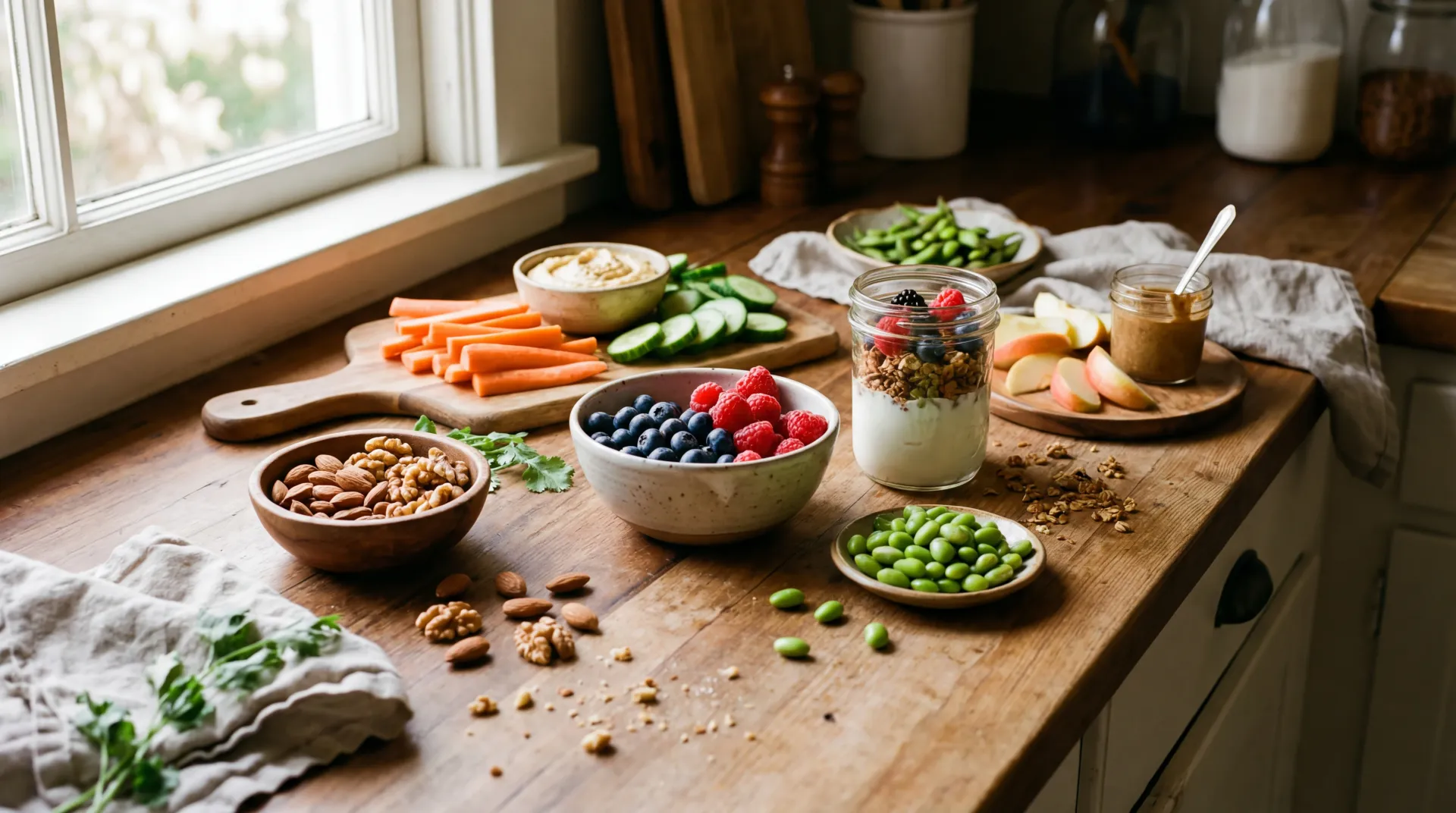
Getting quercetin from food is straightforward if you know where to look. Onions, particularly red and yellow varieties, are the single richest dietary source. A medium red onion contains roughly 30 to 50 mg of quercetin. Apples (with skin on) provide about 10 to 15 mg each. Berries, capers, broccoli, kale, and green tea round out the list.
| Food source | Quercetin content (approximate) | Notes |
|---|---|---|
| Red onions | 30-50 mg per medium onion | Outer layers contain highest concentration |
| Capers (raw) | 180-230 mg per 100g | Highest food source, but rarely eaten in large quantities |
| Apples (with skin) | 10-15 mg per medium apple | Skin contains most of the quercetin |
| Berries (various) | 3-15 mg per serving | Blueberries, cranberries, lingonberries |
| Broccoli | 3-5 mg per cup | Higher in florets than stalks |
| Green tea | 2-4 mg per cup | Varies widely by brewing time |
| Kale | 7-10 mg per cup | Higher than most leafy greens |
The gap between dietary intake (5-40 mg/day) and supplement doses used in studies (200-1,000 mg/day) is massive. You would need to eat ten to twenty medium red onions daily to match a standard 500 mg supplement dose. Nobody is doing that. This is why researchers study supplemental forms, and why supplement companies market quercetin so aggressively.
Bioavailability is the main problem with quercetin supplements. Most products use the aglycone (free) form, which is considered less bioavailable than the quercetin glucosides found naturally in food. The compound is largely metabolized in the intestine and liver, and blood levels from standard supplements stay low unless you take steps to improve absorption.
Absorption tip: Taking quercetin with a fat source or combining it with bromelain (a pineapple enzyme) or vitamin C appears to improve absorption. Some newer formulations use lecithin-based phytosome technology or emulsified delivery to boost bioavailability by 10 to 20 times over standard powder capsules.
A 2025 review on lecithin-based quercetin formulations found that these newer delivery systems significantly improved both absorption and clinical outcomes compared to standard quercetin supplements, particularly for allergic conditions. If you are choosing a supplement, the formulation matters as much as the dose.
Timing matters too. Quercetin taken with meals containing fat absorbs better than on an empty stomach. Some practitioners recommend splitting the daily dose, taking half in the morning and half with dinner, to maintain more consistent blood levels throughout the day.
That said, a diet built around quercetin-rich foods delivers more than just quercetin. Red onions also provide chromium, vitamin C, and prebiotic fibers. Apples deliver pectin and various polyphenols. The overall nutritional package from food almost always beats an isolated compound in a capsule. If you are building a gut-friendly diet, the prebiotic fibers in quercetin-rich vegetables may offer an additional benefit that supplements completely miss.
Dosage, safety, and who should be careful
The doses used in research vary widely depending on the condition being studied:
- Allergic rhinitis: 200 mg/day based on limited human evidence
- Inflammation (CRP reduction): 500 mg/day or higher for 6-10 weeks
- Blood pressure: 500+ mg/day for 8 or more weeks
- Cholesterol improvement: 100-500 mg/day for 8-12 weeks
Most supplement labels recommend 500 to 1,000 mg per day, split into two doses. This range aligns with the research for anti-inflammatory effects but exceeds what has been tested for allergic rhinitis specifically.
Quercetin is generally considered safe at supplemental doses for most adults. No serious adverse effects have been consistently reported in clinical trials at doses up to 1,000 mg/day. However, there are populations that should exercise caution:
- People on blood thinners: Quercetin may interact with warfarin and other anticoagulants by affecting cytochrome P450 enzymes
- People taking cyclosporine: Quercetin can increase blood levels of this immunosuppressant
- People on certain antibiotics: Quercetin may interact with fluoroquinolone antibiotics
- Pregnant and breastfeeding women: Insufficient safety data at supplemental doses (dietary amounts are fine)
If you are already managing immune health with prescription medications, talk to your doctor before adding quercetin supplements. Drug-supplement interactions are the most legitimate safety concern here.
Myths vs. facts about quercetin
Quercetin has picked up plenty of claims, some justified, some not. The table below sorts them out.
| Claim | Reality | Evidence |
|---|---|---|
| "Quercetin cures allergies" | It reduces mast cell reactivity and histamine release, but it is not a cure. It works best as a preventive taken before allergy season, not as a rescue medication. | Animal + limited human data |
| "Quercetin replaces antihistamines" | It acts on different mechanisms than drugs like cetirizine. Some people use both together, but quercetin alone is unlikely to match pharmaceutical antihistamines for acute symptom relief. | Mechanistic studies |
| "Any quercetin supplement works equally well" | Bioavailability varies enormously between formulations. Standard quercetin aglycone has poor absorption compared to phytosome or lecithin-based forms. | Pharmacokinetic studies |
| "Quercetin prevents COVID-19" | Lab studies showed antiviral activity, but clinical trials did not confirm meaningful prevention or treatment effects at supplemental doses. | Overstated; clinical trials negative |
| "You can get enough from food alone for therapeutic effects" | Typical dietary intake (5-40 mg/day) is well below the 200-500 mg/day used in studies. Food is beneficial but insufficient for studied therapeutic doses. | Dietary surveys + clinical trials |
| "Quercetin works for everyone equally" | Anti-inflammatory effects appear stronger in adults under 45. Age, gut health, and baseline inflammation levels all affect response. | Meta-analyses |
One area worth watching: quercetin's potential in food allergy research. A 2026 study found that quercetin, combined with chlorogenic acid, alleviated food allergy responses through the PPAR-gamma signaling pathway in mouse models. Food allergies are a tougher clinical target than seasonal allergies, but this line of research suggests quercetin may have broader applications than initially thought.
Frequently Asked Questions
How long does quercetin take to work for allergies?
Most researchers suggest starting quercetin supplementation two to four weeks before allergy season for best results. It works by stabilizing mast cells preventively rather than blocking histamine after release, so it needs time to build up a protective effect. People who start during active symptoms may wait four to six weeks before noticing changes.
Can you take quercetin with antihistamines?
There are no known direct interactions between quercetin and over-the-counter antihistamines like cetirizine or loratadine. Some allergists suggest the combination may be more effective than either alone since they work through different mechanisms. However, check with your pharmacist if you take prescription antihistamines or other allergy medications.
Is quercetin safe for children?
Quercetin from dietary sources is safe for children. For supplemental doses, there is limited pediatric research and no established dosage guidelines. Most supplement labels indicate adult use only. If you are considering quercetin supplements for a child with allergies, consult their pediatrician first.
What is the best form of quercetin supplement?
Phytosome-based or lecithin-encapsulated quercetin formulations show substantially better absorption than standard quercetin aglycone (the free form found in most capsules). Look for products that specify "quercetin phytosome" or "quercetin dihydrate" on the label. Taking any form with fat or bromelain also helps absorption.
Does cooking destroy quercetin in foods?
Quercetin is moderately heat-stable but water-soluble. Boiling onions or vegetables and discarding the water reduces quercetin content by 20 to 75 percent depending on duration. Steaming, sauteing, or using cooking liquid in soups preserves more quercetin than boiling and draining.
Related Articles
- 12 Health Benefits of Turmeric - Another well-studied anti-inflammatory compound that pairs well with quercetin in both cooking and supplementation.
- Anti-Inflammatory Eating Patterns: Mediterranean vs. DASH vs. Plant-Based - How dietary patterns rich in quercetin-containing foods compare for reducing chronic inflammation.
- Nutrition for a Better, Stronger Immune System - Broader look at the nutrients and dietary strategies that support immune function alongside quercetin.
- Natural Ways to Strengthen Your Immune System in Winter - Seasonal immune support strategies including flavonoid-rich foods and supplements.
- Allergies and Food Sensitivities: Tips and Tricks - Practical guidance for managing allergic reactions and sensitivities through diet and lifestyle adjustments.
Medical Disclaimer
This article is for informational and educational purposes only and is not medical advice, diagnosis, or treatment. Always consult a licensed physician or qualified healthcare professional regarding any medical concerns. Never ignore professional medical advice or delay seeking care because of something you read on this site. If you think you have a medical emergency, call 911 immediately.