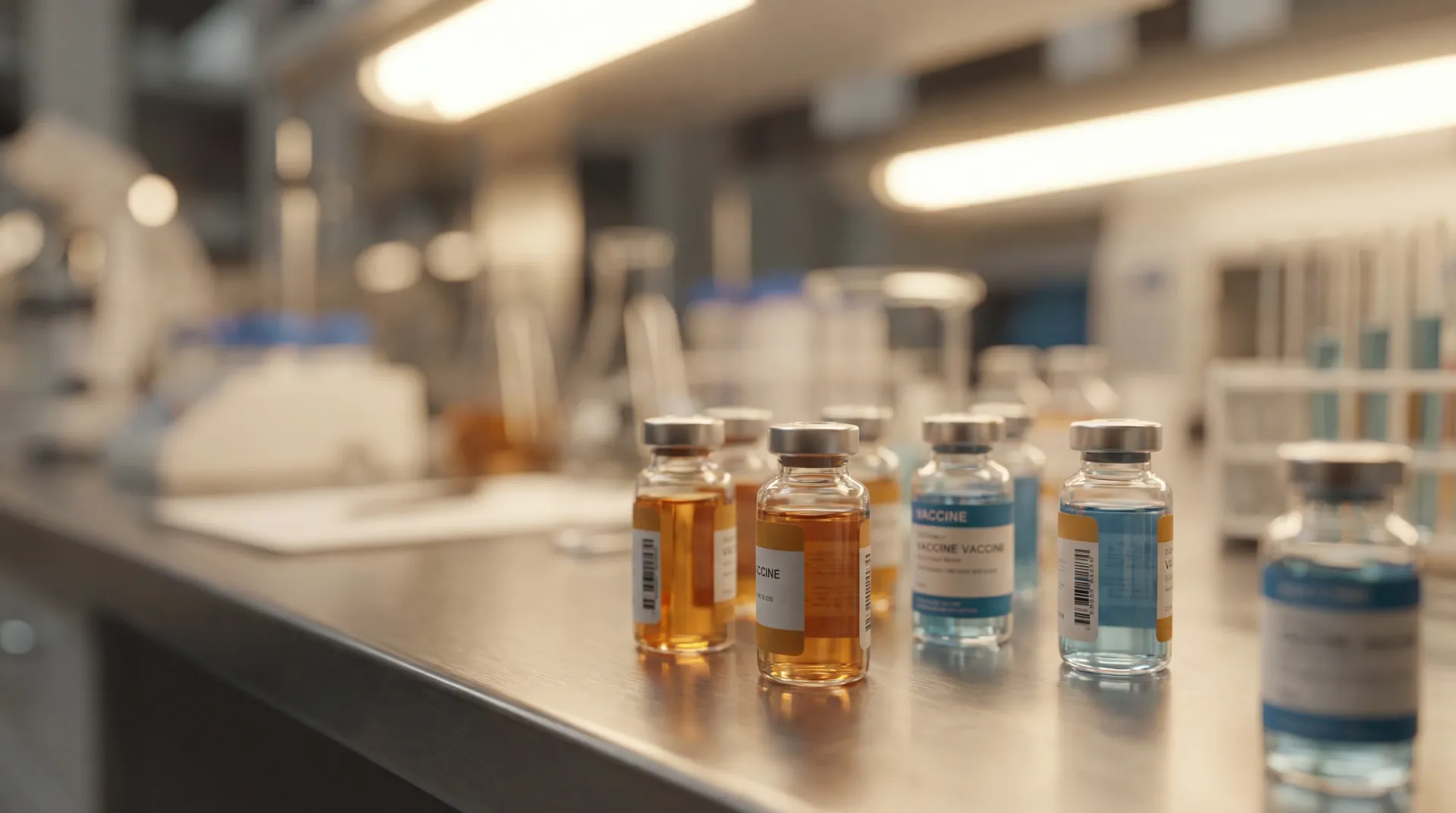
Two vaccines already exist that directly prevent cancer. The HPV vaccine blocks the virus behind roughly 90% of cervical cancers and a growing share of throat and anal cancers. The Hepatitis B vaccine stops the chronic liver infections that lead to hepatocellular carcinoma. Both work by training your immune system to destroy these viruses on contact, before they can hijack your cells and trigger malignant growth. What follows is a practical breakdown of how these vaccines work, what changed in recent policy, and what the safety data actually shows.
How HPV and hepatitis B actually cause cancer
Cancer starts when cells accumulate enough genetic damage to grow without restraint. HPV and Hepatitis B cause that damage through different mechanisms, but the end result is the same: normal tissue turns malignant.
Hepatitis B targets liver cells. Once inside a hepatocyte, the virus integrates its DNA into the host genome and turns the cell into a replication factory. The immune system attacks infected cells, triggering years or decades of chronic inflammation. That constant cycle of cell destruction and regeneration produces fibrosis, then cirrhosis, and eventually hepatocellular carcinoma. About 25% of people who develop chronic HBV in infancy will die from cirrhosis or liver cancer without medical intervention.
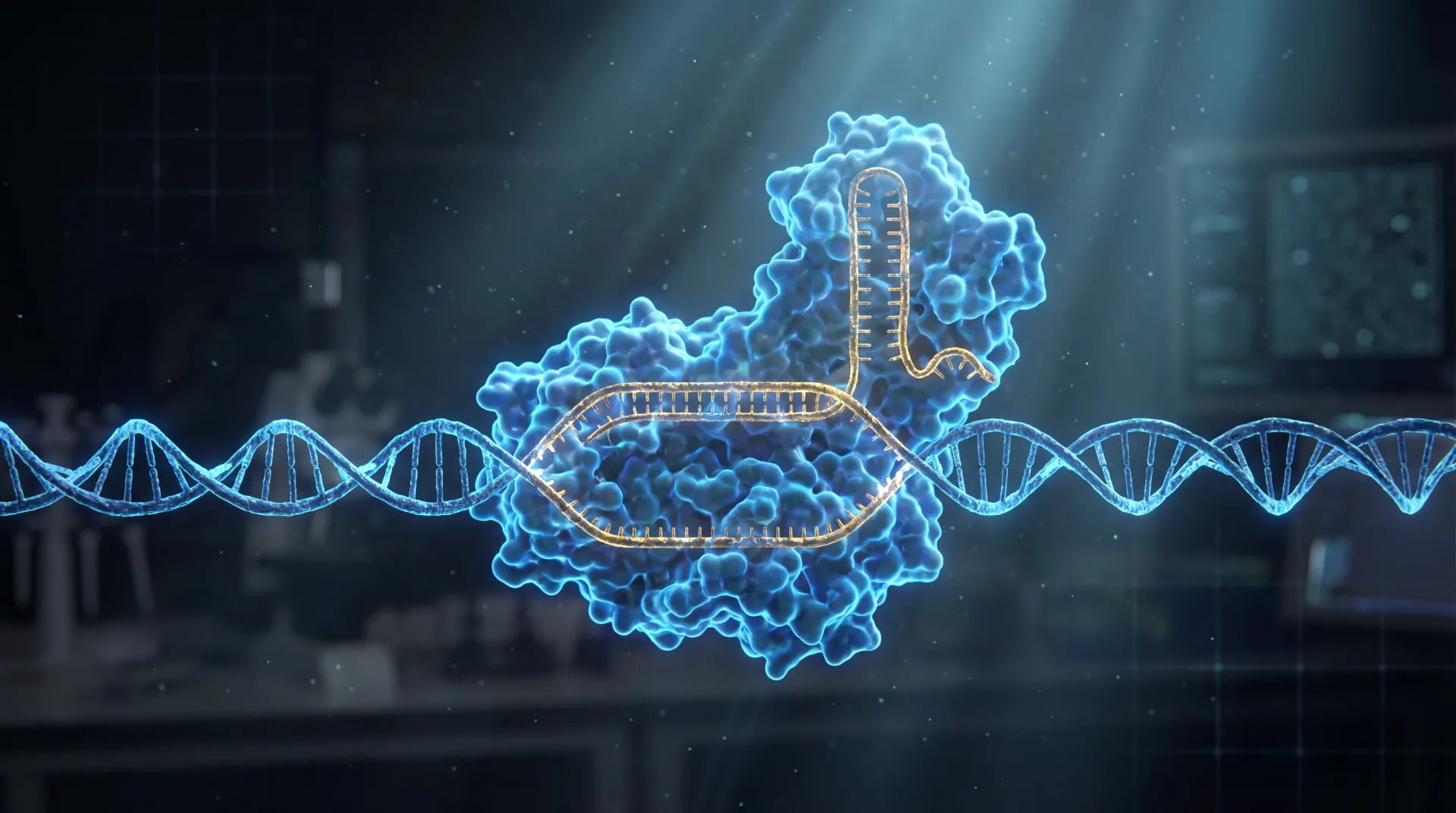
HPV works differently. High-risk strains (primarily types 16 and 18) infect squamous epithelial cells in the cervix, throat, anus, and genitals. The virus integrates its DNA directly into the host's genome and disables tumor suppressor proteins p53 and pRb. Without those biological brakes, infected cells divide uncontrollably, forming precancerous lesions that can progress to invasive carcinoma. About 85% of sexually active people will contract HPV at some point. Most clear it within two years, but persistent high-risk infections are what drive cancer.
Both vaccines work by exposing your immune system to harmless, lab-produced viral proteins. Your body learns to produce neutralizing antibodies that destroy the real virus on contact, preventing the persistent infections that cause cancer in the first place. Supporting your body's immune system through proper nutrition complements this vaccine-driven protection.
The hepatitis B birth dose: what changed and why it matters
For over 30 years, every newborn in the U.S. received a Hepatitis B vaccine within 24 hours of birth. The rationale was straightforward: when adults catch HBV, their immune systems clear the virus 90-95% of the time. When infants are exposed, up to 90% develop chronic, lifelong infections because their immune systems cannot mount an effective defense.
The universal birth dose worked. Annual acute Hepatitis B infections among U.S. children dropped by 99%, from roughly 16,000 cases to fewer than 20. It became recognized globally as the first "anti-cancer" vaccine.
In early 2026, following a presidential directive comparing U.S. immunization schedules to other developed nations, the CDC changed this protocol. For infants born to mothers who test negative for HBV, the birth dose moved from a universal recommendation to "shared clinical decision-making." Parents can now delay the first dose until two months of age.
The American Academy of Pediatrics condemned the change, calling it irresponsible. Their objections center on screening reliability: maternal blood tests produce false negatives, transcription errors occur, and mothers can acquire HBV late in pregnancy after their screening window closes. HBV survives on surfaces for up to a week, meaning an asymptomatic caregiver with a minor cut could unknowingly expose an unprotected infant.
Epidemiological models project that delaying the birth dose will result in at least 1,400 preventable Hepatitis B infections, 300 excess liver cancer cases, and 480 preventable deaths for every year the revised recommendation stays in place, plus over $222 million in avoidable healthcare costs annually.
The World Health Organization doubled down in the opposite direction, ruling that withholding the birth dose exposes newborns to "serious and potentially irreversible harm, including chronic infection, cirrhosis, and liver cancer."
Heplisav-B vs. Engerix-B: a faster path to liver cancer protection
An estimated 2.4 million Americans live with chronic Hepatitis B. While childhood infection rates collapsed after the 1991 mandate, adult acute infections increased 45.5% between 2011 and 2019, largely tied to the opioid crisis and contaminated needle sharing. The ACIP now recommends universal HBV vaccination for all adults aged 19 to 59, regardless of risk factors.
The older vaccines (Engerix-B, Recombivax HB) use aluminum adjuvants and require three doses over six months. The problem: only 54% of adults actually complete the full series. Nearly half end up with inadequate antibody levels.
Heplisav-B changed this equation. Instead of aluminum, it uses a CpG 1018 adjuvant that activates a receptor (TLR9) inside dendritic cells, producing a faster and stronger antibody response. Two doses, one month apart. Done.
| Metric | Heplisav-B | Engerix-B |
|---|---|---|
| Doses required | 2 (0, 1 month) | 3 (0, 1, 6 months) |
| Adjuvant | CpG 1018 (TLR9 agonist) | Aluminum hydroxide |
| Seroprotection rate | 90-100% | 67-82% |
| Injection site pain | 35-39% | 20-34% |
| Systemic fatigue | 14-17% | 10-17% |
| Serious adverse events | 6.2% | 5.3% |
Head-to-head trials across nearly 10,000 adults showed Heplisav-B achieved protective immunity in a significantly higher percentage of participants, especially in hard-to-protect groups like older adults, smokers, and people with diabetes. The trade-off is slightly more injection-site soreness, which is temporary. The benefit is lifetime immunity against a cancer-causing virus in 30 days instead of six months.
One shot against cervical cancer: the single-dose HPV shift
Cervical cancer killed roughly 350,000 women in 2022. The vast majority of those deaths occurred in countries where routine screening is unavailable. The HPV vaccine, available since 2006, uses virus-like particles (empty protein shells with no viral DNA inside) that train the immune system to recognize and destroy HPV on contact.
The clinical results speak for themselves. A 2025 analysis in The Lancet Regional Health covering over 100,000 women found that fully vaccinated women had a 90% lower risk of invasive cervical cancer. Among those vaccinated before sexual debut, researchers documented an 87% reduction in invasive cervical cancer and a 97% reduction in high-grade precancerous lesions.
Originally requiring three doses, the HPV vaccine's logistics made it difficult to deploy in lower-income countries. Then research showed a single dose produced durable immunity lasting over a decade. The WHO endorsed the single-dose schedule in late 2022. By January 2026, 89 of 164 implementing countries had switched to single-dose HPV vaccination, with 92% of Gavi-eligible (lower-income) nations adopting it. This means the same global vaccine supply now protects twice as many people.
HPV cancers beyond the cervix
Early HPV vaccine campaigns focused almost entirely on girls and cervical cancer. That messaging left a blind spot. HPV also causes cancers of the throat, anus, penis, vulva, and vagina. The fastest-growing category is oropharyngeal cancer (base of tongue and tonsils), which now outnumbers cervical cancer as the most common HPV-related malignancy in the U.S.
Men bear a disproportionate burden here, diagnosed with head and neck cancers at more than four times the rate of women. The virus can lie dormant in tonsillar tissue for decades before triggering late-stage cancer. Recognizing the early warning signs of cancer remains important, but vaccination prevents these cancers from developing at all.
| HPV-related condition | Risk reduction with vaccination | Notes |
|---|---|---|
| High-grade cervical lesions | 48-97% | Greatest protection when given before sexual debut |
| Anal intraepithelial neoplasia | 36-92% | Especially important for high-risk populations |
| Oropharyngeal cancer | Prevents infections causing ~89% of cases | FDA expanded label in 2020 to include head/neck cancers |
| Penile, vulvar, vaginal lesions | Prevents infections causing 63-69% of cases | Significant cross-protection observed |
The risk multiplies for immunocompromised populations. A 2025 meta-analysis of over 1.5 million people found that individuals living with HIV face a pooled risk ratio of 30.32 for anal cancer compared to HIV-negative populations. Black and Hispanic adults, people without high school education, and uninsured Americans consistently show lower HPV vaccination rates, widening the disparity.
Aluminum adjuvant safety: what 1.2 million children showed
Aluminum adjuvants sit at the center of most vaccine safety debates. Aluminum is the third most abundant element in Earth's crust and is naturally present in drinking water, breast milk, and most foods. The question is whether the small amounts in vaccines cause harm.
The numbers put this in perspective. During the first two years of life, the entire childhood vaccine schedule delivers a maximum of about 4.4 milligrams of aluminum. Over the same period, an infant absorbs 3 to 18 milligrams from their diet alone. By age 18, dietary aluminum absorption reaches up to 438 mg, dwarfing the less than 8 mg absorbed from all lifetime vaccines combined.
But population-level data matters more than dose comparisons. In July 2025, researchers published a nationwide Danish cohort study of 1,224,176 children born between 1997 and 2018. They tracked cumulative vaccine aluminum exposure by age two and measured incidence of 50 different chronic conditions including autism, ADHD, asthma, and autoimmune disorders. The result: zero association between vaccine aluminum dose and any of the 50 conditions. Hazard ratios were flat (0.98 for autoimmune disorders, 0.99 for allergic disorders, 0.93 for neurodevelopmental disorders). Maintaining a strong immune system involves understanding what genuinely poses a risk and what does not.
| Gardasil 9 reaction (1-5 days post-dose) | Vaccine group (n=5,088) | Adjuvant-only control (n=3,470) | Saline placebo (n=320) |
|---|---|---|---|
| Injection site pain | 83.9% | 75.4% | 48.6% |
| Swelling | 25.4% | 15.8% | 7.3% |
| Redness | 24.7% | 18.4% | 12.1% |
| Itching | 3.2% | 2.8% | 0.6% |
| Bruising | 2.8% | 3.2% | 1.6% |
The Gardasil 9 clinical trial data above reveals something telling: most local reactions (soreness, swelling) are driven by the adjuvant itself, not the viral proteins, as shown by the high reaction rates in the adjuvant-only control group. Post-marketing surveillance of VAERS data from 2015-2024 confirmed that while rare signals like POTS warrant ongoing monitoring, serious adverse events remain exceedingly rare. A meta-analysis of 27 studies actually found a 10% decrease in serious adverse events among vaccinated individuals compared to controls.
Myths vs. facts about cancer-preventing vaccines
Myth: HPV and Hepatitis B vaccines contain viral material that can cause the infections or cancers they prevent.
Fact: Neither vaccine contains live viruses, dead viruses, or any replication-capable genetic material. They are recombinant vaccines made from purified proteins (HPV L1 virus-like particles and HBV surface antigen). Without a viral genome, they cannot cause infection or integrate into human DNA.
Myth: If a mother tests negative for Hepatitis B, delaying the birth dose to two months carries zero risk.
Fact: Maternal screening produces false negatives, and mothers can acquire HBV late in pregnancy after testing. The virus survives on surfaces for up to seven days, so household transmission from an asymptomatic carrier is possible. Infants infected in this window face a 90% chance of chronic, lifelong infection.
Myth: Aluminum adjuvants accumulate in the brain and cause autism and ADHD.
Fact: The 2025 Danish study of 1.2 million children found zero association between vaccine aluminum and 50 chronic conditions, including autism and ADHD. Dietary aluminum intake in the first two years (up to 18 mg) far exceeds the vaccine schedule total (4.4 mg). The kidneys filter and excrete vaccine aluminum efficiently.
Myth: Vaccinating against the most common HPV strains will cause rarer strains to become more dangerous ("type replacement").
Fact: Decades of global surveillance have shown no evidence that non-vaccine HPV types increase in prevalence or virulence after population-level vaccination. The 9-valent Gardasil vaccine targets the strains behind over 90% of HPV-related cancers. The ACIP continues to monitor for type replacement as part of its ongoing review charter, but no shifts have materialized.
Frequently Asked Questions
Is it too late to get the HPV vaccine if I'm over 26 and sexually active?
No. While the vaccine is most effective before sexual debut (which is why the target age is 9-14), the FDA approved Gardasil 9 for adults up to age 45. Even if you've been exposed to some HPV strains, the vaccine protects against the others you haven't encountered. The CDC recommends shared clinical decision-making for the 27-45 age group.
Why did the U.S. change its childhood vaccine schedule in 2026?
Following a presidential directive, HHS and the CDC compared the U.S. schedule to peer nations and reduced the number of universally mandated shots. Vaccines not meeting a 10-disease international consensus, including the universal HBV birth dose for infants of uninfected mothers, were shifted to "shared clinical decision-making."
How exactly do these vaccines prevent cancer?
HPV and Hepatitis B are oncogenic viruses, meaning they directly cause genetic mutations that lead to uncontrolled cell growth. HPV disables tumor suppressor proteins in cervical and throat cells. HBV causes decades of liver inflammation that produces cancerous mutations during constant cell regeneration. The vaccines train your immune system to destroy these viruses before they can establish the persistent infections that cause cancer.
What is the difference between Heplisav-B and Engerix-B?
Both protect against Hepatitis B, but Heplisav-B uses a newer adjuvant (CpG 1018) that produces a stronger immune response. It requires only two doses over one month versus three doses over six months for Engerix-B. Because the schedule is shorter, adults are far more likely to complete it and achieve full protection.
If one dose of the HPV vaccine works, why did we originally need three?
When the vaccine launched in 2006, three doses were used to guarantee maximum immunity, following the conservative approach typical of vaccine trials. Fifteen years of real-world monitoring showed that a single dose produced durable antibody responses lasting over a decade. The WHO and 89 countries scaled back to one dose to stretch global supplies without sacrificing protection.
Related Articles
- Vaccine Concerns, Risks, and Innovations - A broader look at vaccine safety data, common concerns, and how modern immunization technology is evolving.
- Nutrition for a Better, Stronger Immune System - How dietary choices support the immune responses that vaccines rely on to build lasting protection.
- Early Signs of Cancer You Need to Pay Attention To - Recognizing warning signs early complements preventive strategies like vaccination.
- Natural Ways to Strengthen Your Immune System - Evidence-based approaches to immune health that work alongside vaccine-driven immunity.
- Health Benefits of Garlic - Research on garlic's immune-supporting properties and its role in overall health maintenance.
Medical Disclaimer
This article is for informational and educational purposes only and is not medical advice, diagnosis, or treatment. Always consult a licensed physician or qualified healthcare professional regarding any medical concerns. Never ignore professional medical advice or delay seeking care because of something you read on this site. If you think you have a medical emergency, call 911 immediately.