190 Million Women Share This Condition — Most Wait Years for Answers
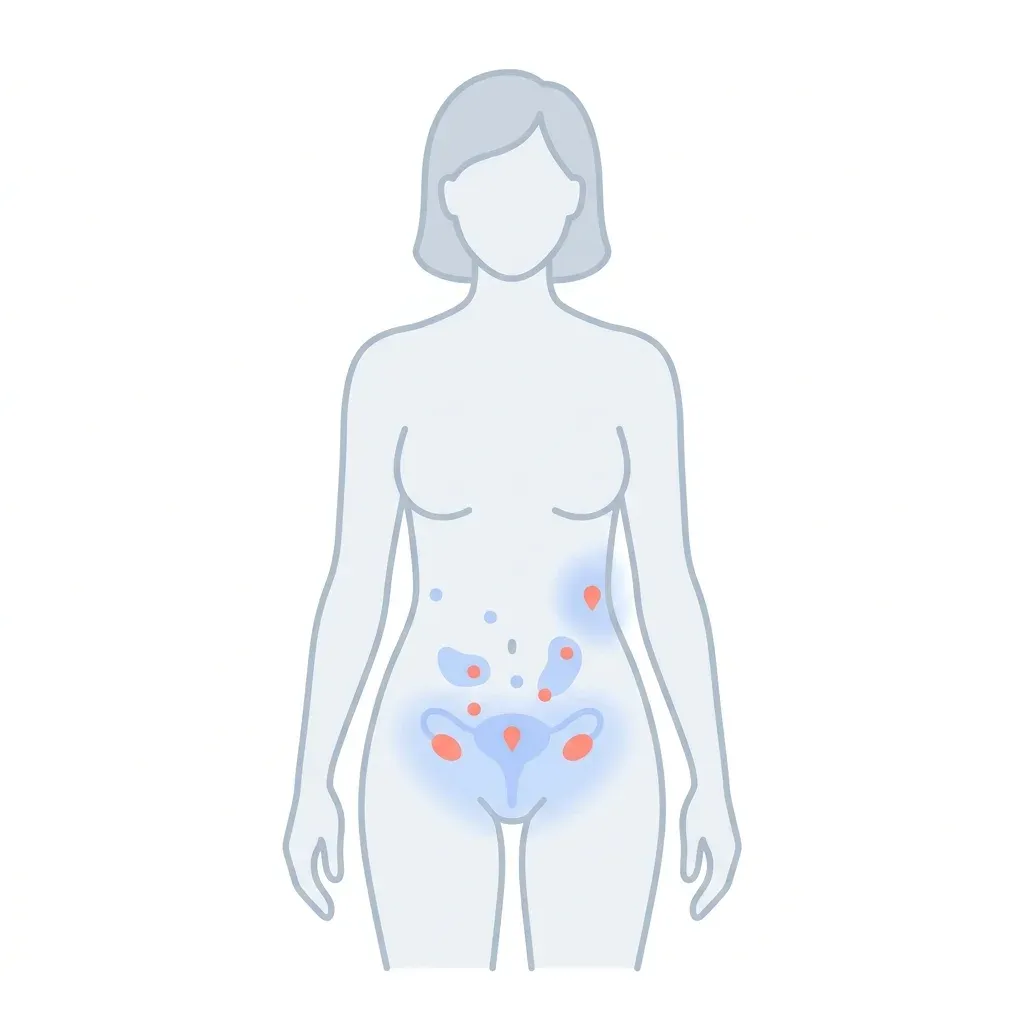
Endometriosis develops when tissue resembling the uterine lining grows in places it was never meant to be — on the ovaries, fallopian tubes, pelvic walls, and sometimes the intestines or bladder. Unlike healthy endometrial tissue that sheds during menstruation and exits the body, these displaced growths have nowhere to go. They bleed, trigger localized inflammation, form adhesions (bands of scar tissue), and gradually create a cycle of escalating pain and organ dysfunction.
Roughly 190 million women and girls worldwide live with this condition — about 10% of the reproductive-age population. Despite those numbers, the average delay between symptom onset and diagnosis stretches between seven and ten years. Part of the reason is that menstrual pain gets routinely dismissed. Another part is that endometriosis symptoms overlap with dozens of other conditions, from irritable bowel syndrome to urinary tract infections.
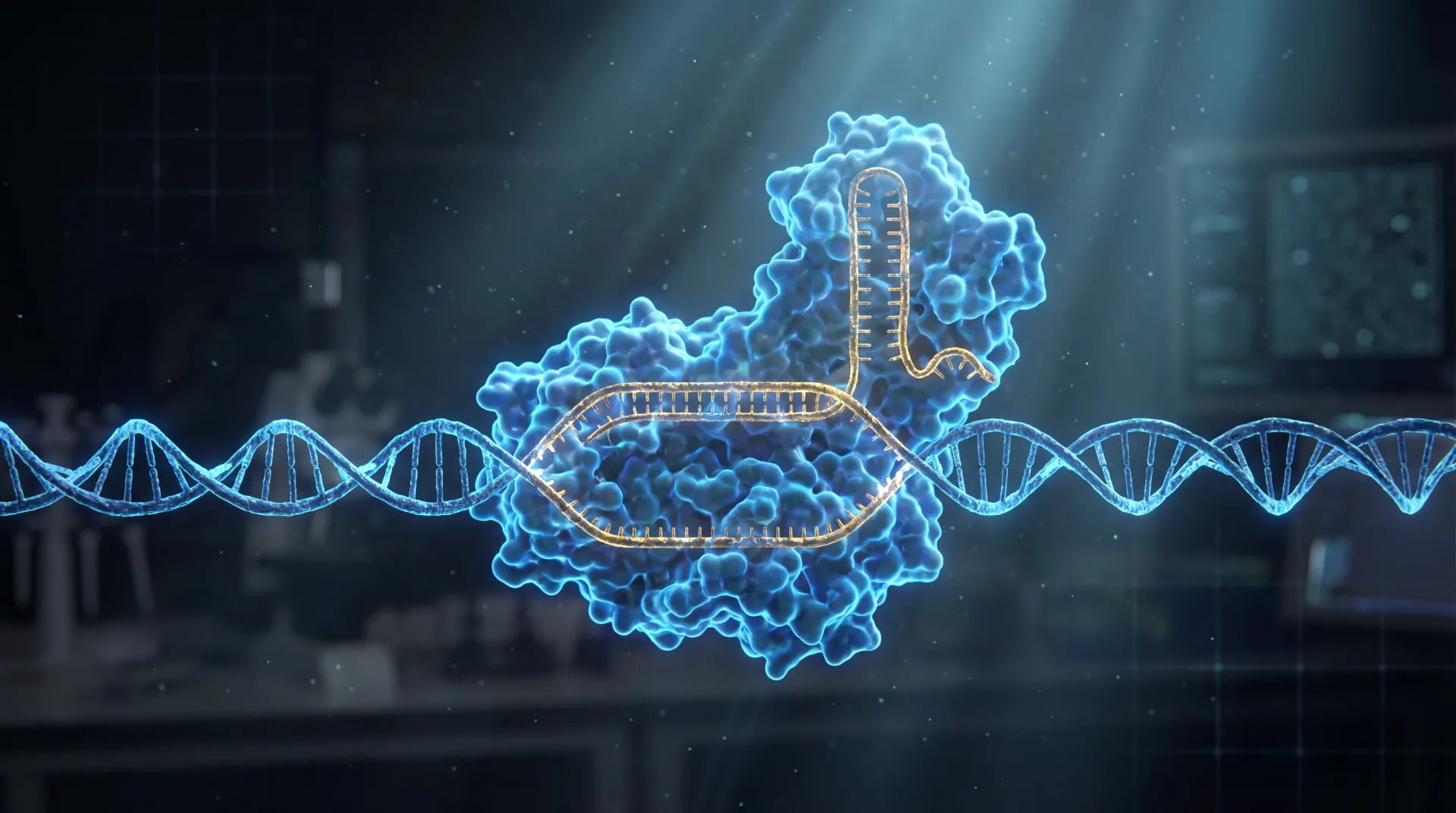
Three interconnected biological pathways keep endometriosis active. First, chronic inflammation — immune cells that should clear displaced tissue instead release prostaglandins and cytokines that amplify pain. Second, estrogen dependence — the lesions produce their own estrogen through a local enzyme called aromatase, creating a self-sustaining growth loop. Third, gut microbiome disruption — a collection of bacteria called the "estrobolome" metabolizes estrogen, and when that system falters, circulating estrogen levels climb, feeding lesion growth.
Understanding these three mechanisms matters because each one responds to dietary and lifestyle interventions. The research is still evolving, but the existing evidence points toward meaningful symptom relief through strategies you can start applying now — alongside your medical care, not instead of it.
The Full Symptom Picture Most Doctors Miss
When people think of endometriosis, they picture severe menstrual cramps. That is accurate but incomplete. The condition produces a constellation of symptoms that span reproductive, digestive, urinary, and neurological systems — and many of them occur outside of menstruation entirely.
| System | Symptom | What It Feels Like |
|---|---|---|
| Reproductive | Dysmenorrhea | Debilitating period cramps that resist over-the-counter painkillers |
| Reproductive | Dyspareunia | Deep pain during or after intercourse |
| Reproductive | Heavy menstrual bleeding | Soaking through a pad or tampon every hour for several hours |
| Reproductive | Subfertility | Difficulty conceiving; nearly 40% of women with infertility have endometriosis |
| Digestive | Bloating and gas | Abdominal distension often called "endo belly" |
| Digestive | Dyschezia | Painful bowel movements, especially during menstruation |
| Digestive | Nausea, diarrhea, or constipation | Cycling between loose stools and constipation that mimics IBS |
| Urinary | Dysuria | Painful urination when lesions affect the bladder |
| Systemic | Chronic fatigue | Exhaustion disproportionate to activity level, unrelieved by rest |
| Systemic | Chronic pelvic pain | Dull ache or sharp pain persisting regardless of menstrual cycle phase |
According to the American College of Obstetricians and Gynecologists, endometriosis is typically diagnosed in women in their 30s and 40s — meaning most people have lived with these symptoms for a decade or more before getting a name for them. The only definitive diagnosis requires laparoscopy, a surgical procedure in which a camera is inserted through a small abdominal incision to visually identify endometrial implants.
Worth knowing: Many women with endometriosis experience no obvious symptoms at all. The condition is sometimes discovered incidentally during surgery for another reason, or only after difficulty getting pregnant.
Genetics play a notable role. Twin studies estimate roughly 50% heritability, and women with a first-degree relative who has endometriosis face a six-fold increase in risk. If someone in your immediate family has dealt with persistent pelvic pain or unexplained infertility, it is worth raising with your gynecologist proactively.
60% Still Have Chronic Pain After Medical Treatment
The conventional treatment toolkit for endometriosis includes NSAIDs, hormonal contraceptives, progestin-only medications, GnRH agonists, and surgical excision or ablation of lesions. Each has real value and real limitations.
A sobering statistic from a Frontiers in Nutrition review: 60% of patients continued to experience chronic pain regardless of medical treatment. The same review noted a 2020 Cochrane analysis that concluded it remains "uncertain whether laparoscopic surgery reduces overall pain." Meanwhile, ACOG data shows that up to 80% of women experience pain recurrence within two years of surgery.
Hormonal therapies suppress estrogen and can reduce lesion activity, but as one research team put it, they are "only partially effective, have numerous side effects, and hamper the option to become pregnant" — making them impractical for anyone trying to conceive or struggling with side effects like bone density loss, hot flashes, and mood changes.
| Treatment | Mechanism | Key Limitation |
|---|---|---|
| NSAIDs | Block prostaglandin production | Gastrointestinal side effects with long-term use; insufficient for severe pain |
| Hormonal contraceptives | Suppress ovulation and estrogen | Prevent pregnancy; breakthrough bleeding; mood changes |
| GnRH agonists | Induce temporary menopause-like state | Bone density loss; hot flashes; limited to 6-12 month courses |
| Laparoscopic surgery | Remove visible lesions | 80% pain recurrence within 2 years; does not address underlying disease process |
| Hysterectomy | Remove uterus (and sometimes ovaries) | Irreversible; pain can persist if lesions exist on other organs |
None of this means you should abandon conventional treatment. The point is that chronic inflammatory conditions like endometriosis typically need more than a single intervention. Dietary changes, targeted supplementation, and movement strategies add a complementary layer that addresses the inflammatory and hormonal mechanisms medications and surgery leave unresolved.
Supplements and Movement Strategies That Research Supports
Roughly 44% of women with endometriosis already use some form of dietary intervention, rating effectiveness at an average of 6.4 out of 10. For specific supplements, the evidence ranges from promising to preliminary — and honesty about where each falls matters more than enthusiasm.
Omega-3 Fatty Acids
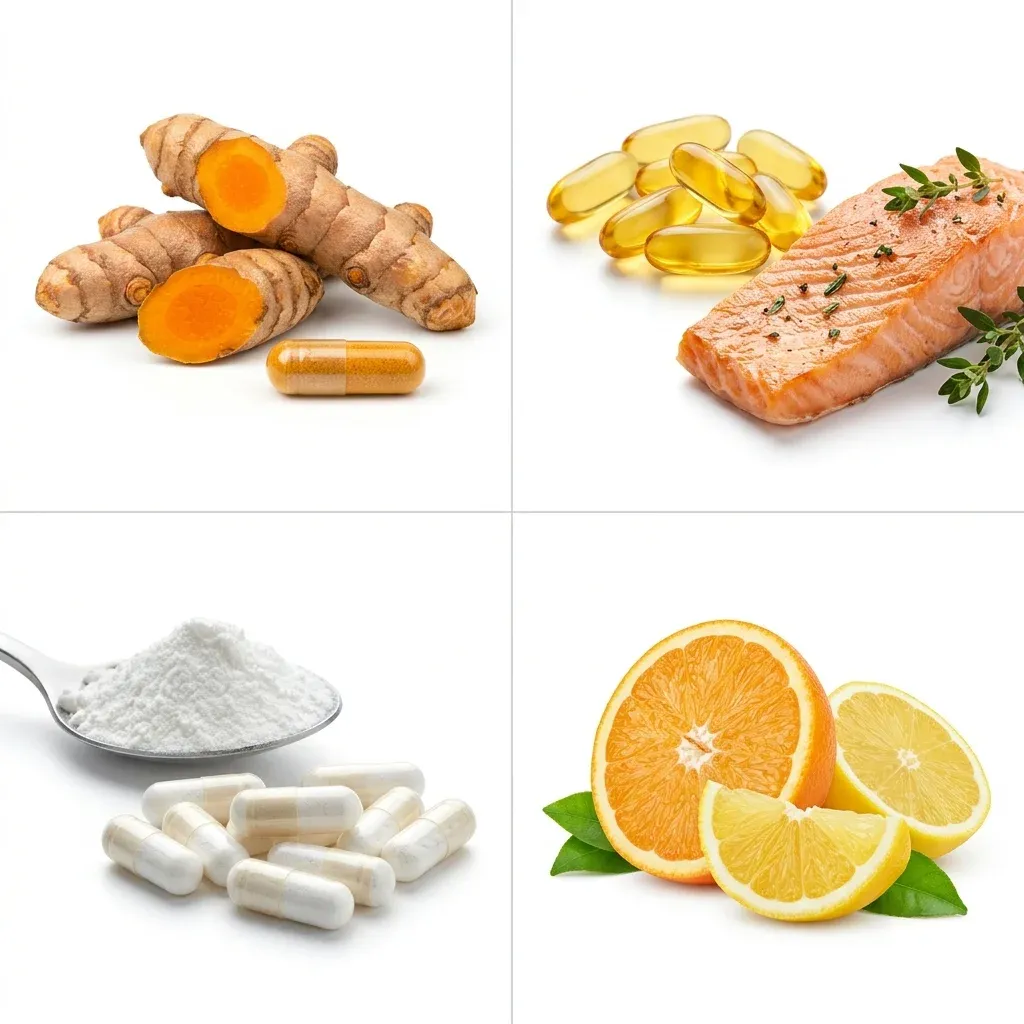
Among all supplements studied for endometriosis, omega-3s have the most consistent mechanistic rationale. They are antiproliferative, antiangiogenic, and anti-inflammatory, meaning they slow tissue growth, limit blood vessel formation that feeds lesions, and dampen pain-driving prostaglandins. One study in adolescents reported approximately 50% pain reduction with fish oil supplementation.
That said, the largest randomized controlled trial on the subject — the SAGE study from Harvard — enrolled 69 young women and found that while pain scores improved with 1,000 mg fish oil daily over six months, the improvement did not significantly outperform placebo. This does not invalidate omega-3s (the study was small and the placebo effect in pain trials is powerful), but it does mean the evidence is less airtight than supplement marketing suggests. You can learn more about optimal sources in our guide to omega-3 benefits and supplements.
Curcumin
The active compound in turmeric has drawn serious research interest. Laboratory studies show that curcumin suppresses endometrial cell proliferation and reduces inflammatory cytokines IL-6 and IL-8. Animal models demonstrated reduced implant size. Human trials have found downregulated VEGF signaling — the process by which lesions recruit their own blood supply.
The practical challenge is bioavailability. Standard turmeric powder delivers very little curcumin to the bloodstream. Formulations using piperine (black pepper extract) or lipid-based delivery improve absorption substantially.
N-Acetylcysteine (NAC)
NAC — a precursor to the antioxidant glutathione — has shown some of the most striking results in endometriosis research. Animal models found significant decreases in mean lesion areas along with reduced inflammatory markers. Human studies confirmed reduced endometrioma volume and decreased dysmenorrhea. Doses in the research typically ranged from 600 to 1,800 mg daily.
Vitamins C and E
Women with endometriosis have been found to consume 30% less vitamin C and 40% less vitamin E compared to women without the condition. Combined supplementation produced significant pain reduction after eight weeks in clinical trials. Researchers believe the antioxidant combination counters the oxidative stress that drives lesion growth and pain signaling.
Physical Activity
Exercise is not a supplement you can swallow, but its effects on endometriosis overlap with what supplements target: reduced inflammation, improved mood, and better pain tolerance. Research indicates that endometriosis symptoms may be reduced by regular physical activity, though the specific type and intensity that works best has not been pinned down. A sensible approach for most people: consistent moderate movement (walking, swimming, cycling) plus resistance training, which independently reduces systemic inflammation and supports hormonal balance.
| Intervention | Evidence Level | Typical Dose / Approach | Primary Mechanism |
|---|---|---|---|
| Omega-3 fatty acids | Moderate (mixed RCT results) | 1,000-2,000 mg EPA/DHA daily | Anti-inflammatory prostaglandin shift |
| Curcumin | Promising (limited human RCTs) | 500-1,500 mg extract daily | Cytokine suppression, VEGF reduction |
| NAC | Promising (human + animal data) | 600-1,800 mg daily | Antioxidant, lesion volume reduction |
| Vitamins C + E | Moderate (clinical trial support) | 1,000 mg C + 800 IU E daily | Oxidative stress reduction |
| Alpha-lipoic acid | Preliminary (small human studies) | 300-600 mg daily | Antioxidant, pain modulation |
| Regular exercise | Moderate (observational data) | 150+ min/week moderate intensity | Systemic inflammation reduction |
Three Biological Pathways Your Plate Can Influence
When researchers examine why food choices affect endometriosis, they keep returning to the same three pathways mentioned earlier: inflammation, estrogen metabolism, and the gut microbiome. What makes dietary intervention particularly interesting is that a single meal can touch all three simultaneously.
Inflammation: A 2025 umbrella review synthesizing data from 10 systematic reviews found that higher vegetable intake was associated with a relative risk of 0.590 for endometriosis (95% CI: 0.49-0.71) — a 41% reduction in risk. The proposed mechanism: polyphenols and antioxidants in vegetables directly counter the oxidative stress that fuels endometriotic lesion activity.
Estrogen: Dietary fiber binds to estrogen in the digestive tract and escorts it out of the body. Research published in Frontiers in Nutrition found that reduced dietary fat combined with increased fiber lowers circulating estrogen concentrations by roughly 10 to 25 percent. For a condition driven by estrogen excess, that is a meaningful shift from food alone. As the Cleveland Clinic puts it — fiber helps your body eliminate extra estrogen through regular bowel movements.
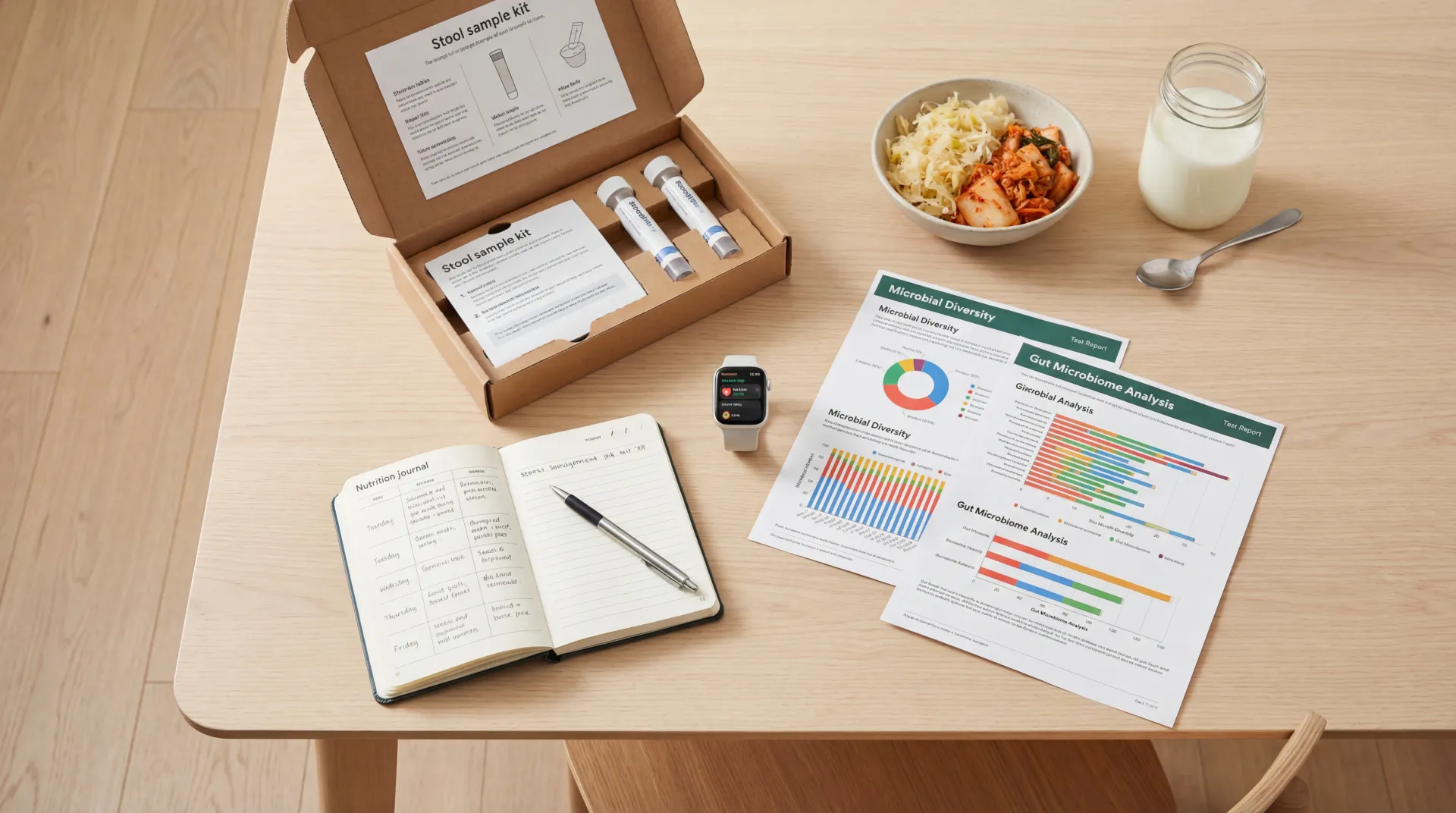
Gut microbiome: The estrobolome — the subset of gut bacteria responsible for metabolizing estrogen — directly influences how much active estrogen recirculates. Dysbiosis (microbial imbalance) disrupts this process, which is why the gut-microbiome connection shows up repeatedly in endometriosis research. High-fiber, plant-diverse diets feed beneficial bacteria and stabilize estrogen processing.
The research bottom line: Among women studied, those eating diets with high inflammatory potential were significantly more likely to have endometriosis. The Mediterranean diet — rich in vegetables, olive oil, fish, and whole grains — showed the strongest and most consistent association with reduced pain and improved quality of life.
What the Data Says About Red Meat, Caffeine, and Processed Food
Identifying what to eat less of matters just as much as knowing what to eat more of. The research here is more consistent than you might expect.

Red and Processed Meat
The Nurses' Health Study II — one of the largest prospective cohorts tracking women's health — found that consuming more than two servings of red meat daily was associated with a 56% greater risk of endometriosis compared to women eating one or fewer servings per week. Red meat delivers palmitic acid and arachidonic acid, both of which fuel the production of pro-inflammatory prostaglandins PGE2 and PGF2-alpha — the same molecules that drive uterine cramping.
Caffeine
The 2025 umbrella review found that consuming more than 300 mg of caffeine daily (roughly three cups of coffee) carried a relative risk of 1.303 (95% CI: 1.05-1.62) for endometriosis. The mechanism is not fully understood, but caffeine may influence estrogen metabolism and increase circulating hormone levels. Moderate intake — one to two cups daily — did not show the same association.
Butter and Saturated Fats
The same umbrella review identified butter specifically as a risk-increasing food, with a relative risk of 1.266 (95% CI: 1.03-1.55). Yet total dairy and cheese showed protective associations. This suggests the issue is not dairy as a category but rather the specific fatty acid profile of butter and its high saturated fat content.
Ultra-Processed Foods
Highly processed foods pack inflammation-promoting ingredients — refined carbohydrates, added sugars, excess sodium, trans fats, preservatives, and artificial additives. None of these has a single dedicated endometriosis study, but the cumulative inflammatory burden they create works against every mechanism you are trying to improve. Women following diets with high inflammatory potential are significantly more likely to have endometriosis compared to those eating anti-inflammatory patterns.
Common Individual Triggers
Beyond population-level data, many women report flares from specific foods that do not show up in large studies. Alcohol, gluten, and high-sugar foods are frequently cited triggers. One study of 207 women following a gluten-free diet reported 75% showed statistically significant symptom improvement over 12 months. If you suspect a particular food worsens your symptoms, a structured elimination protocol — removing the suspect for four to six weeks, then reintroducing — provides clarity that no population study can give you.
A Practical Framework for Everyday Eating
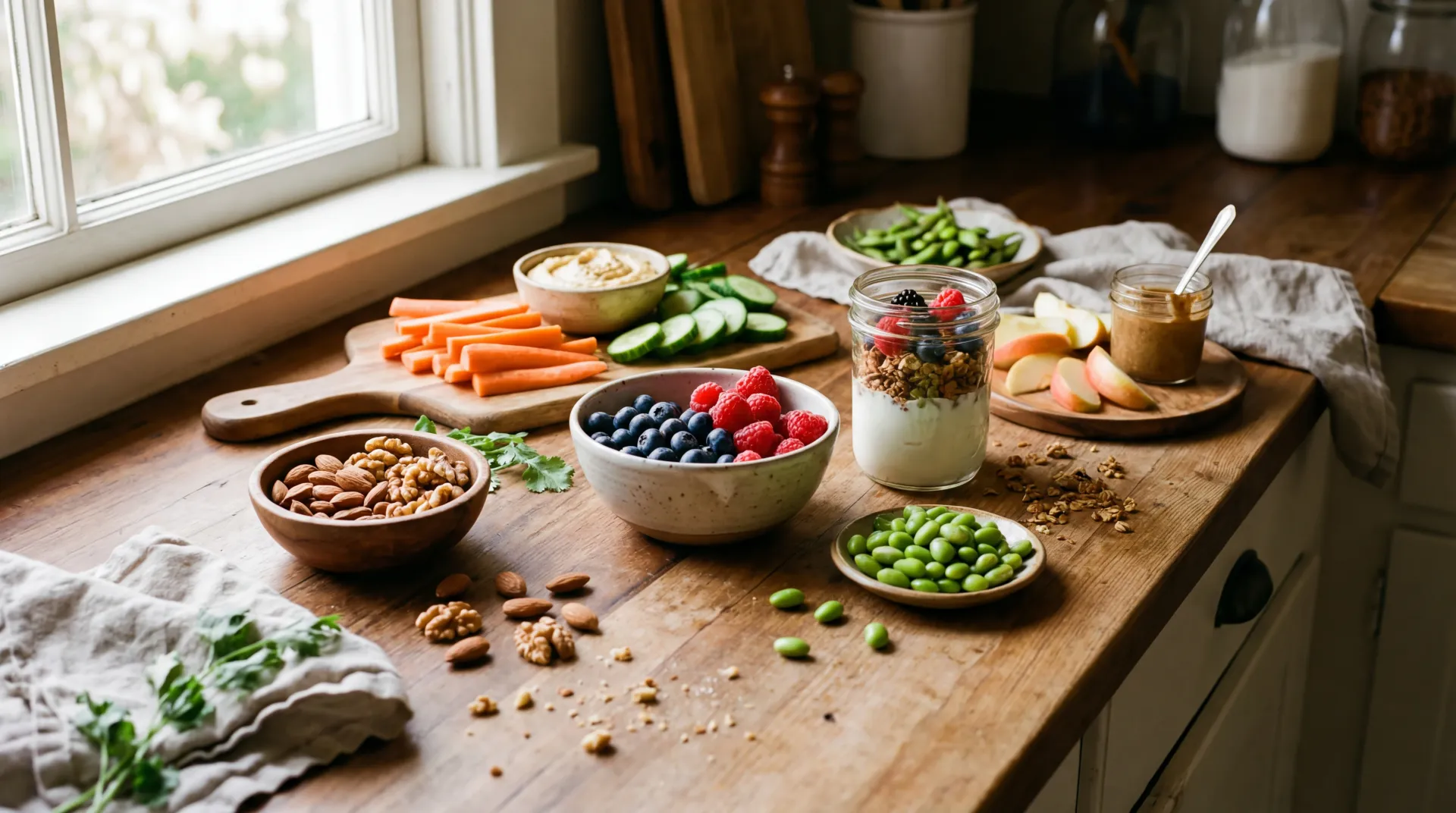
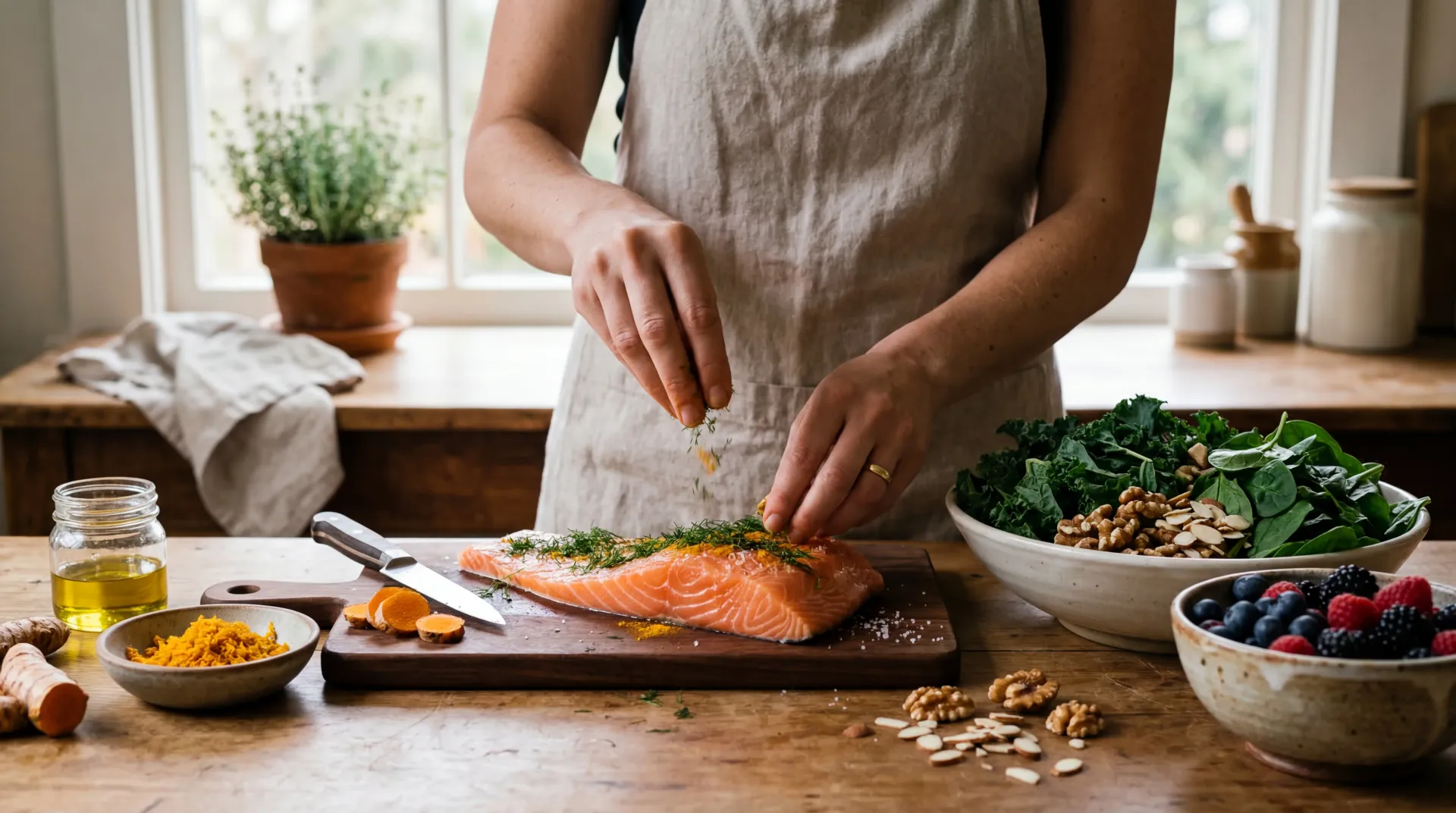
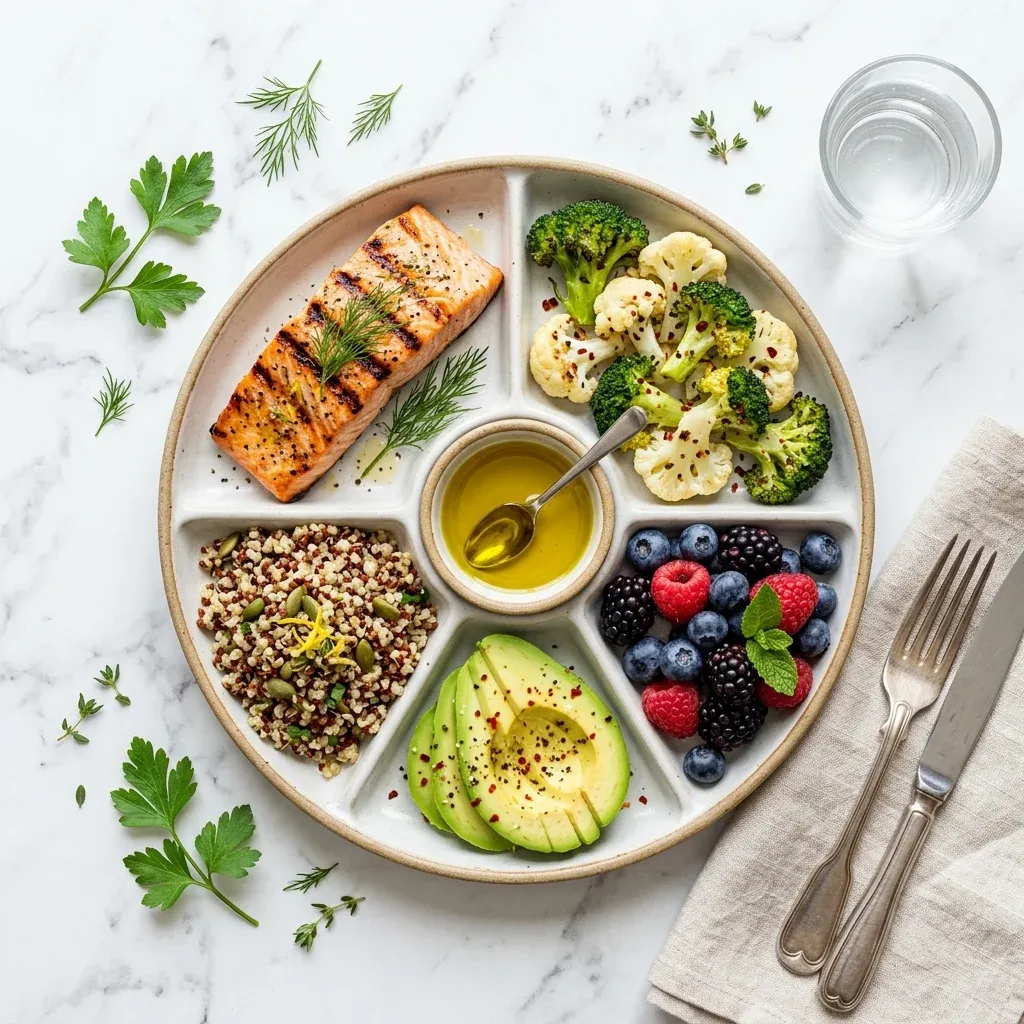
The research converges on a pattern rather than a rigid meal plan. The Mediterranean diet shows up most consistently in the literature, but the broader principle is straightforward: maximize anti-inflammatory, fiber-rich, nutrient-dense foods while minimizing processed and pro-inflammatory ones. For a deeper look at how different anti-inflammatory eating patterns compare, we have a dedicated guide.
| Category | Priority Foods | Why They Help |
|---|---|---|
| Vegetables (aim for 5+ servings) | Leafy greens, cruciferous (broccoli, cauliflower, kale), bell peppers | Polyphenols reduce oxidative stress; fiber binds estrogen |
| Fruits | Berries, citrus, papaya, avocado | Vitamin C, antioxidants, potassium, magnesium |
| Healthy fats | Fatty fish (salmon, sardines), walnuts, chia seeds, flaxseed, olive oil | Omega-3s shift prostaglandin balance away from inflammatory pathways |
| Fiber sources (target 35g daily) | Legumes, whole grains, ground flaxseed, oats | Estrogen clearance; microbiome diversity |
| Magnesium-rich foods | Spinach, black beans, almonds, pumpkin seeds, bananas | Muscle relaxation; reduced cramping |
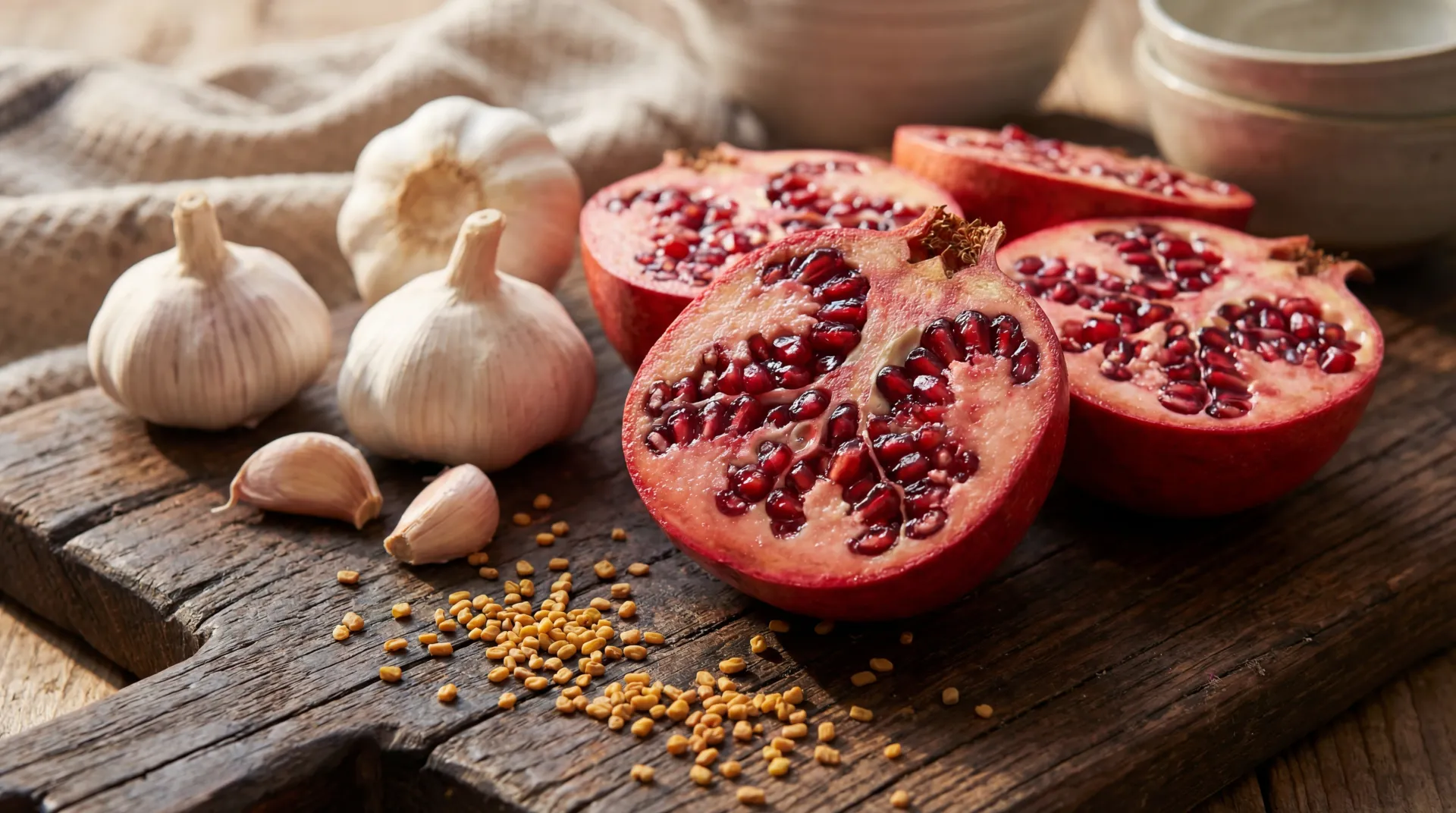
| Anti-inflammatory herbs/spices | Turmeric, ginger, oregano, green tea | Curcuminoids, gingerols, and catechins modulate inflammatory cascades |
| Zinc sources | Poultry, shellfish, eggs, pumpkin seeds | Menstrual cycle regulation; immune function |
Consider working with a registered dietitian who understands endometriosis. Research consistently emphasizes that personalized medical nutrition therapy — tailored to your symptoms and overall health — outperforms generic recommendations.
Second, if you have both endometriosis and IBS-like gastrointestinal symptoms (bloating, alternating diarrhea and constipation), the low-FODMAP diet may warrant a trial. Research found 72% symptom improvement in women with the endometriosis-IBS overlap, compared to 40% in women with IBS alone. Our low-FODMAP guide walks through the elimination and reintroduction phases step by step.
Third, hormonal balance does not start and end on your plate. For women whose symptoms align with broader estrogen metabolism issues, our guide on estrogen dominance and how to rebalance naturally covers liver detoxification pathways, environmental estrogen exposure, and lifestyle changes beyond diet.
Frequently Asked Questions
Can diet alone cure endometriosis?
No. Endometriosis is a chronic, structural condition involving tissue growing outside the uterus. Diet cannot reverse existing lesions or adhesions. What research demonstrates is that anti-inflammatory, fiber-rich eating patterns can reduce symptom severity — particularly pain, bloating, and fatigue — and may slow disease progression. The Cleveland Clinic frames it well: "Diet can help. But proper treatment and management go beyond what you eat." Dietary changes work best as one component of a comprehensive management plan that includes medical oversight.
How long does it take for dietary changes to affect endometriosis symptoms?
Most dietary intervention studies measure outcomes at 8 to 12 weeks. The gluten-free diet study tracked women for 12 months before reporting significant improvement. A reasonable expectation: you may notice reductions in bloating and digestive symptoms within two to four weeks, while pain and fatigue improvements typically take two to three months of consistent adherence. Track your symptoms so you can identify which changes make the most difference for your body.
Are there supplements I should avoid with endometriosis?
Avoid supplements containing high doses of phytoestrogens (such as red clover or high-dose soy isoflavates) without medical guidance, as they can influence estrogen activity unpredictably in hormone-dependent conditions. Iron supplements should also be approached cautiously — while heavy bleeding can cause iron deficiency, research shows peritoneal fluid in endometriosis patients often contains iron overload, which may worsen inflammation. Get your iron levels tested rather than supplementing blindly.
Is the Mediterranean diet the best option for endometriosis?
The Mediterranean eating pattern has the strongest and most consistent evidence base for endometriosis, primarily because it addresses all three disease pathways simultaneously: it is anti-inflammatory, fiber-rich (supporting estrogen clearance), and diverse enough to support a healthy gut microbiome. However, no single diet has been shown to outperform all others, and the best approach is one that accounts for your individual triggers, food sensitivities, and overall health status.
Should I get tested for endometriosis if I have severe period pain?
Severe period pain that does not respond adequately to over-the-counter pain medication, pain during intercourse, chronic pelvic pain outside of menstruation, or persistent digestive symptoms that cycle with your period all warrant evaluation by a gynecologist experienced in endometriosis. While laparoscopy remains the only definitive diagnostic tool, an experienced clinician can also use imaging, symptom history, and physical examination to build a working diagnosis and begin treatment.
Related Articles
- Inflammation and Chronic Disease: Your Guide to Anti-Inflammatory Living — How systemic inflammation drives chronic conditions and evidence-based strategies for reducing it through lifestyle changes.
- Estrogen Dominance: Symptoms, Causes, and How to Rebalance Naturally — A deeper look at hormonal imbalance, including liver detoxification pathways and environmental estrogen exposure.
- Anti-Inflammatory Eating Patterns: Mediterranean vs. DASH vs. Plant-Based — A head-to-head comparison of the most researched anti-inflammatory dietary approaches.
- Low-FODMAP Diet for IBS: A Step-by-Step Guide — The elimination and reintroduction protocol that research shows helps 72% of women with endometriosis-IBS overlap.
- Omega-3 Benefits, Sources, and Supplements — Everything you need to know about choosing and dosing omega-3 fatty acids.
Medical Disclaimer
This article is for informational and educational purposes only and is not medical advice, diagnosis, or treatment. Always consult a licensed physician or qualified healthcare professional regarding any medical concerns. Never ignore professional medical advice or delay seeking care because of something you read on this site. If you think you have a medical emergency, call 911 immediately.