A pond organism that fed the Aztecs
Spirulina is dried biomass from Arthrospira platensis and Arthrospira maxima, photosynthetic cyanobacteria that thrive in alkaline lakes across Africa, Central America, and parts of Asia. Despite the common label "blue-green algae," spirulina is technically a bacterium, not a plant. It produces energy through photosynthesis like plants do, but its cell walls lack cellulose, which turns out to be nutritionally relevant: human digestive enzymes break it down easily, giving spirulina a protein digestibility of 85-95%.
The Aztecs harvested spirulina from Lake Texcoco in present-day Mexico City, pressing it into cakes called tecuitlatl. In Chad, the Kanembu people still collect spirulina from alkaline ponds around Lake Chad and dry it into a food called dihe, used in broths and sold at local markets. Western science caught up in the 1960s when French researchers rediscovered spirulina's nutritional density, and NASA later studied it as a potential food source for long-duration space missions.
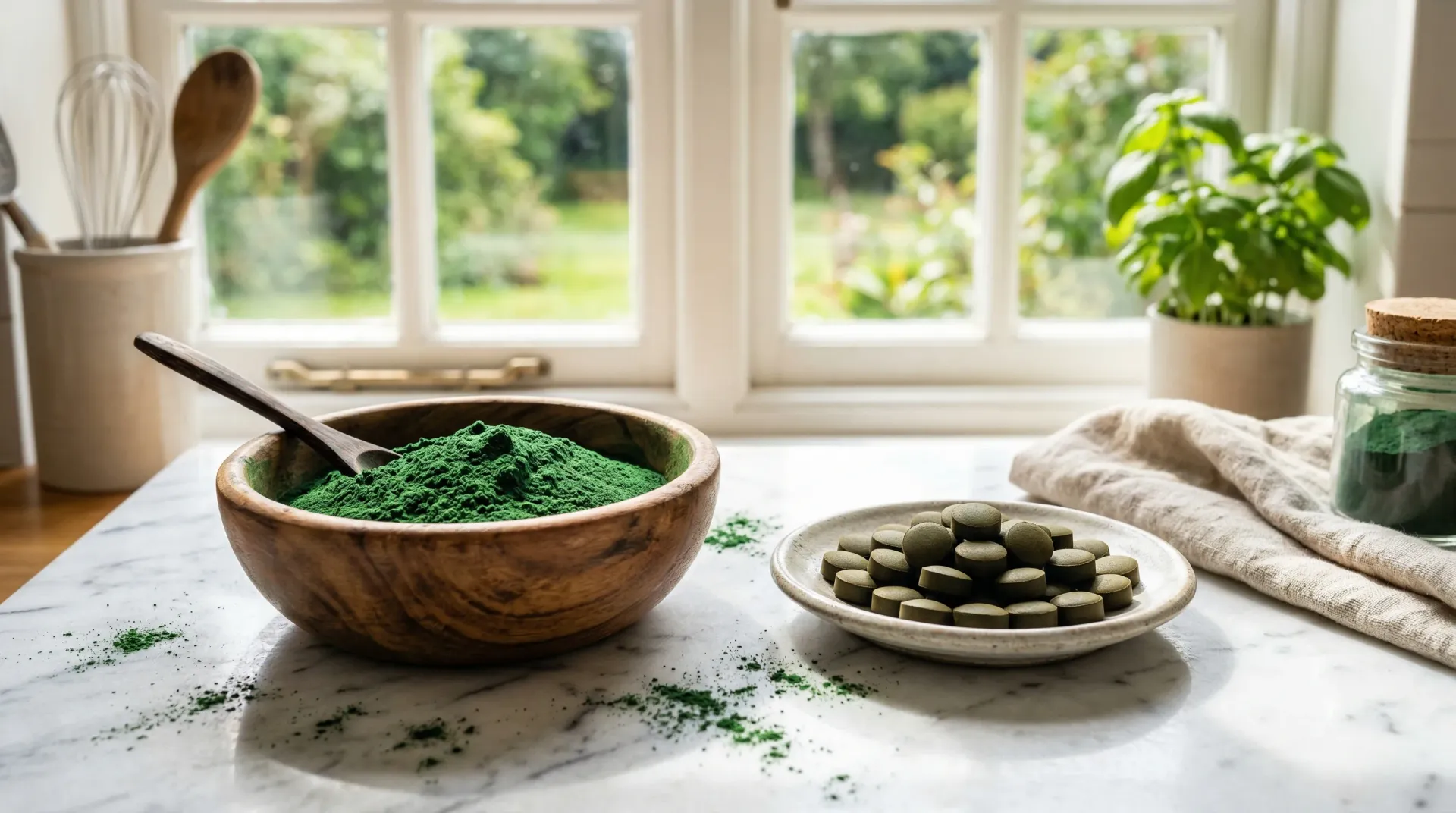
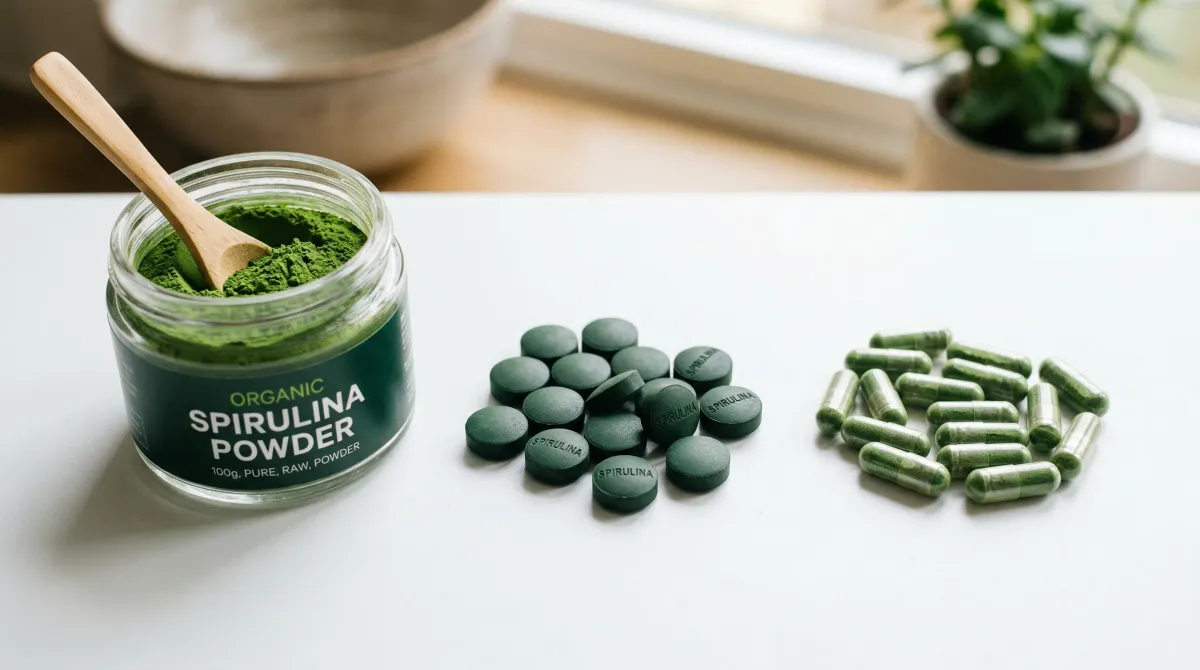
Today, commercial spirulina grows mostly in open-channel raceway ponds in tropical regions. The largest producers operate in Hawaii, California, India, and China. After harvesting, the biomass is spray-dried into the fine green powder you find in supplement aisles. It also comes pressed into tablets, packed into capsules, or mixed into food products. The U.S. FDA classifies spirulina as Generally Recognized as Safe (GRAS), and the World Health Organization has called it a "superfood" based on its nutritional profile.
What 7 grams of spirulina powder actually contains
The recommended daily serving of spirulina ranges from 1 to 10 grams, with most studies using 1-8 grams per day. A common supplement dose is about 7 grams, roughly one tablespoon of powder. That tablespoon weighs less than two sugar packets, but the nutritional density per gram is hard to match with whole foods.
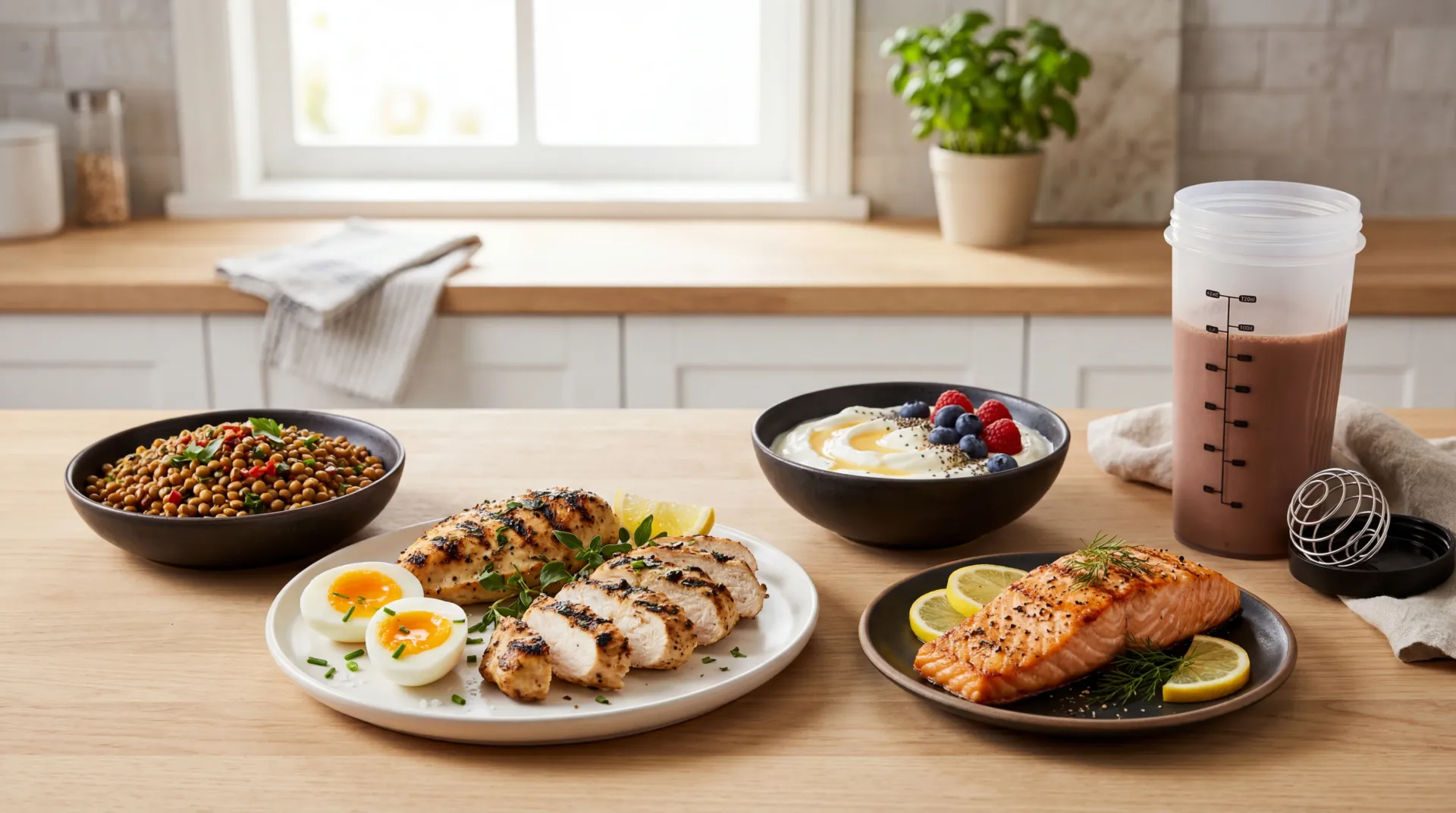
Spirulina's protein content ranges from 55-70% by dry weight, which is higher than any common whole food. For context: beef runs 22%, chicken 24%, soybeans about 36%. A 7-gram serving delivers roughly 4 grams of complete protein, meaning all nine essential amino acids are present. The amino acid leucine, which triggers muscle protein synthesis, clocks in at about 55 mg per gram of spirulina, comparable to what you find in whey protein.
| Nutrient (per 100g dried) | Amount | % Daily Value |
|---|---|---|
| Calories | 290 kcal | -- |
| Protein | 57 g | 114% |
| Iron | 28.5 mg | 158% |
| Thiamine (B1) | 2.38 mg | 198% |
| Riboflavin (B2) | 3.67 mg | 282% |
| Niacin (B3) | 12.82 mg | 80% |
| Potassium | 1,363 mg | 45% |
| Magnesium | 195 mg | 46% |
| Manganese | 1.9 mg | 83% |
Those numbers are per 100 grams. Since nobody eats 100 grams of spirulina in a sitting, a realistic 7-gram serving provides about 11% of your daily iron, roughly 14% of B1, 20% of B2, and 3% of potassium. Modest, but meaningful when stacked on top of a balanced diet.
The iron in spirulina has notably high bioavailability at roughly 0.45 mg per gram, compared to 0.15-0.25 mg per gram for cereals. Unlike iron from ferrous sulfate supplements, spirulina iron absorbs without the common side effect of digestive upset.
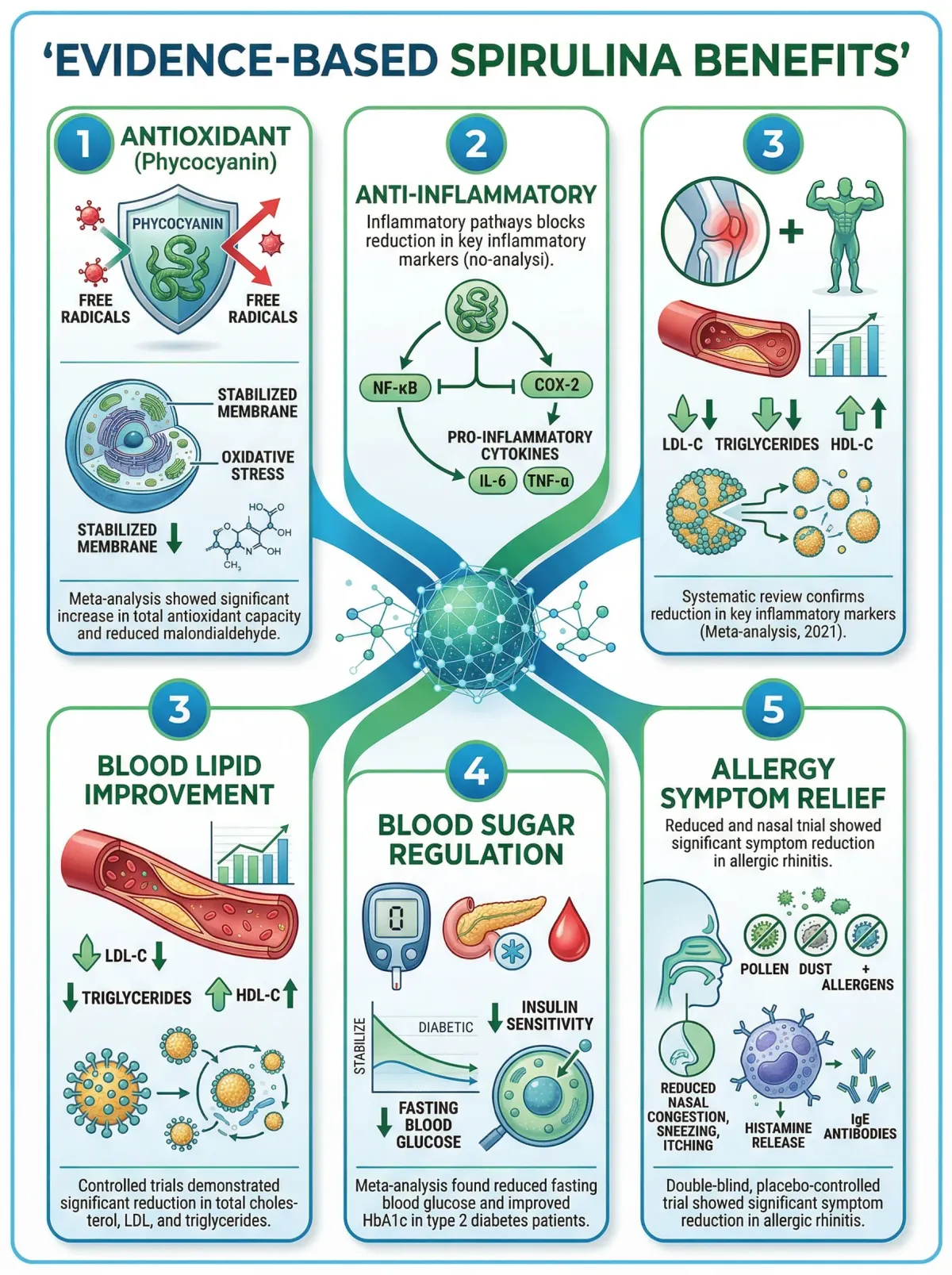
Spirulina also contains gamma-linolenic acid (GLA), an omega-6 fatty acid, and is rich in the blue pigment phycocyanin, which makes up 14-20% of the biomass. Phycocyanin is not just a colorant. It functions as an antioxidant with selective COX-2 inhibiting properties, which gives spirulina much of its anti-inflammatory activity.
| Protein source | Protein % (dry weight) | Complete amino acid profile? |
|---|---|---|
| Spirulina | 55-70% | Yes |
| Soybeans | 35-40% | Yes |
| Chicken breast | 19-24% | Yes |
| Beef | 17-22% | Yes |
| Lentils | 24-26% | No (low methionine) |
A word on vitamin B12: spirulina contains pseudovitamin B12, a biologically inactive analogue that the human body cannot use the way it uses true cobalamin. If you rely on spirulina for B12, you will remain deficient. Vegans and vegetarians should get B12 from fortified foods or dedicated supplements, not from spirulina.
Five benefits backed by clinical trials
Spirulina research has picked up speed since the early 2000s. Multiple meta-analyses now pool results across dozens of randomized controlled trials. The strongest evidence is for lipid metabolism; blood sugar, allergy, and blood pressure data is solid but thinner.
Cholesterol and triglycerides
A 2023 GRADE-assessed meta-analysis pooled data from 20 randomized controlled trials with 1,076 participants and found that spirulina supplementation significantly reduced LDL cholesterol, total cholesterol, and triglycerides while raising HDL cholesterol. A separate 2025 systematic review of 23 studies involving 1,035 overweight and obese adults confirmed these findings, noting that spirulina alone (without exercise) still produced meaningful lipid improvements. The typical dose in these studies ranged from 1-8 grams daily for 2-12 weeks.
These results align with earlier clinical observations. In studies of patients with ischemic heart disease, spirulina supplementation reduced total cholesterol and triglycerides while increasing HDL. Researchers at the University of Salerno attribute much of this effect to phycocyanin's ability to inhibit intestinal cholesterol absorption and its antioxidant protection against LDL oxidation.
For anyone already working on their cholesterol through diet, spirulina fits alongside other evidence-based cholesterol management strategies as a supplementary tool, not a standalone treatment.
Blood sugar regulation
A meta-analysis of 8 clinical trials in type 2 diabetes patients found that spirulina supplementation reduced fasting blood glucose by 17.88 mg/dl, along with significant improvements in triglycerides (-30.99 mg/dl), total cholesterol (-18.47 mg/dl), and LDL cholesterol (-20.04 mg/dl). However, spirulina did not significantly affect HbA1C or post-prandial blood sugar. This matters: HbA1C reflects average blood sugar over 2-3 months, so spirulina's effect on day-to-day fasting glucose may not translate into long-term glycemic control.
Allergic rhinitis
Spirulina inhibits histamine release from mast cells, and clinical trials have tested this in people with seasonal allergies. In a randomized, double-blind, placebo-controlled trial, 12 weeks of spirulina supplementation reduced interleukin-4 (a cytokine that drives allergic responses) by 32%. A separate Turkish study found that spirulina consumption significantly improved nasal discharge, sneezing, congestion, and itching scores compared to placebo. At 1-2 grams daily and a side-effect profile that is essentially flat, this is one of the easier spirulina applications to justify trying alongside standard allergy medications.
Blood pressure
Clinical trials in hypertensive patients show modest but consistent blood pressure reductions. A randomized triple-blind trial found that 2 grams per day of spirulina over 8 weeks significantly lowered both systolic (p=0.02) and diastolic (p=0.01) blood pressure. In a study of 36 Mexican patients with various stages of hypertension, 6 weeks of spirulina supplementation brought 36% of patients down to normal blood pressure readings. Younger participants tended to respond better. One study in healthy subjects showed no significant blood pressure effect, which suggests spirulina may specifically benefit people with already-elevated blood pressure rather than lowering normal readings further.
Antioxidant and anti-inflammatory activity
Phycocyanin, the blue pigment that makes up 14-20% of spirulina's dry weight, is a selective cyclooxygenase-2 (COX-2) inhibitor with radical-scavenging properties. It outperforms several natural antioxidants including zeaxanthin, alpha-tocopherol, and caffeic acid in oxidation inhibition tests. A 2024 systematic review of 22 studies with 5,385 participants found spirulina supplementation significantly reduced C-reactive protein (CRP), interleukin-6, and TNF-alpha, three key inflammatory biomarkers. If you have read our piece on chronic inflammation and disease prevention, phycocyanin is worth remembering: few food-derived compounds have this much clinical data supporting actual anti-inflammatory effects in humans.
| Benefit | Evidence strength | Typical study dose | Key finding |
|---|---|---|---|
| Cholesterol reduction | Strong (multiple meta-analyses) | 1-8 g/day | Significant reduction in LDL, TC, TG |
| Fasting blood sugar | Moderate | 2-8 g/day | -17.88 mg/dl; no HbA1C effect |
| Allergic rhinitis | Moderate (RCTs) | 1-2 g/day | 32% IL-4 reduction, symptom relief |
| Blood pressure | Moderate | 2-4.5 g/day | Significant SBP/DBP reduction in hypertensives |
| Inflammation markers | Strong (large meta-analysis) | 1-8 g/day | Reduced CRP, IL-6, TNF-alpha |
58 animal studies, 5 human trials: what the detox claims actually rest on
Search "spirulina detox" and you will find hundreds of pages claiming it pulls mercury, lead, and cadmium out of your tissues. The actual evidence tells a more complicated story.
A comprehensive review catalogued 58 preclinical studies demonstrating that spirulina alleviates experimentally induced toxicity from arsenic, cadmium, lead, and mercury. In lab settings, spirulina's cell wall polysaccharides bind to heavy metals, and its antioxidant compounds (particularly phycocyanin) reduce the oxidative damage that heavy metals cause in organs like the liver and kidneys.
In humans, the evidence narrows dramatically. Only five clinical studies exist, and all five tested spirulina against arsenic toxicity specifically. The most cited is a placebo-controlled, double-blind trial in Bangladesh where 250 mg of spirulina extract plus 2 mg of zinc, taken twice daily for 16 weeks, reduced arsenic-related skin lesions in patients with chronic arsenic poisoning from contaminated drinking water.
No published human clinical trials have tested spirulina's ability to remove lead, mercury, or cadmium from the body. The preclinical data is genuinely promising, but the leap from "rats fed spirulina alongside cadmium exposure showed less organ damage" to "spirulina detoxes heavy metals in humans" skips over critical steps in the evidence chain.
If you have documented heavy metal exposure, medical chelation therapy remains the standard of care. Spirulina may offer protective antioxidant effects, but treating it as a substitute for clinical treatment would be a mistake. For more on this topic, our guide to heavy metal detoxification covers the full spectrum of evidence-based approaches.
The contamination problem nobody warns you about
Spirulina itself has a good safety record. The real risk comes from how and where it grows.
Microcystin contamination
Most commercial spirulina grows in open ponds exposed to the environment. Other cyanobacteria species can colonize these ponds, and some of those species produce microcystins, liver-damaging toxins. A 2023 study that tested retail spirulina supplements found microcystins in all products examined, at levels that could push consumers past recommended safe intake limits. The same study detected potentially pathogenic bacteria including Bacillus cereus and Klebsiella pneumoniae in multiple products.
Not all production is equal. A separate analysis of 623 French small-scale spirulina samples found microcystin levels well below regulatory limits, with concentrations more than four times lower than the WHO tolerable daily intake. Sourcing matters. Products from regulated producers with third-party cyanotoxin testing carry far less risk than cheap bulk imports.
Allergic reactions
Though rare, allergic reactions to spirulina include skin rashes, itching, and in at least one documented case, full anaphylaxis confirmed by skin prick testing. Researchers identified the allergen as the Arthrospira platensis biomass itself, not excipients or additives. People with known allergies to seaweed, seafood, or other cyanobacteria should approach spirulina cautiously, starting with a small dose.
Autoimmune conditions
Because spirulina stimulates the immune system (increasing NK cell activity, IFN-gamma production, and IgA levels), it can theoretically worsen autoimmune conditions where the immune system is already overactive. People with multiple sclerosis, rheumatoid arthritis, lupus, or other autoimmune disorders should discuss spirulina with their physician before use.
Drug interactions and contraindications
Spirulina may inhibit cytochrome P450 enzymes CYP1A2 and CYP2E1, which could alter the metabolism of certain medications. It can also interact with immunosuppressants (potentially reducing their effectiveness), blood thinners, and diabetes medications. People with phenylketonuria (PKU) should avoid spirulina entirely because it contains phenylalanine, which PKU patients cannot metabolize safely.
Dosage, timing, and getting past the taste
The typical supplemental dose in clinical studies ranges from 1 to 8 grams per day, with most positive results appearing at 2-4 grams daily. The WHO-recommended range is 0.25 to 5 grams. Starting at the low end (1 gram) and increasing over a week helps identify any digestive sensitivity before committing to higher doses.
Timing does not appear to matter much based on available evidence. Some people prefer taking spirulina with meals to minimize the occasional gastrointestinal effects (cramping, nausea) that Examine.com's evidence summary lists as the most common side effects. Others take it in the morning mixed into a shake for the B-vitamin and iron content.
Practical ways to use spirulina powder
The biggest barrier to regular spirulina use is not cost or availability. It is the taste. Raw spirulina powder has a strong marine, seaweed-like flavor that most people find challenging on its own. Here are approaches that work:
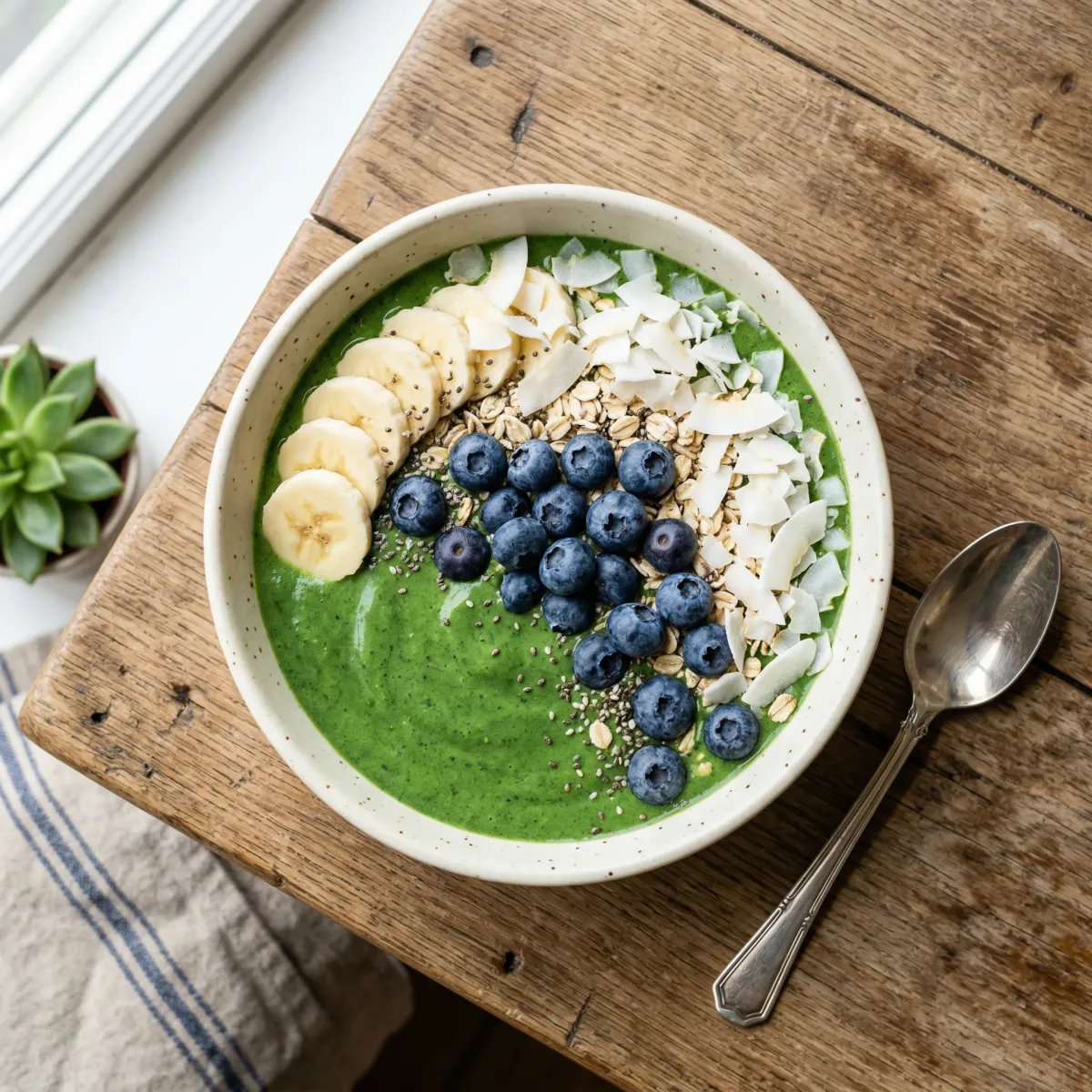
- Blend 1-2 teaspoons into a fruit smoothie with banana, mango, or pineapple. A squeeze of lemon or lime cuts through any remaining fishiness.
- Mix spirulina powder into date-and-nut energy balls. The dense sweetness of dates overpowers the marine flavor easily.
- Stir a teaspoon into basil pesto. Research on spirulina-fortified pesto found consumers rated both color and taste favorably at 1% concentration.
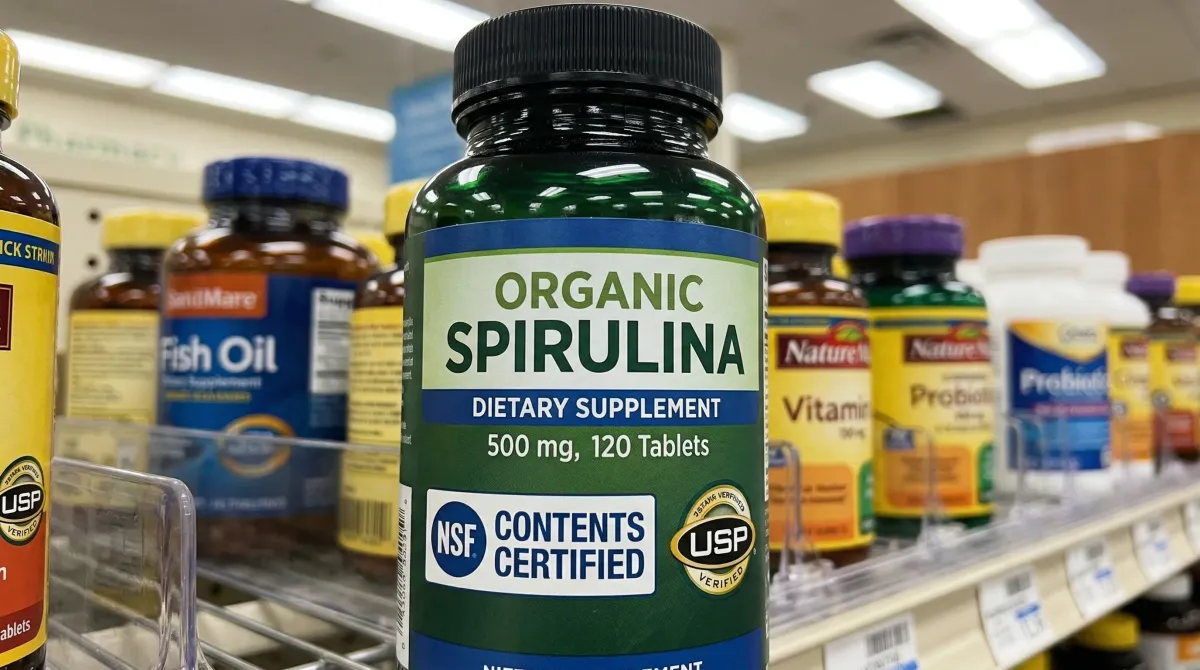
- If the taste is a dealbreaker, tablets and capsules skip it entirely. Check the label: many tablets contain only 500 mg each, so you may need 4-8 to reach study doses.
- Half a teaspoon sprinkled on soup, salad, or yogurt adds nutrients without overwhelming the dish. Go beyond that and the taste takes over.
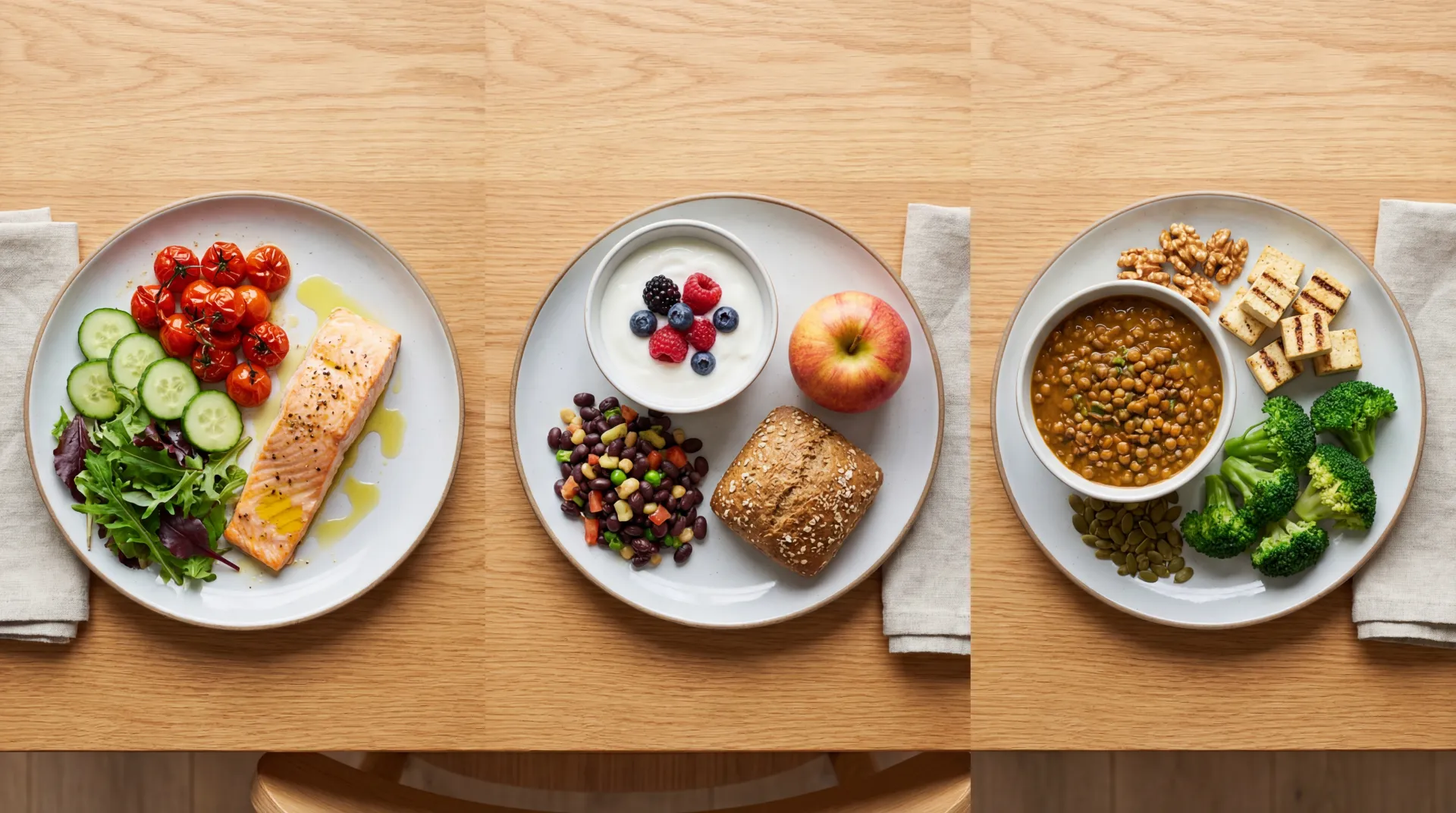
Plant-based eaters get a lot out of spirulina. A single tablespoon provides highly bioavailable iron, complete protein with all essential amino acids, and B vitamins that are typically harder to obtain from plant sources alone. It will not replace a B12 supplement or a source of long-chain omega-3s (EPA/DHA), but it closes several other gaps at once. If you are trying to build a solid nutritional base for immune health, spirulina covers iron, protein, and B vitamins in a single scoop.
What to look for when buying spirulina
| Quality marker | Why it matters |
|---|---|
| Third-party heavy metal testing | Open-pond production can concentrate lead, mercury, arsenic |
| Microcystin/cyanotoxin testing | Contaminating cyanobacteria produce liver-toxic compounds |
| Production country/facility | Hawaiian and U.S.-produced spirulina typically meets stricter standards |
| Organic certification | Reduces pesticide and herbicide contamination risk |
| Species identified | Should specify Arthrospira platensis or A. maxima |
Frequently Asked Questions
Is spirulina a good source of vitamin B12 for vegans?
No. Spirulina contains pseudovitamin B12, an inactive analogue that does not function as true cobalamin in the human body. Relying on spirulina for B12 will leave you deficient. Vegans should use methylcobalamin or cyanocobalamin supplements or consume B12-fortified foods like nutritional yeast and plant milks.
How much spirulina should I take per day?
Clinical studies showing health benefits typically use 1-8 grams daily, with 2-4 grams being the most common effective range. The WHO suggests up to 5 grams per day. Start with 1 gram and increase gradually over a week to check for digestive tolerance.
Can I take spirulina while on blood pressure medication?
Spirulina has demonstrated blood-pressure-lowering effects in clinical trials. If you take antihypertensive medication, adding spirulina could potentially cause your blood pressure to drop too low. Consult your physician before combining them, and monitor your readings if you proceed.
Is spirulina safe during pregnancy?
There is insufficient clinical data on spirulina use during pregnancy or breastfeeding to confirm safety. The main concern is contamination with microcystins and heavy metals, which pose particular risks during fetal development. Pregnant women should consult their healthcare provider before using spirulina supplements.
What is the difference between spirulina and chlorella?
Both are microalgae sold as supplements, but they differ in biology and nutrition. Spirulina is a cyanobacterium with 55-70% protein and no cellulose cell wall, making it highly digestible. Chlorella is a green alga with a rigid cellulose cell wall that requires processing to break, and it contains about 40-55% protein. Chlorella is higher in chlorophyll and is often marketed for detoxification, while spirulina has stronger clinical evidence for cholesterol and immune function benefits.
Related Articles
- Heavy Metal Detoxification: What Works and What Does Not -- A deep look at chelation therapy, dietary binders, and the science behind popular detox protocols.
- Chronic Inflammation and Anti-Inflammatory Living -- How low-grade inflammation drives disease and the dietary strategies that reduce it.
- Berberine for Heart Health: A Natural Cholesterol Fighter -- Another plant compound with strong evidence for lipid management.
- Nutrition for a Better, Stronger Immune System -- The micronutrients and foods that keep your defenses running.
- Polyphenol-Rich Foods and Heart Health -- The antioxidant compounds in colorful foods that protect cardiovascular function.
Medical Disclaimer
This article is for informational and educational purposes only and is not medical advice, diagnosis, or treatment. Always consult a licensed physician or qualified healthcare professional regarding any medical concerns. Never ignore professional medical advice or delay seeking care because of something you read on this site. If you think you have a medical emergency, call 911 immediately.