Why Protein Matters for Women
Protein builds muscle, but it also maintains bone density, repairs tissue after workouts and childbirth, and produces the hormones that regulate everything from mood to metabolism. Most women eat well below the amount that research suggests is optimal, hovering around 14-16% of total daily calories from protein, according to NHANES data.
That percentage technically meets the bare-minimum RDA of 0.8 grams per kilogram of body weight per day. But that RDA was designed to prevent deficiency in sedentary adults, not to support the demands of active living, aging, pregnancy, or fat loss. Multiple research groups have concluded that women benefit from protein intakes well above that floor.
A 2016 review published in Food & Function proposed minimum intakes of 1.0 g/kg/day for minimally active adults, 1.3 g/kg for moderate activity, and 1.6 g/kg for intense exercise. For a 140-pound (64 kg) woman, that translates to 64-102 grams daily, compared to the RDA's 51 grams. That's a significant gap, and it means a lot of women are leaving benefits on the table without realizing it.
Quick takeaway: The RDA of 0.8 g/kg/day prevents protein deficiency. Most women who exercise, manage their weight, or are over 50 need 1.2-1.6 g/kg/day to protect muscle, bone, and metabolic health.
Protein also has a stronger effect on satiety than carbohydrates or fat. Gram for gram, it keeps you fuller for longer, which makes it a practical tool for women managing appetite and body composition. Research calls this the protein leverage hypothesis: when protein intake is too low, the body increases overall appetite to compensate, which can lead to overeating total calories.
How Much Protein Do You Actually Need?
The answer depends on your body weight, activity level, and goals. Broad-stroke recommendations from major organizations differ, and that confusion is part of why so many women undereat protein.
| Organization / Source | Recommendation | For a 140 lb (64 kg) Woman |
|---|---|---|
| RDA (National Academy of Medicine) | 0.8 g/kg/day | 51 g/day |
| Wu, 2016 (moderate activity) | 1.3 g/kg/day | 83 g/day |
| ISSN (athletes and active adults) | 1.4-2.0 g/kg/day | 90-128 g/day |
| Fat loss while preserving muscle | 1.6 g/kg/day | 102 g/day |
| Older adults (sarcopenia prevention) | 1.2-1.5 g/kg/day | 77-96 g/day |
The Acceptable Macronutrient Distribution Range (AMDR) allows 10-35% of total daily calories from protein. Most women cluster near the bottom of that range. Shifting toward 25-30% of calories from protein aligns with the higher recommendations in the table above and is well within established safety limits.
A practical way to calculate your target
Multiply your body weight in pounds by 0.7 to 1.0. That gives you a gram range for daily protein. A 150-pound woman aiming for the middle of that range would target about 120 grams per day. If you prefer metric, multiply your weight in kilograms by 1.2 to 1.6.
Those numbers feel high if you're used to eating the standard American diet, which skews carb-heavy at breakfast and lunch, then overloads protein at dinner. Spreading protein across three or four meals is more effective for muscle protein synthesis than cramming it into one sitting. Research suggests a minimum of 0.4 g/kg per meal of high-quality protein to stimulate meaningful muscle repair. For our 140-pound example, that's about 25 grams per meal.
Protein Needs by Life Stage
Women's protein requirements shift across decades. A 25-year-old recreational runner, a 35-year-old pregnant woman, and a 65-year-old with osteoporosis concerns all need different amounts, and all of them need more than the RDA suggests.
| Life Stage | Recommended Range | Key Reason |
|---|---|---|
| Active women (18-40) | 1.4-2.0 g/kg/day | Muscle recovery, performance |
| Pregnancy | 1.1-1.5 g/kg/day | Fetal development, tissue expansion |
| Breastfeeding | 1.3-1.5 g/kg/day | Milk production, maternal recovery |
| Perimenopause/Menopause (45-60) | 1.2-1.6 g/kg/day | Countering muscle and bone loss |
| Older women (60+) | 1.2-1.5 g/kg/day | Sarcopenia and fracture prevention |
| Weight loss (calorie deficit) | 1.6+ g/kg/day | Preserving lean mass during fat loss |
Menopause and the muscle cliff
Estrogen plays a protective role in maintaining muscle mass. When estrogen declines during perimenopause, women lose muscle at an accelerated rate unless they take deliberate steps to counteract it. Resistance training combined with adequate protein is the most effective strategy documented in the research. Women over 50 who eat higher-protein diets show significantly lower hip fracture rates compared to those with the lowest intakes, according to meta-analyses cited in the Journal of the Academy of Nutrition and Dietetics.
Pregnancy and postpartum
Standard pregnancy guidelines add just 25 extra grams of protein per day over baseline, which many sports dietitians consider insufficient. In the third trimester, when fetal growth demands peak, women who are active or carrying multiples may benefit from intakes closer to 1.5 g/kg. After delivery, the demands don't let up. Breastfeeding draws heavily on maternal amino acid stores, and milk production pushes protein needs even higher.
Best High-Protein Foods for Women
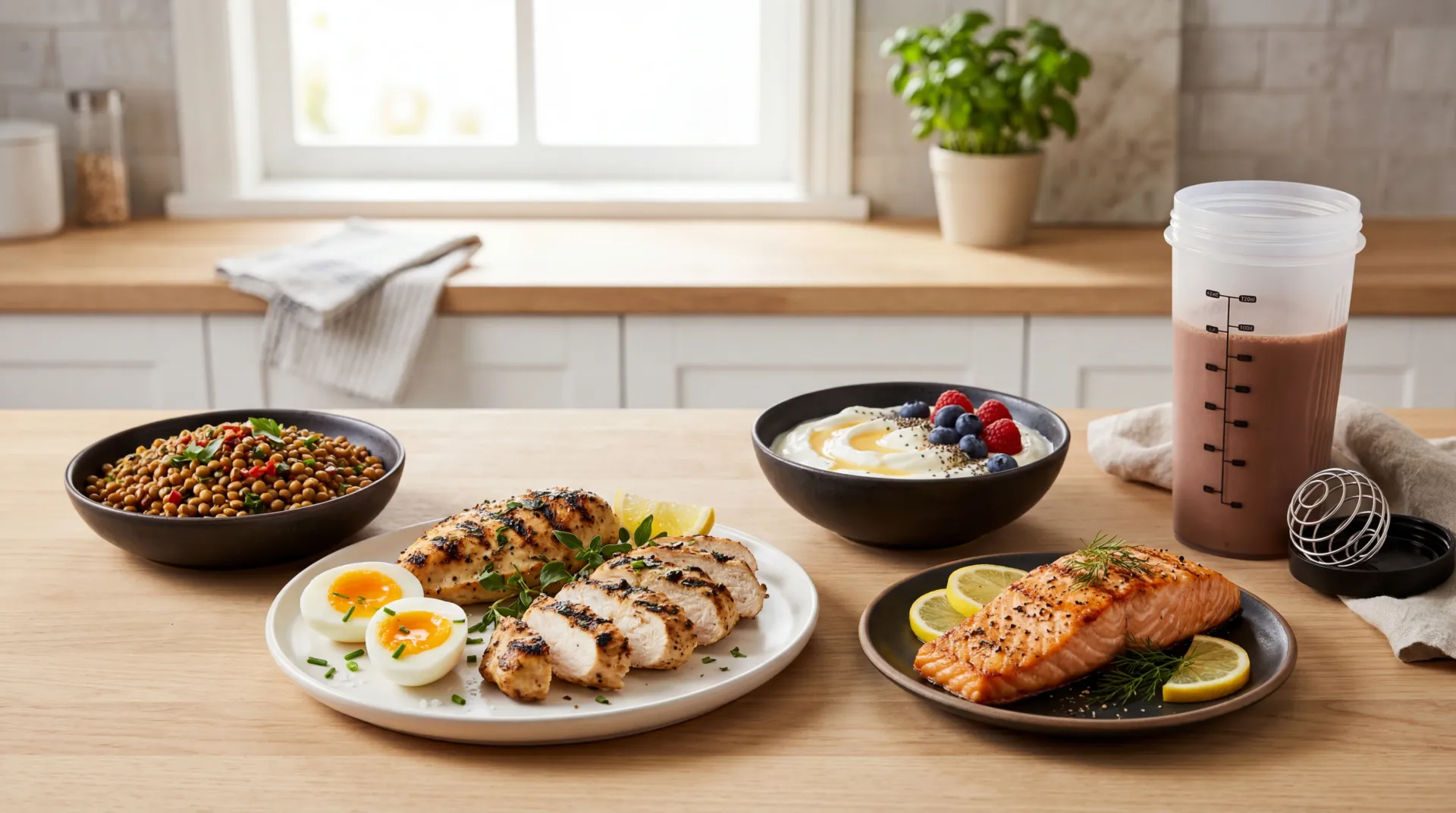
Not all protein sources are equal. A chicken breast and a handful of almonds both contain protein, but they deliver different amino acid profiles and come packaged with different secondary nutrients. Choosing a variety of sources matters more than obsessing over any single one.
Animal sources
| Food | Serving Size | Protein (g) | Bonus Nutrients |
|---|---|---|---|
| Chicken breast | 4 oz (cooked) | 28 | B vitamins, selenium |
| Sockeye salmon | 4 oz (cooked) | 30 | Omega-3s, vitamin D |
| Eggs | 2 large | 12 | Choline, vitamin A |
| Greek yogurt (plain) | 1 cup | 17 | Calcium, probiotics |
| Cottage cheese (2%) | 1 cup | 24 | Calcium, casein protein |
| Sirloin steak | 4 oz (cooked) | 33 | Iron, zinc, B12 |
Harvard's Nutrition Source notes that the source of protein matters as much as the quantity. Replacing processed red meat with fish, poultry, or plant-based options reduces cardiovascular risk. Each additional daily serving of unprocessed red meat increased cardiovascular mortality risk by 13% in one long-term study, while processed red meat (bacon, sausage, deli meats) showed a 20% increase per 1.5-ounce serving.
Plant sources
Plant proteins lack one or more essential amino acids individually, but combining different sources throughout the day covers all nine. You do not need to combine them in a single meal, contrary to an outdated myth from the 1970s.
- Lentils: 18 g per cooked cup, plus iron and folate
- Chickpeas: 15 g per cooked cup, plus fiber and manganese
- Tofu (firm): 20 g per half block, plus calcium and isoflavones
- Edamame: 17 g per cup, a complete protein on its own
- Almonds: 6 g per ounce, plus vitamin E and magnesium
- Quinoa: 8 g per cooked cup, a complete protein
Women following vegetarian or vegan diets can meet higher protein targets, but it requires more planning. Legumes, soy products, and seitan form the backbone of a plant-heavy high-protein approach. A cup of cooked lentils plus a cup of quinoa delivers 26 grams, roughly equivalent to a chicken breast.
One underappreciated plant source is nutritional yeast, which provides 8 grams of complete protein per two tablespoons and adds a savory, slightly cheesy flavor to soups, popcorn, and pasta. Hemp seeds deliver 10 grams per three tablespoons with the added benefit of omega-3 fatty acids. Neither requires cooking, making both useful for quick protein boosts in meals that might otherwise fall short.
Protein Myths That Won't Die
Misinformation about protein and women's health persists, partly because early research was conducted primarily on men, and partly because nutrition advice gets distorted through popular media.
Myth: High protein damages your kidneys
In healthy women with no pre-existing kidney disease, protein intakes up to 2.0 g/kg/day show no evidence of kidney damage. A comprehensive 2016 review in Food & Function concluded that long-term consumption at 2 g/kg body weight per day is safe for healthy adults. The concern originates from studies on people who already had compromised kidney function, where protein restriction is medically appropriate. For women with healthy kidneys, this fear is unfounded.
Myth: Protein makes women "bulky"
Building substantial muscle mass requires progressive overload training plus a caloric surplus sustained over months. Women produce roughly one-tenth the testosterone that men do. Eating more protein while training at moderate intensity is more likely to produce a leaner, more defined look than a bulky one. The women you see with large muscle mass have worked toward that outcome with extreme dedication.
Myth: You can only absorb 30 grams per meal
This one gets repeated constantly, but the research doesn't support it as a hard ceiling. Your body absorbs the protein you eat. The 30-gram figure relates to the amount that maximally stimulates muscle protein synthesis in a single sitting. It's not a limit on digestion. Eat 50 grams at dinner and your body will absorb it all; some portion just gets directed toward functions other than immediate muscle repair. Spreading protein across meals remains a good strategy for muscle synthesis, but a big steak won't "waste" half its protein.
Myth: Plant protein is inferior to animal protein
Individual plant sources score lower on protein quality metrics like the PDCAAS (Protein Digestibility Corrected Amino Acid Score) because each source tends to be low in one or two essential amino acids. But when you eat a variety of plant foods across the day, the amino acid profiles complement each other. Soy protein (tofu, tempeh, edamame) is a complete protein on its own, scoring comparably to animal sources. The Harvard T.H. Chan School of Public Health found that women eating plant-heavy, higher-protein diets had 30% lower heart disease risk over a 20-year follow-up compared to high-carb, low-fat approaches.
Building a High-Protein Day
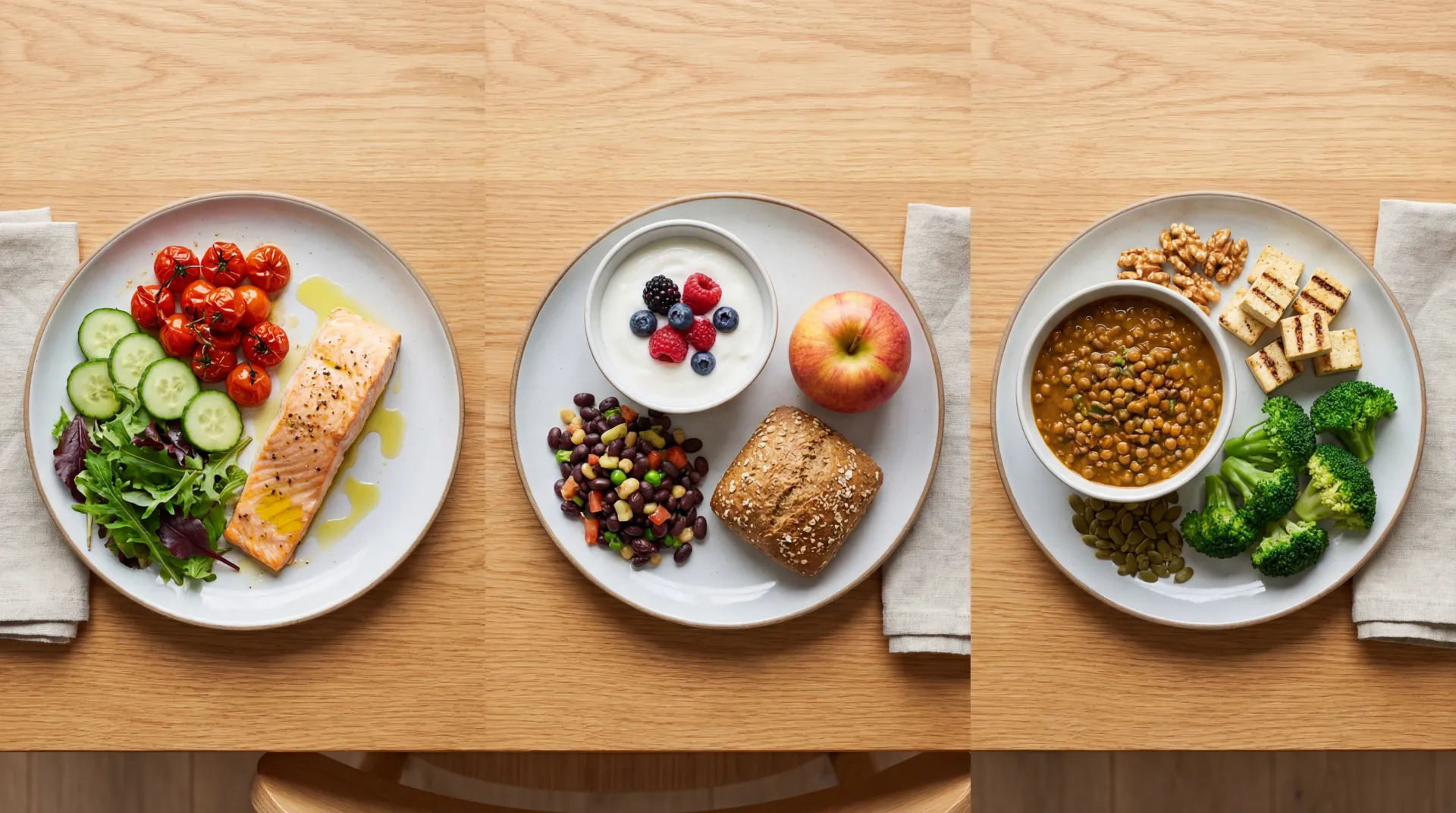
Knowing your target number is easier than actually hitting it. Most women struggle to spread protein evenly across a full day of eating. The typical pattern of a carb-heavy breakfast (toast, cereal, oatmeal with fruit), a salad at lunch, and a large protein serving at dinner leaves two-thirds of the day protein-starved.
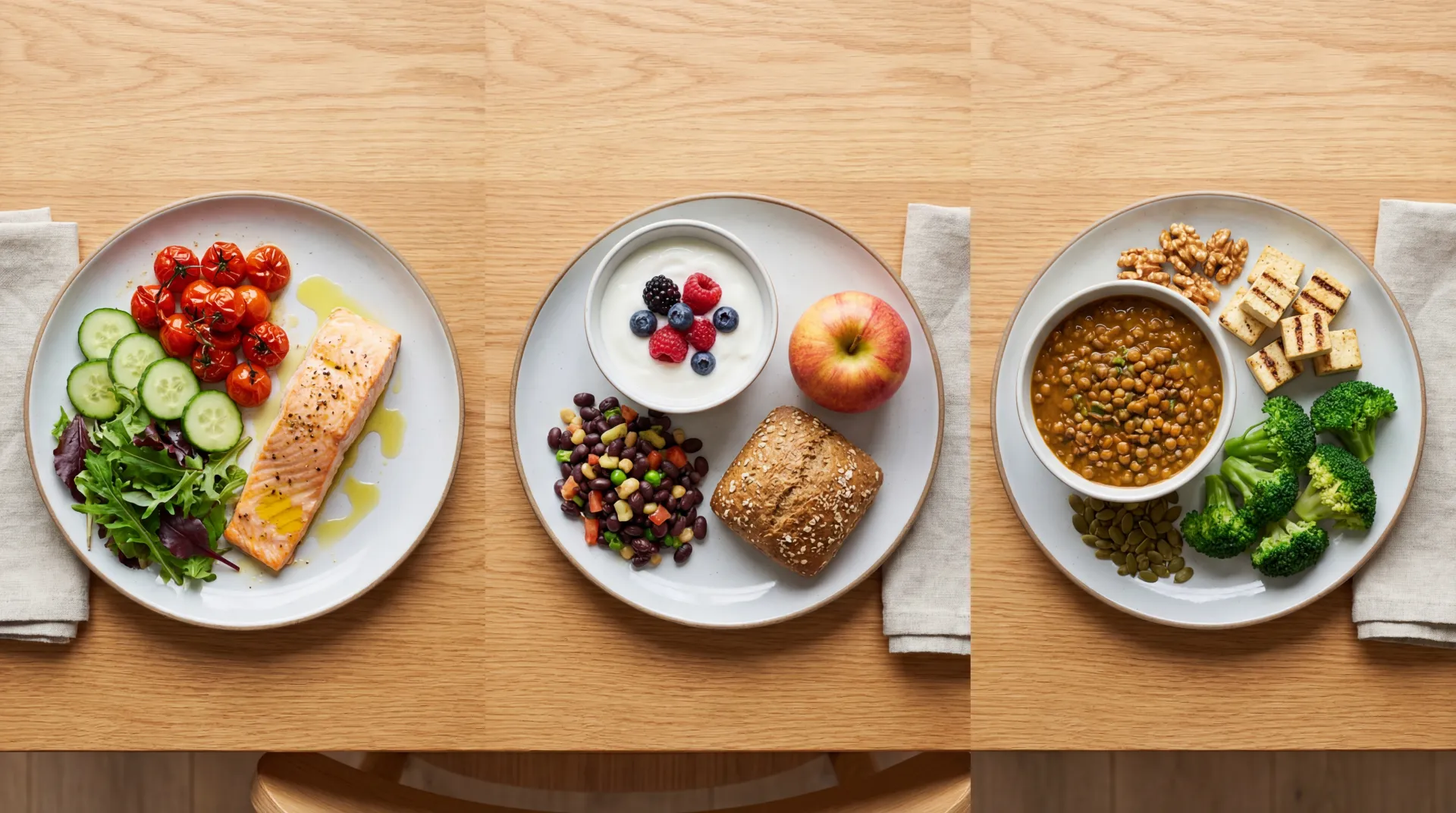
Restructuring meals to include 25-35 grams of protein at each eating occasion makes the daily total feel manageable instead of overwhelming.
Tracking for a week or two helps build awareness. Most women are surprised to find that their go-to breakfast contains under 10 grams of protein. A bowl of oatmeal with fruit has about 5 grams. A slice of toast with avocado has roughly 4. Starting the day at a protein deficit makes catching up nearly impossible by dinner.
Sample day: 120 grams of protein
| Meal | Food | Protein (g) |
|---|---|---|
| Breakfast | 2 eggs scrambled + 1 cup Greek yogurt + handful of walnuts | 35 |
| Lunch | Grilled chicken salad (4 oz chicken, mixed greens, chickpeas, feta) | 38 |
| Snack | Cottage cheese (1/2 cup) with berries | 12 |
| Dinner | Baked salmon (4 oz) with quinoa and roasted broccoli | 38 |
| Total | 123 |
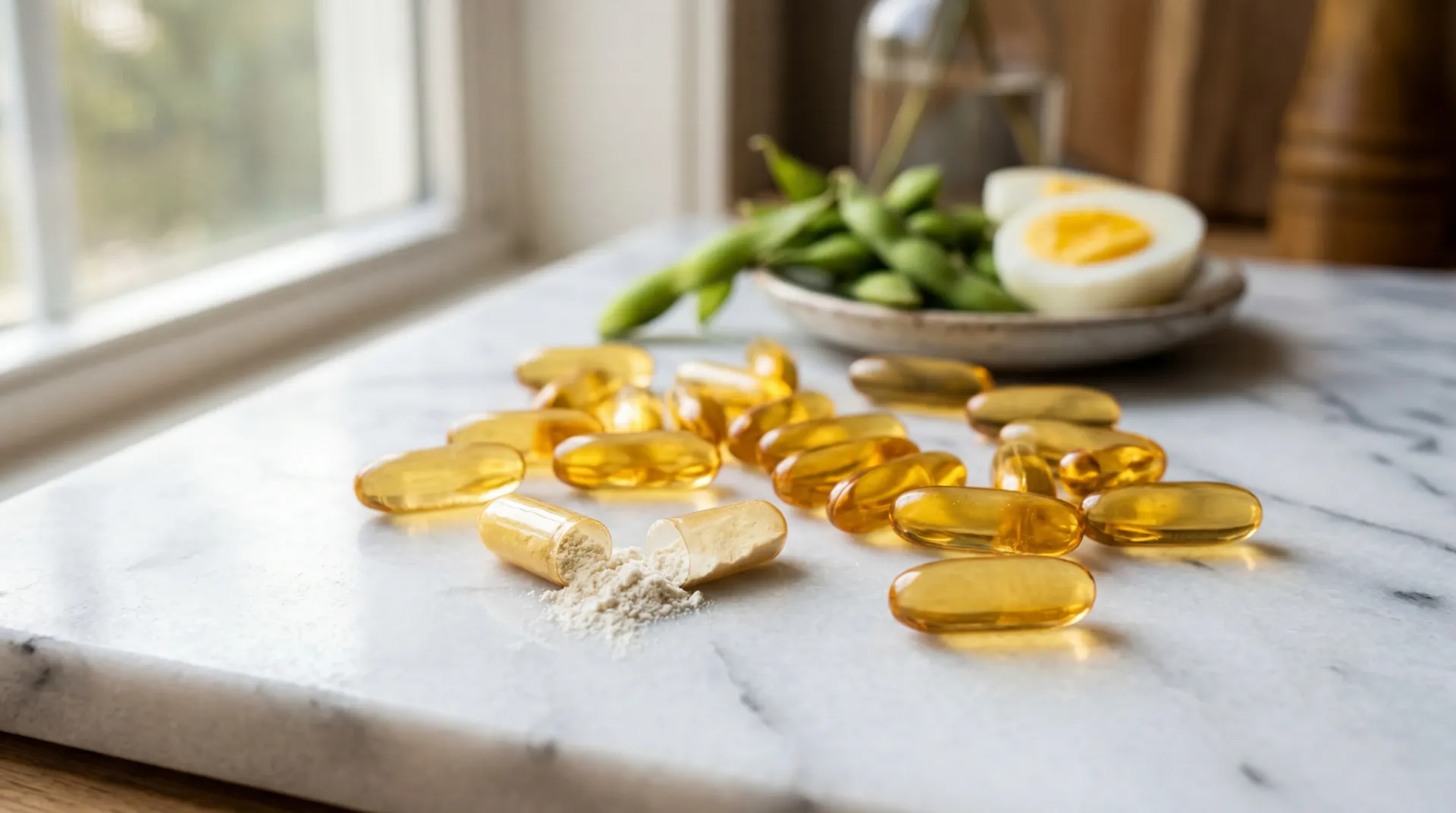
Notice there's no protein powder in that day. Supplements are convenient but not required. If you're consistently falling short, a whey or casein protein shake can bridge the gap, particularly after workouts or as part of breakfast.
Quick protein add-ons for existing meals
- Breakfast: Add a hard-boiled egg or swap regular yogurt for Greek yogurt (doubles the protein content)
- Lunch: Toss half a can of chickpeas into any salad (+7 g) or add a side of cottage cheese
- Dinner: Increase your meat or fish portion by 2 ounces (+14-16 g) or add a side of edamame
- Snacks: Replace chips or crackers with jerky, roasted chickpeas, or string cheese
Signs You're Not Eating Enough Protein
Low protein intake doesn't announce itself with a single dramatic symptom. It shows up as a cluster of nagging issues that women often attribute to stress, aging, or poor sleep. Because these symptoms overlap with so many other conditions, protein rarely gets blamed first. But if several of the following sound familiar, your protein intake is worth auditing before looking for more exotic explanations.
- Persistent hunger between meals despite eating "enough" calories. Protein's effect on satiety hormones (GLP-1 and peptide YY) means that low-protein meals leave you reaching for snacks within two hours.
- Slow recovery from workouts. Muscle soreness that lasts more than 48-72 hours after moderate exercise suggests insufficient amino acids for repair.
- Hair thinning or brittle nails. Keratin is a structural protein. When dietary protein is scarce, your body deprioritizes non-essential structures like hair and nails in favor of vital organs.
- Frequent colds or infections. Antibodies are proteins. Chronically low intake compromises immune cell production, and you might notice you catch every virus circulating at work or your kids' school.
- Loss of muscle tone despite regular exercise. If you're lifting weights but your body composition isn't changing, protein intake is often the bottleneck, not effort.
- Fatigue and brain fog. Amino acids are precursors to neurotransmitters including serotonin and dopamine. Insufficient protein can contribute to sluggish cognitive function and low mood.
Frequently Asked Questions
Can eating too much protein cause weight gain?
Protein itself doesn't cause weight gain any more than carbs or fat do in isolation. Weight gain comes from a sustained caloric surplus. Because protein is the most satiating macronutrient, higher protein diets tend to reduce overall calorie intake, making weight gain from protein alone unlikely in practice.
Is protein powder necessary for women?
No. Protein powder is a convenience, not a requirement. Women who meet their protein targets through whole foods (meat, fish, eggs, dairy, legumes) don't need supplementation. Powder becomes useful when whole-food sources are impractical, such as immediately after a workout or during a hectic morning. Whey protein isolate and plant-based blends (pea + rice) are both effective options.
Should women eat more protein during menopause?
Yes. Declining estrogen accelerates muscle and bone loss. Research supports protein intakes of 1.2-1.6 g/kg/day for postmenopausal women, paired with resistance exercise. Higher protein diets also help maintain resting metabolic rate, which drops as muscle mass decreases. Few dietary changes during this phase deliver as much measurable benefit.
Does high protein intake weaken bones?
The opposite appears to be true. Early research suggested protein increased calcium excretion, but more recent and larger studies show that higher protein intakes protect against osteoporosis. Women with the highest protein intakes had significantly fewer hip fractures than those eating the least protein. The mechanism involves increased IGF-1, which supports bone mineral density.
How much protein should I eat if I'm trying to lose weight?
During a calorie deficit, protein needs increase to protect lean muscle mass. Research suggests approximately 1.6 g/kg/day or about 0.7 grams per pound of body weight. A 150-pound woman in a fat loss phase would aim for around 105 grams of protein daily. This amount significantly reduces the muscle loss that typically accompanies dieting.
Related Articles
- Best Vegan and Vegetarian Protein Sources — A comprehensive guide to meeting protein needs without animal products.
- Whey vs. Casein Protein — How to choose between the two most popular protein supplements.
- Best Supplements for Muscle Growth — Evidence-based supplements that complement a high-protein diet.
- Weight Loss Supplements for Women Over 40 — What works, what doesn't, and what the research actually shows.
- Health Benefits of Plant Proteins — Why plant-based protein sources deserve a spot in every diet.
Medical Disclaimer
This article is for informational and educational purposes only and is not medical advice, diagnosis, or treatment. Always consult a licensed physician or qualified healthcare professional regarding any medical concerns. Never ignore professional medical advice or delay seeking care because of something you read on this site. If you think you have a medical emergency, call 911 immediately.