What Polyphenols Actually Do Inside Your Arteries
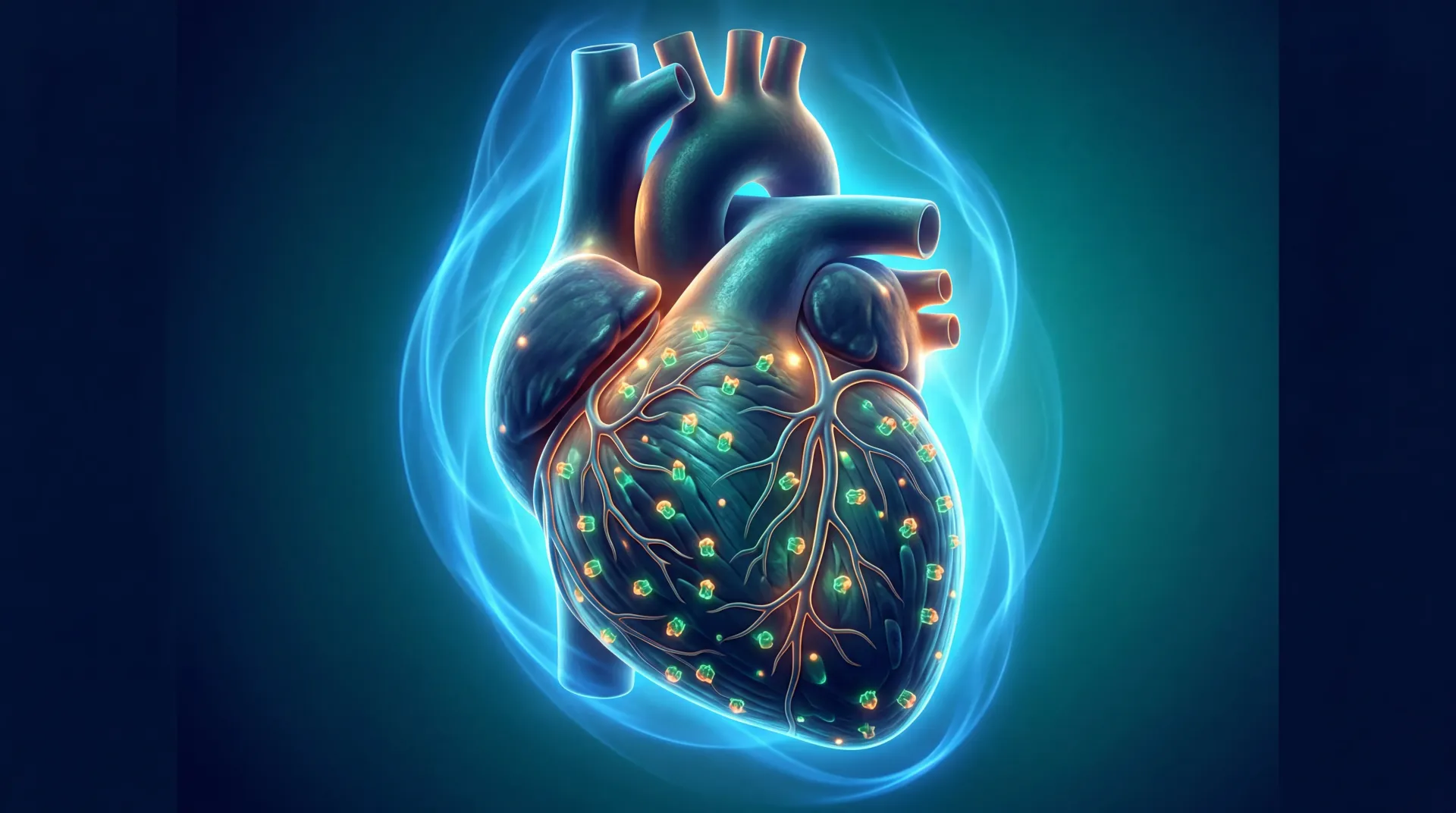
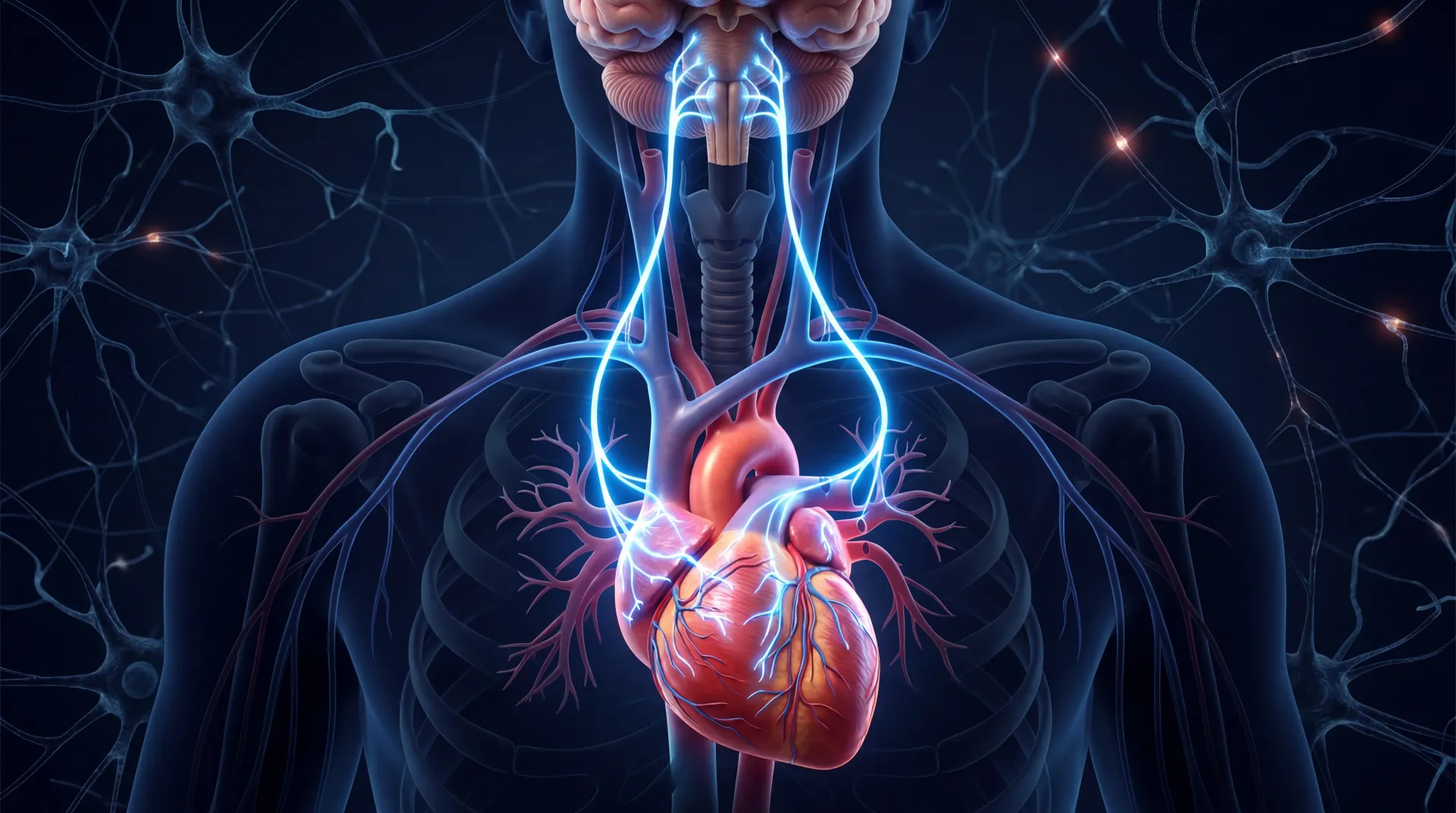
Your blood vessels have a one-cell-thick lining called the endothelium, and it is far more than passive plumbing. This lining actively regulates blood pressure by releasing nitric oxide, a gas that signals surrounding smooth muscle to relax, widening the vessel and dropping pressure. When the endothelium stops working properly, that nitric oxide supply dwindles. Vessels stiffen. Oxidized LDL particles burrow under the lining and trigger an inflammatory cascade that builds into atherosclerotic plaque.
Polyphenols interrupt this process at multiple points. They reduce reactive oxygen species production from mitochondria and NADPH oxidases, the enzymes that generate the free radicals responsible for degrading nitric oxide in the first place. With less oxidative interference, more nitric oxide stays available to keep vessels dilated. At the same time, polyphenols upregulate the enzyme endothelial nitric oxide synthase (eNOS), which is what produces nitric oxide. They are simultaneously protecting the supply and boosting production.
A 2025 review in Food & Function quantified this effect using flow-mediated dilation (FMD), the gold-standard measure of endothelial health. The researchers found that each 1% improvement in FMD translates to a 13% reduction in future cardiovascular events. Berries improved FMD by 0.9–2.6%, cocoa by 0.7–5.9%, and tea by 1.2–4.8%. Those are not trivial numbers when compounded over years of consistent intake.
The core mechanism: Polyphenols protect nitric oxide from being destroyed by free radicals while boosting the enzyme that produces it. The result is better blood vessel flexibility, lower blood pressure, and reduced plaque formation.
Beyond the nitric oxide pathway, polyphenols also suppress inflammatory markers in cardiac tissue and inhibit LDL oxidation, the process that converts harmless cholesterol particles into the foam cells that form arterial plaque. They also reduce platelet aggregation, making dangerous blood clots less likely. These are not single-pathway supplements. They operate across the entire cardiovascular risk chain, from inflammation to oxidation to clotting.
If you are interested in how nitric oxide-boosting foods improve blood flow and lower blood pressure, the overlap with polyphenol-rich foods is striking. Many of the same foods appear on both lists.
The Four Types of Polyphenols That Matter Most for Your Heart
There are over 8,000 known polyphenolic compounds, but they fall into four major families. Each works through somewhat different mechanisms, which is why eating a variety of polyphenol sources matters more than loading up on just one.
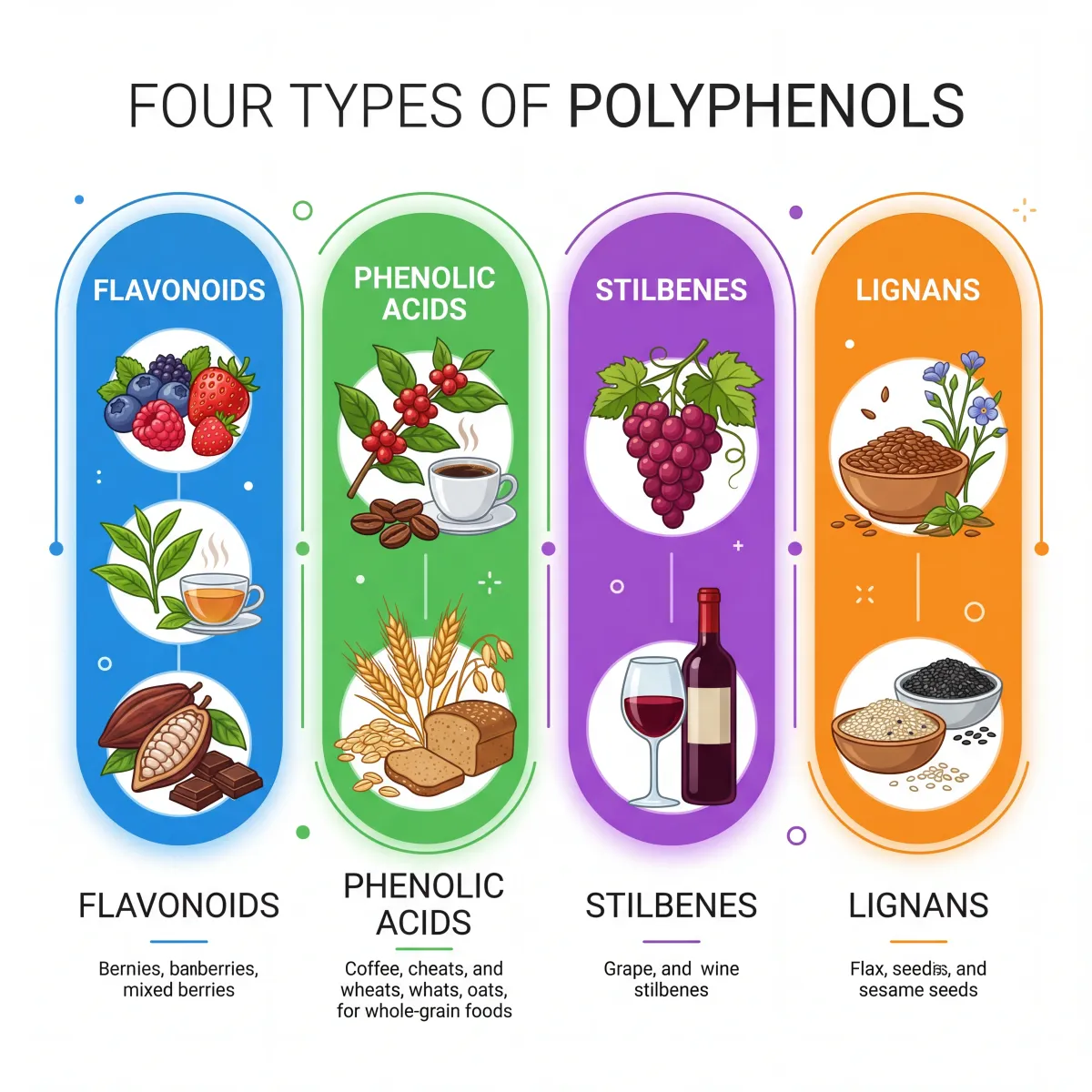
| Polyphenol Family | Key Compounds | Top Food Sources | Primary Heart Benefit |
|---|---|---|---|
| Flavonoids | Quercetin, catechins, anthocyanins, EGCG | Berries, green tea, cocoa, onions, apples | Blood pressure reduction, improved lipid profiles |
| Phenolic Acids | Chlorogenic acid, caffeic acid, gallic acid | Coffee, whole grains, berries, potatoes | LDL-C and triglyceride reduction |
| Stilbenes | Resveratrol, piceatannol | Red grapes, red wine, peanuts, berries | Blood pressure reduction, anti-inflammatory |
| Lignans | Secoisolariciresinol, pinoresinol | Flaxseeds, sesame seeds, whole grains | Estrogen modulation, antioxidant defense |
Flavonoids: The Largest and Most Studied Group
Flavonoids alone account for six subclasses (flavonols, flavones, flavanols, flavanones, anthocyanidins, and isoflavones) and they dominate the cardiovascular research. Quercetin and kaempferol prevent oxidative stress by regulating proteins that induce oxidation in heart tissues, while catechins from green tea and cocoa have been shown to lower both systolic and diastolic blood pressure. Anthocyanins, the pigments that give blueberries and blackberries their color, improved every major blood lipid marker in clinical trials.
If you have explored quercetin's role in allergies and immunity, its cardiovascular applications draw on the same anti-inflammatory and antioxidant pathways, just directed at the endothelium rather than mast cells.
Phenolic Acids: The Coffee Connection
Chlorogenic acid is the most abundant polyphenol in coffee, and it turns out to be a potent cardiovascular ally. A 2024 meta-analysis found that chlorogenic acid supplementation significantly decreased LDL cholesterol by 0.24 mmol/L, total cholesterol by 0.39 mmol/L, and triglycerides by 0.10 mmol/L. Whole grains, berries, and even potatoes contribute phenolic acids, making them one of the most commonly consumed polyphenol classes in Western diets.
Stilbenes: Beyond the French Paradox
Resveratrol became famous through the "French Paradox," the observation that French populations had relatively low rates of heart disease despite diets high in saturated fat, potentially due to red wine consumption. While the reality is more nuanced than a single compound, resveratrol does activate sirtuins (proteins linked to longevity and metabolic regulation) and has demonstrated blood pressure reductions of 3.25 mmHg systolic and 2.32 mmHg diastolic in pooled clinical trial data. Its bioavailability is limited, though, which is why food-based intake through whole grapes, berries, and peanuts may be more practical than isolated supplements.
Lignans: The Underappreciated Protectors
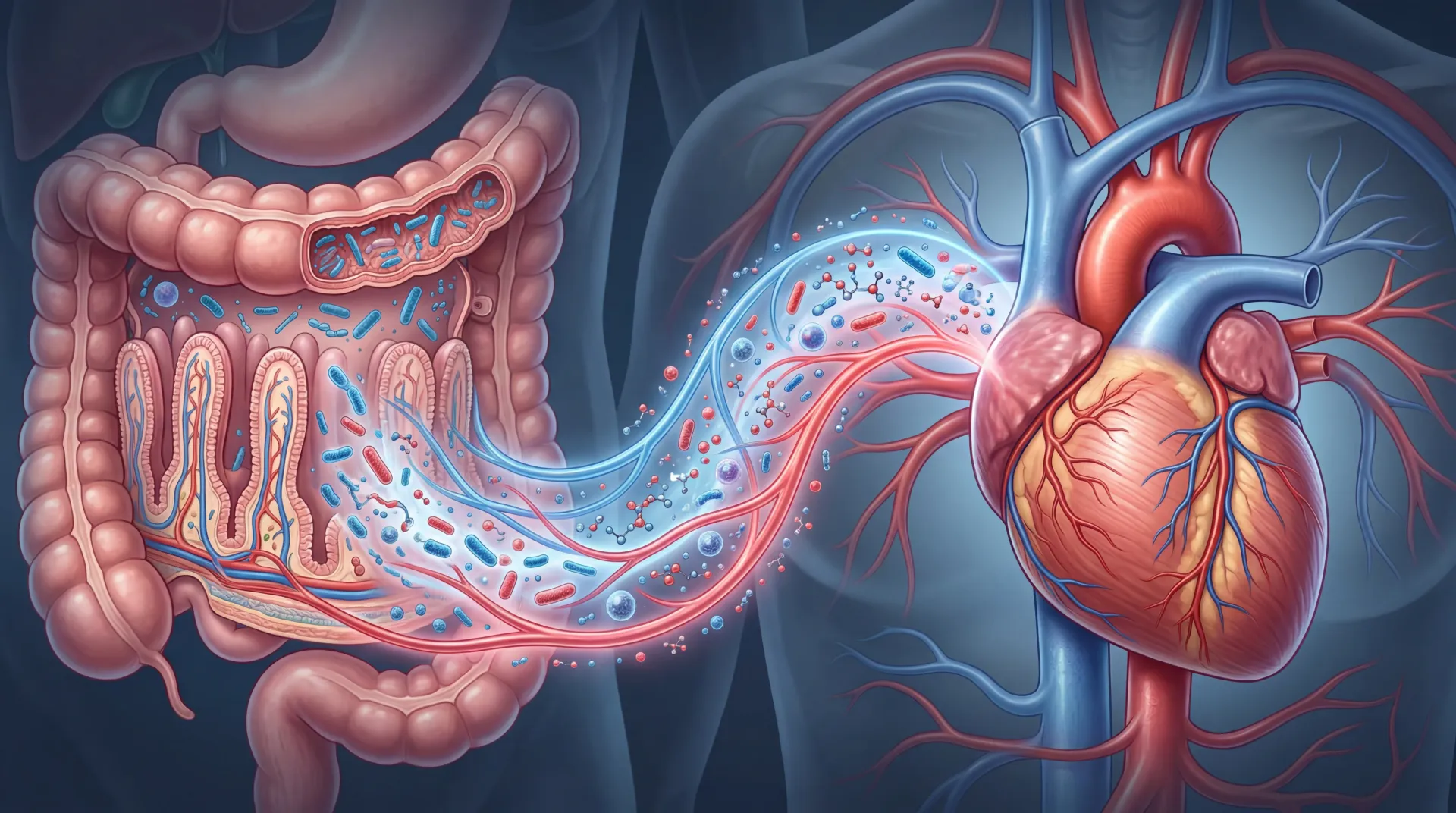
Found primarily in flaxseeds, sesame seeds, and whole grains, lignans are metabolized by gut bacteria into compounds called enterolignans. These have estrogen-modulating properties that may be particularly relevant for postmenopausal cardiovascular risk. They also serve as antioxidant compounds that protect cell membranes from lipid peroxidation.
Top Polyphenol-Rich Foods Ranked by Cardiovascular Impact
Not all polyphenol-rich foods are equal in their cardiovascular effects. The ranking below is based on both polyphenol concentration per serving and the strength of clinical evidence linking each food to measurable heart health outcomes.
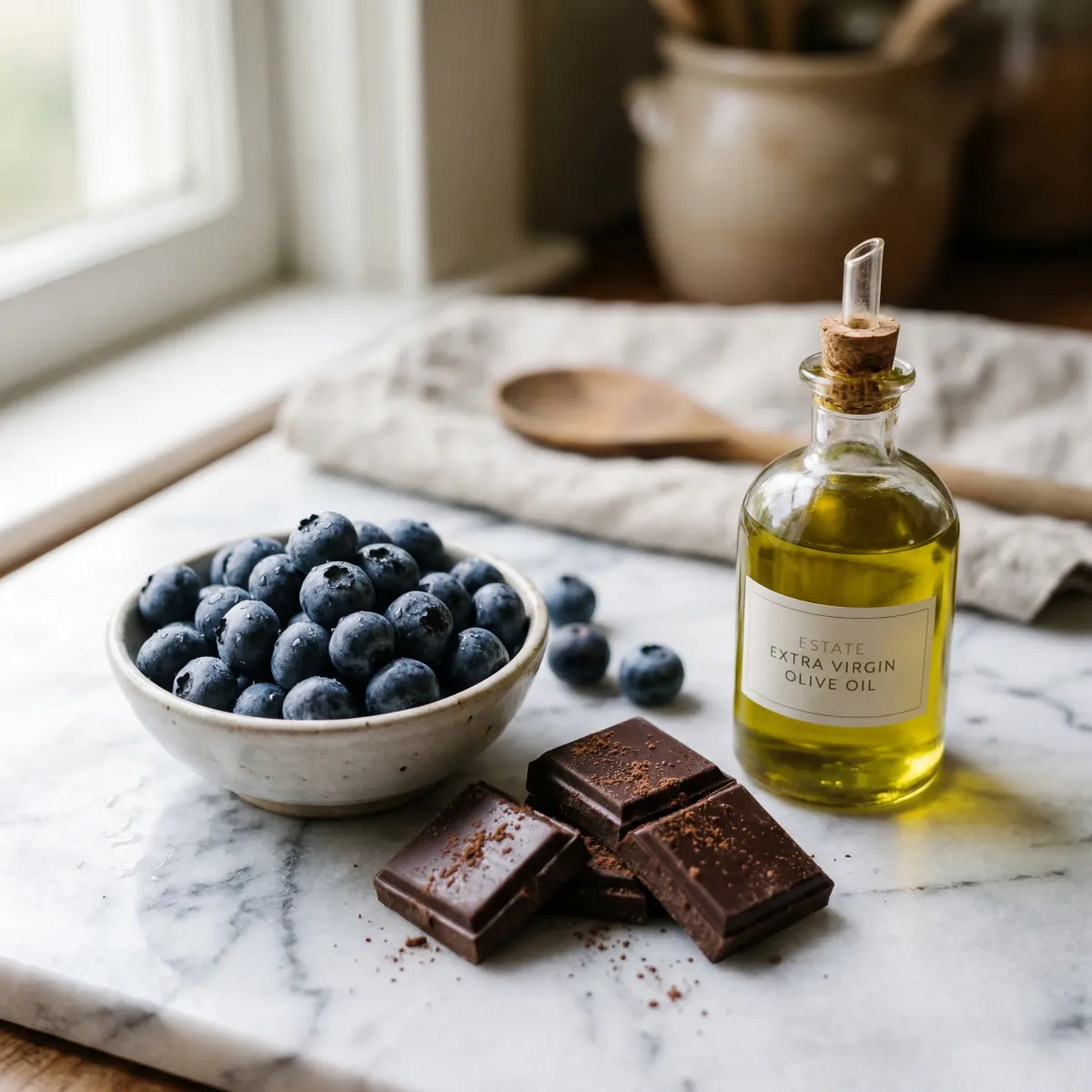
| Food | Polyphenol Content (mg per serving) | Key Polyphenol Types | FMD Improvement | Evidence Strength |
|---|---|---|---|---|
| Dark chocolate / cocoa | 300–1,100 per 100g | Epicatechin, catechin | 0.7–5.9% | Very strong (COSMOS trial) |
| Blueberries | 160–480 per 100g | Anthocyanins, quercetin | 0.9–2.6% | Strong |
| Green tea | 29–103 per 100mL | EGCG, catechins | 1.2–4.8% | Strong |
| Coffee (filtered) | ~90 per 100mL | Chlorogenic acid | Variable (timing-dependent) | Moderate-strong |
| Extra virgin olive oil | 4–200 per 100g | Tyrosols, lignans | Not directly measured | Strong (epidemiological) |
| Red grapes / wine | 25–300 per 100mL | Resveratrol, anthocyanins | 0.8–8.7% | Variable |
| Blackberries | 130–405 per 100g | Anthocyanins, ellagic acid | Included in berry data | Moderate |
| Walnuts / pecans | Variable | Ellagic acid, phenolic acids | Not directly measured | Moderate |
The COSMOS Trial: 21,444 People, One Clear Finding
The largest polyphenol intervention study ever conducted — the COcoa Supplement and Multivitamin Outcomes Study (COSMOS), gave 21,444 participants 500 mg of cocoa flavanols daily for approximately 3.6 years. The result: a 27% reduction in cardiovascular mortality. That is a single food-derived compound, at a dose achievable through dietary sources, producing a mortality reduction that rivals some pharmaceutical interventions.
Why Berries Consistently Outperform
Berries deliver a uniquely dense package of anthocyanins, and the meta-analysis data on anthocyanins is remarkably consistent. Across pooled clinical trials, anthocyanin supplementation improved every lipid marker tested — LDL-C dropped by 0.18 mmol/L, HDL-C increased by 0.18 mmol/L, total cholesterol fell by 0.18 mmol/L, and triglycerides decreased by 0.47 mmol/L. Few single interventions move all four lipid markers in favorable directions simultaneously.
The Coffee Timing Effect
Coffee presents a paradox for cardiovascular researchers. Its polyphenol content is high — chlorogenic acid is one of the most consumed polyphenols in Western diets. But caffeine initially impairs endothelial function. Research shows that FMD actually drops in the first 1–2 hours after coffee consumption, then improves as the phenolic metabolites from chlorogenic acid reach circulation. The takeaway: the cardiovascular benefits of coffee's polyphenols are real, but they operate on a delayed timeline compared to the acute caffeine response.
281 Clinical Trials Later: What the Numbers Actually Say
A 2024 systematic review and meta-analysis published in Nutrients pooled data from 281 randomized controlled trials involving 17,126 participants to determine what polyphenol supplementation actually does to cardiovascular risk markers. No prior analysis has pooled this many polyphenol RCTs.
| Polyphenol Type | Systolic BP Change | Diastolic BP Change | LDL-C Change | HDL-C Change |
|---|---|---|---|---|
| Catechin (tea/cocoa) | -1.56 mmHg | -0.95 mmHg | — | — |
| Resveratrol | -3.25 mmHg | -2.32 mmHg | — | — |
| Genistein (soy) | -10.02 mmHg | -9.13 mmHg | -0.43 mmol/L | — |
| Anthocyanin (berries) | — | — | -0.18 mmol/L | +0.18 mmol/L |
| Chlorogenic acid (coffee) | — | — | -0.24 mmol/L | — |
| Curcumin (turmeric) | -1.42 mmHg | — | — | +0.39 mmol/L |
| Quercetin | -1.38 mmHg | — | — | — |
These numbers look modest in isolation. A 1.56 mmHg drop in systolic blood pressure from catechins does not sound transformative. But blood pressure effects compound over time, and a sustained 2 mmHg reduction in systolic blood pressure across a population translates to roughly 10% fewer stroke deaths and 7% fewer deaths from ischemic heart disease. These are not cure-all numbers, but they represent meaningful risk reduction, especially when multiple polyphenol types are consumed together through a varied diet.
Subgroup Effects: Who Benefits Most
The meta-analysis also examined how polyphenol effects varied by health status. The results were telling:
- Hypertensive individuals saw the largest blood pressure benefit: systolic BP dropped 2.37 mmHg and diastolic 1.13 mmHg
- People with dyslipidemia experienced the most dramatic lipid improvements: LDL-C fell 0.52 mmol/L and total cholesterol dropped 0.47 mmol/L
- Prediabetic/diabetic participants saw significant improvements across blood pressure, lipids, and blood sugar markers
- Healthy individuals still showed benefits in triglycerides, fasting blood glucose, and HDL-C
The pattern is consistent: people with existing cardiovascular risk factors benefit the most, but even healthy populations see measurable improvements. This makes polyphenol-rich diets relevant as both prevention and complementary management.
The curcumin results deserve particular attention. It improved all three glycemic parameters: fasting blood glucose by 0.43 mmol/L, fasting insulin by 10.14 pmol/L, and HbA1c by 0.49%. For context on the broader evidence for this compound, see our complete guide to turmeric's health benefits.
Myth vs. Reality: Polyphenols and Heart Disease

| Common Belief | What the Evidence Actually Shows |
|---|---|
| "Red wine is the best source of heart-protective polyphenols" | Red wine contains resveratrol but in relatively small amounts (25–300 mg/100mL total polyphenols). Berries, cocoa, and green tea deliver comparable or higher polyphenol doses without alcohol's cardiovascular risks. The "French Paradox" was likely driven by overall dietary patterns, not wine alone. |
| "You need polyphenol supplements to get enough" | Western populations already consume an estimated 1,000–1,200 mg of polyphenols daily through diet alone. The 11-year TwinsUK cohort study found that a food-based polyphenol dietary pattern score predicted cardiovascular outcomes more strongly than estimates of total polyphenol intake. Food, not pills, appears to be the more effective delivery system. |
| "All polyphenols are equally bioavailable" | Bioavailability varies dramatically. Plasma concentrations reach only 1–20 nanomoles per liter despite high intake. Anthocyanins are poorly absorbed in the small intestine but are metabolized by gut bacteria into active compounds. Catechins from tea reach peak plasma levels within 2 hours. The food matrix (what you eat with them) matters significantly. |
| "More is always better" | The dose-response curve is not linear. Clinical trials show diminishing returns at very high doses, and some polyphenol supplements at mega-doses can cause gastrointestinal issues. Diversity of polyphenol types matters more than maximizing a single one. |
| "Polyphenol benefits are immediate" | While acute FMD improvements can be measured within hours of consuming cocoa or berry extracts, the cardiovascular risk reduction demonstrated in longitudinal studies requires sustained intake over months to years. The TwinsUK study tracked participants for over 11 years to establish its findings. |
How to Eat for Maximum Benefit (and What Undermines It)
An 11-year cohort study from King's College London tracked over 3,100 adults and found that higher adherence to a polyphenol-rich dietary pattern was associated with lower cardiovascular disease risk scores over time. Critically, the study found that a composite "polyphenol dietary score" based on 20 key polyphenol-rich foods predicted cardiovascular outcomes better than trying to estimate total milligrams of polyphenol intake. The dietary pattern, not the isolated compounds, is what matters.
Here is what a polyphenol-optimized day looks like in practice:
- Morning: Green tea or filtered coffee (hold the sugar), topped with a handful of blueberries on oatmeal
- Midday: Salad with extra virgin olive oil dressing, spinach, red onion, and walnuts
- Afternoon: A square or two of dark chocolate (70%+ cocoa) with a handful of pecans
- Evening: Grilled fish or legumes with a side of roasted sweet potatoes and broccoli, seasoned with turmeric
What Undermines Polyphenol Absorption
The food matrix (everything else on your plate when you consume polyphenol-rich foods) significantly influences how much reaches your bloodstream. Research on FMD responses found that adding milk to tea or consuming cocoa with high amounts of sugar attenuated the endothelial benefits. The polyphenols are still present in the food, but they bind to milk proteins or compete with sugar metabolism in ways that reduce their bioactive effects.
Other factors that affect polyphenol bioavailability:
- Cooking method: Boiling vegetables leaches water-soluble polyphenols. Steaming or roasting preserves more.
- Gut microbiome health: Many polyphenols require bacterial metabolism in the colon to become bioactive. A healthy, diverse microbiome improves this conversion.
- Fat co-consumption: Some polyphenols are better absorbed with dietary fat, making olive oil an ideal pairing for polyphenol-rich vegetables.
- Processing: Minimally processed foods retain more polyphenols. Whole berries beat berry juice, and cold-pressed olive oil outperforms refined.
Your body's own antioxidant system — particularly glutathione, the master antioxidant, works alongside dietary polyphenols. Some research suggests that polyphenols may upregulate glutathione synthesis, creating a synergistic defense against oxidative damage to blood vessels.
Practical takeaway: Eat a variety of polyphenol-rich foods throughout the day rather than concentrating on one "superfood." Pair them with healthy fats, minimize added sugar, and keep processing to a minimum. Consistency over years matters far more than intensity on any given day.
Maintaining adequate electrolyte balance, particularly potassium and magnesium, complements the blood-pressure-lowering effects of polyphenols, since these minerals also support endothelial function and vascular tone through separate but complementary pathways.
Frequently Asked Questions
How many milligrams of polyphenols should you eat per day for heart health?
Most Western adults already consume 1,000–1,200 mg of polyphenols daily, primarily from coffee, tea, and cocoa. Research has not established a specific optimal dose for heart health. The strongest evidence points to dietary diversity — eating a range of polyphenol-rich foods — rather than hitting a particular milligram target. The COSMOS trial used 500 mg of cocoa flavanols daily and found significant cardiovascular mortality reduction.
Can polyphenol supplements replace polyphenol-rich foods?
The evidence favors food over supplements. The 11-year TwinsUK cohort study found that a polyphenol-rich dietary pattern score predicted cardiovascular outcomes more strongly than total polyphenol intake estimates. Food delivers polyphenols alongside fiber, vitamins, minerals, and other bioactive compounds that may work synergistically. Supplements can be useful when specific compounds like curcumin are difficult to obtain in therapeutic doses through food alone, but they should not be the primary strategy.
Does cooking destroy polyphenols in food?
It depends on the cooking method. Boiling can leach 50–75% of water-soluble polyphenols into the cooking water. Steaming, roasting, and sauteing preserve substantially more. Some cooking methods, particularly those involving heat, can actually increase the bioavailability of certain polyphenols by breaking down cell walls and making them more accessible for absorption. Raw is not always better.
Are polyphenols safe for people on blood pressure medication?
Polyphenol-rich foods are generally safe, but their blood-pressure-lowering effects can theoretically add to the effects of antihypertensive medications. The meta-analysis data shows polyphenol-driven blood pressure reductions of 1–3 mmHg on average, which is unlikely to cause problems for most people. However, concentrated supplements, especially those containing high doses of resveratrol or genistein (which showed a 10 mmHg systolic reduction in trials), warrant a conversation with your prescribing physician before starting.
Do polyphenols help with cholesterol specifically?
Yes, and the data is strongest for anthocyanins from berries. A meta-analysis of 281 randomized controlled trials found that anthocyanin supplementation improved all four major lipid markers: it reduced LDL-C, total cholesterol, and triglycerides while increasing HDL-C. Chlorogenic acid from coffee also significantly lowered LDL-C and triglycerides. These effects were most pronounced in people with existing dyslipidemia.
Related Articles
- Nitric Oxide Foods: The Complete Guide to Eating for Better Blood Flow and Lower Blood Pressure — Many polyphenol-rich foods overlap with nitric oxide boosters, making this a natural companion guide.
- Quercetin for Allergies, Immunity, and Inflammation — A deep dive into one of the most important cardiovascular flavonoids and its broader health applications.
- Health Benefits of Turmeric: The Complete Evidence-Based Guide — Curcumin's cardiovascular effects are just part of this compound's story.
- Vitamin K2 and Arterial Calcification: Can This Overlooked Vitamin Protect Your Arteries? — Another nutritional approach to arterial health that complements polyphenol strategies.
- Glutathione: The Master Antioxidant Your Body Makes (and How to Boost It) — Understanding the body's own antioxidant system that works alongside dietary polyphenols.
Medical Disclaimer
This article is for informational and educational purposes only and is not medical advice, diagnosis, or treatment. Always consult a licensed physician or qualified healthcare professional regarding any medical concerns. Never ignore professional medical advice or delay seeking care because of something you read on this site. If you think you have a medical emergency, call 911 immediately.