Nearly Everyone Carries Some Heavy Metal Burden — Here Is What That Means
The phrase "heavy metal detox" carries a lot of baggage. Wellness influencers promote juice cleanses and mystery powders, while physicians reserve chelation therapy for genuine poisoning emergencies. Between those extremes lies a reality most people never hear about: low-level, chronic heavy metal exposure is virtually universal, and the body already runs its own detoxification machinery — machinery you can support through deliberate food and lifestyle choices.
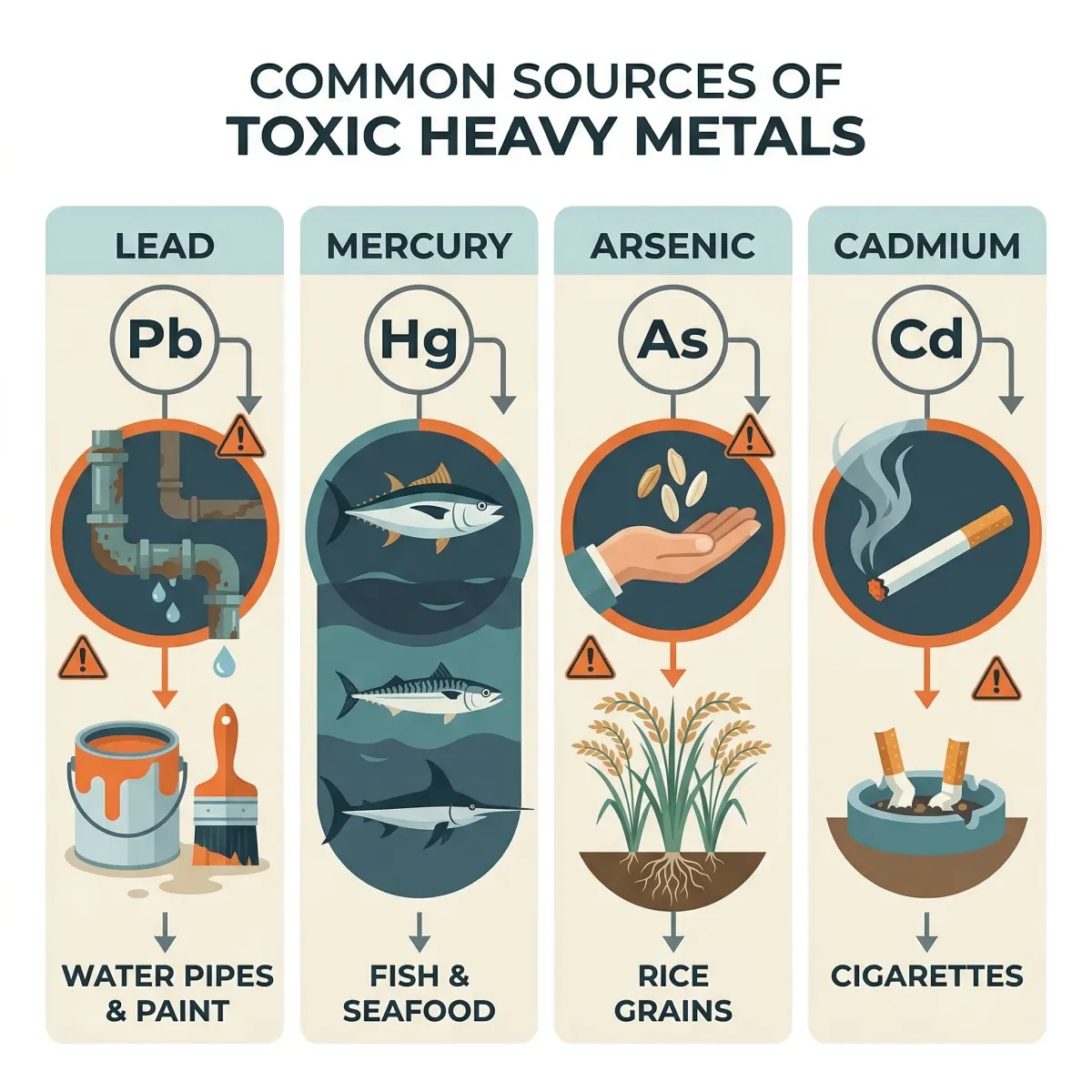
Four metals sit at the center of this conversation. Lead accumulates from aging water pipes, paint in older homes, and contaminated soil. Mercury enters the food chain primarily through fish and shellfish — the World Health Organization considers it one of the top ten chemicals of major public health concern. Arsenic appears naturally in groundwater and concentrates in rice and certain grain products. Cadmium rides along with cigarette smoke and accumulates in root vegetables grown in contaminated soil.
None of these metals serve any useful biological function. As a 2013 review in The Scientific World Journal noted, toxic metals like arsenic, cadmium, lead, and mercury are ubiquitous, have no beneficial role in human homeostasis, and contribute to noncommunicable chronic diseases. Your body does not need them, yet they bind to enzymes and proteins inside your cells, disrupting normal function.
Key takeaway: Heavy metal exposure is not an all-or-nothing situation. Nearly everyone carries trace amounts. The question is not whether you have been exposed, but whether your body's natural detoxification systems are working efficiently enough to keep the burden low.
Your body already possesses built-in chelation tools. Two peptides — glutathione and metallothionein — bind to both essential and toxic metals, shuttling them toward excretion through the kidneys and liver. The strategies in this guide focus on strengthening those natural pathways rather than relying on unproven commercial "detox" products.
Symptoms That Often Get Blamed on Stress but May Signal Metal Accumulation
Heavy metal poisoning at clinical levels produces unmistakable symptoms. But chronic, low-level exposure operates more subtly — and its symptoms mimic dozens of other conditions, which is exactly why it goes unrecognized.
According to Cleveland Clinic, common signs of heavy metal toxicity include abdominal pain, fatigue, nausea, numbness or tingling in hands and feet, and general weakness. At more severe levels, the consequences escalate to abnormal heartbeat, anemia, brain damage, memory loss, kidney and liver damage, and increased cancer risk.
| Metal | Primary Symptom Pattern | Most Vulnerable Groups |
|---|---|---|
| Lead | Memory problems, high blood pressure, joint pain, mood changes | Children under 6, workers in construction and auto repair |
| Mercury | Tremors, insomnia, vision changes, coordination loss | Pregnant women, frequent fish consumers, dental workers |
| Arsenic | Skin changes, GI distress, numbness, fatigue | Communities with contaminated groundwater |
| Cadmium | Kidney dysfunction, bone softening, respiratory issues | Smokers, workers in battery and metal plating industries |
Children deserve special attention. The Mayo Clinic reports that children younger than six are especially vulnerable because their developing bodies absorb lead more easily, and even low-level exposure can cause irreversible brain development damage. Mercury carries similar risks — the WHO estimates that among certain fishing populations, between 1.5 and 17 per 1,000 children show cognitive impacts from maternal fish consumption during pregnancy.
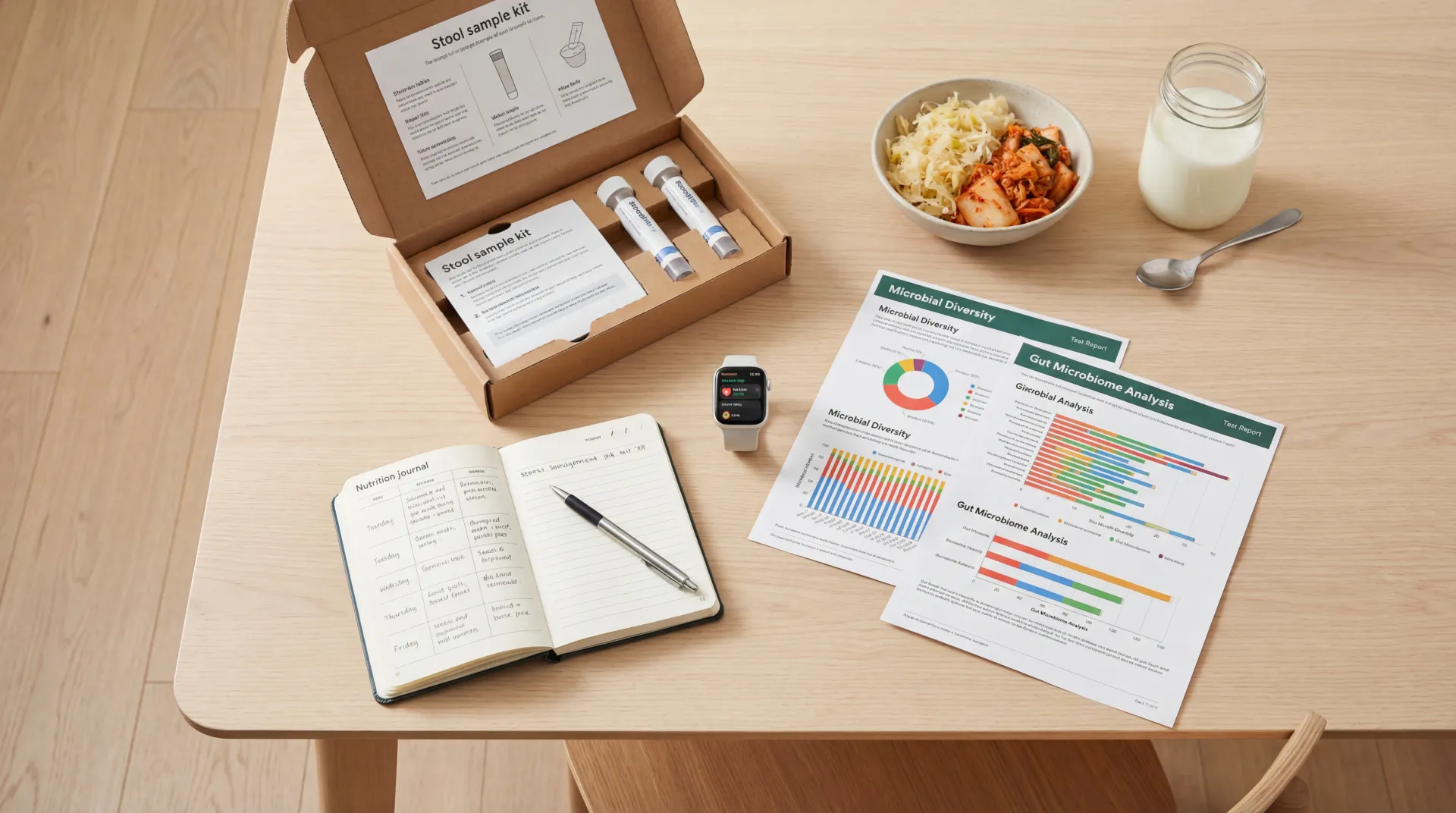
If you suspect heavy metal exposure, a heavy metals panel blood test can check levels of lead, mercury, arsenic, and cadmium. Your doctor may also order kidney function tests, a complete blood count, and urine analysis. Self-diagnosing based on symptoms alone is unreliable since these overlap with many common conditions.
Your Grocery List as a Detox Strategy: Foods That Actually Help
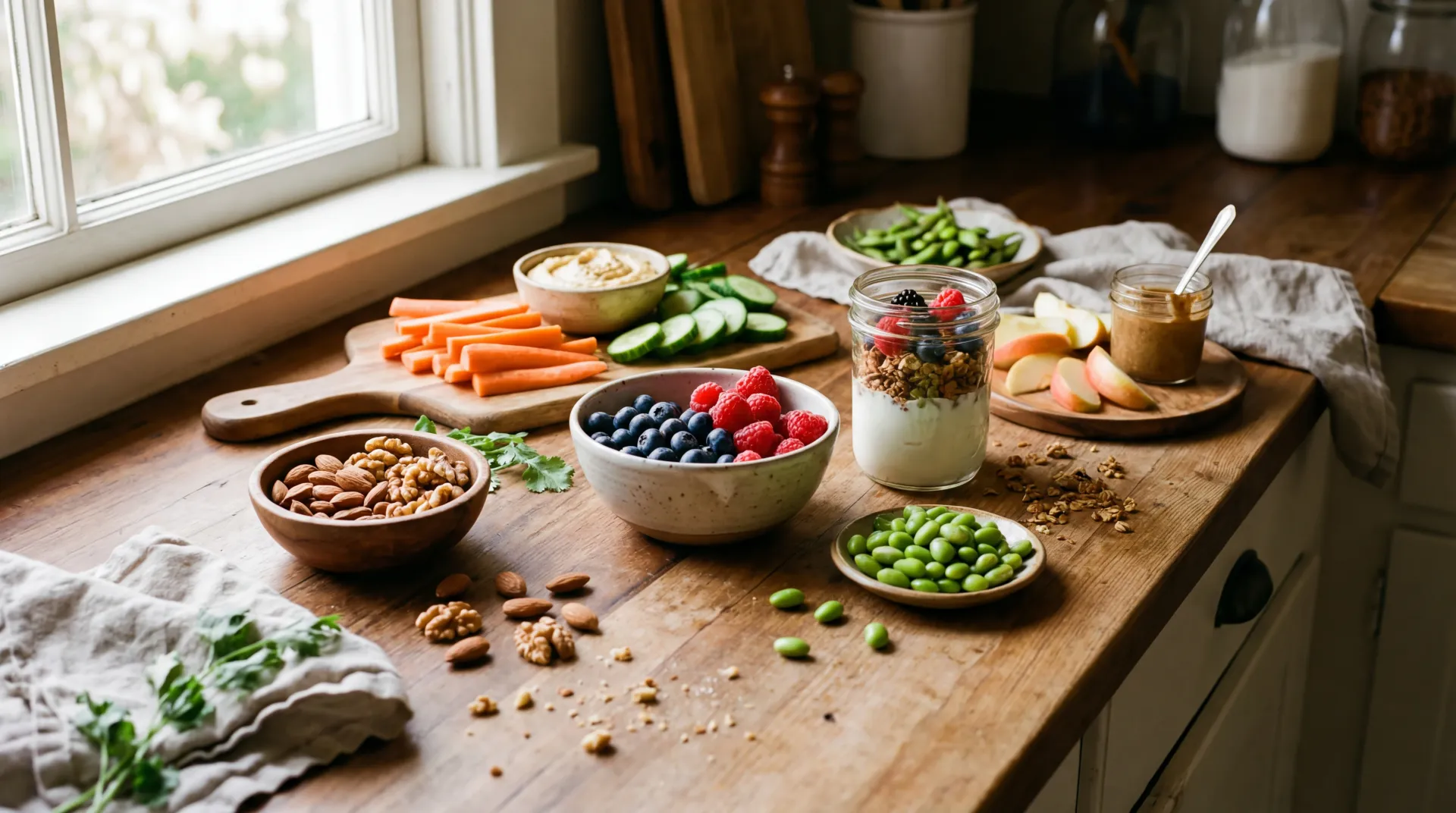
Before reaching for supplements, consider that your kitchen may already contain the most effective tools for supporting heavy metal clearance. The approach is not about "detox smoothies" but about consistently eating foods that strengthen the body's own chelation and antioxidant pathways.
Sulfur-Rich Cruciferous Vegetables
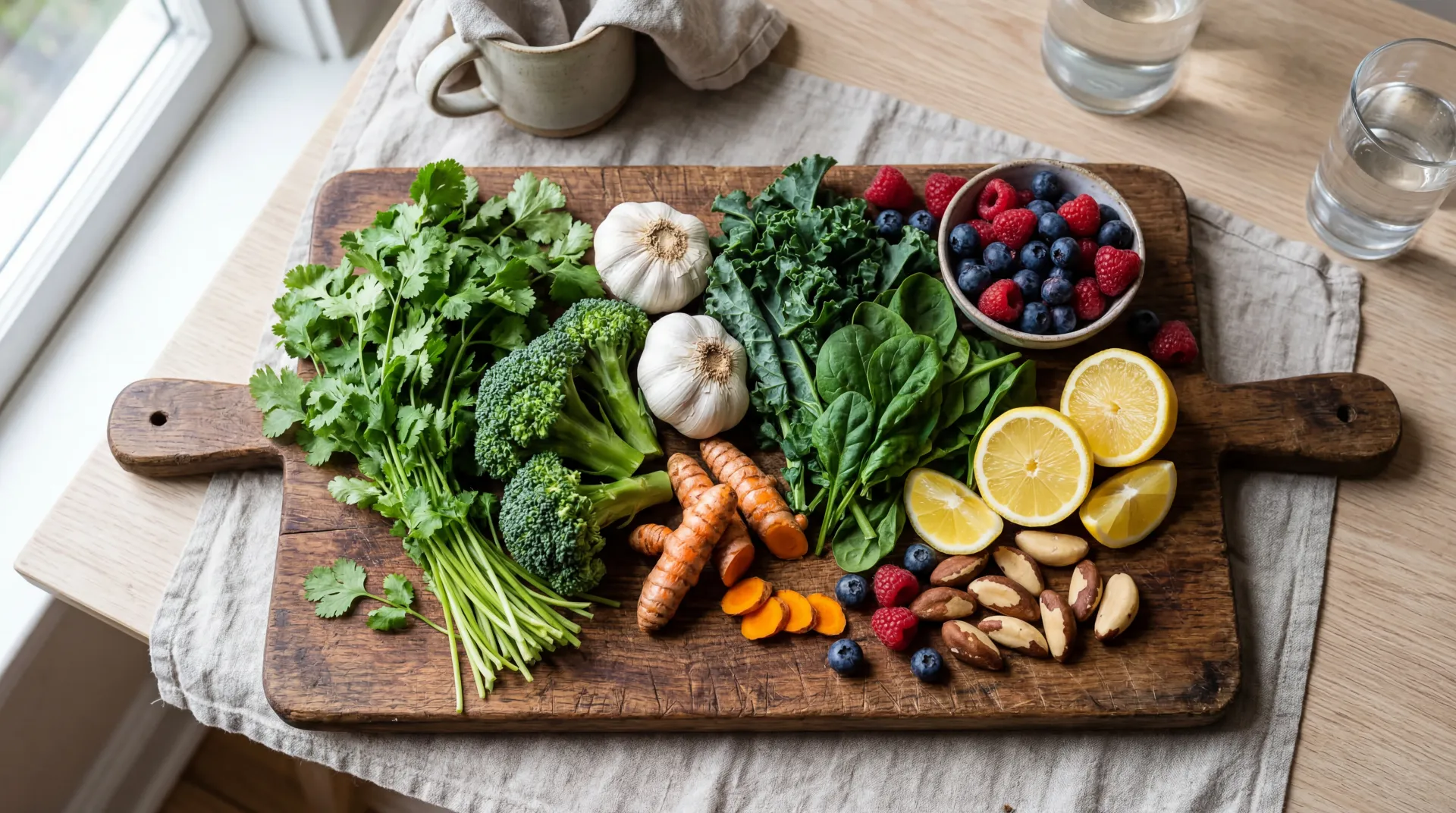
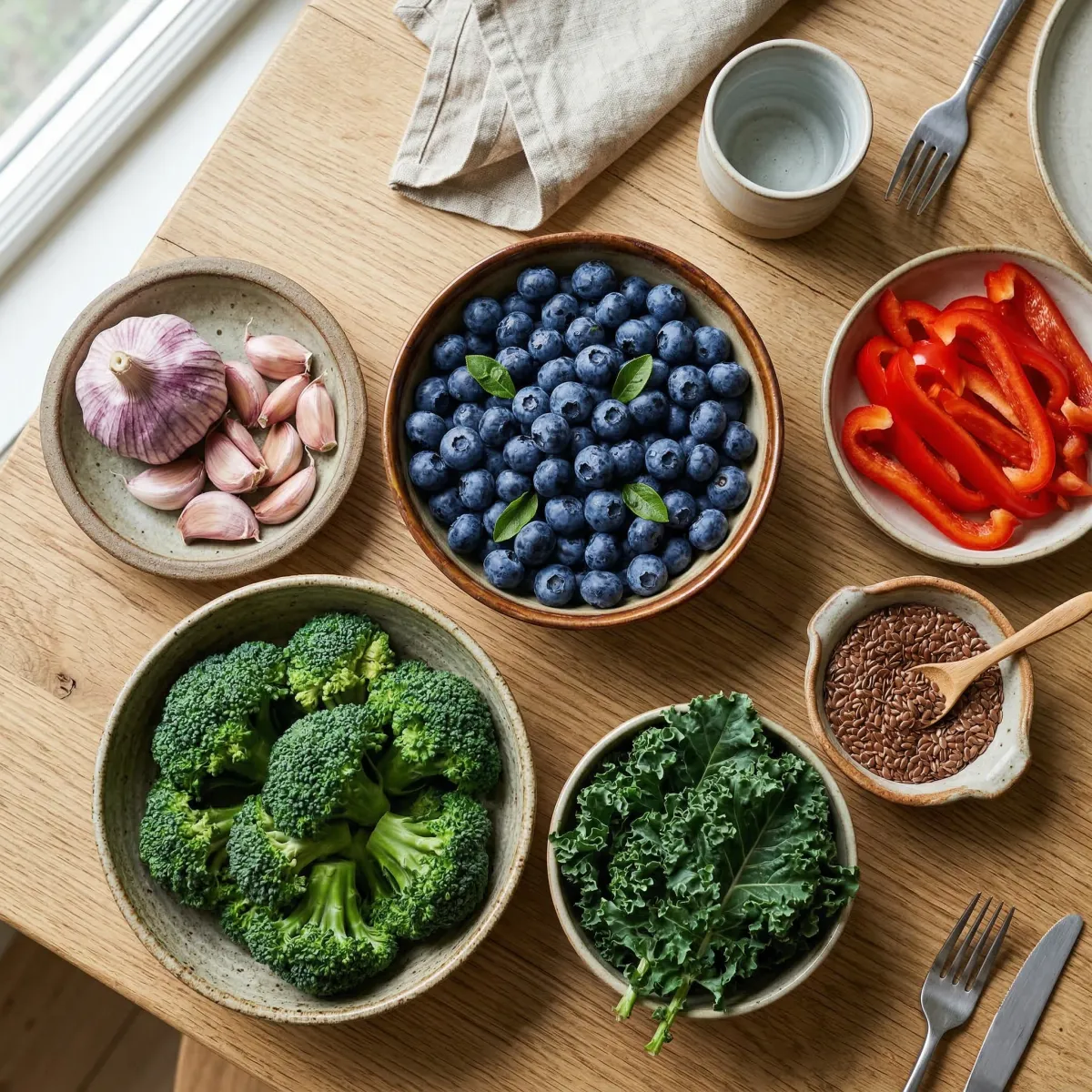
Broccoli, Brussels sprouts, cabbage, kale, and cauliflower deliver sulforaphane and other sulfur compounds that boost glutathione production — your body's primary intracellular chelation molecule. Glutathione acts as the master antioxidant, directly binding to toxic metals and facilitating their excretion. Eating cruciferous vegetables three to five times per week gives your liver consistent raw materials for this process.
Selenium-Rich Foods
Selenium has a particularly well-documented antagonistic relationship with mercury. The mineral forms insoluble selenium-mercury complexes that effectively neutralize mercury's toxic potential. Brazil nuts are the richest dietary source — just two nuts daily can meet your selenium needs. Other good sources include tuna, sardines, eggs, and sunflower seeds. The NIH's Office of Dietary Supplements recommends 55 mcg daily for adults.
Allium Vegetables
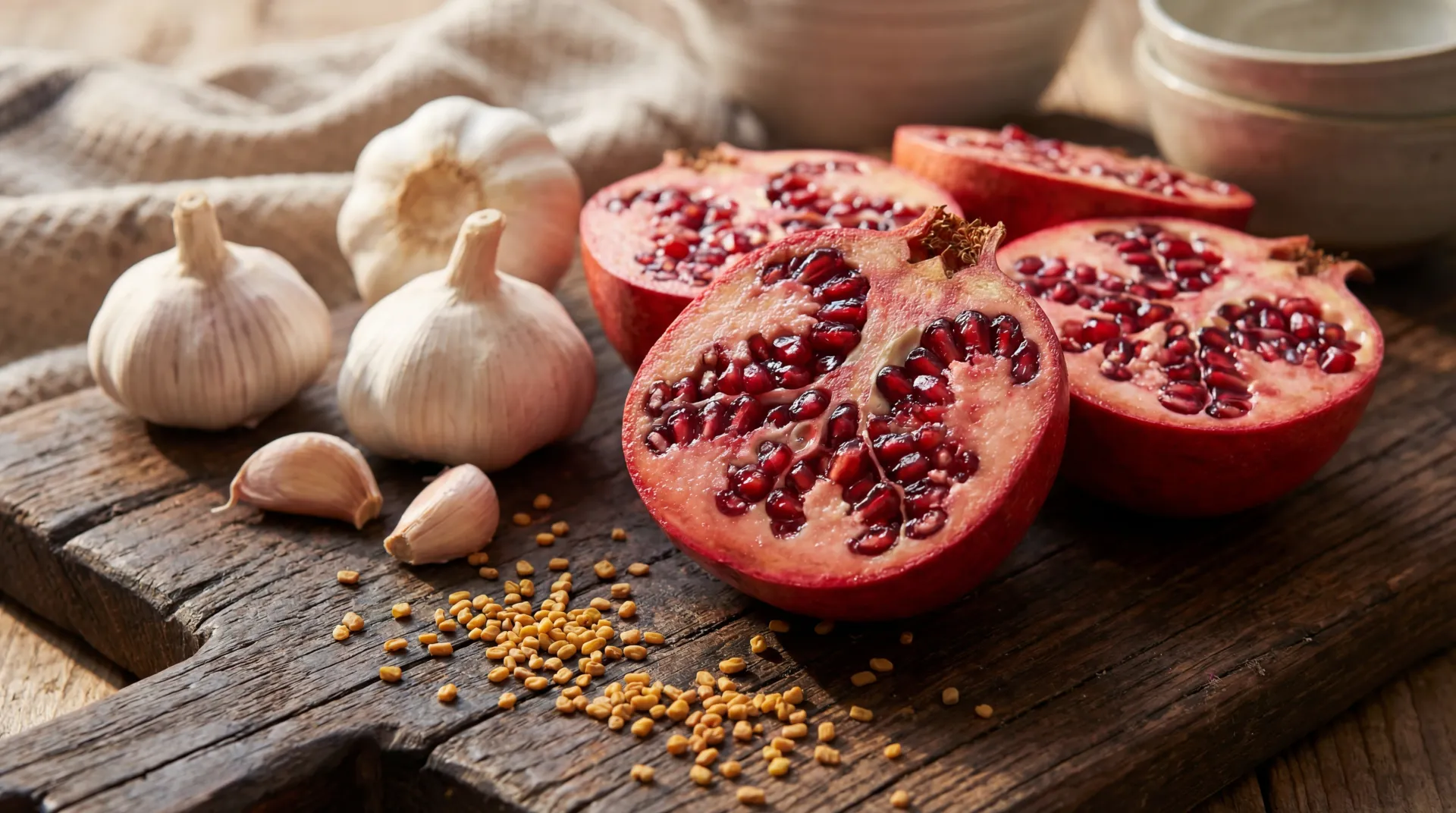
Garlic, onions, leeks, and shallots provide organosulfur compounds that support both Phase I and Phase II liver detoxification. Garlic in particular contains diallyl sulfide, which has been studied for its ability to protect against cadmium and lead toxicity by enhancing glutathione synthesis.
Fiber-Dense Foods
Soluble fiber from oats, beans, lentils, and flaxseed binds metals in the digestive tract before they can be reabsorbed through enterohepatic circulation. Pectin — found in apples, citrus fruits, and berries — is a type of soluble fiber that shows particular affinity for binding lead and other metals in the gut.
Vitamin C-Rich Produce
The Mayo Clinic notes that calcium, vitamin C, and iron in the diet help lower lead absorption. Vitamin C functions as both an antioxidant that counteracts metal-induced oxidative damage and a mild chelator. Bell peppers, citrus fruits, strawberries, and kiwi all deliver high doses.
| Food Category | Key Compounds | Primary Mechanism | Best Sources |
|---|---|---|---|
| Cruciferous vegetables | Sulforaphane, glucosinolates | Boost glutathione production | Broccoli, kale, Brussels sprouts |
| Selenium-rich foods | Selenomethionine | Mercury antagonism, antioxidant enzymes | Brazil nuts, sardines, eggs |
| Allium vegetables | Diallyl sulfide, allicin | Liver detox enzyme support | Garlic, onions, leeks |
| Fiber sources | Pectin, beta-glucan | Intestinal binding of metals | Apples, oats, lentils, flaxseed |
| Vitamin C sources | Ascorbic acid | Antioxidant, mild chelation, iron absorption | Bell peppers, citrus, strawberries |
| Polyphenol-rich foods | Flavonoids, anthocyanins | Metal chelation, antioxidant protection | Berries, green tea, dark chocolate |
Polyphenol-rich foods — blueberries, green tea, and turmeric — also deserve a place on the plate. Curcumin, the active compound in turmeric, has documented metal-chelating properties and helps protect the liver and kidneys from oxidative damage caused by metal accumulation.
The Supplement Aisle: What Research Actually Supports
Supplements for heavy metal detoxification occupy a gray zone between promising preliminary research and aggressive marketing. Here is what the evidence says about the most commonly recommended options.
Chlorella
Chlorella, a single-celled freshwater algae, is one of the most frequently marketed natural chelators. The evidence is mixed but worth examining carefully. A three-year double-blind, placebo-controlled study involving 350 metal foundry workers tested multiple natural substances and found that chlorella growth factor alone was only effective at eliminating cadmium through fecal excretion. It did not chelate lead, arsenic, or antimony when used in isolation.
However, the same study found that a combination of chlorella growth factor with cilantro extract showed synergistic chelation across all metals tested. The individual components were ineffective alone, but the combination produced statistically significant metal excretion (p<0.0005 for mercury and arsenic).
Cilantro (Coriandrum sativum)
Cilantro is widely promoted as a natural chelator, but the research tells a more complicated story. The same foundry worker study found that cilantro tincture used alone showed a 90-100% decrease in metal excretion — the opposite of what was expected. Researchers hypothesized that cilantro may mobilize metals from tissues into the bloodstream, but without a binding agent to shuttle them out, the metals get reabsorbed. This "osmotic backlash" could actually increase tissue metal levels rather than reduce them.
Important caution: Using cilantro alone for heavy metal detox may redistribute metals rather than remove them. If you choose to try cilantro supplements, evidence suggests combining them with a binding agent like chlorella.
Modified Citrus Pectin
Modified citrus pectin (MCP) — a form of pectin processed to reduce molecular size for better absorption — has shown some promise. A series of clinical case reports published in Forschende Komplementärmedizin documented a 74% average decrease in toxic heavy metals across five patients using MCP alone or combined with alginates, without reported side effects. The evidence is limited to case reports rather than controlled trials, but the results warrant attention.
N-Acetyl Cysteine (NAC)
NAC is a precursor to glutathione — the body's most important intracellular chelator. By boosting glutathione levels, NAC supports the natural detoxification pathways that your cells already use to process and excrete metals. Unlike many supplements marketed for detox, NAC has decades of clinical use and a well-understood safety profile.
Alpha-Lipoic Acid
Alpha-lipoic acid is both water- and fat-soluble, giving it access to cellular compartments that many chelators cannot reach. It can cross the blood-brain barrier, making it theoretically useful for mercury and lead that have accumulated in neural tissue. Animal studies show promise, but controlled human trials specifically for heavy metal chelation remain limited.
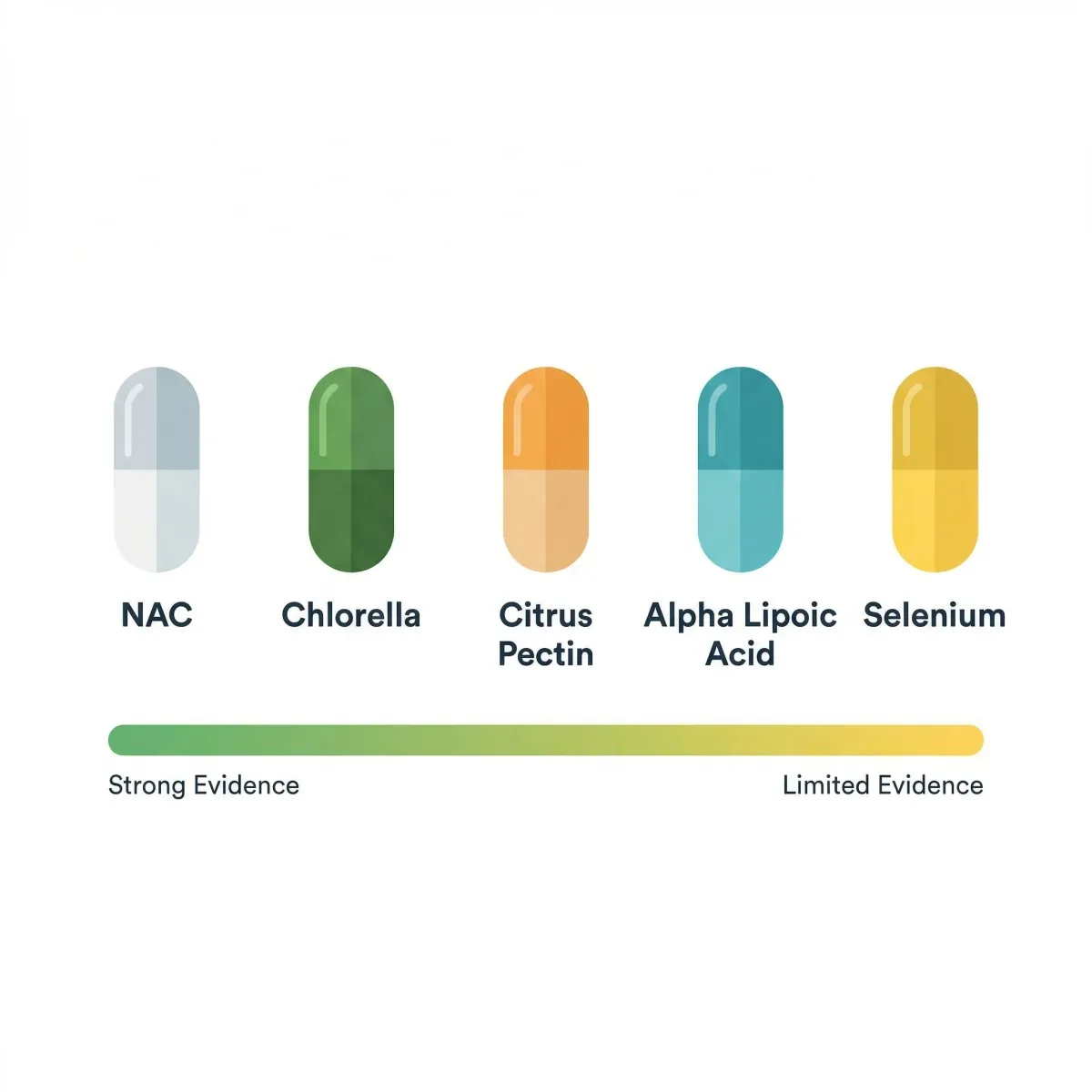
| Supplement | Evidence Level | Primary Metals Targeted | Key Caveat |
|---|---|---|---|
| NAC | Strong (decades of clinical use) | Broad spectrum via glutathione | Supports natural pathways; not a direct chelator |
| Chlorella + Cilantro | Moderate (one controlled trial) | Lead, mercury, arsenic, cadmium | Must be used together; cilantro alone may backfire |
| Modified Citrus Pectin | Low-moderate (case reports) | Lead, mercury | Limited to case studies; researcher has commercial ties |
| Alpha-Lipoic Acid | Preliminary (mostly animal studies) | Mercury, lead (crosses blood-brain barrier) | Human chelation trials lacking |
| Selenium | Strong (well-established mechanism) | Mercury specifically | Narrow scope; addresses mercury antagonism only |
Hidden Exposures: Where Heavy Metals Lurk in Daily Life
Reducing your incoming metal burden is just as important as supporting excretion. Many people unknowingly increase their exposure through everyday choices.
Food-Based Exposures
The FDA's Closer to Zero initiative has documented that arsenic, lead, cadmium, and mercury appear in foods because these elements occur naturally in soil and water used to grow crops. Rice and rice-based products tend to accumulate more arsenic than other grains. Large predatory fish — shark, swordfish, king mackerel, and tilefish — concentrate methylmercury through bioaccumulation.
Practical steps to reduce food-based exposure:
- Rinse rice thoroughly and cook in excess water (6:1 ratio), draining the extra — this can reduce arsenic content by up to 60%
- Choose smaller fish species (sardines, anchovies, wild salmon) over large predators
- Rotate grains rather than relying heavily on rice
- Peel root vegetables grown in potentially contaminated soil
- Choose organic produce when possible for crops known to accumulate cadmium
Household Sources
Homes built before 1978 may contain lead-based paint. As Mayo Clinic notes, lead-contaminated dust from deteriorating paint remains a major exposure pathway. Running cold water for at least one minute before drinking from older plumbing can flush lead particles from pipes. Never use hot tap water for cooking or baby formula preparation — heat increases lead leaching.
Consumer Products
Mercury shows up in unexpected places. The WHO warns that mercury-containing skin lightening products remain widely available despite being banned in many countries. Some imported cosmetics, traditional herbal medicines, and even certain supplements themselves may contain undisclosed heavy metals. The FDA has taken enforcement action against companies selling "detox" products that contained hidden ingredients.
Environmental and Occupational Sources
Coal-burning power plants release mercury into the atmosphere. Workers in mining, battery manufacturing, painting, plumbing, and auto repair face elevated occupational exposure. If you work in these industries, use appropriate personal protective equipment and wash work clothes separately from family laundry.
The Detox Industry vs. The Science: What You Need to Know
The heavy metal detox space is flooded with misleading claims. Here is where the evidence stands on common beliefs.
| Claim | Reality |
|---|---|
| "A 3-day juice cleanse removes heavy metals" | A 2015 review found no compelling research to support detox diets for eliminating toxins. Heavy metals bind to tissues for months or years — no short-term cleanse can reverse that. |
| "Everyone needs chelation therapy" | The CDC recommends chelation only for specific serious poisoning cases. Pharmaceutical chelators like EDTA and DMSA carry risks including kidney damage and depletion of essential minerals. |
| "Activated charcoal detoxes heavy metals" | Activated charcoal can bind some substances in the GI tract, but it has not been shown to remove metals already absorbed into tissues. It also binds medications and nutrients indiscriminately. |
| "Infrared saunas sweat out heavy metals" | While some metals appear in sweat, the quantities are minimal compared to kidney and liver excretion. Saunas offer other health benefits but are not a primary metal detox tool. |
| "Hair mineral analysis accurately diagnoses metal toxicity" | Hair analysis can indicate long-term exposure trends but is unreliable for diagnosing acute toxicity. Blood and urine testing provide more clinically useful information. |
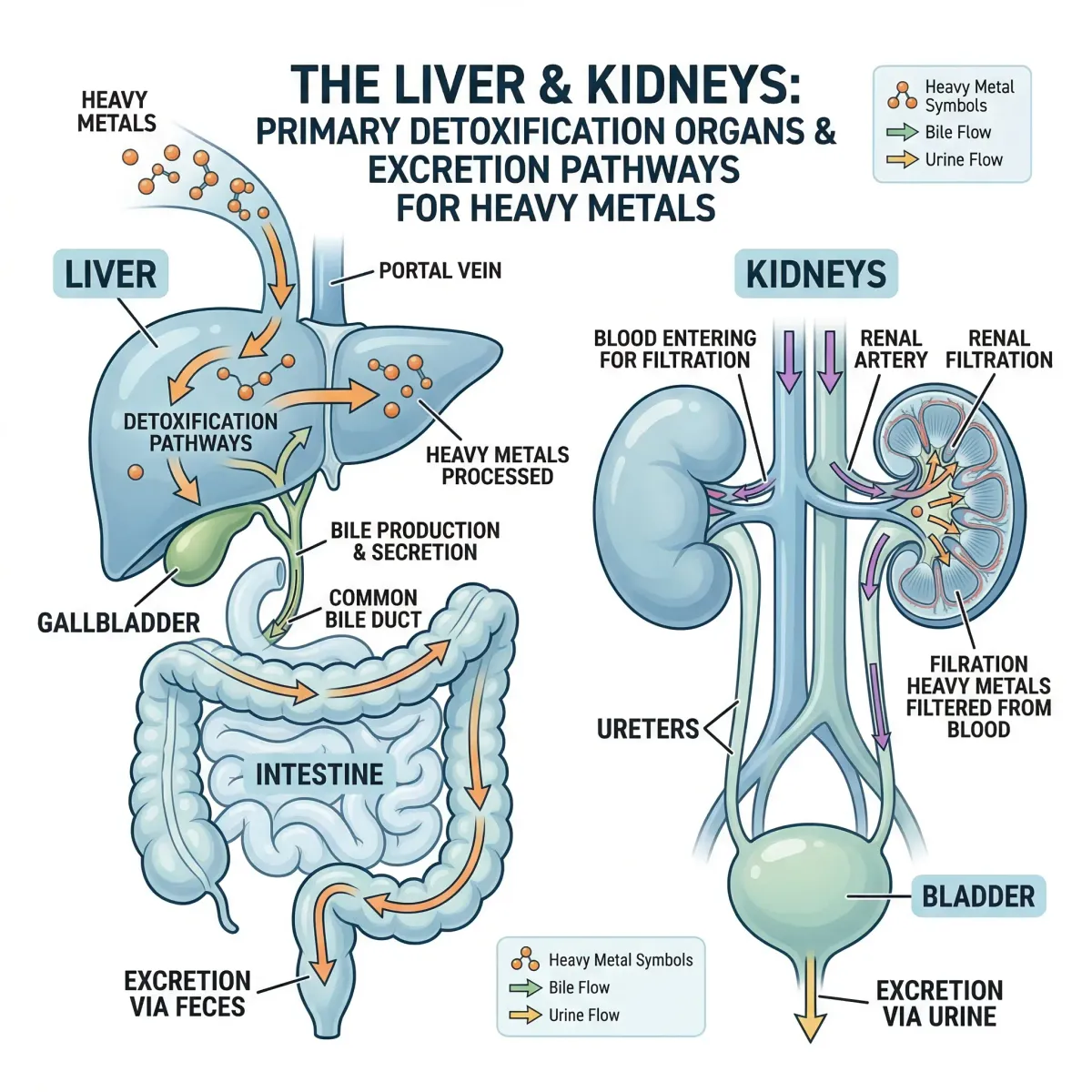
The most important distinction to grasp: the body detoxifies metals continuously through the liver, kidneys, and GI tract. Your job is to reduce incoming exposure and provide the nutritional building blocks — sulfur amino acids, selenium, vitamin C, fiber, and adequate minerals — that keep these systems running well. There is no magic bullet supplement or protocol that replaces these fundamentals.
The NIH's National Center for Complementary and Integrative Health warns that the FDA and FTC have taken action against multiple companies selling detox products with hidden ingredients, false claims, or unapproved medical devices. Before spending money on a heavy metal detox product, check whether the company can point to peer-reviewed research — not testimonials — supporting their claims.
Maintaining healthy gut barrier function also matters. A compromised intestinal lining can increase reabsorption of metals that the liver has already processed for excretion through bile. Eating fermented foods, maintaining adequate fiber intake, and managing stress all support the gut-brain axis and overall digestive health.
Frequently Asked Questions
How do I know if I have heavy metal toxicity?
Symptoms like chronic fatigue, brain fog, numbness in extremities, and digestive issues can suggest metal accumulation, but these overlap with many conditions. The only reliable way to assess your metal burden is through laboratory testing — a heavy metals blood panel or provoked urine test ordered by your physician. Hair mineral analysis can show long-term trends but is not diagnostic on its own.
Can I detox heavy metals naturally without medication?
For low-level, chronic exposure — which describes most people — dietary strategies can meaningfully support your body's natural detoxification. Eating selenium-rich foods, cruciferous vegetables, garlic, adequate fiber, and vitamin C provides the raw materials your liver and kidneys need. Pharmaceutical chelation (EDTA, DMSA, penicillamine) is reserved for clinically significant poisoning diagnosed by a physician.
Is cilantro an effective heavy metal chelator?
The evidence is more nuanced than social media suggests. A controlled study found that cilantro alone actually decreased metal excretion, possibly by mobilizing metals without removing them. When combined with chlorella growth factor, the combination showed significant chelation across multiple metals. Using cilantro alone for detox is not supported by the available research and could theoretically redistribute metals in the body.
How long does it take to reduce heavy metal levels?
This depends on the metal and the level of accumulation. Lead stored in bone can have a half-life of 20 to 30 years. Mercury's half-life in the body ranges from about 40 to 120 days depending on the form. Cadmium has an exceptionally long biological half-life of 10 to 30 years in the kidneys. Reducing exposure and supporting natural excretion pathways is a long-term strategy, not a quick fix.
Are heavy metal detox supplements safe during pregnancy?
Pregnant women should avoid aggressive detox protocols. Mobilizing metals from stored tissues can increase fetal exposure rather than decrease it. The safest approach during pregnancy is minimizing new exposure — avoiding high-mercury fish, filtering drinking water, and ensuring adequate nutrition including iron, calcium, and folate. Always consult your healthcare provider before taking any detox supplement while pregnant or breastfeeding.
Related Articles
- Glutathione: The Master Antioxidant Your Body Makes (and How to Boost It) — Learn how your body's primary detoxification molecule works and practical ways to increase production.
- Health Benefits of Turmeric: The Complete Evidence-Based Guide — Curcumin's metal-chelating and liver-protective properties make it a natural companion to any detox strategy.
- Leaky Gut Syndrome — Symptoms, Causes, and Evidence-Based Healing — Why gut barrier integrity matters for preventing heavy metal reabsorption.
- Iron Deficiency in Women: Symptoms, Testing, and Recovery — Adequate iron status helps block lead absorption — a critical detail for women especially.
Medical Disclaimer
This article is for informational and educational purposes only and is not medical advice, diagnosis, or treatment. Always consult a licensed physician or qualified healthcare professional regarding any medical concerns. Never ignore professional medical advice or delay seeking care because of something you read on this site. If you think you have a medical emergency, call 911 immediately.