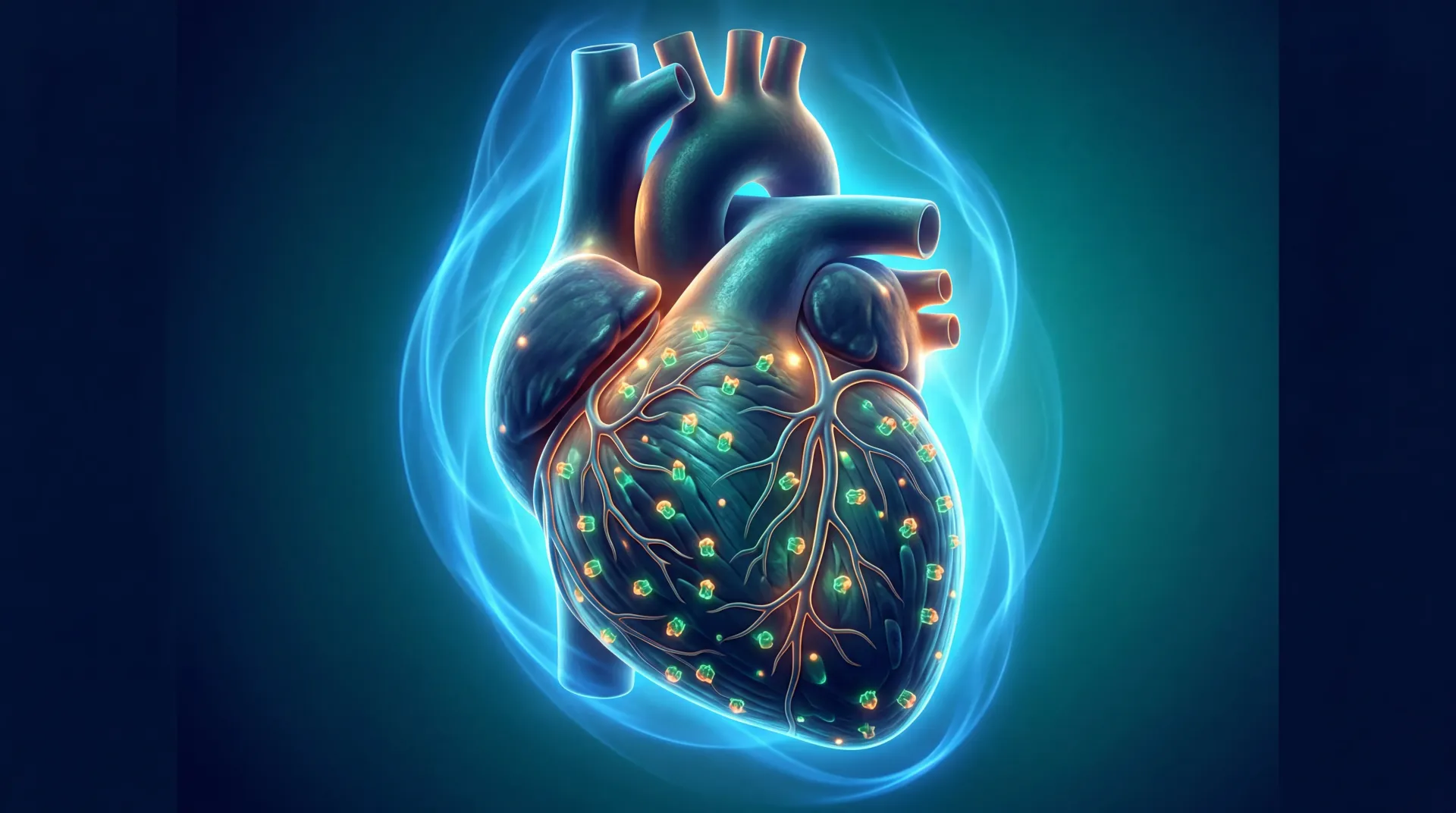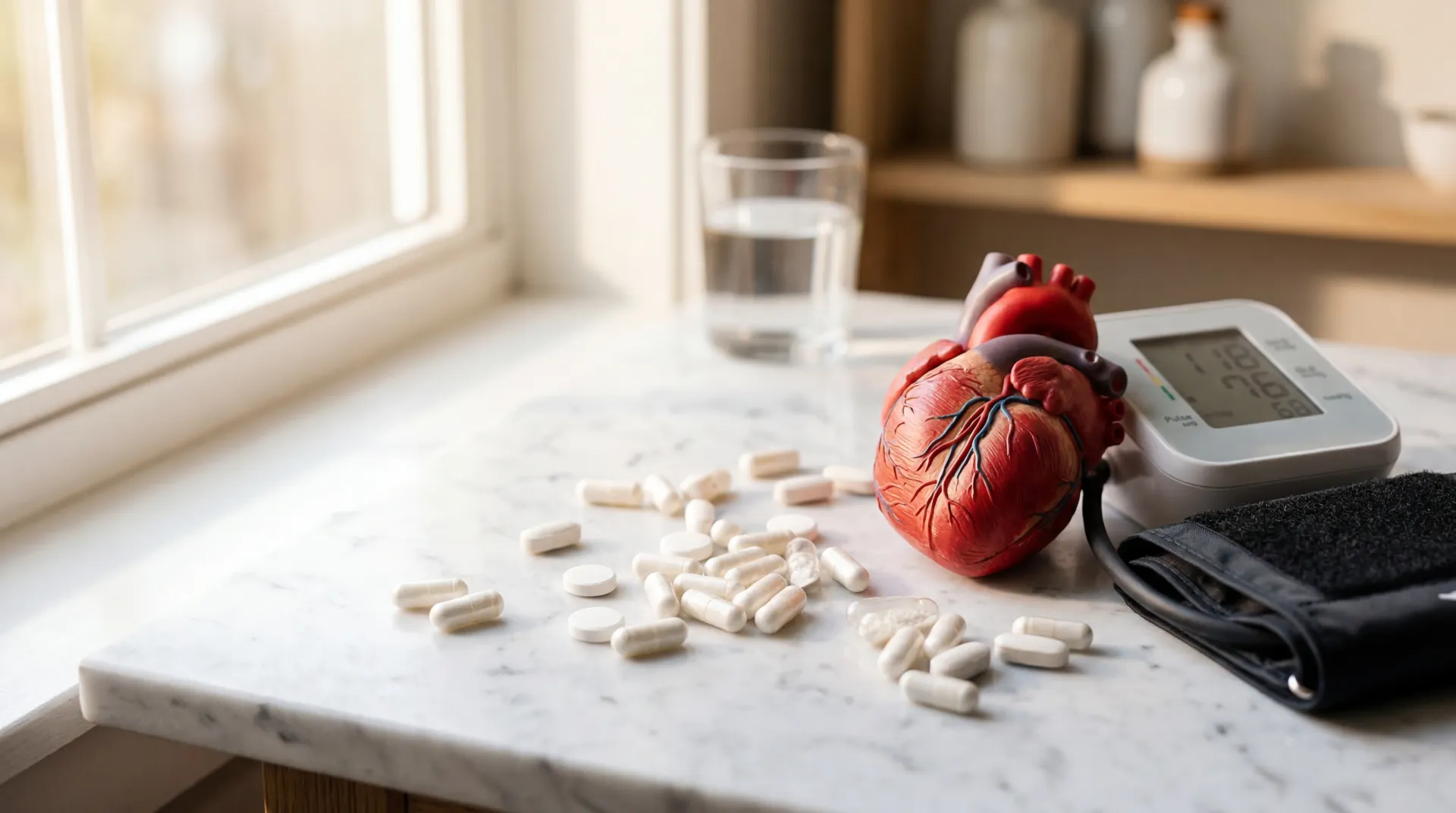
A 2,500-year-old compound walks into a cardiology lab
Berberine is having a moment. Scroll through social media and you will find it branded as "nature's Ozempic," a miracle fat burner, and the supplement your cardiologist does not want you to know about. The reality, as usual, is more complicated and more interesting than any of those claims.
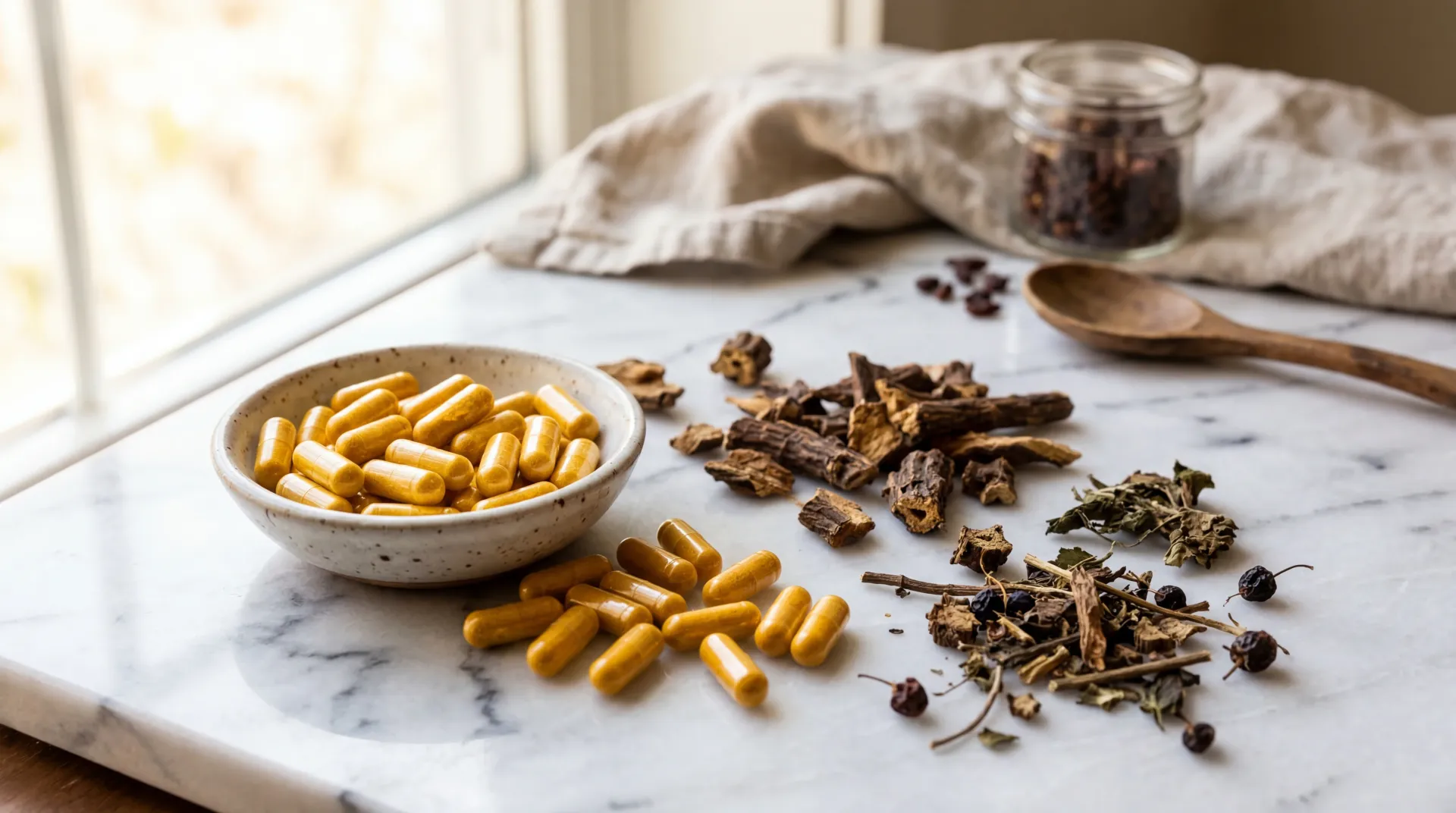
Berberine is an isoquinoline alkaloid, a bright yellow compound extracted from the roots and bark of plants like barberry, goldenseal, Oregon grape, and Coptis chinensis (known as huanglian in Chinese medicine). Traditional Chinese practitioners have used Coptis-based preparations for over 2,500 years, primarily to treat diarrhea and gastrointestinal infections. But over the past two decades, researchers in cardiovascular pharmacology have become increasingly interested in what this old compound can do for the heart.
Why the interest? A few findings that caught researchers off guard. Berberine lowers LDL cholesterol, but not the way statins do. It also lowers blood pressure and shows anti-arrhythmic properties. One compound doing all of that is unusual. The real question is whether the effects are large enough and reliable enough to matter in practice.
The cholesterol numbers: what the clinical trials actually found
Berberine's lipid-lowering effects have the most research behind them. A systematic review of 12 randomized controlled trials found LDL cholesterol reductions in the range of 20 to 50 mg/dL and triglyceride drops of 25 to 55 mg/dL. Those are not trivial numbers.
One of the earlier clinical trials that put berberine on the map involved 32 patients with high cholesterol who took 500 mg of berberine twice daily for three months. By the end of the study, their total cholesterol dropped by 29%, triglycerides fell by 35%, and LDL cholesterol decreased by 25%. A larger trial of 116 patients with type 2 diabetes who took berberine at 500 mg three times daily saw similar lipid reductions alongside improvements in blood sugar control.
Quick fact: Berberine lowered LDL cholesterol by 25% in early clinical trials, with triglyceride reductions reaching 35%. These numbers overlap with the lower end of what low-dose statins achieve.
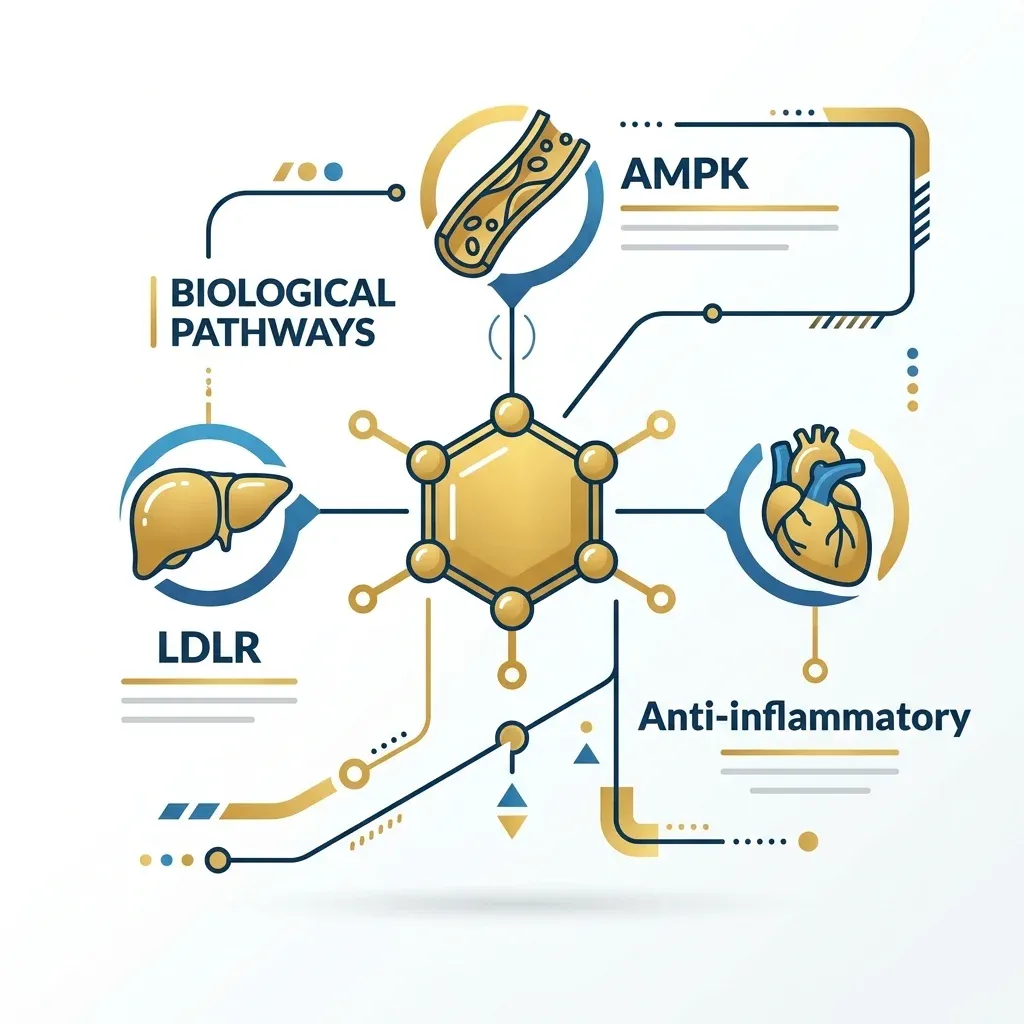
What makes these results interesting from a biochemistry standpoint is the mechanism. Statins work by blocking HMG-CoA reductase, the enzyme your liver uses to produce cholesterol. Berberine takes a different approach. It stabilizes the mRNA of LDL receptors on liver cells through an extracellular signal-regulated kinase (ERK) pathway, which means your liver keeps more LDL receptors active on its surface for longer. More receptors means more LDL gets pulled out of your bloodstream.
There is another mechanism worth noting. Berberine also suppresses the expression of PCSK9, a protein that breaks down LDL receptors. If that sounds familiar, it should. PCSK9 inhibitors like evolocumab and alirocumab are among the most potent cholesterol-lowering drugs available, and they cost thousands of dollars per year. Berberine appears to hit the same target through a different pathway, reducing PCSK9 by accelerating the degradation of a transcription factor called HNF1-alpha.
That said, the numbers need some context. A 2023 meta-analysis of 44 randomized controlled trials with 4,606 patients published in Phytomedicine found that berberine alone did not significantly outperform routine treatment or statins for improving total cholesterol, triglycerides, LDL, or HDL levels. But when berberine was added to statin therapy, the combination significantly reduced total cholesterol, triglycerides, LDL, and markers of arterial plaque compared to statins alone. The anti-inflammatory markers also improved substantially. This suggests berberine may work best as an adjunct rather than a standalone treatment for most people.
| Lipid marker | Berberine alone (typical reduction) | Berberine + statin (typical reduction) |
|---|---|---|
| Total cholesterol | 18-29% | Greater than statin alone |
| LDL cholesterol | 20-25% | ~32% (vs ~24% berberine alone) |
| Triglycerides | 25-35% | Significant additional reduction |
| HDL cholesterol | Minimal change | No significant difference |
The part most people miss: berberine's effects on your blood vessels
Cholesterol is only part of the picture. What caught my attention in the research is what berberine does to your blood vessel walls, where inflammation meets chronic disease in ways that don't always show up on a standard lipid panel.
Endothelial dysfunction is damage to the cells lining your arteries. It happens years before plaques get large enough to cause chest pain or a heart attack. A study in Cardiovascular Research found that berberine protects those endothelial cells from high-glucose damage by activating an enzyme called endothelial nitric oxide synthase (eNOS) through the AMPK pathway. The result: more nitric oxide, which is the molecule that tells your blood vessels to relax and widen.
The same study showed berberine reduced oxidative stress, prevented cell death, and blocked NF-kappaB, a protein complex that drives inflammation. It also reduced adhesion molecules on the artery lining. Those molecules are how white blood cells stick to artery walls in the first place, which is an early step in plaque buildup. Shut that down and you're intervening early in the atherosclerosis process.
The 2023 Phytomedicine meta-analysis found something that reinforces this point. Even in comparisons where berberine did not significantly beat routine treatment for lipid numbers, it still significantly reduced hs-CRP, interleukin-6, and TNF-alpha, three of the most important inflammatory markers in cardiovascular disease. It also reduced intima-media thickness, a direct measurement of arterial wall thickening that predicts heart attack and stroke risk.
Here is what I keep coming back to: the anti-inflammatory effects might matter more than the cholesterol numbers. We know inflammation drives atherosclerosis on its own, regardless of lipid levels. A compound that dials down inflammation while also nudging lipids in the right direction could make a real difference in heart attack risk. But nobody has run the long-term outcome trial to prove it. Until that happens, we are connecting dots that have not been formally linked.
How berberine stacks up against statins (and why the comparison has limits)
People love this comparison, so let's deal with it head-on. A UCLA Health analysis of studies with over 4,600 patients found no statistically significant difference between berberine and statins for LDL, HDL, or total cholesterol. Sounds great, right? Read the fine print.
| Factor | Statins | Berberine |
|---|---|---|
| LDL reduction | 30-50% (moderate-high dose) | 20-25% (typical dose) |
| Outcome trials | Multiple large RCTs showing reduced heart attacks and deaths | None |
| FDA regulation | Yes, strict quality control | No, supplement; variable quality |
| Anti-inflammatory effect | Yes (CRP reduction) | Yes (CRP, IL-6, TNF-alpha reduction) |
| Mechanism | HMG-CoA reductase inhibition | LDLR stabilization + PCSK9 suppression |
| Drug interactions | Moderate (CYP3A4) | Extensive (CYP2D6, 2C9, 3A4) |
| Cost | $4-30/month (generic) | $10-25/month (supplement) |
The fundamental difference is evidence quality. Statins have decades of large-scale randomized controlled trials proving they reduce heart attacks, strokes, and cardiovascular death. Berberine has no completed outcome trials, meaning we do not know whether its lipid and inflammatory improvements actually translate into fewer heart attacks. The studies we have are mostly small, many were conducted in Asian populations, and as the NCCIH notes, very few were done in North America. Many also had a high risk of bias.
Where berberine might genuinely fill a gap is for people who cannot tolerate statins. Statin intolerance, usually muscle pain or weakness, affects somewhere between 5% and 30% of users depending on how you define it. A systematic review in the Journal of Evidence-Based Complementary and Alternative Medicine specifically identified berberine as a potential alternative for statin-intolerant patients, patients who resist starting statin therapy but are open to supplements, and low-risk patients who do not meet the criteria for statin therapy. That is a more honest framing than "nature's statin."
What happens beyond cholesterol: blood pressure and heart rhythm
Lipids get most of the attention, but two other areas are worth knowing about: blood pressure and heart rhythm. Both have been studied for decades, and the data is surprisingly solid.
On blood pressure, berberine appears to work through multiple mechanisms. It blocks alpha-1 adrenergic receptors on vascular smooth muscle, inhibits the enzyme that breaks down acetylcholine, and promotes the release of nitric oxide from endothelial cells. The combined effect is blood vessel relaxation and reduced peripheral resistance. Clinical data from Cleveland Clinic confirms that berberine plus hypertension medication lowered blood pressure more effectively than medication alone, though berberine alone has not been shown to be a sufficient blood pressure treatment for most people.
The anti-arrhythmic data is actually some of the oldest and most consistent cardiovascular evidence for berberine. In a study of 100 patients with ventricular tachyarrhythmias monitored over 24 to 48 hours, berberine produced a 50% or greater reduction in ventricular premature contractions in 62% of patients, and a 90% or greater reduction in 38% of patients. A retrospective clinical study found that berberine at 1.2 to 2.0 grams per day had similar efficacy to amiodarone, a standard anti-arrhythmic drug, for treating atrial fibrillation, and without the adverse effects that make amiodarone problematic for long-term use.
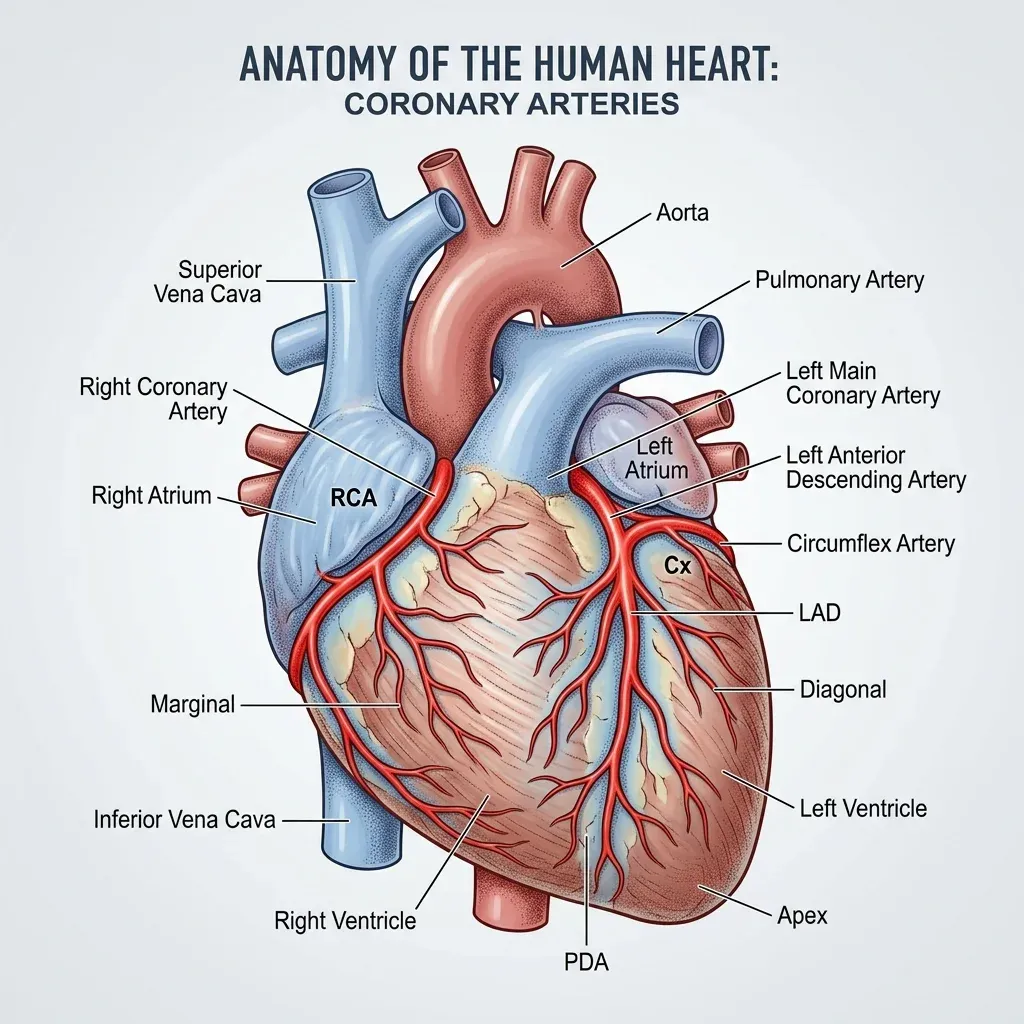
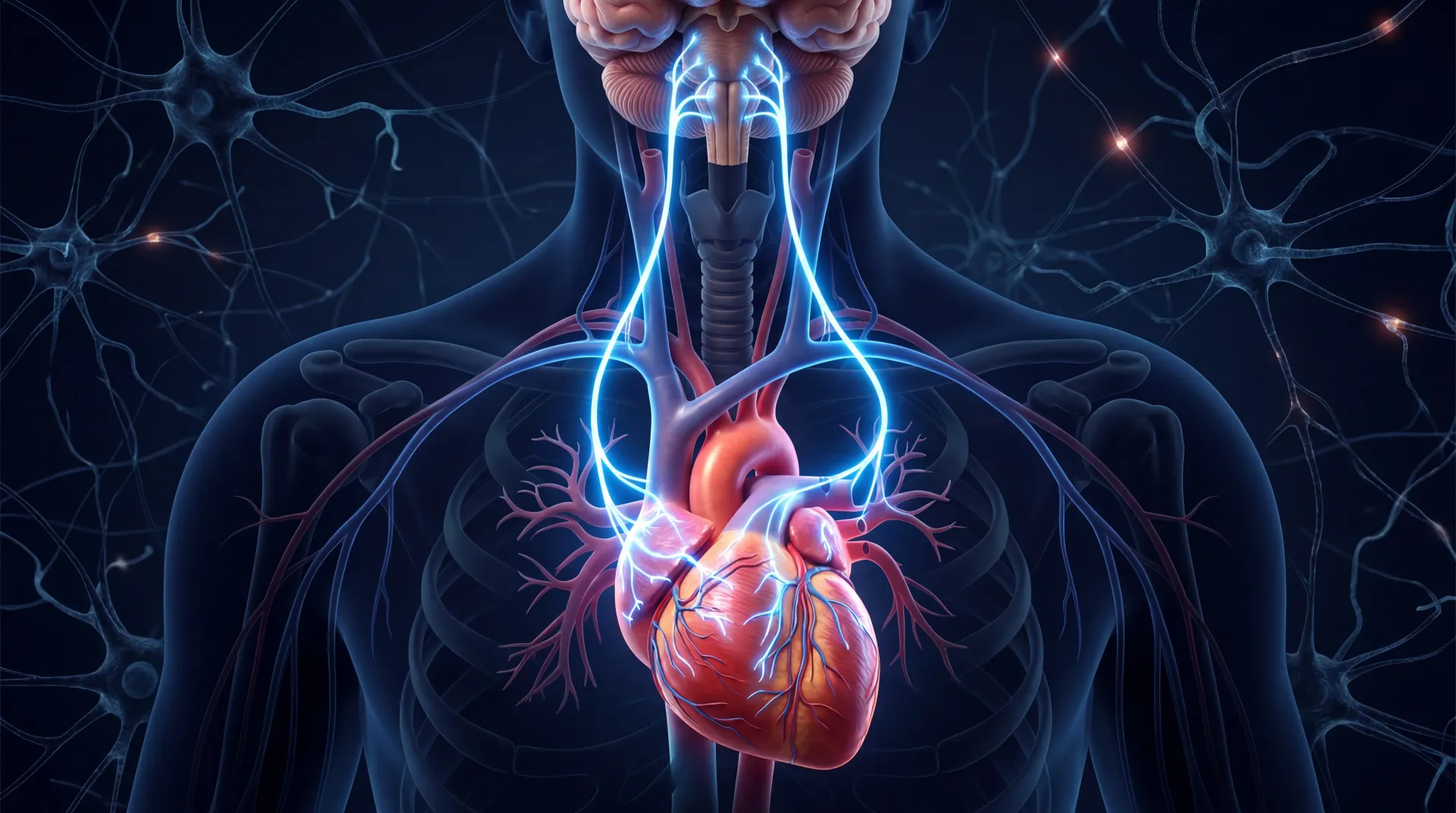
The mechanism involves berberine's effects on potassium and calcium ion channels in cardiac cells. It prolongs the action potential duration and effective refractory period, which helps prevent the re-entrant electrical circuits that cause many arrhythmias. It also protects cardiac cell membranes from damage by reactive oxygen species and prevents calcium overload inside heart muscle cells.
What makes berberine unusual is that most heart medications do one thing well. Berberine, in lab studies and small trials, does several things at once. It is tempting to call that a feature, but I'd call it unproven versatility. Nobody has shown that doing four things modestly beats doing one thing powerfully. Still, it explains why pharmacologists have not lost interest after 20 years.
Myth versus evidence: four claims that need correcting
| Claim | What the evidence actually shows |
|---|---|
| "Berberine is nature's Ozempic" | Berberine activates AMPK, not GLP-1 receptors. It works through a completely different mechanism than semaglutide. While some animal research shows a GLP-1 connection, calling it "nature's Ozempic" is misleading marketing. |
| "Berberine replaces statins" | No outcome trials prove berberine prevents heart attacks or cardiovascular death. It may help people who cannot take statins, but it is not a proven replacement for established therapy. |
| "Berberine is completely safe because it's natural" | Berberine inhibits CYP2D6, CYP2C9, and CYP3A4 enzymes, creating interaction risks with many prescription drugs. It displaces warfarin from protein-binding sites. High doses can cause hypotension and cardiac damage. |
| "All berberine supplements are the same" | The FDA does not regulate supplements for potency or purity. Third-party testing varies widely. Berberine has poor oral bioavailability (<5% absorption), so formulation quality matters more than for many other supplements. |
The "nature's Ozempic" label deserves particular scrutiny. As Mayo Clinic dietitian Tara Schmidt puts it, that is "good marketing, but not necessarily honest or helpful." Semaglutide mimics the GLP-1 hormone and has extensive clinical trial data supporting its use for weight loss and cardiovascular risk reduction. Berberine works primarily through AMPK activation, which does influence metabolism and fat storage, but through an entirely different pathway. Comparing the two suggests an equivalence that the evidence does not support.
What you need to know before trying berberine
Thinking about trying berberine? Here is the practical stuff.
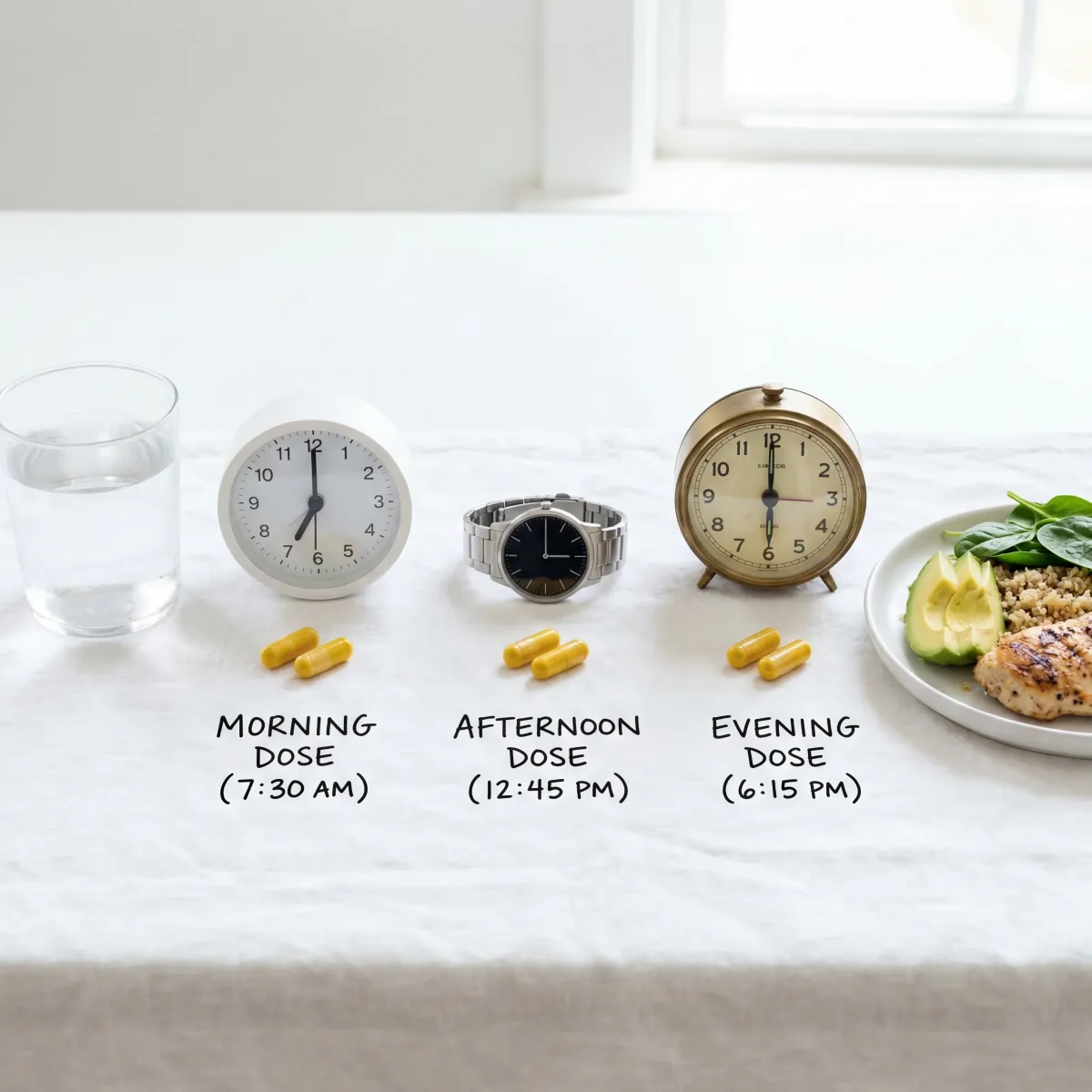
The most studied dose for heart-related benefits is 500 mg, taken two or three times a day before meals. That works out to 1,000 to 1,500 mg daily. Because berberine leaves your system within a few hours, you cannot just take one big dose in the morning and expect stable blood levels. The Cleveland Clinic recommends starting low and increasing gradually to keep your stomach from rebelling.
Speaking of which, the most common side effects are digestive: nausea, cramping, constipation, diarrhea. Most people find these settle down after a week or two, especially if they start at a lower dose. At very high doses, berberine has been linked to low blood pressure, breathing difficulty, and rarely, cardiac damage.
Drug interactions are where this gets serious. Berberine inhibits three cytochrome P450 enzymes (CYP2D6, CYP2C9, CYP3A4), which means it can raise blood levels of many prescription drugs. It also displaces warfarin from its protein-binding sites, which could increase bleeding risk. Cyclosporine, metformin, omeprazole, losartan - the interaction list is long. If you take any prescription medication, you need to talk to your doctor before starting berberine. Full stop.
Pregnant and breastfeeding women should avoid berberine entirely. It displaces bilirubin from albumin, which can cause dangerous buildup in infants. It is also not recommended for young children or anyone on blood thinners or immunosuppressants.
One more thing that does not get mentioned enough: quality control. The FDA does not review supplements for purity or potency, and independent testing has found real variability between brands. Look for third-party certification (USP, NSF, or ConsumerLab). Since less than 5% of berberine actually gets absorbed through the gut, what is in the capsule matters more than you might assume. Some manufacturers sell enhanced-absorption formulations, though the evidence behind those is thin.
If you are exploring natural approaches to heart health, berberine is worth bringing up with your doctor. I would not call it a miracle. I also would not dismiss it. The science is real but incomplete, and the honest move is to stay curious without getting ahead of the evidence.
Frequently asked questions
Can berberine replace my cholesterol medication?
For most people, no. Berberine can reduce LDL cholesterol by 20-25%, but statins reduce it by 30-50% and have decades of outcome data proving they prevent heart attacks. Berberine may be an option for people who are statin-intolerant or at low cardiovascular risk, but you should never stop prescribed medication without consulting your doctor. The strongest evidence supports using berberine alongside conventional treatment, not instead of it.
How long does berberine take to lower cholesterol?
Clinical trials have measured lipid improvements after 8 to 12 weeks of consistent use at doses of 1,000 to 1,500 mg per day. The early trial that showed a 25% LDL reduction used a 3-month treatment period. Effects on inflammatory markers may appear sooner, but meaningful changes in cholesterol levels typically require at least two months of daily use.
Is berberine safe to take with blood pressure medication?
Berberine can lower blood pressure on its own, so combining it with antihypertensive drugs could cause blood pressure to drop too low. Clinical data shows the combination can be effective, but it requires medical supervision and potentially dose adjustment of your medication. Always inform your doctor before combining berberine with any prescription drug.
What is the best form of berberine to take?
Berberine hydrochloride is the most commonly studied form. Standard bioavailability is poor, with less than 5% absorption through the gut wall. Taking it before meals may improve absorption. Some newer formulations combine berberine with absorption enhancers, but the evidence for these is preliminary. Regardless of formulation, choose a product with third-party testing certification.
Does berberine help with nitric oxide production for heart health?
Yes. Research published in Cardiovascular Research demonstrated that berberine activates endothelial nitric oxide synthase (eNOS), which increases nitric oxide production in blood vessels. This helps arteries relax and improves blood flow. The effect is mediated through the AMPK signaling pathway and may contribute to both blood pressure reduction and protection against endothelial dysfunction.
Related articles
- Berberine for blood sugar and weight management - A deeper look at berberine's metabolic effects beyond the cardiovascular system.
- Vitamin K2 and arterial calcification - Another supplement with emerging evidence for cardiovascular protection through a different mechanism.
- Anti-inflammatory eating patterns: Mediterranean vs DASH vs plant-based - Dietary approaches that complement supplement strategies for heart health.
- Sauna bathing and heart health - Evidence on another non-pharmaceutical approach to cardiovascular risk reduction.
- Omega-3 benefits, sources, and supplements - How omega-3 fatty acids compare to berberine for lipid management and inflammation.
Medical Disclaimer
This article is for informational and educational purposes only and is not medical advice, diagnosis, or treatment. Always consult a licensed physician or qualified healthcare professional regarding any medical concerns. Never ignore professional medical advice or delay seeking care because of something you read on this site. If you think you have a medical emergency, call 911 immediately.