What the global diet gets wrong
The average person eats only 58% of their recommended daily fiber while sodium and saturated fat intake runs more than 20% above recommended limits. That data comes from USDA Economic Research Service tracking, and the pattern has held steady for four decades despite every public health campaign thrown at it.
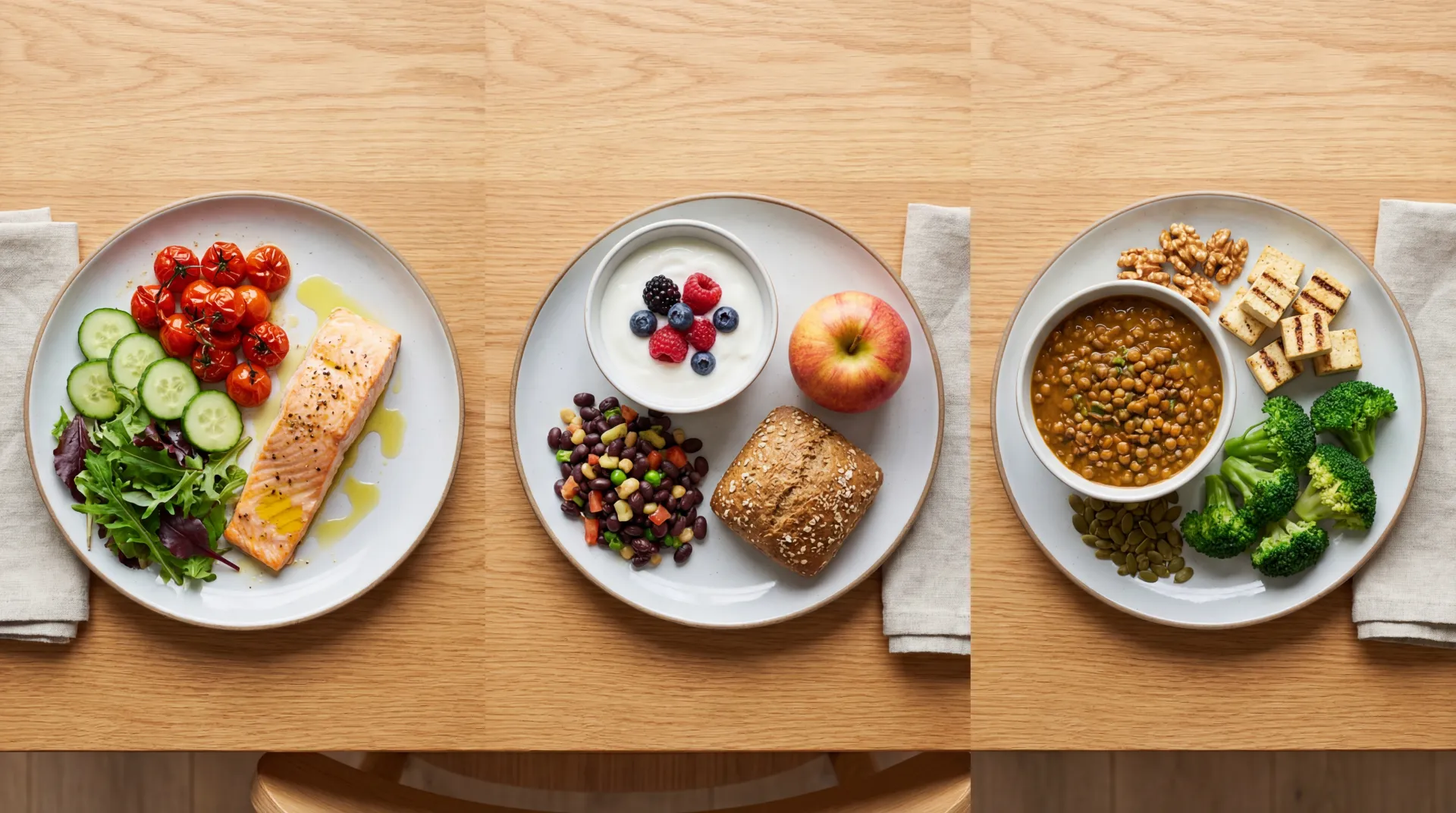
Modern nutritional science has largely moved past arguing about individual nutrients. The World Health Organization and the Dietary Guidelines for Americans 2020-2025 both emphasize overall dietary patterns rather than fixating on single vitamins or macronutrient ratios. That makes sense. Nobody eats "fiber" or "potassium" in isolation — people eat meals.
The trouble is that what most people eat bears little resemblance to what any guideline recommends. USDA data spanning 1977 to 2018 shows caloric intake rising while nutrient density falls. More food, less nutrition per calorie.
Quick take: The problem isn't that people don't know vegetables are healthy. It's that the food environment makes it easier, cheaper, and faster to eat the opposite.
| Nutrient | Typical intake (% of recommendation) | Direction |
|---|---|---|
| Dietary fiber | 58% | Too low |
| Potassium | ~56% | Too low |
| Sodium | 120-150% | Too high |
| Saturated fat | ~120% | Too high |
| Added sugars | ~130% | Too high |
Sources: FDA Daily Values, WHO Global Report on Sodium Intake Reduction
Ultra-processed foods and the evidence against them
In the United States, ultra-processed foods account for roughly 58% of total caloric intake, according to a 2025 CDC data brief. These are products with ingredient lists that read like a chemistry syllabus: emulsifiers, flavor enhancers, hydrogenated oils, high-fructose corn syrup.
The health signal from these foods is hard to ignore. A 2024 BMJ umbrella review pooled data from nearly 10 million participants and linked high UPF consumption to 32 separate adverse health outcomes. The headline numbers: a 50% increase in cardiovascular disease-related death, elevated rates of type 2 diabetes, and higher incidence of clinical anxiety and depression.
A separate BMJ population cohort study tracked all-cause mortality specifically and found consistent dose-response effects. The more UPF someone ate, the higher their risk. That's the kind of linear relationship epidemiologists pay attention to.
This doesn't mean every packaged food is poison. Harvard's Nutrition Source points out that the NOVA classification system lumps together everything from mass-produced white bread to fortified breakfast cereals. Context matters. But the weight of evidence clearly points away from diets built primarily around UPF.
One practical issue: ultra-processed foods are cheaper per calorie than whole foods in most markets. Any realistic nutrition advice has to reckon with that fact, or it stays confined to people who can afford to shop differently.
Your gut microbiome and what feeds it
Your gut houses roughly 38 trillion microorganisms. The number gets cited constantly, but the interesting part is what those microbes actually do. They ferment dietary fiber into short-chain fatty acids (SCFAs) that regulate inflammation, maintain the intestinal barrier, and signal your immune system.
Research published in Frontiers in Nutrition (2024) shows that dietary patterns directly shape microbial composition. High-fiber, plant-rich diets increase bacterial diversity. Diets heavy in refined carbohydrates and saturated fat reduce it. The changes happen within days of a dietary shift, which is both encouraging and a reminder that consistency matters more than occasional "gut health" foods.
The connection runs deeper than digestion. A review in PMC links gut microbial imbalance to metabolic syndrome, obesity, and even mood disorders through the gut-brain axis. The Gut Microbiota for Health platform notes that the 2020-2025 Dietary Guidelines now explicitly acknowledge the microbiome's role in overall health, though specific recommendations remain vague.
The NIH's Nutrition for Precision Health study, which enrolled over 10,000 participants through the All of Us Research Program, is trying to map individual microbiome responses to specific foods. The goal is personalized dietary recommendations based on your particular gut ecosystem. We aren't there yet. Precision nutrition still has more promise than proof, but the research infrastructure is finally in place.
Which dietary pattern works for metabolic syndrome?
Three dietary patterns dominate the clinical literature for cardiovascular and metabolic benefits: Mediterranean, DASH, and plant-based diets. Each has solid evidence behind it, and they overlap more than their marketing suggests.
A 2025 network meta-analysis compared the effects of different dietary patterns on metabolic syndrome markers. The Mediterranean diet consistently performed best for overall cardiovascular risk reduction. The DASH diet showed the strongest effects on blood pressure specifically. Ketogenic diets produced the most dramatic short-term weight loss but had weaker long-term adherence data. If you want a deeper dive into how these patterns compare for inflammation specifically, our comparison of anti-inflammatory eating patterns breaks it down.
| Pattern | Best evidence for | Key mechanism | Adherence challenge |
|---|---|---|---|
| Mediterranean | CVD risk, overall mortality | Polyphenols, healthy fats, fiber | Cost of olive oil, fresh fish |
| DASH | Hypertension | High potassium, low sodium | Requires cooking from scratch |
| Ketogenic | Short-term weight loss, blood sugar | Ketosis, insulin reduction | Very restrictive, hard to sustain |
| Plant-based | Type 2 diabetes prevention | Fiber, low saturated fat | Social pressure, protein planning |
Sources: PMC Heart-Healthy Diet Review, Medical News Today
A narrative review comparing DASH and Mediterranean diets for hypertension found both effective, with Mediterranean pulling slightly ahead on long-term cardiovascular outcomes. The practical takeaway: the best diet is the one you'll actually follow. All four patterns share a common thread of more vegetables, more fiber, fewer processed foods. Start there.
Protein and aging: the switch at 65
This is where the data gets counterintuitive. Research on protein intake and longevity shows that the same food can have opposite effects depending on your age.
In adults under 65, high animal protein intake (more than 20% of calories from protein) is associated with a 75% increase in overall mortality and a fourfold increase in cancer death risk. Those numbers come from a Levine et al. (2014) in Cell Metabolism that followed participants for nearly two decades. The mechanism appears to involve the mTORC1 signaling pathway, which promotes cell growth. In midlife, that growth promotion accelerates aging and tumor development.
After 65, the picture flips. That same high protein intake becomes protective. Older adults eating more protein had significantly lower mortality rates. The reason: after 65, the primary risk shifts from cancer to muscle wasting (sarcopenia) and frailty. Protein drives muscle protein synthesis, and maintaining muscle mass becomes critical for survival.
Research on the Okinawan diet supports this age-dependent model. Okinawans, among the longest-lived populations on Earth, historically ate a low-protein, high-carbohydrate diet (roughly a 10:1 carb-to-protein ratio) during their working years. Their protein intake rose with age. A 2025 review in PMC on dietary restriction and longevity across species confirms that protein restriction in youth and adequacy in old age appears to be an evolutionarily conserved pattern.
The practical implication: if you're 35 and eating steak twice a day, the data suggests shifting toward plant-based protein sources for at least some of those meals. If you're 70, prioritizing protein at every meal is well-supported by evidence.
Fasting vs. calorie restriction: what meta-analyses show
Intermittent fasting has been one of the most discussed dietary strategies of the past decade. The core question: does when you eat matter as much as how much?
A systematic review and meta-analysis of randomized clinical trials compared intermittent fasting (including 16:8 time-restricted eating and alternate-day fasting) against continuous calorie restriction for weight loss in obese adults. The result was straightforward: both approaches produced comparable weight loss over 12 to 52 weeks. Neither was clearly superior.
Where fasting showed a potential edge was in insulin sensitivity and fasting glucose levels, though the differences were modest. Examine.com's analysis of the evidence notes that individual variation is enormous. Some people find time-restricted eating easier to stick with than counting calories. Others find skipping breakfast makes them miserable and overeat at lunch.
Quick take: Intermittent fasting works for weight loss. The mechanism isn't metabolic magic; it's that some people eat less when they compress their eating window. Useful if that's you. If not, standard calorie restriction gets the same results.
The more interesting research involves meal timing and circadian biology. Eating earlier in the day (front-loading calories toward breakfast and lunch) appears to align better with circadian metabolic rhythms than eating the same calories late at night. This area is still developing, and most studies are small. But the direction of evidence suggests that the traditional pattern of a big breakfast, moderate lunch, and light dinner might have more going for it than we realized.
Nutrition myths the evidence has settled
Nutrition attracts misinformation the way a magnet attracts iron filings. Several persistent myths have been put to rest by high-quality research.
| Myth | What the evidence shows | Key source |
|---|---|---|
| Seed oils are toxic | Large-scale reviews find no harm; linoleic acid is associated with reduced cardiovascular risk | Johns Hopkins (2025) |
| You need supplements if you eat well | Most healthy adults get sufficient nutrients from food; exceptions include vitamin D in northern latitudes and B12 for vegans | Stanford Report (2025) |
| Detox diets cleanse your body | The liver and kidneys handle detoxification; no commercial detox product has proven clinical benefit | EUFIC (2025) |
| Carbs make you fat | Excess calories cause weight gain regardless of macronutrient source; whole-grain carbs are protective | Careteam Plus (2025) |
| Eating at night causes weight gain | Total caloric intake matters more than timing, though late eating may impair sleep quality | PMC (2025) |
The seed oil panic deserves special attention because it's been amplified by social media. Stanford Medicine reviewed the evidence and concluded that standard vegetable oils (canola, soybean, sunflower) are safe and likely beneficial. The American Heart Association went further, stating there is "no reason to avoid seed oils and plenty of reasons to eat them." A systematic review of the evidence hierarchy placed the anti-seed-oil claims at the lowest evidence tier, based primarily on mechanistic speculation and animal studies.
The European Food Information Council (EUFIC) published its nutrition myth-busting guide specifically to combat this kind of viral misinformation. When you encounter a dramatic nutrition claim online, checking it against evidence-based nutrition sources is worth the extra 30 seconds.
The planetary health diet: feeding 10 billion people
The EAT-Lancet Commission's Planetary Health Diet, updated in its 2.0 version, attempts something ambitious: a single dietary framework that optimizes both human health and environmental sustainability. Harvard's analysis estimates widespread adoption could prevent 15 million premature deaths annually while cutting agricultural greenhouse gas emissions by more than half.
The diet is plant-predominant but not vegetarian. It allows roughly 14 grams of red meat per day (about one small serving per week), moderate amounts of poultry and fish, and emphasizes legumes, nuts, whole grains, and vegetables as primary calorie sources. A medRxiv study measuring adherence found that populations following patterns closest to the Planetary Health Diet had measurably lower rates of cardiovascular disease and type 2 diabetes.
Whether you care about the environmental dimension or not, the dietary pattern itself aligns closely with what the metabolic syndrome research already recommends: more plants, less processed food, moderate protein from varied sources. If you're already eating plenty of vegetables, you're likely closer to this pattern than you think.
Frequently Asked Questions
How often should dietary guidelines be updated?
The Dietary Guidelines for Americans update every five years. The WHO revises its guidance on a rolling basis as new systematic reviews are published. Given how rapidly nutrition science evolves, some researchers argue these cycles are too slow, particularly for emerging topics like ultra-processed food classification and microbiome-based recommendations.
Can ultra-processed foods be part of a healthy diet?
In small amounts, probably. The evidence links harm to diets where UPF dominates caloric intake (above 50%). Occasional packaged foods within an otherwise whole-food diet are unlikely to cause measurable harm. The distinction matters because all-or-nothing messaging tends to backfire.
What does gut microbiome testing actually tell you?
Current commercial microbiome tests can identify which bacterial species are present in your gut, but translating that into actionable dietary advice is still unreliable. The science of precision nutrition is advancing quickly, but clinical recommendations based on individual microbiome profiles remain limited.
Are seed oils actually harmful?
No. Multiple high-quality reviews from Johns Hopkins, Stanford, and the American Heart Association confirm that standard seed oils are safe for cooking and consumption. The anti-seed-oil narrative relies on animal studies and mechanistic speculation, not human clinical data.
Should I take a multivitamin?
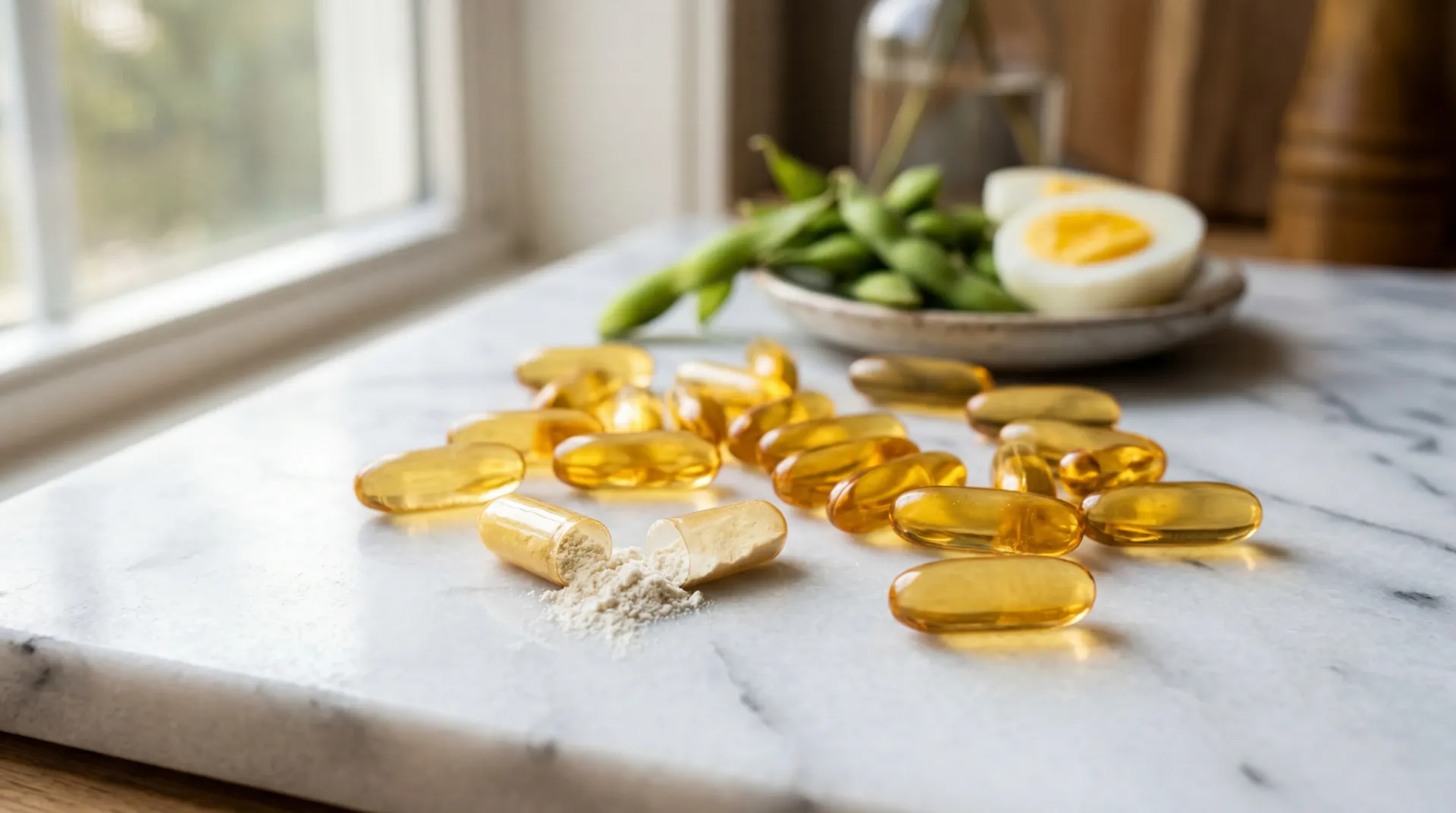
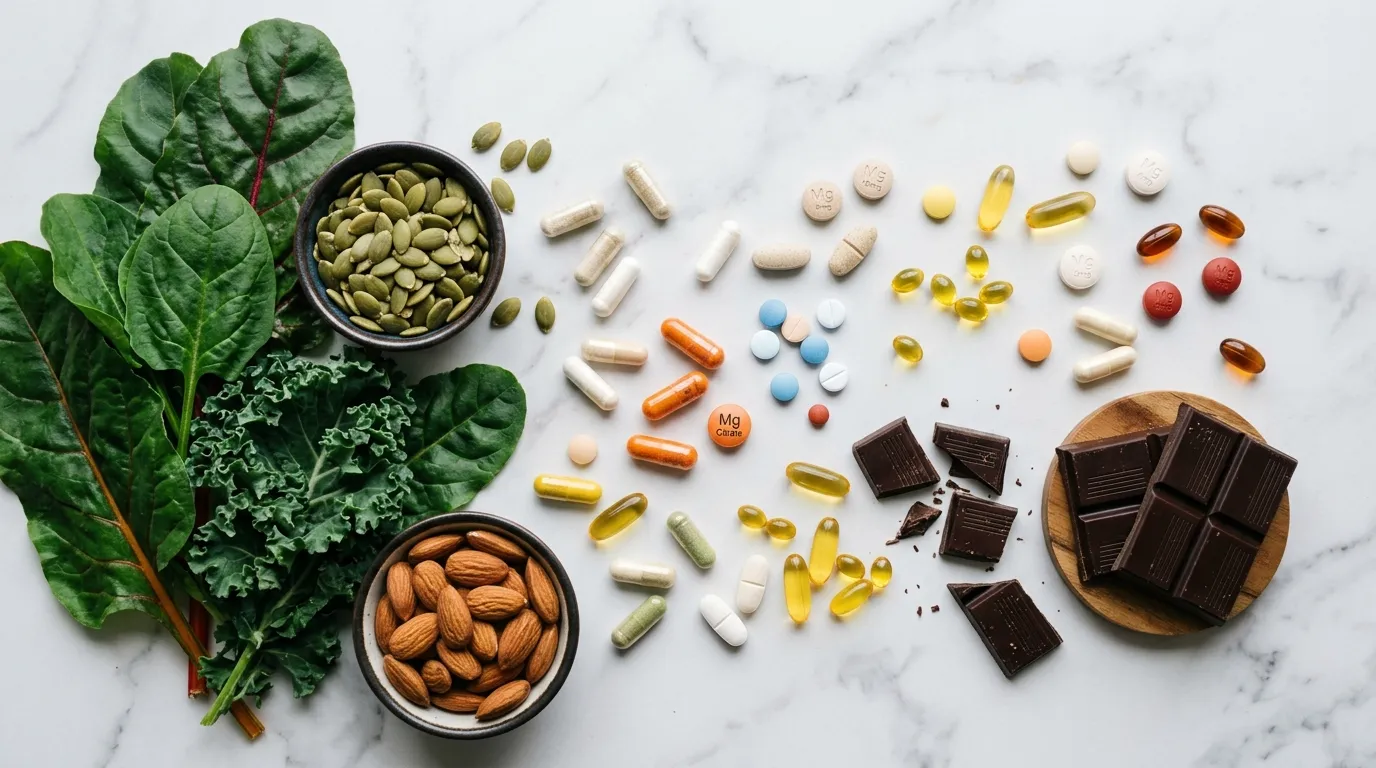
For most healthy adults eating a varied diet, a daily multivitamin provides no meaningful benefit. Exceptions exist: vitamin D supplementation is recommended in northern latitudes, B12 is necessary for strict vegans, and iron supplementation may be appropriate for women with heavy menstrual bleeding. Stanford nutrition experts recommend getting tested for specific deficiencies rather than taking broad-spectrum supplements.
Related Articles
- Anti-Inflammatory Eating Patterns: Mediterranean vs. DASH vs. Plant-Based - A detailed comparison of the three most-studied anti-inflammatory dietary patterns and their clinical evidence.
- Gut Health Personalization and Microbiome Testing - How commercial microbiome tests work, what they can tell you, and where the science still has gaps.
- The Fasting Diet: A Modern Interpretation of an Ancient Practice - The history and current evidence behind various fasting protocols, from intermittent to extended fasts.
- Omega-3 Benefits, Sources, and Supplements - What the research says about omega-3 fatty acids for heart health, brain function, and inflammation.
- How Whole Foods Improve Overall Health - A practical guide to choosing nutrient-dense whole foods over processed alternatives.
Medical Disclaimer
This article is for informational and educational purposes only and is not medical advice, diagnosis, or treatment. Always consult a licensed physician or qualified healthcare professional regarding any medical concerns. Never ignore professional medical advice or delay seeking care because of something you read on this site. If you think you have a medical emergency, call 911 immediately.