What happens inside your body during a blood sugar crash
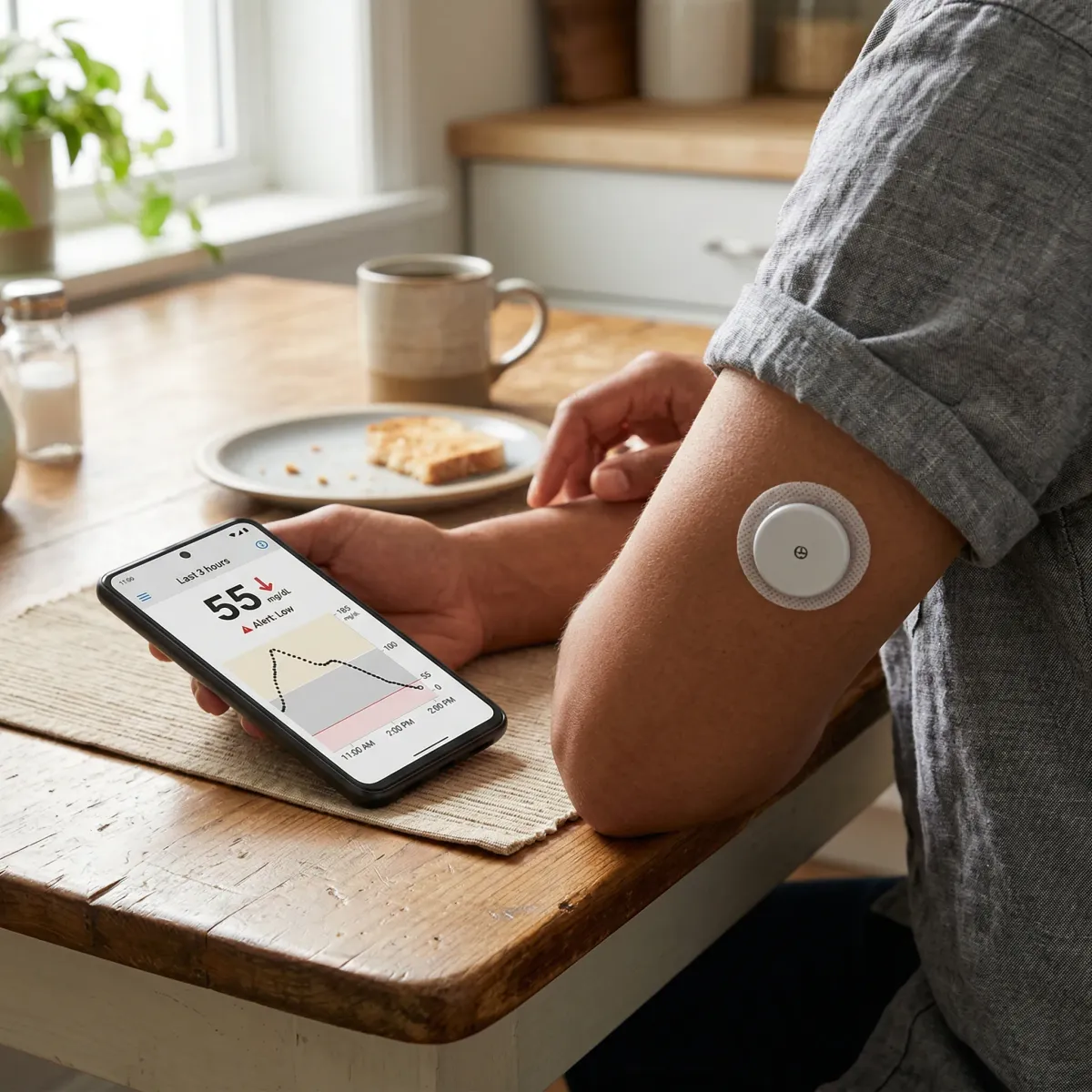
You finish lunch, and within two hours you're shaky, foggy, and reaching for something sweet. That pattern has a name: reactive hypoglycemia. It describes a drop in blood sugar that occurs specifically after eating, typically within two to five hours of a meal. The condition is distinct from fasting hypoglycemia, where blood sugar dips because you haven't eaten in a long time.
When you eat carbohydrates, your digestive system breaks them into glucose, which enters your bloodstream. Your pancreas responds by releasing insulin in two waves. The first phase is a quick burst of pre-made insulin that arrives within about ten minutes. The second phase is a slower, sustained release that ramps up over the next one to two hours. In people with reactive hypoglycemia, these two phases fall out of sync.
In many cases, the first-phase insulin response is sluggish, so blood sugar climbs higher than it should after the meal. The pancreas then overcompensates with an exaggerated second-phase release. By the time all that extra insulin finishes working, blood sugar has plummeted below comfortable levels. A 2019 review in the Sisli Etfal Hospital Medical Bulletin found that this pattern of delayed, excessive insulin release is the most common pathway to reactive hypoglycemia, occurring in an estimated 50 to 70 percent of cases.
The crash announces itself through trembling, sweating, rapid heartbeat, dizziness, irritability, and difficulty concentrating. Your sympathetic nervous system fires up the same adrenaline response it uses for physical threats. Your brain, which runs exclusively on glucose, is the first organ to feel the deficit.
The three types of reactive hypoglycemia and why timing matters
Not all post-meal blood sugar crashes behave the same way. Researchers have identified three distinct patterns, and the timing of your symptoms can reveal different underlying mechanisms.
| Type | Timing after eating | Likely mechanism | Who it affects |
|---|---|---|---|
| Early (alimentary) | 1-2 hours | Rapid gastric emptying, exaggerated incretin hormones (GLP-1) | Post-surgical patients, some non-obese individuals |
| Idiopathic | ~3 hours | Increased insulin sensitivity, unclear pathophysiology | Young, non-obese people without metabolic syndrome |
| Late (diabetic/prediabetic) | 4-5 hours | Insulin resistance, delayed and excessive insulin release | Overweight individuals, family history of diabetes |
Early reactive hypoglycemia shows up within one to two hours. It tends to involve the incretin hormones, particularly GLP-1 and GIP, which amplify the insulin response to oral glucose far beyond what an equivalent intravenous dose would trigger. In people who have had gastric surgery, food rushes through the stomach faster, flooding the small intestine with glucose and producing an exaggerated hormonal cascade. GLP-1 both boosts insulin and suppresses glucagon, the hormone that would normally rescue you from low blood sugar.
Idiopathic reactive hypoglycemia hits around the three-hour mark and is the least understood of the three. It occurs mainly in younger, non-obese people who show no signs of metabolic syndrome. A study by Tamburrano and colleagues found that increased insulin sensitivity, rather than excess insulin production, characterizes these patients. Their cells respond too aggressively to normal amounts of insulin.
Late reactive hypoglycemia arrives between four and five hours after eating and often signals developing insulin resistance. A study of 52 patients in Nepal found that those who crashed at four hours had a mean HOMA-IR (a measure of insulin resistance) of 2.9, compared to 1.9 for those who crashed at three hours. The 2019 review in Sisli Etfal went further, suggesting that late reactive hypoglycemia with blood glucose dropping below 55 mg/dL after four hours of an oral glucose tolerance test should be considered a prediabetic indicator, even when standard glucose values appear normal.
About 70 percent of people with prediabetes eventually develop type 2 diabetes over their lifetime. Late reactive hypoglycemia may be one of the earliest warning signs that this process has started.
Common triggers most people miss
The obvious culprits are refined carbohydrates: white bread, pastries, sugary drinks, white rice. These break down into glucose so rapidly that the spike-and-crash pattern is almost guaranteed. The less obvious triggers are more interesting.
Alcohol on an empty stomach. Alcohol suppresses gluconeogenesis, the process your liver uses to manufacture glucose from non-carbohydrate sources. When your blood sugar starts dropping after a meal, your liver's backup system is partially disabled, making the crash worse and the recovery slower.
Large meals after skipping breakfast. Going without food for extended periods primes your pancreas to overreact when carbohydrates finally arrive. The Cleveland Clinic notes that eating more regularly, with small meals or snacks every two to four hours, helps prevent the compensatory insulin surge that follows prolonged fasting. If you practice intermittent fasting and notice post-meal crashes when you break your fast, this pattern is worth investigating.
Carbohydrates eaten alone. A plate of plain pasta without protein or fat hits your bloodstream much faster than the same pasta served with grilled chicken and olive oil. Protein and fat slow gastric emptying and moderate the insulin response. The 2024 case series by Younes et al. specifically instructed patients to avoid carbohydrate-laden snacks alone at all times, replacing them with mixed meals containing nuts, seeds, vegetables, and proteins alongside carbohydrates.
Foods people assume are healthy. Fruit juice, sweetened yogurt, granola bars with added sugar, and even some common foods with surprisingly high glycemic impact can trigger crashes. The glycemic index of a food matters as much as whether it's "natural."
Post-bariatric surgery. Reactive hypoglycemia affects 10 to 30 percent of patients who have had Roux-en-Y gastric bypass or similar procedures. The surgically altered stomach empties food into the small intestine far more rapidly, producing an extreme version of the early alimentary pattern described above.
When post-meal crashes need medical attention
Occasional mild shakiness after a particularly sugary meal is common and usually not a medical concern. But certain patterns warrant investigation.
The gold standard for diagnosing reactive hypoglycemia requires what clinicians call Whipple's triad: symptoms consistent with low blood sugar, a documented blood glucose below 55 mg/dL (3.1 mmol/L) at the time of symptoms, and resolution of symptoms when glucose normalizes. Meeting all three criteria matters because a study at Warsaw's Central Clinical Hospital found that only 30 percent of patients referred for suspected reactive hypoglycemia actually had glucose levels below 55 mg/dL during a five-hour oral glucose tolerance test. The other 70 percent experienced real symptoms without meeting the biochemical threshold, a condition sometimes called postprandial syndrome.
| Seek medical evaluation if you experience | Why it matters |
|---|---|
| Symptoms more than twice per week | Frequent episodes suggest a consistent metabolic pattern, not random variation |
| Loss of consciousness or seizures | Indicates severe hypoglycemia requiring urgent investigation |
| Symptoms that do not improve with eating | May indicate a cause other than reactive hypoglycemia |
| Family history of type 2 diabetes plus weight gain | Late reactive hypoglycemia can be a prediabetic marker |
| Prior gastric or bariatric surgery | Surgical RH has specific treatment approaches |
Doctors typically start with a thorough history and may order a mixed meal tolerance test or an extended oral glucose tolerance test (the five-hour version, rather than the standard two-hour test used for diabetes screening). They'll also measure insulin and C-peptide levels during the test to understand the insulin dynamics at play. Cortisol and thyroid function tests help rule out other causes of hypoglycemia, and in some cases a 72-hour fast is performed to exclude an insulinoma (an insulin-producing tumor, which is rare but important to rule out).
Dietary strategies that flatten your glucose curve
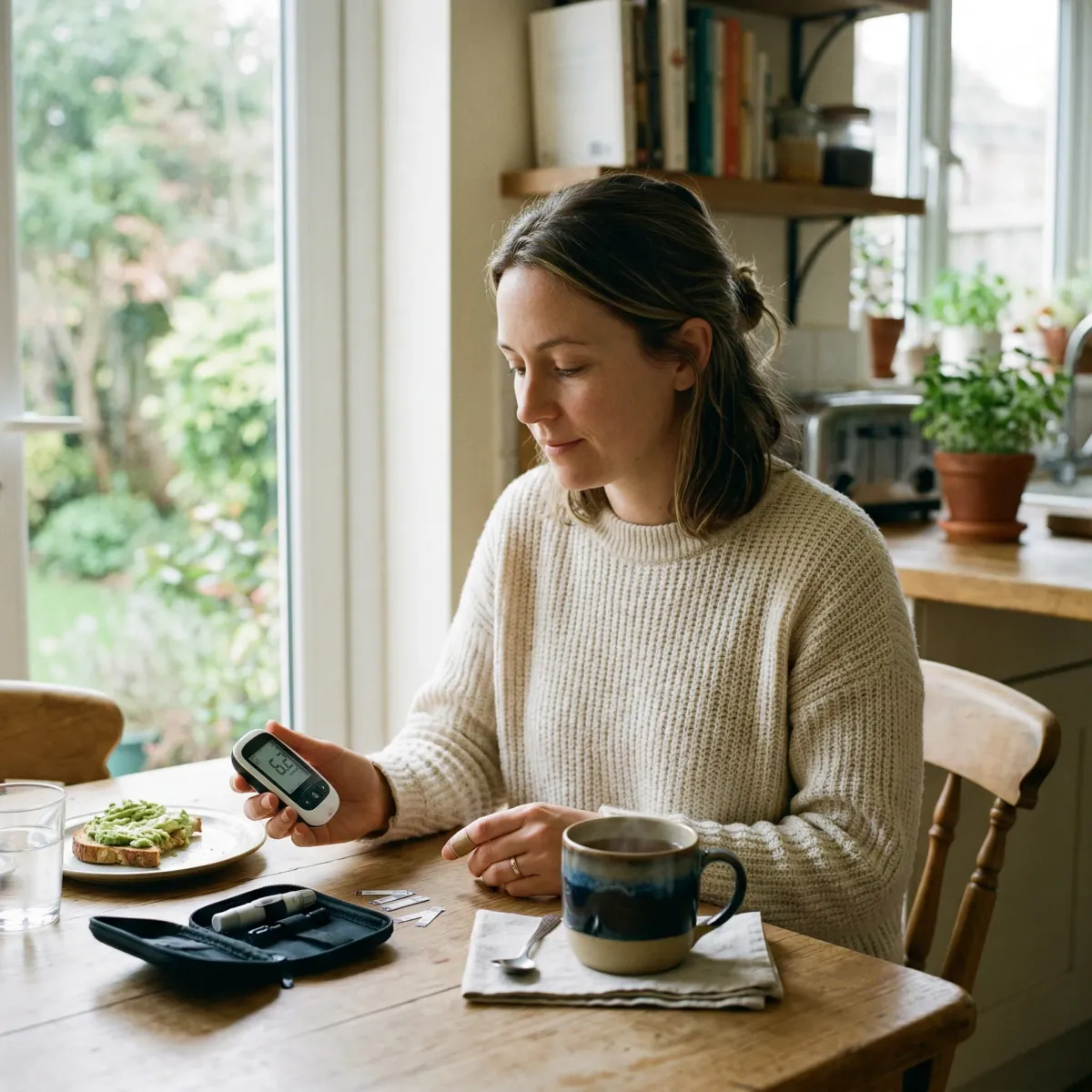
Diet is the first-line treatment for reactive hypoglycemia, and the evidence is stronger than many people realize. A one-year follow-up study published in Nutrients tracked 40 non-diabetic patients through dietary interventions and found statistically significant reductions in 8 out of 10 hypoglycemia-related symptoms. The largest improvements came in hunger (effect size 0.66), impaired concentration (0.61), hand tremor (0.55), and fatigue (0.51). The effects persisted even 12 months after the dietary supervision period ended.
Two dietary patterns showed comparable effectiveness in that study: the low glycemic index diet (LGID) and the Mediterranean diet. Both share the same core principle of avoiding rapid glucose spikes through fiber, protein, healthy fats, and complex carbohydrates.
| Strategy | How it helps | Practical examples |
|---|---|---|
| Choose low-GI carbohydrates | Slower glucose absorption, reduced insulin surge | Steel-cut oats, sweet potatoes with skin, legumes, sprouted grain bread |
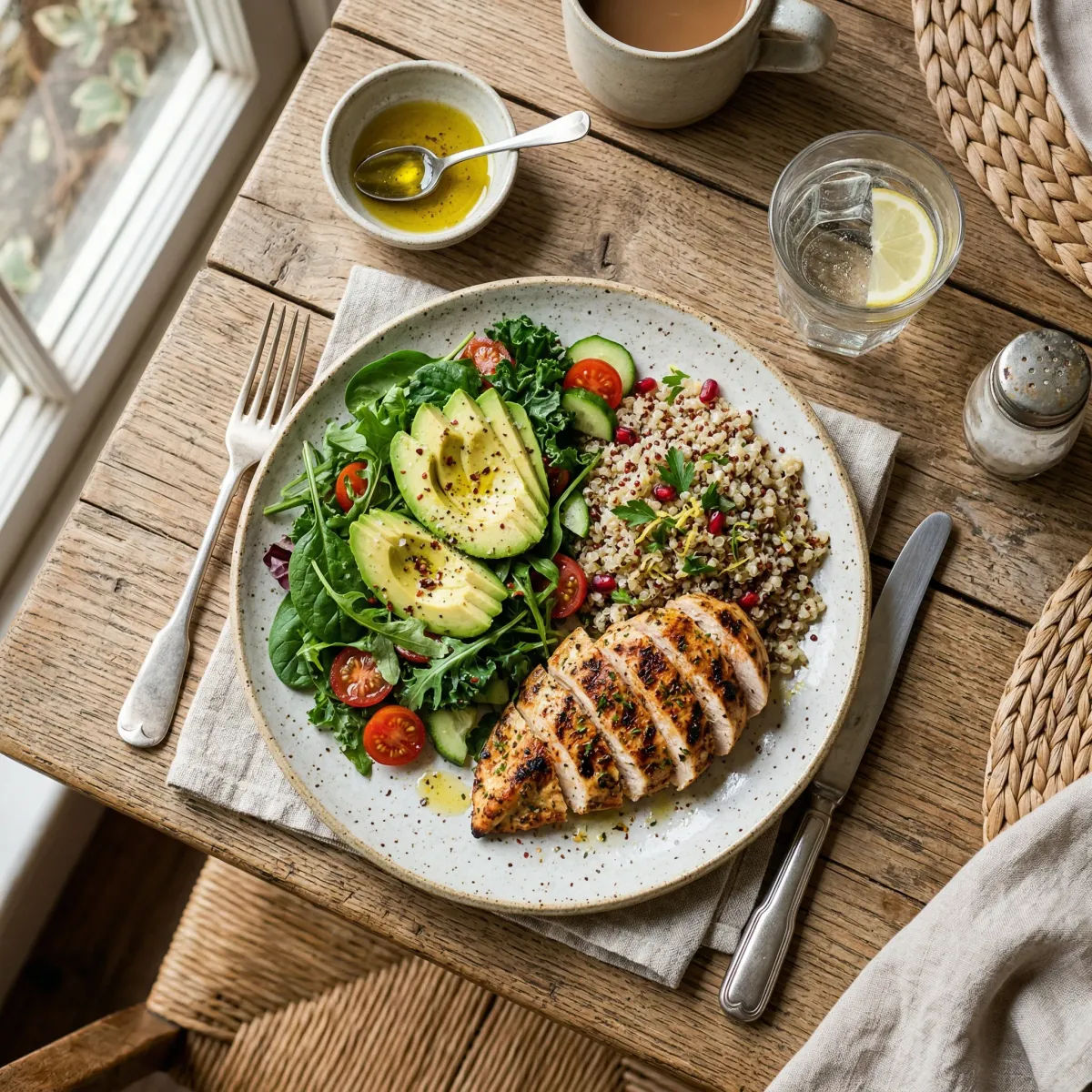
| Pair carbs with protein and fat | Slows gastric emptying, blunts the insulin spike | Apple with almond butter, brown rice with grilled chicken and avocado |
| Eat smaller, more frequent meals | Prevents the exaggerated insulin rebound from large glucose loads | 4-5 meals per day instead of 3 large ones |
| Add fiber-rich vegetables | Fiber slows carbohydrate absorption and feeds beneficial gut bacteria | Broccoli, Brussels sprouts, cauliflower, leafy greens |
| Limit added sugars and refined grains | Eliminates the high-GI foods most likely to trigger crashes | Replace white rice with brown or wild rice, skip fruit juice in favor of whole fruit |
Research from the Journal of Diabetes Research and Clinical Practice showed that high-GI meals produce an initial period of elevated blood glucose and insulin, followed by reactive hypoglycemia in many individuals. After a low-GI meal, the continued slow absorption of nutrients from the gut and rising hepatic glucose output prevent the crash entirely.
Resistant starch, found in cooled cooked potatoes, green bananas, and legumes, passes through the small intestine undigested and feeds gut bacteria that produce short-chain fatty acids. The 2019 review by Altuntas noted that a high-fiber macrobiotic diet (the Ma-Pi 2 diet) reduced blood glucose excursions throughout the day in subjects with reactive hypoglycemia, partly through increased short-chain fatty acid production by gut bacteria.
Beyond food choices, meal timing matters. The 2024 case series directed patients to eat 4-5 times daily, with mixed compositions at every eating occasion. Two of the eleven patients in that study resolved their symptoms through lifestyle modifications alone, without any medication.
When dietary changes alone aren't sufficient, the 2024 study by Younes et al. demonstrated a stepwise pharmacological approach. Metformin was effective in 7 out of 9 patients who needed medication, reducing insulin output and improving insulin sensitivity. For the two patients with post-surgical reactive hypoglycemia who only partially responded to metformin, adding a weekly GLP-1 receptor agonist (dulaglutide) further improved symptoms. Before these interventions, 7 of 11 patients collectively experienced 41 episodes of severe hypoglycemia. During the pharmacological treatment phase, only one episode occurred over an average follow-up of 32.4 months.
Myths vs. facts about blood sugar crashes
| Myth | Fact |
|---|---|
| Reactive hypoglycemia only affects people with diabetes | It specifically affects people without diabetes. The condition is defined by post-meal blood sugar drops in non-diabetic individuals. People with diabetes experience a different type of hypoglycemia related to medication. |
| You need to eat sugar immediately when you crash | While fast-acting glucose resolves acute symptoms, eating more sugar perpetuates the cycle. The real fix is dietary changes that prevent crashes from happening. |
| If your doctor's glucose test is normal, you don't have it | Standard 2-hour glucose tolerance tests miss reactive hypoglycemia entirely. The condition manifests at 3-5 hours, requiring a 5-hour extended test for proper detection. |
| Cutting all carbohydrates solves the problem | Extremely low-carb diets can cause other metabolic issues. The goal is choosing the right carbohydrates (low-GI, fiber-rich) and pairing them with protein and fat, not eliminating them. |
| It's just an inconvenience, not a health concern | Late reactive hypoglycemia (at 4-5 hours) correlates with insulin resistance and may predict future type 2 diabetes. It can also cause seizures and loss of consciousness in severe cases. |
Frequently Asked Questions
Can reactive hypoglycemia go away on its own?
It depends on the underlying cause. Idiopathic reactive hypoglycemia in younger people sometimes resolves with consistent dietary changes. A one-year study found that patients who adopted low glycemic index or Mediterranean eating patterns maintained symptom improvement even after dietary supervision ended. But reactive hypoglycemia linked to insulin resistance or post-surgical anatomy typically requires ongoing management through diet, and sometimes medication.
How is reactive hypoglycemia different from diabetes?
They involve opposite problems. Diabetes means your body can't manage high blood sugar effectively. Reactive hypoglycemia means your body overreacts to incoming glucose, driving blood sugar too low after meals. They overlap, though: late reactive hypoglycemia (crashes at 4-5 hours after eating) can be an early sign that insulin resistance is developing, which is the same process that eventually leads to type 2 diabetes.
Should I use a continuous glucose monitor if I think I have reactive hypoglycemia?
A continuous glucose monitor (CGM) can be a useful tool for identifying patterns, and the 2024 treatment strategy paper specifically found flash glucose monitoring helpful for patients with persistent symptoms. However, a CGM alone cannot diagnose reactive hypoglycemia. You need a proper medical workup, including insulin and C-peptide measurements during a symptomatic episode, to understand the mechanism behind your crashes. Talk to your doctor about whether a CGM makes sense for your situation.
Does coffee make reactive hypoglycemia worse?
It can. Caffeine increases cortisol and epinephrine, which can amplify the adrenergic symptoms (shakiness, rapid heartbeat, anxiety) that already occur during a blood sugar drop. Caffeine also impairs insulin sensitivity in some people. If you experience reactive hypoglycemia, try having coffee with or after a balanced meal rather than on an empty stomach, and observe whether it affects your symptoms.
What should I eat when I feel a blood sugar crash coming on?
For immediate relief, consume 15-20 grams of fast-acting carbohydrate (glucose tablets, a small glass of juice) and wait 15 minutes. But then follow it with a balanced snack containing protein and fat, like a handful of nuts or cheese with whole grain crackers. This prevents the cycle of spiking and crashing again. The long-term goal is preventing crashes altogether through the dietary strategies described above.
Related Articles
- Resistant Starch: The Cheap Gut Health Hack for Blood Sugar and Metabolism — How resistant starch helps stabilize blood glucose through gut bacteria and short-chain fatty acids.
- Common Foods With Surprisingly High Glycemic Impact — Everyday foods that spike blood sugar more than you'd expect.
- Mediterranean Diet for Brain Health and Longevity — The same dietary pattern that reduces reactive hypoglycemia symptoms also protects cognitive function.
- Intermittent Fasting Schedules Compared: 16:8 vs 20:4 vs OMAD — What to know about fasting windows and blood sugar management.
- Inflammation and Chronic Disease: A Complete Guide to Anti-Inflammatory Living — Insulin resistance and chronic inflammation share overlapping metabolic pathways.
Medical Disclaimer
This article is for informational and educational purposes only and is not medical advice, diagnosis, or treatment. Always consult a licensed physician or qualified healthcare professional regarding any medical concerns. Never ignore professional medical advice or delay seeking care because of something you read on this site. If you think you have a medical emergency, call 911 immediately.