A chemical bond that refuses to break
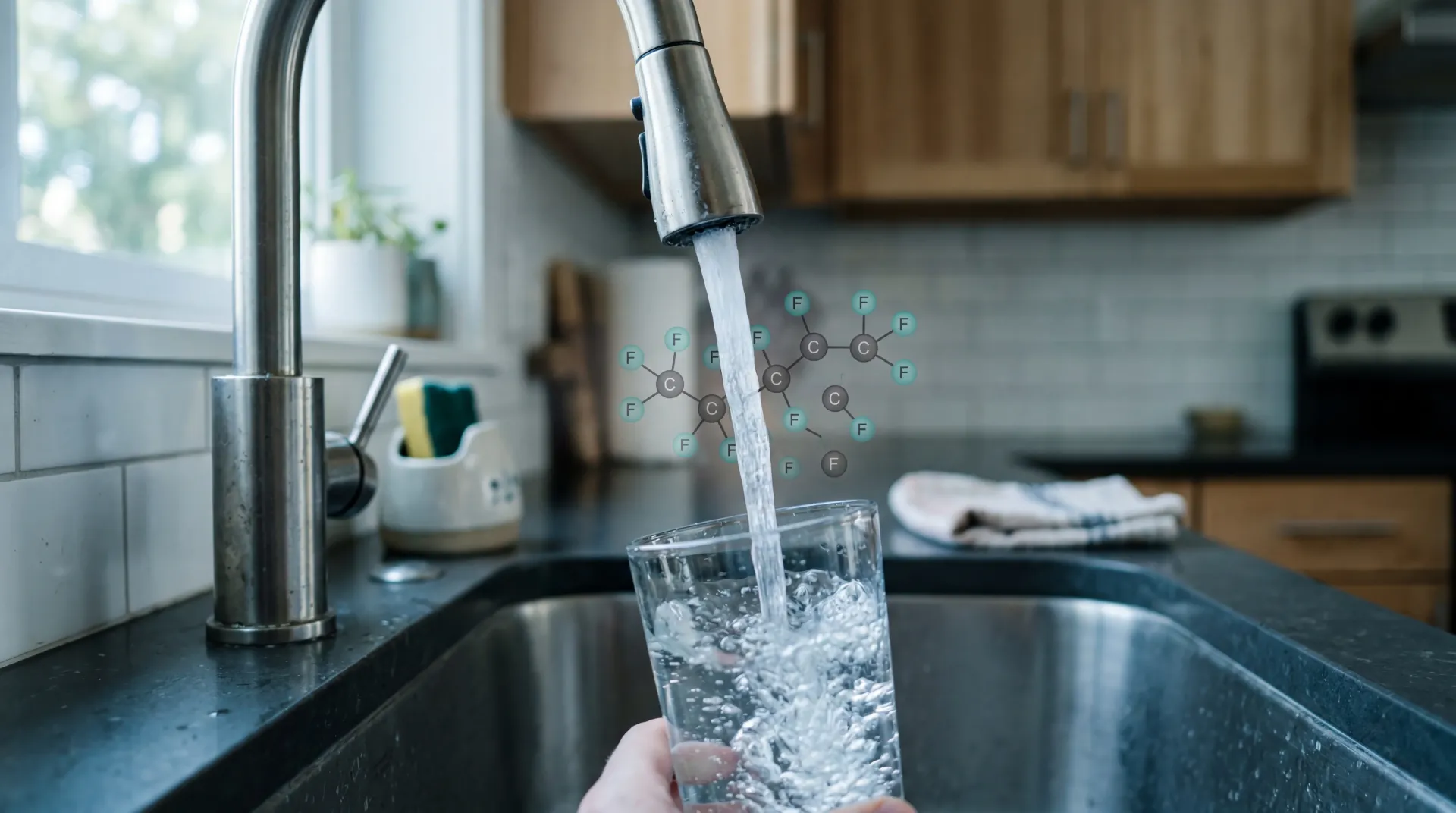
Somewhere around 1940, a chemist figured out how to fuse carbon atoms with fluorine atoms into long molecular chains. The resulting compounds repelled water, oil, heat, and stains with an efficiency that made them irresistible to manufacturers. Today those compounds have a name -- per- and polyfluoroalkyl substances, or PFAS -- and they show up in nonstick pans, stain-resistant carpets, waterproof jackets, food packaging, cosmetics, and firefighting foam.
The carbon-fluorine bond at the core of every PFAS molecule is one of the strongest chemical bonds ever created. That strength is the whole problem. PFAS do not degrade in sunlight, in soil, in water, or inside your body. Scientists at the National Institute of Environmental Health Sciences have tried to calculate an environmental half-life for these compounds and come up empty -- the molecules persist for so long that no meaningful estimate is possible.
The PFAS family has grown fast. An NIEHS fact sheet from 2019 counted more than 4,700 known PFAS chemicals. By 2024 that number had swelled past 14,000, as manufacturers kept inventing new variations. The two most studied -- perfluorooctanoic acid (PFOA) and perfluorooctane sulfonic acid (PFOS) -- were phased out of U.S. manufacturing in the early 2000s. But their replacements, shorter-chain PFAS like GenX, are now turning up everywhere, and early evidence suggests they carry similar risks.
Think of PFAS molecules like a set of keys that fit too many locks. Once they enter your body through contaminated water, food, or air, some of them stay for years. Rachel Criswell, MD, and colleagues at the Skowhegan Family Medicine practice published a clinical review noting that legacy PFAS have half-lives in the human body of 3 to 8 years, depending on the specific compound. Your body absorbs them faster than it can flush them out -- a phenomenon called bioaccumulation. A CDC National Health and Nutrition Examination Survey found PFAS in the blood of 97 percent of Americans tested.
That near-universal presence matters because reducing your exposure -- particularly through drinking water, which is one of the most controllable sources -- can measurably lower your body burden over time.
The paths forever chemicals take to your faucet
A U.S. Geological Survey study in 2023 estimated that at least 45 percent of the nation's tap water contains PFAS. The latest EPA monitoring data paints a grimmer picture: over 158 million Americans get their drinking water from systems where PFAS has been detected.
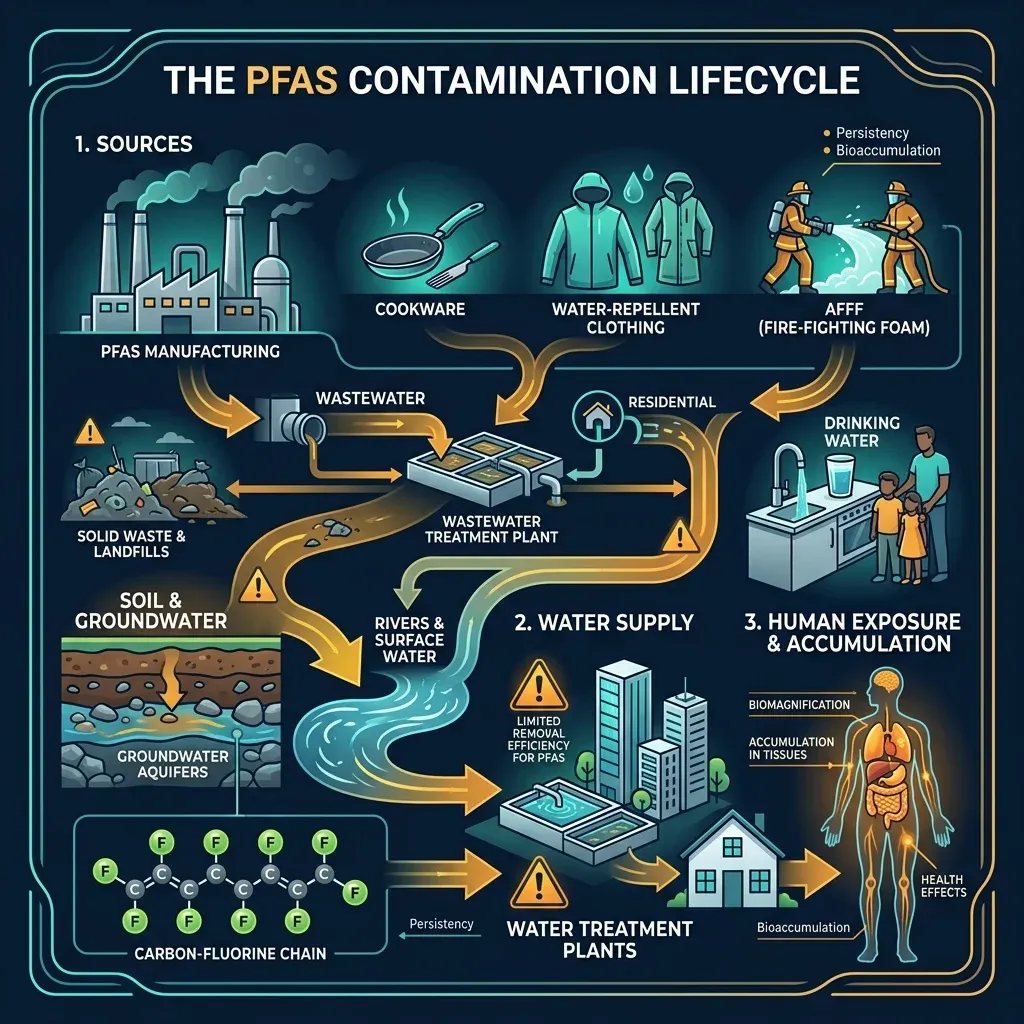
The contamination comes from several directions at once. Industrial manufacturing facilities that produce or use PFAS discharge residues into waterways and the ground. Landfills leach PFAS from discarded consumer products into underlying aquifers. Wastewater treatment plants, which receive PFAS-containing waste from homes and businesses, often cannot remove these chemicals and end up cycling them back into surface water.
Then there is firefighting foam. Aqueous film-forming foam (AFFF) has been the go-to tool for extinguishing petroleum and jet fuel fires since the 1960s. A comprehensive review led by Nur-Us-Shafa Mazumder at NC State University documented how AFFF is one of the major causes of groundwater contamination with PFAS, particularly around military bases, airports, and training facilities where the foam has been deployed for decades. The foam saturates soil, PFAS migrates into aquifers, and the chemicals travel wherever the groundwater flows.
An underappreciated pathway involves biosolids -- the treated sludge from wastewater plants that gets spread on agricultural fields as fertilizer. The AAAS EPI Center has documented how incineration facilities can release PFAS into the air, and contaminated biosolids have been linked to PFAS in vegetables grown on farms where the material was applied. So the contamination loops: factories and households send PFAS to treatment plants, treatment plants spread it on fields, rain washes it back into waterways.
Whether your water comes from a surface reservoir, a deep well, or a municipal system, PFAS contamination is worth investigating rather than assuming away.
What the research links PFAS to -- and where the science is still catching up
The International Agency for Research on Cancer has weighed in directly: IARC classifies PFOA as carcinogenic to humans and PFOS as possibly carcinogenic. Those classifications rest on accumulating epidemiological evidence tying these compounds to specific cancers and a broader range of chronic health problems.
Shiwen "Sherlock" Li, a postdoctoral researcher at the Keck School of Medicine at USC, led the first study to examine cancer and PFAS contamination of drinking water across the entire United States. His team compared cancer registry data (2016-2021) against EPA drinking water contamination records and found that counties with PFAS-contaminated water experienced up to 33 percent higher incidence of certain cancers -- digestive, endocrine, respiratory, and mouth and throat cancers, after controlling for age, smoking, obesity, and other pollutants. The researchers estimated that PFAS in drinking water contribute to roughly 6,864 cancer cases per year in the U.S.
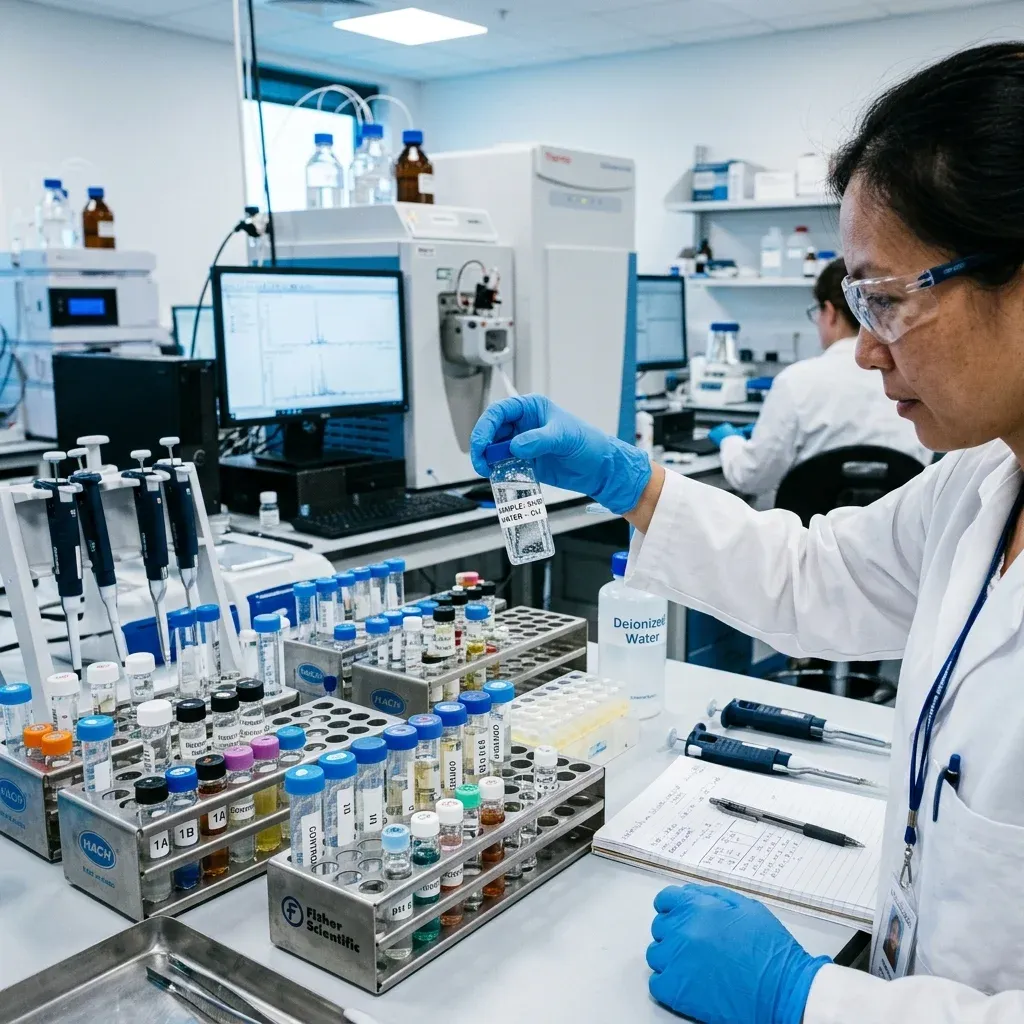
At Mount Sinai, Dr. Maaike van Gerwen compared blood samples from 88 thyroid cancer patients against matched controls and found that exposure to PFOS was associated with a 56 percent increased risk of thyroid cancer per doubling of PFOS blood levels. The sample was small, but the effect size caught attention. Van Gerwen is now planning a larger European replication and a study of U.S. military personnel exposed through firefighting foam.
Beyond cancer, the evidence fans out across multiple organ systems. The clinical review by Criswell, Fleisch, and Ducatman in late 2024 summarized what recent meta-analyses have shown: PFAS exposure is associated with decreased antibody response, dyslipidemia, decreased fetal growth, and kidney cancer. Evolving evidence points to connections with pregnancy-induced hypertension, testicular cancer, breast cancer, thyroid disease, liver enzyme alterations, and ulcerative colitis.
The developing brain appears particularly vulnerable. Jennifer Ames and colleagues at Kaiser Permanente reviewed 61 studies published between 2008 and 2024 on early-life PFAS exposure and neurodevelopment. Most studies found adverse associations with cognitive, language, and motor development in infancy. An NIEHS-cited study found verbal and non-verbal IQ scores were lower in children with higher prenatal exposure to PFOA and PFOS. Separately, PFAS exposure has been linked to an increased risk of Type 2 diabetes in women.
The immune system angle is well established. In 2016, the National Toxicology Program concluded that PFOA and PFOS were a hazard to immune system function in humans, citing evidence of weakened vaccine responses. The EWG notes that consuming even very low amounts of PFAS in drinking water over time may suppress the immune system, including reduced vaccine efficacy.
What the evidence adds up to: PFAS exposure at levels found in everyday drinking water has been associated with cancer, immune dysfunction, thyroid disease, reproductive harm, and neurodevelopmental effects in children. No safe threshold has been established for most PFAS compounds.
Where does honest uncertainty remain? The neurodevelopment research, while concerning in aggregate, shows mixed results for specific outcomes like ADHD and autism. Many studies are small, and disentangling PFAS effects from other environmental exposures is genuinely hard. The USC Keck cancer study establishes correlation at the population level -- individual-level causation studies are still needed. And for the vast majority of the 14,000+ PFAS in existence, we have little to no toxicology data at all.
The regulatory ground is still shifting under your feet
On April 10, 2024, the EPA finalized the first-ever legally enforceable drinking water standards for six PFAS compounds. The agency set Maximum Contaminant Levels (MCLs) at 4.0 parts per trillion for PFOA and PFOS, with additional limits of 10 ppt each for PFHxS, PFNA, and GenX (HFPO-DA), plus a Hazard Index for PFAS mixtures. Those levels represent a dramatic tightening from the previous advisory of 70 ppt combined for PFOA and PFOS.
Then the ground shifted. On May 14, 2025, the EPA announced it would keep the PFOA and PFOS limits but rescind and reconsider the regulations for PFHxS, PFNA, GenX, and the PFBS-containing mixtures. The agency also signaled it would extend compliance deadlines, potentially pushing the target for water systems from 2029 to 2031.
| PFAS Compound | MCL (April 2024) | Status (May 2025) |
|---|---|---|
| PFOA | 4.0 ppt | Kept -- deadline may extend to 2031 |
| PFOS | 4.0 ppt | Kept -- deadline may extend to 2031 |
| PFHxS | 10 ppt | Rescinded for reconsideration |
| PFNA | 10 ppt | Rescinded for reconsideration |
| GenX (HFPO-DA) | 10 ppt | Rescinded for reconsideration |
| PFAS mixtures (Hazard Index) | 1.0 (unitless) | Rescinded for reconsideration |
Under the original timeline, public water systems were required to complete initial monitoring by 2027 and implement treatment solutions by 2029. The EPA also allocated $1 billion through the Infrastructure Investment and Jobs Act to help states test for and treat PFAS. That funding remains in play regardless of the regulatory changes.
States have not waited for the federal government. Eleven states -- Maine, Massachusetts, Michigan, New Hampshire, New Jersey, New York, Pennsylvania, Rhode Island, Vermont, Washington, and Wisconsin -- have established their own PFAS limits in drinking water. Some of those state limits are stricter than the federal rule for compounds the EPA is now reconsidering.
The AAAS EPI Center notes that some researchers and environmental advocates are pushing to regulate PFAS as a class rather than one chemical at a time, which would address the whack-a-mole problem of manufacturers switching to unstudied replacements. The European Union is moving in that direction with broad PFAS restrictions under its REACH regulation.
For households, the regulatory uncertainty means this: you cannot assume your water utility has been tested, treated, or is in compliance. Taking your own steps matters.
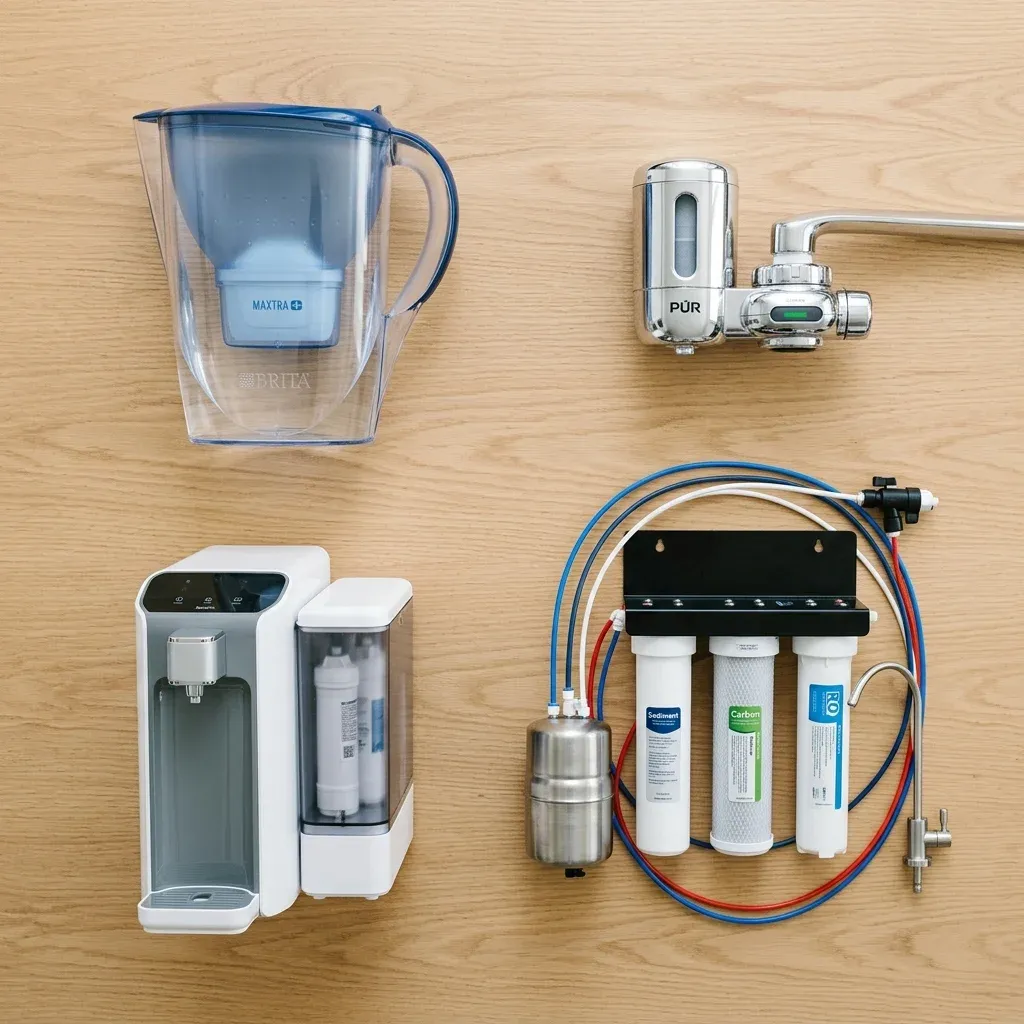
Three technologies that can actually strip PFAS from water
Standard municipal water treatment -- the coagulation, sedimentation, and chlorination process most cities rely on -- does nothing to PFAS. The EPA has been explicit about this: traditional drinking water treatment technologies are not able to remove PFAS. Three specialized approaches work, each with different strengths and blind spots.
Granular activated carbon (GAC). This is the most studied and most widely deployed PFAS treatment. Activated carbon is extremely porous, providing a vast surface area for contaminants to stick to. EPA researcher Thomas Speth has stated that GAC can be 100 percent effective for a period of time, but performance depends on the type of carbon, bed depth, flow rate, water temperature, and which PFAS are present. Long-chain PFAS like PFOA and PFOS adsorb well. Shorter-chain compounds like PFBS and PFBA do not adsorb as well, which is a real limitation given that short-chain PFAS are now the primary replacements in manufacturing. An EPA modeling study led by Jonathan Burkhardt estimated that 76 to 87 percent of commercially available PFAS could be cost-effectively treated by GAC filtration.
Reverse osmosis (RO). RO forces water through a membrane so tight that it blocks PFAS molecules. EPA research shows these membranes are typically more than 90 percent effective at removing a wide range of PFAS, including shorter-chain compounds that defeat GAC. The tradeoff: about 20 percent of the feed water gets rejected as concentrated waste. For a household point-of-use system, that waste volume is manageable. For a municipal treatment plant processing millions of gallons, disposing of PFAS-laden concentrate is an expensive headache.
Ion exchange resins (IX). These synthetic beads carry a positive electrical charge that attracts negatively charged PFAS ions. Ion exchange resins show high capacity for many PFAS and can outperform GAC on a per-unit basis, but the resins cost more. A promising approach uses single-use resins that are incinerated after saturation, avoiding the problem of what to do with a regeneration waste stream that is itself contaminated.
| Technology | Long-chain PFAS | Short-chain PFAS | Cost | Best suited for |
|---|---|---|---|---|
| Granular Activated Carbon | High removal | Moderate to low | Lower | Municipal and whole-house |
| Reverse Osmosis | High removal (>90%) | High removal (>90%) | Higher | Point-of-use (under-sink, countertop) |
| Ion Exchange Resins | High removal | High removal | Highest | Municipal and commercial |
Research published in Nature partner journals by a team studying amphiphilic silane coatings found their new filter material achieved greater than 99 percent removal of 11 out of 18 PFAS tested, and outperformed commercial GAC by more than an order of magnitude for PFOA adsorption capacity. These next-generation materials are not yet commercially available at scale, but they signal that better options are in development.
If your primary concern is PFOA and PFOS, a good GAC filter handles it. For broad-spectrum protection that includes short-chain PFAS, reverse osmosis is the strongest option available to homeowners.
What to look for (and what to ignore) when buying a PFAS filter
The market is full of water filters making bold claims about PFAS removal. Many of those claims are unverified. The difference between a filter that works and one that does not comes down to one thing: independent certification.
The EPA recommends looking for filters certified to NSF/ANSI 53 for general filtration devices or NSF/ANSI 58 for reverse osmosis systems with a specific claim for PFAS (PFOA/PFOS) reduction. Five ANSI-accredited certification bodies test and verify these claims: NSF, WQA, IAPMO, UL Solutions, and CSA Group. Their marks appear on product packaging, and you can look up certified products on their websites.
Consumer Reports' John Galeotafiore has warned: "Some products may make unsubstantiated claims. Some may even show a test report, but was that a legitimate test from a legitimate lab? And even if it was, that report is a one-time occurrence, not the continual monitoring that occurs with certification."
One important caveat from the EPA: current certification standards do not yet certify filters to remove PFAS down to the new federal MCL levels. The agency is working with standard-setting bodies to update certifications. In the meantime, any certified PFAS-reducing filter will lower your exposure -- it just may not bring levels all the way to 4 ppt.
| Filter type | Typical cost | PFAS effectiveness | Maintenance |
|---|---|---|---|
| Pitcher (carbon) | $25-$80 | Moderate (long-chain) | Replace cartridge every 2-3 months |
| Faucet-mounted (carbon) | $20-$60 | Moderate (long-chain) | Replace cartridge every 3-4 months |
| Under-sink (carbon block) | $100-$400 | Good (long-chain) | Replace filter every 6-12 months |
| Under-sink (reverse osmosis) | $200-$600 | Best (broad spectrum) | Replace membranes annually |
| Whole-house (GAC or mixed) | $500-$1,500+ | Good (varies by media) | Professional service annually |
Before spending anything on a filter, figure out what is actually in your water. Your water utility is required to publish an annual Consumer Confidence Report with contaminant data. You can also search the EPA's database of PFAS water system test results or the EWG's Tap Water Database by ZIP code. If your water comes from a private well, mail-in test kits from labs like SimpleLab (TapScore) or Cyclopure can identify PFAS -- though testing costs between $85 and $299 depending on the scope.
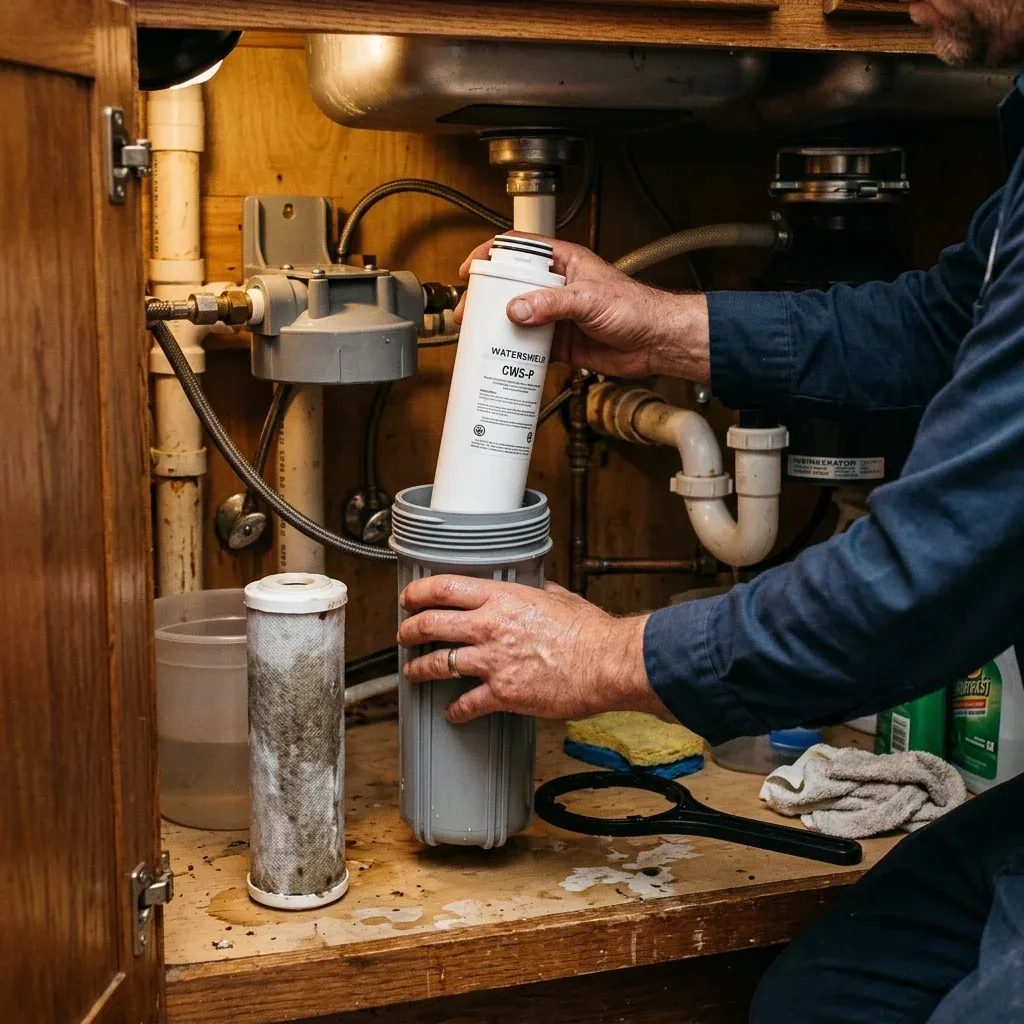
Maintenance matters as much as the initial purchase. The EPA is direct about this: not replacing a filter on the manufacturer's recommended schedule can increase your risk of exposure to PFAS. A saturated carbon filter does not just stop removing PFAS -- it can release previously captured contaminants back into your water.
Frequently Asked Questions
Can boiling water remove PFAS?
No. Boiling water does not break down or remove PFAS. Because PFAS are chemically stable and non-volatile at household temperatures, boiling will actually concentrate them as water evaporates. You need a physical filtration method -- activated carbon, reverse osmosis, or ion exchange -- to reduce PFAS in drinking water.
How do I know if my water has PFAS?
Start with your water utility's annual Consumer Confidence Report, which should be available on their website or by request. You can also search the EPA's PFAS Analytic Tools or the EWG's Tap Water Database by ZIP code. If your water comes from a private well, you will need to send a sample to an EPA-certified lab -- mail-in kits from SimpleLab or Cyclopure range from $85 to $299.
Are Brita filters effective against PFAS?
Standard Brita pitcher filters are not certified to remove PFAS. Some Brita models may reduce certain contaminants, but unless a filter carries an NSF/ANSI 53 or NSF/ANSI 58 certification with a specific PFAS claim, you should not assume it removes these chemicals. Check the NSF or WQA product directories for verified options.
Is bottled water free of PFAS?
Not necessarily. Bottled water is regulated differently from tap water and is not routinely tested for PFAS. Some bottled water brands have been found to contain detectable PFAS levels. If you are using bottled water specifically to avoid PFAS, look for brands that test and publish their PFAS results, or invest in a certified home filter instead.
Should I get my blood tested for PFAS?
Clinical guidance from the National Academies of Sciences, Engineering, and Medicine recommends considering PFAS blood testing for people with known occupational exposure (firefighters, military) or those who have regularly consumed contaminated drinking water. The top 9 percent of the U.S. population by PFAS blood levels are recommended for additional screening for thyroid disorders, kidney cancer, and hyperlipidemia. Discuss with your doctor whether testing makes sense for your situation.
Medical Disclaimer
This article is for informational and educational purposes only and is not medical advice, diagnosis, or treatment. Always consult a licensed physician or qualified healthcare professional regarding any medical concerns. Never ignore professional medical advice or delay seeking care because of something you read on this site. If you think you have a medical emergency, call 911 immediately.