The air inside your home is probably dirtier than you think
The U.S. Environmental Protection Agency estimates that Americans spend roughly 90% of their time indoors -- in homes, offices, schools, gyms, and other enclosed spaces. The air in those buildings is rarely as clean as the air outside.
The EPA's Total Exposure Assessment Methodology (TEAM) Study found that concentrations of common organic pollutants are 2 to 5 times higher inside homes than outside, regardless of whether those homes sit in rural areas or next to industrial zones. For some compounds, the ratio climbs to 10 to 1. That runs counter to what most people assume -- we worry about car exhaust and factory smokestacks, yet the air within our own walls is often worse.
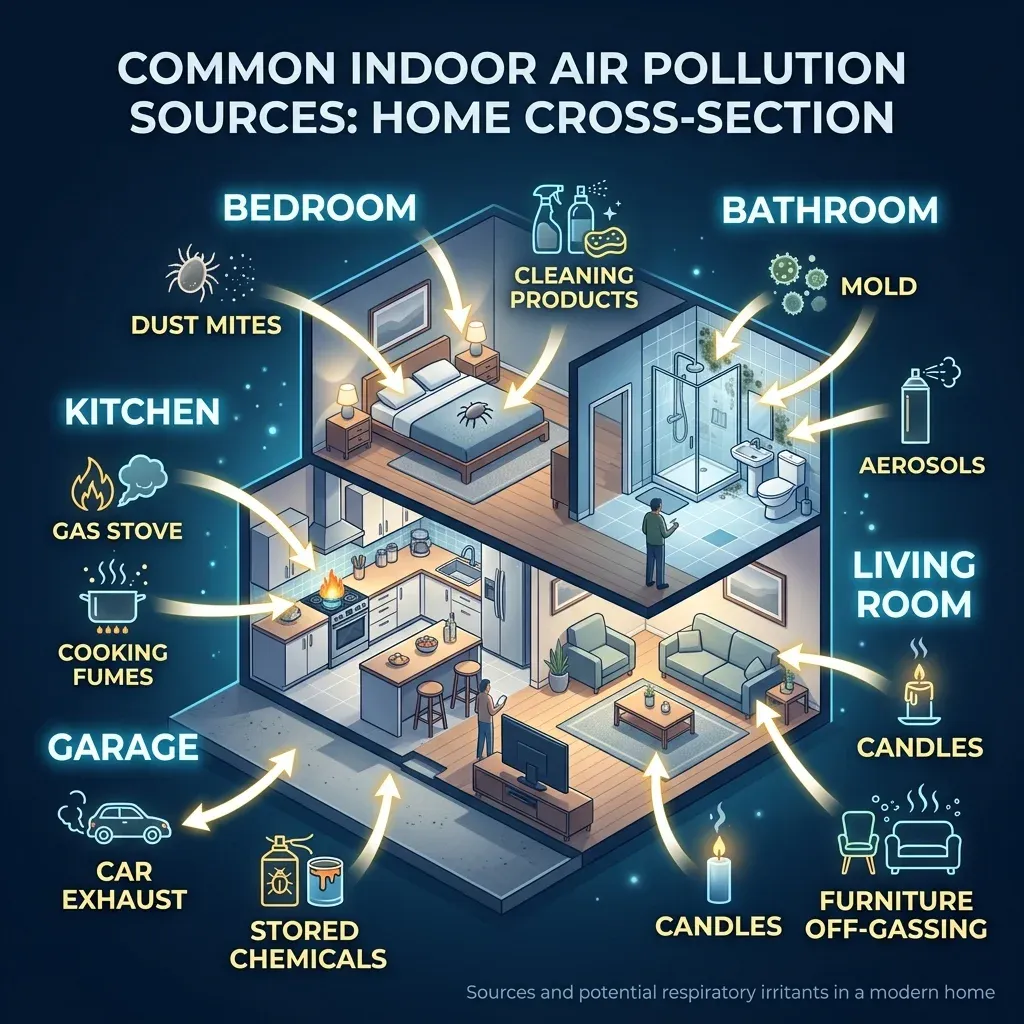
How does this happen? Think of your house as a container. Every product, appliance, and activity inside it releases something into a finite volume of air. Paint off-gasses formaldehyde. Your gas range produces nitrogen dioxide. The candle on your coffee table sheds fine particles. And unless you have a well-designed ventilation system, those pollutants accumulate instead of dispersing.
The World Health Organization reports that in poorly ventilated buildings, indoor smoke can contain fine particle concentrations 100 times higher than acceptable levels. That figure applies mainly to homes in developing countries that rely on solid fuels for cooking, but the principle holds everywhere: without adequate air exchange, concentrations spike fast. Even in well-constructed Western homes, activities as routine as frying food or running a printer push particle counts well above outdoor baselines.
Indoor ozone tells a similar story. According to a comprehensive review in the International Journal of Environmental Research and Public Health, indoor ozone levels fluctuate between 20% and 80% of outdoor levels depending on the air exchange rate. Sources include photocopiers, laser printers, and certain air purifying devices that generate ozone as a byproduct. So even the machines meant to "clean" your air can quietly degrade it. Your indoor air is a mixture of particles, gases, and biological material, and its concentration depends on what you put in and how much fresh air you let through.
Your kitchen, your furniture, and your basement are working against you
The EPA groups indoor pollutants into a few broad categories: combustion byproducts, volatile organic compounds, biological contaminants, and radioactive gases. Each has its own sources, health profile, and behavior in enclosed spaces. Knowing what they are changes how you respond to them.
Gas stoves are among the worst offenders people encounter daily. A 2023 study found that gas stoves were responsible for nearly 13% of childhood asthma cases in the United States. Follow-up research in 2024 showed that gas stove emissions pushed the EPA's Air Quality Index above the "safe" threshold for carbon monoxide, nitrogen dioxide, and PM2.5 for an average of 99 minutes per day in a typical home kitchen. Your stove may be producing air that would violate outdoor air quality standards for over an hour and a half every time you cook. And unlike outdoor pollution, those emissions stay in your kitchen unless you actively ventilate.
Cooking in general, regardless of fuel source, generates enormous particle loads. A review published in the International Journal of Environmental Research and Public Health found that cooking activities can release roughly one million particles per cubic centimeter, most of them ultrafine. These particles migrate from the kitchen to bedrooms and living rooms within minutes. Smoking indoors adds another layer -- research shows it raises indoor PM2.5 by 25 to 45 micrograms per cubic meter, easily doubling or tripling typical background concentrations.
| Pollutant | Common household sources | Primary health concern |
|---|---|---|
| PM2.5 (fine particles) | Cooking, candles, smoking, fireplaces, outdoor infiltration | Cardiovascular disease, respiratory illness, premature death |
| VOCs (formaldehyde, benzene, etc.) | Paint, furniture, cleaning products, air fresheners, pressed wood | Eye/throat irritation, liver/kidney damage, some cancers |
| Nitrogen dioxide (NO2) | Gas stoves, gas heaters, kerosene appliances | Respiratory damage, worsened asthma |
| Carbon monoxide (CO) | Gas stoves, fireplaces, attached garages, furnaces | Headaches, confusion, death at high levels |
| Radon | Soil gas seeping through foundations | Lung cancer |
| Mold/biological | Damp areas, HVAC systems, pets, dust mites | Allergies, asthma exacerbation, infections |
Volatile organic compounds deserve special attention because they come from so many places at once. The EPA's TEAM Study measured levels of about a dozen common organic pollutants and found them 2 to 5 times higher inside homes than outside. During short-term activities like paint stripping, concentrations can spike to 1,000 times outdoor background levels. Formaldehyde, one of the most studied VOCs, is a known human carcinogen found in pressed wood furniture, laminate flooring, carpets, and certain fabric treatments. It off-gasses continuously, not just when products are new.
Then there is radon -- odorless, invisible, and responsible for an estimated 21,000 lung cancer deaths annually in the United States alone, according to the EPA. Radon seeps through cracks in foundations from naturally occurring uranium decay in soil. It concentrates in basements and lower floors. Unlike VOCs from a paint can, you cannot smell radon or identify it by symptoms. Testing is the only way to know your level. Your home generates pollution from its structure, its appliances, and your daily habits -- and knowing which sources matter most is how you start reducing them.
From headaches to heart attacks: what indoor pollution does over months and years
The immediate symptoms of poor indoor air are things most people have experienced: irritated eyes, scratchy throat, headaches, dizziness, and fatigue. The EPA notes these effects can appear after a single exposure or repeated exposures and are usually treatable by simply removing yourself from the source. The trouble is that many people dismiss these symptoms as a cold or seasonal allergies, never connecting them to the air in their building.
The long-term picture is considerably grimmer. The World Health Organization estimates that household air pollution was responsible for 2.9 million premature deaths per year in 2021. The breakdown of those deaths tells you which organs are most vulnerable: 32% from ischemic heart disease, 23% from stroke, 21% from lower respiratory infections, 19% from chronic obstructive pulmonary disease (COPD), and 6% from lung cancer. Notice that heart disease and stroke together account for over half. Heart disease and stroke together account for over half of those deaths. Indoor air pollution is a cardiovascular problem before it is a respiratory one.
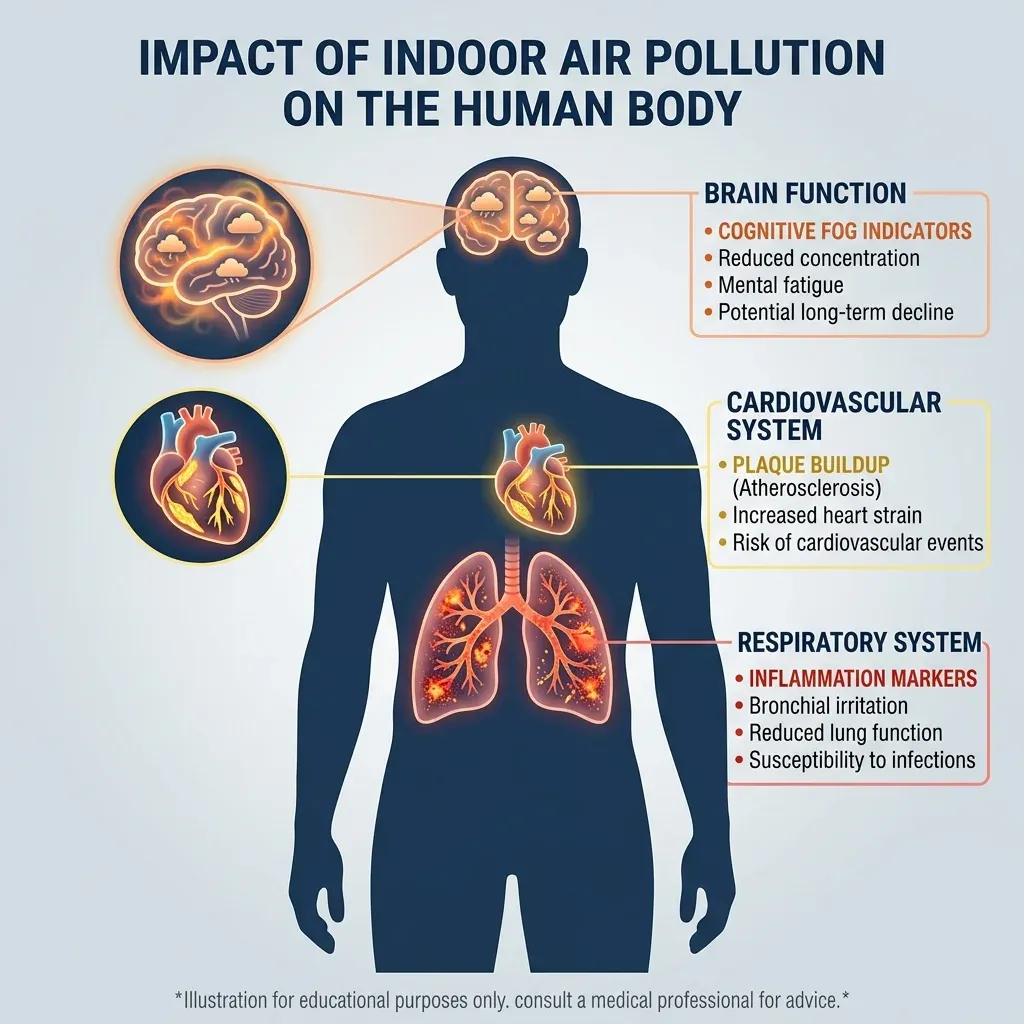
PM2.5 -- particles small enough to bypass your nose and throat and lodge deep in lung tissue -- drives much of this damage. Think of these particles as tiny vehicles that carry toxic chemicals past your body's natural defenses and into your bloodstream. Once there, they trigger inflammatory responses in blood vessels. A 2018 analysis by the Health Effects Institute found that PM2.5 pollution contributes to approximately 87,000 premature deaths per year in the United States alone, though other studies put the estimate considerably higher at 197,000 to 300,000 deaths. The range reflects different methodologies, but the direction is unambiguous: fine particle exposure shortens lives.
Children are disproportionately affected. The WHO reports that almost half of all deaths from lower respiratory infection in children under age 5 are caused by inhaling particulate matter from household air pollution. The NIEHS notes that household air pollution exposure during pregnancy was associated with impaired lung function in infants, potentially increasing pneumonia risk in the first year of life.
The cognitive effects are also striking. Carbon dioxide, a marker of poor ventilation rather than a toxin in the traditional sense, measurably degrades mental performance. Research cited by Yale Climate Connections found that adults exposed to CO2 levels of 1,000 parts per million saw a 15% drop in test scores, and a 44% drop at 2,500 ppm. NIEHS-funded research at the Harvard T.H. Chan School of Public Health showed that office workers scored higher on cognitive performance measures in "green" environments with low indoor pollutants and low CO2 levels. The same research linked indoor air quality to response times, focus, and productivity. A comprehensive review in PMC confirmed that exposure to CO2 at 3,000 ppm increases headache intensity, sleepiness, fatigue, and difficulty concentrating.
Heart disease, stroke, lung disease, cognitive decline, and childhood respiratory illness all have documented links to the air inside buildings. Indoor air pollution is a medical problem, and its effects accumulate over years of exposure in ways that may never produce obvious symptoms until damage is done.
HEPA filters: what 99.97% actually means (and what it doesn't)
High Efficiency Particulate Air filters have become the default recommendation for anyone looking to clean their indoor air, and for good reason. A certified HEPA filter captures at least 99.97% of airborne particles 0.3 micrometers and larger, including bacteria, pollen, dust mite allergens, and most virus-carrying aerosols. That 0.3 micrometer threshold is not arbitrary -- it is the "most penetrating particle size," the point where particles are too large to diffuse like a gas but too small to be easily intercepted by fiber. If a filter handles 0.3 micrometers, it handles everything above and below that size even more efficiently.
In practice, the reductions depend on the room, the purifier's clean air delivery rate (CADR), and what is generating the pollution. A systematic literature review cited in a 2025 study published in Scientific Reports found that air purifier PM2.5 reductions ranged from 22.6% to 92% across various indoor settings. That wide range reflects real-world conditions: a purifier running on low speed in a crowded, poorly sealed room will achieve far less than the same unit running on high speed in a small bedroom with the door closed.
The Healthline medical review puts it plainly: the CADR of your air cleaner should be at least two-thirds of the room's area in square feet. For wildfire smoke, it should match the room's full square footage. A purifier rated for 200 square feet will not meaningfully clean a 500-square-foot living room.
Real-world health outcomes back up the particle-removal numbers. A randomized crossover trial of 154 adults living near highways, published in the Journal of the American College of Cardiology, found that participants with elevated baseline systolic blood pressure experienced an average 2.8 mmHg reduction in systolic blood pressure after one month of HEPA filtration. Lead author Douglas Brugge, chair of the Department of Public Health Sciences at UConn, noted that this adds to growing evidence that in-home air filtration may help improve heart health for people at risk. The editorial accompanying the study emphasized that PM2.5 causes harm even below current U.S. standards.
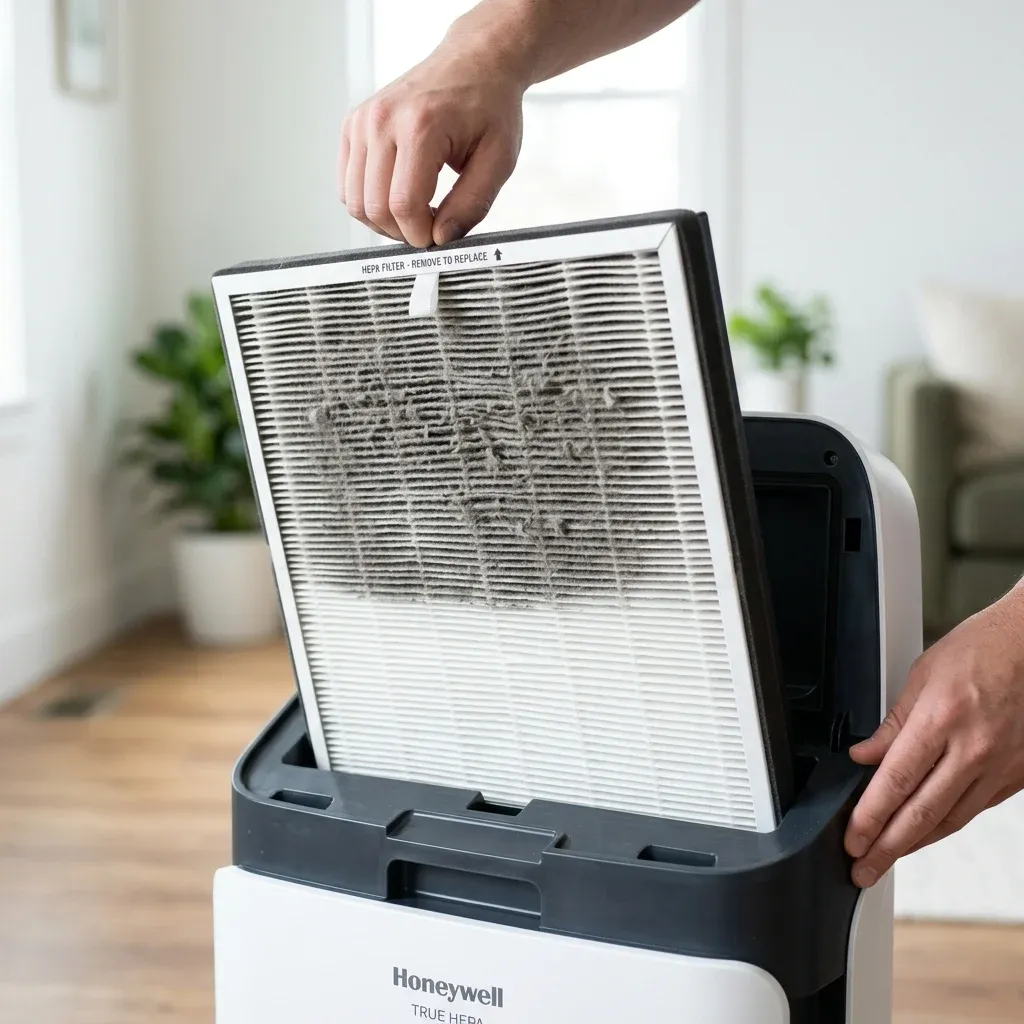
HEPA filters catch particles but are effectively useless against gases. They will not remove VOCs, formaldehyde, carbon monoxide, carbon dioxide, or radon. The EPA states this directly, and the point bears repeating because marketing materials from air purifier companies often bury it. If your problem is formaldehyde off-gassing from new cabinets, a HEPA filter alone will not solve it. You need activated carbon filtration for gas-phase pollutants, and even that has limits -- carbon filters saturate and lose effectiveness, requiring regular replacement every three to six months.
| What HEPA filters catch | What HEPA filters miss |
|---|---|
| PM2.5 and PM10 particles | Volatile organic compounds (VOCs) |
| Pollen and mold spores | Formaldehyde and other gases |
| Dust mite allergens | Carbon monoxide and carbon dioxide |
| Bacteria and some virus-carrying aerosols | Radon gas |
| Pet dander | Odors (without activated carbon layer) |
| Wildfire smoke particles | Nitrogen dioxide from gas stoves |
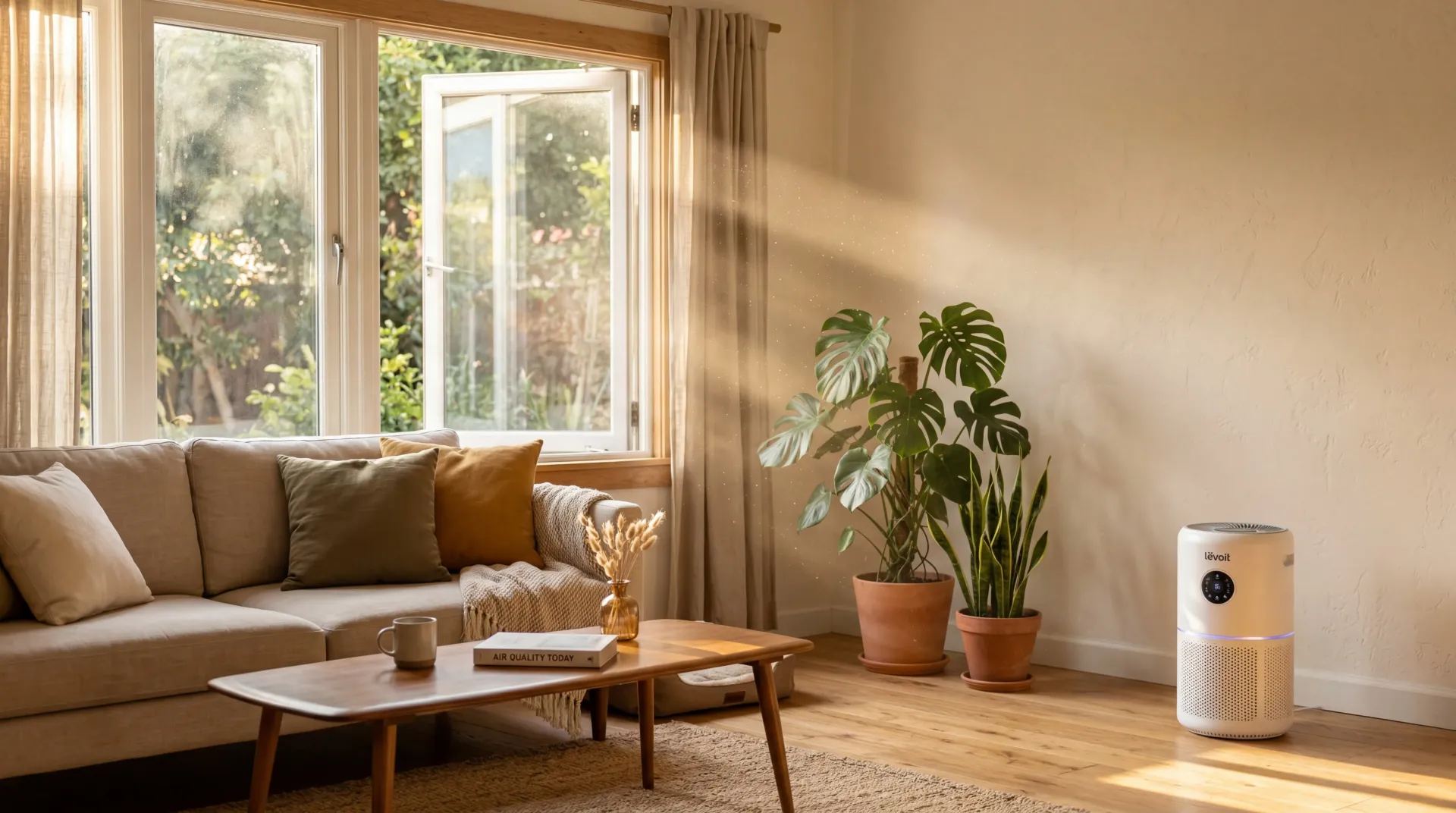
Another concern: some air purifiers that use UV light or ionization technology can actually produce ozone as a byproduct. Filtered air purifiers (HEPA type) are considered the safest for home use because they rely purely on mechanical filtration -- no electricity passing through the air, no chemical reactions, no unintended emissions. If you are shopping for an air purifier, the safest choice is a unit that uses a physical HEPA filter with an optional activated carbon pre-filter. Skip the ionizers unless you have confirmed they meet ozone safety standards.
The air quality hierarchy: source control beats filtration every time
The EPA identifies three basic strategies for improving indoor air quality: source control, improved ventilation, and air cleaning or filtration. That order is not random -- it reflects effectiveness. Eliminating a pollutant source is almost always cheaper and more effective than trying to filter it out after it enters the air.
Source control means identifying and either removing or reducing the things that produce pollutants. The EPA puts it bluntly: source control is usually the most effective and cost-efficient approach to protecting indoor air quality, because increasing ventilation raises energy costs. Practical examples include switching from gas to induction cooking, choosing low-VOC paints and finishes, testing for and mitigating radon, sealing asbestos-containing materials, and eliminating indoor smoking. None of these require buying a device. They require changing a behavior or making a one-time improvement.
Ventilation is the second line of defense. Its job is to dilute and remove pollutants that source control did not eliminate. Opening windows works if outdoor air is clean, but many modern homes are built tight for energy efficiency, which keeps pollutants sealed in. The American Society of Heating, Refrigerating and Air-Conditioning Engineers (ASHRAE) writes the building ventilation standards adopted worldwide. ASHRAE recommends a minimum MERV-13 furnace filter, which captures at least 85% of particles in the 1 to 3 micrometer range -- fine dust, smoke, pollen, mold spores, and most respiratory aerosols. A typical MERV-8 filter, the kind that comes standard in many systems, only captures about 20% of those same particles.
The difference matters measurably. One study found a 42% lower chance of contracting COVID-19 in a space using MERV-13 filtration compared to MERV-8. That is not a marginal improvement -- it is a substantial reduction from a filter upgrade that costs about $20 more per replacement.
Energy recovery ventilators (ERVs) represent a more ambitious approach. These systems bring in fresh outdoor air while transferring heat from the outgoing stale air to the incoming fresh air, reducing energy waste. They address the fundamental tension between tight building envelopes (good for energy bills) and adequate ventilation (good for health). Dr. Georgia Lagoudas of Brown University has pointed out that the only U.S. requirement for building ventilation is that 80% of occupants do not complain about odor -- which means CO2, an odorless gas, can build up to health-damaging levels with no regulatory check.
| Strategy | Best for | Limitations |
|---|---|---|
| Source control | Eliminating the root cause of specific pollutants | Not always practical (e.g., you cannot stop outdoor PM from infiltrating) |
| Ventilation (open windows, ERVs) | Diluting CO2 and gas-phase pollutants, reducing infection risk | Brings in outdoor pollution; energy costs; older systems may limit filter grades |
| MERV-13+ furnace filters | Whole-house particle removal during HVAC operation | Only works when HVAC runs; older systems may not handle MERV-13 airflow |
| Portable HEPA purifiers | Room-level particle removal, wildfire smoke events | Does not remove gases; requires right sizing to room; noise; filter replacement costs |
| Activated carbon filters | VOCs and odor removal | Saturates and loses effectiveness; does not remove particles |
For those on a budget, the Corsi-Rosenthal box -- a DIY air purifier made from a box fan and four MERV-13 filters -- has been tested by the EPA and multiple universities. According to Yale Climate Connections, these homemade units perform on par with commercial HEPA units costing $900 and can be assembled for about $75. The concept was developed by Dr. Richard Corsi (then at UC Davis) and Jim Rosenthal, and it democratizes air filtration in a way commercial products do not. No single tool solves the problem. Source control removes what it can. Ventilation dilutes what remains. Filtration catches what survives both.
You cannot fix what you cannot measure
If you have never measured the air quality in your home, you are guessing about what you breathe. The two most actionable metrics for most households are PM2.5 and CO2, and both can be measured with consumer-grade monitors that cost between $30 and $200.
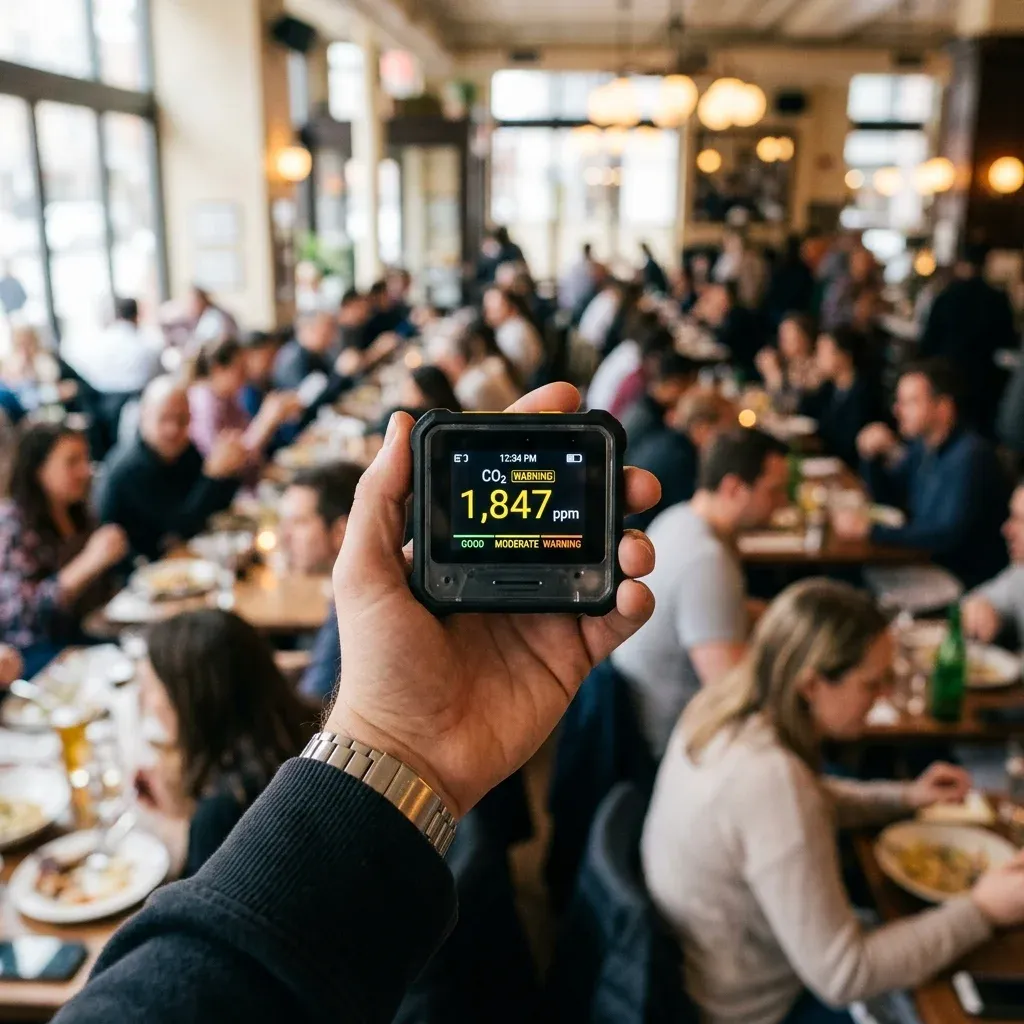
Carbon dioxide is a ventilation proxy. Outdoor air currently sits around 427 parts per million. ASHRAE recommends keeping indoor levels below 700 ppm, and at around 500-800 ppm you are in a comfortable, well-ventilated range. But indoor air quality expert Jeff Masters at Yale Climate Connections has measured readings of 2,000 to 3,000 ppm in churches, doctor's offices, meeting rooms, and airplanes. At those levels, headaches, fatigue, and impaired concentration are expected, and respiratory pathogen transmission increases sharply.
The relationship between CO2 and infection risk is direct. At 800 ppm, approximately 1% of the air you inhale was exhaled by someone else. At 2,000 ppm, that climbs to 4%. In a crowded room, that means you are breathing meaningful amounts of other people's respiratory output -- and any airborne pathogens it carries.
PM2.5 monitors tell you about particle pollution. Global estimates attribute over 4 million deaths per year to outdoor PM2.5 exposure according to the WHO, with an additional 3.2 million from indoor PM2.5 -- primarily from cooking with dirty fuels. Even in developed countries, indoor PM2.5 can spike during cooking, vacuuming, or wildfire smoke events. A monitor lets you see these spikes in real time and respond by turning on a purifier or improving ventilation.
The EPA cautions that there is limited information on how well some low-cost monitors detect pollutants indoors and that accuracy can be impacted by placement, temperature, humidity, and the presence of multiple contaminants. These devices are not medical instruments. They are useful for spotting trends and relative changes -- noticing that PM2.5 doubles when you cook with oil, or that CO2 climbs above 1,500 ppm during a dinner party -- rather than for precise readings.
One important gap: there are no widely accepted federal concentration limits for most indoor pollutants, and no federal regulations for maximum CO2 levels in buildings. ASHRAE standards exist but are voluntary and only adopted at state or city levels. This means that building owners face no legal requirement to maintain breathable air -- a gap that the Global Commission on Healthy Indoor Air, formed at the United Nations in September 2025, is pushing to close.
A CO2 monitor and a PM2.5 sensor together cost less than $250. They reveal the two most actionable indoor air problems -- poor ventilation and particle pollution -- in real time.
Frequently Asked Questions
Do HEPA air purifiers remove viruses from the air?
HEPA filters capture particles that carry viruses, including the respiratory aerosols that transmit COVID-19 and influenza. A certified HEPA filter traps 99.97% of particles 0.3 micrometers and larger. Viruses themselves are smaller, but they travel on larger droplets and aerosol particles that HEPA filters do capture. A study of MERV-13 filtration (slightly below HEPA grade) found a 42% reduction in COVID transmission risk compared to standard MERV-8 filters. Running HEPA purifiers reduces airborne viral load but does not eliminate transmission risk entirely, especially at close range.
Is indoor air pollution really worse than outdoor air pollution?
For specific pollutants, yes. The EPA's TEAM Study found VOC levels 2 to 5 times higher indoors than outdoors. During activities like painting or using cleaning solvents, indoor concentrations can spike to 1,000 times outdoor levels. However, this comparison depends on what you measure and where you live. Someone in a well-ventilated home in a city with heavy traffic may have better indoor air than outdoor air for PM2.5, while someone in a sealed home with a gas stove may have worse indoor air for NO2. The answer is pollutant-specific and home-specific.
How often should I replace my HEPA filter?
Most manufacturers recommend replacing the main HEPA filter every 6 to 12 months and activated carbon pre-filters every 3 months. The actual timeline depends on how heavily you use the purifier, the fan speed, and the amount of pollution in your environment. Homes with pets, smokers, or frequent wildfire smoke exposure will need more frequent changes. A visible inspection helps -- if the filter looks heavily discolored or the airflow from the unit drops noticeably, it is time to replace.
Can houseplants clean indoor air?
The EPA states directly that there is currently no evidence that a reasonable number of houseplants remove significant quantities of pollutants in homes and offices. The famous 1989 NASA study that popularized this idea was conducted in sealed chambers with conditions nothing like a real room. You would need hundreds of plants in a small space to achieve meaningful filtration. Plants are good for humidity and well-being, but they are not air purifiers.
Should I worry about radon if my home is newer?
Yes. Radon comes from the soil beneath your home, not from the building materials themselves (in most cases). New homes can have just as much radon exposure as old ones -- it depends on the geology of your area and the integrity of your foundation seal. The EPA estimates radon causes 21,000 lung cancer deaths per year in the U.S. Testing is cheap (kits cost $15-$30) and is the only way to know your level. If readings are above 4 picocuries per liter, the EPA recommends mitigation.
Medical Disclaimer
This article is for informational and educational purposes only and is not medical advice, diagnosis, or treatment. Always consult a licensed physician or qualified healthcare professional regarding any medical concerns. Never ignore professional medical advice or delay seeking care because of something you read on this site. If you think you have a medical emergency, call 911 immediately.