What Does Your Colon Actually Do?
Your colon is a muscular tube roughly five feet long that handles the last leg of digestion. It pulls water and electrolytes out of food residue, houses trillions of bacteria that make vitamins your body can't produce on its own, and compacts what's left into stool. It's not a passive pipe. The colon talks to your immune system, produces short-chain fatty acids that fuel its own lining cells, and keeps a whole microbial ecosystem in balance.
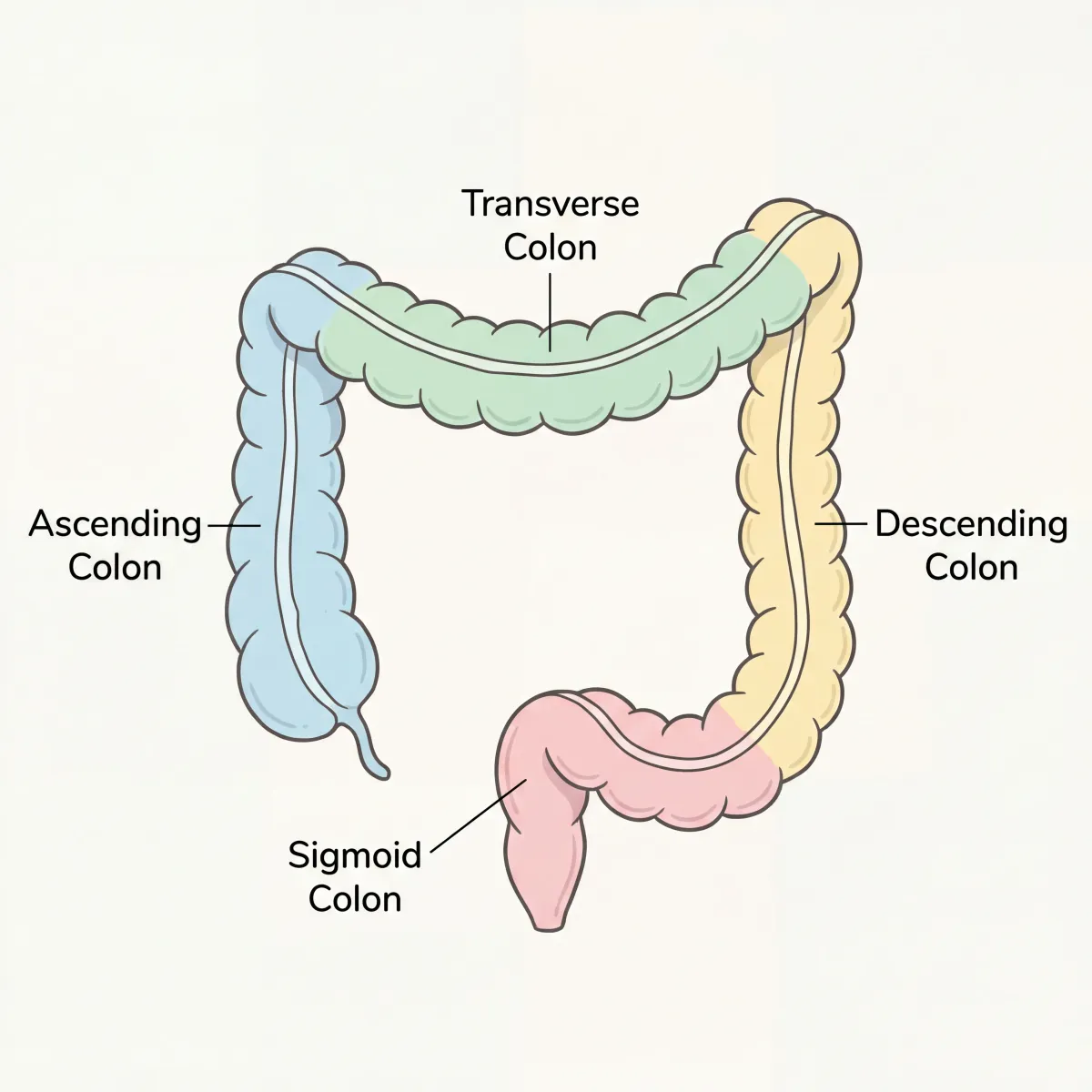
Four sections, each doing different work:
| Section | Location | Primary Function |
|---|---|---|
| Ascending colon | Right side of abdomen | Absorbs water and electrolytes from liquid waste |
| Transverse colon | Crosses upper abdomen | Continues absorption; begins forming solid stool |
| Descending colon | Left side of abdomen | Stores and compacts stool |
| Sigmoid colon | Lower left, S-shaped curve | Final storage before elimination via rectum |
Your intestines harbor about 700 bacterial species. Together, these organisms form what researchers call the gut microbiome. They break down fiber into short-chain fatty acids like butyrate, propionate, and acetate. Butyrate alone provides roughly 70% of the energy colon cells need to function. Without enough fiber in your diet, these bacteria don't have much to work with.
Why Millions Turn to Colon Cleansing
The idea that waste sitting in the colon poisons the body goes back to ancient Egypt, but it really took off commercially in the early 1900s. Doctors at the time promoted "autointoxication," a theory that decaying food in the intestines leaks toxins into the bloodstream, causing fatigue, headaches, and chronic illness. By the 1920s, the medical community had walked away from this theory after finding no scientific backing for it. The colon, liver, and kidneys already break down and remove waste without outside intervention.
The concept stuck around anyway. The U.S. detox products market hit an estimated $17.5 billion in 2024, fueled by wellness marketing, celebrity endorsements, and social media posts promoting everything from juice cleanses to colon hydrotherapy sessions. Plenty of people try colon cleansing hoping to fix bloating, get more energy, or drop weight. And honestly, it makes sense why: digestive discomfort is miserable, and a quick "reset" sounds a lot easier than changing your eating habits for good.
Your colon already has a detoxification system built in. The liver processes toxins from the blood. The kidneys filter them out. The colon itself moves waste along through regular bowel movements. A healthy body does not build up toxic sludge that needs flushing.
What Science Really Says About Colon Detox
The major medical institutions agree on this one, and they don't leave much room for debate. The Mayo Clinic says colon cleansing isn't necessary for general health and that the digestive system already handles waste and bacteria on its own. The National Center for Complementary and Integrative Health (NCCIH) found no solid research supporting detox diets for removing toxins, and noted that the studies that do exist tend to have small samples and weak designs.
Georgetown University researchers looked at 20 studies on colon cleansing and found zero evidence that it helps. What they did find were serious side effects: cramping, electrolyte imbalances, renal failure, aplastic anemia, liver toxicity, and deaths. Coffee enemas, a popular recommendation in some wellness spaces, have been directly linked to fatalities.
Gastroenterologist Robert Bresalier at MD Anderson Cancer Center doesn't mince words: "The colon is quite remarkable because it can care for itself and keep you healthy." Routine cleansing, he says, actually disrupts things by stripping away the beneficial bacteria that protect against infection and help with digestion.
| Documented Risk | Severity | How It Happens |
|---|---|---|
| Electrolyte imbalance | Serious | Rapid fluid loss depletes sodium and potassium, risking cardiac arrhythmia |
| Bowel perforation | Life-threatening | Tube insertion or excessive pressure damages colon wall |
| Kidney failure | Serious | Dehydration and electrolyte shifts strain renal function |
| Bacterial infection | Serious | Contaminated or improperly sterilized equipment introduces pathogens |
| Liver toxicity | Serious | Herbal preparations used in some cleanses damage liver tissue |
| Microbiome disruption | Moderate | Flushing removes beneficial bacteria needed for digestion and immunity |
The Cleveland Clinic goes further and explicitly advises against colon cleansing, warning it can worsen diverticulitis, Crohn's disease, ulcerative colitis, and kidney or heart disease. Worth noting: most colon hydrotherapy practitioners need only a high school diploma to practice. No medical training required. And the FDA has not approved colon hydrotherapy devices for general wellness use.
Myth vs. Fact: Common Colon Cleansing Claims
| Myth | Fact |
|---|---|
| Your colon accumulates pounds of toxic waste that needs flushing | The autointoxication theory was debunked in the early 20th century. A healthy colon moves waste out through regular bowel movements, and the liver neutralizes any absorbed byproducts. |
| Colon cleanses help you lose weight permanently | Any weight loss comes from water and waste leaving the body, not fat. It returns the moment you eat and drink normally. |
| Your body cannot detox itself | The liver, kidneys, lungs, and colon handle detoxification on their own. No external cleansing is needed in a healthy person. |
| Colon cleansing boosts your immune system and energy | No scientific evidence supports this. The Georgetown review of 20 studies found zero evidence of any benefit. |
| Colon hydrotherapy is safe and natural | Documented risks include bowel perforation, renal failure, electrolyte imbalance, infection, and death. "Natural" and "safe" are not the same thing. |
| Detox supplements are FDA-regulated | The FDA has taken enforcement action against companies selling detox products with hidden active ingredients and unproven claims. |
Natural Ways to Support Colon Health
So if cleanses don't work, what actually does? The answer is less exciting than a detox kit but a lot more effective: everyday eating and movement habits that work with your colon instead of against it.
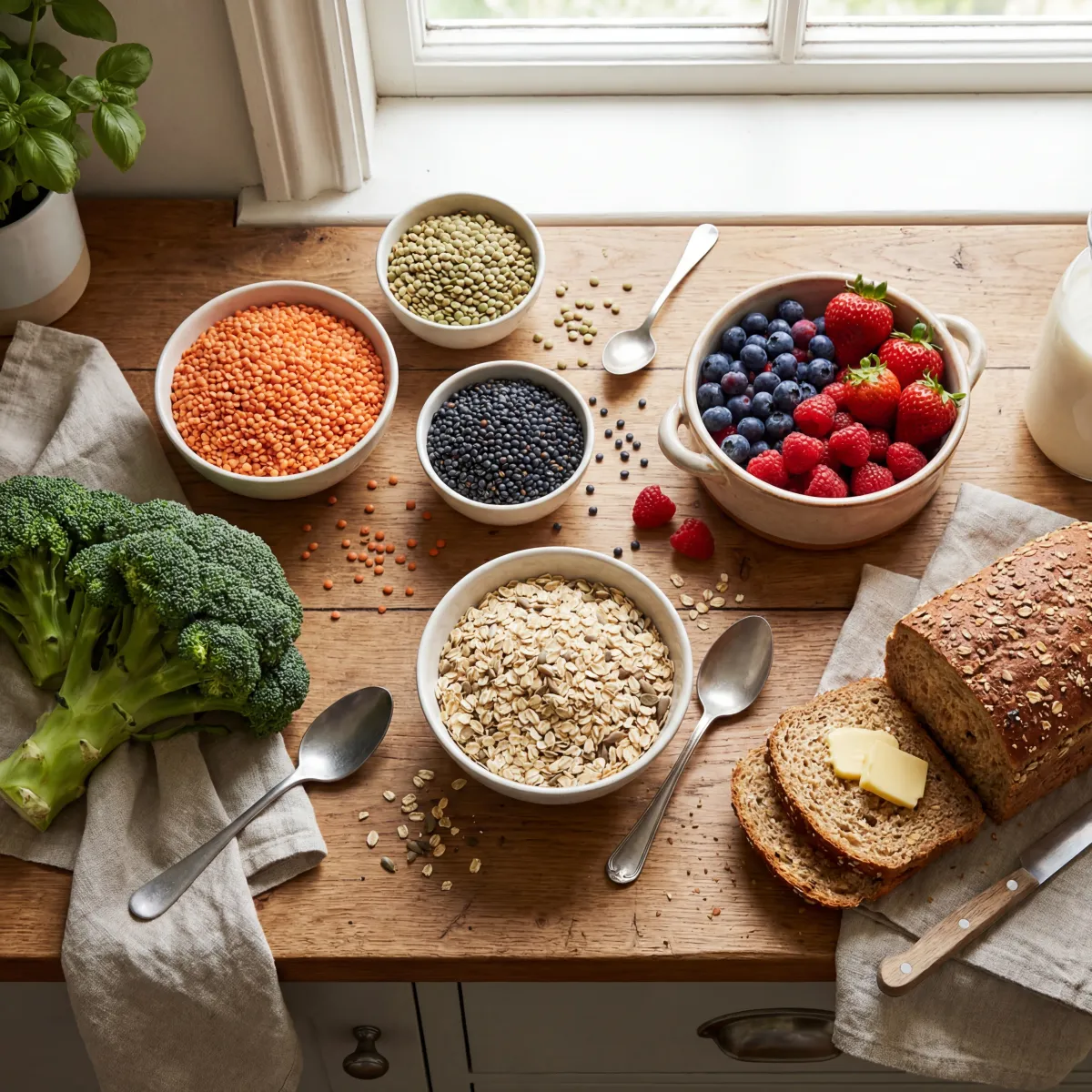
Fiber is the big one. The NIDDK recommends 22 to 34 grams of fiber per day for adults. Almost nobody hits that number. Roughly 90% of women and 97% of men in the U.S. fall short of these targets. The national average sits at about 16 grams a day, barely half the minimum. Fiber feeds your gut bacteria, bulks up stool so it passes more easily, and produces the short-chain fatty acids that colon cells run on.
Water matters too, though maybe not in the way detox companies want you to think. It works alongside fiber to soften stool and keep things moving. Dehydration is one of the most common causes of constipation, especially in older adults. There's no magic daily number since it depends on how active you are, the weather, and your body size, but drinking water throughout the day is a solid baseline. We go deeper on this in our guide to the health benefits of drinking water.
Exercise also makes a real difference. A systematic review covering 13 studies and 119,426 people found that high physical activity cut constipation risk by 31% compared to low activity. Even hitting the standard recommendation of 150 minutes of moderate exercise per week dropped risk by 13%. Movement stimulates the natural contractions that push waste through the colon.
Then there are fermented foods. Yogurt, kefir, kimchi, sauerkraut, kombucha. These put beneficial bacteria straight into your gut. A Stanford clinical trial had people eat fermented foods daily for 10 weeks, and the results were striking: overall gut microbiome diversity went up and 19 inflammatory proteins went down, including interleukin-6, which is tied to chronic disease. Our article on the health benefits of probiotics covers how these organisms work in more detail.
Red and processed meat are worth watching. MD Anderson recommends keeping red meat under 18 ounces per week and steering clear of processed meat altogether for colorectal cancer prevention. Processed meats contain nitrates and nitrites that can form carcinogenic compounds in the colon during digestion. Swapping even one weekly serving of processed meat for beans, fish, or chicken adds up over time, and if the replacement is legumes, you're picking up extra fiber in the trade.
How Fiber and Fermented Foods Transform Your Gut
Not all fiber does the same job. Soluble fiber, the kind in oats, beans, and apples, dissolves in water and forms a gel that slows digestion and feeds certain bacterial populations. Insoluble fiber, found in whole wheat, nuts, and vegetables, adds bulk to stool and speeds up how fast things move through the colon. You want both.
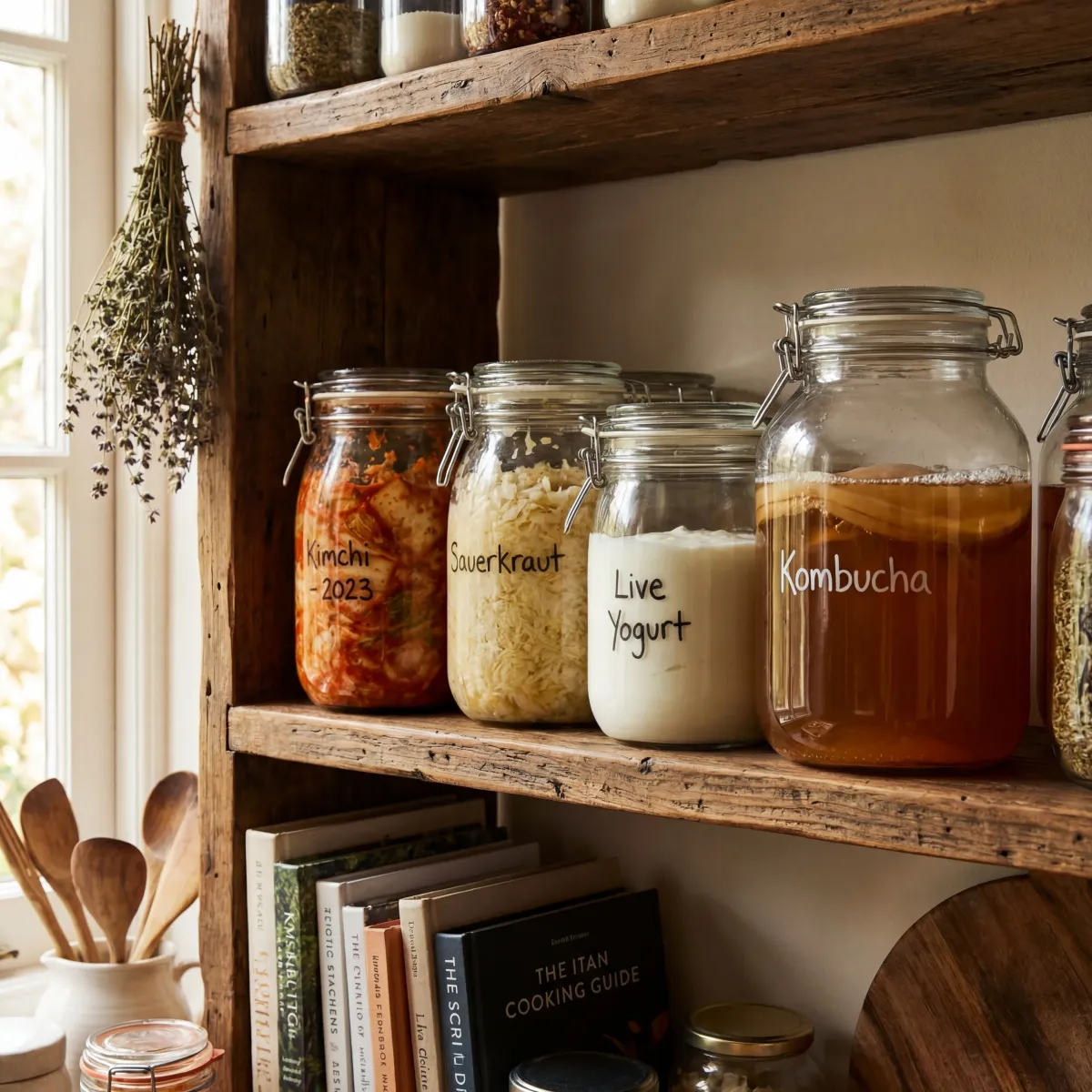
A study in Microorganisms found that as little as 10 grams a day of specific fibers produces measurable shifts in gut bacteria composition. Different fibers feed different species:
| Fiber Type | Food Sources | Bacteria It Feeds | Health Effect |
|---|---|---|---|
| Inulin | Garlic, onions, leeks, asparagus | Bifidobacterium, Lactobacillus | Reduces inflammation, supports immune function |
| Resistant starch | Cooked and cooled potatoes, green bananas, legumes | Ruminococcus, Faecalibacterium | Produces butyrate, the primary fuel for colon cells |
| Beta-glucan | Oats, barley, mushrooms | Bacteroides, Prevotella | Lowers cholesterol, stabilizes blood sugar |
| Pectin | Apples, citrus fruits, berries | Faecalibacterium prausnitzii | Anti-inflammatory, strengthens gut barrier |
One interesting wrinkle from the Stanford fermented foods trial: the group eating fermented foods saw big gains in microbiome diversity and drops in inflammation, but the high-fiber group didn't get the same short-term diversity boost. That doesn't mean fiber matters less. Its benefits for stool bulk, transit time, and long-term cancer prevention are solid. But it does suggest fiber and fermented foods work through different mechanisms. Doing both at once gives you the best of each.
For a wider look at how dietary patterns affect inflammation and gut health, including Mediterranean and plant-based approaches, see our comparison of anti-inflammatory eating patterns.
Warning Signs Your Colon Needs Medical Attention
Diet fixes a lot of everyday digestive problems, but some symptoms need a doctor, not a home remedy. These are the ones to pay attention to:
- Bowel habits that change and stay changed for more than two weeks (new constipation, diarrhea, or bouncing between the two)
- Blood in stool, whether bright red or dark and tarry. Always get this checked.
- Losing weight without trying or changing your diet
- Abdominal pain or cramping that won't go away or keeps coming back
- A persistent feeling that your bowel isn't emptying completely
- Stool that narrows to pencil-thin and stays that way for several days
- Iron-deficiency anemia with no obvious dietary explanation
Colorectal cancer screening starts at age 45. The CDC estimates 154,270 new colorectal cancer diagnoses per year, and only 61.4% of eligible adults are up to date on screening. That's a problem, because when colonoscopy catches it early, the five-year survival rate tops 90%. Colonoscopy prep is the one legitimate reason for colon cleansing, and those medically prescribed prep solutions are nothing like the cleanse products you see advertised online.
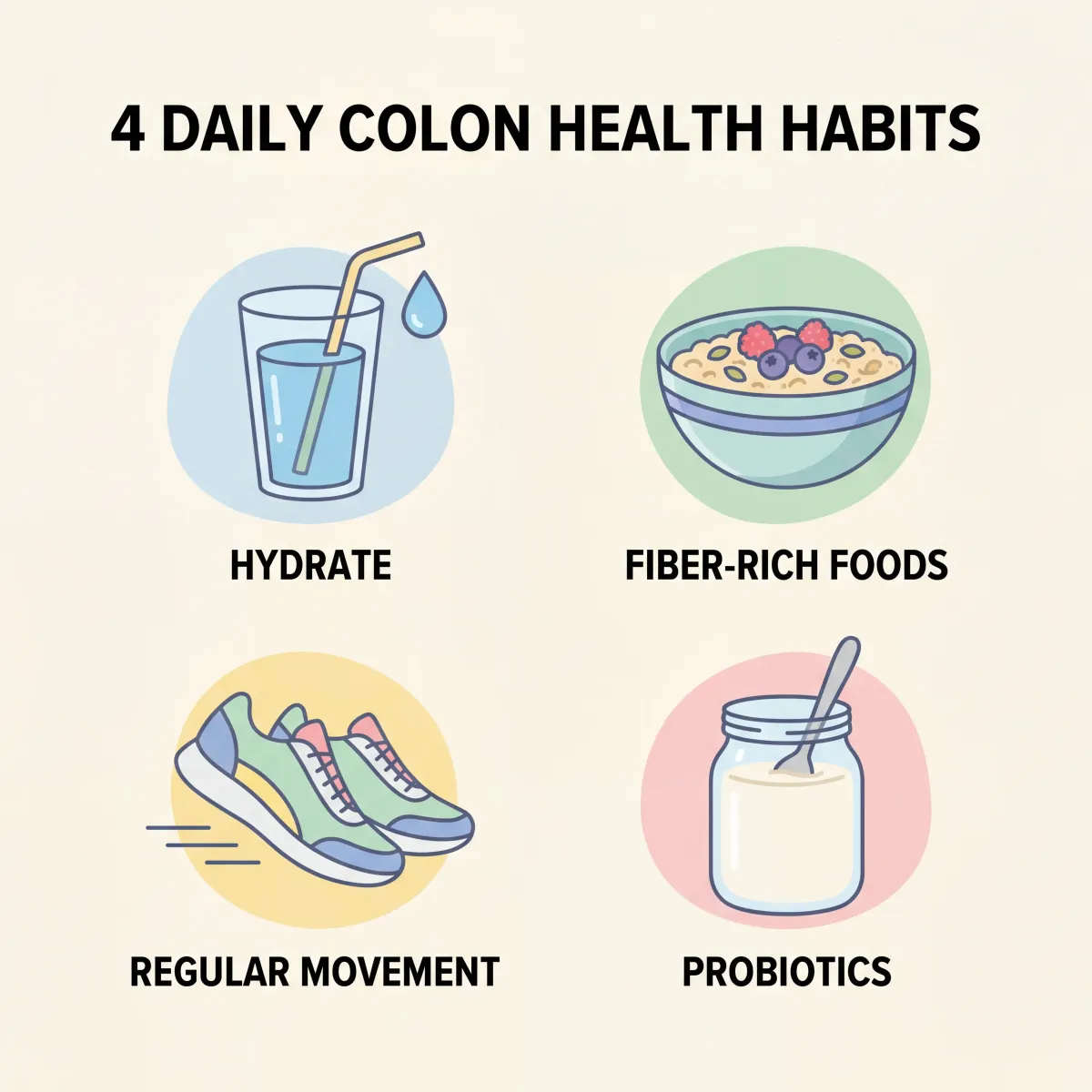
Building a Daily Routine for Optimal Colon Health
Periodic cleanses disrupt your gut. Daily habits build it up. The research in this guide points to the same basic moves, and none of them involve buying a detox kit.
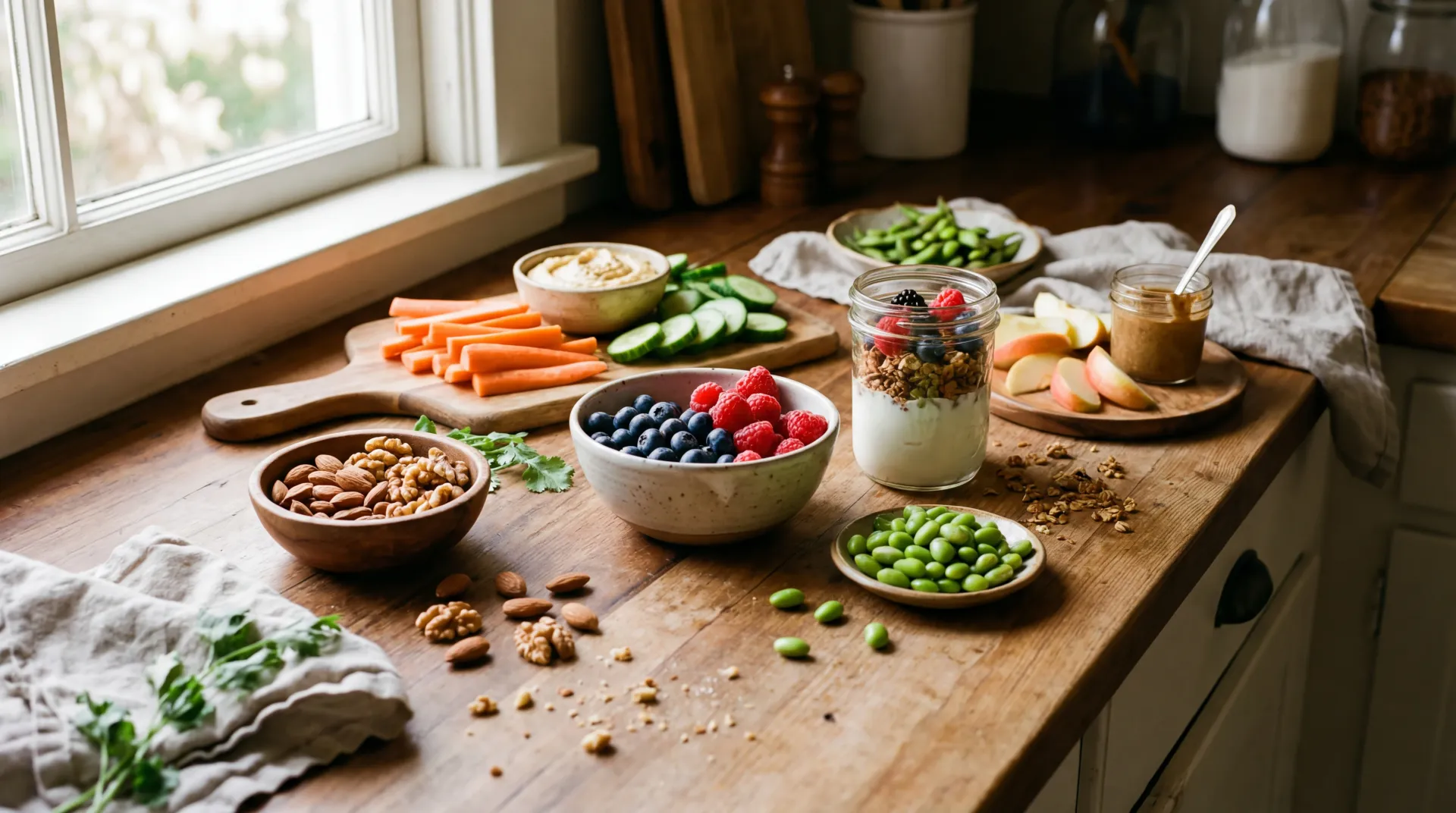
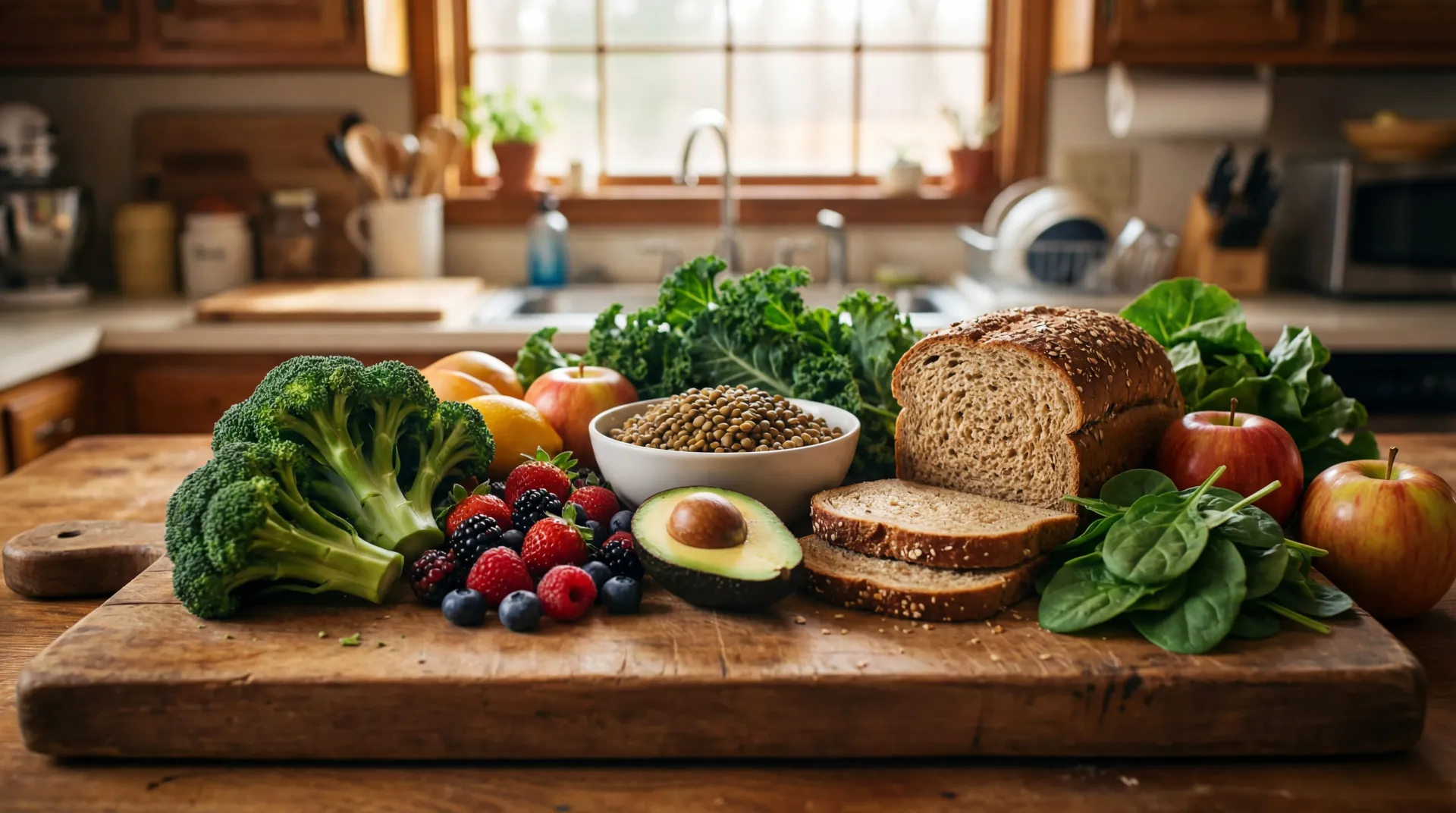
In the morning, drink a glass of water before you eat anything. Build breakfast around fiber: oatmeal with berries, whole grain toast with avocado, a smoothie with ground flaxseed. Throw in some yogurt or kefir.
At lunch, make vegetables and legumes the center of the plate. A chickpea salad, lentil soup, or a grain bowl loaded with beans all deliver real fiber. Try to get at least two different colored vegetables in there. The variety feeds different bacterial populations in your gut.
Sometime in the afternoon, move. A 20-minute walk after lunch is enough to stimulate the colonic contractions that keep digestion moving. If you work out harder than that, consistency matters more than intensity.
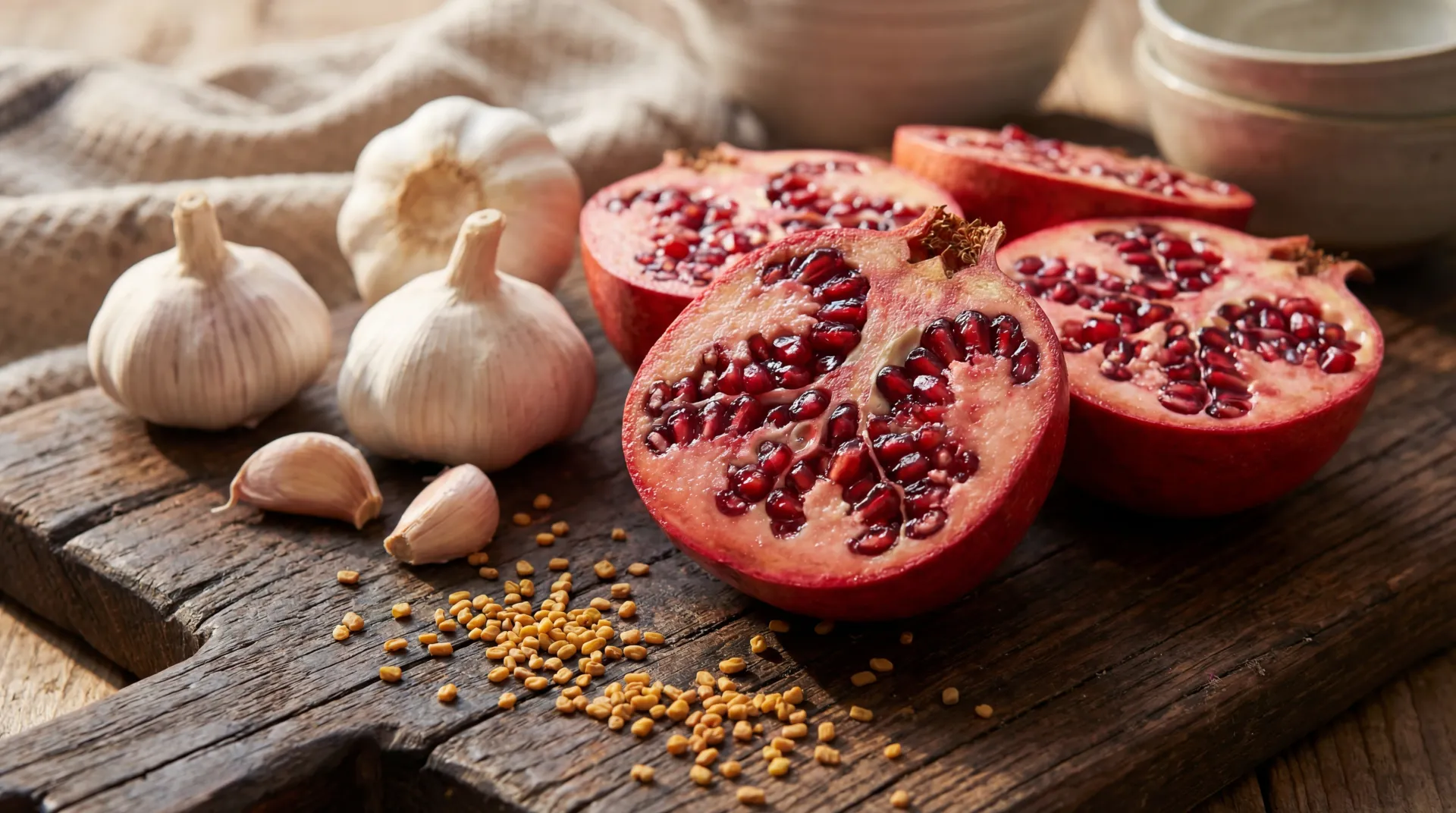
At dinner, work in prebiotic-rich foods: garlic, onions, leeks, asparagus. These all contain inulin, which specifically feeds Bifidobacterium, one of the bacteria you want more of. Try to finish eating two to three hours before bed so your digestive system isn't still working when you're trying to sleep. For more ideas along these lines, our guide on foods that help cleanse your body has a solid list.
The daily numbers that matter for colon health: 25-34 grams of fiber from varied sources, 6-8 glasses of water, 150 minutes of moderate exercise per week, and at least one serving of fermented food per day. Less glamorous than a juice cleanse. More effective by every measure the research has tested.
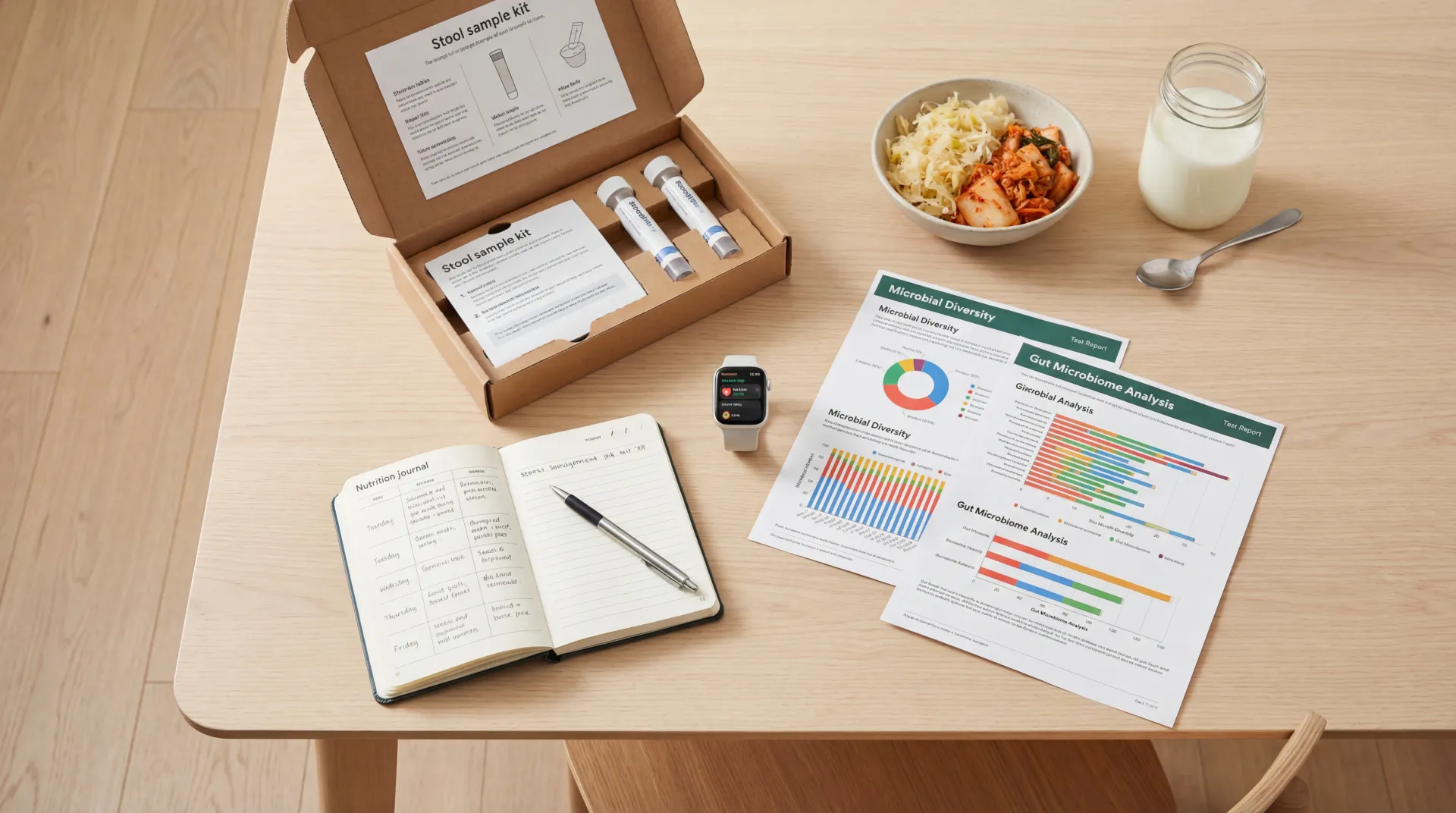
If you want to know what's actually going on in your gut at a microbial level, at-home testing kits can now profile your bacterial populations and give you dietary suggestions based on what they find. Our article on gut health personalization and microbiome testing walks through how these services work and how to read the results.
Frequently Asked Questions
Is colon cleansing safe for healthy adults?
The Mayo Clinic, Cleveland Clinic, and MD Anderson Cancer Center all say no. A Georgetown University review of 20 studies found no evidence of benefit and documented real harm: electrolyte imbalance, bowel perforation, kidney failure, and deaths. The only medically appropriate colon cleansing is the prep solution your doctor prescribes before a colonoscopy, administered under supervision.
How much fiber should I eat daily for good colon health?
The NIDDK says 22 to 34 grams per day for adults, depending on age and sex. Most Americans get about 16 grams. If you're increasing your intake, do it gradually over two to three weeks to avoid bloating and gas, and drink more water as you go. Beans, whole grains, vegetables, fruits, nuts, and seeds are all good sources.
Do probiotics help with colon health?
For specific conditions like IBS and ulcerative colitis, certain probiotic strains show real benefits. For generally healthy people, a 2025 meta-analysis found probiotics don't do much for gut diversity. Fermented foods seem to work better across the board. The Stanford trial showed daily fermented foods increased microbiome diversity and lowered inflammatory markers over 10 weeks.
What foods are best for keeping the colon healthy?
High-fiber foods from varied sources: beans, lentils, oats, whole wheat, broccoli, berries, apples, leafy greens. Add fermented foods daily. Include prebiotic-rich foods like garlic, onions, and asparagus that feed beneficial gut bacteria directly. Cut back on processed meat and keep red meat under 18 ounces per week.
When should I see a doctor about colon problems?
If you see blood in your stool, lose weight without explanation, have bowel habits that change for more than two weeks, deal with ongoing abdominal pain, or get diagnosed with iron-deficiency anemia from no obvious cause. Everyone should start colorectal cancer screening at 45. Your doctor will pick the test type and timing based on your risk factors.
Related Articles
- Health Benefits of Probiotics — How beneficial bacteria support digestion, immunity, and overall gut wellness.
- Foods That Can Help Cleanse Your Body — Whole foods and nutrients that support your body's natural detoxification systems.
- Gut Health, Personalization & Microbiome Testing — Understanding at-home microbiome tests and what your results mean for dietary choices.
- Anti-Inflammatory Eating Patterns: Mediterranean vs. DASH vs. Plant-Based — Comparing three major dietary approaches for reducing chronic inflammation.
- Top 10 Health Benefits of Drinking Water — Why hydration matters for digestion, energy, and every system in your body.
Medical Disclaimer
This article is for informational and educational purposes only and is not medical advice, diagnosis, or treatment. Always consult a licensed physician or qualified healthcare professional regarding any medical concerns. Never ignore professional medical advice or delay seeking care because of something you read on this site. If you think you have a medical emergency, call 911 immediately.