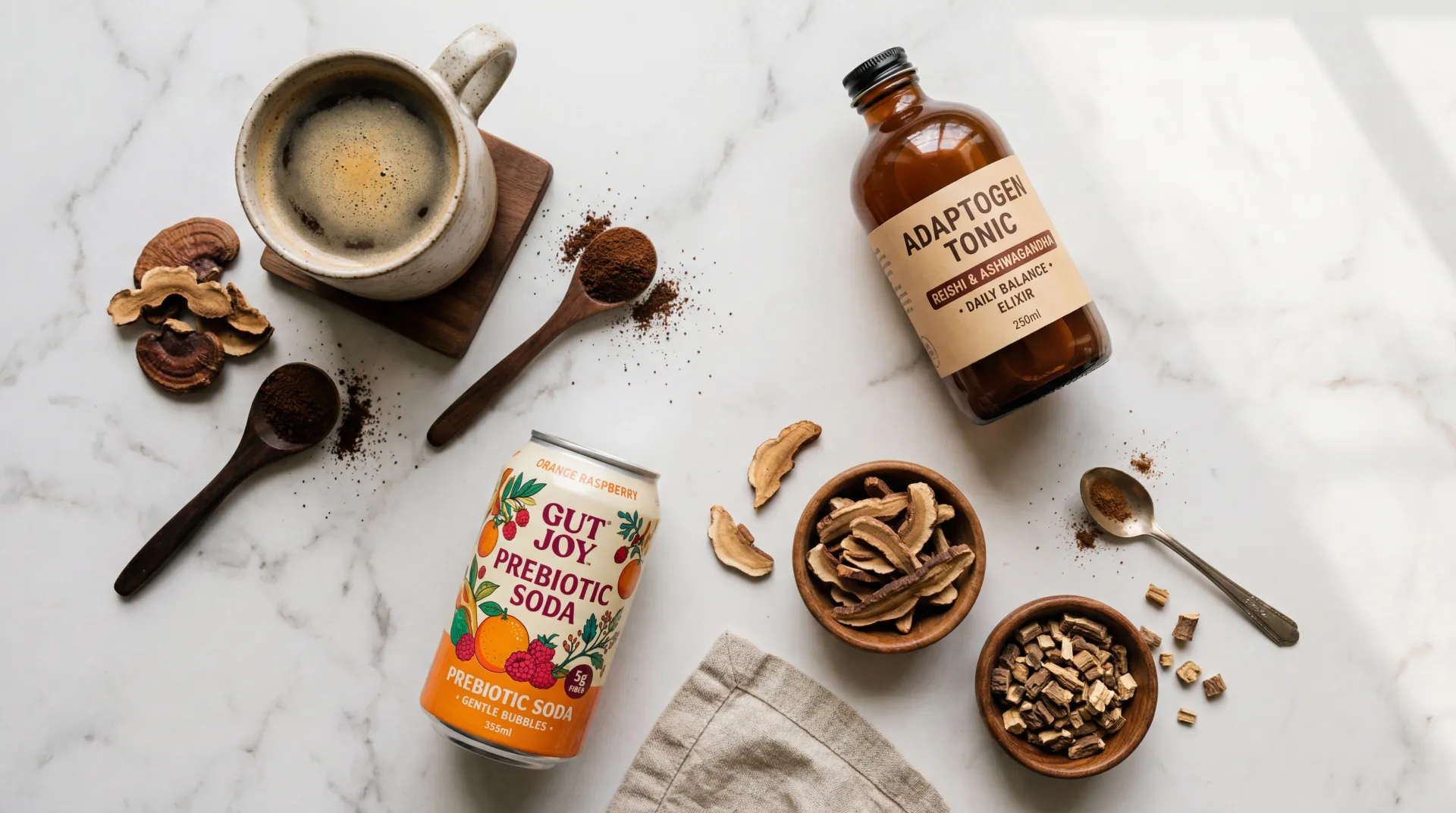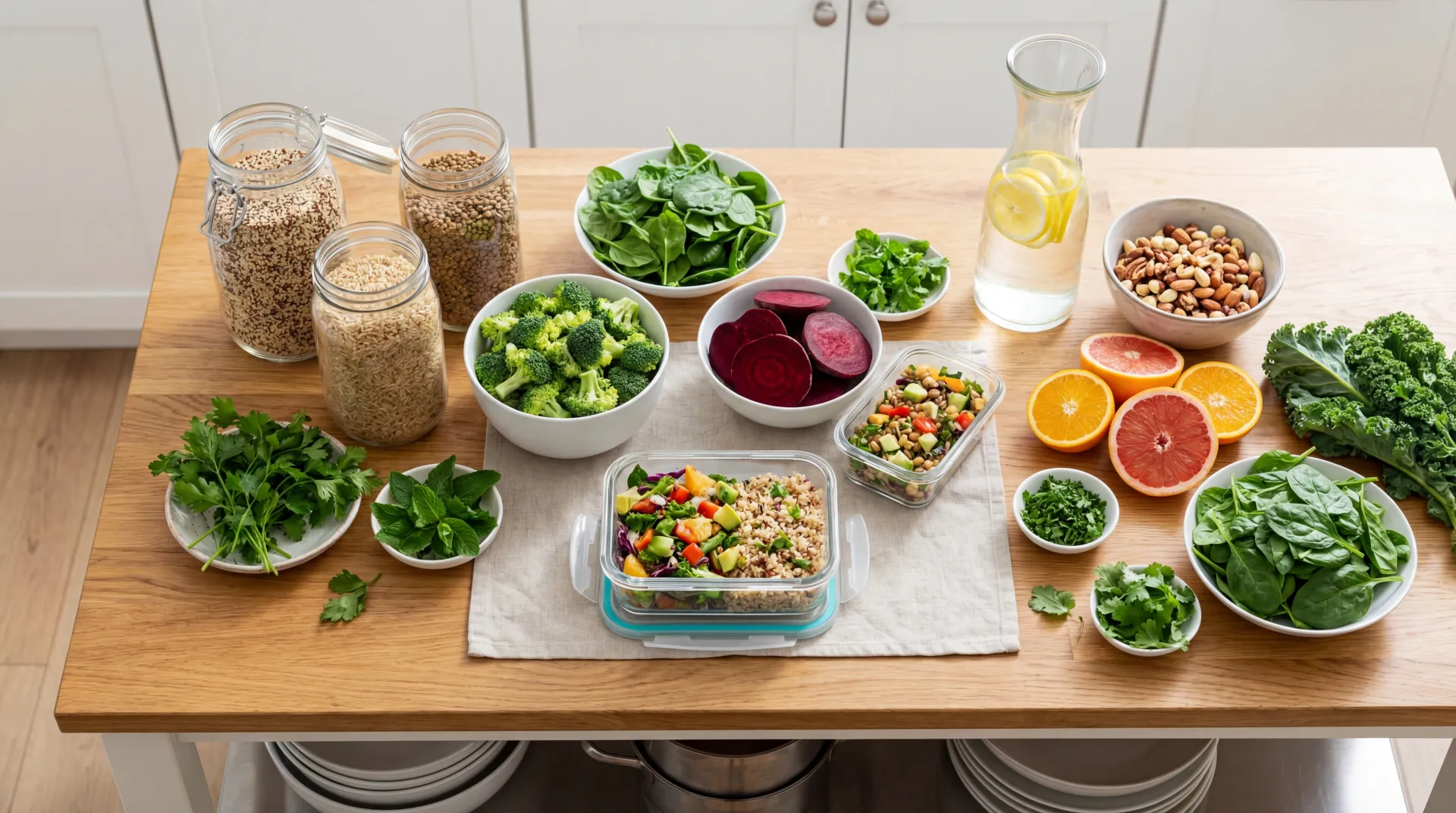
What does cleansing the body actually mean?
Most people hear the word detox and imagine juice-only plans, expensive powders, or dramatic short-term resets. In physiology, detoxification is much less glamorous and much more powerful: it is the continuous work your organs already do to process nutrients, neutralize waste compounds, and move those compounds out of the body through bile, urine, stool, sweat, and breath. Your liver modifies many compounds so they can be excreted. Your kidneys filter blood and regulate fluid and electrolyte balance. Your gut and its microbiome help process what you eat and influence what is absorbed or eliminated.
The best nutrition strategy is to support those systems consistently, not shock them. The National Institute of Diabetes and Digestive and Kidney Diseases explains liver function in ways that make this clear: your liver is a metabolic command center, not a trash can that fills up overnight. Likewise, the kidney health guidance from NIDDK highlights that kidney performance depends on hydration, blood pressure, glucose management, and long-term dietary patterns.
That means food can help, but not because one ingredient magically cleanses you. Food helps because a high-quality pattern gives your organs what they need to perform routine detox tasks efficiently. Fiber helps bind and move waste products through the digestive tract. Potassium-rich produce supports blood pressure control, which supports kidney health. Antioxidant-rich foods may reduce oxidative stress that can burden tissues over time. Protein in appropriate amounts helps maintain enzyme systems involved in metabolism and detox pathways.
So if your goal is to feel less bloated, less sluggish, and more metabolically steady, skip extreme plans and build a repeatable structure: hydration, fiber, varied plants, adequate protein, and lower intake of ultra-processed foods and alcohol. That structure is less marketable than a seven-day miracle, but it is exactly what long-term evidence supports.
Quick reality check: your body is detoxing right now. The goal is not to force detox. The goal is to reduce daily load and improve daily support.
Why your liver, kidneys, and gut work as a team
Think of detox support as a relay race, not a solo event. Your gut determines what enters circulation and what exits in stool. Your liver transforms compounds through enzyme systems and sends some products into bile. Your kidneys filter circulating water-soluble compounds and maintain fluid balance. If one part is stressed, the others often carry extra burden. That is why single-food claims are usually weak, while whole-pattern interventions are stronger.
Diet quality affects all three organs at once. The World Health Organization healthy diet framework and CDC nutrition guidance both emphasize plant diversity, less added sugar, and lower sodium because these factors influence blood pressure, inflammation, cardiometabolic risk, and digestive health in parallel.
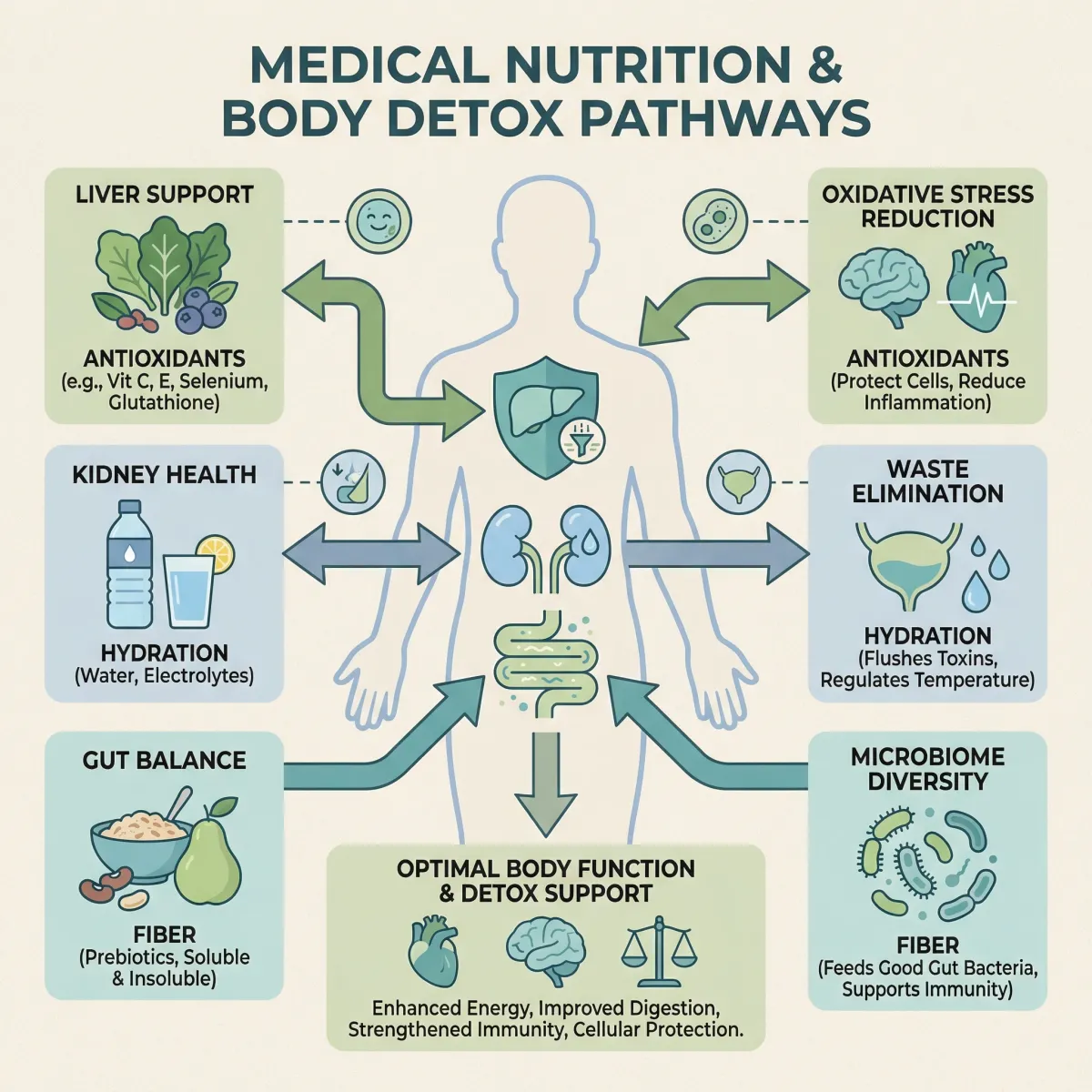
Another useful lens is circulation and elimination. Nutrients and metabolites circulate between organs continuously. If hydration is low, kidney concentration rises. If dietary fiber is low, bowel regularity may decline and some compounds stay in contact with the gut longer. If alcohol intake is high or nutrient density is low, liver metabolic burden can rise. None of these factors alone defines health, but together they shift resilience up or down over time.
| System | Main detox-related role | Nutrition priorities | Practical daily habit |
|---|---|---|---|
| Liver | Transforms and packages many compounds for excretion | Adequate protein, varied vegetables, fewer alcohol-heavy days | Build meals around vegetables and lean protein instead of liquid detox products |
| Kidneys | Filters blood and manages fluid-electrolyte balance | Hydration, blood-pressure-friendly eating pattern, moderate sodium | Use a reusable water bottle and spread fluid intake across the day |
| Gut and microbiome | Regulates absorption, fermentation, and stool elimination | Fiber diversity, fermented foods if tolerated, whole grains and legumes | Aim for produce plus whole grains at most meals |
If you already follow this site, you can see the same theme in our guide to whole-food eating patterns: no single superfood carries the plan. The plan works because many foods contribute different compounds across the week.
A practical detox-foods shopping list with evidence
The original article listed many useful foods, but the modern evidence-based approach is to organize foods by function. This makes your shopping list clearer and your meals easier to repeat. Below are core groups and why they matter.
High-fiber produce and legumes
Fiber supports gut motility, microbial fermentation, and stool bulk. It is one of the most underrated detox-support nutrients because elimination is a foundational pathway for removing waste products. The Harvard School of Public Health overview of dietary fiber and the Mayo Clinic summary on fiber benefits both note links with better metabolic and digestive outcomes when intake is adequate.
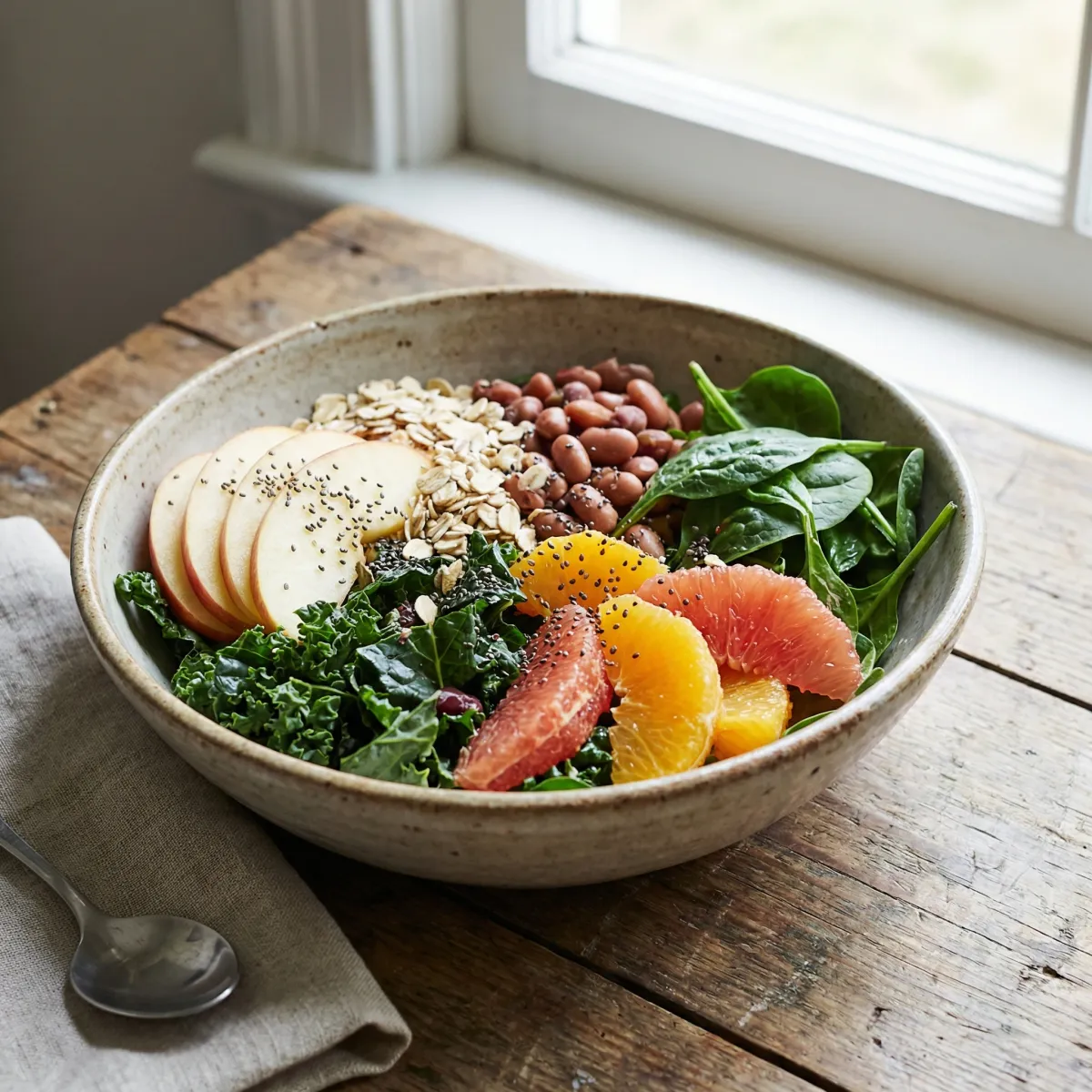
Practical picks include apples, pears, berries, oats, beans, lentils, and leafy greens. If your current intake is low, increase gradually and pair fiber with water to reduce bloating risk. You can also review our article on gut bacteria and mood support for a broader microbiome perspective.
Cruciferous vegetables and alliums
Broccoli, cabbage, cauliflower, garlic, onions, and related vegetables are rich in sulfur-containing compounds and polyphenols. These foods are often discussed in liver-support conversations because they provide compounds studied for antioxidant and enzyme-related effects. You do not need megadoses; consistent inclusion works better than occasional extremes.
If broccoli is not a staple yet, start with one to two servings per week and build from there. Our breakdown of broccoli nutrition and health benefits can help you choose preparation methods that improve flavor and consistency.

From a research angle, patterns rich in cruciferous vegetables and alliums align with broader dietary quality metrics rather than acting like stand-alone treatment tools. Treat these foods as reliable team players, not miracle cures.
Citrus, berries, and vitamin-rich produce
Citrus fruits and berries offer vitamin C and polyphenols. The NIH Office of Dietary Supplements provides current guidance on vitamin C and vitamin K, including food-first strategies for most people. In practical terms, add citrus to water, salads, or seafood; use berries with yogurt or oats; and rotate colorful produce through meals to diversify nutrient intake.
You can also use tea strategically. Green tea is not a detox cure, but it can replace sugary beverages and contribute polyphenols when tolerated. If you want a deeper look, see our guide on green tea health benefits.
Whole grains, nuts, and seeds
Whole grains and nuts provide fiber, minerals, and unsaturated fats that support cardiometabolic health and satiety. That matters for detox support because extreme hunger and unstable intake often trigger rebound eating patterns that are high in sodium, sugar, and alcohol. A stable intake pattern is usually more protective than repeated restriction cycles.
For people with kidney disease, severe digestive disease, or medically prescribed restrictions, food choices may need to be individualized. The general framework still applies, but dose and specific foods should match clinical guidance.
Hydration-focused choices
Hydration is basic but non-negotiable. Water-rich foods, soups, and unsweetened beverages can support total fluid intake. If plain water is hard to maintain, add lemon slices, cucumber, or herbs. Our article on the benefits of regular water intake gives additional implementation tips.
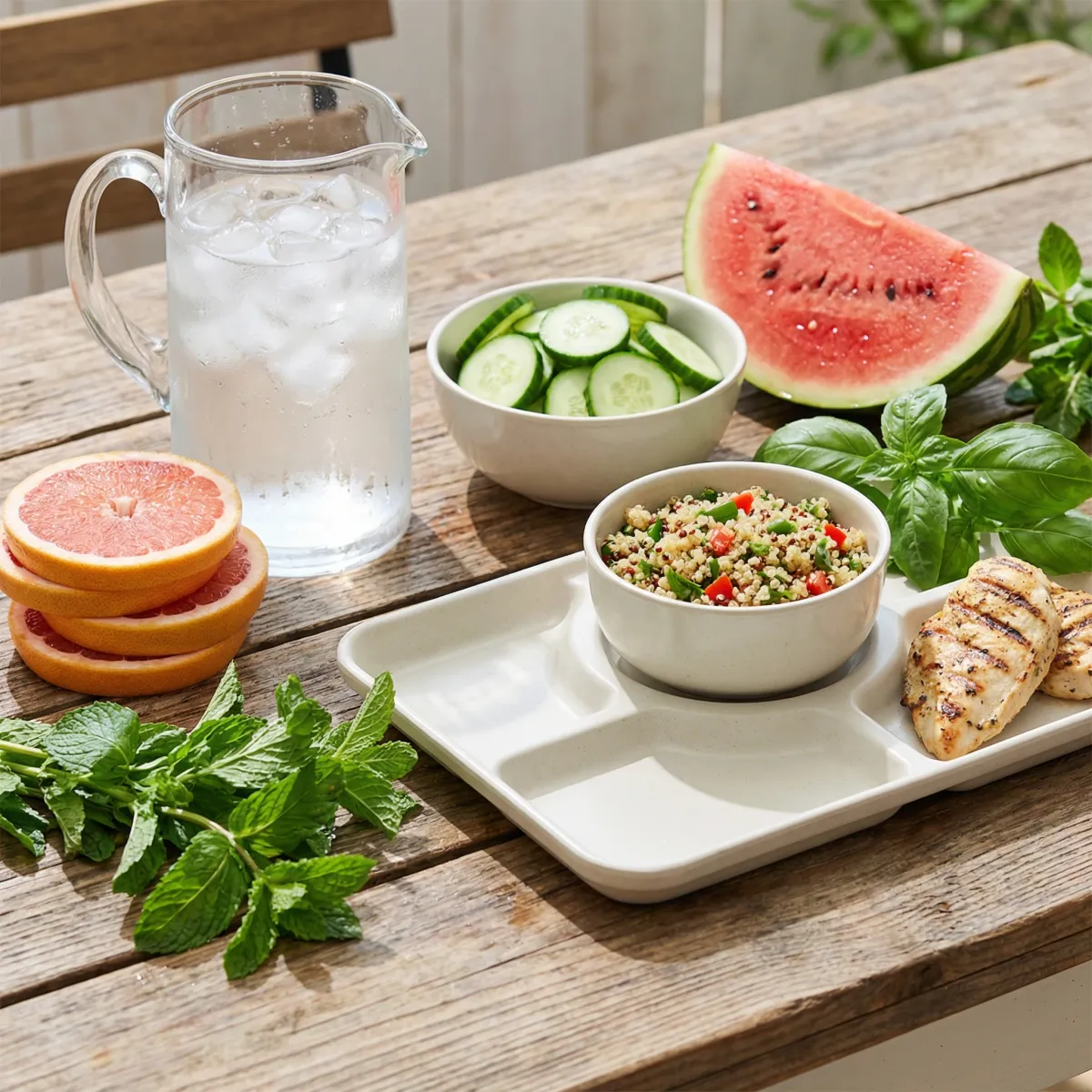
The key point is consistency. A large fluid intake on one day does not offset chronic under-hydration across the rest of the week. Build a simple schedule you can repeat.
| Food group | Key compounds | What evidence supports most strongly | Easy use at home |
|---|---|---|---|
| Leafy greens and crucifers | Folate, vitamin K, glucosinolate-derived compounds | Higher diet quality, better cardiometabolic profile, antioxidant support | Roast a tray twice weekly and add to grain bowls |
| Alliums like garlic and onions | Organosulfur compounds | Useful in healthy dietary patterns with anti-inflammatory potential | Use garlic-onion base for soups, stews, and sauteed vegetables |
| Citrus and berries | Vitamin C, polyphenols | Supports nutrient adequacy and oxidative stress management | Add fruit to breakfast and snack rotations daily |
| Whole grains and legumes | Fiber, magnesium, resistant starch | Better gut function and metabolic risk reduction over time | Batch-cook beans, lentils, and whole grains on weekends |
| Nuts and seeds | Unsaturated fats, vitamin E, minerals | Satiety and lipid-supportive dietary pattern contributions | Use measured portions as snack replacements for sweets |
What the clinical literature says in plain language
When you look at dietary evidence in systematic reviews and large observational studies, one theme keeps appearing: combinations beat isolated ingredients. Polyphenol-rich and fiber-rich patterns are repeatedly associated with better inflammatory and metabolic markers. For example, reviews in PubMed such as dietary fiber and health outcomes, fruit and vegetable intake in chronic disease prevention, and Mediterranean-style pattern data support the idea that regular dietary structure has stronger effects than short detox windows.
There is also emerging evidence around plant bioactives and gut-liver interactions, including work indexed at PubMed on microbiome-linked metabolism and polyphenol-related pathways. These findings are promising but should still be interpreted as supportive, not curative. Your goal is not to chase a single molecule. Your goal is to repeatedly eat a pattern that delivers many helpful molecules with minimal downside.
Myth vs Fact: common detox claims
Detox marketing is full of half-truths. Some products are harmless but unnecessary. Others can be risky, especially for people with medication needs, blood sugar issues, kidney disease, eating disorder history, or gastrointestinal sensitivity.
| Myth | Fact | Better approach |
|---|---|---|
| You need a juice-only cleanse to reset your liver. | Your liver already detoxifies continuously; extreme restriction can reduce protein and fiber intake. | Use balanced meals with vegetables, protein, and hydration. |
| One superfood can flush toxins quickly. | No single food handles all detox pathways. | Combine fiber, produce diversity, and adequate fluid every day. |
| Supplements are always safer than whole foods. | Some supplements can interact with medications or overload certain nutrients. | Prioritize food first and review supplements with a clinician. |
| Detox means avoiding carbs entirely. | Whole-food carbohydrate sources often provide fiber and micronutrients that support elimination. | Use whole grains, legumes, fruits, and vegetables instead of refined sugars. |
| More water is always better. | Hydration needs vary; excessive fluid can be harmful in specific conditions. | Aim for steady intake adjusted for climate, activity, and medical guidance. |
| A weekend cleanse undoes weeks of high alcohol intake. | Health effects are cumulative and behavior-driven, not instantly reversible. | Reduce alcohol frequency and build consistent nutrition habits. |
Evidence-based frameworks from organizations like NHLBI DASH resources and WHO dietary guidance are less exciting than detox ads, but they are more consistent with long-term outcomes. If a plan sounds dramatic, expensive, and fast, assume the marketing is ahead of the evidence.
How to build a seven-day detox-support pattern
The easiest way to apply this guide is to use a repeatable seven-day structure. You are not trying to create perfect meals. You are trying to make the healthy option the default option. Use this pattern and adapt portions to your own needs.
Step one: anchor each day with three non-negotiables
- Hydration rhythm: begin the day with water and continue at regular intervals.
- Fiber floor: include at least one high-fiber food at each meal.
- Produce diversity: rotate colors and plant types across the week.
Step two: use simple plate construction
At lunch and dinner, aim for a plate built from vegetables, a quality protein source, and a fiber-rich carbohydrate such as beans, lentils, or whole grains. Keep sodium and added sugar moderate. If you need convenience, frozen vegetables and canned low-sodium legumes are useful tools, not compromises.
Step three: choose realistic beverage swaps
Replace one sugary beverage each day with water, sparkling water, or unsweetened tea. Small substitutions reduce total daily load without requiring rigid dieting. This is particularly important for people who feel they need a cleanse after travel, holidays, or periods of low structure.
| Day template | Breakfast | Lunch | Dinner | Snack |
|---|---|---|---|---|
| Plant-forward baseline | Oats with berries and seeds | Grain bowl with greens, beans, and citrus dressing | Fish or legumes with roasted broccoli and whole grain side | Apple with nuts |
| High-fiber reset | Greek yogurt with fruit and chia | Lentil soup with side salad | Stir-fry vegetables with tofu and brown rice | Pear with walnuts |
| Low-prep busy day | Smoothie with greens, fruit, and protein source | Leftover grain bowl plus extra raw vegetables | Sheet-pan vegetables, chickpeas, and herbs | Carrot sticks with hummus |
Over the week, include cruciferous vegetables several times, legumes multiple times, and fruit daily. Keep alcohol to a minimum. If bloating occurs while raising fiber intake, increase gradually and spread servings across the day. Extreme jumps from low fiber to very high fiber can be uncomfortable.
If you want a simple rule of thumb, follow this: most meals should look like a balanced plate from a grocery store, not like a supplement advertisement. That framing makes detox support measurable and practical.
Who should be careful with detox plans and supplements
Some people should avoid aggressive detox protocols entirely unless supervised by a qualified clinician. This includes people with chronic kidney disease, significant liver disease, diabetes on glucose-lowering medications, eating disorder history, gastrointestinal diseases with active symptoms, and people who are pregnant or breastfeeding.
Herbal detox products and high-dose supplements can interact with medications, alter blood pressure, affect blood glucose, or trigger gastrointestinal distress. Even natural products can have pharmacologic effects. If you take prescription medications, have a pharmacist or physician review ingredient lists before use.
Another practical warning: severe calorie restriction may temporarily lower scale weight due to fluid and glycogen shifts, but this does not equal toxin removal or lasting fat loss. It often rebounds quickly and can increase stress around food. A safer target is sustainable improvement in meal quality, hydration, and sleep.
For people with known medical conditions, individualized nutrition guidance always beats generic detox templates. Use this guide as educational support, not as a medical treatment plan.
Frequently Asked Questions
Do detox foods actually remove toxins from the body?
Foods do not directly pull toxins out like a vacuum. What they do is support organs and pathways that already handle metabolism and elimination. A consistent dietary pattern with fiber, hydration, and nutrient density is more useful than short detox bursts.
How long does it take to feel better after switching to a detox-support eating pattern?
Many people notice early changes in hydration, bowel regularity, and energy within days to a few weeks. Larger outcomes such as cardiometabolic improvements usually depend on sustained habits over longer periods.
Is it better to use juice cleanses or whole foods?
Whole foods are generally the better foundation because they provide fiber, protein, and satiety along with micronutrients. Juice-only plans often remove fiber and can concentrate sugar while lowering protein intake.
Can I follow this approach if I have kidney or liver disease?
You may still use parts of this framework, but clinical conditions require individualized targets for protein, minerals, sodium, and fluid. Work with your healthcare team before making major dietary changes.
Bottom line
The most effective detox strategy is not a product. It is a pattern: hydrate consistently, eat fiber-rich whole foods, rotate plant diversity, limit alcohol, and keep your routine stable enough to repeat. Your liver, kidneys, and gut already perform detox work every day. Give them steady support and the results are more likely to last.
Related Articles
- Top 10 Health Benefits of Drinking Water - practical hydration habits that support daily recovery and metabolic function.
- Broccoli: Nutrition Facts and Health Benefits - a closer look at one of the most useful cruciferous vegetables in this guide.
- 13 Lucky Health Benefits of Green Tea - how tea can fit into a lower-sugar beverage strategy.
- Whole Foods: How to Improve Your Overall Health by Choosing the Right Foods - a strong baseline plan for moving beyond short detox windows.
- Can Gut Bacteria Improve Mood? Ultimate Guide to Probiotics - microbiome context that complements fiber and fermented-food planning.
Medical Disclaimer
This article is for informational and educational purposes only and is not medical advice, diagnosis, or treatment. Always consult a licensed physician or qualified healthcare professional regarding any medical concerns. Never ignore professional medical advice or delay seeking care because of something you read on this site. If you think you have a medical emergency, call 911 immediately.