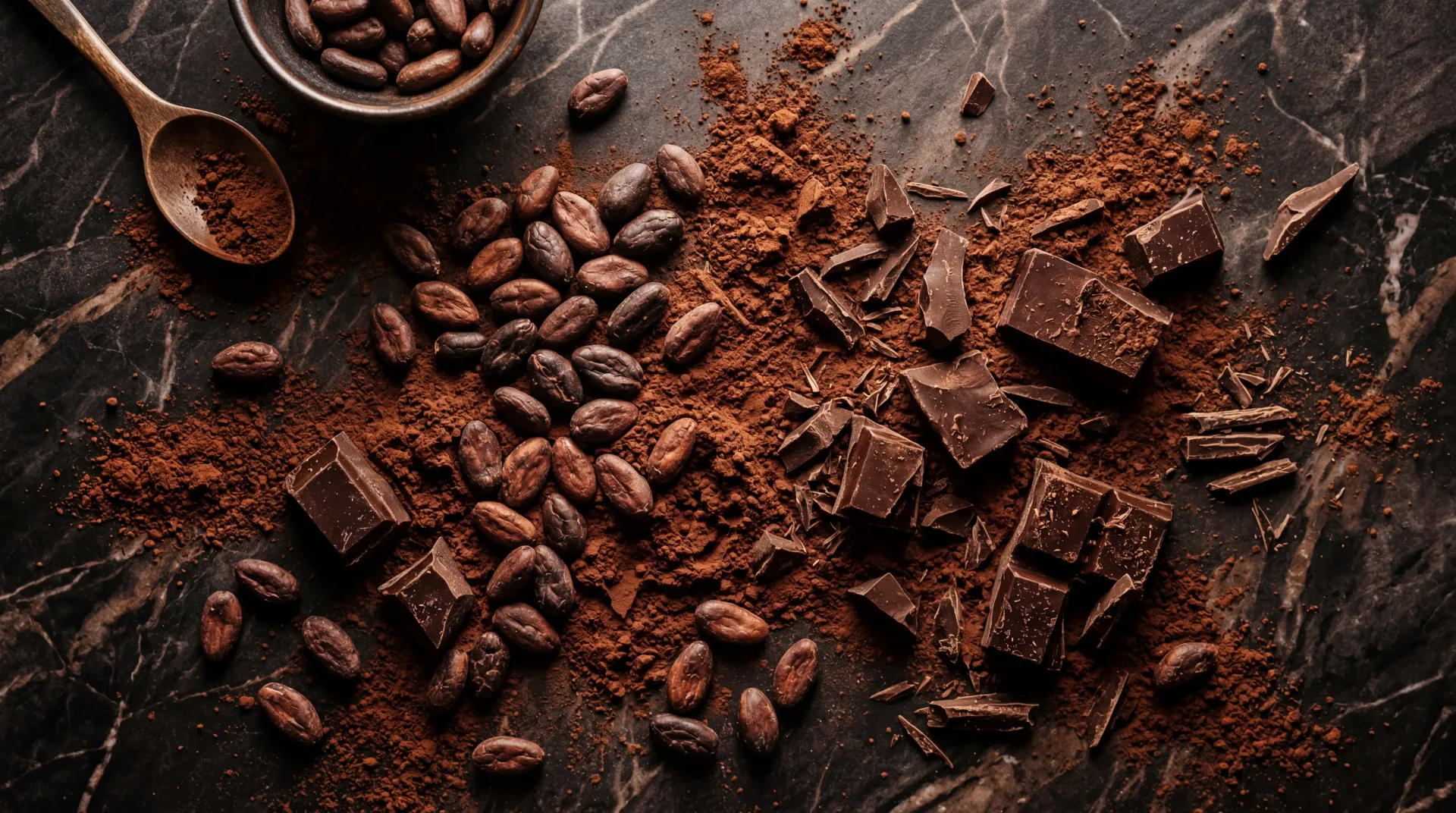
TL;DR: Snorting cacao powder became a genuine club trend in Europe around 2015, with a US product called "Coco Loko" bringing it mainstream attention by 2017. Cacao does contain bioactive compounds — flavanols, theobromine, polyphenols — with real evidence behind them when consumed orally. But snorting any fine powder, cacao included, carries documented risks: nasal inflammation, sinus damage, and potential lung involvement. There are zero peer-reviewed studies on snorting cacao specifically, which means the trend runs entirely ahead of any safety data.
The Snortable Chocolate Trend: Where It Came From
It sounds like something from a satirical news piece, but snorting cacao powder was — and remains — a real thing. The practice surfaced in European nightclub culture around 2014 and 2015, particularly in Belgium and Germany, where brands began marketing raw cacao powder specifically for nasal insufflation. The pitch was simple: a natural, legal high. No hangover, no pharmaceutical risk, no comedown. Just chocolate.
The mechanics varied by product. Some were pure cacao powder. Others added ingredients — ginger, guarana, taurine — to amplify the effect. A Belgian chocolatier named Dominique Persoone reportedly invented a "chocolate shooter" device designed to propel cacao into the nostrils, which he originally created as a party trick for a Rolling Stones event in 2007. That device found a second life once the club trend caught on.
By 2017, the trend had crossed the Atlantic. A US company launched "Coco Loko," a snortable blend of raw cacao, guarana, taurine, and ginkgo biloba. Unlike pharmaceutical products, it didn't require FDA approval because it was marketed as a supplement — a regulatory gap that allowed it to reach store shelves without any clinical safety review. A single tin sold for around $25.
The coverage that followed ranged from bewildered to alarmed. Medical professionals and journalists pointed out the obvious: the human nose was not designed to filter fine particulate matter from deliberate insufflation. Regulatory bodies in several countries took notice. US Senator Chuck Schumer called for an FDA investigation. Meanwhile, promoters of the trend described a 30-to-60-minute effect involving elevated mood, increased energy, and mild euphoria — claims that rested on zero published research.
The University of Michigan psychology coverage from 2015 framed it accurately: this was a trend driven by social novelty and the appeal of a "natural" alternative to drugs, not by any pharmacological rationale. The people doing it were mostly young adults at parties who found the ritual itself — the theatrics of snorting something — part of the draw.
Understanding why this matters requires understanding what cacao actually contains. Because the bioactive compounds are real. The question is whether your nasal passages are the right delivery system for them.
What Cacao Powder Actually Contains
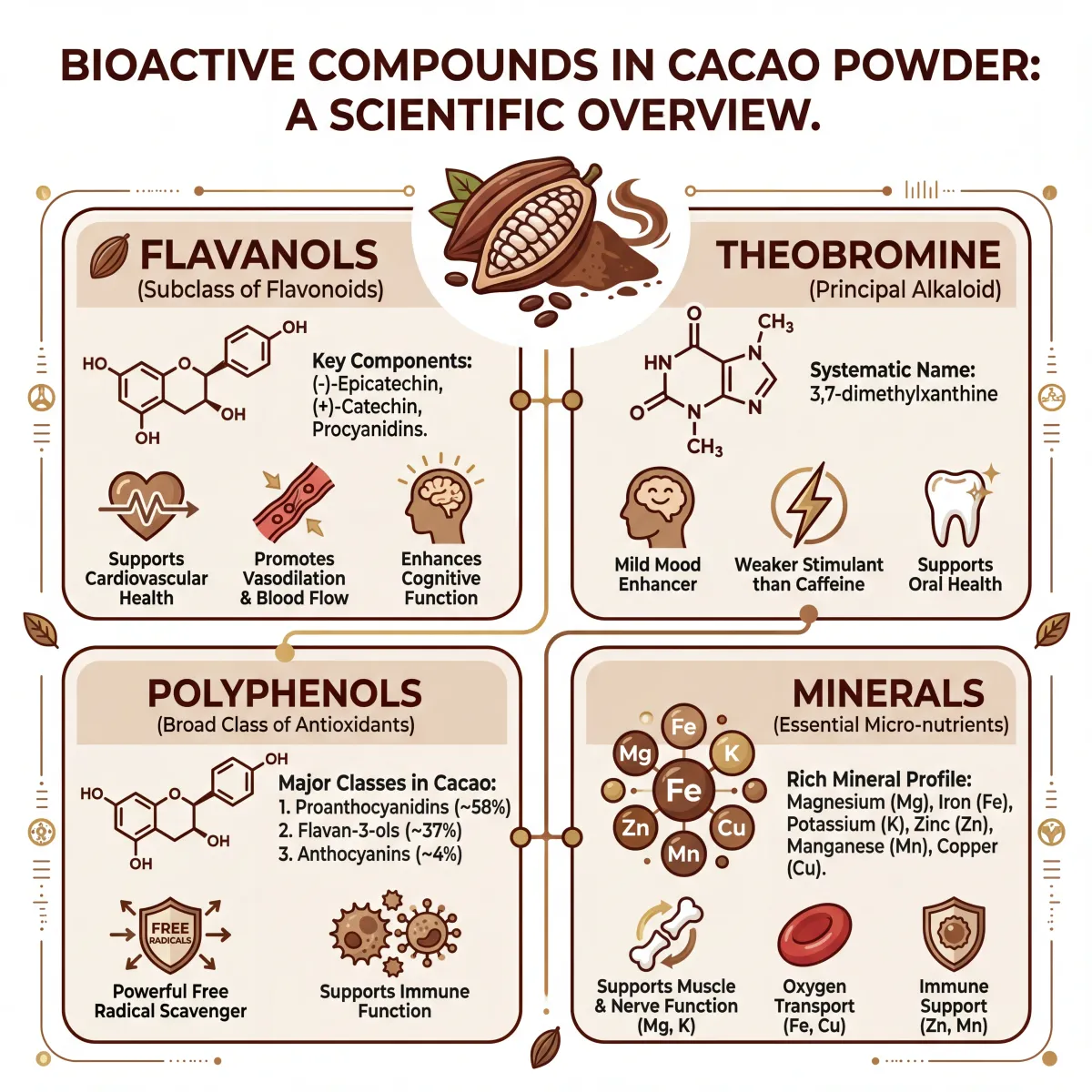
Cacao is one of the more chemically complex foods in common use. Raw cacao powder — the unsweetened, minimally processed form used in the snorting trend — contains a broad spectrum of bioactive compounds, several of which have legitimate scientific attention behind them.
Flavanols
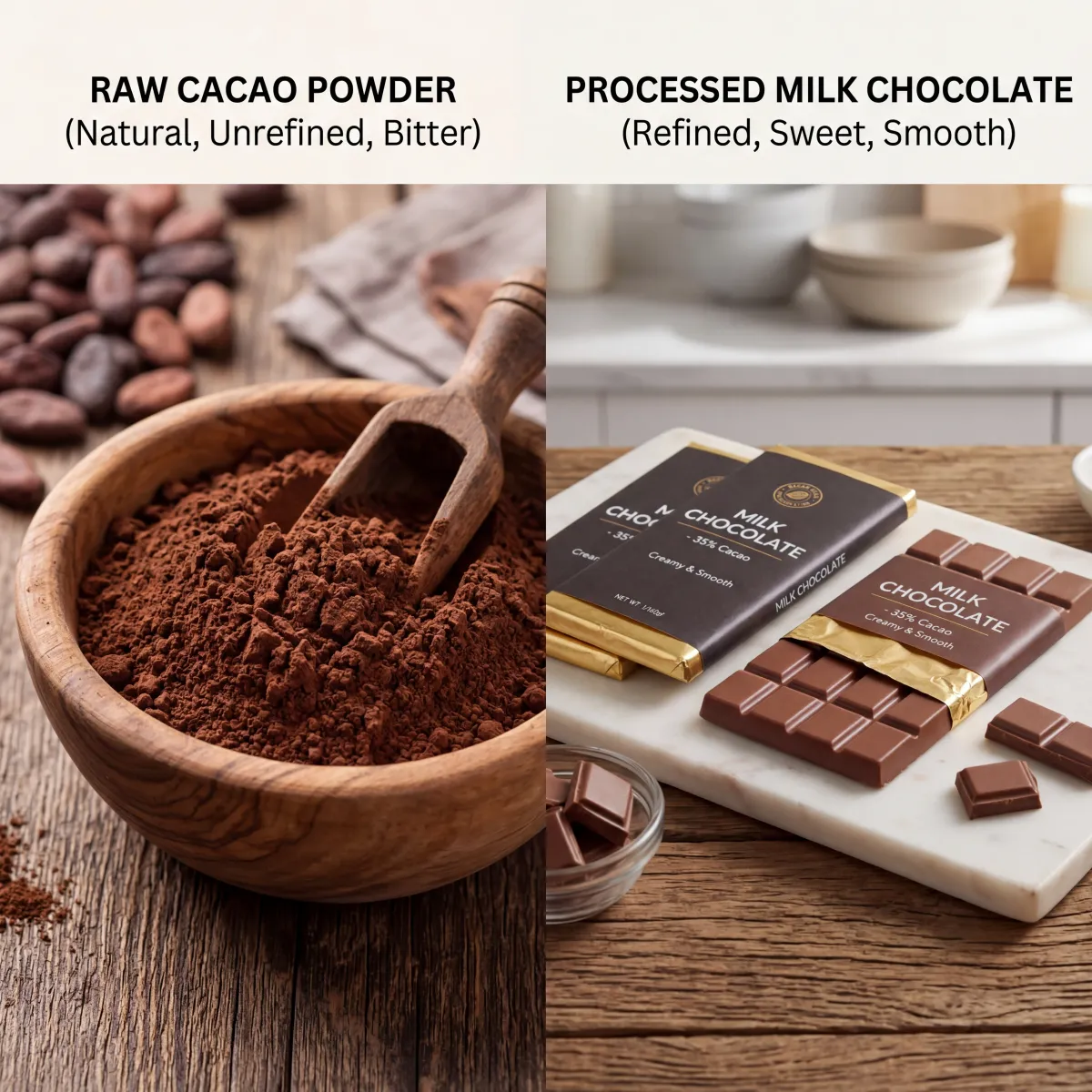
The most studied compounds in cacao are its flavanols, specifically epicatechin and catechin. These are plant-derived polyphenols with antioxidant activity. Cacao contains higher concentrations of flavanols than green tea, black tea, or red wine — a fact frequently cited in nutritional research. Processing matters significantly here: Dutch-processed cocoa loses most of its flavanols, while raw or minimally processed cacao retains them. The flavanols in cacao have been linked to improved endothelial function, reduced blood pressure, and inhibited platelet aggregation.
Theobromine
Cacao contains 2–3% theobromine by weight, making it the primary alkaloid. Theobromine is a methylxanthine — structurally related to caffeine, but with notably different pharmacokinetics. It has a longer half-life (around 7–12 hours), weaker CNS stimulation, and a more pronounced effect on smooth muscle and the cardiovascular system. Research has shown theobromine raises HDL cholesterol and has mild bronchodilator effects. It is also the compound responsible for chocolate's toxicity to dogs, whose metabolism cannot clear it efficiently.
Caffeine
Raw cacao contains caffeine, though in smaller amounts than coffee — roughly 0.2% by weight. Combined with theobromine, this creates a mild stimulant effect that is often described as smoother and longer-lasting than caffeine alone.
Polyphenols and Antioxidants
Beyond flavanols, cacao contains a range of phenolic acids, procyanidins, and anthocyanins. Research published in the journal Nutrients found that cacao polyphenols can contain up to 50 milligrams of total polyphenols per gram in high-quality raw powder. These compounds exert antioxidant, anti-inflammatory, and prebiotic effects — the last because gut bacteria ferment them into bioavailable metabolites.
Minerals
Cacao is also a meaningful source of magnesium, iron, zinc, copper, and manganese. Two tablespoons of raw cacao powder delivers roughly 14% of the daily magnesium requirement — relevant given how widespread magnesium insufficiency is in Western diets. (If you're exploring magnesium further, the guide to magnesium forms covers which types work for which purposes.)
| Compound | Approximate Content | Primary Effect (oral) |
|---|---|---|
| Epicatechin (flavanol) | Up to 35 mg/g | Antioxidant, vascular function |
| Theobromine | 2–3% by weight | Mild stimulant, HDL support |
| Caffeine | ~0.2% by weight | CNS stimulation |
| Total polyphenols | Up to 50 mg/g | Anti-inflammatory, prebiotic |
| Magnesium | ~250 mg/100g | Muscle, nerve, energy metabolism |
| Procyanidins | Significant | Platelet inhibition, endothelial health |
The Evidence Behind Eating Cacao
Before arriving at the snorting question, it's worth establishing what the evidence actually says about cacao consumed through the mouth — because the research base is substantial and genuinely interesting.

Cardiovascular Effects
The cardiovascular research on cacao flavanols is among the strongest in the nutritional literature. A comprehensive review published in Antioxidants & Redox Signaling and summarized in the PMC review on cocoa and chocolate in human health found consistent evidence that cacao flavanols improve endothelial function by increasing nitric oxide bioavailability, reduce platelet aggregation, lower LDL oxidation, and modestly reduce blood pressure. These effects are most pronounced with high-flavanol dark chocolate or raw cacao, not with milk chocolate or heavily processed cocoa.
Theobromine specifically has been shown to raise HDL cholesterol — the "good" cholesterol — at doses achievable through normal dietary intake. The mechanism involves upregulation of apolipoprotein A-I, a structural protein in HDL particles.
For anyone dealing with blood pressure or cardiovascular inflammation, these findings are relevant alongside other dietary strategies. The Mediterranean diet's cardiovascular benefits and cacao's flavanol research actually point toward overlapping mechanisms — both emphasize polyphenol-rich foods that reduce oxidative stress and support endothelial function.
Cognitive Effects
The neuroprotective angle on cacao is newer but accumulating. Research on cocoa flavanol neuroprotective effects found that epicatechin crosses the blood-brain barrier and may support neurogenesis in the hippocampus, improve cerebral blood flow, and reduce neuroinflammation. Studies using high-flavanol cocoa beverages have shown improvements in processing speed and working memory in older adults over 8–12 week periods.
Theobromine contributes here too: it inhibits phosphodiesterase and adenosine receptors in ways that mildly increase cAMP signaling, relevant to mood and alertness. The subjective "feel-good" effect of chocolate is partly pharmacological, partly hedonic.
Anti-Inflammatory Properties
Cacao polyphenols reduce systemic markers of inflammation — specifically CRP, IL-6, and TNF-alpha — in multiple randomized controlled trials. This matters because chronic low-grade inflammation underpins a wide range of disease states. Chronic inflammation is a topic covered in detail in the site's guide to chronic disease and anti-inflammatory living, and cacao sits comfortably in the dietary toolbox that research supports for managing it.
Gut Microbiome Effects
This is perhaps the least intuitive benefit: cacao polyphenols act as prebiotics. They resist digestion in the small intestine and arrive intact in the large intestine, where they selectively feed beneficial bacteria including Lactobacillus and Bifidobacterium strains while suppressing growth of pathogenic species like Clostridium perfringens. The metabolites produced during this fermentation — including short-chain fatty acids and smaller phenolic acids — are then absorbed and exert systemic effects.
| Health Domain | Evidence Level | Key Mechanism |
|---|---|---|
| Blood pressure reduction | Strong (multiple RCTs) | Nitric oxide via flavanols |
| HDL cholesterol increase | Moderate (RCTs) | Theobromine → apolipoprotein A-I |
| Platelet aggregation inhibition | Strong | Flavanol antiplatelet action |
| Cognitive function (older adults) | Moderate (RCTs) | Cerebral blood flow, neurogenesis |
| Inflammation markers (CRP, IL-6) | Moderate | Polyphenol anti-inflammatory signaling |
| Gut microbiome support | Emerging | Prebiotic fermentation in colon |
Why Snorting It Is a Different Problem Entirely
None of the research above applies to nasal insufflation. Every study on cacao's benefits was conducted on oral consumption — beverages, dark chocolate, supplement capsules. Translating those findings to snorting is not scientifically valid, but it is exactly what proponents of the trend attempted to do.
The Nasal Passage Is Not a Digestive System
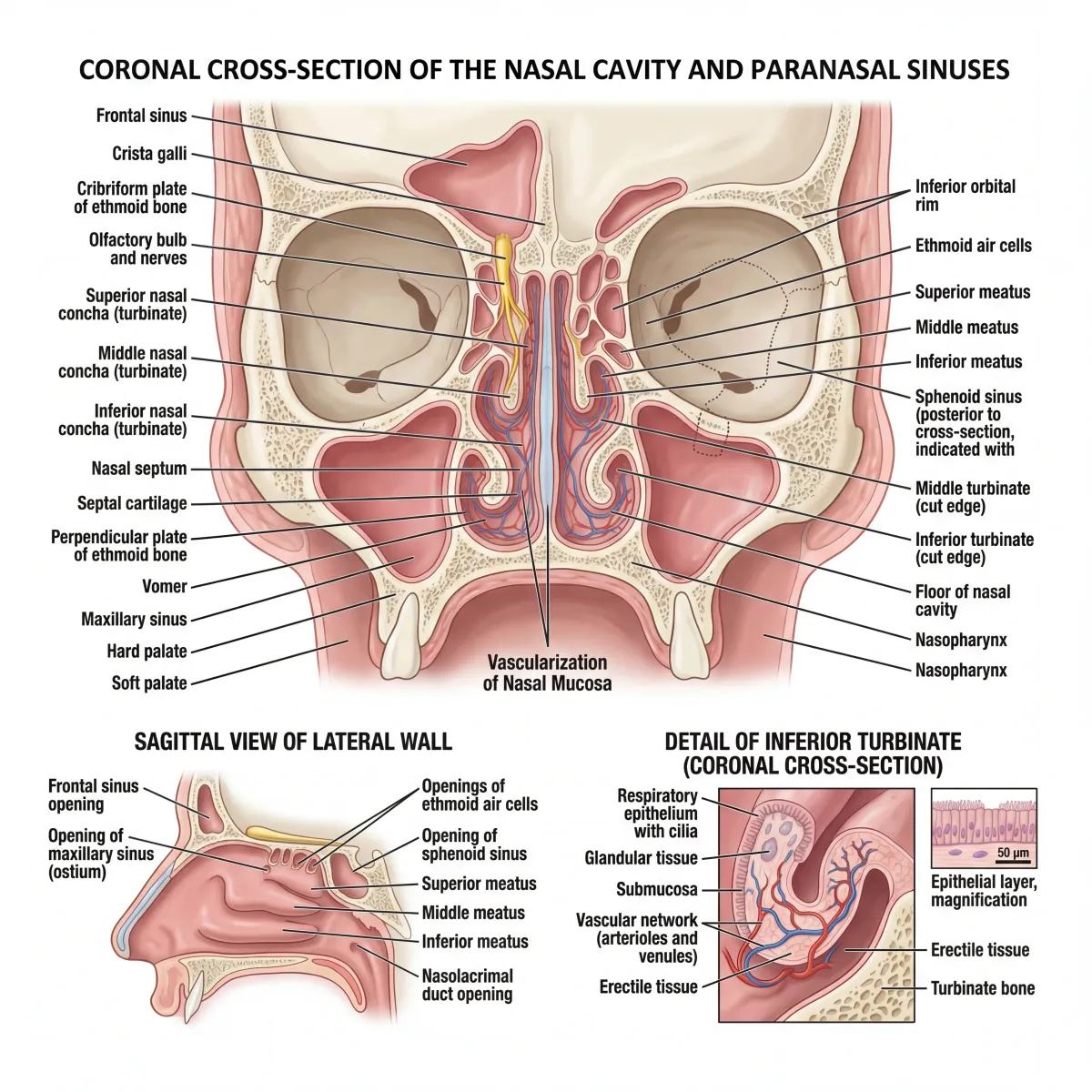
The nose filters air, not food. Its lining — the nasal mucosa — is covered with cilia (hair-like projections) and mucus that trap foreign particles and move them toward the throat, where they are swallowed or expelled. This system handles airborne dust and pollen at very low concentrations. It was not designed to process concentrated particulate matter delivered at close range.
When fine powder is snorted, several things happen at once. The cilia become coated and impaired. The mucus layer thickens in response. Blood vessels in the nasal lining dilate as part of the inflammatory response. And because the nasal mucosa is highly vascular — one of the most blood-vessel-rich tissues accessible from outside the body — compounds can be absorbed directly into the bloodstream at rates that bypass normal digestive metabolism.
Direct Brain Access via Cranial Nerves
This is the aspect most promoters leaned on: the nose provides a shortcut to the brain. The olfactory nerve (cranial nerve I) and its receptor cells sit at the roof of the nasal cavity, separated from the brain only by the thin cribriform plate. Substances deposited in the upper nasal cavity can theoretically cross this barrier and reach the central nervous system more directly than substances that travel through the gut and bloodstream.
Pharmaceutical researchers have studied intranasal drug delivery seriously for this reason — there are legitimate intranasal medications for migraine, opioid overdose reversal (naloxone), and certain hormones. These are sterile, pH-balanced, precisely dosed formulations designed specifically for nasal delivery. Unprocessed cacao powder is none of these things.
Specific Risks of Nasal Cacao Exposure
The risks fall into several categories, each with its own physiological basis:
Acute inflammation: Cacao powder contains proteins, fats, and plant compounds that are recognized as foreign by the nasal immune system. The immediate response involves mast cell degranulation, histamine release, and localized swelling. For people with dust or food allergies, this can escalate to significant allergic rhinitis or, in rare cases, anaphylaxis.
Sinusitis: Impaired mucociliary clearance creates an environment where bacteria and fungi thrive. The sinuses — the hollow spaces connected to the nasal cavity — can fill with inflamed mucus. Chronic sinusitis from repeated irritation can take months to resolve and in some cases requires medical or surgical intervention.
Nasal septum damage: Repeated insufflation of any powder or irritant erodes the delicate mucosal tissue covering the septum. This is the same mechanism responsible for septal perforations in long-term cocaine users, though the timeline and severity differ by substance.
Lung involvement: Fine particles that make it past the nasal filter — cacao powder is finely milled — can travel into the trachea, bronchi, and alveoli. This risks aspiration pneumonitis or chemical pneumonia from the lipid content of cacao. The lung tissue's response to inhaled fats is not benign.
Unknown long-term effects: There are no published studies on chronic nasal cacao exposure in humans. This is not a statement of reassurance — it means no one has done the work to know what sustained nasal exposure to cacao proteins, fats, and particulates does to the sinonasal tissue over months or years.
For context on how the lungs handle chemical insults and what support exists for recovery, N-acetyl cysteine is one compound with an evidence base — the guide to NAC for detox and lung health covers the mechanisms in detail.
What Medical Experts Say
The medical community's response to the snorting cacao trend has been consistent, if not particularly surprising: this is not a good idea, and the "natural" label does not confer safety.
Cedars-Sinai specialists were direct: the nose is not designed to process food particles, and placing any powder — regardless of its source — into the nasal cavity creates inflammation, cilia impairment, and sinus obstruction. The fact that cacao is generally recognized as safe when eaten is irrelevant to its safety profile when inhaled.
Ohio State's Wexner Medical Center added that the trend is pharmacologically unsupported: even if cacao's bioactive compounds do absorb through the nasal mucosa, the dose reaching the brain would be unpredictable, uncontrolled, and potentially very different from the slow, regulated absorption that occurs through the gastrointestinal tract. The GI tract has extensive mechanisms for managing absorption rates, metabolic conversion, and detoxification that simply do not exist in nasal tissue.
Emergency medicine physicians have noted that anyone experiencing an allergic reaction to nasal cacao would present with symptoms that look like acute rhinitis or anaphylaxis — and the treating team would need to know the exposure history to respond appropriately. "Natural" does not mean "harmless in any delivery method."
An additional concern raised by physicians involves contamination. Commercial cacao powder is processed under food-safety standards that assume oral consumption. It may contain mold, heavy metals, or microbial contaminants at levels acceptable for the gut — which has acid, enzymes, and an immune system built for this challenge — but potentially problematic for nasal tissue and the lungs. The heavy metal detoxification guide addresses why heavy metal exposure pathways matter, and cacao is actually a documented source of cadmium and lead at trace levels — fine for normal dietary amounts, but worth considering when the delivery route bypasses normal metabolism.
Eating vs. Snorting: A Direct Comparison
| Factor | Eating Cacao | Snorting Cacao |
|---|---|---|
| Evidence base | Extensive (hundreds of RCTs, systematic reviews) | Zero peer-reviewed studies |
| Absorption pathway | GI tract → portal vein → liver metabolism → systemic circulation | Nasal mucosa → direct bloodstream; olfactory nerve → brain |
| Dose control | Predictable; GI metabolism buffers spikes | Unpredictable; varies by technique, powder particle size, mucosa state |
| Immediate risks | Minimal at normal doses; excess = GI discomfort | Nasal inflammation, allergic reaction, coughing, aspiration |
| Long-term risks | None at dietary amounts; excess fat/sugar if processed chocolate | Sinusitis, cilia damage, septum irritation, lung involvement — all unstudied |
| Cardiovascular benefit | Documented in multiple trials | Unknown; cannot extrapolate from oral data |
| Gut microbiome benefit | Documented prebiotic effect | Not applicable |
| Regulatory status | GRAS (Generally Recognized as Safe) as food | Not evaluated; sold as supplement to bypass FDA review |
| Medical community position | Supported as part of balanced diet | Uniformly cautionary |
The gap between these two columns is the core issue with the snorting trend. Proponents pointed to real research — real compounds, real effects — and then changed the delivery route without any corresponding evidence that the benefits transfer or that the risks are manageable. It is not unlike arguing that because vitamin C is beneficial when eaten, injecting orange juice intravenously should be fine.
Frequently Asked Questions
Is snorting cacao actually illegal?
In most jurisdictions, no. Cacao powder is a food product, and "Coco Loko"-style supplements were sold legally in the US under supplement regulations that don't require pre-market safety review. However, legal and safe are not synonyms. Several European countries raised regulatory concerns without enacting outright bans. The legality of the act is largely a function of what other substances are in the product — pure cacao powder is not a controlled substance anywhere.
Does snorting cacao actually get you high?
Anecdotal reports describe a 30–60 minute period of elevated energy and mood. This is plausible: theobromine and caffeine are stimulants, and direct nasal absorption bypasses first-pass hepatic metabolism, potentially delivering them to the bloodstream faster than oral consumption. The endorphin release associated with eating chocolate — partly opioid-mediated — is unlikely to occur via nasal insufflation since that effect is GI-mediated. The "high" reported is probably a combination of mild stimulant absorption and the psychological effect of the ritual itself.
Can snorting cacao damage your nose permanently?
Potentially, with repeated use. A single exposure is most likely to cause temporary irritation and inflammation that resolves over hours. Repeated insufflation could impair mucociliary clearance long-term, contribute to chronic sinusitis, or cause mucosal thinning. The septum is particularly vulnerable to repeated irritant exposure. No human studies have examined long-term outcomes specifically from cacao, so the trajectory is extrapolated from what is known about other inhaled irritants.
Are there any legitimate medical uses of intranasal cacao or chocolate compounds?
Not in standard medicine. Intranasal drug delivery is an active research area, and some researchers have investigated whether specific flavanol compounds might be formulated for intranasal delivery in neurological applications — but this would involve purified, formulated compounds at precise doses, not raw cacao powder. There are no approved intranasal cacao-derived medications.
Is raw cacao better than regular cocoa powder for health benefits?
For oral consumption, yes — meaningfully so. Raw or minimally processed cacao retains far more flavanols than Dutch-processed cocoa, which uses an alkalizing treatment that destroys most polyphenols. Studies on cardiovascular and cognitive benefits consistently used high-flavanol preparations. If health benefits are the goal, raw cacao or minimally processed dark chocolate (70%+ cocoa content) is the appropriate form — consumed the normal way.
Related Articles
- Chronic Inflammation: How It Drives Disease and What to Do About It
- Magnesium Types Explained: Threonate, Glycinate, Taurate — Which to Take
- Mediterranean Diet, Brain Health, and Longevity: What the Evidence Shows
- NAC (N-Acetyl Cysteine): Detox, Lung Health, and Mental Health Benefits
- Heavy Metal Detoxification: Evidence-Based Approaches
Medical Disclaimer
This article is for informational and educational purposes only and is not medical advice, diagnosis, or treatment. Always consult a licensed physician or qualified healthcare professional regarding any medical concerns. Never ignore professional medical advice or delay seeking care because of something you read on this site. If you think you have a medical emergency, call 911 immediately.