What uric acid actually does in your body
Most people only hear about uric acid when something goes wrong. A swollen big toe at 2 a.m., a blood test flagged high. But uric acid is not a waste product your body accidentally makes too much of. It is a byproduct of purine metabolism with a complicated evolutionary history, and understanding that history changes how you think about prevention.
When your cells break down purines, whether from your own tissue turnover or from food, the end product is uric acid. Your kidneys filter about 70% of it out through urine; the gut handles most of the rest. In most mammals, an enzyme called uricase breaks uric acid down further into allantoin, a far more soluble compound. Humans lost that enzyme. A series of mutations silenced the uricase gene roughly 24 million years ago, during a period when ancestral apes faced near-extinction from global cooling. The result: our baseline uric acid levels run two to three times higher than those of most other mammals.
That mutation was probably advantageous at the time. Uric acid amplifies the effects of fructose on fat storage, which would have helped starving primates survive periods of scarce food. But in a modern diet saturated with sugar and processed food, that same amplification works against us. The National Institute of Arthritis and Musculoskeletal and Skin Diseases estimates that gout now affects millions of Americans, with prevalence climbing in step with obesity and metabolic disease.
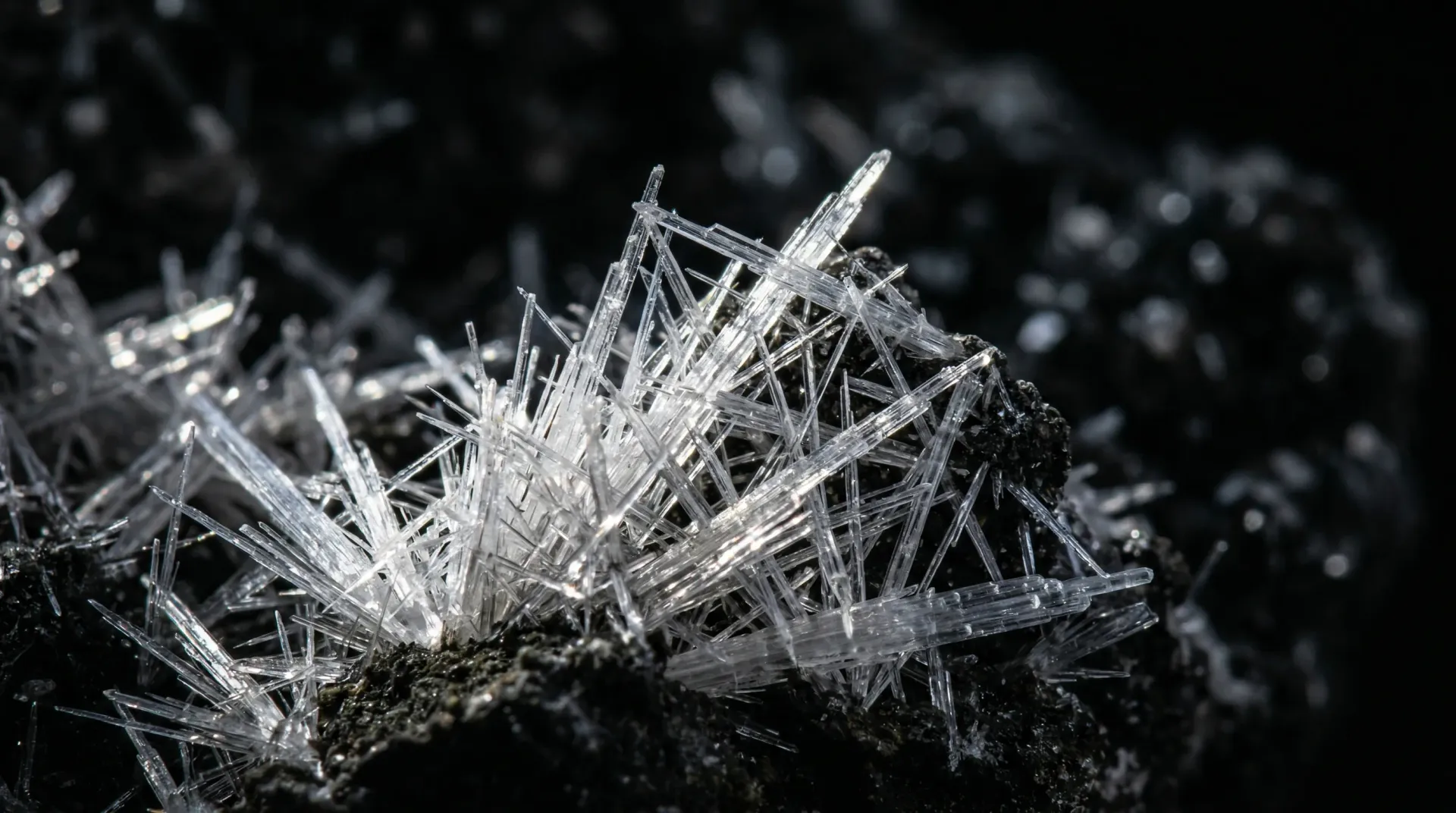
Key numbers: Normal serum uric acid sits between 3.5 and 7.0 mg/dL for men and 2.5 to 6.0 mg/dL for women. Above 6.8 mg/dL, urate crystals can begin forming in joints and soft tissue. But many people with high levels never develop symptoms, and gout can strike even at borderline numbers.
Gout progresses through distinct stages: asymptomatic hyperuricemia (elevated urate with no symptoms), acute flares (sudden attacks of joint pain), intercritical periods (quiet gaps between flares), and tophaceous gout (crystal deposits forming hard lumps in tissue). Early intervention at the hyperuricemia stage can prevent the entire cascade.
The fructose-uric acid pathway: your liver's energy crisis
The conventional explanation for gout focuses on purines: eat less organ meat, drink less beer, keep your uric acid down. That advice is not wrong, but it misses the bigger metabolic picture. Research over the past decade has identified fructose metabolism as a separate and arguably more potent driver of uric acid production.
When fructose arrives in the liver, an enzyme called fructokinase C (also known as ketohexokinase-C, or KHK-C) phosphorylates it into fructose-1-phosphate. Unlike the enzymes that process glucose, KHK-C has no negative feedback mechanism. It burns through ATP without restraint. According to research from Richard Johnson's lab at the University of Colorado, oral fructose ingestion can drop liver ATP levels by 20%, and intravenous fructose can deplete ATP by 60 to 70%.
The ATP crash triggers a chain reaction. Falling intracellular phosphate activates AMP deaminase-2, which diverts AMP away from ATP regeneration and toward uric acid production. Serum uric acid can spike by 0.3 to 2.0 mg/dL within the first hour after fructose ingestion. The uric acid then drives mitochondrial oxidative stress that further suppresses ATP production and blocks fat burning. A self-reinforcing loop: fructose depletes energy, generates uric acid, and the uric acid deepens the energy deficit.
Fructose does not only come from fruit, which is why this pathway is so relevant to modern diets. In the Western diet, the primary sources are table sugar (sucrose) and high-fructose corn syrup, which together account for roughly 15% of total energy intake. Soda, fruit juices, sweetened cereals, condiments, baked goods. And it gets more complicated: the body can manufacture fructose internally from glucose through the polyol pathway, which is activated by high blood sugar, dehydration, salty foods, and even alcohol.
| Fructose source | Mechanism | Risk level |
|---|---|---|
| Soft drinks with HFCS | Direct fructose load, rapid absorption as liquid | High |
| Table sugar (sucrose) | 50% fructose, 50% glucose | High |
| Fruit juice (even 100%) | Concentrated fructose without fiber to slow absorption | Moderate-high |
| Whole fruit | Fructose bound with fiber, slow absorption | Low |
| High-glycemic carbs | Endogenous fructose production via polyol pathway | Moderate |
| Alcohol (especially beer) | Raises osmolality, activates polyol pathway + purine load | High |
| Salty processed foods | Raises osmolality, activates aldose reductase | Moderate |
The speed of fructose delivery matters too. Johnson's research found that slowing down intake of fructose-containing apple juice reduced activation of the metabolic stress pathway. Liquid sugar hits the liver faster and harder than sugar consumed as part of solid food with fiber.
Dietary triggers that go far beyond purines
Standard gout diet advice centers on avoiding high-purine foods: organ meats, sardines, anchovies, shellfish. Valid, but incomplete. Purine content alone does not predict gout risk with any accuracy, because several other dietary factors raise uric acid through mechanisms unrelated to purine breakdown.
Sugar-sweetened beverages are among the strongest dietary risk factors. The Mayo Clinic identifies fructose-sweetened drinks as a direct promoter of elevated uric acid, alongside alcohol and red meat. This tracks with the fructose pathway described above. A can of regular soda delivers around 39 grams of sugar, much of it as HFCS, and the body processes it within minutes.
Alcohol works through multiple channels. Beer combines purine content (from brewed yeast) with the osmolality-raising effect of alcohol itself, which triggers endogenous fructose production. Spirits raise uric acid through the ethanol metabolism pathway. Wine appears less problematic, though heavy consumption of any alcohol increases risk. The Mayo Clinic recommends avoiding all alcohol during gout attacks and limiting it between attacks, with beer being the worst offender.
Umami-rich foods present a less obvious trigger. Red meats and shellfish are high in glutamate and nucleotides like IMP and AMP. Johnson's research found that monosodium glutamate can generate uric acid and cause hepatic ATP depletion, leptin resistance, and metabolic changes similar to fructose. Blocking uric acid production with allopurinol prevented the obesity-promoting effects of MSG in animal models. Interestingly, people prone to gout tend to have higher serum glutamate levels and sometimes flare from glutamate-rich foods like tomatoes.
What does not raise risk is equally worth knowing. High-purine vegetables like spinach, asparagus, and green peas do not appear to increase gout risk despite their purine content. The purines in vegetables tend to be relatively poor in AMP and IMP compared to animal sources. Studies confirm that vegetable purine intake has no meaningful association with gout attacks.
| Food category | Purine level | Actual gout risk | Why |
|---|---|---|---|
| Organ meats (liver, kidney) | Very high | Very high | High AMP/IMP + purine load |
| Beer | Moderate | Very high | Purines + alcohol + fructose pathway activation |
| Soda with HFCS | None | High | Fructose-driven uric acid production |
| Shellfish, sardines | High | High | High purine + glutamate/IMP content |
| Red meat | Moderate | Moderate | Moderate purines + glutamate, IMP, AMP |
| Spinach, asparagus | Moderate | Low | Vegetable purines low in AMP/IMP |
| Whole fruit | None | Low | Fructose buffered by fiber, slow absorption |
| Low-fat dairy | Low | Protective | May help excrete uric acid |
| Coffee | None | Protective | Associated with lower uric acid in studies |
| Cherries | None | Protective | Anti-inflammatory, may lower urate levels |
Gout, insulin resistance, and cardiovascular risk
Gout is not just an arthritis problem. The same metabolic machinery that produces excess uric acid is tangled up with insulin resistance, fatty liver disease, high blood pressure, and cardiovascular disease. Treating gout as an isolated joint condition misses the bigger picture.
The NIAMS lists metabolic syndrome as a risk factor for gout, defined as the cluster of high blood pressure, high blood sugar, abnormal cholesterol, and excess abdominal fat. But the relationship flows in both directions. Elevated uric acid does not just result from metabolic syndrome; it appears to actively drive components of it.
Johnson's fructose survival hypothesis frames metabolic syndrome not as a random collection of risk factors but as a coordinated survival response gone haywire. In animal models, fructose administration fully replicates metabolic syndrome: visceral obesity, insulin resistance, hypertriglyceridemia, elevated blood pressure, fatty liver, and hyperuricemia. These same features appear in animals preparing for hibernation, suggesting they evolved as a fat-storage program for periods of food scarcity. Humans just never turn the program off.
People with gout have significantly higher rates of heart disease, kidney disease, and type 2 diabetes than the general population. The Cleveland Clinic notes that untreated gout increases risk of heart disease and kidney stones. And the Mayo Clinic identifies the relationship between obesity and gout as bidirectional: being overweight increases uric acid production while simultaneously impairing kidney excretion.
Uric acid raises blood pressure directly by damaging blood vessel linings, stimulating the renin-angiotensin system, and generating vascular oxidative stress. In animal studies, elevating uric acid alone was sufficient to cause hypertension without any other metabolic changes.
If you have gout alongside high blood pressure, elevated triglycerides, or blood sugar problems, these conditions are probably feeding off the same metabolic dysfunction rather than arising independently. Improving insulin sensitivity and metabolic health can pull down uric acid, blood pressure, and triglycerides at the same time.
Myth vs. fact: common misconceptions about gout
| Myth | Fact |
|---|---|
| Gout is caused by eating too much rich food | While purine-rich foods contribute, fructose-driven uric acid production and genetic factors (uricase loss, kidney excretion efficiency) matter more. You can develop gout without eating organ meats. |
| Only heavy drinkers get gout | Gout affects non-drinkers too. Sugar-sweetened beverages are an independent risk factor comparable to alcohol. Obesity, genetics, certain medications (diuretics, low-dose aspirin), and kidney function all play roles. |
| Gout only affects the big toe | The big toe is the most common location, but gout can strike ankles, knees, wrists, fingers, and elbows. Any joint can be affected. |
| If your uric acid is normal, you do not have gout | Uric acid levels can actually drop during an acute gout attack as crystals pull urate out of the blood and into the joint. Some people with gout have normal blood levels between attacks. |
| Gout is just a joint problem | Gout is a systemic metabolic disorder linked to cardiovascular disease, kidney disease, metabolic syndrome, and fatty liver disease. The joint attacks are the visible symptom of a body-wide problem. |
| You need to avoid all purine-containing foods | Vegetable purines (spinach, asparagus, peas) do not increase gout risk. The type of purine and the food matrix matter more than total purine content. |
Evidence-based prevention strategies
Effective gout prevention works on two fronts: reducing how much uric acid your body makes and improving how efficiently your kidneys clear it. The best strategies address both.
Cut liquid fructose first
Of all dietary changes, eliminating sugar-sweetened beverages is the single highest-impact move. Soda, fruit punch, sweetened iced tea, energy drinks, and even 100% fruit juice deliver fructose rapidly to the liver, triggering the ATP-depleting pathway that generates uric acid. The Mayo Clinic specifically advises limiting or eliminating foods sweetened with high-fructose corn syrup. Whole fruit is fine; the fiber slows fructose absorption enough to prevent the metabolic stress response.
Follow a DASH or Mediterranean eating pattern
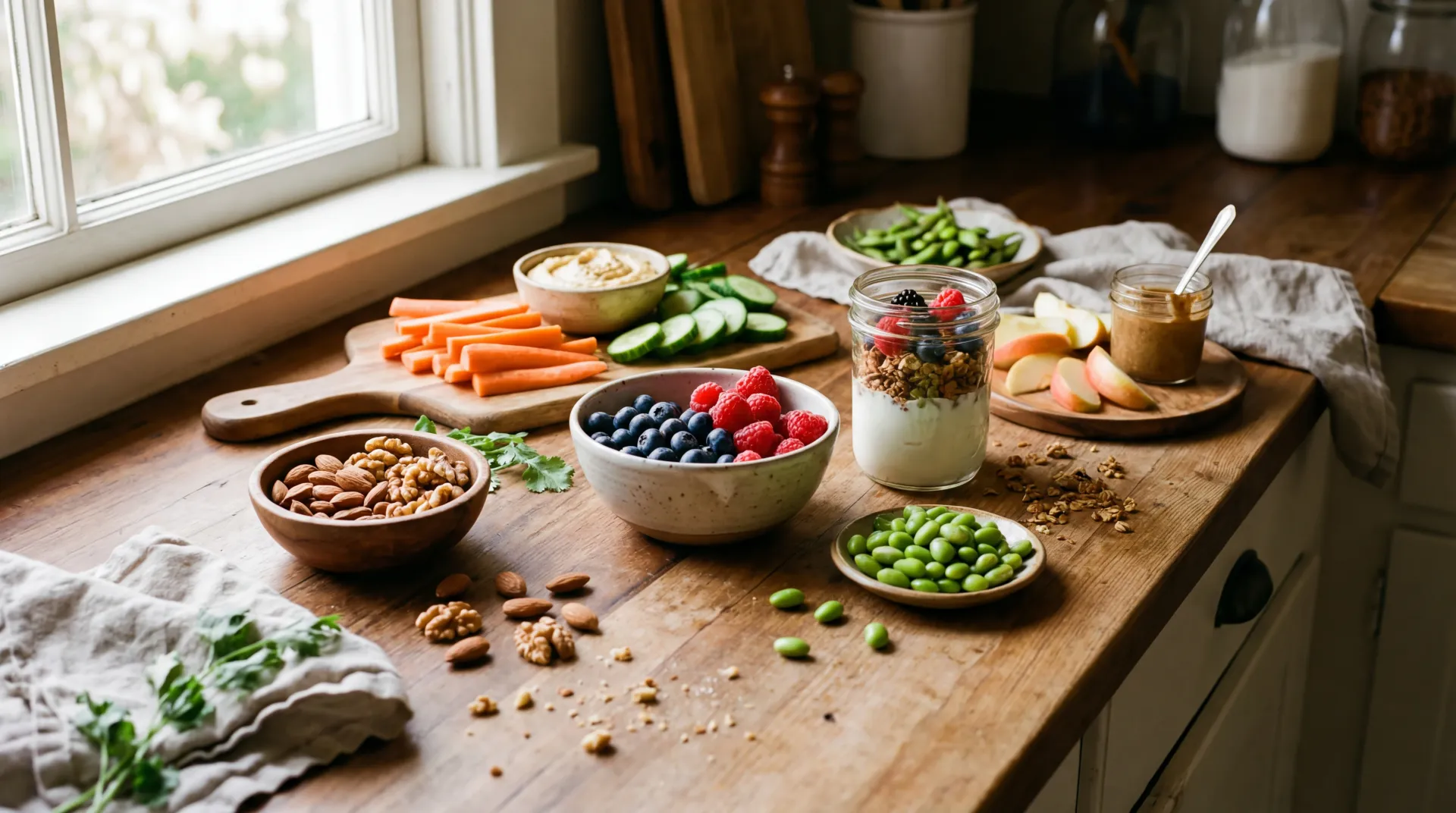
The Arthritis Foundation cites a study of nearly 45,000 men showing that those eating a typical American diet had a 42% greater chance of developing gout compared to those eating a DASH diet. The DASH pattern emphasizes fruits, vegetables, nuts, whole grains, and low-fat dairy while limiting red meat, salt, and added sugar. A Mediterranean-style eating pattern shares many of the same features and offers similar protection.
Manage your weight without crash dieting
Being overweight increases uric acid production and impairs kidney excretion. But rapid weight loss can temporarily spike uric acid levels as cells break down and release purines. Gradual, sustainable weight loss through reasonable calorie reduction lowers uric acid over time. The Mayo Clinic notes that calorie reduction and weight loss can lower uric acid levels even without a specifically purine-restricted diet.
Stay hydrated
Dehydration activates aldose reductase and the polyol pathway, generating endogenous fructose. Adequate water intake helps kidneys excrete uric acid. Johnson's research showed that hydration alone could partially reverse features of metabolic syndrome.
Be strategic about alcohol
Beer is the worst offender because it combines purines, alcohol, and fructose pathway activation. Spirits are moderately problematic. Wine in moderate amounts appears to carry the least risk, though all alcohol should be avoided during active gout flares. The Cleveland Clinic recommends reducing alcohol as part of gout prevention.
Consider evidence-backed supplements
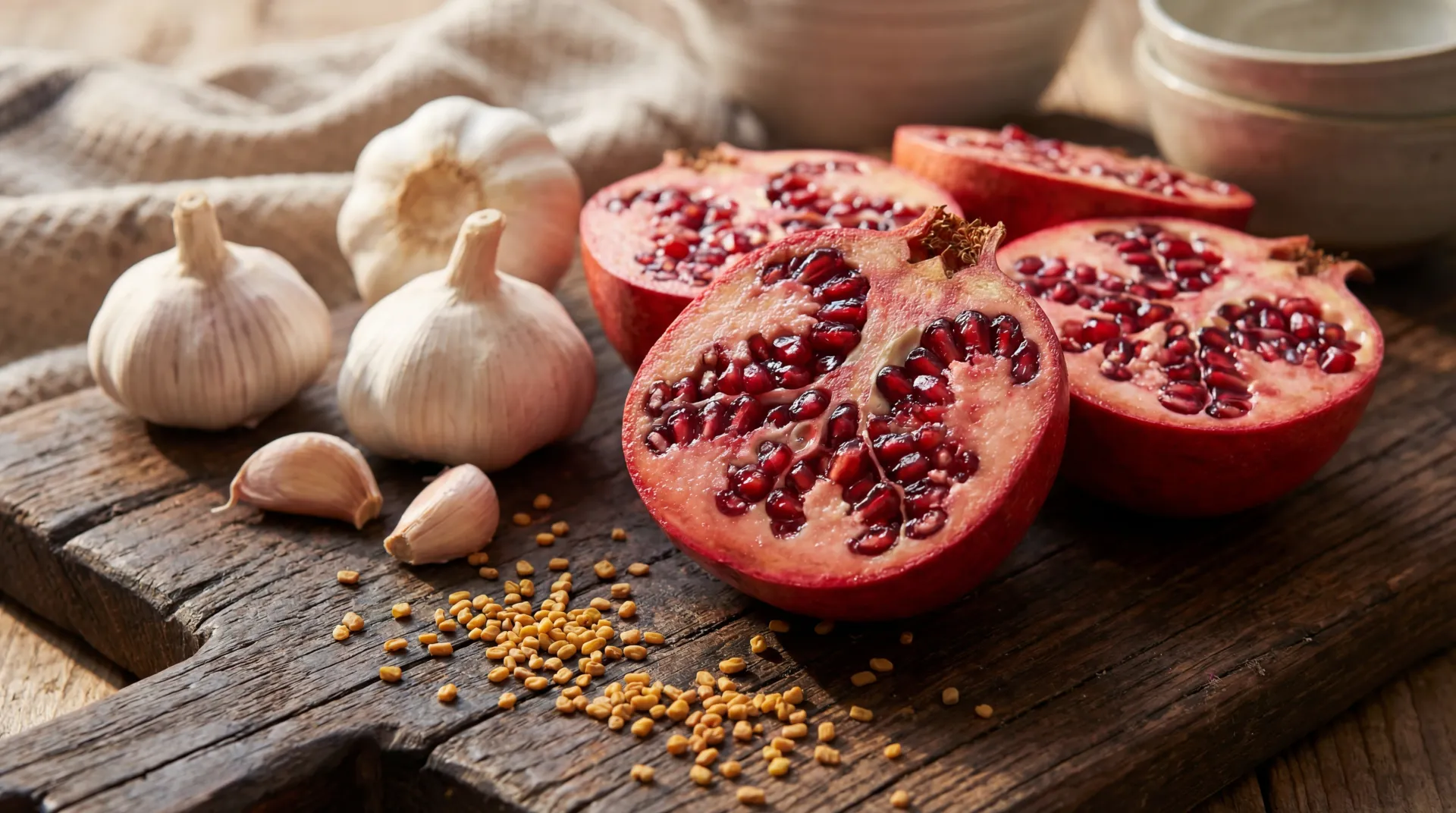
Vitamin C at around 500 mg daily may lower uric acid by improving kidney excretion. Tart cherries have anti-inflammatory properties and may reduce gout attack frequency. Quercetin, a flavonoid in onions and apples, inhibits xanthine oxidase, the same enzyme targeted by allopurinol. Coffee consumption also correlates with lower uric acid, though the mechanism remains unclear.
Know your medications
Certain drugs raise uric acid: thiazide diuretics, low-dose aspirin, cyclosporine, niacin in high doses, and some blood pressure medications like beta blockers and ACE inhibitors. If you are on any of these and have elevated uric acid or gout history, talk to your doctor about alternatives. The NIAMS lists these medications as known contributors.
Support your liver
Since the liver is where both dietary and endogenous fructose are metabolized into uric acid, supporting liver health is a logical piece of the prevention puzzle. Reducing processed food, moderating alcohol, and maintaining a healthy body weight all reduce the metabolic burden on the liver.
Monitoring your levels and when to see a doctor
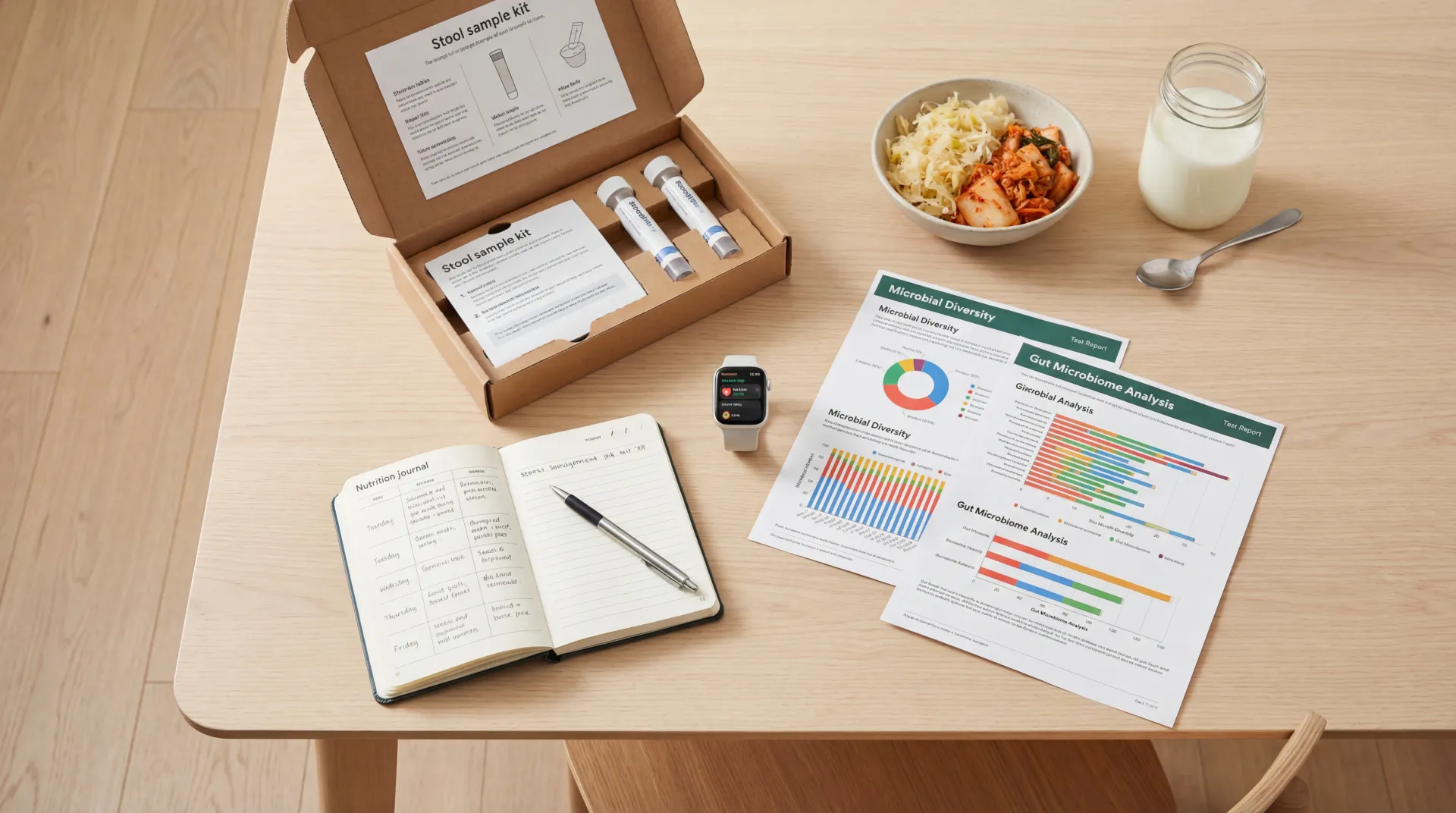
A standard metabolic panel does not always include uric acid. You may need to specifically request it. The Arthritis Foundation notes that many people with high uric acid never develop gout, while some with gout have normal levels between attacks. Still, knowing your baseline is useful.
The American College of Rheumatology's 2020 guidelines recommend a treat-to-target approach for people with diagnosed gout: work with your doctor to get serum uric acid below 6 mg/dL and keep it there. Allopurinol is the first-line medication for urate lowering. Febuxostat is an alternative for patients who cannot tolerate allopurinol, though it carries a higher risk of cardiovascular events.
See a doctor promptly if you experience:
- Sudden, intense joint pain, especially in the big toe, ankle, or knee
- A joint that is hot, swollen, and red
- Fever alongside joint inflammation (this could indicate an infection rather than gout)
- Repeated episodes of joint pain even if they resolve on their own
- Hard lumps forming under the skin near joints (possible tophi)
The Cleveland Clinic emphasizes that gout shares symptoms with joint infections, which require urgent treatment. Do not assume that joint pain and redness are gout without a medical evaluation, especially if it is your first episode.
Frequently Asked Questions
Can you prevent gout entirely through diet?
Diet alone can reduce gout risk significantly but may not eliminate it for everyone. Genetics, kidney function, body weight, and medications all contribute. People with strong genetic predisposition or kidney impairment may still need urate-lowering medication like allopurinol even with an ideal diet. The most impactful dietary change is eliminating sugar-sweetened beverages and reducing alcohol, particularly beer.
Is fructose from whole fruit dangerous for people with gout?
Whole fruit appears safe and even beneficial. The fiber in whole fruit slows fructose absorption dramatically, preventing the rapid ATP depletion that drives uric acid production. Fruit juice, on the other hand, delivers fructose as a liquid without fiber, which is closer to soda in its metabolic effects. Stick with whole fruits; cherries and berries may offer additional anti-inflammatory benefits.
Why do gout attacks often happen at night?
Body temperature drops slightly at night, and urate crystallizes more readily at lower temperatures. Mild dehydration accumulates during sleep, and cortisol levels bottom out. The big toe is particularly vulnerable because it is the coolest joint in the body. All of these factors converge to favor crystal formation during the early hours.
Are men more likely to get gout than women?
Yes. Gout is roughly three times more common in men, primarily because estrogen helps kidneys excrete uric acid. Men typically develop gout between ages 30 and 50. Women are largely protected until after menopause, when declining estrogen levels cause uric acid to rise toward male levels. Post-menopausal women develop gout at rates much closer to those of men.
Does high uric acid always mean you will get gout?
No. Many people carry elevated uric acid for years without ever having a gout attack. Crystal formation depends on joint temperature, hydration, local pH, and duration of elevation. But higher levels sustained over longer periods do increase cumulative risk substantially.
Related Articles
- Tart Cherry Juice for Sleep, Recovery, and Inflammation — Cherries have specific anti-inflammatory compounds that may reduce gout flare frequency and severity.
- Quercetin for Allergies, Immunity, and Inflammation — This flavonoid inhibits xanthine oxidase, the same enzyme pathway targeted by gout medications.
- Resistant Starch: The Cheap Gut Health Hack for Blood Sugar and Metabolism — Improving insulin sensitivity through gut health supports the metabolic pathways involved in uric acid regulation.
- Liver Support: Milk Thistle, NAC, and the Best Evidence-Based Detox Supplements — The liver is where fructose converts to uric acid, making liver health directly relevant to gout prevention.
- Mediterranean Diet for Brain Health and Longevity — The Mediterranean eating pattern shares many features with the DASH diet shown to reduce gout risk by 42%.
Medical Disclaimer
This article is for informational and educational purposes only and is not medical advice, diagnosis, or treatment. Always consult a licensed physician or qualified healthcare professional regarding any medical concerns. Never ignore professional medical advice or delay seeking care because of something you read on this site. If you think you have a medical emergency, call 911 immediately.