How Menopause Rewires Fat Storage
The diet that worked at 30 stops working at 42. This isn't about willpower or discipline. As estrogen drops during perimenopause and menopause, the body's metabolic instructions change at a fundamental level.
Estrogen normally suppresses appetite through alpha receptors in the brain. When levels fall, that brake loosens, and caloric intake drifts upward without most women noticing. Basal metabolic rate drops at the same time. Insulin sensitivity in skeletal muscle declines. The body burns fewer calories at rest and handles carbohydrates worse than it used to.
By 2030, an estimated 1.2 billion women worldwide will be going through menopause. Many of them will notice the same pattern: weight doesn't just increase. It moves. Deep visceral belly fat increases by roughly 44% during the menopausal transition, while lower-body fat increases about 32%. Postmenopausal women are nearly five times more likely to carry excess abdominal fat than premenopausal women.
The shift from pear-shaped to apple-shaped fat distribution isn't cosmetic. Visceral fat actively secretes inflammatory molecules and free oxygen radicals, driving cardiovascular risk, insulin resistance, and metabolic syndrome.
This redistribution happens because falling estrogen reduces sex hormone-binding globulin (SHBG) from the liver. With less SHBG, free-floating androgens push fat storage into the abdominal cavity, around the organs where it does the most damage.
The National Institutes of Health is direct about this: no dietary supplement replaces a caloric deficit and regular exercise. But specific, well-researched compounds can support the metabolic pathways that menopause disrupts. Not all of them deliver.
Berberine Is Not "Nature's Ozempic"
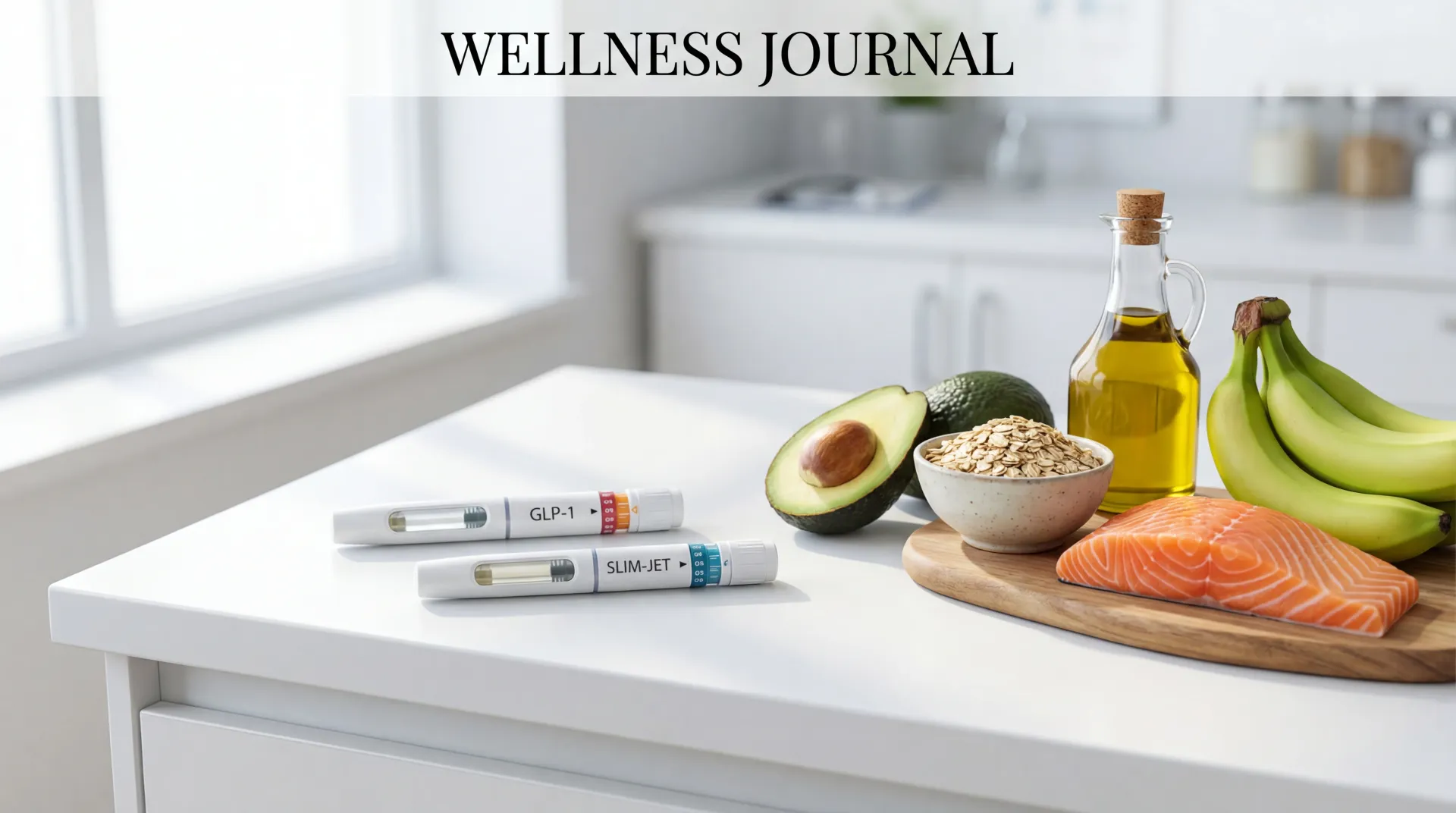
Americans spend an estimated $2.1 billion annually on weight loss supplements. Among the most hyped right now is berberine, a plant alkaloid from goldenseal and barberry that social media has branded "Nature's Ozempic."
The comparison falls apart under scrutiny.
GLP-1 receptor agonists like semaglutide (Ozempic, Wegovy) mimic an intestinal hormone that delays stomach emptying and reduces appetite at the neurological level. Clinical trials show up to 15% total body weight loss. Berberine works through a completely different pathway: it activates AMPK, an enzyme involved in cellular energy regulation, which improves how cells absorb glucose and process fats.
Better insulin sensitivity is genuinely useful for women over 40. But it doesn't translate to dramatic weight loss.
A 2022 systematic review of 18 weight studies and 23 BMI studies found berberine reduced BMI by an average of just 0.29 kg/m² and waist circumference by about 2.75 cm. Total body weight didn't change significantly in many of the study pools. Even those modest results required doses above 1,000 mg/day for more than eight weeks.
At those doses, gastrointestinal side effects are common: nausea, cramping, diarrhea. And because berberine actively lowers blood sugar, combining it with metformin risks dangerous hypoglycemia.
Berberine has real glycemic benefits for women dealing with insulin resistance or type 2 diabetes. But framing it as an Ozempic substitute sets up false expectations and delays women with clinical obesity from pursuing treatments that actually produce meaningful weight loss.
Green Tea Extract: Modest Benefits, Real Risks
Green tea extract relies on caffeine and catechins, mainly epigallocatechin gallate (EGCG), to stimulate the sympathetic nervous system, increase resting energy expenditure, and promote fat oxidation.
A 60-day trial in overweight postmenopausal women found GTE increased resting energy expenditure, improved fasting insulin levels, reduced waist circumference, and lowered C-reactive protein, an inflammation marker. Those are real, measurable effects.
But broader meta-analyses paint a less impressive picture. Daily EGCG doses of 300-800 mg produce an average weight loss of 1-2 kg over 12 weeks. For someone trying to lose 10-15 kg of menopausal weight, that's marginal at best.
The bigger concern is safety. Brewed green tea is fine and carries well-documented health benefits. Concentrated GTE supplements are a different story. The European Food Safety Authority and U.S. Pharmacopeia have identified daily EGCG doses above 800 mg as a threshold for drug-induced liver injury. Staying below that level, choosing full-spectrum tea extracts over pure EGCG isolates, and taking them with food all reduce this risk.
There's another issue specific to menopausal women. Green tea catechins inhibit aromatase, the enzyme that converts androgens into estrogen. The Shanghai Women's Health Study of 74,942 women, along with a study of Japanese American women, found regular green tea intake associated with lower urinary estrogen metabolites. For a woman already dealing with low estrogen levels, suppressing what little remains with high-dose GTE could worsen hot flashes, mood instability, and bone loss.
| Supplement | Active Compound | How It Works | Evidence-Based Dose | Expected Weight Loss | Main Safety Risk |
|---|---|---|---|---|---|
| Berberine | Isoquinoline alkaloid | AMPK activation, improved glucose uptake | 1,000+ mg/day for 8+ weeks | BMI reduction of ~0.29 kg/m² | GI distress; hypoglycemia with metformin |
| Green tea extract | EGCG + caffeine | Sympathetic nervous system stimulation, lipid oxidation | 300-800 mg EGCG daily | 1-2 kg over 12 weeks | Liver injury above 800 mg/day EGCG |
| Magnesium | Glycinate or citrate forms | Insulin receptor activation, improved glucose regulation | 310-320 mg/day (RDA for adult women) | Indirect; reverses insulin resistance | Diarrhea at high doses (citrate form) |
Two Probiotic Strains That Target Belly Fat
The gut microbiome determines how many calories get extracted from food, how energy gets stored, and how much systemic inflammation the body carries.
Declining estrogen directly disrupts gut bacterial balance. A group of gut microbes called the "estrabolome" produces enzymes that keep circulating estrogen active. When this system fails due to dysbiosis, estrogen deficiency gets worse. At the same time, a compromised gut barrier lets bacterial lipopolysaccharides leak into the bloodstream, a condition called metabolic endotoxemia that drives insulin resistance and visceral fat accumulation.
Generic probiotic blends won't fix this. Probiotic effects are strain-specific, and most off-the-shelf products contain strains with no clinical evidence for weight management. Two strains stand out in the research:
Bifidobacterium lactis 420 (B420)
A double-blind trial of 225 overweight and obese adults tested B420 at 10 billion CFU per day over six months. The probiotic group lost an average of 1.4 kg of body fat. What's notable is that 1.3 kg of that came from the trunk, the visceral area that poses the greatest health risk. B420 appears to lower plasma LPS levels, reducing liver inflammation and tightening the gut barrier.
Lactobacillus gasseri SBT2055 (LG2055)
LG2055 works through a different mechanism. It physically suppresses fat absorption in the digestive tract by increasing the size of fat emulsion droplets and boosting fecal fat excretion. The body absorbs fewer fat calories from food. Clinical trials showed significant reductions in abdominal fat, waist circumference, and BMI at doses of 100 million to 10 billion CFU per day.
One catch: LG2055 benefits disappeared within four weeks of stopping supplementation. This isn't a short-term fix. Continuous daily use appears necessary to maintain the metabolic benefits.
| Probiotic Strain | Daily Dose | How It Works | Key Clinical Result |
|---|---|---|---|
| B. lactis 420 | 10 billion CFU | Lowers plasma LPS, repairs gut barrier, reduces metabolic endotoxemia | 1.4 kg fat loss (1.3 kg from trunk) over 6 months |
| L. gasseri SBT2055 | 100 million-10 billion CFU | Enlarges fat emulsion droplets, suppresses lipid absorption, increases fecal fat | Reduced abdominal visceral fat and waist circumference |
| Multispecies blends | Variable (typically 1 billion CFU) | General microbiota diversity, reduced inflammatory cytokines | Modest improvements in lipid profiles and inflammation markers |
Magnesium, Vitamin D, and the Insulin Connection
Magnesium doesn't get the marketing push that berberine or probiotics receive, but it may matter more for metabolic health after 40.
This mineral acts as a cofactor for over 600 enzymatic reactions, including glucose metabolism and thyroid function. Nearly 50% of American adults don't get enough through diet. Women with insulin-resistant conditions like PCOS are up to 19 times more likely to be magnesium-deficient.
Magnesium directly reverses cellular insulin resistance. It increases insulin receptor expression on cell surfaces, boosts receptor binding affinity, and strengthens the intracellular signaling pathways that tell cells to absorb glucose. A pooled meta-analysis of 12 randomized controlled trials found that increasing dietary magnesium by as little as 50 mg per day significantly reduced fasting glucose and HOMA-IR scores, the standard measure of insulin resistance.
The form of magnesium matters as much as the dose. Magnesium oxide is cheap but poorly absorbed and acts mainly as a laxative. Magnesium glycinate offers better absorption, minimal GI side effects, and the glycine component supports sleep and lowers cortisol. Magnesium citrate falls in between: good absorption, affordable, but can cause diarrhea at higher doses.
Vitamin D and calcium play supporting roles. The Women's Health Initiative followed 36,282 postmenopausal women for seven years. Those receiving 1,000 mg calcium plus 400 IU vitamin D3 daily were 11% less likely to gain moderate weight (more than 3 kg) compared to placebo, especially if their baseline calcium intake was low.
Vitamin D deficiency more than doubles the risk of metabolic syndrome in older women (Odds Ratio 2.19), and this risk compounds when estradiol is also low. Correcting vitamin D levels won't melt existing fat, but it prevents the metabolic conditions that accelerate further gain.
Why Protein Alone Won't Save Your Metabolism
Sarcopenia, the progressive loss of skeletal muscle with age, is the metabolism's quieter problem. Muscle tissue burns calories at rest. Less muscle means a slower metabolism and faster fat gain, even with unchanged eating habits. Guidelines recommend 0.8-1.2 grams of protein per kilogram of body weight daily for aging adults.
A meta-analysis in the British Journal of Sports Medicine found that protein supplementation effectively builds lean mass and increases strength only when combined with progressive resistance training. The supplement needs the mechanical stimulus to work.
Among sedentary older adults, protein supplementation alone had no statistically significant effect on lean body mass, muscle strength, or physical performance. That's the central finding, not a footnote. A protein shake without exercise is expensive flavored water, metabolically speaking.
The protein source also makes a difference. Fatty fish provides protein alongside omega-3 fatty acids that lower inflammation and improve grip strength. Legumes deliver amino acids with soluble fiber that feeds beneficial gut bacteria and promotes satiety. A whey isolate meets a macronutrient target, but it doesn't replicate the metabolic advantages of whole food protein sources.
When Supplements Collide With Medications
The word "natural" on a supplement label doesn't mean "safe to combine with prescriptions." Up to 25% of people taking prescription drugs also take herbal supplements, but few disclose this to their doctor or pharmacist.
The interactions happen because many botanicals affect cytochrome P450 enzymes in the liver, the same enzymes responsible for metabolizing prescription medications. The FDA has documented that mixing supplements with medications can produce dangerous, unpredictable effects.
| Supplement | Interacts With | What Happens | Risk Level |
|---|---|---|---|
| Green tea extract (EGCG) | Warfarin, acenocoumarol (blood thinners) | Counteracts anticoagulant effect, raising clot risk | High (stroke, DVT) |
| St. John's wort | HRT, oral contraceptives, statins | Accelerates drug breakdown via P450 enzymes, reducing efficacy | High (HRT failure) |
| Berberine | Metformin, insulin, blood pressure meds | Compounds blood sugar lowering; amplifies vasodilation | High (hypoglycemia, dangerous BP drops) |
Green tea extract and blood thinners: Concentrated GTE compounds counteract warfarin and similar anticoagulants. This raises the risk of blood clots, deep vein thrombosis, and stroke.
St. John's wort and HRT: Widely taken by menopausal women for mood, St. John's wort is a potent P450 enzyme inducer. It accelerates the metabolic breakdown of hormone replacement therapy, oral contraceptives, and statins. A woman on HRT who starts St. John's wort may find her therapy suddenly ineffective, with menopausal symptoms returning abruptly.
Berberine and diabetes drugs: Because berberine aggressively lowers blood sugar through its own mechanisms, stacking it with metformin or insulin can trigger severe hypoglycemia requiring emergency intervention. It may also amplify the blood pressure-lowering effects of antihypertensive medications.
Any new supplement should be discussed with a physician or clinical pharmacist, particularly for women taking HRT, blood thinners, or diabetes medications.
Frequently Asked Questions
Can supplements replace exercise for menopausal weight loss?
No. The National Institutes of Health confirms that no dietary supplement can replace the physiological necessity of a caloric deficit for fat loss. Research shows that even protein supplements, which directly support muscle preservation, produce no measurable benefit without resistance training. Supplements optimize metabolic pathways. They don't override them.
Why is belly fat so much harder to lose after 40?
Declining estrogen shifts the body's fat storage instructions from subcutaneous tissue in the hips and thighs to the visceral cavity deep within the abdomen. This visceral fat is inflammatory and resistant to simple calorie cutting. Reducing it requires lowering insulin resistance and systemic inflammation together. Specific probiotics like B. lactis 420 and insulin-sensitizing minerals like magnesium glycinate can help target trunk fat when paired with a low-glycemic, anti-inflammatory diet.
Is it safe to combine multiple weight loss supplements?
Stacking multiple metabolically active supplements is discouraged without medical supervision. Combining them exponentially increases the risk of compound liver damage, gastrointestinal distress, and unpredictable interactions with liver enzymes that metabolize prescription drugs. Products listing dozens of proprietary ingredients should be avoided entirely.
Do plant-based supplements interfere with hormone replacement therapy?
Yes. "Natural" does not mean biochemically inert. St. John's wort accelerates the breakdown of estrogen therapies in the liver, potentially rendering HRT ineffective. Concentrated green tea extract alters how the body conjugates and excretes estrogen metabolites. Always consult a clinical pharmacist before combining botanicals with HRT.
Which form of magnesium works best for weight management?
Magnesium glycinate is the preferred form for metabolic support. The magnesium is bound to glycine, making it well absorbed with minimal digestive side effects. Glycine also supports sleep quality and cortisol regulation, both of which matter for visceral fat loss. Magnesium citrate is a more affordable option with good absorption but tends to cause diarrhea at higher doses.
Related Articles
- Natural Fat Burners: What Actually Works for Weight Loss — A breakdown of thermogenic compounds and their clinical evidence for burning fat.
- Ozempic Safety: Semaglutide Side Effects You Need to Know — What the clinical data shows about GLP-1 receptor agonist risks and benefits.
- Nature-Identical GLP-1 Support Compounds — Research on natural compounds that may influence GLP-1 pathways.
- Gut Health Personalization Through Microbiome Testing — How individual microbiome analysis can guide targeted probiotic choices.
- How to Accelerate Your Metabolic Rate — Evidence-based strategies for maintaining metabolic function as you age.
Medical Disclaimer
This article is for informational and educational purposes only and is not medical advice, diagnosis, or treatment. Always consult a licensed physician or qualified healthcare professional regarding any medical concerns. Never ignore professional medical advice or delay seeking care because of something you read on this site. If you think you have a medical emergency, call 911 immediately.