What Makes Coconut Oil Different From Other Cooking Oils?
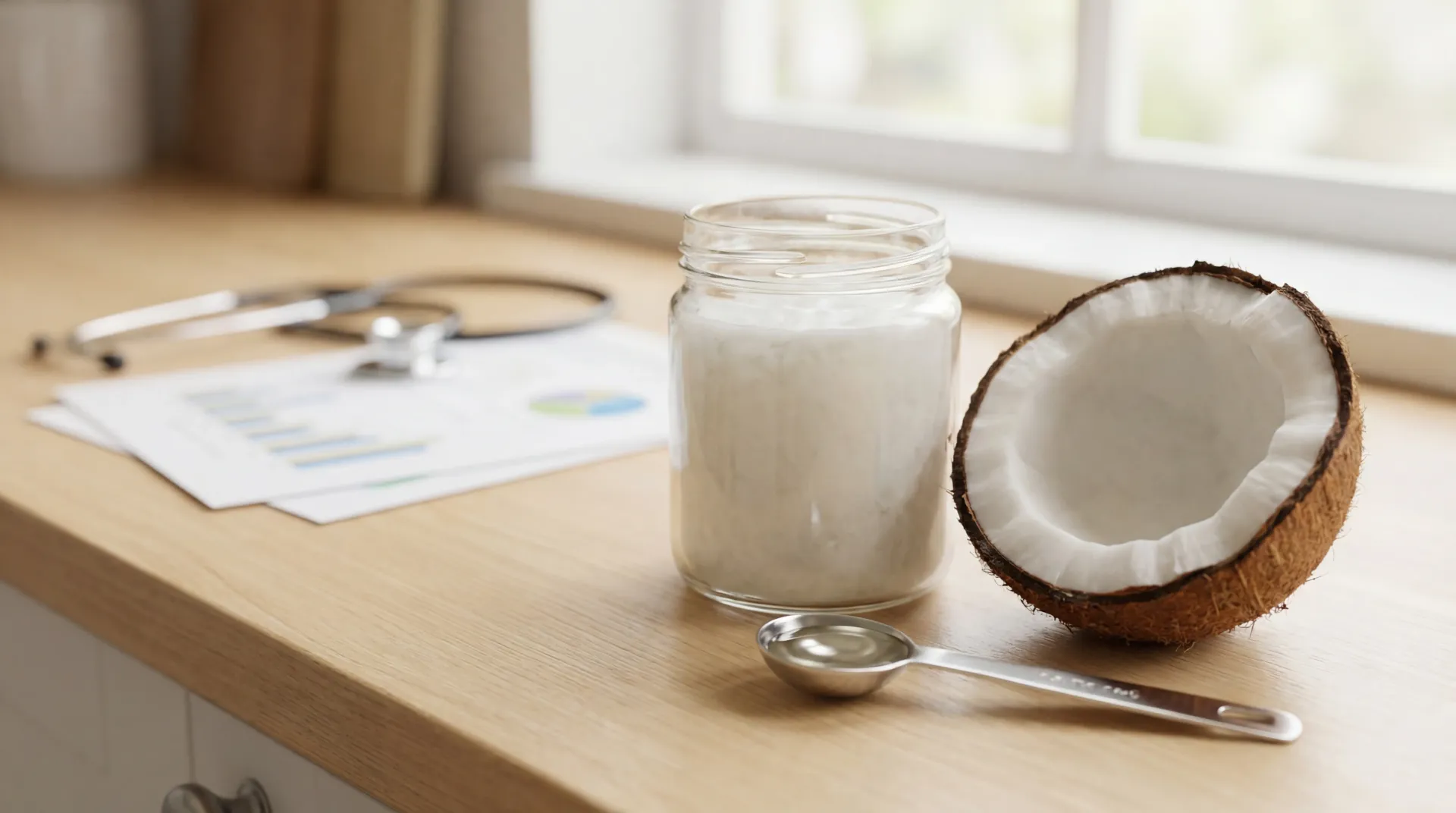
Coconut oil sits on the same grocery shelf as olive oil, avocado oil, and canola oil, but it doesn't behave like any of them. It's solid and waxy at room temperature, then melts into a clear liquid above 76°F (24°C). That alone should tell you something about its chemistry: coconut oil is about 82% saturated fat, more than any other common cooking oil.
Most of that saturated fat comes from medium-chain fatty acids (MCFAs), especially lauric acid. Unlike the long-chain fatty acids in butter or palm oil, MCFAs go straight to the liver through the portal vein, where they're quickly converted into energy rather than stored as body fat. This quirk of metabolism is where virtually all the health claims about coconut oil come from.
Key fact: One tablespoon of coconut oil delivers 121 calories and 13.5 grams of fat, of which 11.2 grams are saturated. It contains no cholesterol, no fiber, and negligible amounts of vitamins or minerals.
| Nutrient | Per 1 Tablespoon (13.6 g) | % Daily Value |
|---|---|---|
| Calories | 121 kcal | — |
| Total Fat | 13.5 g | 17% |
| Saturated Fat | 11.2 g | 56% |
| Monounsaturated Fat | 0.9 g | — |
| Polyunsaturated Fat | 0.2 g | — |
| Cholesterol | 0 mg | 0% |
| Vitamin E | 0.01 mg | <1% |
That's a very different nutritional profile from omega-3-rich oils or the monounsaturated fats in avocado. To understand why coconut oil behaves the way it does, you need to look at what's actually in it.
The Fatty Acid Profile That Started a Scientific Debate
Coconut oil contains at least seven distinct fatty acids, but three of them dominate. Lauric acid (C12:0) accounts for roughly 47-49% of the total. Myristic acid (C14:0) is around 18%, and palmitic acid (C16:0) sits at about 9%. The rest is a mix of caprylic acid (C8:0), capric acid (C10:0), stearic acid (C18:0), and oleic acid (C18:1).
| Fatty Acid | Chain Length | % of Total Fat | Type |
|---|---|---|---|
| Lauric Acid | C12:0 | 47-49% | Medium-chain |
| Myristic Acid | C14:0 | 16-19% | Long-chain |
| Palmitic Acid | C16:0 | 8-10% | Long-chain |
| Caprylic Acid | C8:0 | 6-8% | Medium-chain |
| Capric Acid | C10:0 | 5-7% | Medium-chain |
| Oleic Acid | C18:1 | 5-8% | Monounsaturated |
| Stearic Acid | C18:0 | 2-3% | Long-chain |
The argument is over lauric acid. Some researchers call it a medium-chain fatty acid because of its 12-carbon chain. Others point out that it behaves more like a long-chain fatty acid during digestion. A 2021 umbrella review in the Journal of the American Oil Chemists' Society flagged this classification problem: MCT oil supplements (mostly caprylic and capric acid) produce different metabolic effects than whole coconut oil, which is nearly half lauric acid.
Virgin coconut oil also contains polyphenolic compounds like caffeic acid, ferulic acid, and catechins. These antioxidants are mostly absent in refined versions, which lose them during bleaching and deodorizing.
Virgin vs. Refined: Which Type Should You Actually Use?
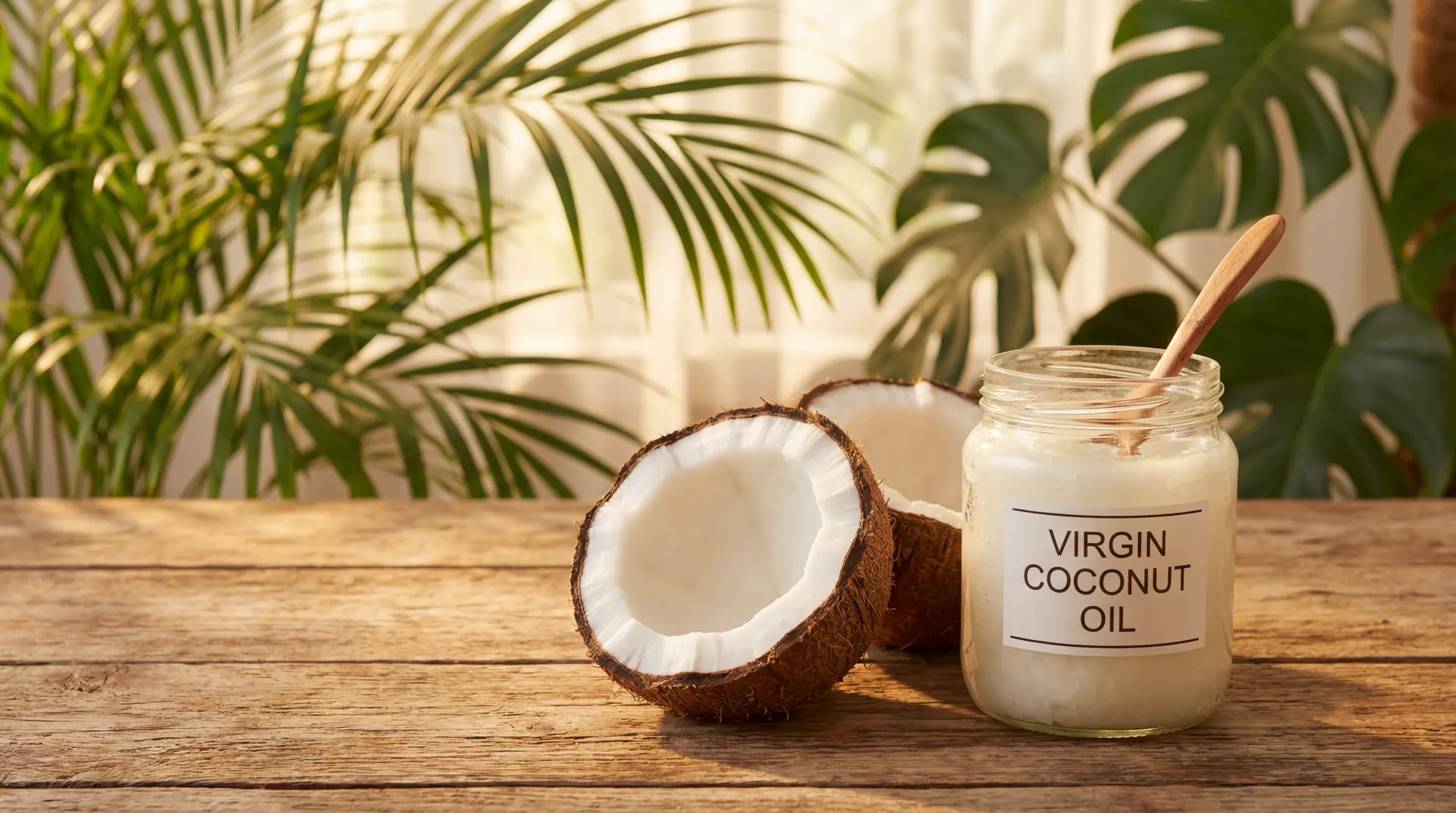
The label on the jar matters more than most people think. Virgin (or extra-virgin, though there's no regulated distinction between the two for coconut oil) and refined coconut oil differ in processing, flavor, smoke point, and antioxidant content.
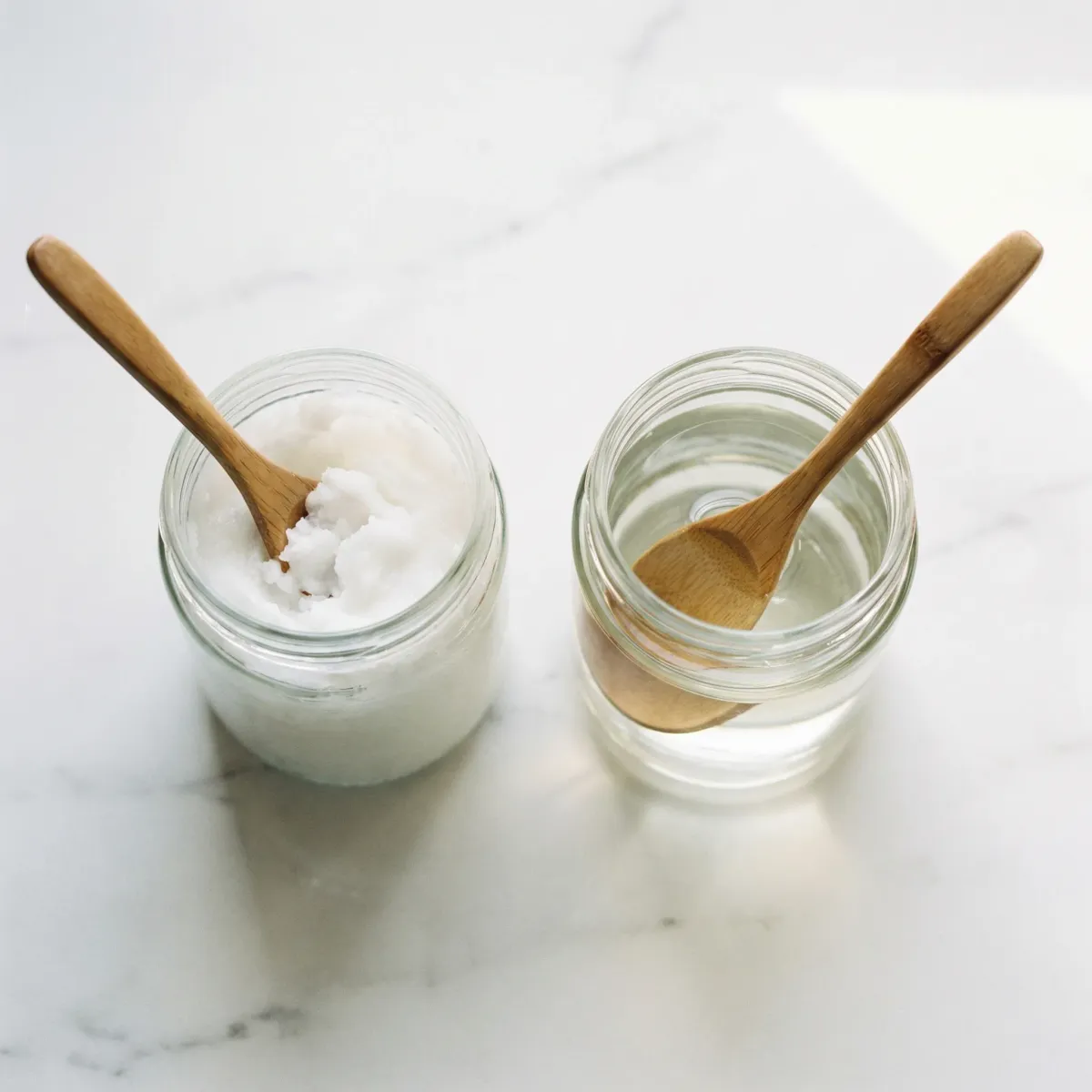
| Property | Virgin Coconut Oil | Refined Coconut Oil |
|---|---|---|
| Processing | Cold-pressed, no chemicals | Bleached, deodorized (RBD) |
| Flavor | Strong coconut taste | Neutral, mild |
| Smoke Point | 350°F (177°C) | 400-450°F (204-232°C) |
| Antioxidants | Higher polyphenols | Reduced during processing |
| Aroma | Coconut scent | Minimal |
| Best For | Low-heat cooking, skin, hair | High-heat frying, baking |
| Price | Higher | Lower |
If you're using coconut oil on your skin or hair, go with virgin. It keeps the anti-inflammatory polyphenols that get stripped out during refining. For deep frying or high-heat stir-frying, refined is the safer bet because of the higher smoke point. Oils heated past their smoke point release aldehydes and free radicals you don't want in your food.
How Coconut Oil Affects Your Heart and Cholesterol
The American Heart Association has recommended against coconut oil because of the saturated fat and its tendency to raise LDL cholesterol. Fair enough. But the research tells a more complicated story than that single recommendation suggests.
A 2025 analysis of 26 clinical studies found that coconut oil consistently raises both LDL and HDL cholesterol compared to non-tropical vegetable oils. The complication: the ratio of total cholesterol to HDL, which many cardiologists consider a better risk predictor than LDL alone, actually improved in several trials because HDL went up more than LDL did.
What the evidence shows: Coconut oil raises LDL cholesterol, but it raises HDL cholesterol even more. The clinical significance of this pattern remains unsettled, and no long-term studies have directly measured heart attack or stroke rates in coconut oil consumers.
The World Health Organization reviewed the evidence in 2024 and concluded that coconut oil doesn't behave identically to other saturated fats like butter or lard, but that the data isn't strong enough to exempt it from general saturated fat guidelines. Their position: keep saturated fat below 10% of total calories regardless of source.
If you already have cardiovascular risk factors, coconut oil shouldn't replace unsaturated oils like olive oil in your diet. If your lipid panels look fine and you like coconut oil in moderation, the evidence doesn't point to clear harm. Just don't go overboard.
What Happens When You Apply Coconut Oil to Your Skin
You might get more out of coconut oil by rubbing it on your skin than by eating it. Topical application has been tested in randomized controlled trials, and the results are solid for a natural remedy.
A 2019 study in the Journal of Traditional and Complementary Medicine found that virgin coconut oil reduced key inflammatory markers: TNF-a by 62%, IL-6 by 52%, and IL-8 by 54%. These are the same cytokines that prescription anti-inflammatory drugs target, though coconut oil's effects are milder and stay localized to the skin surface.
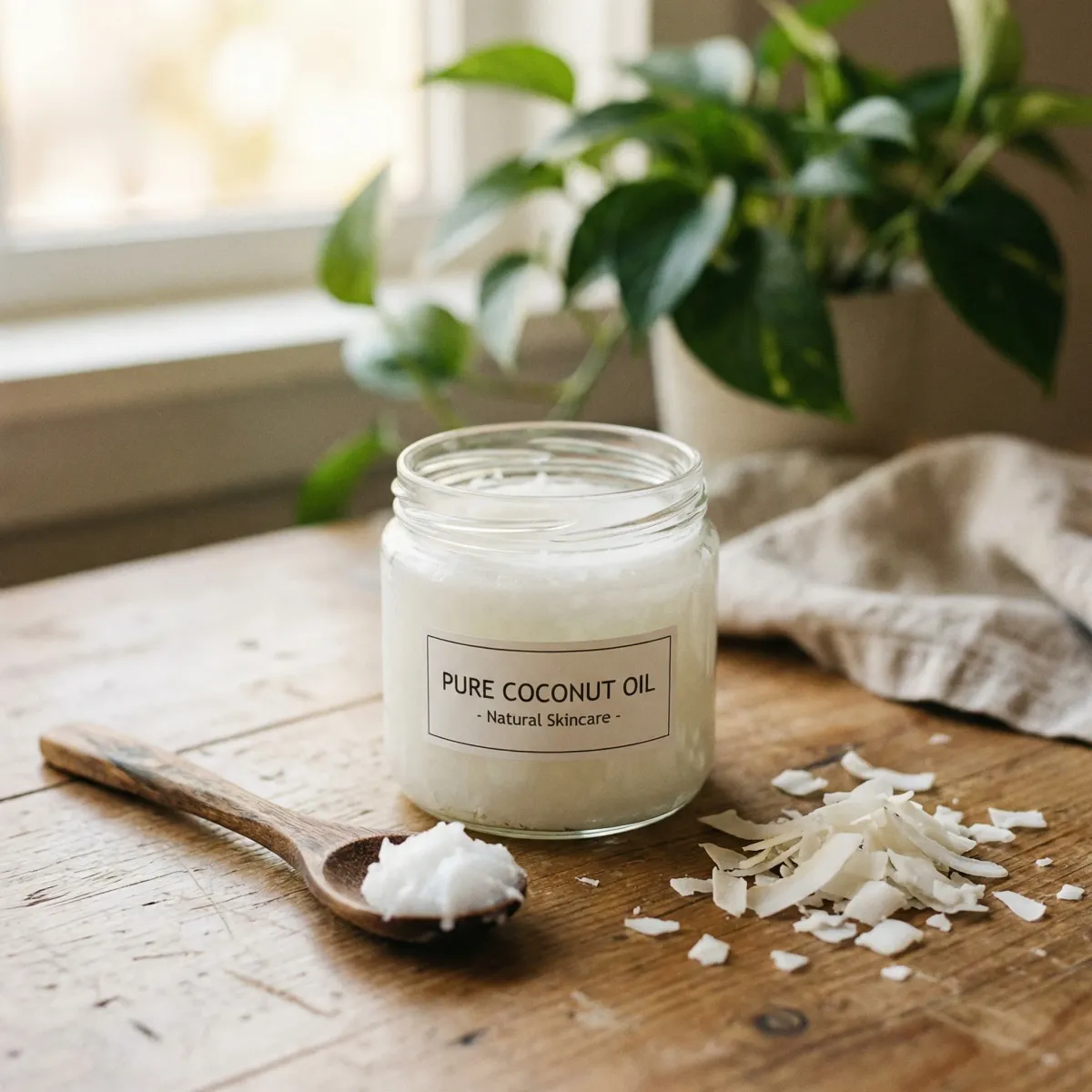
People with atopic dermatitis (eczema) saw improved SCORAD severity scores and less transepidermal water loss with coconut oil compared to mineral oil in controlled trials. One study reported a 68% drop in eczema severity with regular application. The lauric acid in coconut oil also showed antimicrobial activity against Staphylococcus aureus, the bacterium most often linked to eczema flares.
One thing to watch out for: coconut oil is comedogenic, meaning it clogs pores. Most dermatologists say don't use it on your face, especially if you break out easily or have oily skin. Stick to your body, elbows, heels, and shins. For your face, look at ingredients like turmeric or niacinamide that fight inflammation without blocking pores.
The Only Oil Proven to Prevent Hair Protein Loss
A 2003 study in the Journal of Cosmetic Science tested coconut oil against mineral oil and sunflower oil on human hair. Coconut oil was the only one that reduced protein loss, and it worked on both damaged and undamaged hair, whether applied before or after washing.
The reason is structural. Hair is about 91% keratin protein, and damage from heat styling, chemical treatments, and UV exposure breaks that protein down over time. Lauric acid in coconut oil has a low molecular weight and a straight linear chain, which lets it actually penetrate the hair shaft. Sunflower oil and mineral oil can't do that because their molecules are too bulky.
Later studies found the same thing in chemically bleached hair, UV-exposed hair, and mechanically combed hair. In practice, working a small amount of coconut oil into damp hair before heat styling or leaving it on overnight can cut down on the protein damage that makes hair brittle over time.
Oil Pulling: Ancient Practice Meets Modern Evidence
If you haven't heard of oil pulling: it's swishing oil in your mouth for 15-20 minutes. The practice comes from Ayurvedic medicine and goes back thousands of years. Clinical trials have tested it, and the evidence is mixed but worth looking at.
A 2020 systematic review found that oil pulling with coconut oil reduced plaque index scores and bacterial colony counts in saliva. A 2025 randomized clinical trial showed that coconut oil treatment shifted the oral microbiome toward healthier profiles and lowered inflammatory markers in people with periodontal disease.
That said, a 2024 meta-analysis found that chlorhexidine mouthwash still beat oil pulling for plaque reduction. Oil pulling did cause less tooth staining than chlorhexidine, which could matter if you're doing this every day.
The consensus among dental researchers: oil pulling with coconut oil can supplement brushing and flossing, but shouldn't replace either one. If you want to try it, use about a tablespoon of virgin coconut oil, swish gently for 15-20 minutes (don't go at it like mouthwash), and spit into a trash can. Not the sink. Your plumber will thank you.
Coconut Oil and Weight Management
Most of the weight loss hype traces back to studies on MCT oil, not coconut oil. MCT oil is a concentrated extract of caprylic (C8) and capric (C10) acids, and those shorter-chain fats do boost energy expenditure and fat burning in lab settings. But coconut oil is not MCT oil. Its dominant fatty acid, lauric acid (C12), gets metabolized differently and more slowly than C8 and C10.
A 2025 dose-response meta-analysis in BMC Nutrition looked at coconut oil supplementation and obesity measures across multiple clinical trials. The results were mixed: some trials found modest reductions in waist circumference, others found no meaningful change in body weight or BMI. Nobody has pinned down an optimal dosage.
Coconut oil is still 121 calories per tablespoon. If you add it to your diet without cutting calories somewhere else, you'll gain weight, not lose it. Swapping it for another cooking fat in equal amounts produces a marginal metabolic difference at best. The "coconut oil melts belly fat" claims you see on social media don't hold up when you look at the actual clinical data.
Common Myths vs. What Researchers Have Actually Found
Few foods attract as much misinformation as coconut oil. The internet can't seem to decide whether it's a miracle cure or a heart attack in a jar. Neither is accurate. Here's what the studies actually show.

Myth: Coconut oil is a superfood that cures everything. It does have antimicrobial, moisturizing, and hair-protective properties backed by clinical trials. What it does not do is cure cancer, Alzheimer's, or diabetes. Those claims come from cell-culture studies and animal models. None have been reproduced in humans.
Myth: Coconut oil is as dangerous as butter. Both are high in saturated fat, but their fatty acid profiles aren't the same. Coconut oil's lauric acid raises HDL cholesterol more than butter's palmitic and myristic acids do. Neither belongs in large quantities in your diet, but equating them nutritionally is wrong.
Myth: You should cook everything in coconut oil. Virgin coconut oil has a moderate smoke point (350°F) that makes it a poor choice for high-heat cooking. For deep frying, refined coconut oil or avocado oil (520°F smoke point) works better. Coconut oil is well-suited to sauteing, baking, and medium-heat cooking.
Myth: MCT oil and coconut oil are the same thing. They're not. MCT oil is a concentrated extract of caprylic (C8) and capric (C10) acids. Coconut oil is mostly lauric acid (C12), which the body handles differently. You can't take an MCT oil study and assume it applies to coconut oil.
Myth: Coconut oil whitens teeth. Oil pulling can reduce plaque and bacterial counts, but no clinical trial has found that coconut oil actually whitens teeth. If teeth look whiter after oil pulling, it's probably because plaque was removed, not because anything was bleached.
How to Store and Use Coconut Oil Safely
Saturated fats resist oxidation, which is why coconut oil has a long shelf life. An unopened jar lasts two to three years. Once you open it, figure six to twelve months at room temperature.
Keep it in a cool, dark spot away from direct sunlight. You don't need to refrigerate it, though refrigeration does extend shelf life. If your jar has been sitting near a stove or window for a while, give it a smell check before using it. Rancid coconut oil smells sour or chemical instead of mildly sweet.
For dietary use, most studies showing benefits used 1-2 tablespoons daily as a replacement for other cooking fats, not on top of them. The American Heart Association's guideline of keeping saturated fat under 10% of daily calories works out to about 22 grams on a 2,000-calorie diet. One tablespoon of coconut oil has 11.2 grams of saturated fat, so two tablespoons would eat up your entire allowance from a single source.
Coconut oil allergies are rare but they do happen. People with tree nut allergies don't automatically need to avoid coconut since coconuts are botanically a drupe (fruit), not a true nut. The FDA does classify coconut as a tree nut for labeling purposes, though, and individual cross-reactivity varies. If you're unsure, see an allergist.
For topical use, do a patch test on a small area of your forearm and wait 24 hours before slathering it on. If you see redness, itching, or irritation, stop. And as mentioned above, skip the face if you're acne-prone. You can pair coconut oil with ingredients like turmeric for skin that add anti-inflammatory benefits without clogging pores.
Frequently Asked Questions
Is coconut oil healthier than olive oil?
They do different things. Olive oil is high in monounsaturated fats and has decades of cardiovascular research behind it, especially from Mediterranean diet studies. Coconut oil has stronger evidence for topical use and antimicrobial activity from lauric acid, but it raises LDL cholesterol more than olive oil does. For heart health, olive oil wins. For skin and hair, coconut oil has the better track record.
How much coconut oil per day is safe?
Most clinical studies used 1-2 tablespoons (14-28 grams) daily. That range keeps saturated fat intake manageable alongside a balanced diet. The American Heart Association recommends keeping total saturated fat under 10% of daily calories, which comes to about 22 grams on a 2,000-calorie diet. A single tablespoon of coconut oil accounts for roughly half that amount.
Can coconut oil help with Alzheimer's disease?
This idea traces back to a single case study and hasn't been confirmed in clinical trials. The theory is that ketone bodies from MCT metabolism could fuel brain cells that have become insulin-resistant. But coconut oil produces far fewer ketones than concentrated MCT oil, and no randomized controlled trial has shown cognitive improvement from coconut oil in Alzheimer's patients.
Does coconut oil go bad?
It does, just slowly. The high saturated fat content makes it more resistant to oxidation than unsaturated oils. Unopened jars last 2-3 years. Once opened, use within 6-12 months. If it smells sour or chemical, looks yellowish, or tastes off, it's gone rancid. Keep it sealed in a cool, dark place.
Is coconut oil safe for dogs and cats?
Small amounts (1/4 teaspoon per 10 pounds of body weight for dogs) are generally considered safe and may help with coat condition. But the high fat content can trigger pancreatitis in susceptible animals, and cats process fats differently than dogs. Check with your vet before adding coconut oil to your pet's diet, particularly if the animal has a history of digestive problems.
Related Articles
- Omega-3 Benefits, Sources and Supplements Guide -- Essential fatty acids and how they compare to coconut oil's saturated fat profile.
- Avocados: Health Benefits, Side Effects and Nutrition Facts -- A very different fat source, heavy on monounsaturated fatty acids.
- 12 Health Benefits of Turmeric -- Anti-inflammatory compounds that pair well with coconut oil in cooking and on skin.
- Health Benefits of Chia Seeds -- Worth reading if you're trying to understand dietary fats more broadly.
- Apple Cider Vinegar Health Benefits -- The antimicrobial claims, and what actually holds up.
Medical Disclaimer
This article is for informational and educational purposes only and is not medical advice, diagnosis, or treatment. Always consult a licensed physician or qualified healthcare professional regarding any medical concerns. Never ignore professional medical advice or delay seeking care because of something you read on this site. If you think you have a medical emergency, call 911 immediately.