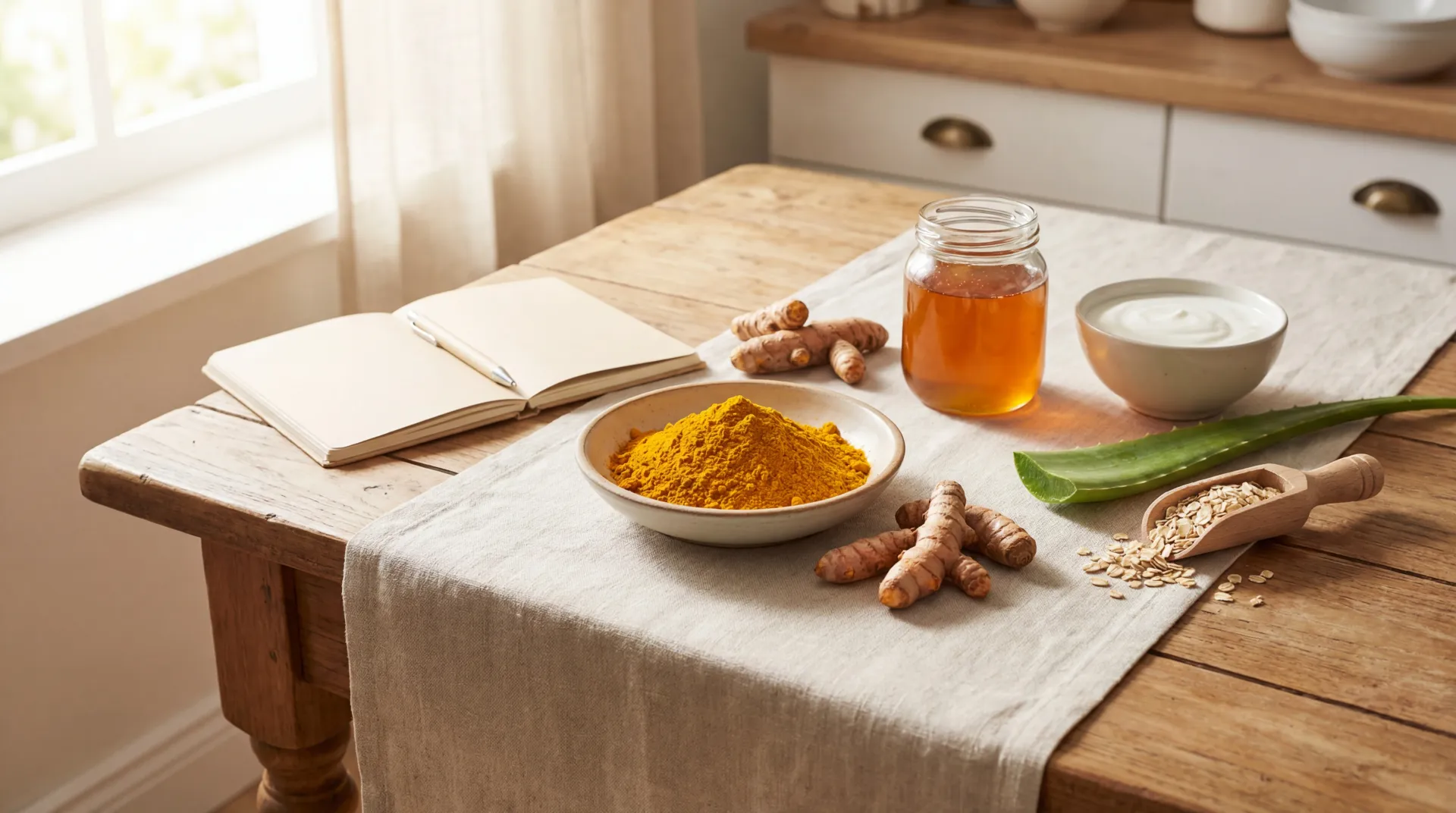
Why turmeric keeps showing up in skin care
Turmeric is one of those ingredients that seems to live in two worlds at once. In one world, it is a pantry spice. In the other, it appears in face masks, serums, and supplement stacks promising brighter skin and fewer breakouts. That overlap is not random. Turmeric contains curcuminoids, especially curcumin, and these compounds have been studied for anti-inflammatory and antioxidant effects in multiple health contexts. The U.S. National Center for Complementary and Integrative Health notes that turmeric has a long traditional use history and an active modern research pipeline, but also points out that evidence quality varies by condition.
If you have tried turmeric for skin and felt underwhelmed, you are not alone. A lot of real-world disappointment comes from a simple mismatch: people apply internet recipes or low-quality products, then expect the outcomes of controlled trials that used standardized formulations and structured follow-up. Skin care is full of this gap between lab language and bathroom-counter reality.
There is another reason turmeric gets so much attention: it sits at the intersection of several common skin concerns. People are usually not looking for just one thing. They want fewer inflammatory breakouts, more even tone, less irritation, and some help with visible aging. Turmeric is marketed as if it can do all of that by itself. The evidence is more nuanced. It can be a useful adjunct, but it is not a replacement for sunscreen, evidence-based acne care, or medical treatment when disease is moderate to severe.
Quick reality check: turmeric can be helpful in a broader skin strategy, but it is not a stand-alone fix for acne, melasma, psoriasis, or eczema flares.
What is active in turmeric and why formulation matters
When people say “turmeric works,” they usually mean the biological effects linked to curcumin and related curcuminoids. Curcumin has documented anti-inflammatory and antioxidant actions in preclinical and clinical literature, including the review at PubMed 17569207. The challenge is delivery. Curcumin has low oral bioavailability in standard forms, which means a lot of what you swallow is metabolized before it does much systemically.
That is why piperine is often discussed in supplement formulas. A classic human pharmacokinetic paper found that piperine increased curcumin exposure substantially in volunteers (PubMed 9619120). Helpful? Yes. Problem solved? Not fully. Higher exposure does not automatically mean clinically meaningful skin outcomes for everyone, and it can also affect drug metabolism in ways that matter for safety.
Topical products avoid some oral absorption issues but introduce new ones: concentration, vehicle quality, stability, contact time, and irritation risk. A turmeric soap, a curcumin nanocarrier gel, and a DIY kitchen paste are not interchangeable interventions. If you are evaluating claims, the first question should be “Which preparation did the study use?” not “Did turmeric work in general?”
| Form | What it usually contains | What it is best for | Main limitation |
|---|---|---|---|
| Raw culinary turmeric powder | Mixed curcuminoids plus plant compounds, variable potency | Food-based routines and gentle topical experimentation | Inconsistent active dose and frequent staining |
| Standardized oral curcumin extract | Defined curcuminoid concentration, often with absorption enhancers | Adjunctive anti-inflammatory strategy when medically appropriate | Drug interaction and GI tolerance considerations |
| Topical curcumin formulations | Curcumin in gel, cream, liposomal, or nanoparticle vehicles | Targeted local use for inflammatory skin concerns | Variable quality and possible contact irritation |
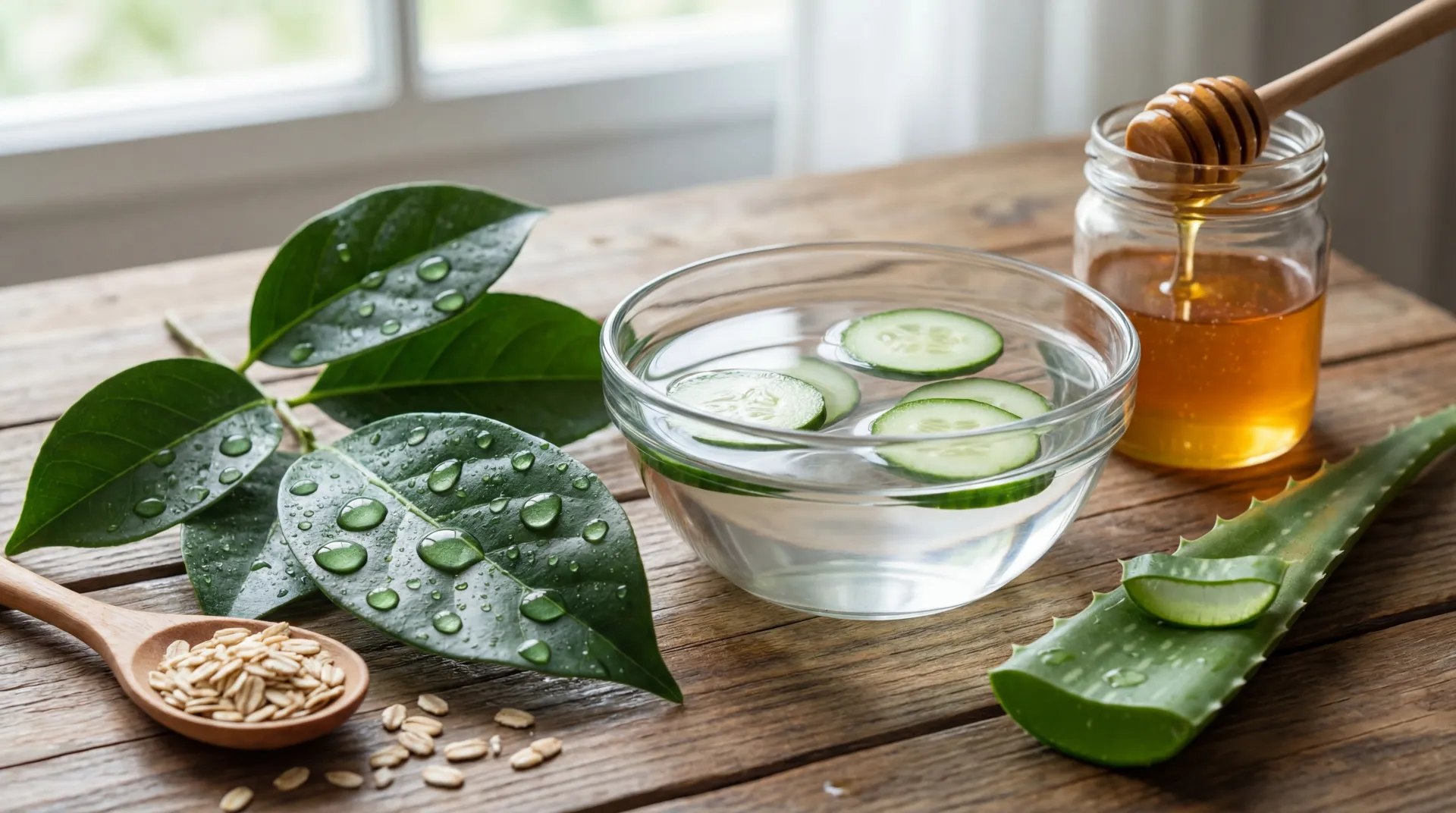
| DIY mask mixtures | Turmeric plus yogurt, honey, oats, or aloe | Low-cost short-contact use in tolerant skin | Patchy dosing, allergy risk, and fabric/sink staining |
What the acne evidence actually says
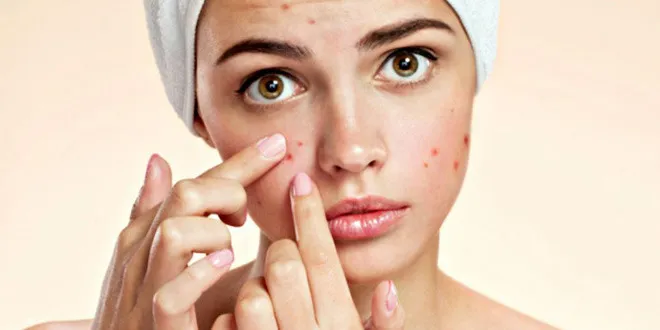
The acne conversation around turmeric is often too absolute. You will hear “it cures acne” from one side and “it is nonsense” from the other. The data sit in the middle. A split-face randomized trial of curcumin-mediated photodynamic therapy in mild to moderate acne reported measurable improvement on treated sides in selected outcomes (PubMed 37931693). That is promising, but it does not mean every over-the-counter turmeric product has equal effect.
For day-to-day acne management, turmeric makes the most sense as a support tool around fundamentals: non-comedogenic cleansing, consistent sunscreen, and targeted actives with known efficacy. If your skin is dehydration-prone or barrier-stressed, adding turmeric while ignoring baseline routine quality usually backfires. A practical starting point is building hydration and barrier habits first, then layering optional ingredients. This guide on hydrating skin naturally is a good companion if your skin feels tight, flaky, or reactive.
Another point that gets missed: not all acne is driven by the same mechanism. Hormonal flares, inflammatory papules, and comedonal congestion do not respond equally to the same product. Turmeric may be more useful in inflammation-heavy presentations than in purely comedonal patterns. Even then, a modest effect is still a win if it helps reduce irritation burden while you stay consistent with proven acne therapies.
Can turmeric help dark spots and photoaging?
People often use turmeric for two cosmetic goals: evening out visible tone and softening early photoaging. Mechanistically, that is plausible because oxidative stress and chronic low-grade inflammation both contribute to uneven tone and texture over time. But this is where expectations matter. Turmeric is unlikely to outperform first-line depigmenting strategies or retinoid-based anti-aging plans on its own.
If hyperpigmentation is your main concern, treat turmeric as a secondary tool and keep your primary levers strong: strict UV protection, irritation control, and evidence-based topicals selected for your skin type. The CDC sun safety guidance remains non-negotiable for pigmentation control because UV exposure keeps reactivating the same pathways people are trying to quiet (CDC sun safety). In practice, daily sunscreen consistency usually does more for long-term tone than adding yet another active.
For visible aging, lifestyle still does heavy lifting. Sleep quality, smoking status, alcohol pattern, glycemic load, and daily UV exposure often explain more than any single ingredient. If your goal is a more comprehensive strategy, pair turmeric experiments with a structured routine like the one in this anti-aging and wrinkle guide. That combination is more realistic than betting on one spice to reverse years of cumulative exposure.
| Goal | Where turmeric may help | What still matters more |
|---|---|---|
| Post-inflammatory dark marks | May reduce inflammatory signaling in some users | UV control, irritation prevention, and pigment-specific topicals |
| Dull tone | Can support antioxidant-focused routines | Barrier repair, sleep, hydration, and sunscreen adherence |
| Early texture changes | Potential adjunctive anti-inflammatory support | Retinoid strategy, collagen-protective habits, and UV minimization |
What we know about psoriasis and other inflammatory skin conditions
Inflammatory dermatoses are where turmeric research gets especially interesting. Several small randomized or pilot studies in psoriasis settings have reported benefits when curcumin was used as an adjunct to standard care, including trials indexed at PubMed 29600580 and PubMed 37240721. The signal is encouraging, but trial sizes are modest, methodologies vary, and formulations differ widely.
Systematic reviews on complementary approaches in psoriasis, such as PubMed 30193251, generally conclude that evidence quality is mixed and adjunctive use is the most defensible position. In plain terms: turmeric may help some patients, especially when integrated with dermatologist-guided treatment, but it should not delay escalation when plaques, itch, or quality-of-life burden are significant.
For eczema-prone or highly reactive skin, caution is even more important. “Natural” does not mean non-irritating. Botanical-rich products can trigger contact reactions in sensitive users, especially when concentrations are unclear or multiple fragranced ingredients are layered at once. If your skin barrier already runs hot, a simpler base routine usually beats experimenting with five new ingredients in the same week.
Topical vs oral turmeric: which route makes sense?
If your goal is local skin texture or mild breakout calming, topical approaches are often easier to titrate because you can patch test, adjust frequency, and stop quickly if irritation appears. Oral products may make more sense when skin symptoms are part of a broader inflammatory profile, but they bring medication interaction and GI tolerance questions that topical use may avoid.
Oral curcumin also creates the usual supplement quality problem: two labels can look similar and deliver very different effective exposure. The FDA cosmetics and product oversight information is a useful reminder that regulation differs across product categories and marketing language does not equal clinical proof. If you are using both oral and topical products, start one at a time so you can actually tell what your skin is responding to.
You can think of route choice as a “minimum effective complexity” decision. Start with the lowest-risk option likely to help your specific issue, monitor for four to eight weeks, then escalate only if needed. This keeps routines sustainable and prevents the classic cycle of over-layering, irritation, and abandonment.
How to use turmeric on skin without creating a mess
Most home turmeric failures are process failures, not ingredient failures. People over-concentrate it, leave it on too long, skip patch testing, and apply right before events where staining is obvious. If you want a fair trial, keep the protocol boring and consistent.
A practical first-pass mask is one small pinch of turmeric with a bland base such as plain yogurt or colloidal-oat style paste. Apply a thin layer to a limited zone for short contact, then rinse thoroughly. Repeat no more than one to two times weekly at first. If stinging, prolonged redness, or new papules appear, stop.
You can also avoid the kitchen route entirely and choose a fragrance-free, turmeric-containing cosmetic product with clear ingredient labeling. If you do this, review formulas with the same care you would use for any active product. This is especially important if you are already using exfoliating acids, benzoyl peroxide, or retinoids.
For anyone balancing multiple skincare risks, label literacy matters as much as ingredient choice. This article on cosmetic ingredient risk and safer product selection can help you audit products before they hit your face.
Safety first: who should be cautious?
Turmeric is generally well tolerated in culinary amounts, but concentrated products are a different conversation. Oral curcumin can cause GI upset in some users and may interact with medications, including anticoagulants and some agents with narrow therapeutic windows. The broader pharmacology and hepatotoxicity context is covered in the NCBI references at NBK92752 and NBK548561.
Topical use can cause irritation or allergic contact dermatitis, especially when combined with other actives or applied under occlusion. The safest routine is boring but effective: patch test first, introduce one new product at a time, and track changes with dated photos under similar lighting. If you have rosacea-prone or eczema-prone skin, lower frequency and shorter contact times are your friend.
People who are pregnant, breastfeeding, preparing for surgery, or taking complex medication regimens should discuss supplement-grade turmeric with a clinician before starting. That conversation is less about fear and more about risk management. Skin goals are important, but they should never come at the expense of medication safety.
An 8-week practical plan
If you want results you can evaluate honestly, run a simple plan instead of changing everything at once. The timeline below keeps variables manageable and gives enough time to see if turmeric is helping your skin or just adding noise.
| Weeks | What to do | What to monitor | When to stop or adjust |
|---|---|---|---|
| 1-2 | Patch test and start low-frequency topical use (1x weekly) | Redness duration, itch, stinging, new breakouts | Stop if irritation lasts beyond 24 hours |
| 3-4 | Increase to 2x weekly only if well tolerated | Inflammatory lesion count and tone changes | Scale back if dryness or rebound oiliness appears |
| 5-6 | Keep routine stable; do not add new actives | Photo comparisons in identical lighting | If no benefit and no tolerance issues, reassess formulation |
| 7-8 | Decide continue, modify, or discontinue based on trend | Net change in breakouts, irritation, and tone | Escalate to clinician-guided care for persistent disease |
This is also a good point to zoom out and look at total lifestyle load. If sleep is poor, stress is high, and diet quality is inconsistent, topical results can plateau quickly. Building anti-inflammatory nutrition patterns can help the skin work you are doing topically. For example, polyphenol-rich habits from this cocoa guide or beverage swaps from this green tea guide can support broader consistency without turning your routine into a full-time job.
Myth vs fact: turmeric and skin
| Myth | Fact | What to do instead |
|---|---|---|
| “Turmeric cures acne by itself.” | Some trials show benefit in selected settings, but effect size and method matter. | Use it as an adjunct, not a replacement for core acne care. |
| “If a little helps, more is better.” | Higher concentration often raises irritation and staining risk. | Start low, track response, and increase only if tolerated. |
| “DIY turmeric masks are the same as clinical formulations.” | Clinical products often use controlled vehicles and dosing; kitchen mixes do not. | Compare like with like before expecting trial-like outcomes. |
| “Natural means no side effects.” | Natural products can still irritate skin or interact with medications. | Patch test topicals and review oral use with a clinician when needed. |
| “Turmeric can replace sunscreen for anti-aging.” | UV protection remains foundational for pigmentation and wrinkle prevention. | Keep daily sunscreen and use turmeric as an optional adjunct. |
Frequently Asked Questions
Can turmeric remove dark spots permanently?
Turmeric may help calm inflammation and support a more even look over time, but it does not permanently erase pigment triggers. Long-term control usually depends on strict UV protection and a consistent evidence-based routine.
How often should I use a turmeric mask for skin?
Most people do best starting at once weekly, then increasing to twice weekly only if there is no irritation. More frequent use often increases staining and barrier disruption without adding much benefit.
Is oral turmeric better than topical turmeric for skin?
Not automatically. Topical use is easier to localize and adjust, while oral use may be useful in broader inflammatory contexts but needs more attention to interactions and tolerance.
Can I combine turmeric with retinol or exfoliating acids?
You can, but introduce changes slowly and avoid stacking multiple new actives in the same week. If irritation rises, simplify first, then reintroduce products one by one.
Who should avoid concentrated turmeric supplements?
Anyone with complex medication regimens, bleeding risk concerns, active liver issues, pregnancy, breastfeeding, or upcoming surgery should discuss supplement use with a clinician before starting.
Related Articles
- 11 Ways to Naturally Hydrate Skin - Daily habits that improve barrier function and reduce reactive dryness.
- Best Anti-Aging and Anti-Wrinkle Remedies - A practical breakdown of what actually helps with texture and photoaging.
- Dangers of Chemicals in Cosmetics - How to read labels and lower avoidable ingredient risk.
- Health Benefits of Cocoa Powder - Another evidence-based guide to anti-inflammatory, polyphenol-rich choices.
- 13 Science-Backed Health Benefits of Green Tea - A complementary nutrition strategy for antioxidant support.
Medical Disclaimer
This article is for informational and educational purposes only and is not medical advice, diagnosis, or treatment. Always consult a licensed physician or qualified healthcare professional regarding any medical concerns. Never ignore professional medical advice or delay seeking care because of something you read on this site. If you think you have a medical emergency, call 911 immediately.