What Is Zika Virus and Where Did It Come From?
Zika virus is a mosquito-borne flavivirus. Scientists first isolated it from a rhesus monkey in Uganda's Zika Forest back in 1947, during routine yellow fever surveillance. For the next six decades, it barely registered. Human infections were rare, mostly confined to a narrow equatorial band across Africa and Southeast Asia, and nobody paid much attention.
Then 2007 happened. Zika tore through Yap Island in Micronesia, infecting an estimated 73% of the population. A bigger epidemic hit French Polynesia in 2013-2014, affecting about 32,000 people. But the real explosion came in 2015-2016, when the virus ripped across the Americas. Brazil alone reported over 200,000 suspected cases. The World Health Organization declared it a Public Health Emergency of International Concern in February 2016.
As of now, 92 countries and territories have documented mosquito-transmitted Zika infection. Cases dropped sharply after 2017, though low-level transmission still occurs in parts of the Americas, Africa, and Southeast Asia. Zika belongs to the same viral family as dengue, yellow fever, and West Nile, which makes diagnosis and surveillance a headache (more on that later).
Key Fact: Zika went essentially unnoticed for 60 years after its discovery. The 2015-2016 pandemic across the Americas infected over a million people and exposed the virus's ability to cause severe birth defects.
How Does Zika Virus Spread?
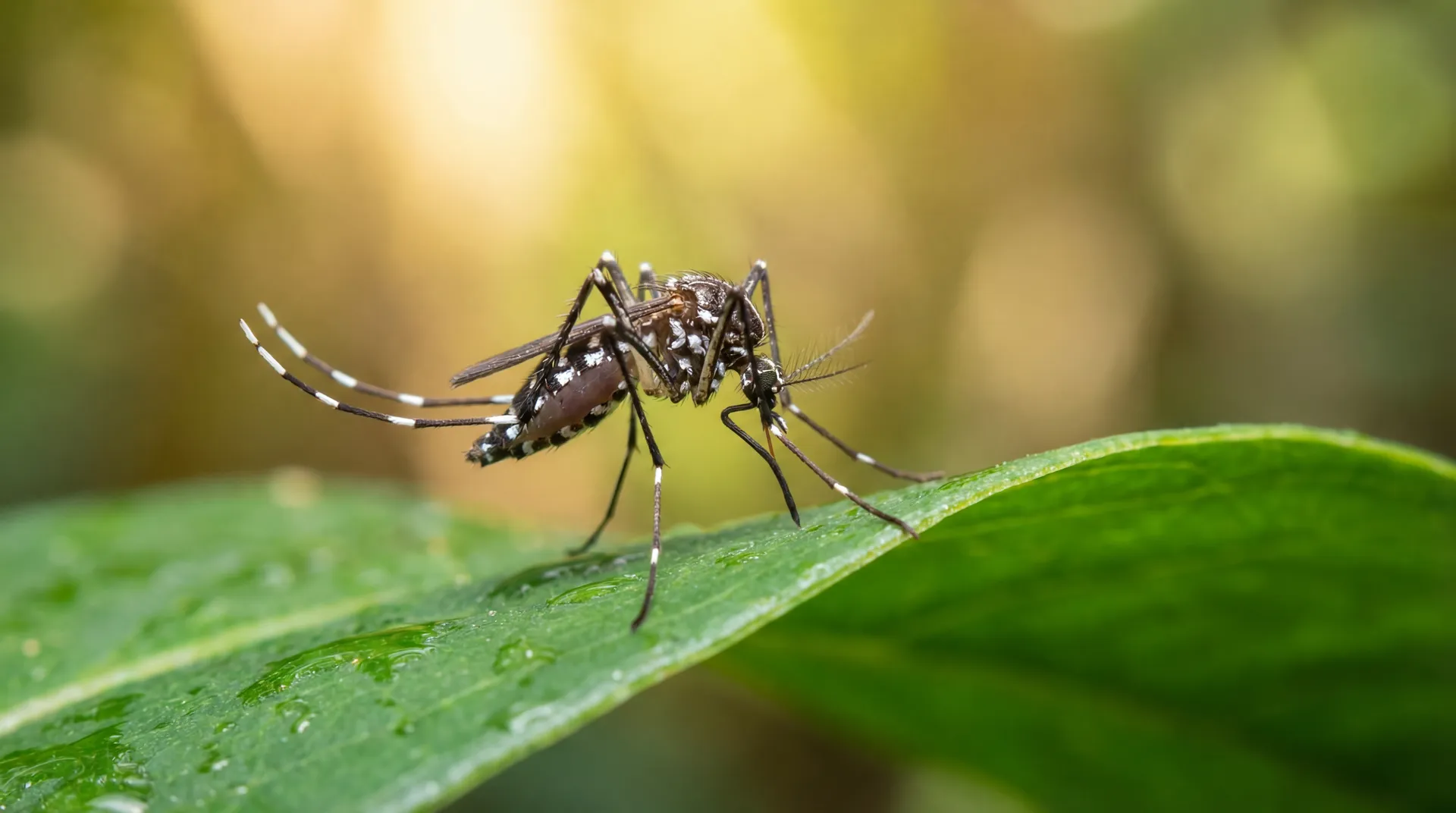
Mostly through mosquito bites. The main culprit is Aedes aegypti, an aggressive daytime feeder that breeds in small pools of standing water near homes. Unlike mosquito species that come out at dawn and dusk, Aedes aegypti bites throughout the day.
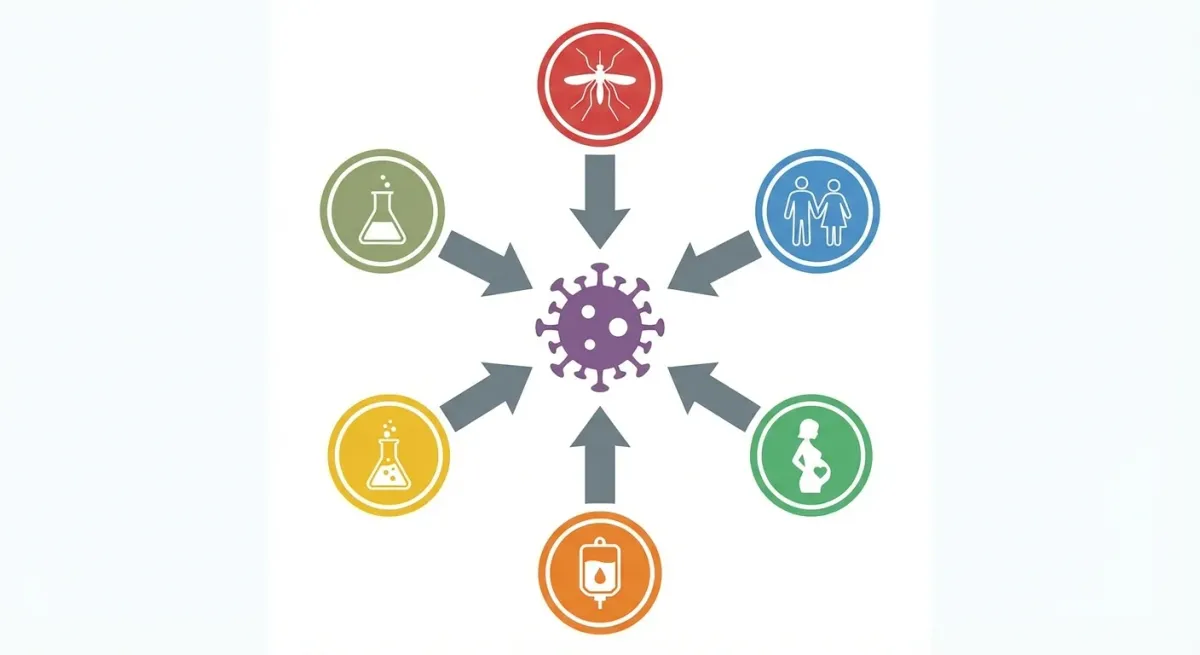
But mosquitoes aren't the whole story. During the 2015-2016 epidemic, several other transmission routes came to light that caught health officials off guard.
| Transmission Route | Mechanism | Duration of Risk |
|---|---|---|
| Mosquito bite | Aedes aegypti and Aedes albopictus carry the virus | Ongoing in endemic areas |
| Sexual contact | Virus persists in semen, vaginal fluids | Up to 6 months after infection |
| Mother to fetus | Crosses the placental barrier during pregnancy | Throughout pregnancy |
| Blood transfusion | Infected donor blood | During viremic period |
| Laboratory exposure | Accidental needlestick or contact | Occupational risk |
The sexual route is the one that surprised people most. StatPearls clinical reference reports that Zika virus RNA has been detected in semen up to 188 days after symptom onset. Viable virus has been cultured from semen as late as 90 days post-infection. That's months after the actual illness has passed, which means someone can feel completely fine and still be infectious through sex.
Up to 80% of Infected People Never Show Symptoms
Here's the tricky part about Zika: most people who catch it don't know they have it. The National Center for Biotechnology Information puts the asymptomatic rate at 60% to 80%. That means the majority of infected people either feel nothing at all or mistake their symptoms for a mild cold.
This creates real problems. Someone who feels perfectly healthy can still pass the virus to mosquitoes (who then bite someone else) or to a sexual partner. A pregnant woman might carry Zika for days without any clue, while the virus does its damage during fetal brain development.
For context, dengue, Zika's close cousin, produces symptoms in about 25% of infections. Zika's rate is even lower. On Yap Island in 2007, only 18% of infected residents had any clinical symptoms at all, even though blood tests showed the virus had spread widely through the community.
Recognizing Zika Symptoms: What to Watch For
When Zika does make people sick, symptoms usually show up 3 to 14 days after a mosquito bite and clear within a week. Most cases are mild. Hospitalization is rare, and deaths from acute Zika infection are rarer still. That said, "mild" can still be miserable, especially for pregnant women or anyone trying to conceive.
The CDC lists six primary symptoms. Among people who do get sick, here's how often each one shows up:
| Symptom | Frequency Among Symptomatic Cases | Typical Duration |
|---|---|---|
| Maculopapular rash | 90% or more | 2-7 days |
| Low-grade fever | 65-80% | 1-4 days |
| Joint pain (arthralgia) | 65-70% | Up to 2 weeks |
| Conjunctivitis (red eyes) | 55-82% | 2-7 days |
| Muscle pain (myalgia) | 48-65% | 2-7 days |
| Headache | 45-80% | 2-7 days |
| Retro-orbital pain (behind eyes) | 39-48% | 2-7 days |
The rash is usually the first thing people notice. It starts on the face and torso, then spreads to the arms and legs. Compared to dengue rash, Zika's version tends to be itchier and more visible. Rash plus red eyes without nasal congestion is a useful clinical clue, though a lab test is the only way to confirm Zika for certain.
Joint pain is the symptom that hangs around longest. It tends to hit the small joints in the hands and feet, and it can stick around for weeks after everything else has cleared up. Some people find it bad enough to interfere with work and daily routines.
How Doctors Diagnose Zika Virus Infection
Zika diagnosis isn't straightforward. The virus is so similar to dengue and other flaviviruses that standard antibody tests often can't tell them apart. A dengue antibody can trigger a false positive on a Zika test, and vice versa.
The CDC recommends a layered testing approach that depends on how many days have passed since symptoms started:
| Test Type | What It Detects | Best Window | Key Limitation |
|---|---|---|---|
| NAAT (RT-PCR) | Viral RNA | Within 7 days of symptoms | RNA clears quickly from blood |
| IgM antibody | Immune response | After first week of symptoms | Cross-reacts with dengue and other flaviviruses |
| PRNT | Neutralizing antibodies | Confirmatory test | Time-intensive; still may not distinguish between related viruses |
| Urine NAAT | Viral RNA in urine | Within 14 days | Longer detection window than serum, but lower sensitivity over time |
NAAT is the best option because it detects viral genetic material directly. The catch: Zika RNA clears from the blood fast, so the testing window is narrow. Urine samples help somewhat, since viral RNA sticks around in urine for about two weeks after symptoms start.
The stakes go up for pregnant women. The CDC recommends testing both serum and urine by NAAT as soon as possible after exposure. If that comes back negative but suspicion remains, IgM antibody testing with confirmatory PRNT is the next step. Even then, telling a real Zika infection apart from a past dengue infection sometimes isn't possible.
Diagnostic Challenge: Zika and dengue share such similar antibody profiles that up to 40% of IgM results in co-endemic areas come back inconclusive. Testing within the first week of symptoms with NAAT gives the most reliable results.
Zika During Pregnancy: The Connection to Microcephaly
This is where Zika gets genuinely scary. When a pregnant woman catches the virus, it can cross the placenta and infect developing brain tissue. The result is congenital Zika syndrome: microcephaly (an abnormally small head), brain calcifications, limb contractures, eye problems, and hearing loss.

The World Health Organization estimates that 5 to 15% of infants born to Zika-infected mothers have evidence of these complications. First-trimester infections carry the highest risk, when the fetal brain is dividing and migrating rapidly. U.S. data from the 2015-2016 epidemic showed congenital Zika-linked birth defects at 30 times the normal baseline rate.
Brazil got hit hardest. In 2015, the country recorded over 2,400 suspected microcephaly cases tied to Zika. The normal annual count was about 160. Most cases clustered in the northeastern states where the virus arrived first.
Not every Zika infection in pregnancy leads to birth defects. Researchers still don't fully understand why some pregnancies are affected and others aren't. Timing of infection, maternal immune status, viral load, and genetics all seem to play a role. But the risk is real enough that health authorities urge strict prevention for anyone pregnant or trying to conceive in areas where Zika circulates.
General immune health matters when fighting any viral infection. For strategies on that front, see our guide on natural ways to strengthen your immune system.
Guillain-Barré Syndrome and Other Neurological Risks
Zika doesn't just threaten pregnancies. It's also linked to Guillain-Barré syndrome (GBS), an autoimmune condition where the immune system turns on the body's own peripheral nerves. The result is progressive muscle weakness that can escalate to full paralysis.
The connection became obvious during the French Polynesia outbreak of 2013-2014, when GBS cases spiked right alongside Zika infections. A multi-country analysis in BMC Medicine put the number at roughly 111 GBS cases per 10,000 reported suspected Zika cases. A separate study in the New England Journal of Medicine documented hundreds of GBS cases during the Colombian epidemic.
GBS usually shows up days to weeks after a viral infection. In Zika-related cases, it typically looks like this:
- Tingling or numbness that starts in the feet and legs
- Weakness that moves upward through the body
- Difficulty walking, sometimes progressing to paralysis
- Breathing problems in severe cases, potentially requiring a ventilator
- Recovery that takes weeks to months, with some people left with lasting weakness
Zika has also been linked to myelitis (spinal cord inflammation), meningoencephalitis (brain and membrane inflammation), and assorted neuropathies. These are rarer than GBS, but they're a reminder that "mild virus" doesn't always mean mild consequences.
Myth vs Fact: Common Misconceptions About Zika
Bad information about Zika spread almost as fast as the virus itself during the 2015-2016 epidemic. Some of it persists. Here's what people still get wrong, and what the evidence actually says:
| Myth | Fact |
|---|---|
| Zika only affects people in tropical countries | Aedes mosquitoes live in parts of the southern United States, southern Europe, and Australia. Travel-related cases have turned up on every inhabited continent. |
| If you feel fine, you cannot spread Zika | 60-80% of infections produce no symptoms, yet infected people can still pass the virus through mosquitoes or sex. |
| Zika is only dangerous for pregnant women | Pregnancy complications get the most press, but GBS and other neurological conditions can hit anyone. |
| Zika has been eradicated since cases dropped | Low-level transmission continues. The WHO still monitors activity in the Americas, Africa, and Southeast Asia. |
| Antibiotics can treat Zika | Zika is a virus. Antibiotics do nothing. Treatment is rest, fluids, and pain management. |
| A Zika vaccine is available | No approved vaccine exists. Several candidates are in clinical trials, but none have cleared regulatory approval. |
Getting these facts straight matters most for travelers, people in endemic areas, and anyone thinking about pregnancy. One complication in vaccine development: Zika is so closely related to dengue that there are concerns Zika antibodies might actually make a future dengue infection worse through antibody-dependent enhancement. For more on vaccine development challenges, see our article on vaccine concerns, risks, and innovations.
Treatment Options and What Science Says
No antiviral drug targets Zika. No vaccine prevents it. Treatment is about managing symptoms while your body does the work of clearing the virus on its own.
The CDC's clinical guidance boils down to:
- Rest. Let your body focus on fighting the infection.
- Stay hydrated, especially if you're running a fever.
- Take acetaminophen (Tylenol) for fever and pain.
- Skip the NSAIDs. No aspirin, ibuprofen, or naproxen until dengue has been ruled out, because these drugs increase bleeding risk in dengue patients.
- Avoid mosquito bites during the first week of illness so you don't pass the virus to mosquitoes that could infect other people.
That NSAID rule is worth paying attention to. Zika and dengue overlap geographically, share the same mosquitoes, and look similar clinically. A patient with "suspected Zika" might actually have dengue, which can cause hemorrhagic complications. NSAIDs interfere with platelet function and could make that worse. Acetaminophen is the safe bet until dengue is off the table.
For GBS triggered by Zika, treatment follows the standard GBS playbook: intravenous immunoglobulin (IVIG) or plasma exchange, plus physical therapy and ventilator support if the breathing muscles are affected. Recovery can take months. Some patients don't get back to full strength.
Some aspects of recovering from viral infections overlap regardless of the specific pathogen. For more on that topic, see our guide on food poisoning causes, symptoms, and recovery.
Prevention Strategies That Actually Work
Without a vaccine or antiviral, prevention is all you've got. It comes down to three things: avoiding mosquito bites, preventing sexual transmission, and controlling mosquito breeding grounds.
Mosquito Protection
Your best defense against Aedes mosquitoes:
- EPA-registered repellents with DEET (20-30%), picaridin (20%), IR3535, or oil of lemon eucalyptus. All of these are safe during pregnancy when used as directed.
- Permethrin-treated clothing. Spray your shirts, pants, and socks. The treatment survives multiple washes and kills mosquitoes on contact.
- Long sleeves and pants. Simple physical barrier, especially during Aedes peak hours from early morning through late afternoon.
- Window screens and door screens.
- Air conditioning. Mosquitoes don't like cool, climate-controlled spaces.
Sexual Transmission Prevention
Because Zika lingers in semen for months, the CDC tells men returning from Zika-affected areas to use condoms or avoid sex for at least three months. For women, the recommended wait is two months. These timelines apply even if you never felt sick.
For couples trying to get pregnant, the advice is straightforward: wait the full recommended period after any potential exposure before trying to conceive.
Environmental Control
Aedes aegypti can breed in absurdly small amounts of water. A bottle cap. A discarded tire. A saucer under a flower pot. Getting rid of these tiny pools of standing water is the backbone of community-level prevention. Some areas have also tried releasing sterile male mosquitoes or mosquitoes infected with Wolbachia bacteria, which reduces the insects' ability to carry viruses.
For the full timeline of how Zika outbreaks played out globally, see our overview of the Zika outbreak as a public health emergency. Our companion article covers everything you need to know about Zika virus.
Frequently Asked Questions
Can you catch Zika virus in the United States?
Yes. Local mosquito-borne transmission was documented in Florida and Texas in 2016-2017, even though no large-scale outbreak happened on the U.S. mainland. Aedes aegypti and Aedes albopictus mosquitoes live across the southern states. Travel-related cases still get reported, and sexual transmission can happen anywhere.
How long does Zika stay in your body?
Zika RNA usually clears from the blood within one to two weeks. But it hangs around much longer in other fluids. Semen can test positive up to 188 days after symptoms start. Urine stays positive for about 14 days. Most people feel fully recovered within a few weeks.
Is there a blood test to check if you have had Zika?
Yes, though interpreting the results is tricky. NAAT (RT-PCR) can confirm active infection if done within the first week of symptoms. IgM antibody tests can pick up past infection, but they cross-react with dengue and other flaviviruses so frequently that sometimes no one can tell you exactly which virus you had.
Should I cancel travel plans to a country with Zika?
It depends on your situation. The CDC says pregnant women should avoid areas with active Zika transmission. Couples planning a pregnancy soon should think carefully too. For everyone else, the standard advice is strict mosquito prevention and safe sex practices after returning.
Can Zika affect you if you are not pregnant?
Yes. The birth defect risk gets the most coverage, but Guillain-Barré syndrome and other neurological problems can affect non-pregnant adults and children. Even a "mild" bout of Zika, with fever, rash, and joint pain, can knock you out of commission for a week or longer.
Related Articles
- Everything You Need to Know About Zika Virus — A broad overview covering global spread, comparisons to other mosquito-borne diseases, and health authority recommendations.
- Zika Outbreak Summary: A Public Health Emergency — The full timeline of Zika outbreaks from 2007 to the present and the international response.
- Natural Ways to Strengthen Your Immune System — Evidence-based strategies for supporting your body's defenses against viral infections.
- Vaccine Concerns, Risks, and Innovations — How vaccines are developed and tested, and why some take longer than others to reach the public.
Medical Disclaimer
This article is for informational and educational purposes only and is not medical advice, diagnosis, or treatment. Always consult a licensed physician or qualified healthcare professional regarding any medical concerns. Never ignore professional medical advice or delay seeking care because of something you read on this site. If you think you have a medical emergency, call 911 immediately.