Your body produces less of this compound every year you age. By the time you reach your sixties, tissue concentrations of spermidine, a polyamine found in every living cell, have dropped significantly from the levels you maintained in your twenties. That decline tracks uncomfortably well with the onset of cardiovascular disease, neurodegeneration, and the general loss of cellular fitness that defines biological aging.
But here is the part that caught researchers' attention: centenarians, those people who make it past 100, tend to maintain whole-blood spermidine concentrations that look remarkably similar to those of much younger people. Whether that is cause or consequence remains an open question, but the pattern pointed scientists toward a deeper investigation into what spermidine actually does inside cells — and what happens when you replenish it.
The answer involves autophagy, a cellular housekeeping process that breaks down damaged proteins and malfunctioning organelles. When autophagy slows, cellular garbage accumulates. Spermidine appears to be one of the most potent natural triggers of this cleanup process, and the evidence connecting it to longevity has moved from yeast cultures to human epidemiological data spanning two decades.
Your Cells Have a Built-In Recycling System — And It Gets Sluggish With Age
Autophagy is not some exotic biological curiosity. It is a fundamental survival mechanism, the process by which cells identify damaged components, wrap them in a double-membrane vesicle called an autophagosome, and deliver them to lysosomes for degradation and recycling. Think of it as the difference between a kitchen where you wash dishes after every meal and one where you let everything pile up for months. The cellular consequences of that pile-up are real: misfolded protein aggregates, dysfunctional mitochondria, and the kind of chronic low-grade inflammation researchers now call "inflammaging."
The problem is that autophagy declines with age. This is not a subtle shift. Multiple studies across species — from yeast to mice to humans — show that autophagic activity drops measurably as organisms get older. And when researchers genetically disable autophagy in model organisms, many of the interventions known to extend lifespan, including caloric restriction and rapamycin, stop working entirely.
Key concept: Autophagy is not just cellular cleanup. It also enables cells to generate energy from recycled components during nutrient scarcity, eliminate invading pathogens, and prevent the accumulation of toxic protein aggregates linked to neurodegenerative disease.
This is the backdrop against which spermidine becomes interesting. Among the hundreds of compounds that modulate autophagy, spermidine stands out because it is endogenous (your body already makes it) and because its decline with age correlates directly with the decline in autophagic function. The question that drove a generation of research was whether restoring spermidine levels could restart the cellular recycling system.
How Spermidine Switches On Autophagy at the Molecular Level
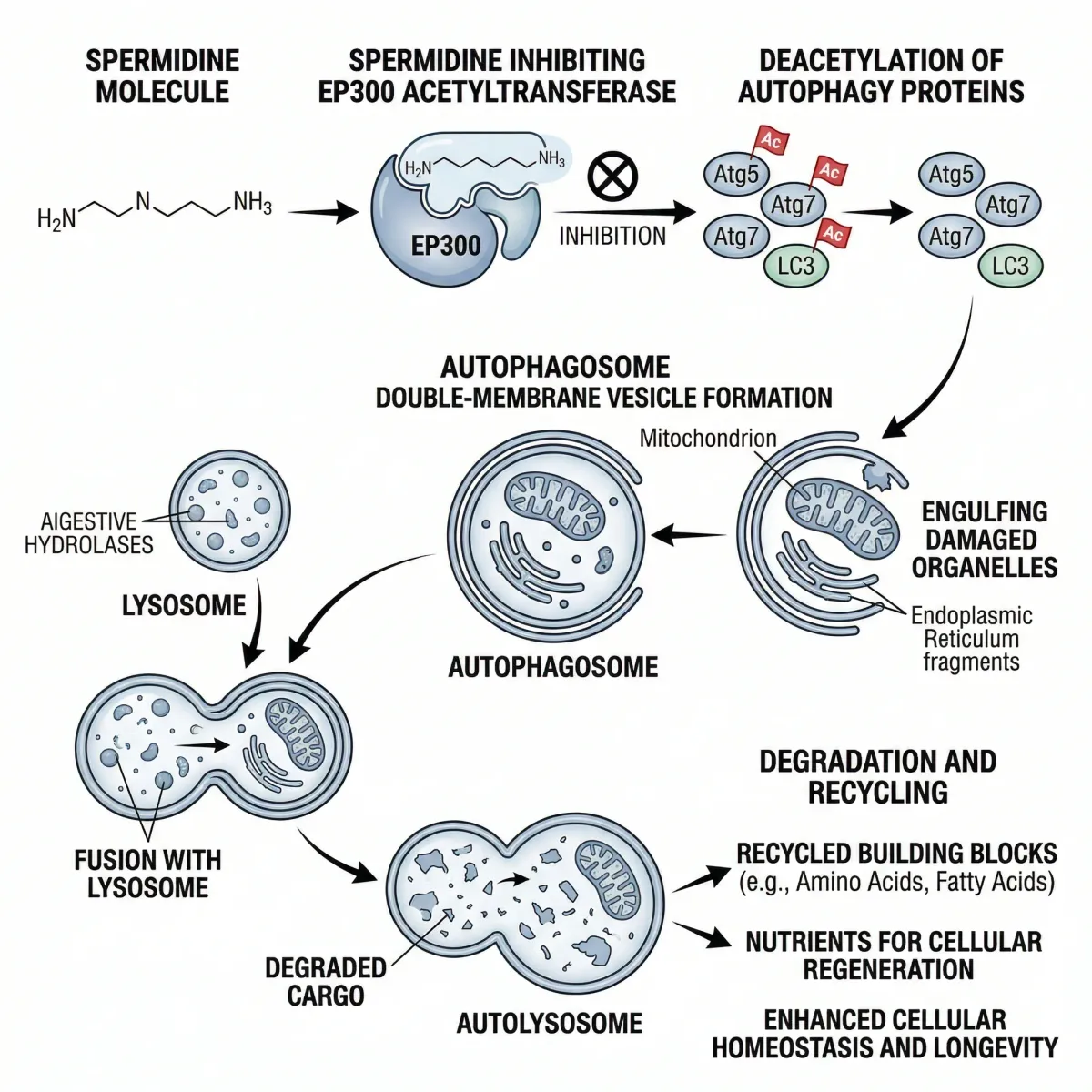
Spermidine does not nudge autophagy gently. It acts on a central regulatory switch: an enzyme called EP300 (also known as p300), which is one of the primary brakes on autophagy. EP300 is an acetyltransferase — it attaches acetyl groups to proteins, and when it acetylates autophagy-related proteins, it effectively tells cells to hold off on recycling.
Spermidine inhibits EP300 by competing for its acetyl coenzyme A binding site. With EP300 suppressed, autophagy-related proteins remain deacetylated and active, which kicks the entire degradation-and-recycling cascade into gear. Researchers at the University of Graz quantified spermidine's potency as comparable to rapamycin, an FDA-approved immunosuppressant that has long been studied for its autophagy-stimulating and life-extending properties — but without rapamycin's immunosuppressive side effects.
The evidence that autophagy is not just a bystander but the actual mechanism through which spermidine extends lifespan comes from genetic knockout experiments. When researchers disabled essential autophagy genes in yeast, worms, and flies, spermidine supplementation no longer extended lifespan. In mice, deleting the Atg5 gene — critical for autophagosome formation — completely abolished spermidine's cardioprotective effects. The benefits disappeared when autophagy was blocked, which is about as clean a causal demonstration as biology gets.
Spermidine also operates through a second molecular pathway involving MAP1S protein stabilization. By promoting the nuclear translocation of histone deacetylase HDAC4, spermidine depletes cytosolic HDAC4 and increases MAP1S acetylation, which in turn activates autophagy. Mice lacking functional MAP1S showed a 20% reduction in median survival and developed severe liver fibrosis — and spermidine's protective effects against liver disease depended entirely on this pathway being intact.
| Autophagy Trigger | Mechanism | Key Limitation |
|---|---|---|
| Spermidine | EP300 inhibition + MAP1S stabilization | Declines naturally with age |
| Rapamycin | mTOR inhibition | Immunosuppressive side effects |
| Caloric restriction | AMPK activation, mTOR suppression | Difficult to sustain long-term |
| Intermittent fasting | Nutrient deprivation signals | Not suitable for all populations |
| Resveratrol | SIRT1 activation | Poor bioavailability, high doses needed |
What 20 Years of Human Data Actually Show
Animal studies are informative, but the spermidine story becomes genuinely compelling when you look at the human data. The landmark epidemiological evidence comes from the Bruneck Study, which tracked 829 participants aged 45 to 84 over a 20-year period, using food-frequency questionnaires administered every five years to calculate dietary spermidine intake.
The findings were striking: among the 146 nutrients analyzed, spermidine showed the strongest inverse relationship with mortality. Participants in the top third of spermidine consumption had significantly reduced incidence of cardiovascular disease and cancer, and their overall survival improved in a dose-dependent manner. That means the more spermidine people consumed, the lower their mortality risk — with no point at which the benefit plateaued or reversed.
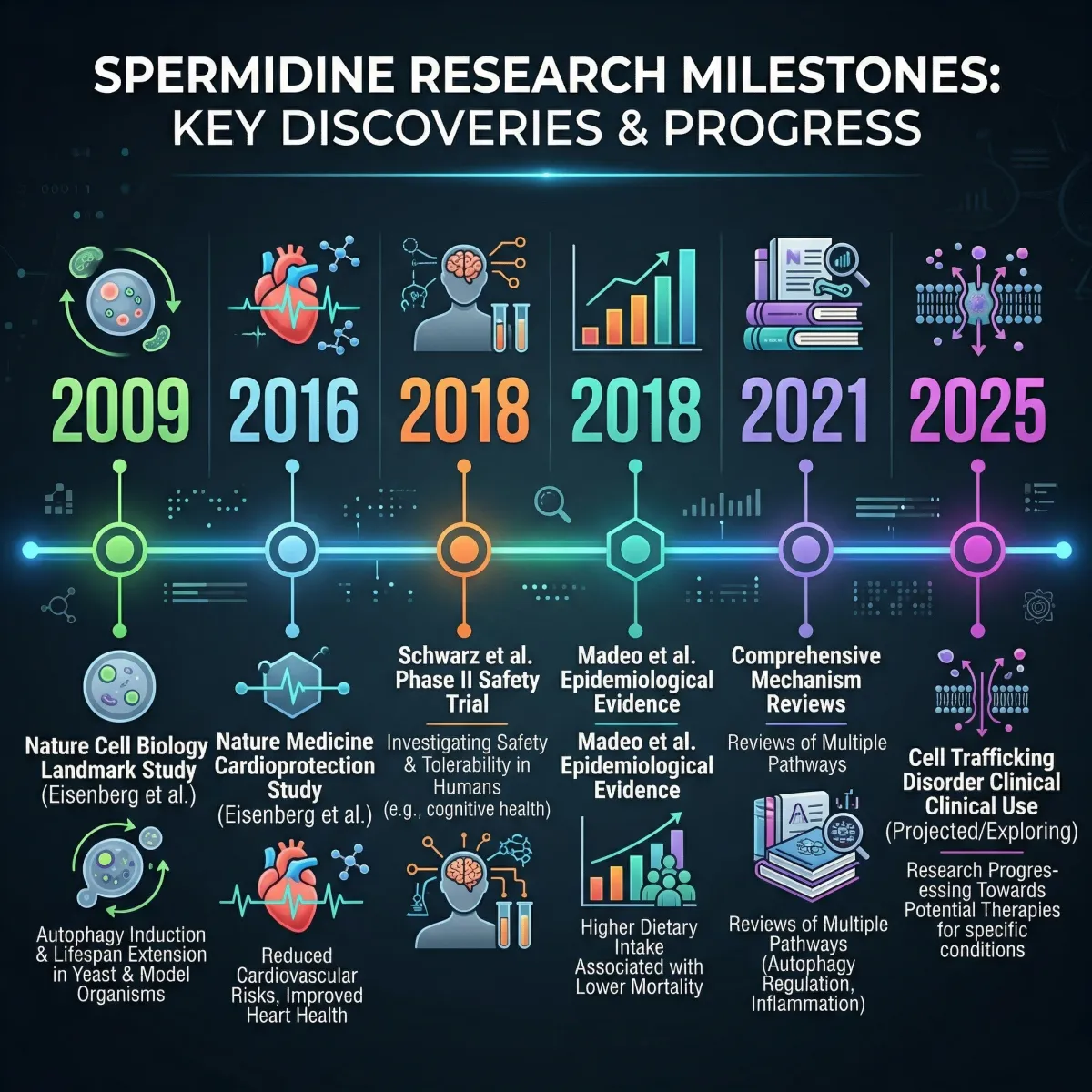
A second independent cohort — 1,770 healthy participants aged 39 to 67, followed for a median of 13 years — replicated the association between high dietary spermidine intake and reduced mortality. These results held up after adjusting for confounding variables including age, sex, body mass index, alcohol consumption, aspirin use, dietary quality, metabolic diseases, physical activity, and socioeconomic status. That robustness across confounders is what separates a suggestive correlation from something that demands serious mechanistic investigation.
| Study | Participants | Duration | Key Finding |
|---|---|---|---|
| Bruneck Study (Kiechl et al.) | 829 (ages 45-84) | 20 years | Strongest inverse mortality association among 146 nutrients |
| Second cohort (Madeo et al.) | 1,770 (ages 39-67) | 13 years | Replicated: high spermidine intake → reduced overall mortality |
| Phase II safety trial (Schwarz et al.) | 30 (ages 60-80) | 3 months | 1.2 mg/day from wheat germ: safe, 98% compliance |
| Mouse lifespan study (Eisenberg et al.) | Mice | Lifespan | ~10% median lifespan extension, cardioprotection |
| MAP1S pathway study (Yue et al.) | Mice | Lifespan | Up to 25% lifespan extension, liver protection |
Important caveat: These are observational studies. People who eat more spermidine-rich foods (vegetables, whole grains, mushrooms) likely differ from those who eat less in ways that go beyond just spermidine intake. However, the consistency across multiple cohorts and the strength of the association after multivariate adjustment makes coincidence an increasingly unsatisfying explanation.
Where Spermidine Hides in Your Food
Your body obtains spermidine from three sources: internal synthesis (cells make it from the amino acid ornithine via the enzyme ornithine decarboxylase), gut microbiota production, and dietary intake. Since internal production declines with age, the dietary and microbial routes become increasingly important.
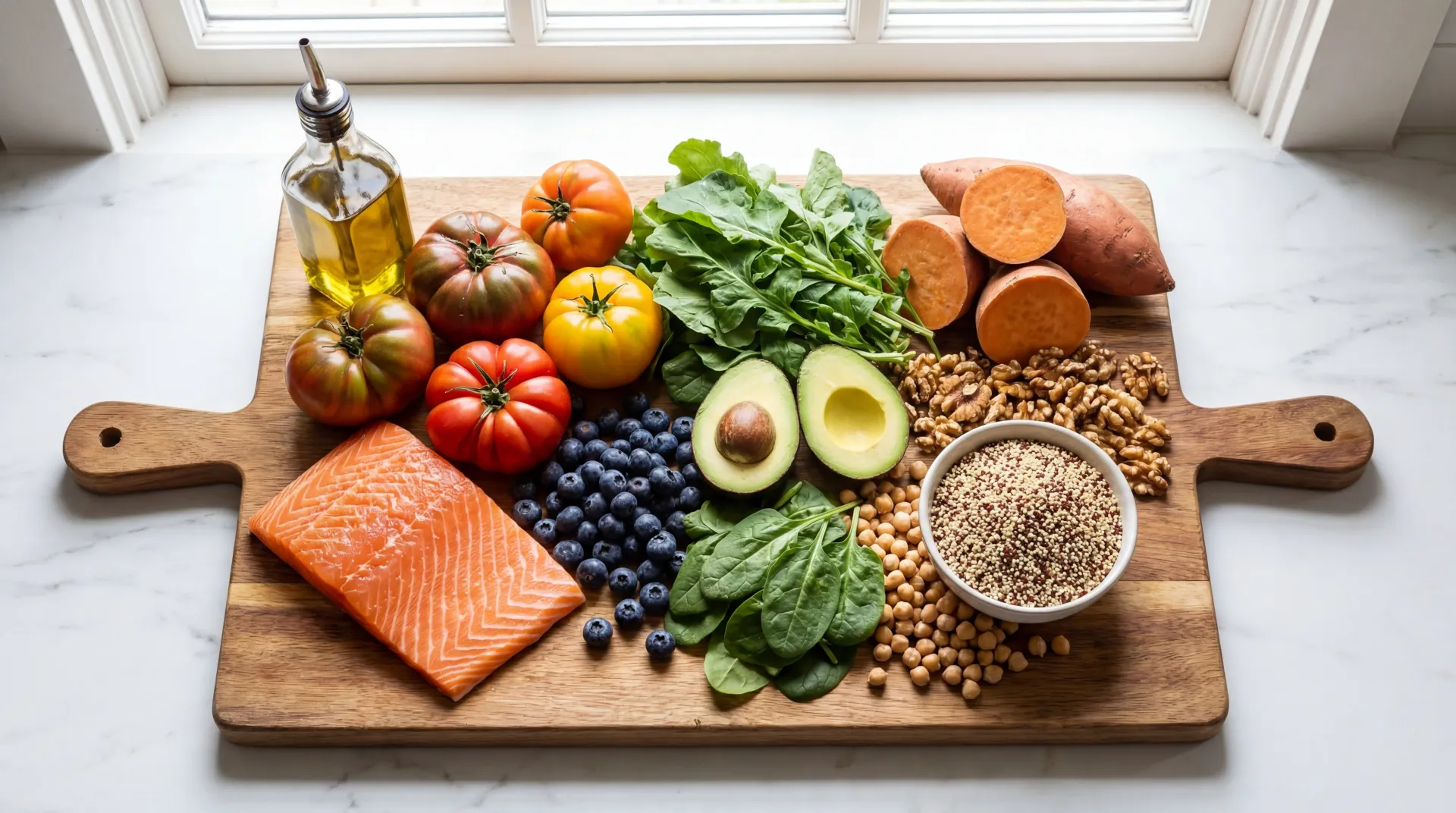
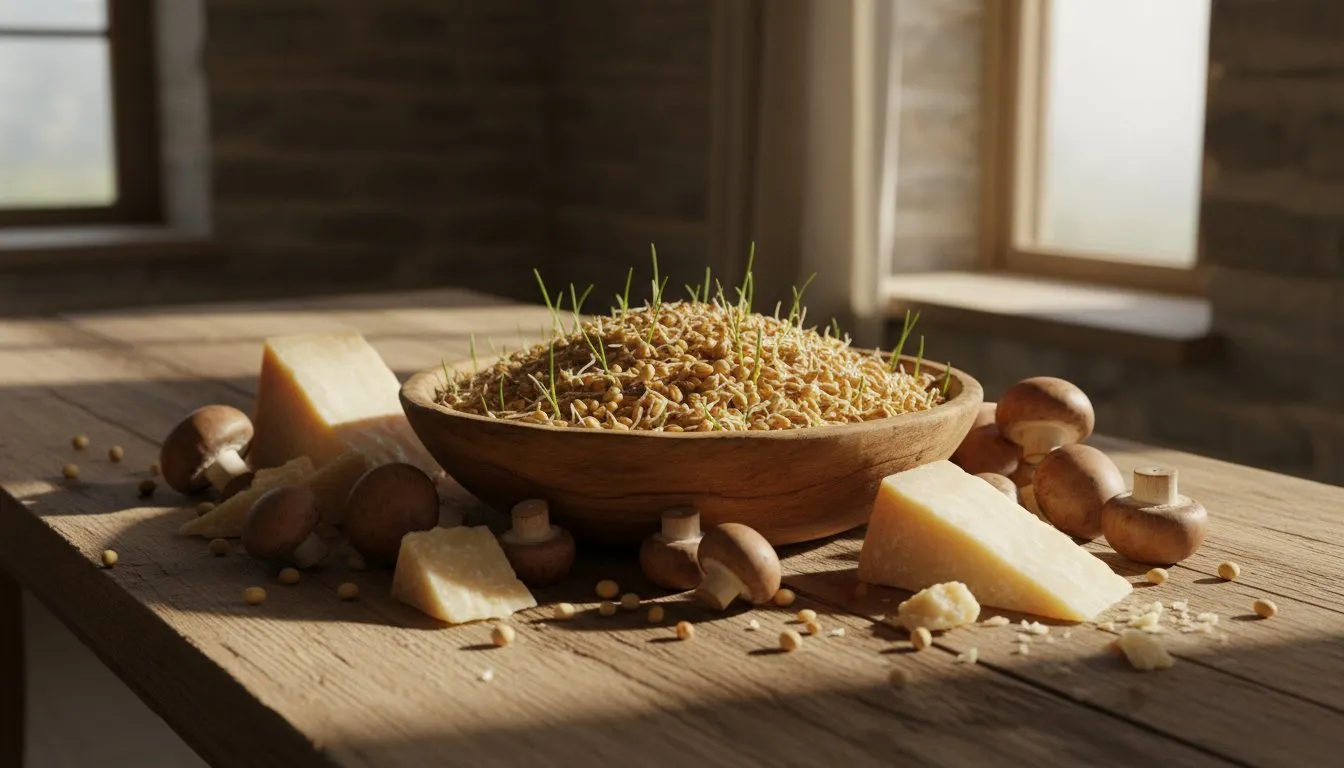
Wheat germ dominates the plant-source rankings. A comprehensive analysis of food polyamine content published in Frontiers in Nutrition found wheat germ contains 2,437 nmol/g of spermidine — nearly double the next-highest plant source, soybeans, at 1,425 nmol/g. This is why wheat germ extract became the delivery vehicle for most clinical supplementation studies.
| Food Source | Spermidine (nmol/g) | Category |
|---|---|---|
| Wheat germ | 2,437 | Grain |
| Soybeans | 1,425 | Legume |
| Aged/mature cheese | 262 (blue cheese) | Dairy (fermented) |
| Mushrooms (dried) | High (varies by species) | Fungi |
| Green peas | Significant | Vegetable |
| Broccoli | Significant | Vegetable |
| Cauliflower | Significant | Vegetable |
| Hazelnuts | Significant | Nut |
| Natto (fermented soy) | High (fermentation-derived) | Fermented food |
| Chicken liver | Moderate (spermine higher) | Organ meat |
Estimated daily polyamine intake varies considerably across populations: roughly 42 mg/day in Europe, 29 mg/day in the United States, and 26 mg/day in Japan, according to dietary survey data. Mediterranean-area populations tend toward the higher end, likely because their diets emphasize vegetables, legumes, and fermented foods — all rich polyamine sources.
One detail that matters for practical food preparation: cooking method affects polyamine retention. Boiling can leach water-soluble polyamines into cooking water (a loss you can avoid by using the cooking liquid in soups or sauces). High-temperature methods like roasting and frying can destroy up to 60% of spermidine content in some foods. Steaming and gentler cooking methods preserve more.
Beyond Longevity: What Spermidine Does for Your Heart, Brain, and Immune System
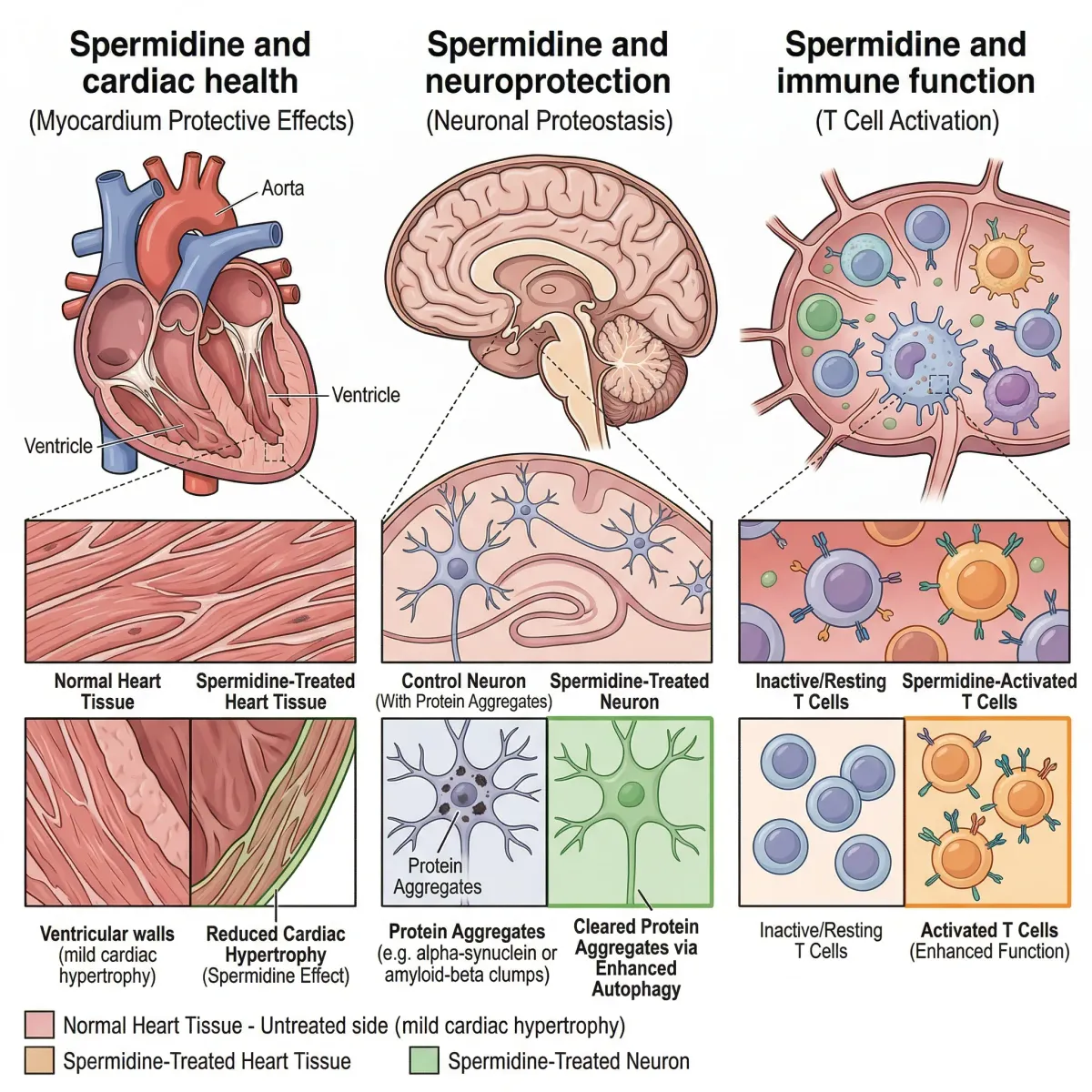
Longevity is the headline, but spermidine's organ-specific effects are where the biology gets detailed.
Cardiovascular protection: The 2016 study published in Nature Medicine by Eisenberg and colleagues remains the most comprehensive demonstration. Mice receiving lifelong spermidine supplementation showed reduced left ventricular hypertrophy, improved diastolic function, decreased ventricular stiffness, and increased titin2B phosphorylation — all independent of changes in blood pressure, lipid profiles, or body composition. When the same team tested spermidine in salt-sensitive rats on high-salt diets, treated animals showed delayed hypertension onset and reduced cardiac hypertrophy. These cardiac benefits tracked entirely with autophagy activation — when autophagy was genetically blocked, the protection vanished.
Neuroprotection: Spermidine supplementation inhibited age-dependent memory impairment in fruit flies by restoring brain polyamine levels and activating autophagy in Kenyon cells, the neurons critical for olfactory memory formation. In mouse models of Alzheimer's disease, spermidine attenuated cognitive decline through autophagy-dependent clearance of protein aggregates. The mechanism connects to a broader pattern: spermidine maintains dopaminergic neuron function in Parkinson's disease models via PINK1-dependent mitophagy (the selective autophagy of damaged mitochondria). A Phase II clinical trial demonstrated that 1.2 mg/day of spermidine from wheat germ extract was safe in older adults with subjective cognitive decline — a population at elevated risk for dementia.
Immune function: Spermidine improves CD8+ T cell responses to viral infections including influenza and cytomegalovirus, an effect that is particularly relevant given the immune decline (immunosenescence) that accompanies aging. It also attenuates inflammatory bowel disease pathology through AMPK-dependent autophagy activation and promotes regulatory T cell differentiation.
What connects these diverse effects is a shared mechanism: autophagy. The heart benefits come from autophagic clearance of damaged cardiac proteins and mitochondria. The brain benefits come from autophagic degradation of toxic protein aggregates. The immune benefits come from autophagy-mediated maintenance of immune cell populations. Spermidine is not a targeted drug — it is a broad cellular maintenance signal, functions as what researchers have termed a caloric restriction mimetic, producing overlapping biochemical changes with caloric restriction without requiring you to eat less.
Myth vs. Fact: Common Misconceptions About Spermidine
| Myth | Fact |
|---|---|
| Spermidine promotes cancer because polyamines fuel cell growth | A study of 87,602 postmenopausal women found no positive association between dietary polyamine intake and colorectal cancer risk. In mouse models, spermidine actually postponed cancer manifestation and reduced hepatocellular carcinoma foci. The distinction: cancer cells have dysregulated polyamine synthesis internally, but dietary polyamine intake does not induce carcinogenesis in healthy individuals. |
| You need supplements because food sources are insufficient | The epidemiological data linking spermidine to reduced mortality comes entirely from dietary intake — not supplementation. People in the highest consumption tertile achieved their levels through food. Wheat germ, soybeans, mushrooms, and aged cheese are concentrated sources that can meaningfully shift your intake without capsules. |
| Spermidine supplements raise blood spermidine levels directly | Pharmacokinetic research shows that oral spermidine is rapidly absorbed in the small intestine and converted to spermine before reaching systemic circulation. At 15 mg/day, plasma spermine increased significantly but spermidine itself did not change measurably. Spermidine likely functions as a prodrug, exerting its effects through local tissue uptake and metabolic conversion. |
| Higher doses are always better | The safety trial by Schwarz et al. used just 1.2 mg/day — roughly a 10-20% increase over typical Western dietary intake — and achieved 98% compliance with no adverse effects. The dose-response relationship in humans is not yet established, and the pharmacokinetic data suggests doses under 15 mg/day may not even produce measurable blood-level changes. More is not necessarily better when the mechanism involves local tissue effects. |
| Spermidine only benefits elderly people | While the age-related decline in endogenous production makes supplementation most relevant for older adults, spermidine plays critical roles in cellular function at every age — including protein synthesis via eIF5A activation, DNA stabilization, and anti-inflammatory signaling. The compound also supports gastrointestinal maturation and immune development in early life. |
Practical Strategies to Increase Your Intake
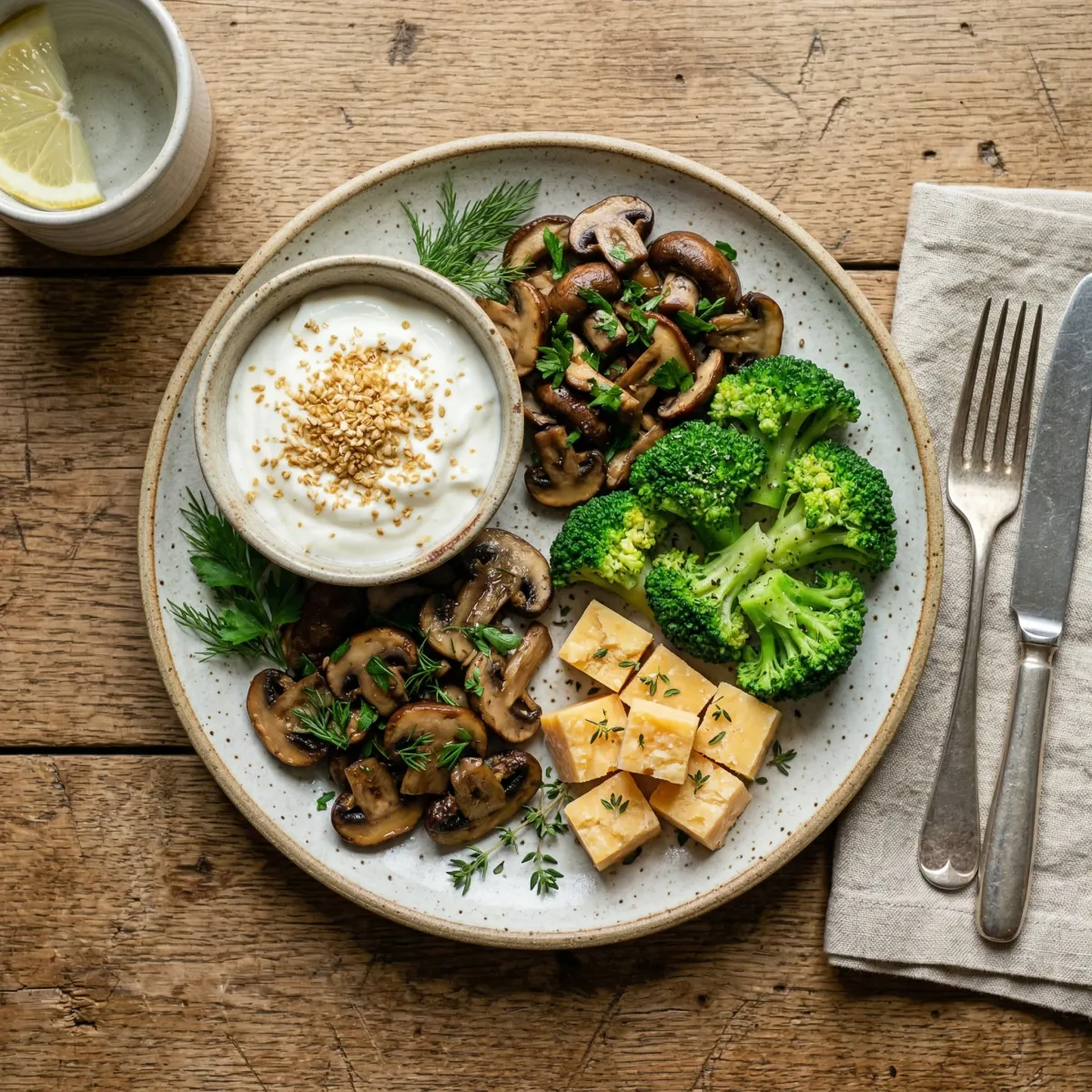
The most straightforward approach is dietary. Given that the strongest mortality-reduction data comes from food intake rather than supplementation, building spermidine-rich foods into regular meals is the approach best supported by current evidence.
Start with wheat germ. Two tablespoons of wheat germ added to yogurt, oatmeal, or smoothies provides a concentrated spermidine dose with minimal dietary disruption. Wheat germ is also a good source of vitamin E, folate, and zinc, so the nutritional return extends beyond polyamines.
Emphasize fermented foods. Natto (fermented soybeans), aged cheeses, and other fermented products contain polyamines generated by the fermenting microorganisms themselves. This gives you both direct dietary spermidine and the probiotic organisms that may support intestinal polyamine production.
Eat your cruciferous vegetables. Broccoli, cauliflower, and related vegetables are meaningful spermidine sources and offer the additional autophagy-supporting benefit of sulforaphane. If you are already eating these for their nitric oxide boosting or anti-inflammatory effects, the polyamine content is an added benefit.
Consider your gut microbiome. Your intestinal bacteria represent a second manufacturing facility for polyamines. Research on Bifidobacterium animalis subspecies lactis LKM512 showed that probiotic administration increased intestinal polyamine levels and extended lifespan in mice, with effects amplified by co-administration of arginine (a polyamine precursor). Supporting a healthy, diverse microbiome through fiber-rich diets and fermented foods may boost endogenous spermidine production.
Pair with fasting-mimicking strategies. Since spermidine functions as a caloric restriction mimetic, combining spermidine-rich foods with intermittent fasting may produce synergistic autophagy activation. Both interventions converge on overlapping cellular pathways — spermidine via EP300 inhibition, fasting via AMPK and mTOR signaling.
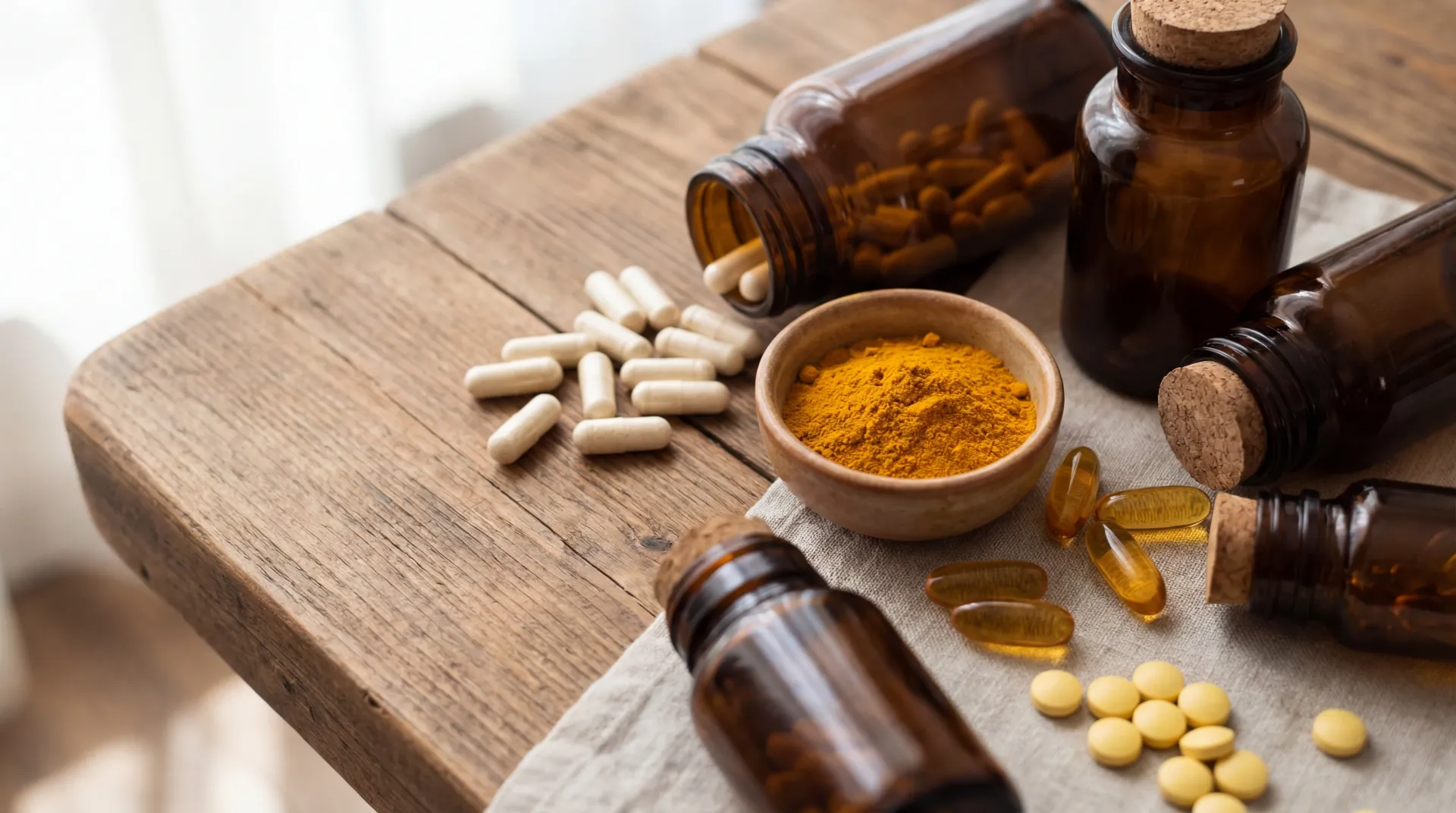
Supplement cautiously if at all. Spermidine supplements, typically derived from wheat germ extract, have shown safety at 1.2 mg/day over three months and at 6 mg/day over three months in clinical settings. However, no long-term human supplementation data exists, and no regulatory body has established recommended intake levels. If you choose to supplement, wheat germ-derived extracts with standardized spermidine content have the most clinical evidence behind them.
It is also worth noting that other longevity-promoting compounds like NAD+ precursors and glycine operate through complementary pathways. Building a dietary pattern that includes multiple autophagy-supporting and anti-aging compounds instead of fixating on any single molecule, likely provides broader cellular protection.
Frequently Asked Questions
How much spermidine should you consume daily for health benefits?
No official daily recommendation exists. The epidemiological data showing mortality reduction came from dietary intake in the range of typical Western diets (roughly 7-12 mg/day for people in the highest consumption group). The Phase II clinical trial used 1.2 mg/day from wheat germ extract and found it safe and well-tolerated. Focus on incorporating wheat germ, soybeans, mushrooms, and fermented foods into your diet rather than chasing a specific milligram target.
Can spermidine supplements cause cancer?
Current evidence says no. While cancer cells do contain elevated polyamine levels due to dysregulated internal synthesis, dietary polyamine intake has not been linked to cancer risk. An epidemiological study of over 87,000 postmenopausal women found no association between dietary polyamine consumption and colorectal cancer incidence. Mouse studies actually showed that spermidine reduced hepatocellular carcinoma formation and postponed cancer manifestation.
Is spermidine safe for people taking medications?
The Phase II safety trial excluded participants on anticoagulation therapy, and drug interaction studies are limited. Spermidine shares a pharmacological target (EP300) with aspirin's active metabolite salicylic acid, so theoretical interactions with aspirin or other EP300-modulating compounds exist. Consult your physician before starting spermidine supplementation if you take prescription medications.
Does cooking destroy the spermidine in food?
Partially, depending on the method. Boiling can leach polyamines into cooking water — using that liquid (in soups or sauces) recaptures the loss. High-temperature cooking like roasting or frying can degrade up to 60% of spermidine in some foods. Steaming preserves the most polyamine content. Raw consumption (such as adding wheat germ to smoothies or yogurt) avoids cooking losses entirely.
How does spermidine compare to NAD+ supplements for anti-aging?
They target different but complementary mechanisms. Spermidine primarily activates autophagy through EP300 inhibition, promoting cellular cleanup. NAD+ precursors like NMN support sirtuin activity and mitochondrial function. Neither is a substitute for the other. The growing consensus in longevity research is that multiple interventions targeting different hallmarks of aging will likely prove more effective than any single compound.
Related Articles
- Rapamycin: The Longevity Drug That Could Reshape How We Age — An evidence-based look at another autophagy-activating compound being studied for lifespan extension.
- NAD+ and NMN Supplements: Cellular Repair and Anti-Aging Science — How nicotinamide mononucleotide targets a different hallmark of aging through mitochondrial support.
- Glycine for Sleep, Collagen, and Longevity — Another amino acid with longevity connections operating through distinct cellular pathways.
- Intermittent Fasting Schedules: 16:8 vs 20:4 vs OMAD — How fasting triggers autophagy through nutrient deprivation signaling.
- Creatine Beyond Muscle: Brain, Bone, and Longevity Benefits — Another naturally occurring compound with emerging longevity applications.
Medical Disclaimer
This article is for informational and educational purposes only and is not medical advice, diagnosis, or treatment. Always consult a licensed physician or qualified healthcare professional regarding any medical concerns. Never ignore professional medical advice or delay seeking care because of something you read on this site. If you think you have a medical emergency, call 911 immediately.