A 47-year-old tech millionaire walks into a lab every morning at 4:30 AM
Bryan Johnson made his fortune the conventional Silicon Valley way. He built Braintree, an online payments company, and sold it to PayPal for $800 million in 2013. Then he did something unconventional with the money: he decided to wage war on his own aging body.
In October 2021, at age 44, Johnson launched Project Blueprint. The premise is straightforward. What if you handed control of every health decision to an algorithm fed by continuous biometric data? What if you removed human impulse from eating, sleeping, and exercising, and replaced it with a protocol optimized by a medical team?
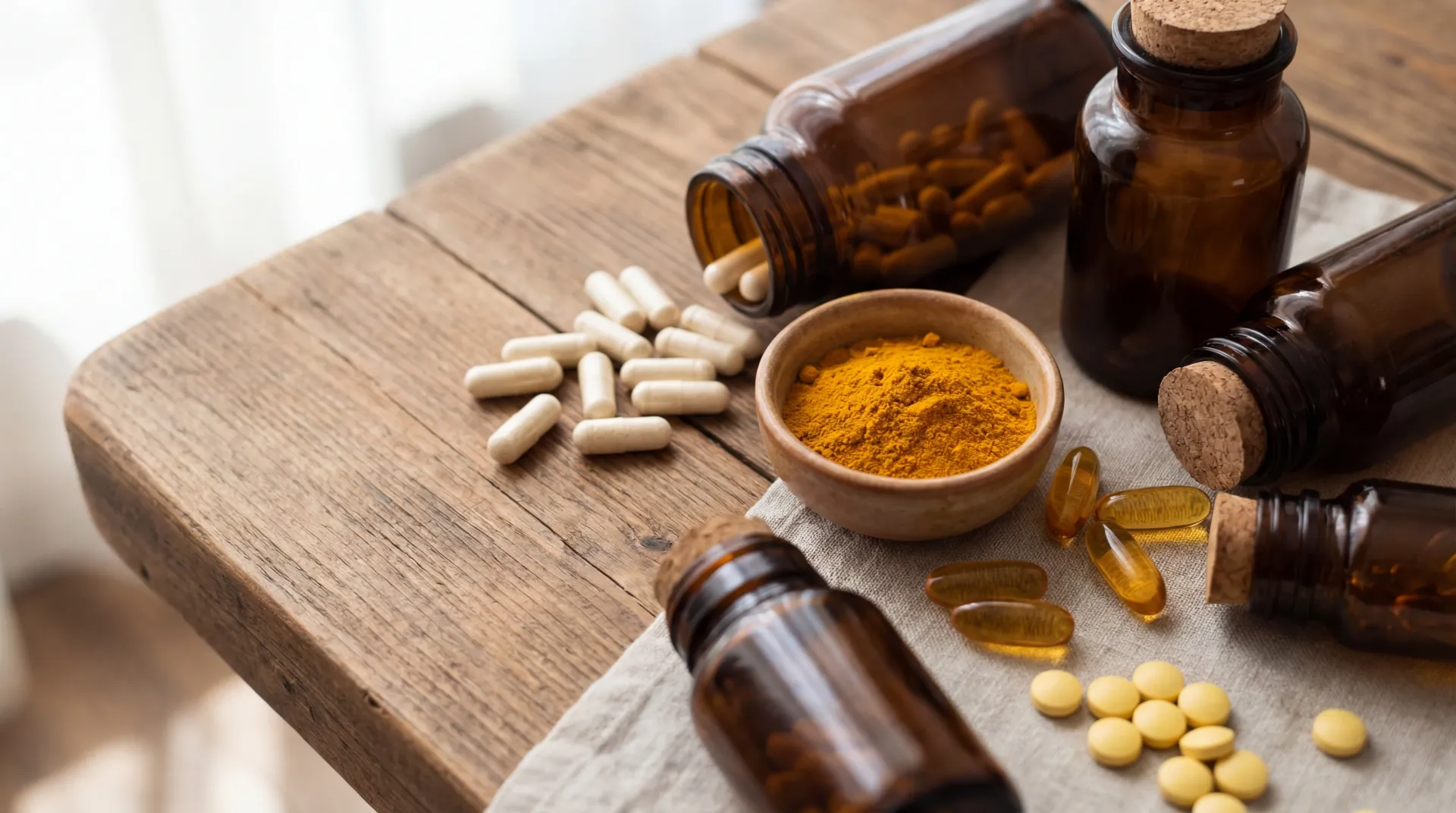
The price tag for this experiment: more than $2 million per year. Johnson employs a team of roughly 30 doctors and runs a home laboratory that tracks every measurable aspect of his biology. He takes 91 supplements before noon. He eats his last meal by midday. He is in bed by 8:30 PM and claims to fall asleep within three minutes.
The results, at least as Johnson reports them, are striking. After two years on the protocol, he claimed to have reversed his biological age by 5.1 years, with an aging speed of 0.69, meaning his body ages roughly eight months for every calendar year. His own website lists biomarkers including muscle mass in the 98th percentile, bone mineral density in the 99th percentile, and blood pressure lower than 90% of 18-year-olds. More recently, he reported an epigenetic pace of aging of 0.48.
Those numbers are self-reported, and that distinction matters. Blueprint is, in the language of clinical research, an N-of-1 experiment. Dr. Matt Kaeberlein, a professor of pathology at the University of Washington, put it plainly in an NPR interview: "I think there's value in these individual N-of-1 experiments where people are testing different things on themselves, but it's never going to be accepted by the broader medical community." The American Council on Science and Health was blunter, calling the protocol "anecdotal evidence or, at best, a case study" representing the lowest tier of scientific evidence.
Blueprint also functions as a consumer brand. Johnson sells supplement kits on his website for $185, along with skincare products, protein powders, and olive oil. Whether you see that as mission-aligned or a conflict of interest depends on your appetite for tech-founder marketing.
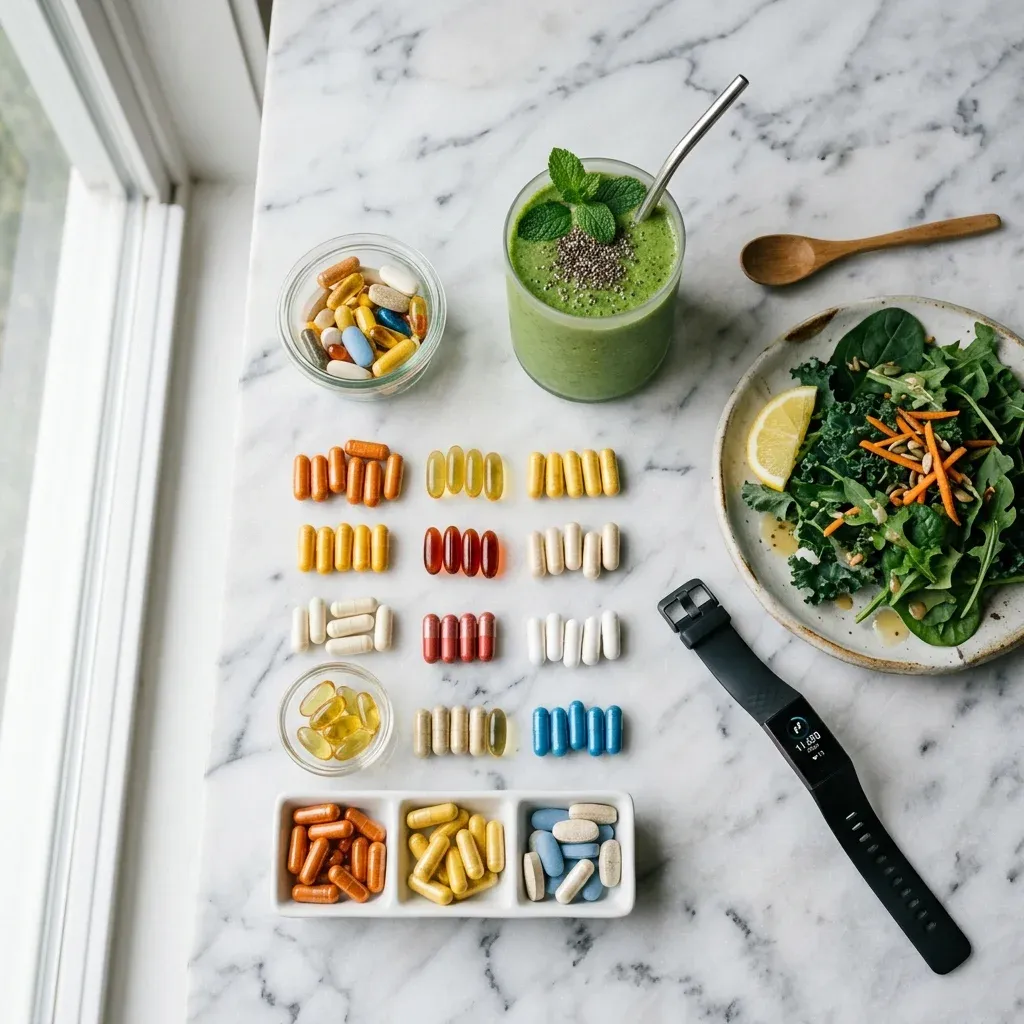
91 pills before noon and lights out by 8:30
Johnson's daily routine reads like a military operations manual crossed with a spa menu. He wakes at approximately 5 AM (no alarm, to avoid cortisol spikes) and immediately exposes himself to a 10,000-lux light therapy lamp that mimics sunrise. He checks his body composition, does a short breathing exercise, applies a peptide hair serum, and puts on a red light therapy cap.
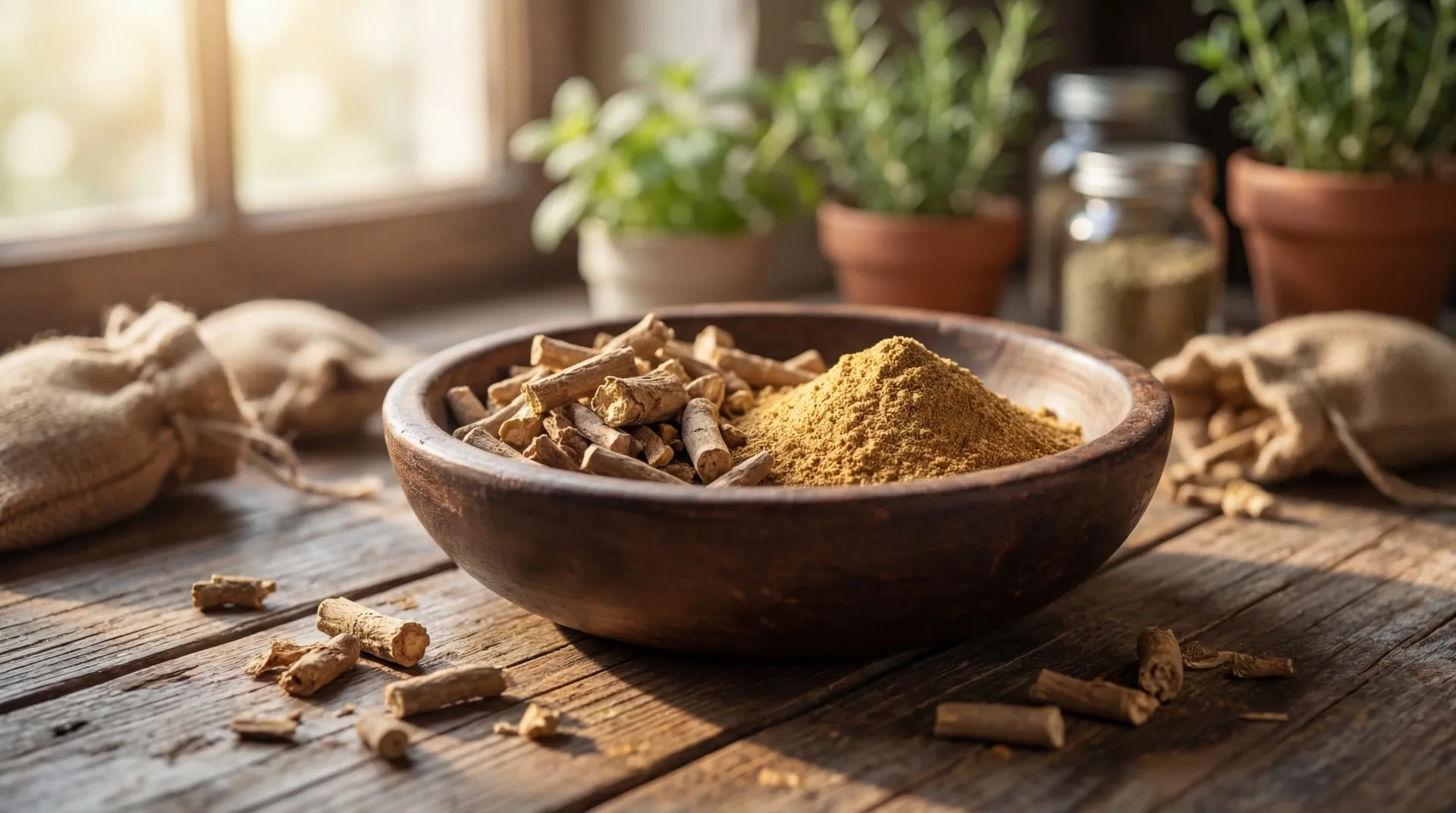
Then comes breakfast. His morning drink mixes Blueprint Longevity Mix, creatine, and prebiotic fibers. His first solid meal is a protein pudding with blueberries, collagen peptides, and a tablespoon of extra virgin olive oil. The first wave of pills goes down with this meal: Blueprint Essential Capsules, antioxidants, ashwagandha, omega-3s, NR or NMN, and iron.
By 6 AM he is exercising. His protocol calls for six hours of exercise per week, split between three strength sessions and three cardio sessions, targeting 150 minutes of Zone 2 (conversational pace) cardio and 75 minutes of vigorous HIIT. After the workout, a 20-minute dry sauna session at 200 degrees Fahrenheit, followed by red and near-infrared light therapy.
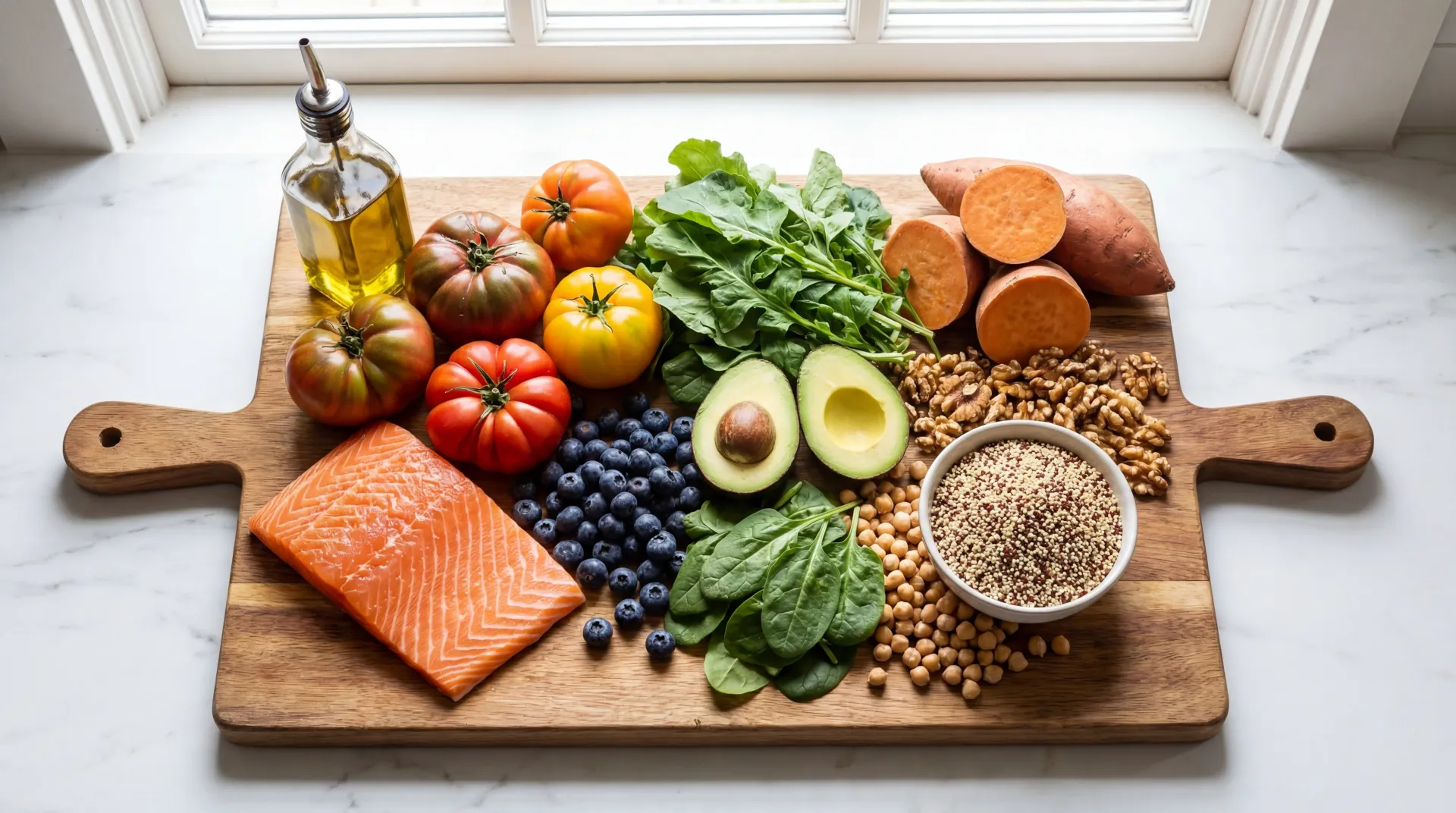
His second and third meals arrive between 9 AM and noon. The centerpiece is what he calls Super Veggie: black lentils, an entire head of broccoli, cauliflower, mushrooms, garlic, ginger, and a tablespoon of olive oil. His final meal adds sweet potatoes, chickpeas, avocado, and fermented foods. Everything is weighed. Nothing is improvised.
The macros add up to 2,250 calories daily, which Johnson describes as a 10% caloric restriction from the recommended daily allowance. Protein sits at 130 grams (about 25% of total calories), carbohydrates at 206 grams, and fat at 101 grams. He follows a plant-based diet, with collagen peptides as the sole animal-derived exception.
Johnson's Rx stack includes Metformin (cycled six weeks on and off), Acarbose 200mg for blood sugar control, Tadalafil 2.5mg daily, Jardiance 10mg, Repatha 140mg every other week for cholesterol, and thyroid medications he has taken since being diagnosed with hypothyroidism at age 21.
Sleep is where Johnson is most dogmatic. He stops eating by noon, giving his body a full eight-plus hours before bed. He stops drinking fluids at 4 PM to avoid nighttime bathroom trips. No screens after 7:30 PM. Amber lighting throughout the evening. He targets a resting heart rate of around 39 beats per minute before bed, which he considers the single most effective health metric. A resting heart rate of 56 before bed, he reports, degrades his sleep quality by 30-40%.
The irony Johnson himself acknowledges: most of what moves the needle is ordinary. "The majority of the things I do to achieve these health markers are the basics we already know," he told NPR in February 2025. "Sleep and diet and exercise. I'm just consistent in those routines."
The expensive experiments, and the ones that failed
Beyond the daily protocol, Johnson has tested a series of medical interventions that sit firmly in experimental territory. Some produced results he found encouraging. Others he abandoned.
The most publicized failure was the young blood plasma exchange. Johnson, his 17-year-old son Talmage, and his father participated in intergenerational plasma transfusions. The concept drew from preclinical parabiosis research showing that young mouse blood can reverse cognitive decline in older mice. After six exchanges, Johnson saw no measurable benefits and abandoned the intervention. He also admitted uncertainty about whether any observed changes in his father were from receiving young plasma or simply from having old plasma removed.
Growth hormone was another dead end. Johnson ran a 100-day trial aiming to regenerate his thymus gland, based on the TRIIM study that had shown thymus regeneration and a 2.5-year biological age reduction in ten men aged 51-65. Johnson stopped after experiencing increased intracranial pressure, headaches, and elevated blood glucose.
The most significant recent departure from the protocol was rapamycin. Johnson quit the drug on September 28, 2024, ending nearly five years of experimentation. He had tested multiple dosing schedules, including weekly doses of 5, 6, and 10 mg, biweekly 13 mg, and alternating 6/13 mg protocols.
His reasons were specific. The side effects persisted regardless of dose adjustments: intermittent skin and soft tissue infections, lipid abnormalities, glucose elevations, and an increased resting heart rate. That last one is particularly telling for someone who treats pre-bed heart rate as the cornerstone of his health system.
A month after Johnson quit, an October 2024 preprint added a scientific wrinkle. The study tested supposed longevity interventions across 16 epigenetic aging clocks simultaneously, rather than the one or two clocks used in most prior studies. Rapamycin was among the interventions that appeared to accelerate, not slow, biological aging. Johnson noted this represented a new kind of evaluation that exposed potential cherry-picking in earlier clock-specific studies.
The rapamycin story is complicated, though. Dr. Mikhail Blagosklonny, writing in a 2019 PMC opinion article, argued that rapamycin's metabolic side effects resemble a benign condition called "starvation pseudo-diabetes," which is reversible and does not cause diabetic complications. In healthy elderly humans, chronic low-dose rapamycin did not cause hyperglycemia in placebo-controlled studies. And 14 separate studies confirm rapamycin extends lifespan in mice, with the NIA Interventions Testing Program showing extensions of up to 48% in females and 52% in males.
What remains in the active protocol: hyperbaric oxygen therapy (HBOT), which Johnson reports eliminated all systemic inflammation after 60 sessions and extended his telomeres by 2.6%. Daily sauna at 200 degrees Fahrenheit for 20 minutes. A Follistatin gene therapy he received in October 2023. And 300 million mesenchymal stem cells injected into his knees, hips, and shoulders in March 2024. These are all self-reported outcomes with no independent verification.
Separating the proven from the experimental
Peel back the Netflix documentary and the supplement store. What does peer-reviewed science actually support?
Exercise, the foundation of Blueprint, has the deepest evidence base. A 2024 review in Frontiers in Aging found that regular physical activity reduces all-cause mortality by 26 to 31% and cardiovascular disease by 28 to 38%. The same review identified VO2 max as one of the strongest predictors of longevity. Johnson's six-hours-per-week exercise target, mixing Zone 2 cardio with strength training and HIIT, aligns with what the evidence supports.
Caloric restriction also has a real evidence base, though a more nuanced one than Johnson's messaging suggests. The CALERIE trials, the most rigorous human CR studies ever conducted, prescribed 25% caloric restriction in over 220 healthy, nonobese participants for two years. Participants actually achieved about 15% restriction in the first year and 9% in the second. Even at those lower levels, the researchers observed a 6% metabolic adaptation, suggesting a genuine slowing of primary aging. A comprehensive review of the evidence suggests CR could extend human lifespan by 1 to 5 years, depending on when you start.
Real-world evidence backs this up. The Okinawans, who organically practiced roughly 15% caloric restriction with nutrient-dense diets, had a mean lifespan of 83.8 years versus 82.3 for mainland Japanese, along with higher rates of centenarians and lower mortality from cardiovascular disease, cancer, and dementia. Members of the CR Society International, who voluntarily maintain about 30% restriction, showed 40% lower carotid intima media thickness and heart rate variability comparable to people 20 years younger.
Sleep optimization is similarly well-supported, though not at the intensity Johnson practices. His own protocol page cites research showing that 18 hours of continuous wakefulness impairs function equivalently to a blood alcohol content of 0.05%, and that a single night of four hours of sleep reduces natural killer cell activity by 70%.
| Intervention | Evidence level | What science shows |
|---|---|---|
| Exercise (150+ min/week) | Strong (multiple RCTs, meta-analyses) | 26-31% reduction in all-cause mortality |
| Caloric restriction (10-25%) | Moderate (CALERIE trials, observational) | Metabolic adaptation, potentially 1-5 year lifespan extension |
| Sleep optimization | Strong (extensive research base) | Foundation for immune function, cognition, metabolic health |
| Metformin for longevity | Moderate (TAME trial ongoing) | Promising observational data, no completed longevity RCT |
| Rapamycin for humans | Weak (mouse data strong, human data minimal) | 14 mouse studies positive, human longevity trials absent |
| HBOT for aging | Weak (small studies, mostly self-reported) | Some telomere data, no large aging-specific RCTs |
| Young blood plasma | Very weak (preclinical only) | Mouse data promising, Johnson found no human benefit |
| Gene therapy for aging | Experimental (no human aging trials) | Follistatin gene therapy in mice only |
Where things get shaky is the supplement stack and experimental interventions. Johnson's 91 daily pills contain ingredients ranging from well-supported (creatine, vitamin D, omega-3s) to weakly evidenced (glucosamine for longevity, NMN at current dosing) to outright experimental. The longevity pyramid framework published in Frontiers in Aging places lifestyle interventions at the base, supplements in the middle, and experimental therapies at the top, for good reason. The evidence weakens as you climb.
And the overarching problem remains: with this many simultaneous interventions, there is no way to determine which specific ones produced the results. Johnson is running a biological experiment with dozens of uncontrolled variables. When he reports impressive biomarkers, the honest answer is: we do not know why.

What you can actually do without $2 million
Johnson himself has said it: the basics drive most of the results. The Longevity Practice, a European clinic, published a detailed breakdown translating Blueprint's principles into affordable actions. The gap between what costs $2 million and what costs almost nothing is smaller than you might expect.
Sleep is the highest-leverage free intervention. You do not need a temperature-controlled mattress. The core principles from cognitive behavioral therapy for insomnia (CBT-I) work: consistent bed and wake times, bedroom temperature around 64-68 degrees Fahrenheit, darkness (a $10 sleep mask works), screens off an hour before bed. Johnson's own finding that eating four-plus hours before bed dramatically lowers resting heart rate and improves sleep quality is free to implement.
Exercise following Blueprint's structure costs nothing. Walk, run, do bodyweight exercises. The target is 150 minutes of moderate cardio plus 75 minutes of vigorous activity weekly, with two to three strength sessions. VO2 max is one of the strongest longevity predictors, and you build it with consistent cardio, not expensive equipment. Strength training preserves muscle mass and bone density as you age, which prevents sarcopenia and osteopenia.
Nutrition does not require Johnson's precision. Eat mostly plants. Get adequate protein (the research suggests 1.6-2.0 grams per kilogram of body weight for aging adults). Use extra virgin olive oil. Eat legumes, cruciferous vegetables, berries, and nuts. Limit processed food and sugar. A 10-12 hour eating window gives your digestive system a break without requiring Johnson's extreme noon cutoff.
Stop doing things that accelerate aging. This is the highest-return, zero-cost intervention. Smoking is the most significant preventable cause of aging. Alcohol disrupts sleep architecture, particularly REM sleep, and increases resting heart rate. Processed sugar promotes glycation, where sugar molecules bond to proteins and accelerate tissue aging.
| Blueprint element | Johnson's cost | Affordable alternative | Cost |
|---|---|---|---|
| Sleep optimization | $5,000+ (smart mattress, sensors) | Consistent schedule, cool dark room, no screens before bed | $0-15 |
| Exercise protocol | $10,000+ (trainers, equipment, monitoring) | Walking, running, bodyweight exercises, free YouTube guides | $0 |
| Nutrition | Custom meals, nutritionist team | Plant-heavy whole foods, legumes, EVOO, time-restricted eating | Similar to normal grocery budget |
| Supplement stack | $1,000+/month (91 daily pills) | Creatine, vitamin D3+K2, omega-3, magnesium | ~$35/month |
| Health monitoring | $100,000+/year (full panel, MRIs, team) | Annual physical, basic bloodwork, wearable fitness tracker | $200-500/year |
| Social connection | Not explicitly in protocol | Maintain friendships, community involvement | $0 |
For supplements, a focused stack of four costs under $1.15 per day: creatine monohydrate (cellular energy, muscle preservation), vitamin D3 with K2 (immune function, bone health), omega-3 fatty acids (inflammation reduction), and magnesium (involved in over 300 enzymatic processes, supports sleep). That covers the evidence-supported basics without the other 87 pills.
One element Blueprint underemphasizes: social connection. Blue Zones research, studying populations with the highest concentrations of centenarians, consistently identifies strong social ties as a non-negotiable longevity factor. Chronic loneliness increases cortisol and systemic inflammation. No supplement replaces having people who care whether you are alive.
The $2 million question nobody can answer yet
Johnson is running an experiment on himself, and the field of longevity medicine is running a larger experiment on all of us. A 2023 review in the Annual Review of Biomedical Engineering divided anti-aging approaches into three categories: geroprotection (preventing damage over time), rejuvenation (restoring youthful characteristics), and regeneration (replacing tissues). Most of what we can confidently recommend falls into geroprotection. The more exciting work, cell reprogramming, senolytics, gene therapy, remains in animal models or very early human trials.
The biological age testing that Johnson relies on has its own limitations. A 2024 Frontiers in Aging review noted that no single test can precisely assess biological age, as results depend on which biomarkers are chosen, which standards are applied, and which statistical methods are used. The fact that one preprint showed rapamycin accelerating aging on 16 clocks while other studies showed slowing on one or two clocks illustrates how fragile these measurements remain.
What Johnson contributes, beyond the marketing and the spectacle, is a form of radical transparency with his own biology. He publishes his data, admits failures, and changes course when evidence warrants it. Quitting rapamycin after five years because the numbers did not support continuing, and doing so publicly, has more scientific integrity than most wellness influencers manage in a career.
The practical takeaway is less dramatic than a Netflix documentary might suggest. The most effective and affordable strategies for a long, healthy life remain stubbornly simple: consistent exercise, adequate sleep, a nutrient-dense diet, no smoking, moderate or no alcohol, and maintaining the relationships that give life its point. Those interventions have decades of large-scale evidence behind them. Everything else, from rapamycin to gene therapy to 91 pills before noon, is a bet on science that has not finished arriving.
Frequently Asked Questions
How much does the Bryan Johnson Blueprint protocol actually cost?
Johnson has reported spending over $2 million per year on his complete regimen, which includes a team of approximately 30 doctors, experimental therapies, advanced diagnostic testing, and his supplement and prescription drug stack. His consumer-facing supplement kit starts at $185. The core lifestyle principles of Blueprint, including sleep hygiene, exercise, and dietary patterns, can be replicated for little to no cost.
Why did Bryan Johnson stop taking rapamycin?
Johnson quit rapamycin on September 28, 2024, after nearly five years of testing various dosing protocols. He experienced persistent side effects including skin and soft tissue infections, lipid abnormalities, glucose elevations, and an increased resting heart rate. An October 2024 preprint also showed rapamycin may accelerate biological aging when measured across 16 epigenetic clocks simultaneously, rather than the one or two clocks used in earlier studies.
What parts of the Blueprint protocol have the strongest scientific evidence?
Exercise (reducing all-cause mortality by 26-31%), sleep optimization, and moderate caloric restriction with nutrient-dense food have the most robust evidence from randomized controlled trials and large observational studies. Metformin has promising observational data with a major trial (TAME) underway. Most of the supplement stack and experimental interventions like gene therapy and HBOT have limited or no human longevity-specific evidence.
Can you follow the Blueprint protocol on a normal budget?
The core principles are affordable. Consistent sleep schedules, 150+ minutes of weekly exercise with strength training, a plant-heavy whole-food diet, and avoiding smoking and excess alcohol cost little to nothing. A basic evidence-supported supplement stack of creatine, vitamin D3+K2, omega-3s, and magnesium costs roughly $35 per month. Annual bloodwork and a basic physical provide sufficient monitoring for most people.
Is the Blueprint protocol actually anti-aging or just healthy living?
The experimental components (gene therapy, stem cell injections, HBOT) represent genuine attempts to intervene in aging biology, but they lack the large-scale human evidence to confirm they work for that purpose. The lifestyle components, which Johnson himself says drive the majority of his results, are well-established healthy living practices repackaged with rigorous consistency and tracking. The distinction matters: healthy living has decades of evidence; anti-aging interventions are still being tested.
Medical Disclaimer
This article is for informational and educational purposes only and is not medical advice, diagnosis, or treatment. Always consult a licensed physician or qualified healthcare professional regarding any medical concerns. Never ignore professional medical advice or delay seeking care because of something you read on this site. If you think you have a medical emergency, call 911 immediately.