There is a molecule your body makes less of every year, and that declining supply may be quietly accelerating the way you age. It is not a hormone, not a vitamin in the traditional sense, and not something most doctors test for. It is spermidine, a naturally occurring polyamine found in nearly every cell of every living organism on Earth. And while scientists have studied it for decades in obscure biochemistry journals, spermidine has recently moved to the forefront of aging research because of one remarkable ability: it triggers autophagy, your body's built-in system for cleaning out damaged cellular debris.
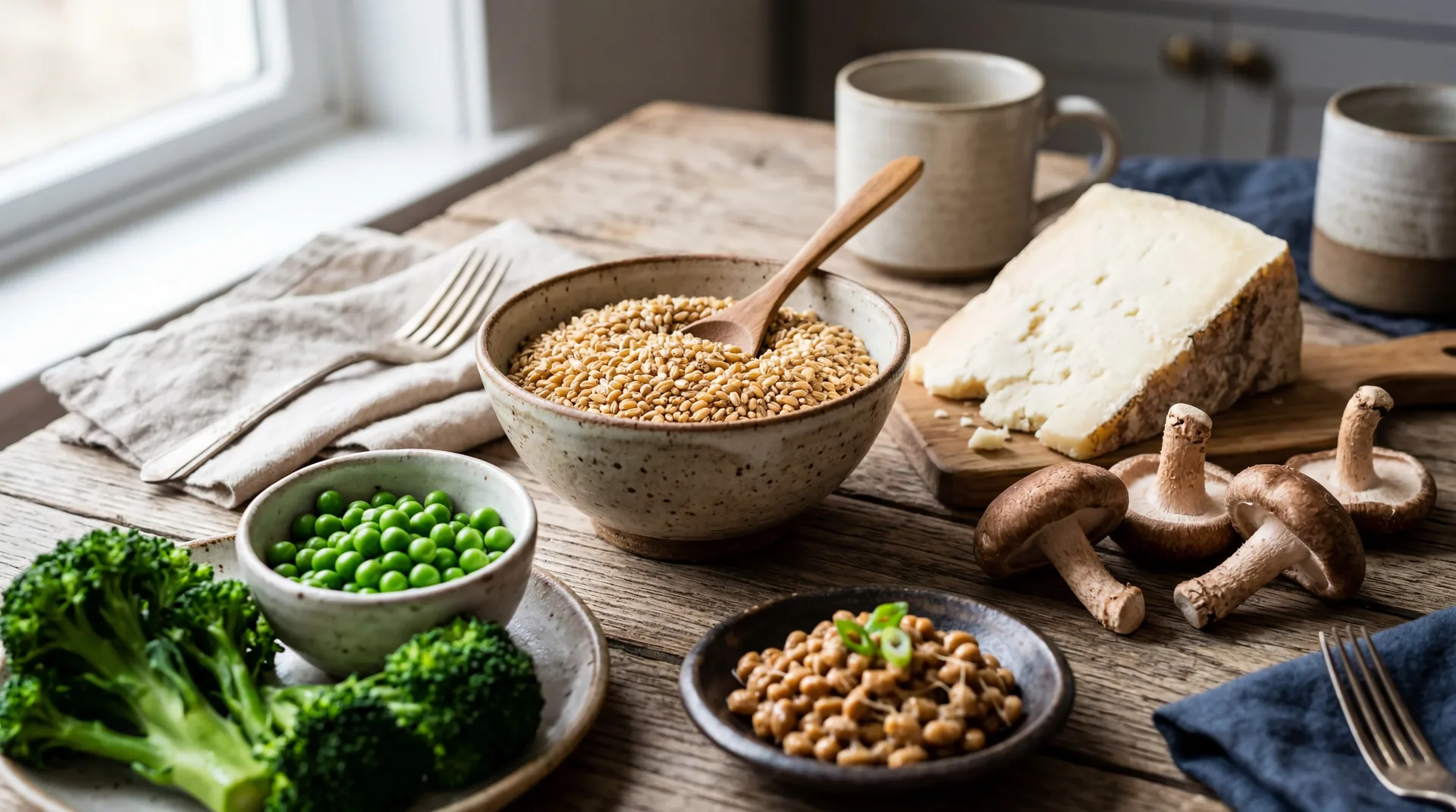
What makes spermidine particularly compelling is that you do not need a prescription to get more of it. It sits in foods many of us already eat, from aged cheddar and mushrooms to wheat germ and green peas. Yet most people have never heard of it. This guide walks through the science, separates the proven from the speculative, and shows you how to put this research into practice through everyday dietary choices.
What Is Spermidine and Why Is It Gaining Attention?
Spermidine is a polyamine, a type of organic compound with multiple amino groups that plays a structural and regulatory role inside cells. Your body produces it through amino acid metabolism, your gut bacteria synthesize it, and you absorb it from food. Of these three sources, dietary intake may be the most actionable, especially as the other two decline with age.
The name comes from its original isolation from semen in 1678 by the Dutch scientist Antonie van Leeuwenhoek, though it was not chemically characterized until much later. Despite the unfortunate naming convention, spermidine is present in all living tissues and has nothing specifically to do with reproductive biology. It stabilizes DNA and RNA, regulates cell growth and differentiation, modulates ion channels, and maintains membrane integrity.
Quick fact: Researchers studying centenarians found that people who live past 90 maintain blood spermidine levels similar to those of middle-aged adults, while most elderly individuals show steep declines. This pattern has led some scientists to describe spermidine as a compound that "evolves to the status of a vitamin" as we get older.
The reason spermidine has captured the scientific spotlight comes down to a 2009 landmark study published in Nature Cell Biology. Researchers showed that adding spermidine to the diet of yeast, worms, and fruit flies extended their lifespans, and that this effect depended entirely on autophagy. When the autophagy machinery was genetically disabled, the longevity benefit disappeared. That finding opened a floodgate of research that now spans multiple species, human epidemiological data, and early clinical trials.
Your Body's Recycling System: How Spermidine Activates Autophagy
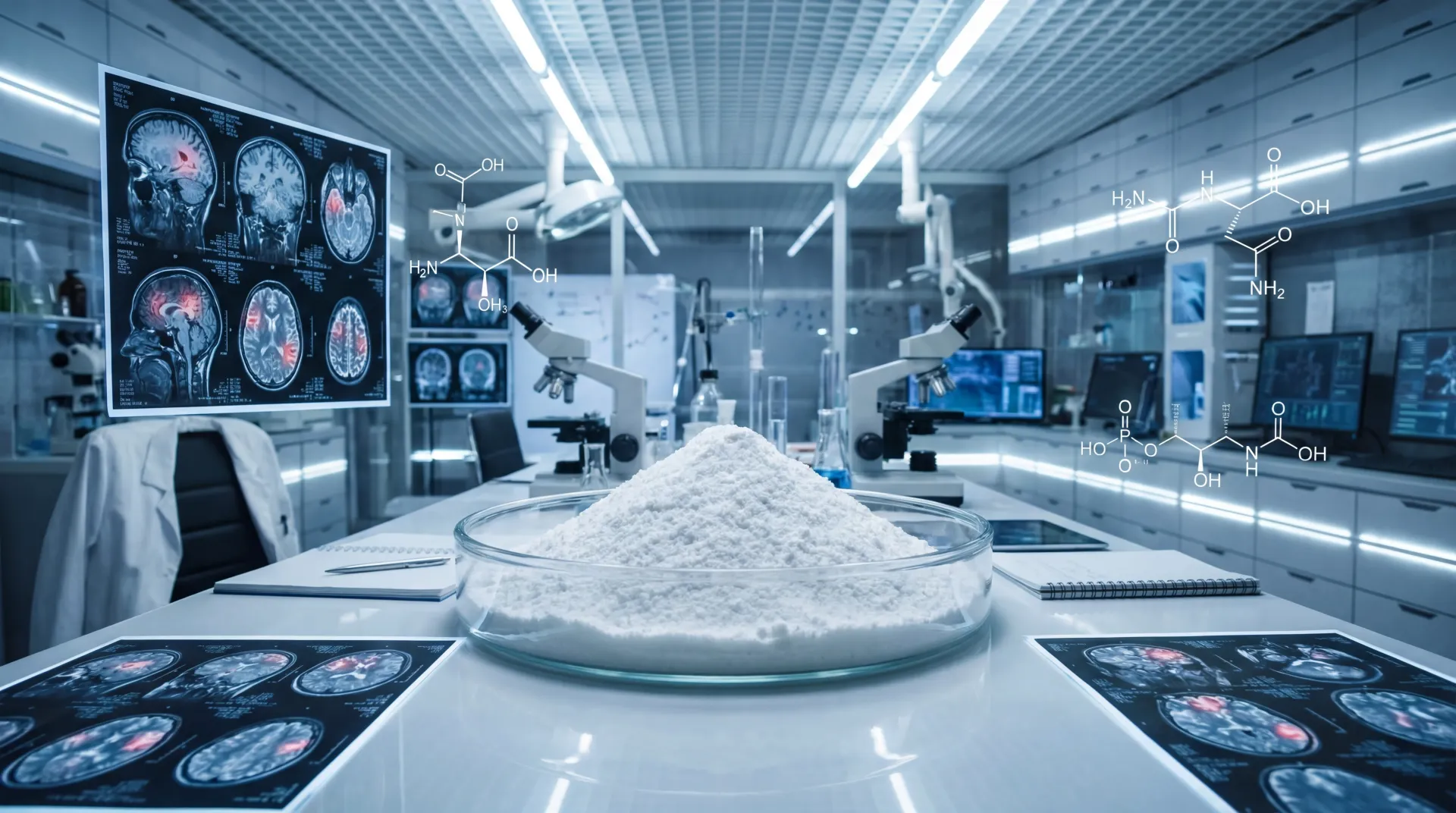
Autophagy, from the Greek words for "self-eating," is the process by which cells identify and break down their own damaged components. Think of it as a quality control department that runs continuously inside every cell, tagging broken proteins, worn-out mitochondria, and accumulated waste for dismantling and recycling. When autophagy works well, cells stay lean and functional. When it falters, debris accumulates and contributes to the chronic inflammation, oxidative stress, and tissue dysfunction that define aging.
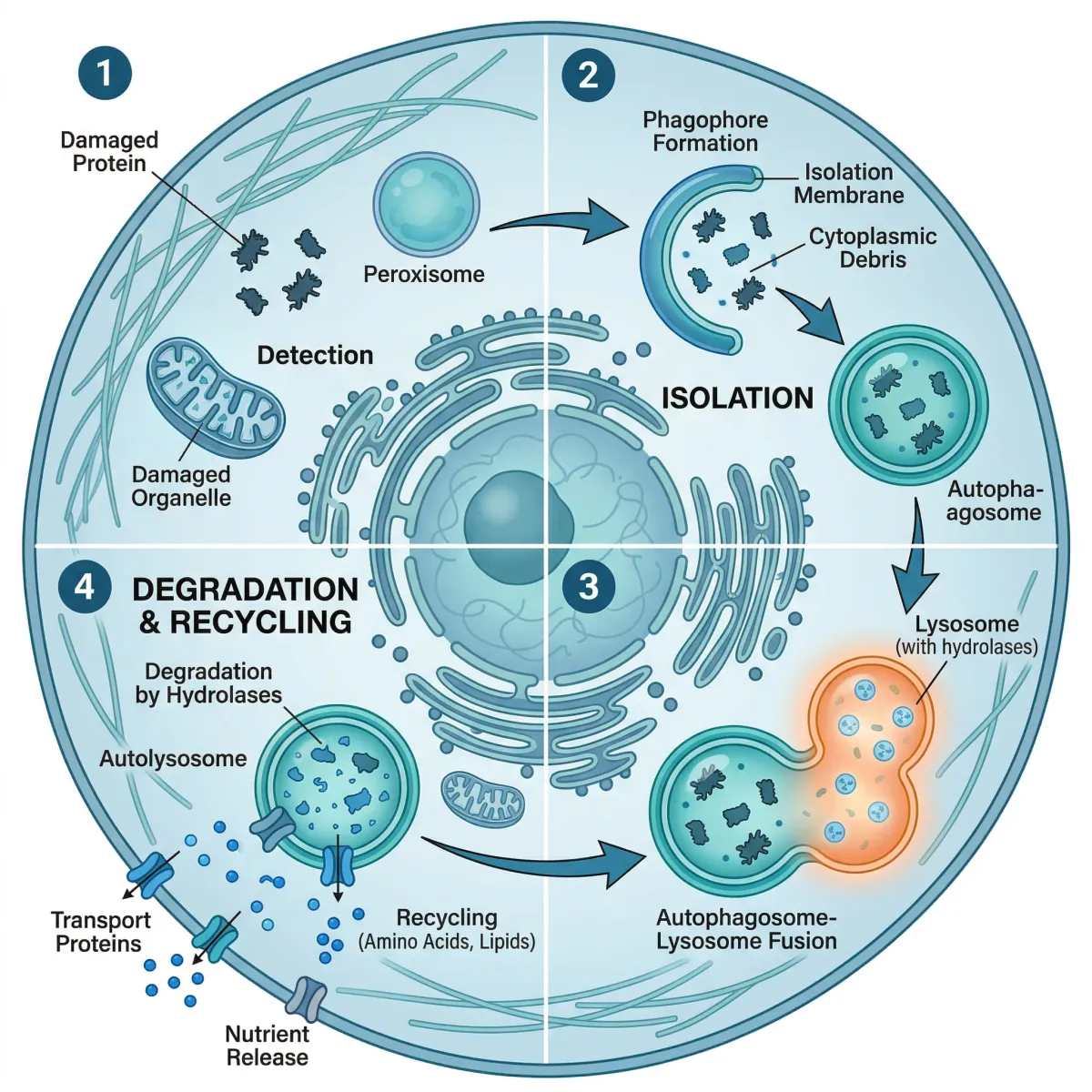
Spermidine activates autophagy through a specific molecular mechanism. It inhibits EP300, a key acetyltransferase enzyme that normally acts as a brake on autophagy. By blocking EP300, spermidine effectively releases that brake, allowing the autophagy machinery to ramp up. The potency of this effect is striking. Researchers have quantified spermidine's autophagy-inducing capacity as roughly equivalent to rapamycin, an FDA-approved immunosuppressant that has long been considered one of the most powerful autophagy activators known. The critical difference is that rapamycin comes with significant side effects including immune suppression, while spermidine is a normal component of the human diet.
Beyond EP300 inhibition, spermidine also promotes autophagy through at least two additional pathways. It upregulates the expression of autophagy-related genes (the ATG family), and it activates the eIF5A/TFEB signaling axis, which controls the production of lysosomes, the cellular compartments where actual degradation occurs. This multi-pronged approach may explain why spermidine is such a consistent autophagy inducer across diverse species.
The connection to aging is direct. Autophagy naturally declines with age. At the same time, cellular damage accumulates faster as antioxidant defenses weaken. The result is a widening gap between the damage being produced and the body's capacity to clean it up. Spermidine supplementation or increased dietary intake may help narrow that gap, and this idea forms the basis for most current anti-aging research on the compound. Similar principles apply to other autophagy-promoting strategies, including intermittent fasting protocols that temporarily restrict nutrient availability.
From Lab Mice to Human Longevity: What the Anti-Aging Research Reveals
The anti-aging evidence for spermidine spans a progression from basic cell biology through animal studies and into human epidemiological data. Each level tells a different part of the story, and together they paint a picture that is unusually consistent for a dietary compound.
In mice, the most striking result comes from a study published in Nature Medicine. Researchers gave aging C57BL/6 mice spermidine in their drinking water starting at 18 months of age, roughly equivalent to late middle age in humans. These mice lived approximately 10% longer than control mice, and the lifespan extension was not due to reduced food intake or body weight changes. The researchers confirmed that the benefit was autophagy-dependent by showing it disappeared in mice lacking a key autophagy protein (Atg5) in their heart cells.
| Study | Model | Key Finding | Mechanism Confirmed |
|---|---|---|---|
| Eisenberg et al., 2009 | Yeast, worms, flies | Lifespan extension across species | Autophagy-dependent |
| Eisenberg et al., 2016 | Mice (late-in-life) | ~10% median lifespan extension | Autophagy-dependent (Atg5 knockout) |
| Kiechl et al., 2018 | Humans (829 participants) | High dietary spermidine linked to reduced mortality | Epidemiological (15-year follow-up) |
| LaRocca et al., 2013 | Mice (old vs young) | Reversed arterial stiffness and endothelial dysfunction | Autophagy-dependent (in vitro confirmed) |
The human data, while not from randomized controlled trials of longevity, is compelling. An epidemiological study followed 829 participants aged 45 to 84 over 15 years. After adjusting for confounding factors like age, sex, BMI, physical activity, and dietary quality, individuals with the highest dietary spermidine intake had significantly lower rates of death from cardiovascular disease and cancer. A second independent cohort of 1,770 participants followed for 13 years confirmed this association. The size of the effect was notable: the difference in mortality risk between the highest and lowest spermidine intake groups was comparable to about five to six years of age difference.
Worth noting: Epidemiological associations do not prove causation. People who eat more spermidine-rich foods may also have other healthy habits. However, the consistency of the association across cohorts, the dose-response relationship, and the plausible biological mechanism (autophagy) strengthen the case considerably.
Three Systems That Benefit Most: Heart, Brain, and Immune Function
Cardiovascular Protection
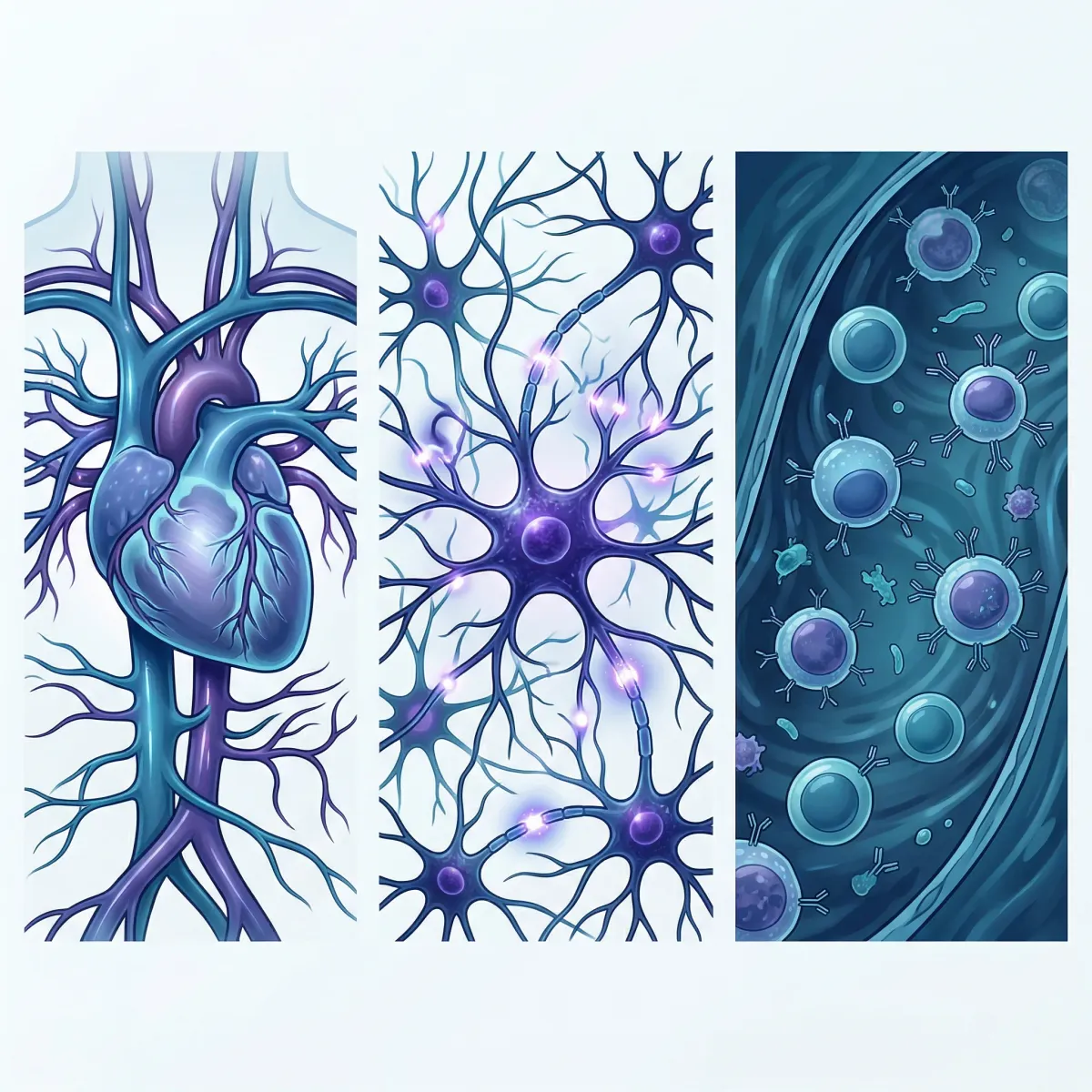
The heart may be where spermidine delivers its most measurable benefits. In aged mice, spermidine supplementation reversed cardiac hypertrophy, the thickening of heart walls that occurs with aging and predisposes to heart failure. It preserved diastolic function, the heart's ability to relax and fill with blood between beats, which is often the first cardiac parameter to deteriorate with age. These improvements coincided with enhanced mitochondrial respiration in heart tissue and reduced markers of subclinical inflammation.
Separately, research on arterial aging found that spermidine supplementation in old mice normalized arterial stiffness and restored endothelium-dependent dilation to levels comparable to young animals. Arterial stiffness, measured by aortic pulse wave velocity, was roughly 20% higher in old control mice. Spermidine brought it back to baseline. It also reduced oxidative stress markers and advanced glycation end-products (AGEs), the cross-linked proteins that make aging arteries rigid.
Brain and Memory
Age-related memory decline has a structural basis at the synaptic level, and spermidine appears to directly address it. In fruit flies, aging causes presynaptic active zones, the release sites for neurotransmitters, to scale up in size. This overgrowth, called RAMP-UP, saturates the plasticity mechanisms needed for new memory formation. Spermidine feeding prevented this synaptic overgrowth through an autophagy-dependent mechanism, effectively preserving the brain's capacity to form new memories. Researchers described the effect as "resetting the adult brain to a juvenile brain" at the synaptic level.
The relevance to humans remains an open question. A Phase II clinical trial with 30 older adults (ages 60-80) using spermidine-rich wheat germ extract showed excellent safety and tolerability over three months, but cognitive outcomes were not the primary endpoint of that particular study. Larger, longer trials specifically measuring memory and cognitive function are underway. If you are exploring compounds that support brain health and cellular repair, you may also be interested in the research behind NAD+ and NMN supplements.
Immune Function
Immune decline with aging, or immunosenescence, is driven partly by the accumulation of dysfunctional immune cells that no longer respond effectively to threats. Spermidine appears to counteract this through two mechanisms. First, it reduces the chronic low-grade inflammation, sometimes called "inflammaging," that characterizes immune aging. Research shows spermidine decreases TNF-alpha expression, inhibits NF-kB translocation, and suppresses IL-1beta and IL-18, all key inflammatory mediators. Second, it has been shown to improve the function of aged B cells and support memory T-cell formation, potentially bolstering vaccine responses in older adults.
| System | Key Benefit | Evidence Level | Species Studied |
|---|---|---|---|
| Heart | Reversed cardiac hypertrophy, improved diastolic function | Animal + epidemiological | Mice, rats, humans |
| Arteries | Normalized stiffness, restored endothelial function | Animal | Mice |
| Brain | Prevented age-related memory decline at synaptic level | Animal | Drosophila, mice |
| Immune | Reduced inflammaging markers, improved B-cell function | Animal + in vitro | Mice, human cells |
Everyday Foods Packed With Spermidine
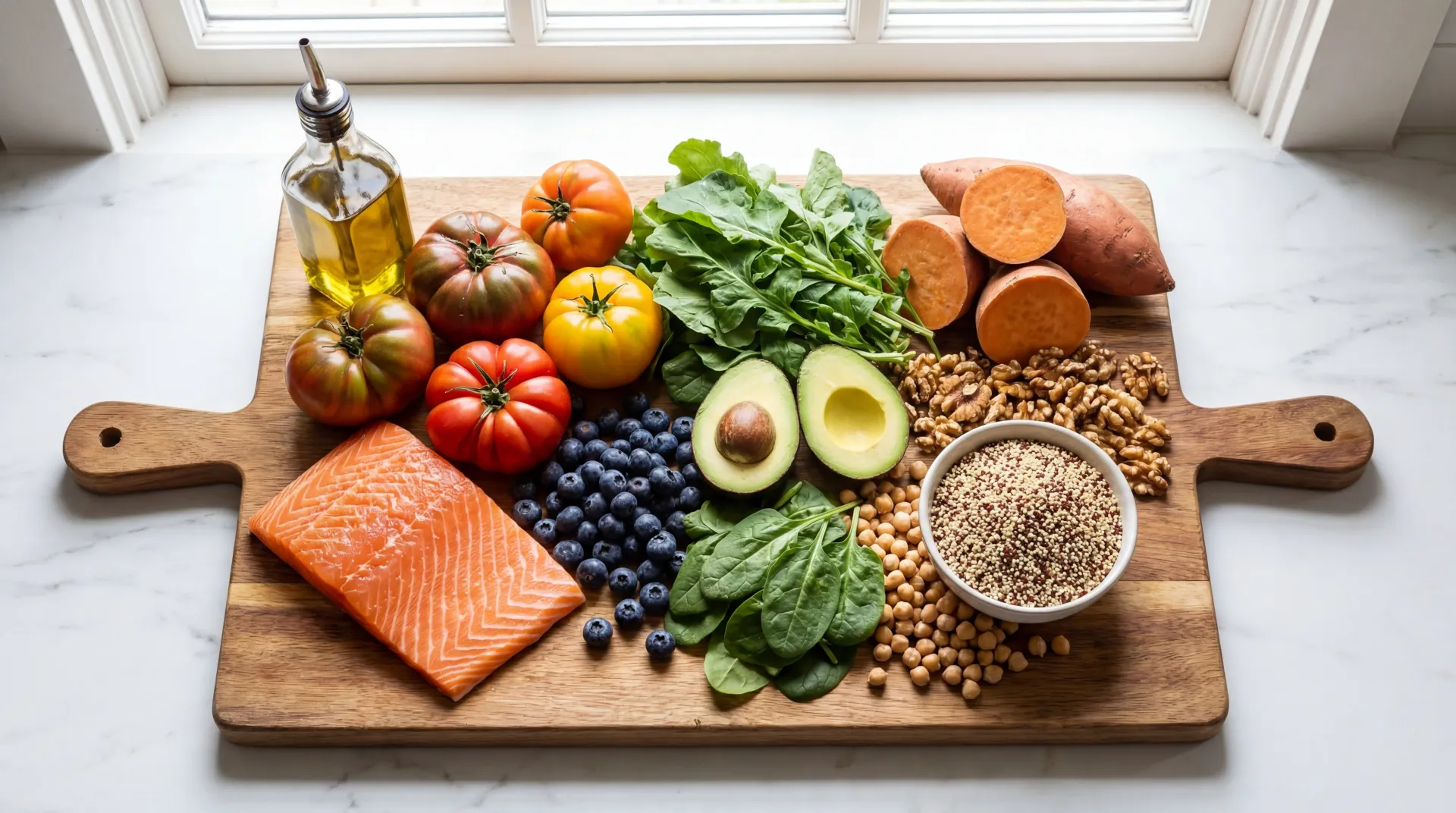
One of the most practical aspects of spermidine research is that you can meaningfully increase your intake through diet alone. The average European daily intake is estimated at 10 to 15 milligrams, with considerable variation depending on dietary patterns. Populations that eat more fermented foods, whole grains, and legumes tend to land at the higher end of that range.
The table below ranks common foods by their approximate spermidine content. Notice that many of the richest sources are pantry staples rather than exotic superfoods.
| Food | Spermidine (mg per kg) | Practical Serving | Approx. Spermidine per Serving |
|---|---|---|---|
| Wheat germ | 240-350 | 2 tablespoons (15 g) | 3.6-5.3 mg |
| Aged cheddar cheese | ~200 | 30 g slice | ~6.0 mg |
| Natto (fermented soybeans) | ~150 | 50 g serving | ~7.5 mg |
| Mushrooms (shiitake, oyster) | 60-90 | 100 g cooked | 6.0-9.0 mg |
| Green peas | ~65 | 100 g cooked | ~6.5 mg |
| Broccoli | ~30 | 100 g cooked | ~3.0 mg |
| Cauliflower | ~25 | 100 g cooked | ~2.5 mg |
| Pears and apples | ~5-10 | 1 medium fruit | ~1.0-2.0 mg |
| Whole grain bread | ~8 | 2 slices (60 g) | ~0.5 mg |
| Potatoes | ~5 | 1 medium (150 g) | ~0.8 mg |
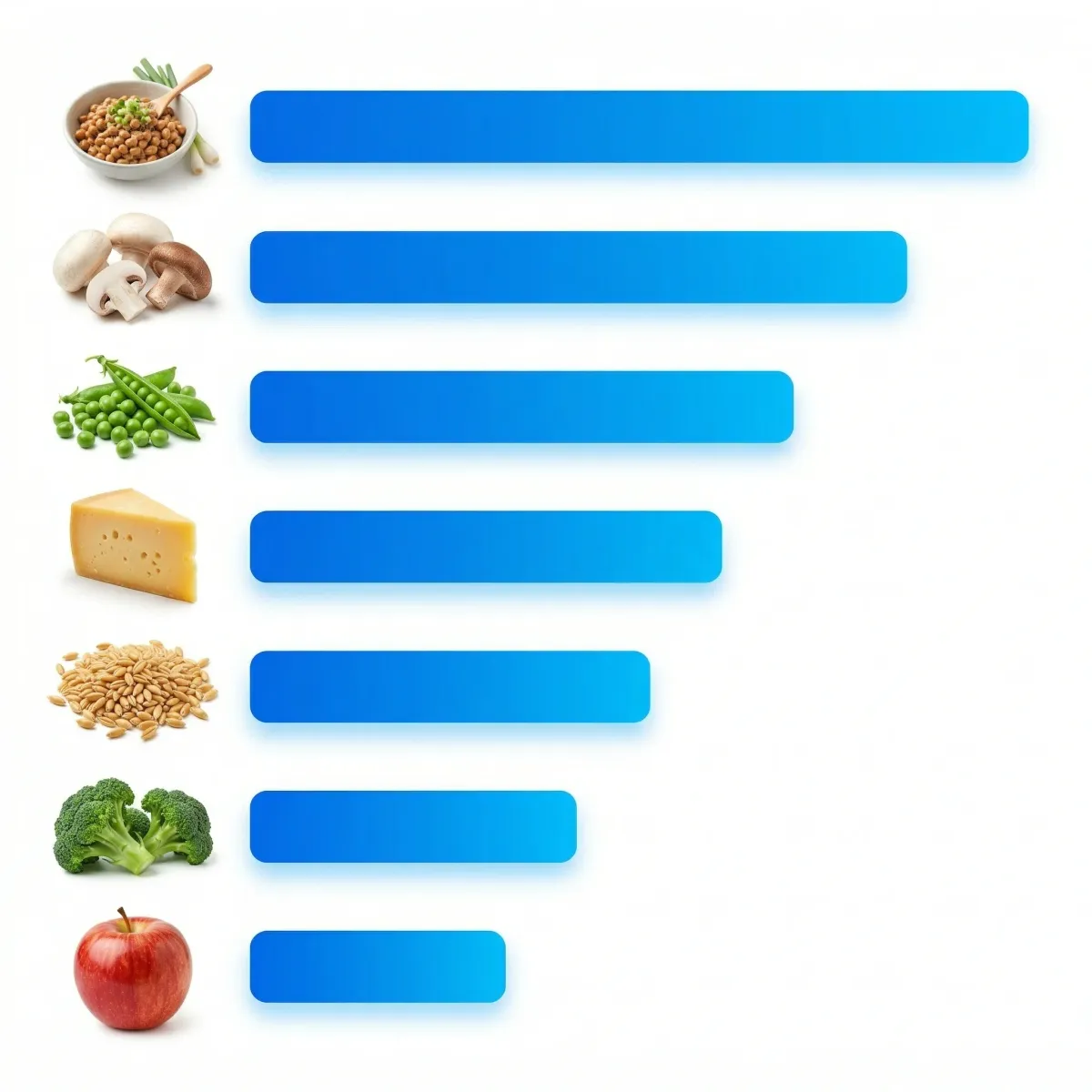
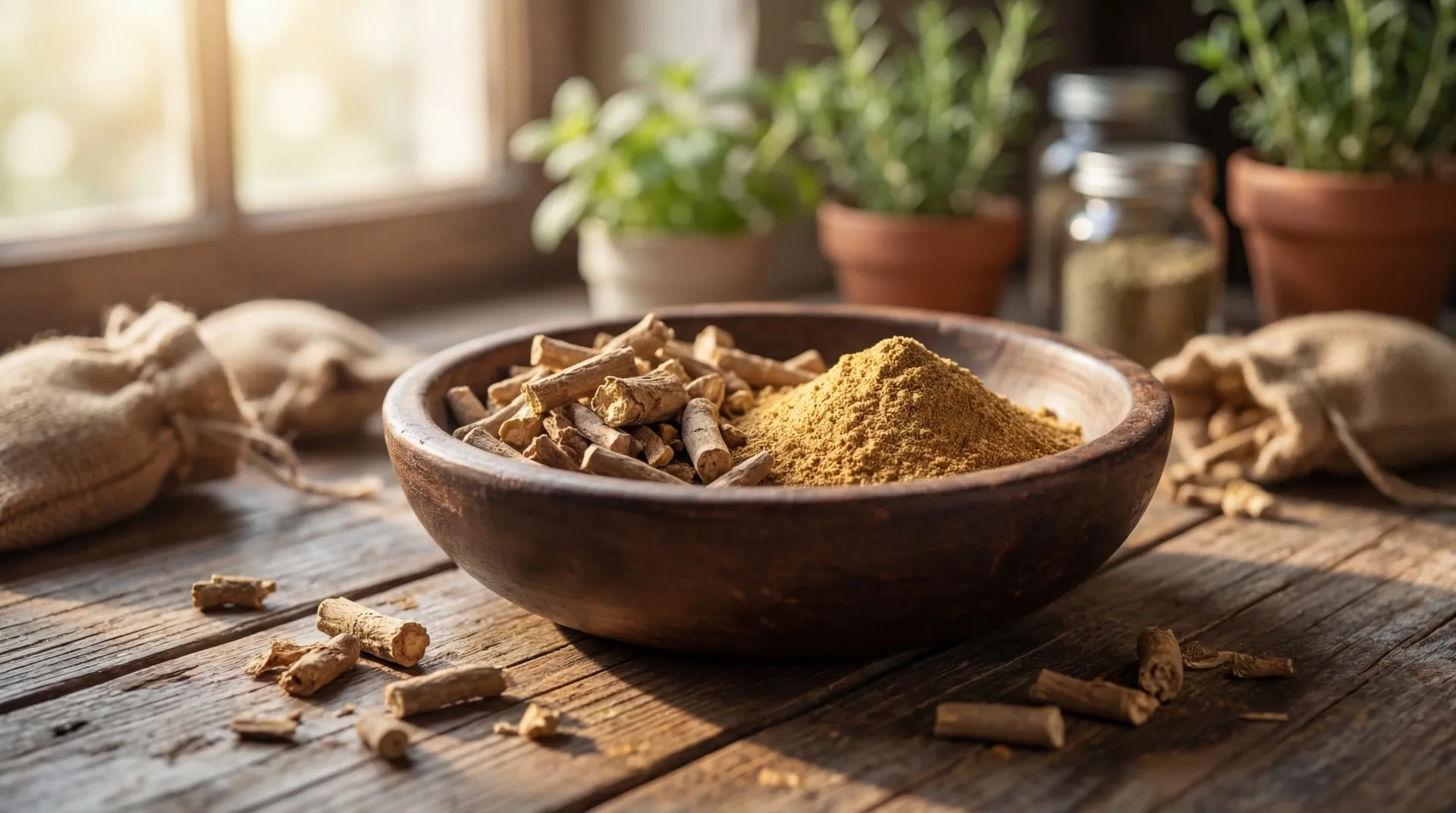
A few patterns stand out. Fermented and aged foods, particularly natto and mature cheeses, rank exceptionally high because the bacteria and fungi involved in fermentation actively produce polyamines. Wheat germ is the most concentrated plant source and can be sprinkled on yogurt, oatmeal, or salads. Mushrooms are versatile, nutritionally dense, and among the most spermidine-rich vegetables available.
According to pharmacokinetic research, the main dietary sources of spermidine in European populations are whole grains (13.4%), pears and apples (13.3%), salad greens (9.8%), vegetable sprouts (7.3%), and potatoes (6.4%). This means that a diet already emphasizing whole grains, fruits, and vegetables provides a reasonable spermidine baseline. The foods listed above can push intake substantially higher.
If you are already focused on eating for longevity and cellular health, many spermidine-rich foods overlap with those recommended for optimizing your gut microbiome, and the gut connection matters here. Your intestinal bacteria are a second endogenous source of spermidine, so a diet that supports microbial diversity may amplify both direct dietary intake and microbial production.
Supplements Versus Whole Foods: What Actually Works?
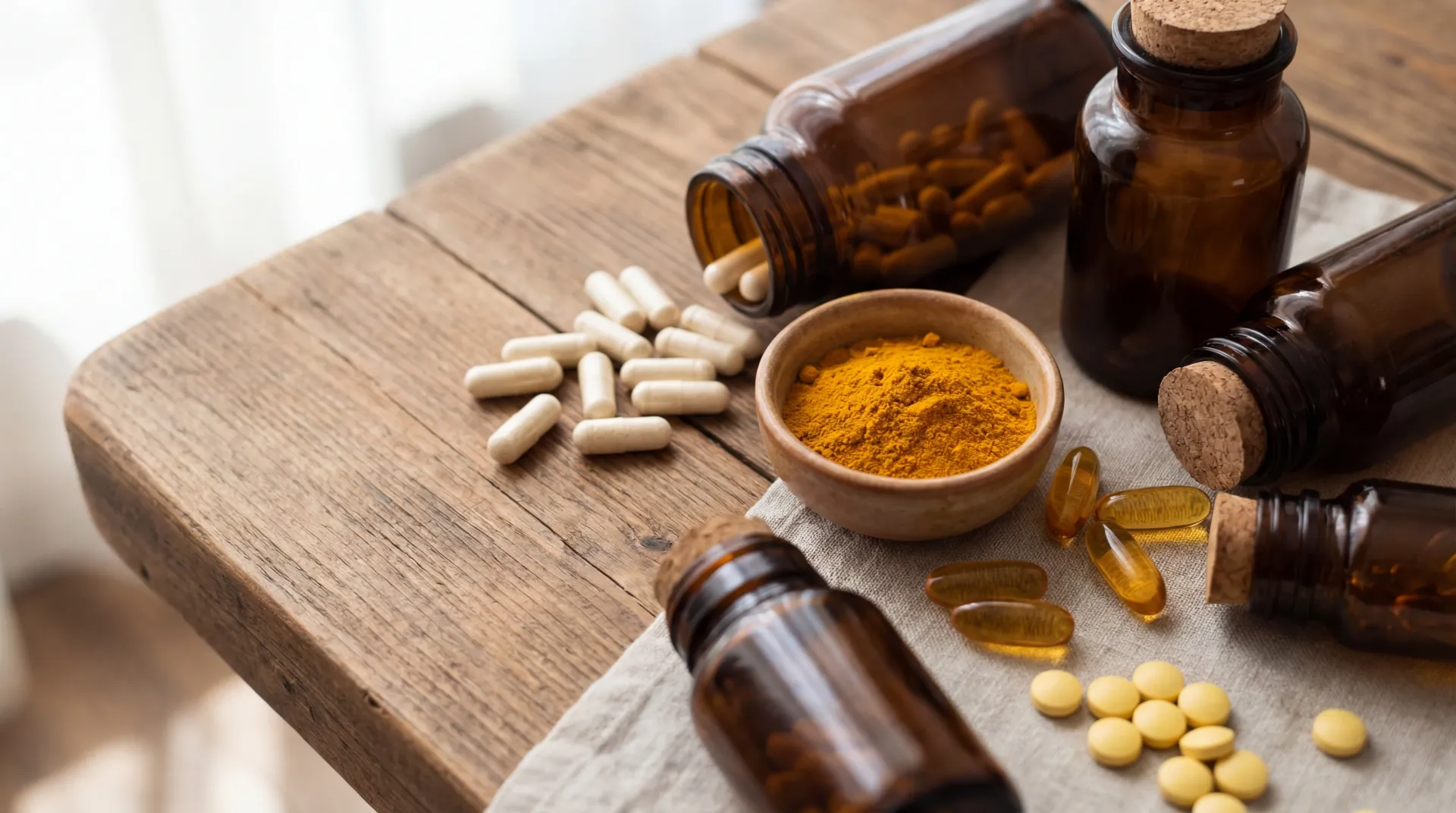
With growing consumer interest in spermidine, a market for supplements has emerged, typically based on wheat germ extract. But the science here contains some important nuances that supplement marketing tends to gloss over.
The most informative clinical data comes from a Phase II trial that tested a wheat germ extract providing 1.2 mg of spermidine per day in 30 older adults over three months. The trial demonstrated excellent safety and tolerability, with no adverse changes in vital signs, blood chemistry, or self-reported health. Compliance was above 85%. However, this dosage is well below the 10-15 mg most Europeans already consume through food.
A separate pharmacokinetic study using 15 mg/day of spermidine in healthy volunteers made a surprising discovery: oral spermidine appears to be converted to spermine (a related polyamine) before entering the bloodstream. Supplementation increased plasma spermine levels but did not significantly raise plasma spermidine levels. The researchers concluded that "it is rather unlikely that spermidine supplements with doses below 15 mg per day exert any short-term effects."
Practical takeaway: Many commercial spermidine supplements provide 1-5 mg per dose. Based on current pharmacokinetic data, these doses are unlikely to produce measurable short-term changes in blood polyamine levels beyond what a spermidine-rich meal provides. The strongest human evidence linking spermidine to longevity comes from food-based intake, not supplements.
This does not mean supplements are worthless. It means the evidence base is stronger for food-based approaches. A diet rich in wheat germ, mushrooms, aged cheeses, and fermented soy products can deliver 15-30 mg of spermidine daily, putting you well above the threshold that pharmacokinetic research suggests is needed for systemic effects. For people who already eat a varied, plant-forward diet, supplements may offer marginal benefit at best. For those with restricted diets, a wheat germ-based supplement could help fill the gap. Other compounds with complementary anti-aging mechanisms include urolithin A for mitochondrial health and glutathione for antioxidant defense.
Myths Versus Facts About Spermidine
| Myth | Fact |
|---|---|
| Spermidine is only found in semen | Despite its name (derived from the fluid where it was first isolated in 1678), spermidine is present in every living cell. It is abundant in plant foods, fermented products, and is produced by your own cells and gut bacteria. |
| You need supplements to get enough spermidine | A diet emphasizing wheat germ, mushrooms, mature cheese, and green vegetables can deliver 15-30 mg daily, well above the amounts used in most supplement formulations and matching the intake linked to longevity in epidemiological studies. |
| Spermidine directly enters your bloodstream unchanged | Pharmacokinetic research shows that dietary spermidine is largely converted to spermine during presystemic metabolism before reaching general circulation. Both polyamines appear to contribute to health effects. |
| Spermidine promotes cancer growth | While polyamines are elevated in some tumors, lifelong spermidine supplementation in mice showed no increase in tumor frequency. Spermidine has actually been shown to enhance anticancer immune surveillance and reduce chemically induced liver cancer in animal models. |
| Spermidine is a new discovery | It was first identified nearly 350 years ago. What is new is our understanding that it acts as a potent autophagy inducer and caloric restriction mimetic, roles that were only discovered in 2009. |
Frequently Asked Questions
How much spermidine should you aim for daily?
Based on epidemiological research, the highest-benefit group consumed roughly 12-15 mg or more of dietary spermidine per day. The average European intake is 10-15 mg. Two tablespoons of wheat germ plus a serving of mushrooms or aged cheese can push daily intake to 15 mg or above. No official recommended dietary allowance exists for spermidine.
Is spermidine safe for long-term use?
In animal studies, lifelong spermidine supplementation produced no adverse effects, no increase in tumor rates, and no organ damage. In a Phase II human trial with older adults, three months of spermidine-rich wheat germ extract at 1.2 mg/day was safe and well-tolerated with no changes in vital signs or blood markers. Because spermidine is a normal dietary component, long-term food-based intake carries minimal known risk.
Can spermidine replace intermittent fasting for autophagy benefits?
Both spermidine and fasting activate autophagy, but through different molecular pathways. Fasting reduces nutrient-sensing signals (mTOR, insulin), while spermidine inhibits the acetyltransferase EP300. They are complementary rather than interchangeable. Some researchers suggest combining a spermidine-rich diet with periodic fasting for additive autophagy stimulation, though this has not been formally tested in humans.
Does cooking destroy spermidine in food?
Spermidine is relatively heat-stable compared to many vitamins. Standard cooking methods like steaming or sauteing preserve most of the spermidine content. Prolonged boiling may cause some loss into cooking water. Fermented and aged foods, which are consumed without cooking, retain their full polyamine content.
Who should avoid spermidine supplements?
People with active cancers should consult their oncologist before supplementing, since polyamines can theoretically support the growth of existing tumors even though they appear to help prevent new ones. Pregnant or breastfeeding women should also consult a healthcare provider, as polyamine metabolism is altered during pregnancy and the safety of supplementation in these populations has not been studied.
Related Articles
- NAD+ and NMN Supplements for Aging and Cellular Repair - How another key molecule supports cellular energy and longevity pathways.
- Urolithin A: The Mitochondrial Anti-Aging Supplement - A gut-derived compound that enhances mitophagy, the selective autophagy of damaged mitochondria.
- Intermittent Fasting Schedules: 16:8 vs 20:4 vs OMAD - Fasting as another autophagy-promoting strategy and how it complements dietary approaches.
- Glutathione: The Master Antioxidant - Understanding the body's primary antioxidant defense system and how to support it.
- Gut Health Personalization and Microbiome Testing - Your gut bacteria produce spermidine endogenously, making microbiome health directly relevant to polyamine status.
Medical Disclaimer
This article is for informational and educational purposes only and is not medical advice, diagnosis, or treatment. Always consult a licensed physician or qualified healthcare professional regarding any medical concerns. Never ignore professional medical advice or delay seeking care because of something you read on this site. If you think you have a medical emergency, call 911 immediately.