$328 Million in Peptide Imports and Counting: Why America Can't Stop Searching
Something shifted in American health culture around 2023. A category of substances most people had never heard of — injectable peptides with names like BPC-157, TB-500, and GHK-Cu — migrated from bodybuilding forums into mainstream wellness conversations. Doctors who had never fielded a single peptide question suddenly couldn't get through a patient visit without one.
Toronto-based sports medicine physician Nitai Gelber told The Guardian that peptide inquiries from his patients have been "nonstop" over the last year, a subject that rarely came up before 2023. His experience tracks with the numbers. US customs data shows that imports of hormone and peptide compounds from China reached $328 million in the first three quarters of 2025 — double the $164 million recorded in the same period the year before.
The broader peptide therapeutics market reflects this surge. According to Precedence Research, the global market was valued at $52.59 billion in 2025, with North America accounting for nearly 46% of that revenue. Projections put the market at $87.21 billion by 2035.

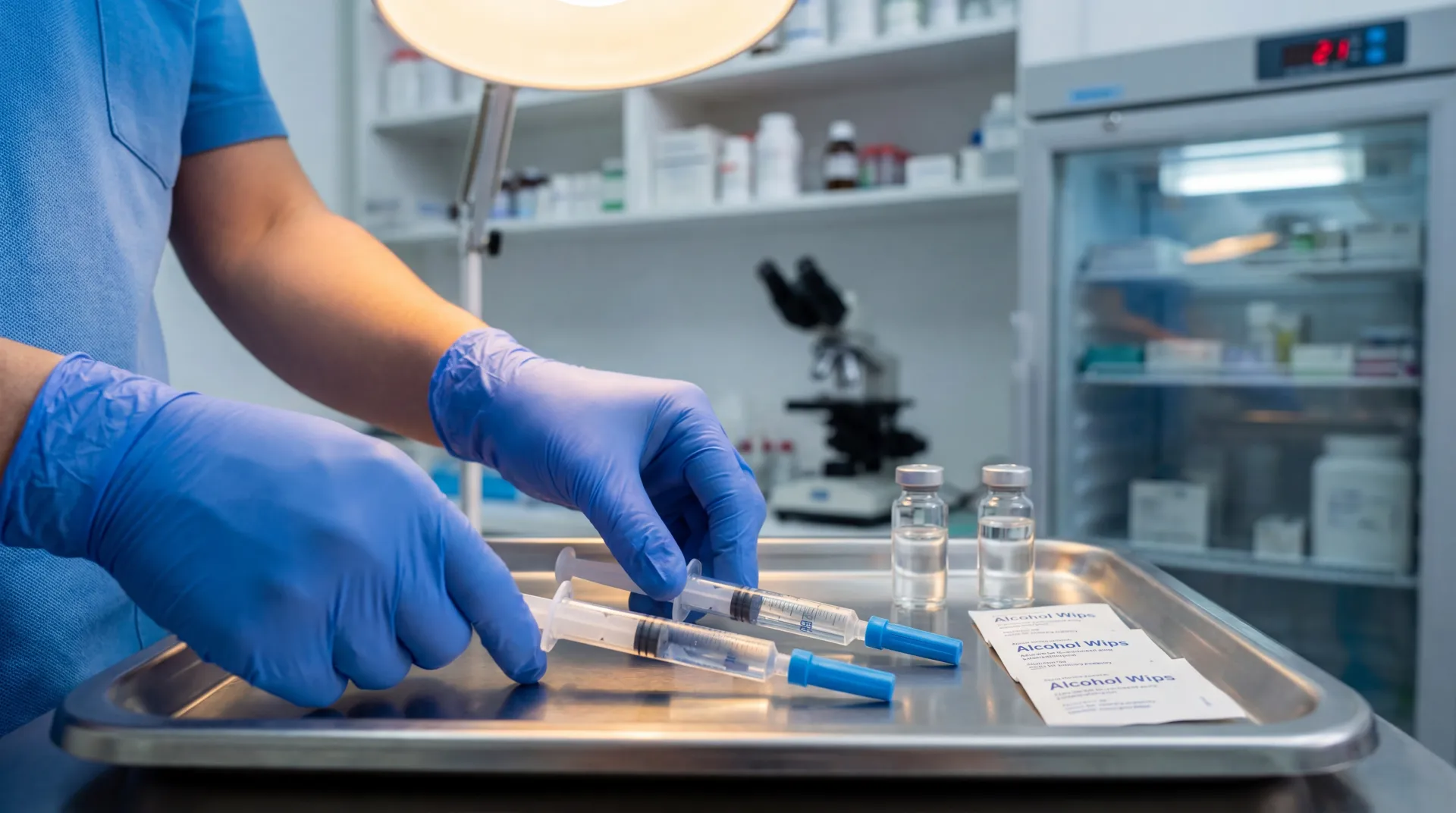
The interest extends well beyond doctor's offices. In San Francisco, at least one "peptide rave" has featured a lab-coated attendant demonstrating injection technique to partygoers. The founders of one Bay Area startup reportedly keep peptide vials in their office fridge for midday injections. Wellness entrepreneur Gary Brecka sells a BPC-157 nasal spray blend for $375 per bottle, with a separate patch formulation running $575 monthly.
How did niche gym-culture compounds cross over into mainstream medicine cabinets? The GLP-1 revolution normalized self-injection for millions of Americans, making the idea of sticking yourself with a needle feel routine rather than extreme. Podcast hosts like Joe Rogan and Andrew Huberman gave peptides massive airtime. And then the FDA's crackdown created a forbidden-fruit dynamic that paradoxically boosted demand. The gray market that grew from all this now moves hundreds of millions of dollars through a regulatory vacuum.
Your Body Already Runs on Peptides, So What Do Synthetic Ones Change?
Peptides are short chains of amino acids — think of them as protein fragments — that function as your body's internal messaging service. They bind to specific receptors on cell surfaces and trigger cascading chemical reactions inside cells. Insulin is a peptide. So are the GLP-1 drugs that have reshaped weight loss medicine. Your body produces thousands of peptides naturally, each with a specific job: regulating hormones, directing immune responses, managing inflammation, repairing damaged tissue.
The synthetic peptides driving the current craze work by mimicking or amplifying these natural signals. BPC-157 activates the VEGFR2 receptor and the Akt-eNOS signaling pathway, which increases nitric oxide production. Nitric oxide dilates blood vessels, promotes new blood vessel growth, and helps endothelial cells proliferate. Think of it as your body's construction crew getting a call to build more supply roads into a damaged area.
TB-500 works differently. As a synthetic fragment of thymosin beta-4, it promotes actin polymerization — the process by which cells reorganize their internal scaffolding to migrate toward an injury site. It recruits progenitor cells (the body's repair specialists) and enhances their ability to move where they're needed.
GHK-Cu operates on a different scale entirely. This naturally occurring tripeptide influences the expression of 31.2% of human genes, according to data from the Broad Institute's Connectivity Map. It upregulates 59% of the genes it affects and suppresses 41%. In practice, that translates to increased collagen and elastin synthesis, more active fibroblasts, and antioxidant properties strong enough to completely block copper-dependent LDL oxidation — something the well-known antioxidant SOD1 achieved only 20% protection against.
The distinction that matters: FDA-approved peptide drugs like insulin and semaglutide have passed rigorous human clinical trials establishing safe doses, confirmed effectiveness, and known side effects. The peptides in this article have not. Animal studies and cell cultures are not the same as proven human medicine, regardless of how promising the data looks.
One thing the three peptides share: manufactured versions are modified to last longer in the body than their natural counterparts, which break down in minutes. That extended duration is what makes them potentially therapeutic. It is also what makes the FDA concerned about immune reactions. Your immune system can recognize these modified molecules as foreign invaders, with consequences ranging from mild rashes to anaphylactic shock.
BPC-157, TB-500, and GHK-Cu: Three Peptides, Three Different Stories
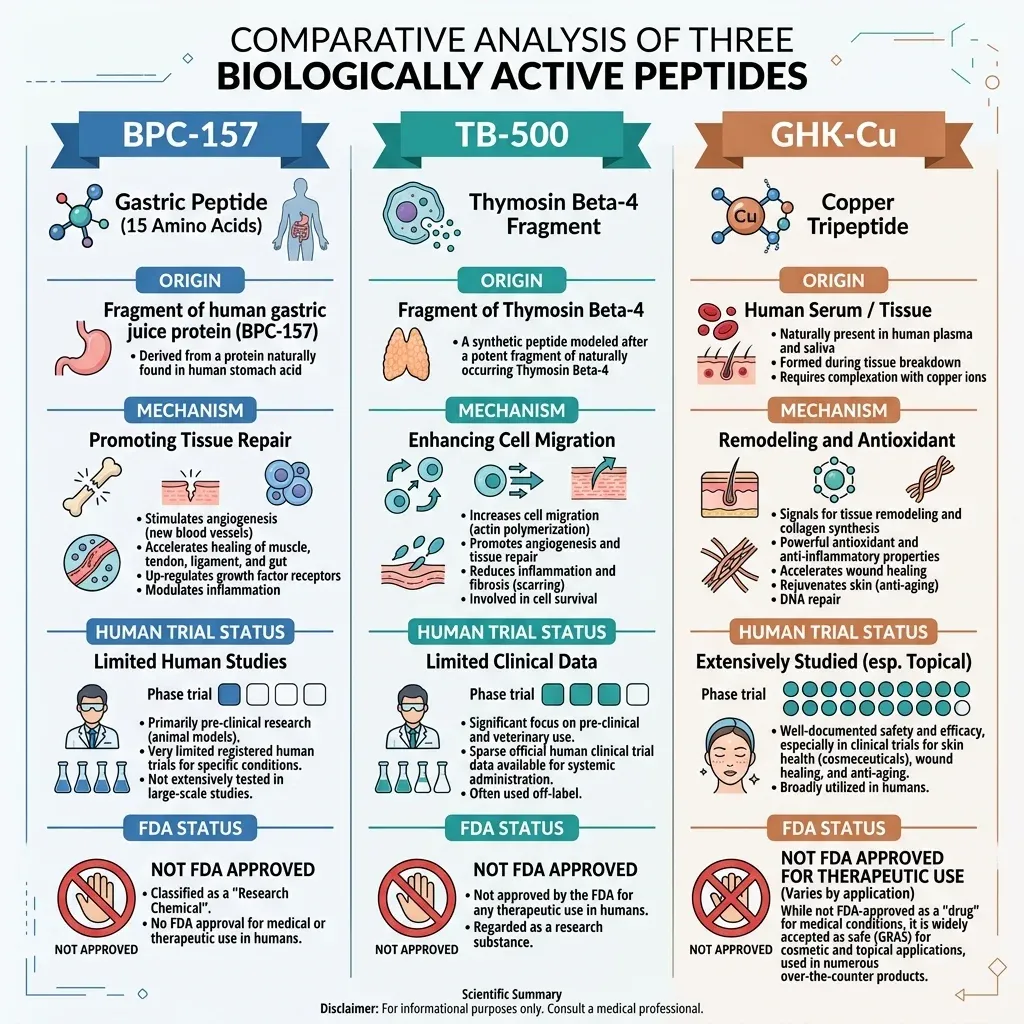
These three peptides get lumped together in wellness marketing, but their research histories, evidence bases, and legal situations are strikingly different.
BPC-157: The Most Hyped, The Most Studied, The Most Problematic
BPC-157 is a 15-amino-acid synthetic peptide that Dr. Predrag Sikiric first isolated from human gastric juice at the University of Zagreb in 1993. Since then, Sikiric has published more than 150 papers documenting its effects in rodent models: accelerated tendon healing, reduced inflammation, neuroprotection, liver repair. The animal data is genuinely impressive.
The problem is concentration. A STAT News/Undark investigation found that nearly all of the roughly 200 BPC-157 studies listed on PubMed include either Sikiric or his colleague Sven Seiwerth as a main author. A Polish review team flagged this concentration as a risk for confirmation bias. The McGuire et al. scoping review published in December 2025 noted that all published studies report positive effects, raising further questions about publication bias.
As of early 2026, exactly three human studies have been published on BPC-157. A 2021 retrospective study by Lee and Padgett found that 14 of 16 patients (87.5%) reported significant knee pain relief after intra-articular injection. A 2024 pilot study by Lee et al. showed 80-100% resolution of interstitial cystitis symptoms in 12 patients. And a 2025 study by Lee and Burgess tested intravenous BPC-157 in just two healthy adults, finding it well-tolerated with plasma levels returning to baseline within 24 hours.
That is the entire human evidence base for a compound that hundreds of thousands of people are already injecting. A separate case series of 17 patients reported in a 2026 orthopaedics review found more than 90% reported reduced symptoms after knee injections, but without control groups, the placebo effect cannot be ruled out.
Sikiric also has undisclosed financial conflicts that STAT News uncovered: he is named on BPC-157 patents dating to 1989 and is listed as CEO of Diagen, a company selling a patented version of the compound. These conflicts were not disclosed in his published papers.
TB-500: The Least Studied of the Three
TB-500 is a synthetic fragment of thymosin beta-4, a protein your body naturally produces in higher quantities after tissue injury. In preclinical studies and veterinary use, TB-500 has shown benefit in tendon and muscle repair, with anti-inflammatory and proangiogenic effects similar to BPC-157. It has limited oral bioavailability and is typically injected subcutaneously.
The FDA's assessment is blunt: the agency has not identified any human exposure data for thymosin beta-4 fragment products. The "Wolverine stack" — the popular combination of BPC-157 and TB-500 that wellness clinics market for injury recovery — is built on two compounds for which Adam Taylor, director of the Clinical Anatomy Learning Centre at Lancaster University, says there is no evidence justifying therapeutic use in humans.
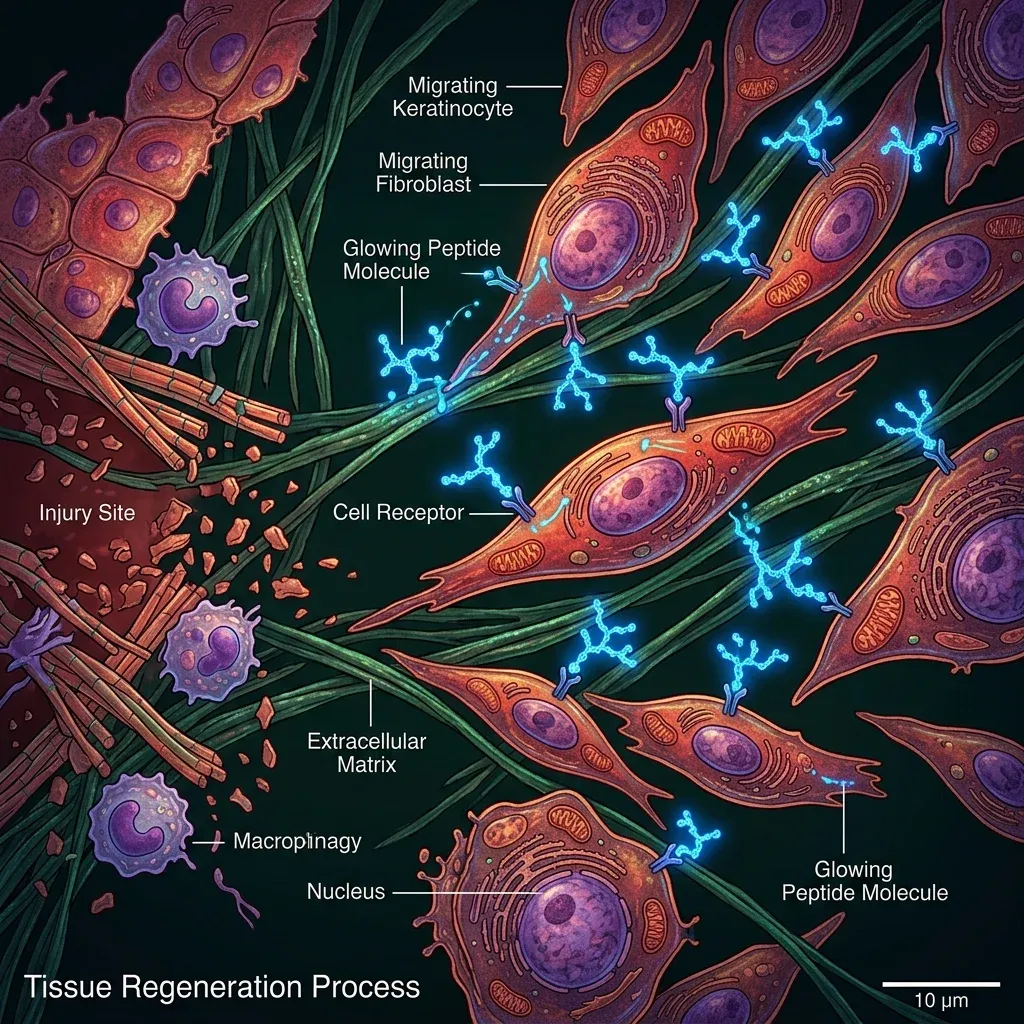
GHK-Cu: The One with Actual Human Data (For Skin, At Least)
GHK-Cu stands apart from the other two. Discovered in 1973 and naturally present in human blood plasma, it has a research base spanning five decades from multiple independent labs. Plasma levels of GHK average 200 ng/ml at age 20 and decline to 80 ng/ml by age 60 — a decline that correlates with visible aging but hasn't been causally linked to specific diseases.
GHK-Cu has actual randomized, controlled human clinical data — something BPC-157 and TB-500 lack. A double-blind trial found that GHK-Cu reduced wrinkle volume by 55.8% and wrinkle depth by 32.8% compared to controls. A 12-week study in 71 women showed increased skin density and thickness with reduced laxity and wrinkles. A separate study by researchers at the University of Washington found that GHK partially reversed age-related cognitive impairment in 28-month-old mice after just three weeks of treatment.
The catch: most of this clinical evidence is for topical application to skin. GHK-Cu is widely and legally available in serums and creams. The injectable form — which the biohacking community favors for systemic anti-aging effects — sits in a different regulatory category entirely.
The FDA Crackdown: What Changed and Why
In September 2023, the FDA placed BPC-157 into Category 2 of its bulk drug substance classification — effectively barring compounding pharmacies from producing it. The agency didn't single out BPC-157. According to ProPublica's investigation, 19 peptides total were deemed too unsafe for compounding. GHK-Cu was restricted for injectable routes. Thymosin beta-4 fragment (TB-500's parent compound) joined the list. So did AOD-9604, CJC-1295, ipamorelin, and more than a dozen others.
The FDA's Category system, created in 2017, works like a traffic light. Category 1 means a substance has enough safety track record for compounders to use it. Category 2 means the agency considers it too risky. Category 3 means there isn't enough data to decide. For every peptide placed in Category 2, the FDA cited the same core concerns: immunogenicity risk from modified peptides, potential impurities in manufacturing, and insufficient or nonexistent human safety data.
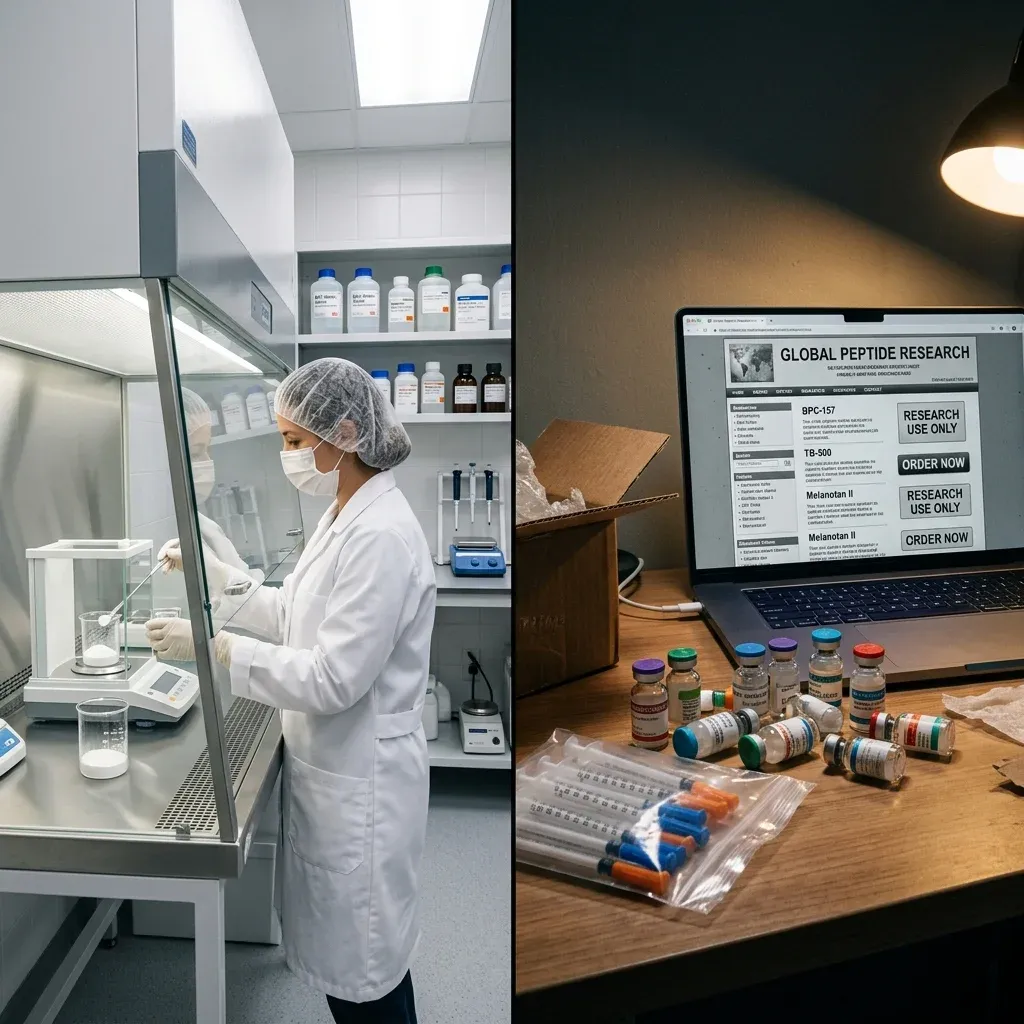
The data backing these classifications was substantial. The FDA presented reports up to 158 pages long per peptide to its advisory committee, documenting adverse events. Subjects in studies of six individual peptides — GHRP-2, ibutamoren mesylate, ipamorelin, CJC-1295, AOD-9604, and melanotan II — had experienced adverse events including death, though causality wasn't always established.
Meanwhile, WADA had already banned BPC-157 in 2022 under its S0 Unapproved Substances category. The US Anti-Doping Agency confirmed there is no clinical basis for granting athletes a therapeutic use exemption for the substance.
| Peptide | FDA Category 2 Status | WADA Status | Published Human Studies | FDA Safety Concern |
|---|---|---|---|---|
| BPC-157 | Yes (Sept 2023) | Banned (2022) | 3 pilot studies | Immunogenicity, impurities, no safety data |
| TB-500 (Tβ4 fragment) | Yes | Banned | 0 | Immunogenicity, no human exposure data |
| GHK-Cu (injectable) | Yes (injectable only) | Not listed | Multiple (topical) | Immunogenicity for injectable route |
| GHK-Cu (topical) | Not restricted | Not listed | Multiple clinical trials | None stated |
What's Legal, What's Research-Only, and What's Available Right Now
The legal landscape for peptides is in active upheaval as of April 2026. On March 31, The New York Times reported that the FDA is moving toward allowing compounding pharmacies to produce more than a dozen previously banned peptides. Health Secretary Robert F. Kennedy Jr., who has described himself as a "big fan" of peptides, told Joe Rogan he personally used the products to heal injuries "with really good effect" and called the 2023 FDA action "illegal."
Three former FDA officials told ProPublica that Kennedy mischaracterized their work — the 2023 decision was backed by documented safety concerns. FDA regulations require assessment of both safety and effectiveness. Former acting FDA commissioner Janet Woodcock warned that reversal "would be a disruption of the societal pact we have had since 1962 that drugs will be studied to see if they work before they are marketed."
Here is where each category stands right now:
| Category | What It Means | Examples |
|---|---|---|
| FDA-approved peptide drugs | Passed full clinical trials, prescribed legally | Insulin, semaglutide, tirzepatide |
| Category 2 (under review for reversal) | Currently banned from compounding; may be reversed | BPC-157, TB-500, injectable GHK-Cu |
| Topical peptides | Available in skincare products, no FDA restriction | GHK-Cu serums and creams |
| Gray market "research chemicals" | Sold online as "not for human use," legal loophole | BPC-157, TB-500, peptide blends |
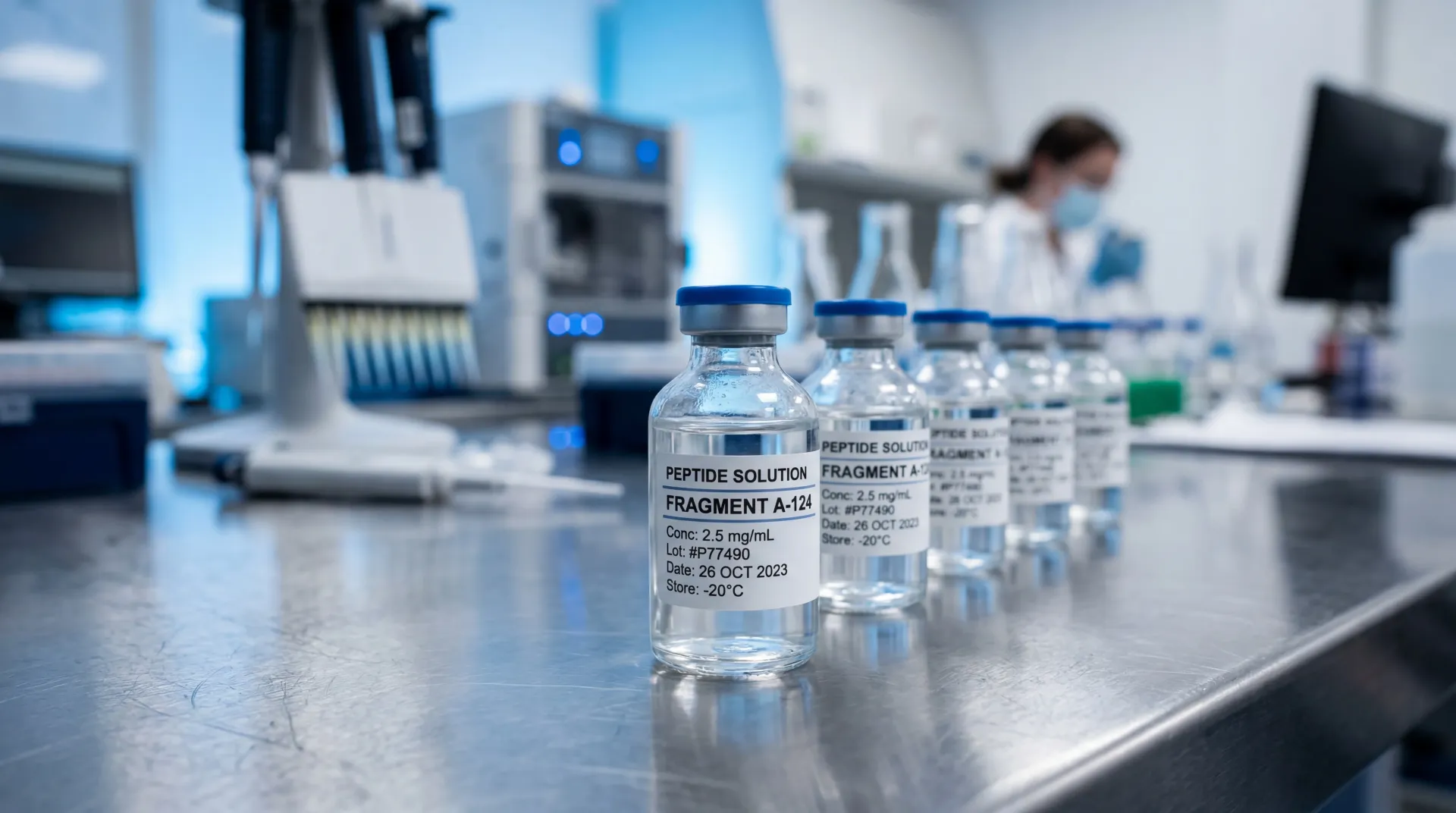
The gray market deserves its own warning. These products are labeled "for research purposes only" — a phrasing that technically places them outside FDA jurisdiction. The same websites then provide dosing instructions for human use. USADA chief science officer Matthew Fedoruk put it plainly: "You don't even know what you're buying inside that bottle. It could be a peptide. It could be a steroid. It could be something just like water."
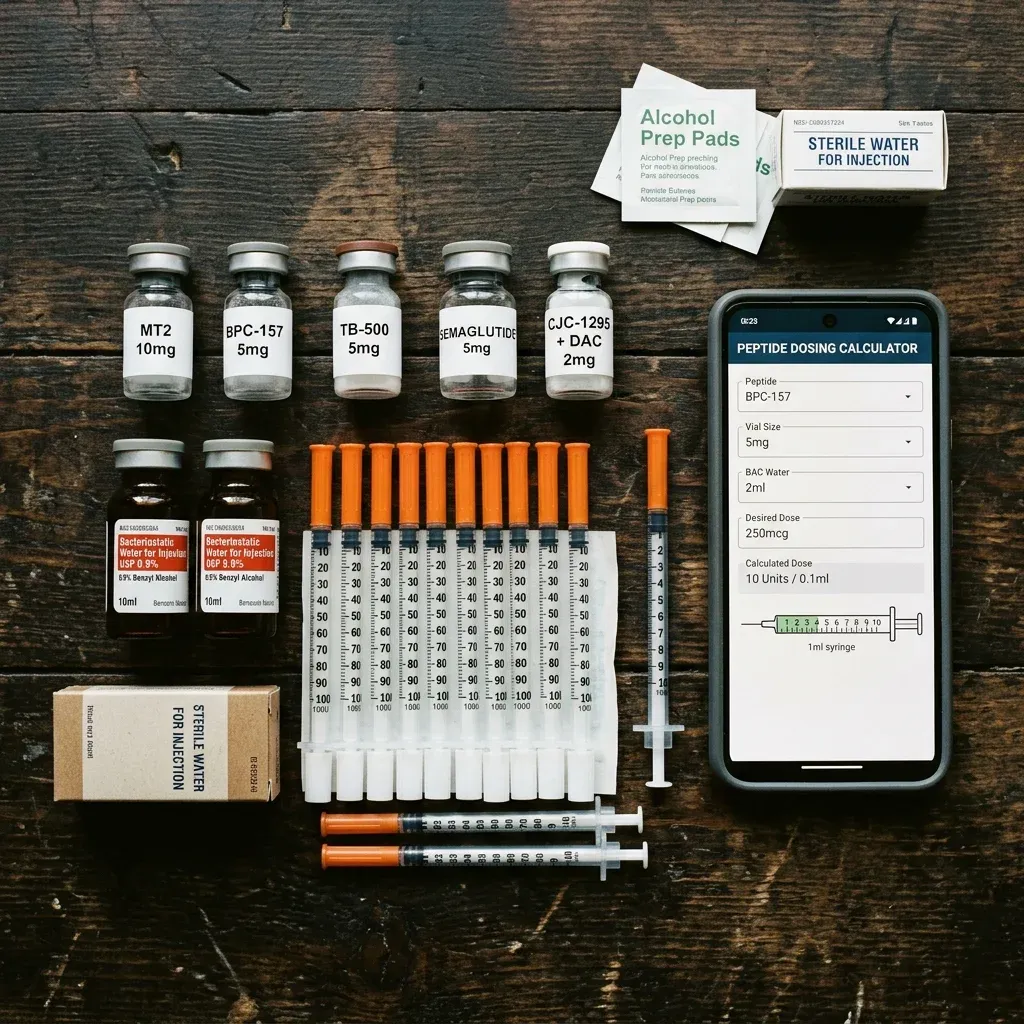
The compounding pharmacy industry argues that regulated pharmacies offer a safer alternative to gray-market dealers, since their products come from FDA-registered facilities subject to inspection. Scott Brunner, CEO of the Alliance for Pharmacy Compounding, acknowledged to ProPublica the irony of his position: "Where we don't have research, clinical trials, what we've got a ton of, is, shall we say, testimonials, patient affidavits, attesting to the wonders of the drug."
FDA Commissioner Marty Makary has been noncommittal but open. After being hosted by Brecka in Miami (where, Brecka claimed, he converted the commissioners by putting them in a 50-degree cold plunge), Makary said the agency would need to review peptides to determine which are "harmless" and which require additional study. What form that review takes — and whether it meets any reasonable evidentiary standard — remains to be seen.
Healing vs. Enhancement: Where the Science Actually Stands
Flynn McGuire spent months reviewing the BPC-157 literature for his University of Utah scoping review. His published conclusion was measured: the substance "should be considered investigational." In an email to the STAT News/Undark investigation team, he was more direct: BPC-157 "should not be used by humans."
Dr. Noah Raizman, a Washington-area orthopedic surgeon, echoed the sentiment to The New York Times: peptide therapy is "100 percent 'bro' science."
The theoretical risks are not trivial. Because BPC-157 promotes angiogenesis — new blood vessel growth — there is a theoretical concern about accelerating tumor growth by delivering more oxygen to early-stage cancers that a person may not know they have. Adam Taylor at Lancaster University raised the same concern to The Guardian. The McGuire review also flagged toxic metabolite formation and nitric oxide overproduction as proposed mechanisms of harm. At high levels, excess NO can inhibit heme insertion into hemoglobin and alter drug metabolism.
Real-world adverse events have already occurred. Two women were hospitalized at a Las Vegas anti-aging conference after peptide injections, presenting with swollen tongues, breathing problems, and elevated heart rates. Reddit users have reported side effects including body-wide itching, intense anxiety, and anhedonia — though self-reported anecdotes carry obvious limitations.
On the other side, a pre-clinical safety evaluation by Xu et al. (2020) found no minimum toxic dose, no lethal dose, and no teratogenic, genotoxic, or anaphylactic effects for BPC-157 in animal models. An industry survey by Evexias Health Solutions of 508 patients treated with various peptides found 19% reported uncomfortable side effects and less than 1% experienced an adverse event.

The deeper problem may be structural. The gray market's existence undermines the very research that could resolve these questions. Christopher Milne, formerly of the Tufts Center for the Study of Drug Development, explained to STAT News that participants might prefer getting BPC-157 on the gray market rather than risk being assigned to a placebo group, making enrollment in randomized trials difficult. And pharmaceutical companies see diminished return on investment when hundreds of thousands of people are already buying the product from unauthorized sources.
Los Angeles longevity physician Dr. Avinish Reddy recommends patients who are already using gray-market peptides stop, but offers harm-reduction guidance to those who won't. "If you're using something experimental, your doctor needs to know so side effects aren't missed or blamed on the wrong thing," he told The Guardian. His practical advice: never stack multiple experimental compounds, watch for fevers or injection-site reactions, and recognize that proper diagnosis, rehabilitation, sleep, and nutrition remain the foundation of recovery — not peptide shortcuts.
Frequently Asked Questions
Can I legally buy BPC-157 or TB-500 in the United States right now?
Personal possession is not criminalized, but there is no legal basis for selling BPC-157 as a drug, food, or dietary supplement. The gray market sells these as "research chemicals not for human use." Compounding pharmacies are currently barred from producing them, though the FDA may reverse this restriction in 2026. If you buy from an unregulated online vendor, you have no assurance about purity, potency, or whether the vial actually contains what it claims.
Is GHK-Cu safer than BPC-157 or TB-500?
For topical use (serums, creams), GHK-Cu has the strongest safety record of the three, with multiple human clinical trials supporting its skin-regeneration benefits. The FDA restriction applies specifically to injectable GHK-Cu, not topical products. If your interest is skin health and anti-aging, topical GHK-Cu is legal, commercially available, and backed by actual controlled human data.
What does the FDA's expected reversal mean for patients?
If the FDA allows compounding pharmacies to produce these peptides again, patients would be able to get them through regulated channels with a prescription. The products would come from inspected facilities using registered ingredients, which addresses contamination concerns but does not address the fundamental question of whether these peptides are safe and effective in humans. Regulatory access is not the same as clinical proof.
Are peptide therapies banned for athletes?
Yes. WADA prohibits BPC-157 under its S0 Unapproved Substances category, effective both in and out of competition. TB-500 (thymosin beta-4) is also prohibited. There is no therapeutic use exemption available because these are not approved therapeutic agents in any country. Athletes who test positive face sanctions regardless of intent.
Should I tell my doctor if I'm already using peptides?
Yes, without exception. Side effects from gray-market peptides can mimic other medical conditions, leading to misdiagnosis. Your physician needs complete information to provide safe care. As Dr. Reddy told The Guardian, experimental substances interact with your body in ways that need monitoring, and stacking multiple compounds makes it nearly impossible to determine what is helping or harming you.
Medical Disclaimer
This article is for informational and educational purposes only and is not medical advice, diagnosis, or treatment. Always consult a licensed physician or qualified healthcare professional regarding any medical concerns. Never ignore professional medical advice or delay seeking care because of something you read on this site. If you think you have a medical emergency, call 911 immediately.