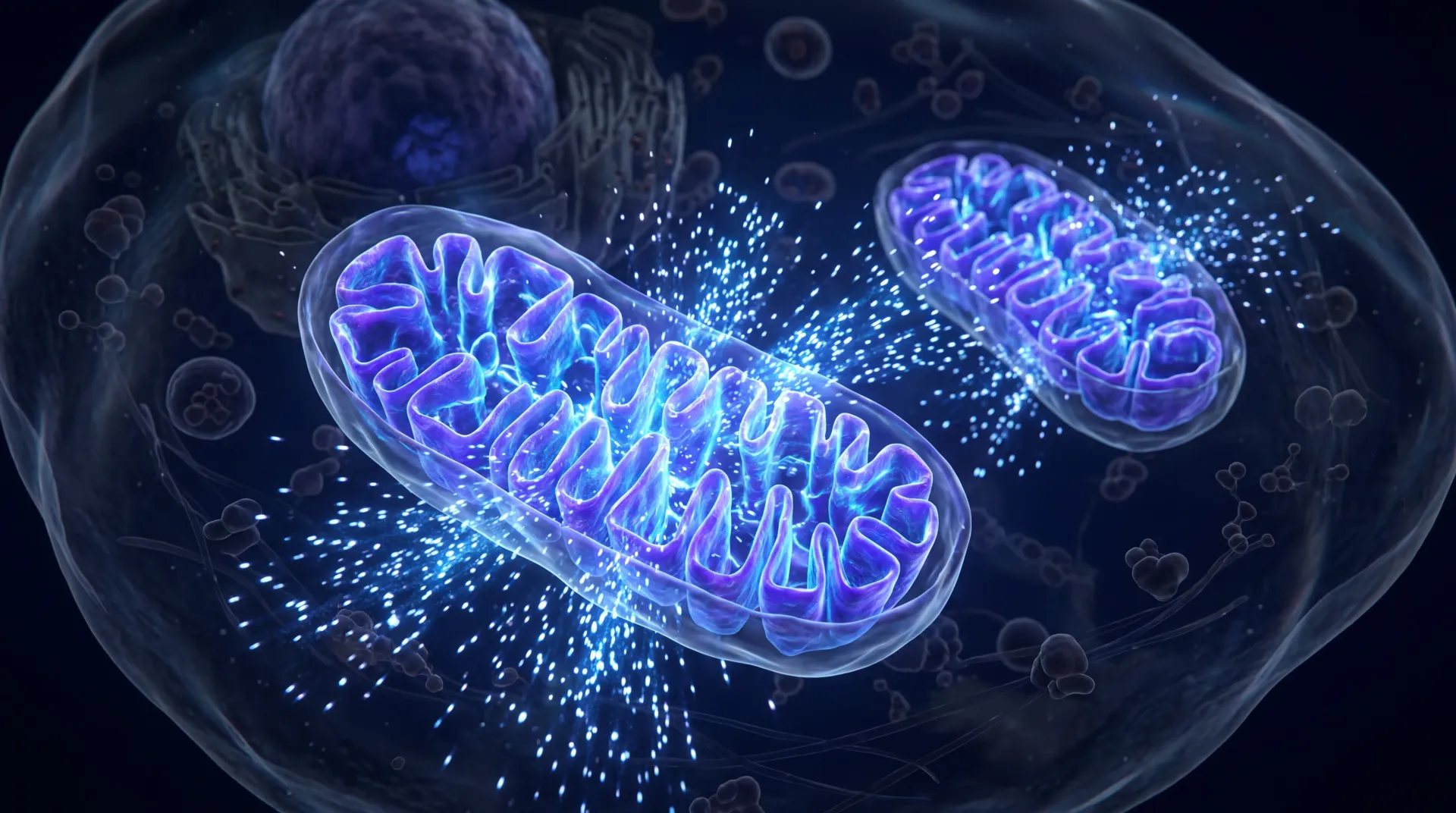
TL;DR: NAD+ is a coenzyme in every living cell. Your body needs it for energy production, DNA repair, and cellular defense. Levels drop 10% to 65% depending on the tissue, with brain, liver, and fat stores all hit. NMN (nicotinamide mononucleotide) supplements can raise blood NAD+ levels in humans, and clinical trials report improvements in walking endurance, sleep quality, and metabolic markers. But long-term data beyond 12 weeks is still missing.
What NAD+ Does Inside Your Cells
Nicotinamide adenine dinucleotide, or NAD+, is the molecule your mitochondria need to turn food into ATP. No NAD+, no energy.
Beyond energy production, three families of enzymes depend on NAD+ to function, and all three are tied to aging:
| Enzyme Family | What It Does | NAD+ Role |
|---|---|---|
| Sirtuins (SIRT1-7) | Regulate gene expression, mitochondrial function, inflammation | Required fuel. No NAD+, no sirtuin activity |
| PARPs (PARP1-17) | Detect and repair DNA damage | Consumed during each repair event |
| CD38/CD157 | Immune signaling, calcium regulation | Broken down as part of signaling |
Sirtuins get the most attention in aging research. A review in Cell Metabolism laid out the case that NAD+ decline drives aging specifically through reduced sirtuin activity in the nucleus and mitochondria. SIRT1 deacetylates proteins that protect against oxidative stress and inflammation. SIRT3, which lives inside mitochondria, keeps the electron transport chain running smoothly.
PARPs are the paradox. They fix damaged DNA, which is good, but they burn through NAD+ to do it. As DNA damage piles up with age, PARPs drain the NAD+ pool faster, leaving less for sirtuins. Research in Molecular Cell described this as a tug-of-war: PARP1 and SIRT1 compete for the same limited NAD+ supply. Aging tips the balance toward PARP activity, and sirtuin-mediated maintenance gets shortchanged.
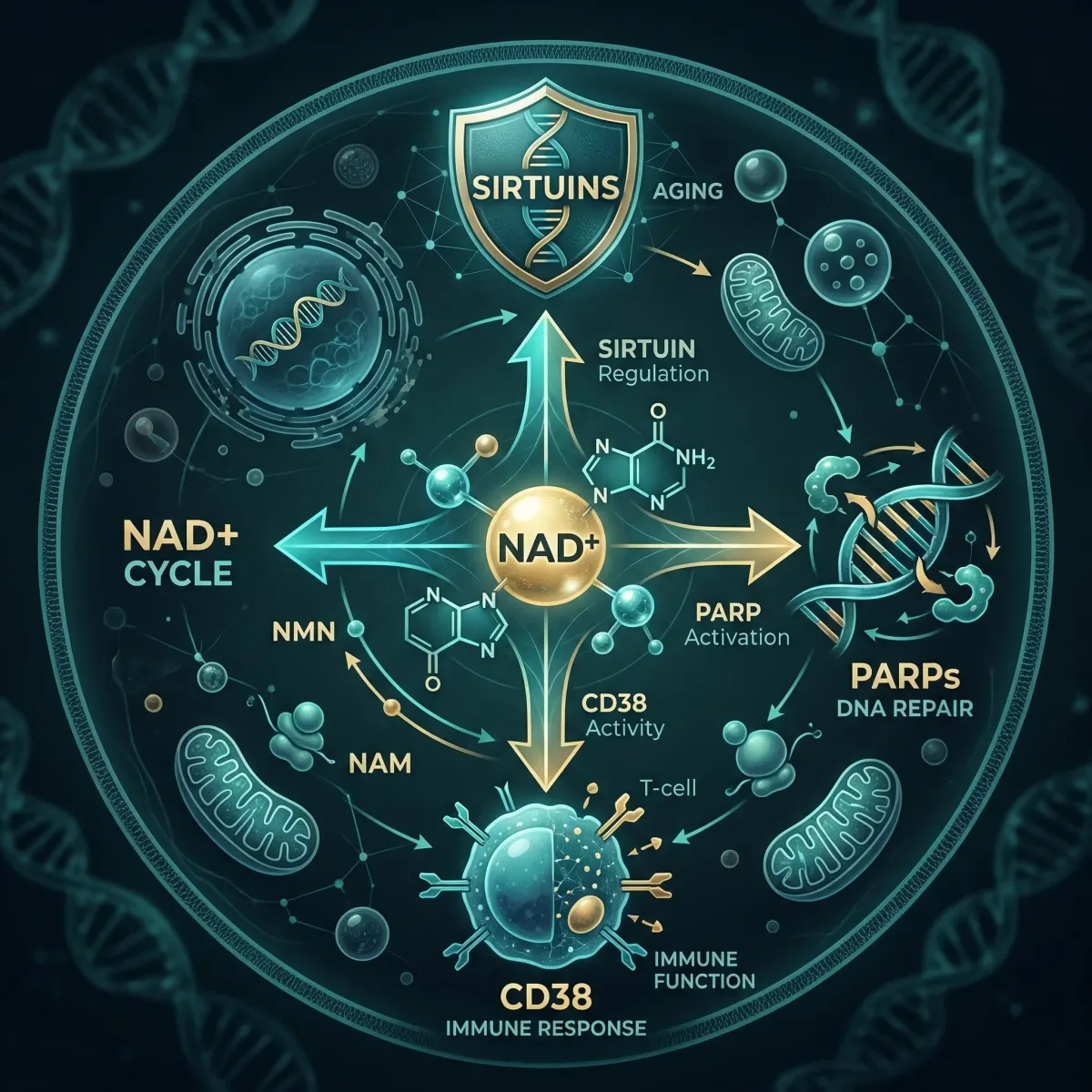
Sirtuin activity feeds into antioxidant defense systems like glutathione and mitochondrial biogenesis (the creation of new mitochondria). When NAD+ runs low, these protective processes slow down and damage accumulates faster than your cells can fix it.
Why NAD+ Levels Drop With Age
NAD+ depletion isn't a single-cause problem. Several mechanisms gang up on your NAD+ stores as you get older, which also explains why popping a supplement may not be the whole answer.
CD38: the enzyme eating your NAD+
CD38 is now considered the primary driver of age-related NAD+ decline. Research in Cell Metabolism showed that CD38 is the main enzyme chewing through both NAD+ and its precursor NMN in living organisms. When researchers knocked out CD38 in aged mice, the animals responded much better to NAD+ replacement therapy.
CD38 levels climb with age because of chronic, low-grade inflammation (sometimes called "inflammaging"). A study in Nature Aging found that senescent cells, damaged cells that refuse to die, trigger a buildup of CD38-expressing immune cells in tissues like fat. These immune cells chew through NAD+ and NMN, feeding a nasty loop: inflammation raises CD38, CD38 eats NAD+, low NAD+ impairs repair, damaged cells go senescent, and senescent cells pump out more inflammation.
Your recycling system slows down too
Your body recycles nicotinamide back into NAD+ using an enzyme called NAMPT. Research in npj Aging showed this recycling becomes less efficient with age. Meanwhile, accumulating DNA damage forces PARP enzymes to work overtime, burning through NAD+ with each repair event. A study measuring NAD+ in human tissue confirmed this depletion limits energy production, DNA repair, and genomic signaling all at once.
| Cause of NAD+ Decline | Mechanism | Relative Contribution |
|---|---|---|
| CD38 overexpression | Direct enzymatic breakdown of NAD+ and NMN | Primary driver in most tissues |
| NAMPT decline | Reduced NAD+ recycling via salvage pathway | Significant in muscle and liver |
| PARP overactivation | NAD+ consumed during DNA repair | Grows with accumulated damage |
| Chronic inflammation | Drives CD38 and senescent cell buildup | Amplifies all other mechanisms |
NMN vs NR: Two Paths to Raising NAD+
Two NAD+ precursor supplements own most of the market: NMN (nicotinamide mononucleotide) and NR (nicotinamide riboside). Both raise NAD+ levels. They differ in some ways that may or may not matter.
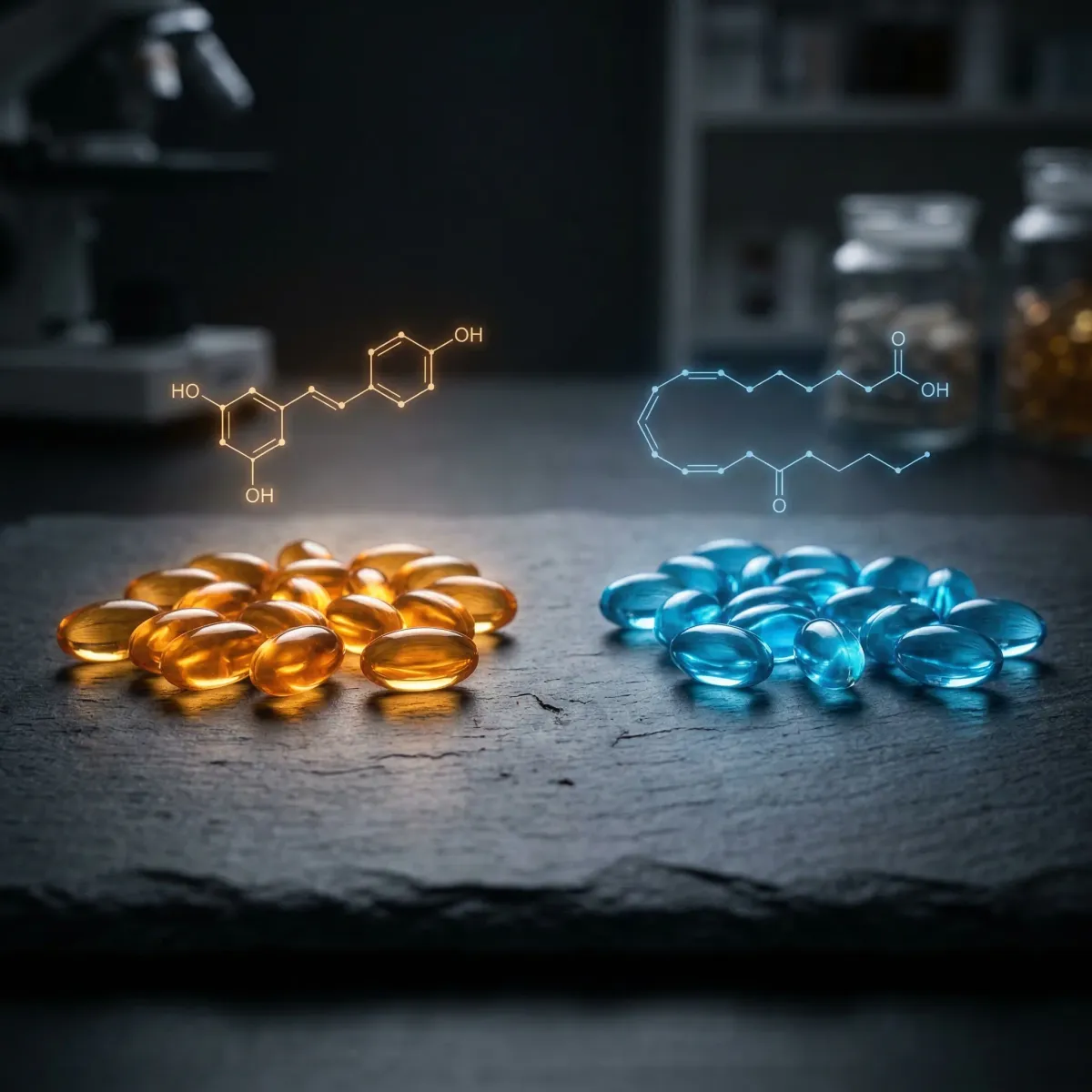
Chemically, NMN is NR with one extra phosphate group bolted on. That phosphate group determines how each molecule gets into cells, at least in theory.
A comparative review in Aging turned up something counterintuitive: NAD+ levels may not rise from direct absorption of either NR or NMN in their intact forms. Instead, gut bacteria seem to convert both into nicotinic acid (a form of vitamin B3), which then travels through the bloodstream and gets rebuilt into NAD+ in target tissues.
One research group identified a potential NMN transporter called SLC12A8 on cell membranes, which would let NMN skip the breakdown step and enter cells directly. Other researchers dispute this, arguing the evidence doesn't hold up. The current consensus is that NMN most likely gets stripped down to NR outside the cell before entering. If that's correct, both supplements take the same route in, and NMN just takes an extra step to get there.
| Feature | NMN | NR |
|---|---|---|
| Molecular weight | 334.2 g/mol | 255.2 g/mol |
| Steps to NAD+ | One (NMN → NAD+) | Two (NR → NMN → NAD+) |
| Cell entry | Likely stripped to NR first; SLC12A8 transporter proposed but disputed | Via equilibrative nucleoside transporters |
| Stability | Less stable, degrades in heat and moisture | More chemically stable |
| Human trials | 12+ published RCTs | 8+ published RCTs |
| FDA supplement status | Confirmed lawful (September 2025) | Available as supplement (Tru Niagen) |
| Typical dose | 250–1,250 mg/day | 300–1,000 mg/day |
Both end up as NAD+ inside cells. NMN has more published trial data and a wider tested dose range. NR has a longer track record on the shelf and better heat stability. For most buyers, the decision comes down to price and whether the brand does third-party testing.
What Clinical Trials Show About NMN
NMN research has moved past mouse models. Several randomized controlled trials now give us direct numbers on what NMN does in people, and where the evidence falls short.
The 80-person dose-response trial
A multicenter, double-blind, placebo-controlled trial published in GeroScience enrolled 80 healthy middle-aged adults (mean age 49, 59% female) for 60 days at 300, 600, or 900 mg/day. Results were dose-dependent but plateaued at 600 mg:
- Blood NAD+ at day 60: placebo measured 11.8 nM versus 32.6 nM (300 mg), 45.3 nM (600 mg), and 48.5 nM (900 mg). All p < 0.001 versus placebo.
- 6-minute walk test: placebo covered 330 meters versus 380 m (300 mg), 435 m (600 mg), and 480 m (900 mg). The jump from 300 to 600 mg was significant (p < 0.01), but 600 to 900 mg was not.
- Biological age: the placebo group's estimated biological age went up 5.6 years over 60 days (p = 0.029). All three NMN groups stayed within 1.5 years of baseline.
The plateau at 600 mg/day is useful information if you're trying to figure out your dose. Going higher didn't add measurable benefit. And for what it's worth, zero participants dropped out, and the placebo group actually had more adverse events than any of the NMN groups.
Walking speed and sleep in older adults
A 12-week double-blind study gave 60 older adults 250 mg NMN daily. The NMN group had significantly higher blood NAD+ levels, maintained walking speed on a 4-meter walk test, and reported better sleep quality compared to placebo. One caveat: the study's primary endpoint, a stepping test, did not reach statistical significance. Walking speed and sleep were secondary endpoints, so these findings need replication before they carry full weight. That said, gait speed is one of the strongest predictors of longevity in older populations, so even secondary findings here are worth paying attention to.
Glucose and lipid metabolism
A systematic review and meta-analysis that pooled 12 randomized controlled trials with 513 total participants found a statistically significant effect of NMN on glucose and lipid metabolism. This tracks with NAD+'s known role in metabolic regulation through sirtuin activation.
Physical performance and insulin sensitivity
A systematic review of RCTs found improved physical performance across multiple NMN studies. The Uthever trial (62 subjects, ages 40-65, 300 mg/day for 60 days) stands out: blood NAD+ rose 38% from baseline, 6-minute walk distance improved 6.5%, and SF-36 quality-of-life scores went up. The metabolic data is what caught attention, though. The NMN group's insulin sensitivity barely budged (HOMA-IR +0.6%), while the placebo group's insulin resistance worsened by 30.6% over the same period.
What the trials don't show (yet)
No human trial has shown that NMN extends lifespan, reverses biological age by epigenetic clocks, or prevents specific age-related diseases. The longest published trials ran 12 weeks, which is far too short for those kinds of claims. Most enrolled healthy adults, so we don't know how people with existing conditions would respond.
Better walking speed and sleep are real outcomes and reasonable proxies for healthy aging, but not proof that NMN slows aging itself. As with creatine for longevity, the benefits look genuine while the effect size may be modest.
Dosage, Safety, and the FDA Question
What doses have been tested?
Human trials have used NMN at 250 mg to 1,250 mg per day, usually as a single morning capsule. The most common studied dose is 250-300 mg/day, though the dose-response trial above suggests 600 mg/day may be the sweet spot for NAD+ elevation.
Safety profile
A dedicated safety evaluation in Scientific Reports gave 1,250 mg of NMN daily to 31 healthy adults for four weeks. No clinically significant adverse events, no changes in liver or kidney function, no abnormal blood panels. The authors called NMN "safe and well tolerated" at that dose. Worth noting: five of the six authors worked for the NMN manufacturer. The principal investigator was independent, and the study design (double-blind, placebo-controlled) was solid, but the funding source warrants the usual grain of salt.
A broader review of safety data across multiple trials confirmed the same picture: no serious concerns at 250 to 1,250 mg/day for up to 12 weeks.

The main gap here is duration. Nobody has published safety data from NMN use lasting six months or longer. Many consumers take it daily for years. That disconnect between tested and actual use matters.
| Dose Range | Trial Duration | Key Safety Findings |
|---|---|---|
| 250 mg/day | Up to 12 weeks | No adverse events reported |
| 300 mg/day | 60 days | Well tolerated, no significant side effects |
| 600-900 mg/day | 60 days | Greater NAD+ elevation, no safety concerns |
| 1,250 mg/day | 4 weeks | No clinically significant changes in blood markers |
The FDA reversal
In late 2022, the FDA pulled NMN from the supplement category because a pharmaceutical company had started investigating it as a drug. The Natural Products Association sued. In September 2025, the FDA backed down and confirmed NMN is lawful for dietary supplements. By December 2025, additional letters reinstated its New Dietary Ingredient status. Companies still need to file NDI notifications, but the ingredient itself is no longer stuck in regulatory limbo.
A concern that supplement companies won't tell you about
A review in Nature Reviews Molecular Cell Biology raised something you won't find on any NMN product label: boosting NAD+ in senescent cells (damaged cells that pile up with age) may crank up their SASP, the inflammatory signals they send to surrounding tissue. In theory, that could promote inflammation-driven conditions instead of reducing them. NMN probably isn't dangerous. But the "more NAD+ is always better" pitch oversimplifies the biology. Researchers have floated the idea of pairing NAD+ precursors with senolytic therapies that clear senescent cells first, but nobody has tested that combination in humans yet.
On product quality: not all NMN supplements are the same. Third-party testing through NSF, USP, or ConsumerLab is the most reliable way to confirm a product contains what the label claims.
Diet and Lifestyle Strategies That Support NAD+
Supplements get the headlines, but your body already has ways to maintain NAD+ levels. Diet, exercise, and sleep all feed into the same pathways that NMN targets.
Exercise
Research on exercise and NAD+ found that physical activity cranks up NAMPT expression, the rate-limiting enzyme in NAD+ recycling. Zone 2 cardio is a good fit here because it stresses mitochondria enough to upregulate NAD+ production without tipping into excessive oxidative damage.
Fasting
A review in Oxidative Medicine and Cellular Longevity described how caloric restriction raises NAD+, which then activates sirtuins. That's part of the mechanism behind fasting's observed health benefits. Intermittent fasting protocols like 16:8 trigger some of the same metabolic shifts, though nobody has directly measured how much NAD+ goes up compared to longer fasts.
NAD+ precursors in food
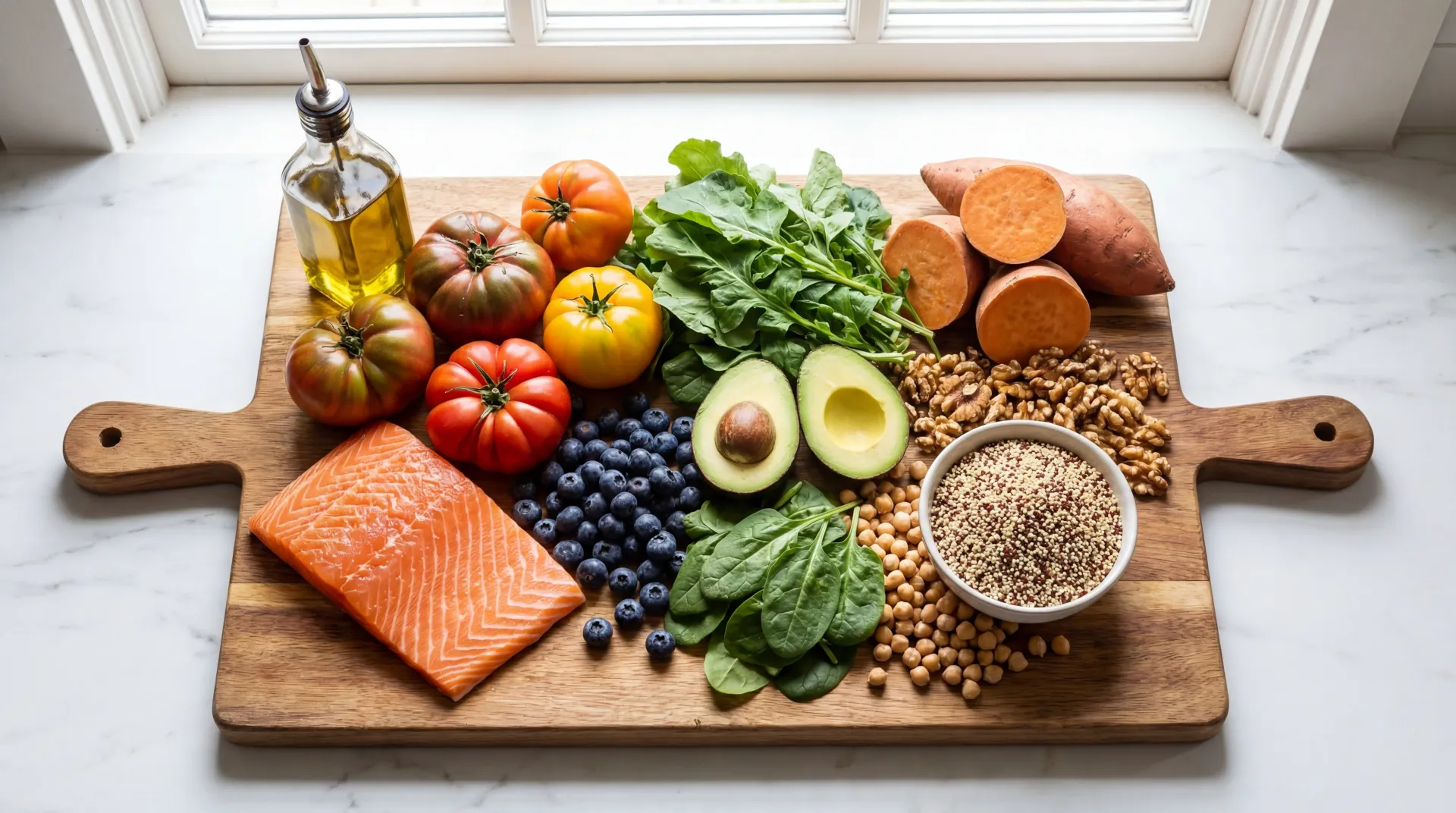
Several foods contain NAD+ precursors naturally. The amounts are small compared to supplement doses, but they support baseline production:
- Niacin (vitamin B3): chicken breast, tuna, turkey, mushrooms, green peas. The recommended daily intake (16 mg for men, 14 mg for women) supports baseline NAD+ synthesis.
- Tryptophan: turkey, eggs, cheese, nuts. Your body converts tryptophan to NAD+ through the de novo pathway, though this route is less efficient than the salvage pathway.
- NMN in whole foods: edamame, broccoli, avocado, and cucumber have trace amounts (0.25-1.88 mg per 100g), orders of magnitude less than supplement doses.
Sleep
Research on NAD+ sensing enzymes shows that NAD+ levels rise and fall on a circadian cycle. Irregular sleep disrupts these oscillations. Keeping a consistent sleep schedule may help maintain healthy NAD+ cycling on its own.
Reducing chronic inflammation
Since CD38, the main NAD+ consuming enzyme, is driven by chronic inflammation, managing inflammatory triggers preserves your existing NAD+ stores. That means keeping a healthy weight (visceral fat pumps out inflammatory cytokines), managing stress, eating anti-inflammatory foods, and supporting gut barrier integrity.
On that note, certain plant compounds act as natural CD38 inhibitors. Apigenin, found in parsley, chamomile tea, and celery, raised NAD+ levels in animal studies by blocking CD38's ability to break down NAD+. Pairing CD38 inhibition with NAD+ precursors could make supplementation more effective, though this combination hasn't been tested in humans.
Frequently Asked Questions
Can NMN supplements actually reverse aging?
No human trial has shown this. NMN raises blood NAD+ and improves certain aging-related markers like walking speed and sleep quality. Those are signs of healthier aging, not a reversal of the process.
How long does it take for NMN to raise NAD+ levels?
Blood NAD+ can increase within days at 250 mg or above. Most trials found significant elevations by two weeks. Whether those blood-level increases show up equally in specific tissues like the brain or muscle is still an open question.
Is NMN safe to take long-term?
The longest published safety data covers 12 weeks at doses up to 1,250 mg with no serious adverse events. Nobody has published data beyond three months. The FDA's September 2025 decision to allow NMN as a supplement doesn't amount to a safety endorsement; it means NMN meets the legal bar for supplement sale.
Should I take NMN or NR?
Both raise NAD+ in humans. NMN has more clinical trial data. NR has been on the market longer and holds up better in storage. Neither has been clearly shown to beat the other in head-to-head studies. Price, brand reputation, and third-party testing usually make the decision.
Does NMN interact with medications?
No significant interactions have been reported in published trials. That said, anyone on medications for diabetes, heart disease, or cancer should talk to their doctor before starting NMN. NAD+ metabolism crosses paths with multiple drug targets, and the lack of reported interactions may just reflect the small size and short duration of existing studies.
Related Articles
- Glutathione: The Master Antioxidant Your Body Makes (and How to Boost It) — Another cellular defense molecule tied to NAD+ levels.
- Creatine Benefits Beyond Muscle — Brain, Bone, and Longevity — A longevity supplement with overlapping benefits in mitochondrial energy production.
- Intermittent Fasting Schedules Compared: 16:8 vs 20:4 vs OMAD — Fasting activates many of the same sirtuin pathways that NMN targets.
- Zone 2 Cardio for Fat Burning and Longevity — The type of exercise that supports mitochondrial health and NAD+ recycling.
- Collagen Supplements — Do They Actually Work for Skin, Joints, and Gut? — Another popular supplement weighed against clinical evidence.
Medical Disclaimer
This article is for informational and educational purposes only and is not medical advice, diagnosis, or treatment. Always consult a licensed physician or qualified healthcare professional regarding any medical concerns. Never ignore professional medical advice or delay seeking care because of something you read on this site. If you think you have a medical emergency, call 911 immediately.