What Makes Turmeric a Nutritional Powerhouse?
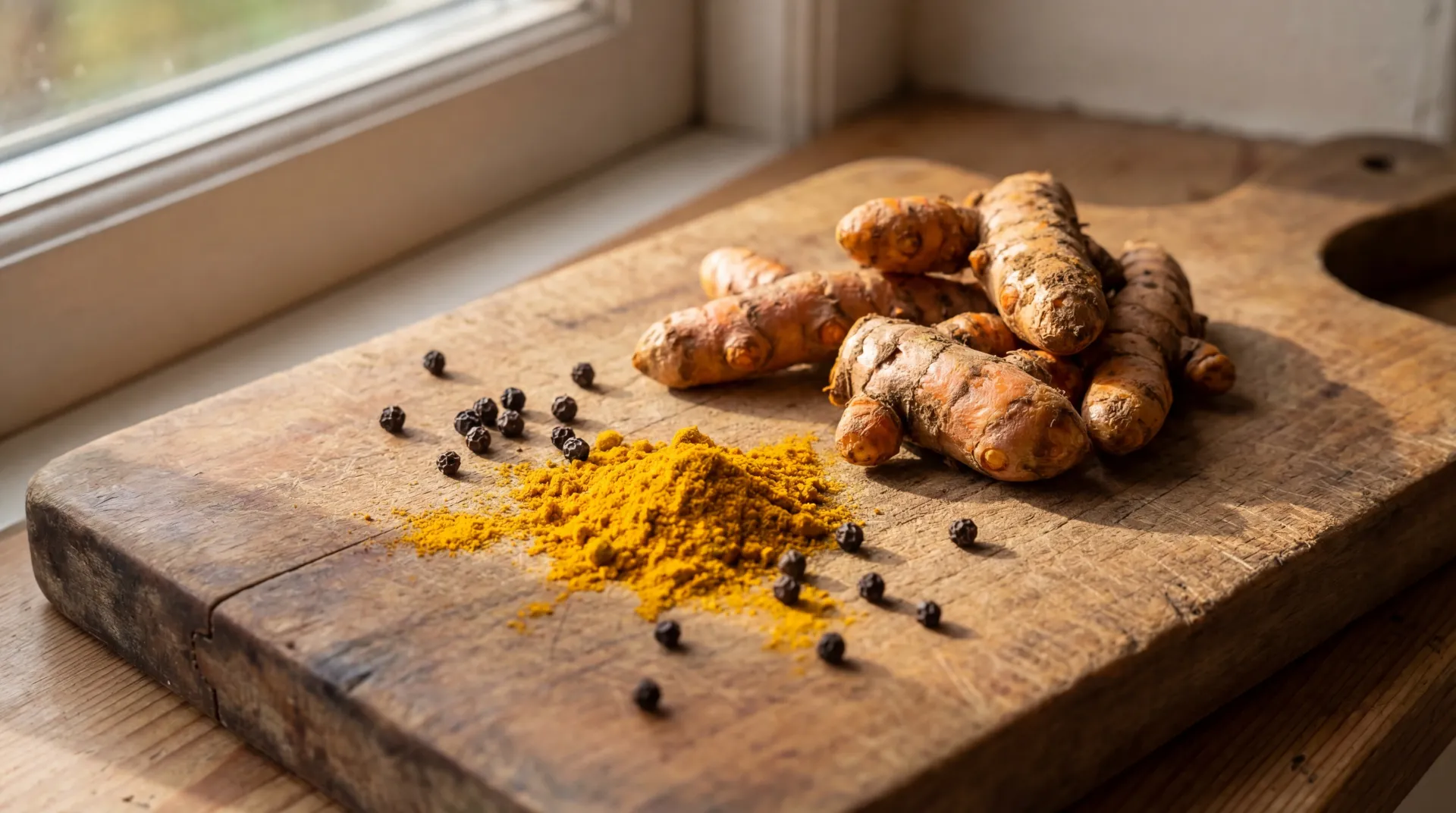
South Asian traditional medicine has relied on turmeric for over 4,000 years. Modern science eventually caught up and identified why. The root of Curcuma longa contains hundreds of chemical compounds, but three matter most: curcumin, demethoxycurcumin, and bisdemethoxycurcumin. Collectively called curcuminoids, they make up roughly 2-8% of the spice by weight.
Curcumin does the heavy lifting. It drives most of the measurable health effects documented in clinical research over the past two decades. Turmeric also delivers volatile oils (turmerone, atlantone, zingiberene), fiber, and several minerals, though these play a supporting role.
| Component | Amount per Tablespoon (7g) | Key Function |
|---|---|---|
| Curcumin | ~200 mg | Primary anti-inflammatory and antioxidant compound |
| Manganese | 1.2 mg (52% DV) | Enzyme activation, bone metabolism |
| Iron | 2.8 mg (16% DV) | Oxygen transport, energy production |
| Fiber | 1.4 g | Digestive support, blood sugar regulation |
| Potassium | 170 mg | Blood pressure regulation, muscle function |
| Vitamin B6 | 0.12 mg (7% DV) | Neurotransmitter synthesis |
The U.S. Food and Drug Administration classifies turmeric as Generally Recognized As Safe (GRAS), with tolerability demonstrated at daily doses between 4,000 and 8,000 mg. Some clinical trials have pushed as high as 12,000 mg per day of 95% curcuminoid concentration without serious adverse events.
Quick Fact: A single tablespoon of ground turmeric contains about 200 mg of curcumin, but most clinical studies use concentrated extracts delivering 500-1,500 mg of curcuminoids daily. Cooking with turmeric contributes to overall intake, yet supplementation is typically needed to reach therapeutic levels.
How Curcumin Fights Chronic Inflammation at the Molecular Level
Heart disease, type 2 diabetes, arthritis, Alzheimer's, certain cancers — chronic low-grade inflammation runs through all of them. Curcumin goes after this inflammation through several distinct molecular pathways, and that multi-pronged approach is what makes it unusual among natural compounds.
Its primary target is NF-kB (nuclear factor-kappa B), a protein complex that functions as a master switch for inflammatory genes. When NF-kB stays chronically activated, it ramps up production of inflammatory cytokines, adhesion molecules, and tissue-damaging enzymes. Curcumin shuts down this activation at multiple points along the signaling cascade.
It also inhibits cyclooxygenase-2 (COX-2) and lipoxygenase — the same enzyme pathways that NSAIDs like ibuprofen target. Circulating levels of pro-inflammatory markers drop: interleukin-6 (IL-6), tumor necrosis factor alpha (TNF-alpha), and C-reactive protein (CRP) all decrease. A 2024 meta-analysis of 103 randomized controlled trials graded the evidence for curcumin's CRP-lowering effect as high quality.
Some of the individual trial results are striking. In one study with 117 participants, 1 gram of curcumin plus 10 mg of piperine over eight weeks significantly reduced TNF-alpha, IL-6, TGF-beta, and MCP-1 (p < 0.001). A smaller trial gave 28 healthy subjects 400 mg daily and measured a 48% reduction in exercise-induced creatine kinase increase, along with 25% less TNF-alpha and 21% less IL-8.
Unlike single-mechanism drugs, curcumin modulates multiple pathways at once. That breadth may explain why it keeps showing up across such different areas of research. The flip side: it also makes nailing down its strongest clinical applications harder. Which brings us to the full picture of what 103 trials have actually demonstrated.
103 Clinical Trials Later: What Does the Science Actually Show?
The most comprehensive curcumin analysis to date appeared in Phytotherapy Research in December 2024, led by Jafari and colleagues. Their meta-analysis pooled data from 103 randomized controlled trials — 7,216 participants, 42 different health outcomes. Bottom line: 23 out of 42 outcomes (55%) showed statistically significant effects from curcumin supplementation.
| Outcome Category | Evidence Quality | Direction of Effect | Key Markers |
|---|---|---|---|
| Blood sugar regulation | High | Significant reduction | Fasting blood sugar, HbA1c, HOMA-IR, insulin |
| Inflammation | High | Significant reduction | CRP, IL-6, TNF-alpha |
| Cholesterol profile | High | Improved ratios | HDL increase, LDL and triglyceride decrease |
| Body weight | High | Modest reduction | Weight, waist circumference, BMI |
| Liver function | Moderate | Improvement | GGT, liver enzymes |
| Antioxidant capacity | Moderate | Improvement | GSH, SOD levels |
| Cognitive function | Moderate | Improvement (older adults) | MMSE, MoCA scores |
The strongest evidence clusters around metabolic health. Fasting blood sugar, CRP, HDL cholesterol, and body weight data all met the strictest methodological criteria — and that distinction matters. Plenty of supplements coast on weak or preliminary findings. With curcumin, the metabolic and anti-inflammatory results have been tested again and again and still hold up under rigorous statistical scrutiny.
A genuine limitation the researchers flagged: most individual trials were small and ran for weeks, not years. We still need longer studies with bigger sample sizes to know whether these effects persist with extended use. Even so, the consistency across independent research groups and diverse populations is hard to wave away. If you are already working on nutrient deficiencies or metabolic concerns, curcumin is one of the better-studied options to consider adding.
Can Turmeric Really Improve Brain Function and Memory?
Yes — with some important qualifications. An updated systematic review and meta-analysis published in 2025 looked at nine randomized controlled trials with 501 participants total. Curcumin supplementation significantly improved global cognitive function, landing at a standardized mean difference of 0.82 (95% CI: 0.19-1.45, p = 0.010). In clinical research terms, that is a medium-to-large effect.
Not everyone benefited equally, though. The meta-analysis revealed clear patterns in who responds best:
- Adults over 60: Effect size of 1.12 (p = 0.044), a large and statistically significant improvement
- Treatment lasting 24+ weeks: Effect size of 1.15 (p = 0.027), suggesting that curcumin needs time to produce cognitive benefits
- High-bioavailability formulations: Effect size of 1.57 (p = 0.016), the strongest result in the entire analysis
- Optimal dose: 0.8 grams per day showed the best results, with higher doses actually showing diminished returns
These cognitive benefits likely stem from curcumin crossing the blood-brain barrier and tamping down neuroinflammation. One study used FDDNP-PET imaging and found decreased tracer binding in the hippocampus and amygdala after 18 months of curcumin. That suggests a possible reduction in amyloid and tau protein accumulation — two hallmarks of Alzheimer's disease.
For people under 60 who are already cognitively sharp, the data was not statistically significant. Curcumin probably will not give you a noticeable mental edge in middle age. But older adults worried about age-related cognitive decline have reasonable grounds for trying it, especially with a bioavailable formulation taken for at least six months. Pairing supplementation with other lifestyle factors that support memory and brain function makes the most sense.
Turmeric and Heart Health: The Cardiovascular Evidence
Heart disease kills more people worldwide than any other cause, and curcumin appears to work on several of its root mechanisms at the same time. The cardiovascular research falls into three buckets: endothelial function, lipid profiles, and arterial stiffness.
Endothelial cells line every blood vessel in your body. They regulate blood flow, clotting, and inflammation — and when they stop working properly, atherosclerosis follows. A comprehensive review in Cells documented that curcumin restores nitric oxide bioavailability and cuts vascular superoxide production, two factors that are critical for keeping blood vessels healthy.
In one trial, 200 mg of curcumin produced a clinically substantial 3.0% increase in flow-mediated dilation (FMD) over placebo — the standard measure of endothelial function. Even more interesting: research in postmenopausal women showed that 150 mg per day of curcumin nanoparticles matched moderate aerobic exercise training in its effect on endothelial function.
The lipid data tells a similar story. Trials with 213 type 2 diabetes patients showed curcumin reduced triglycerides, shrank visceral fat, and improved pulse wave velocity (a proxy for arterial stiffness). Another study — 65 participants with metabolic syndrome — found lower triglycerides and LDL alongside higher HDL. These improvements line up with the high-quality evidence from the 103-trial meta-analysis described above.
At the molecular level, curcumin inhibits NF-kB and MAPK signaling pathways, reduces oxidative stress, and modulates lipid metabolism. It also boosts adiponectin, an anti-inflammatory hormone that protects against arterial plaque buildup. None of this means you should swap out your statins. But as a complementary approach — particularly if you are already exploring dietary strategies for inflammation reduction — the evidence is solid.
Joint Pain Relief: How Turmeric Stacks Up Against Common Medications
Anyone who has reached for ibuprofen after a rough day should pay attention here. A 2024 systematic review and meta-analysis of 10 randomized controlled trials — 786 knee osteoarthritis patients — found turmeric extract to be "more effective than placebo and comparable to NSAIDs" for pain management.
The numbers are clear. Against placebo, turmeric delivered a mean difference of 18.25 points on the Visual Analog Scale for pain (95% CI: 7.79-28.72, p = 0.0006). Compared head-to-head with NSAIDs, it showed non-inferior results for functional improvement (mean difference -11.99, p = 0.39) — the two treatments performed about the same.
A landmark trial put this to the test directly: 367 patients, curcumin extracts (1,500 mg per day) versus ibuprofen (1,200 mg per day) over four weeks. Curcumin proved non-inferior for knee osteoarthritis symptoms. A smaller study tracked 50 patients over eight months and saw decreased WOMAC scores (a standard arthritis severity measure) along with lower inflammatory markers.
| Treatment | Daily Dose | Pain Reduction (VAS) | GI Side Effects | Treatment Duration |
|---|---|---|---|---|
| Curcumin extract | 500-1,500 mg | Significant vs. placebo | <10% (minor) | 4-16 weeks studied |
| Ibuprofen | 1,200 mg | Comparable to curcumin | 15-30% (including ulcers) | Chronic use limited by GI risks |
| Diclofenac | 75-150 mg | Comparable to curcumin | 15-25% (cardiovascular concerns) | Short-term preferred |
Safety is where curcumin really pulls ahead. Zero serious adverse events across the osteoarthritis trials. Fewer than 10% of curcumin users reported any gastrointestinal side effects — mild dyspepsia, nausea, or diarrhea. Compare that to the well-documented risks of long-term NSAID use: stomach ulcers, kidney damage, cardiovascular events.
One counterintuitive dosage finding: lower doses (under 1,000 mg per day) actually showed a slightly higher mean difference for pain reduction (27.02 versus 21.48 for higher doses). You may not need to go heavy on the dosing to get meaningful relief.
What Turmeric Does Inside Your Gut
Most conversations about curcumin focus on getting it absorbed out of the gut and into the bloodstream. But emerging research flips that narrative — curcumin also does significant work right there in the digestive tract, and it interacts with the gut microbiome in ways researchers are only starting to unpack.
A 2022 systematic review found that curcumin and turmeric extracts improved IBS symptom severity and quality of life, with particular benefits for abdominal pain. The mechanism is twofold: curcumin blocks inflammatory pathways in gut tissue while reinforcing the integrity of the intestinal barrier. When that barrier breaks down — sometimes called "leaky gut" — inflammatory molecules leak into the bloodstream and fan systemic inflammation.
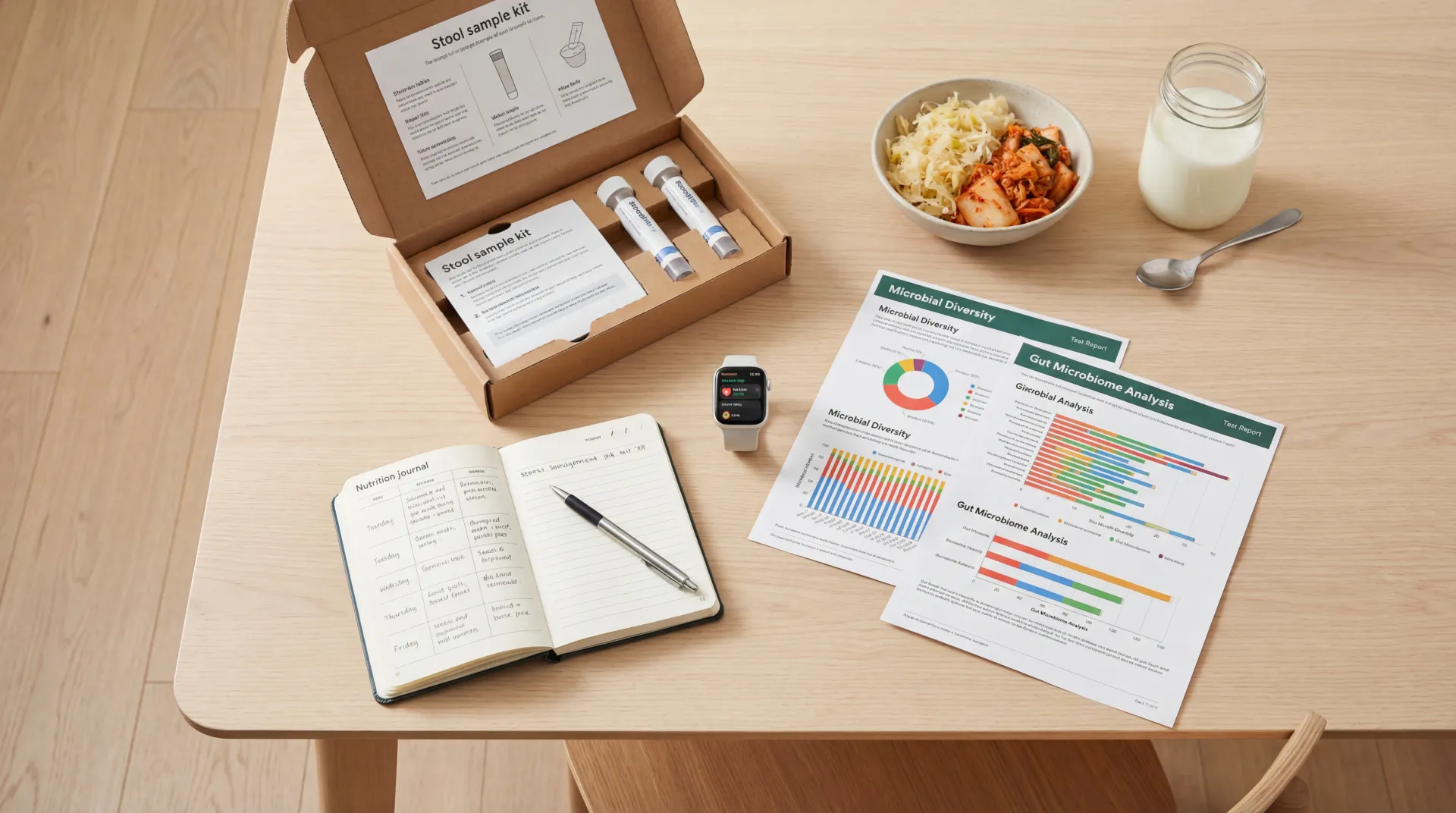
The microbiome connection is newer territory. Research in Nutrients points to curcumin having prebiotic-like properties, feeding beneficial gut bacteria and supporting their growth. Gut bacteria also metabolize curcumin themselves, generating active metabolites that may have different biological effects than the parent compound.
If you are already incorporating probiotic foods and supplements for gut health, turmeric works from the other side of the equation. Instead of introducing new bacteria, curcumin cultivates conditions where beneficial species thrive and dampens the inflammation that damages gut tissue. There is also emerging clinical evidence for ulcerative colitis: studies show curcumin combined with standard therapy improved remission rates over therapy alone.
Myth vs. Fact: Separating Turmeric Hype from Science
Turmeric has attracted enough hype to power an entire industry of overblown promises. Here is where the evidence actually lands — and where the marketing has run ahead of the research.
| Claim | Verdict | Evidence |
|---|---|---|
| Turmeric cures cancer | Myth | Early-stage cell and animal studies only. No human clinical trials demonstrate cancer treatment efficacy. Promising mechanistic research, but "cures" is not supported. |
| Curcumin reduces inflammation | Fact | High-quality evidence across 103 RCTs. Reduces CRP, IL-6, TNF-alpha with consistent replication across research groups. |
| Turmeric is as effective as prescription anti-inflammatories | Partially true | Non-inferior to ibuprofen for knee osteoarthritis in one large trial (367 patients). Not tested against all prescription medications or for all conditions. |
| Cooking with turmeric provides therapeutic doses | Myth | Culinary amounts deliver 20-100 mg of curcumin. Clinical effects require 500-1,500 mg daily from concentrated extracts. |
| Black pepper makes turmeric 2,000% more absorbable | Fact | Piperine from black pepper increases curcumin bioavailability by 2,000%. This is one of the most replicated findings in curcumin research. |
| Turmeric reverses Alzheimer's disease | Myth | Improves cognitive function in adults 60+ after 24 weeks, but no evidence of reversing established Alzheimer's. Shows reduced amyloid/tau markers in imaging, but this is not reversal. |
| Turmeric improves heart health | Fact | Improves endothelial function, lipid profiles, and arterial stiffness across multiple trials. Complementary to, not a replacement for, cardiovascular medication. |
The real picture is consistent: curcumin delivers measurable benefits for metabolic, inflammatory, and joint-related conditions. It just is not the miracle cure the internet makes it out to be. It does not replace medications, and it will not treat serious diseases by itself. Respect what the research shows and what it has not yet proven. You will find the same gap between hype and reality with other popular supplements like garlic — genuine benefits buried under a pile of overclaiming.
How to Actually Absorb Curcumin (Most People Get This Wrong)
If you take away one thing about curcumin supplementation, let it be this: on its own, your body barely absorbs it. The liver and intestinal wall metabolize curcumin so rapidly that most of it gets excreted before reaching the bloodstream. The form you choose matters far more than the dose on the label.
Three proven strategies make a dramatic difference:
Piperine (black pepper extract): The most studied absorption enhancer. Piperine inhibits the liver enzymes responsible for breaking down curcumin, increasing bioavailability by 2,000%. A standard clinical dose combines 500 mg of curcumin with 5-6.7 mg of piperine, taken three times daily. When cooking with turmeric, always add freshly cracked black pepper.
Lipid-based formulations: Curcumin is fat-soluble, so pairing it with fats improves absorption. BCM-95 combines curcumin with turmeric essential oils, while Meriva uses soy lecithin (a phospholipid) to create a more absorbable complex. Typical doses run 500 mg of BCM-95 twice daily or 200-500 mg of Meriva twice daily.
Nano and micellar formulations: These newer delivery systems use nanotechnology to shrink curcumin particles small enough to sidestep the normal absorption bottleneck. The cognitive function meta-analysis found that high-bioavailability formulations outperformed standard curcumin by a wide margin (SMD 1.57, p = 0.016).
Practical Tip: Take curcumin supplements with a meal containing fat. Even a tablespoon of olive oil or a handful of nuts with your supplement can improve absorption. Avoid taking curcumin on an empty stomach, as this minimizes both absorption and potential stomach sensitivity.
A safety note worth flagging: curcumin can interact with blood-thinning medications (warfarin, aspirin), diabetes drugs, and some chemotherapy agents. If you are on any prescription medications, talk to your healthcare provider before starting curcumin. The Examine.com database provides a thorough interaction reference for specific drug-supplement combinations.
Frequently Asked Questions
How much turmeric should I take daily for health benefits?
Clinical trials showing measurable benefits typically use 500-1,500 mg of curcuminoids per day, usually in divided doses. For cognitive function, the optimal dose appears to be 800 mg per day based on meta-analysis data. For joint pain, both lower doses (under 1,000 mg) and higher doses (1,000-1,500 mg) showed effectiveness. Always choose a formulation that includes piperine or uses enhanced bioavailability technology.
Is turmeric safe to take every day?
The FDA classifies turmeric as Generally Recognized As Safe (GRAS). Clinical trials have demonstrated tolerability at doses up to 8,000 mg per day, and some studies have tested 12,000 mg daily without serious adverse events. Common side effects at high doses include mild digestive discomfort in fewer than 10% of users. However, people on blood thinners, diabetes medication, or chemotherapy should consult a doctor before daily supplementation.
Does cooking destroy curcumin in turmeric?
Heat does not destroy curcumin at normal cooking temperatures. In fact, gentle heating can improve curcumin's solubility. However, cooking with turmeric delivers only 20-100 mg of curcumin per serving, far below the 500-1,500 mg used in clinical trials. Cooking with turmeric contributes to overall intake and adds flavor, but supplementation is needed for therapeutic doses.
Can turmeric replace anti-inflammatory medications?
For knee osteoarthritis specifically, a trial with 367 patients found curcumin extracts (1,500 mg per day) to be non-inferior to ibuprofen (1,200 mg per day). However, turmeric has not been tested as a replacement for all anti-inflammatory medications or for all conditions. It should be considered a complementary approach rather than a direct replacement, and any changes to prescribed medication should involve your healthcare provider.
Why do I need black pepper with turmeric?
Piperine, the active compound in black pepper, increases curcumin bioavailability by 2,000% by inhibiting liver and intestinal enzymes that normally break down curcumin before it enters your bloodstream. Without piperine or another absorption enhancer, most curcumin passes through your digestive system without being absorbed. Look for supplements that include BioPerine (a standardized piperine extract) or combine turmeric with black pepper when cooking.
Related Articles
- Health Benefits of Probiotics - How beneficial bacteria support digestive health and immune function, a natural complement to turmeric's gut-protective effects.
- Garlic Health: 8 Impressive Benefits of Garlic - Another kitchen staple with documented anti-inflammatory and cardiovascular benefits backed by clinical research.
- Best Ways to Seriously Improve Your Memory - Practical strategies for cognitive enhancement that complement curcumin's brain health benefits.
- Vitamin D: Benefits, Dosage, Deficiency, Warnings and Precautions - Essential nutrient information for another widely studied supplement with anti-inflammatory properties.
- 7 Health Benefits of Coconut Oil - A healthy fat source that can also serve as a carrier to improve curcumin absorption.
Medical Disclaimer
This article is for informational and educational purposes only and is not medical advice, diagnosis, or treatment. Always consult a licensed physician or qualified healthcare professional regarding any medical concerns. Never ignore professional medical advice or delay seeking care because of something you read on this site. If you think you have a medical emergency, call 911 immediately.