A Fermented Soybean Enzyme With 1,300 Years of History
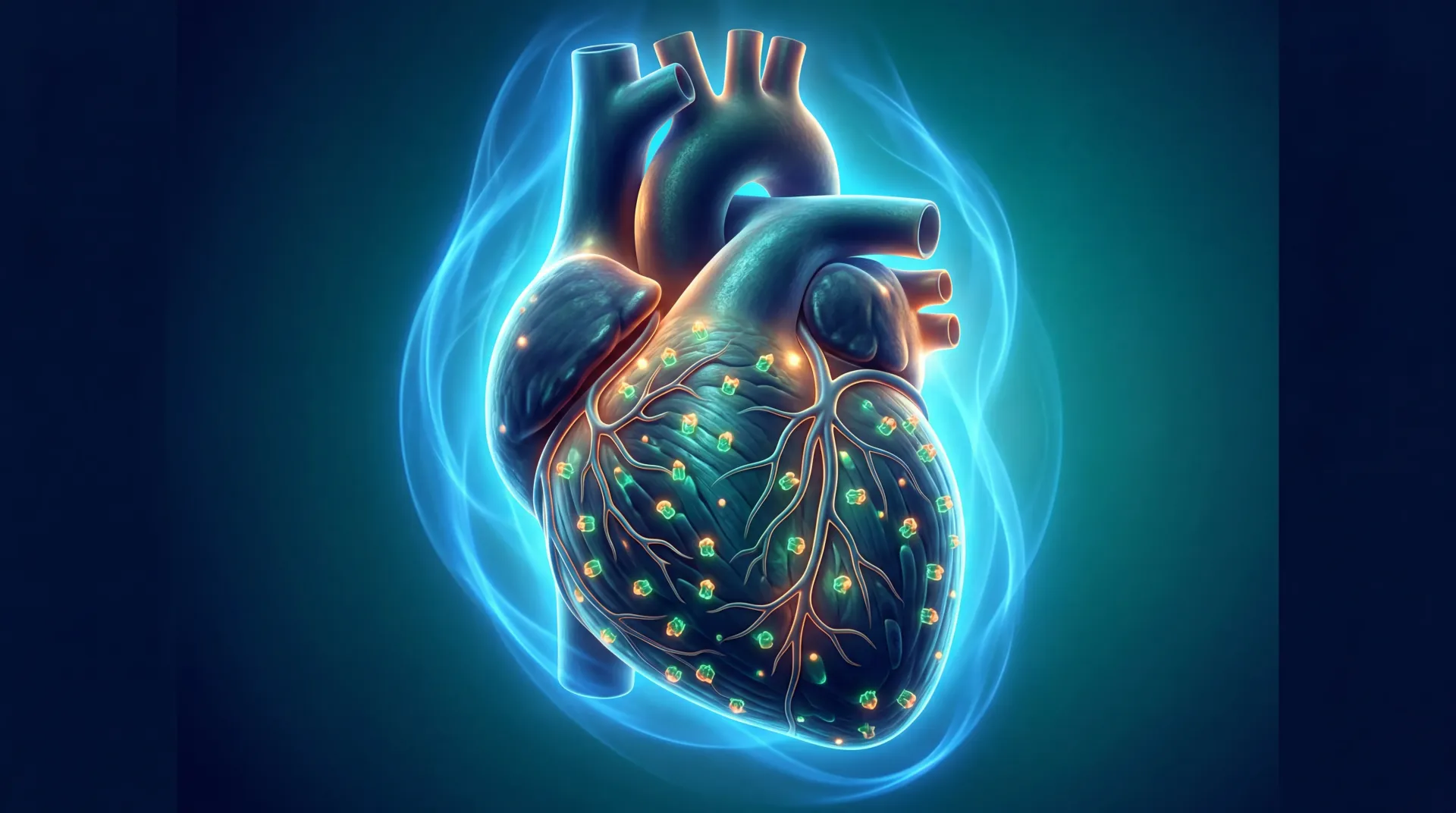
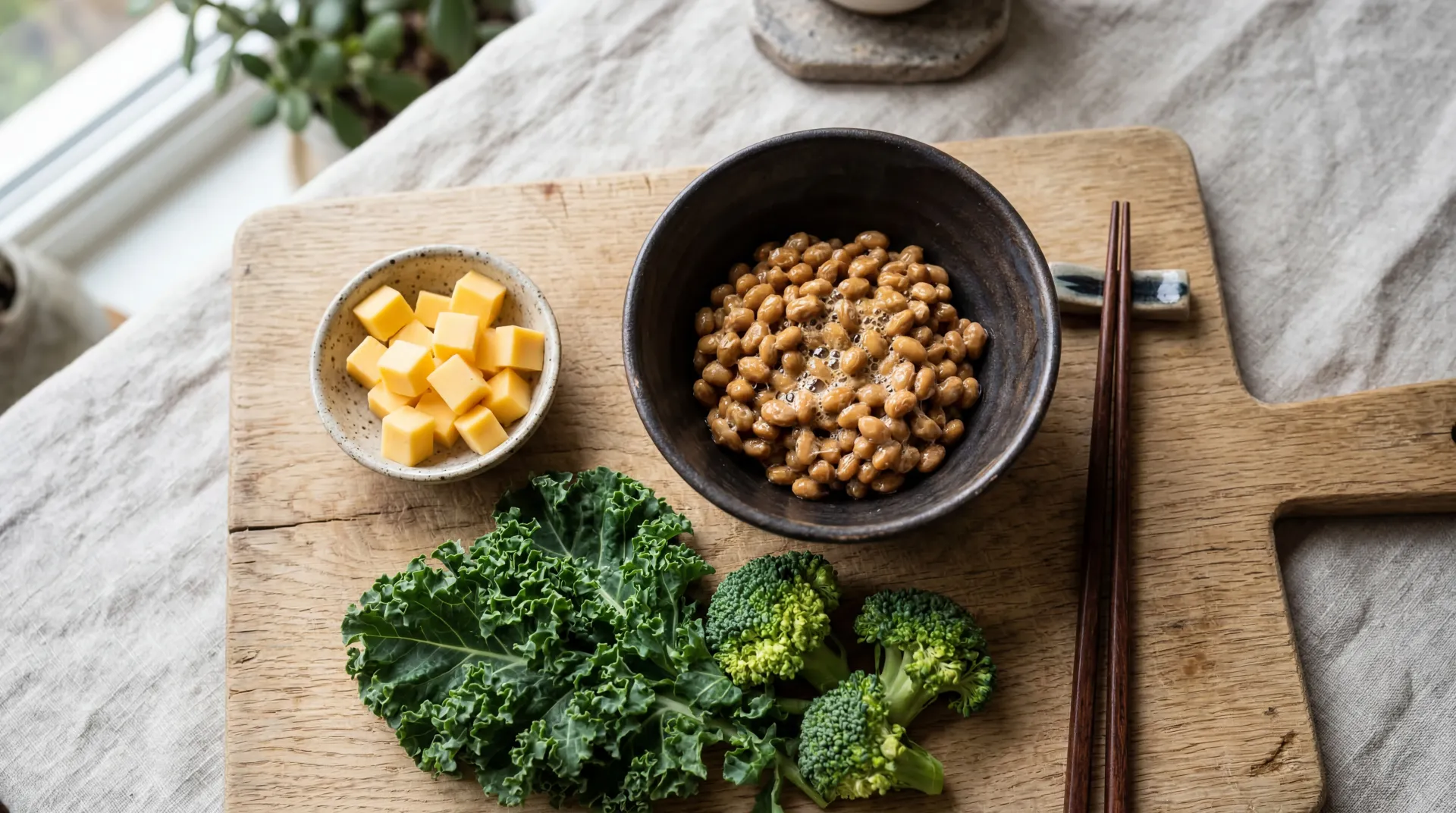
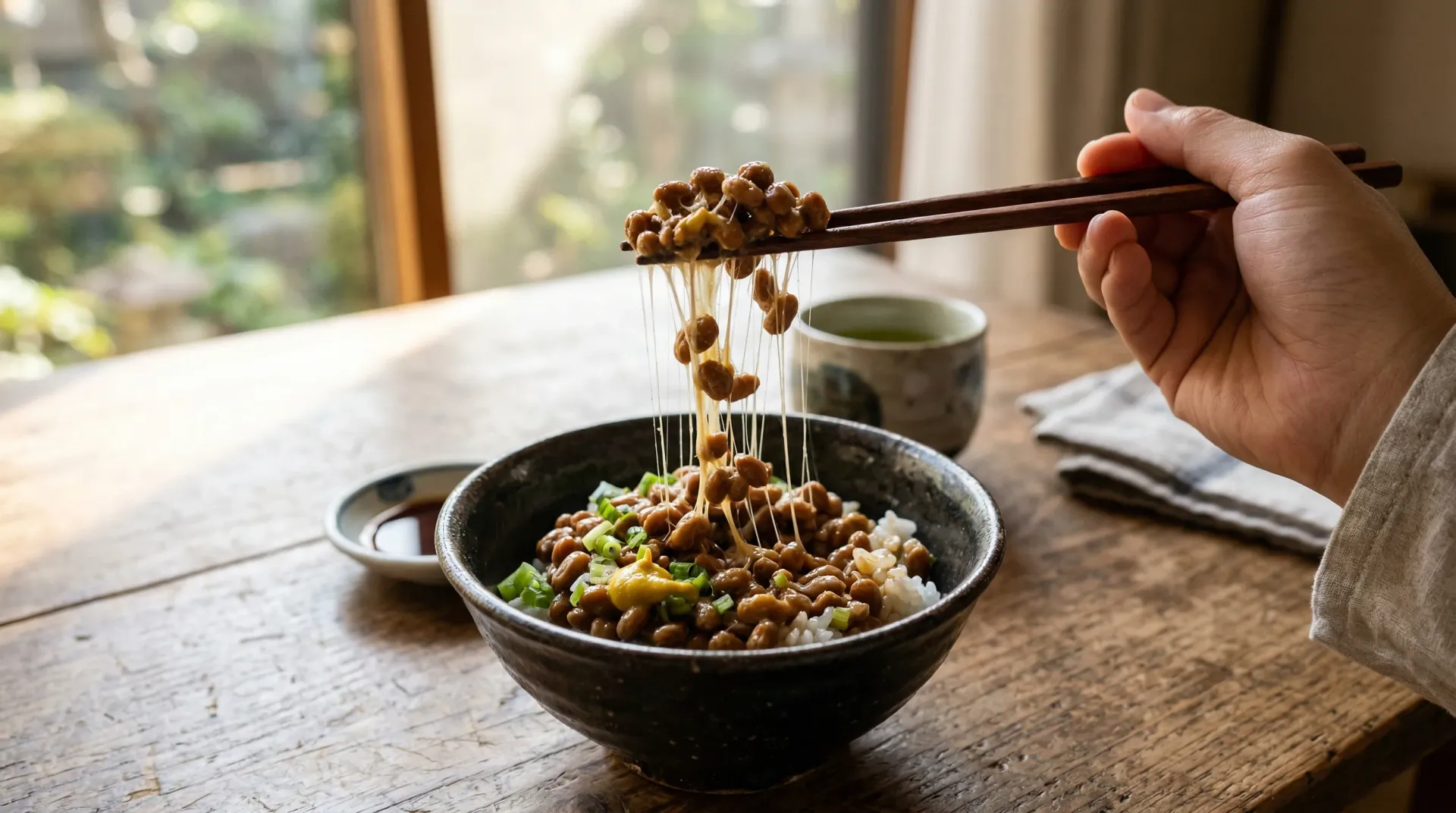
In 1987, a Japanese researcher named Dr. Hiroyuki Sumi was searching for a natural substance that could dissolve blood clots. He tested over 170 different foods in his lab. When he dropped a piece of natto — the slimy, pungent fermented soybean dish that divides Japanese households — onto a blood clot in a petri dish, the clot dissolved within 18 hours. The enzyme responsible got a straightforward name: nattokinase.
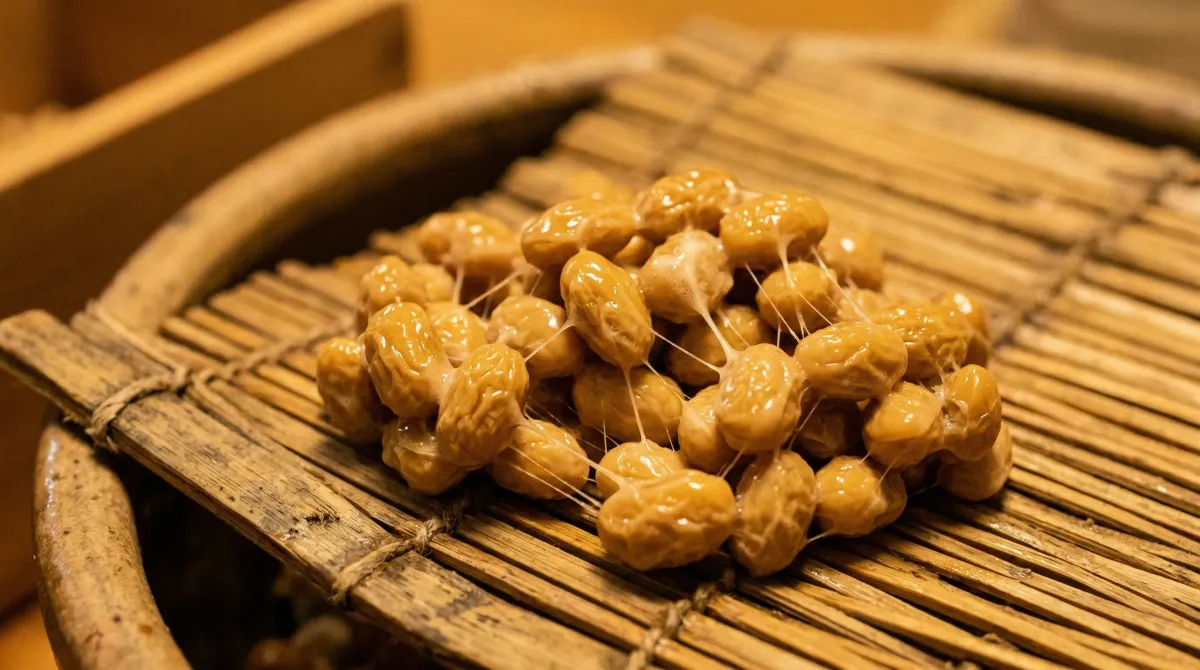
Natto itself is far older. Japanese records trace its consumption back at least 1,300 years, and some historians push that date further. The food is made by fermenting boiled soybeans with the bacterium Bacillus subtilis, which produces nattokinase as a byproduct of fermentation. The resulting food has a sticky, stretchy texture and a strong smell that most Westerners find off-putting — though in eastern Japan, it remains a breakfast staple eaten by millions daily.
Scientists noticed the cardiovascular connection before Sumi's discovery, though. The Takayama study, a large prospective analysis of Japanese dietary patterns, found that regular natto intake was associated with reduced cardiovascular disease mortality. Whether that effect comes from nattokinase specifically, from other soy compounds, or from the broader dietary pattern of people who eat natto is still debated.
Nattokinase is a serine protease belonging to the subtilisin enzyme family. It consists of 275 amino acid residues with a molecular weight of roughly 27.7 kDa. You can get it from eating natto directly, but most research and supplementation uses purified nattokinase extracted from fermented soy, standardized in fibrinolytic units (FU).
Three Ways Nattokinase Dissolves Blood Clots
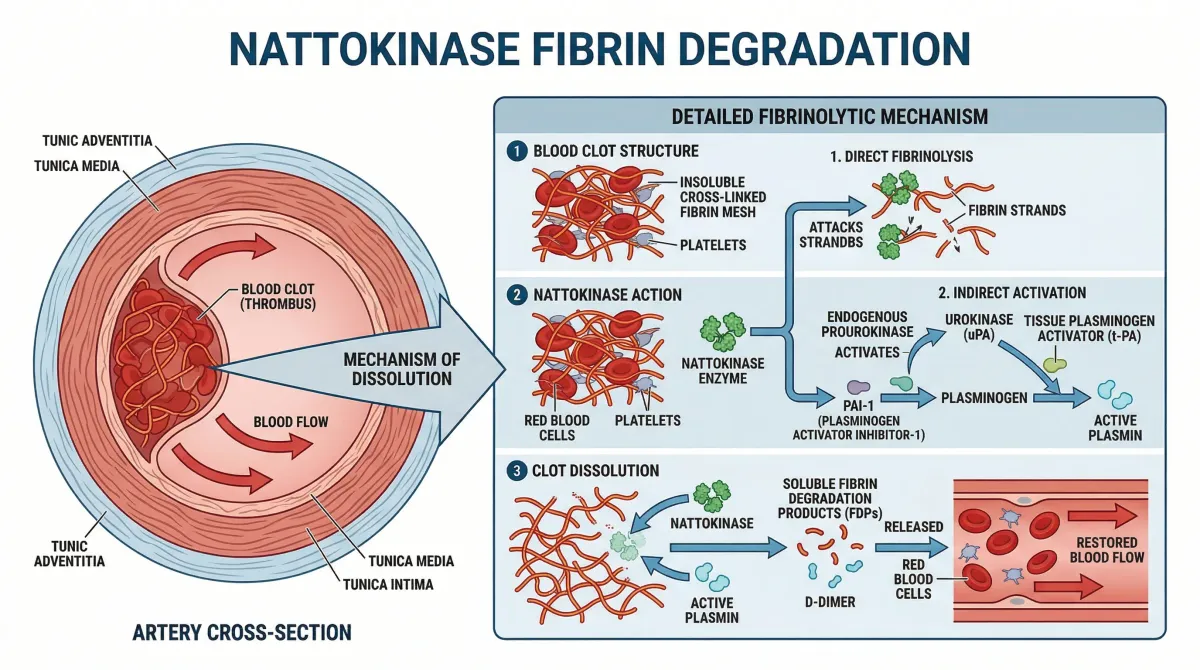
Most clot-dissolving treatments work through a single pathway. Nattokinase operates through three distinct mechanisms simultaneously, which makes it unusual among fibrinolytic enzymes.
Direct fibrin breakdown. Nattokinase directly cleaves fibrin — the protein mesh that forms the structural backbone of blood clots. This is its most studied action. In laboratory settings, purified nattokinase placed on a fibrin plate creates visible zones of dissolution. This direct action means it doesn't depend entirely on the body's own clot-dissolving machinery to work.
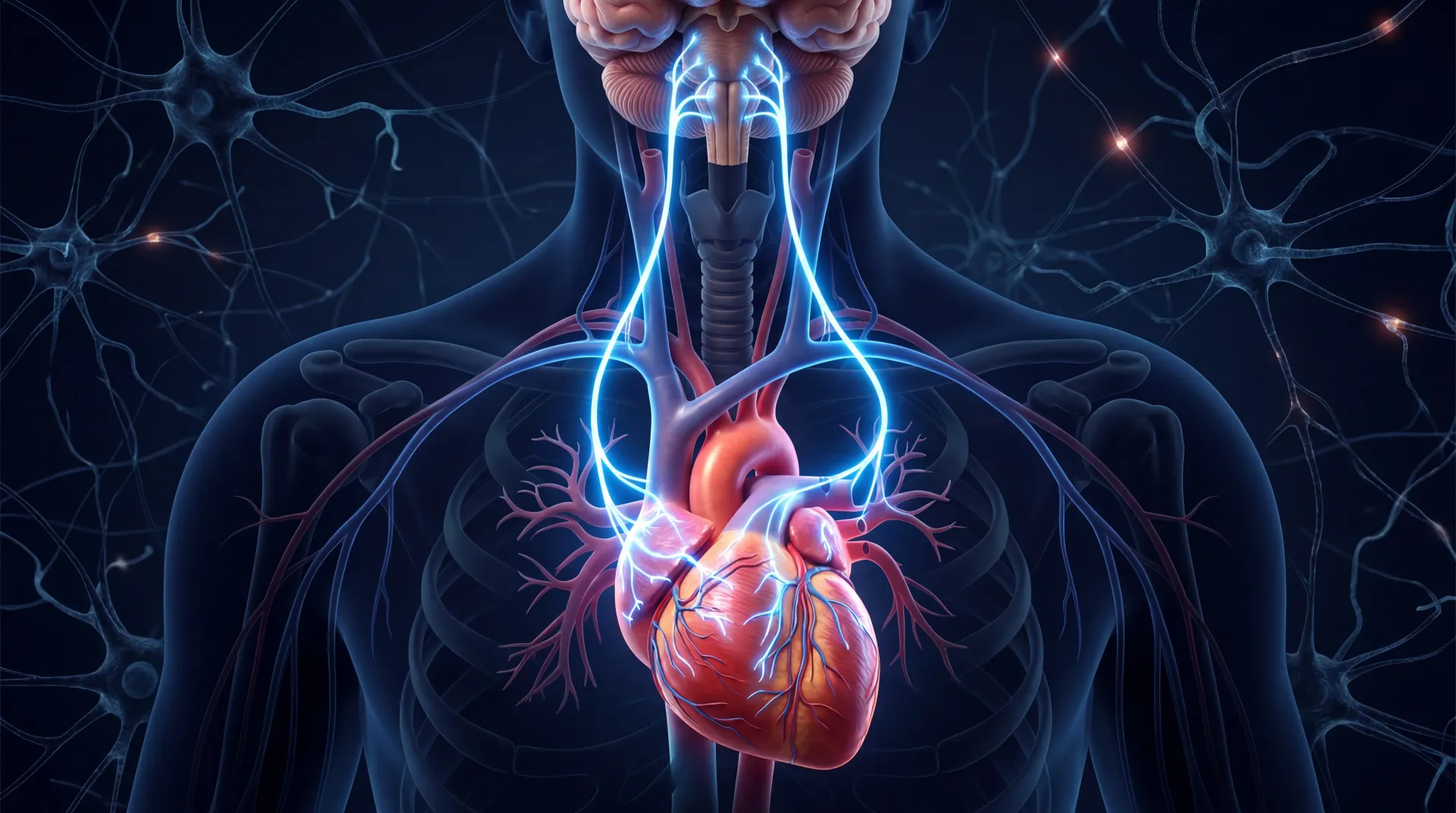
Boosting the body's clot-dissolving system. Nattokinase converts prourokinase into its active form, urokinase, and increases levels of tissue plasminogen activator (t-PA). Both urokinase and t-PA activate plasminogen — the body's built-in clot dissolver — into plasmin. The net effect: more of the body's own clot-dissolving machinery gets activated.
Removing clot-forming brakes. Nattokinase degrades plasminogen activator inhibitor-1 (PAI-1), a protein that normally puts the brakes on fibrinolysis. High PAI-1 levels are associated with increased cardiovascular risk. By lowering PAI-1, nattokinase removes a barrier to natural clot dissolution.
Beyond these three mechanisms, research from Hsia and colleagues found that nattokinase decreases plasma levels of fibrinogen, factor VII, and factor VIII — all proteins involved in clot formation. This suggests nattokinase doesn't just dissolve existing clots but may also reduce the tendency for new ones to form.
Quick Summary: Nattokinase attacks clots from multiple angles — it breaks down fibrin directly, amplifies the body's own clot-dissolving enzymes, and removes proteins that inhibit natural clot breakdown.
Blood Pressure: What Clinical Trials Actually Found
The blood pressure evidence for nattokinase comes from several randomized controlled trials and one meta-analysis that pooled their results. The findings are generally positive but modest, and there's an important caveat involving the largest trial.
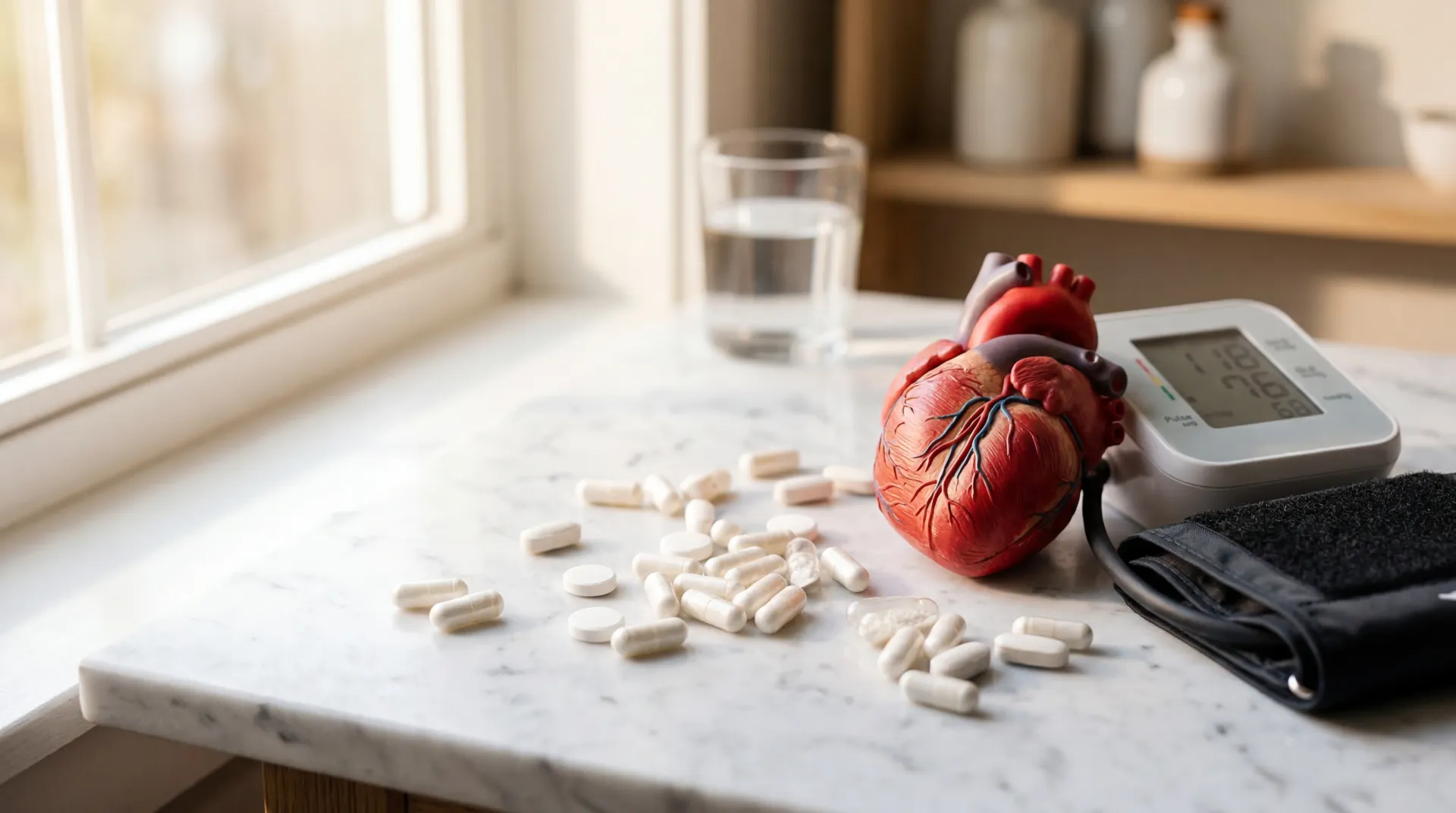
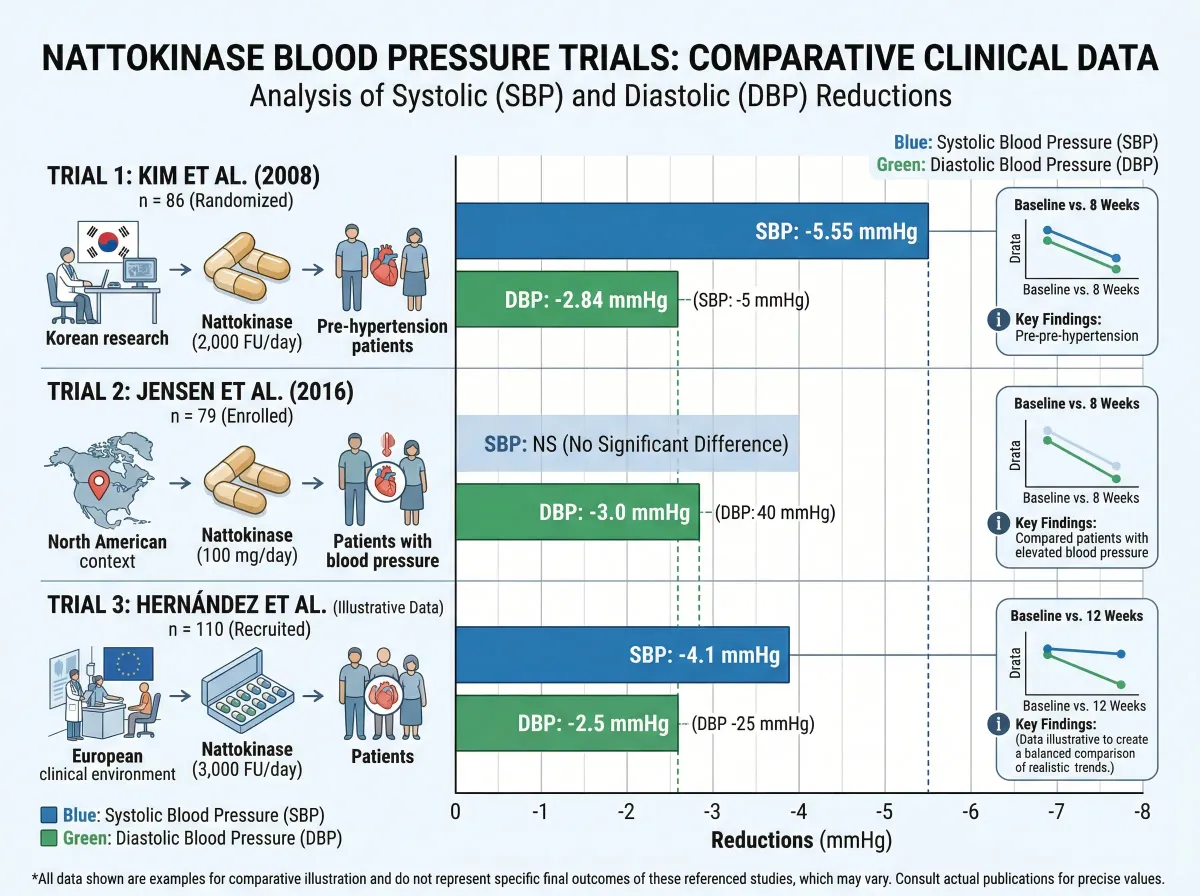
The positive trials. Kim and colleagues ran a double-blind, placebo-controlled trial with 86 participants who had pre-hypertension or stage 1 hypertension (systolic blood pressure between 130 and 159 mmHg). After 8 weeks of taking 2,000 FU of nattokinase daily, systolic blood pressure dropped by 5.55 mmHg and diastolic by 2.84 mmHg compared to placebo. Renin activity also decreased, suggesting nattokinase may partially work through the same pathway as ACE inhibitor medications.
A separate North American trial by Jensen and colleagues enrolled 79 subjects with elevated blood pressure. After 8 weeks of 100 mg nattokinase (approximately 2,000 FU) daily, diastolic blood pressure dropped significantly, with the strongest effect in men — their average diastolic pressure fell from 86 to 81 mmHg (P < 0.006). Women showed a decrease in von Willebrand factor, a marker of blood clotting risk and endothelial function.
| Study | Participants | Duration | Dose | SBP Change | DBP Change |
|---|---|---|---|---|---|
| Kim et al. 2008 | 86 | 8 weeks | 2,000 FU/day | -5.55 mmHg | -2.84 mmHg |
| Jensen et al. 2016 | 79 | 8 weeks | ~2,000 FU/day | Decreased (NS) | -3 mmHg |
| Meta-analysis (Li et al.) | 546 | Various | Various | -3.45 mmHg | -2.32 mmHg |
A 2023 meta-analysis pooling six randomized controlled trials with 546 total participants confirmed these findings on a larger scale: nattokinase supplementation reduced systolic blood pressure by 3.45 mmHg and diastolic by 2.32 mmHg compared to placebo, both statistically significant.
The null result. The NAPS trial (Nattokinase Atherothrombotic Prevention Study) was the longest and one of the largest nattokinase studies ever conducted — 265 participants followed for a median of 3 years. The participants received 2,000 FU daily. The result: no significant effect on blood pressure or any laboratory measure. The critical difference? NAPS participants were healthy adults at low cardiovascular risk. This suggests nattokinase's blood pressure effects may be specific to people who already have elevated readings — which, from a clinical standpoint, is actually how you'd want a supplement to work.
Cardiovascular Benefits Beyond Clot Dissolution
Research on nattokinase has branched into broader cardiovascular territory, with mixed results depending on what you're measuring.
Atherosclerosis and plaque reduction. A clinical study involving 1,062 participants — the largest nattokinase trial to date — tracked the effects of 10,800 FU daily for 12 months. Researchers observed significant reductions in carotid artery intima-media thickness and carotid plaque size, with improvement rates between 66.5% and 95.4%. The lipid-lowering effects were more pronounced in smokers, alcohol drinkers, and people with higher BMI. Exercise amplified the benefits further.
The NAPS trial complicates this picture. Using the lower dose of 2,000 FU, it found zero effect on subclinical atherosclerosis in its 265 healthy participants over 3 years. Two likely explanations: the dose matters (10,800 FU vs. 2,000 FU is more than a fivefold difference), and baseline cardiovascular risk matters (the 1,062-participant study included people with existing atherosclerosis, while NAPS specifically enrolled healthy adults).
Lipid effects. The meta-analysis data on cholesterol is mixed. At lower doses, nattokinase did not significantly improve lipid profiles. At higher doses (10,800 FU), the 1,062-participant study showed lipid improvements, but the meta-analysis found that high-dose groups actually had higher total cholesterol than controls. No consistent effect on triglycerides has been demonstrated. If you're taking nattokinase primarily for cholesterol, the evidence is not on your side — supplements like berberine have stronger lipid-lowering data.
Anti-inflammatory and antioxidant effects. A 2024 review in Expert Review of Cardiovascular Therapy documented emerging evidence that nattokinase mitigates molecular pathways related to inflammation and oxidative stress. Most of this data is preclinical, so take it with appropriate skepticism. But chronic inflammation drives atherosclerosis, and if nattokinase genuinely reduces inflammatory markers, that would explain cardiovascular protection beyond fibrinolysis alone. For a broader look at how inflammation connects to chronic disease, we've covered that topic separately.
| Benefit Area | Evidence Strength | Key Finding |
|---|---|---|
| Blood clot dissolution | Strong (lab + clinical) | Triple mechanism confirmed in multiple studies |
| Blood pressure reduction | Moderate (positive RCTs, one null) | -3 to -5.5 mmHg SBP in hypertensive subjects |
| Atherosclerosis/plaque | Mixed (dose-dependent) | Effective at 10,800 FU; null at 2,000 FU in healthy adults |
| Lipid lowering | Weak/inconsistent | No reliable cholesterol reduction at standard doses |
| Anti-inflammatory | Emerging (mostly preclinical) | Reduces inflammatory and oxidative stress pathways |
The Dosage Debate: 2,000 FU vs. 10,800 FU
The standard recommended dose of nattokinase is 2,000 fibrinolytic units (FU) per day, which equals roughly 100 mg. This is the dose used in most clinical trials and the dose the European Food Safety Authority (EFSA) has evaluated as safe.
The largest clinical study — 1,062 participants over 12 months — found that 10,800 FU per day produced significant improvements in atherosclerosis and lipid markers, while 3,600 FU per day was ineffective. That study's authors explicitly stated their findings "challenge the recommended dose of 2,000 FU per day." Meanwhile, the NAPS trial used 2,000 FU daily for 3 years and found nothing.
| Daily Dose | FU Equivalent | Observed Effect | Safety Data |
|---|---|---|---|
| 100 mg | 2,000 FU | Blood pressure reduction in hypertensive subjects; null in healthy adults | EFSA-evaluated; well-tolerated in multiple RCTs |
| 180 mg | 3,600 FU | Ineffective for lipids and atherosclerosis | No adverse effects reported |
| 540 mg | 10,800 FU | Reduced plaque and improved lipids | No adverse effects in 12-month study |
| 552 mg | ~11,000 FU | Under investigation | Safe for 4 weeks in US adults |
Several points to keep in mind with the higher-dose study: it was conducted in China with significant industry involvement (several authors were employed by a nattokinase manufacturer), and it did not use a blinded placebo-controlled design. These don't invalidate the findings, but they lower the confidence you should place in them compared to a pharmaceutical-grade RCT.
If you're taking nattokinase for general cardiovascular support, 2,000 FU daily remains the best-supported starting point. The blood pressure data at this dose is reasonable, even if the atherosclerosis data isn't. If you're considering higher doses, do so under medical supervision — not because of known safety problems, but because the evidence base at those levels comes from fewer and lower-quality studies.
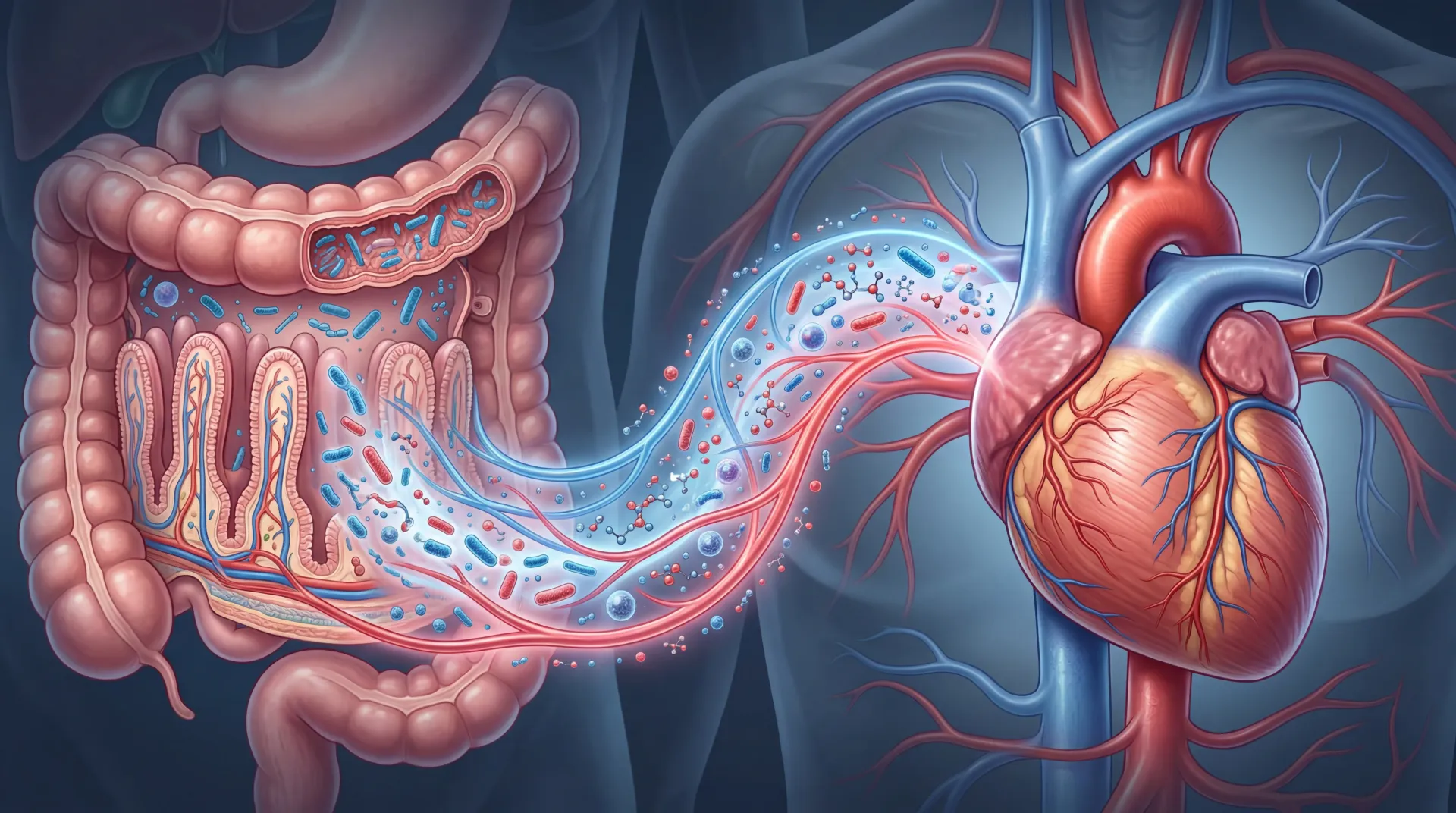
Nattokinase is typically taken once daily, either with or without food. Some practitioners suggest taking it on an empty stomach for better absorption, but no head-to-head studies have confirmed this matters. Pharmacokinetic work shows nattokinase can cross the intestinal barrier intact, though the exact bioavailability varies by formulation.
One formulation worth noting: NSK-SD is nattokinase that has had vitamin K2 removed. Standard natto contains substantial vitamin K2, which promotes blood clotting — the opposite of what most nattokinase users want. If you're taking nattokinase specifically for its blood-thinning properties and want to avoid the K2, look for NSK-SD or similar K2-free formulations. Conversely, if you're interested in the bone and arterial health benefits of vitamin K2, you might prefer standard natto or a formulation that retains it.
Nattokinase vs. Other Natural Blood Thinners
Nattokinase isn't the only natural compound with blood-thinning properties. Here's how it stacks up against the alternatives.
| Compound | Mechanism | Evidence Level | Key Advantage | Key Limitation |
|---|---|---|---|---|
| Nattokinase | Fibrinolytic (dissolves existing clots) | Multiple RCTs | Multi-target action; good safety profile | Dose-response unclear; most trials small |
| Omega-3 (fish oil) | Antiplatelet (prevents clot formation) | Large-scale RCTs | Strong evidence base; widely studied | Modest effect at standard doses |
| Serrapeptase | Fibrinolytic (enzyme-based) | Limited clinical data | Anti-inflammatory properties | Far less evidence than nattokinase |
| Lumbrokinase | Fibrinolytic (earthworm-derived) | Small trials, mostly Asian | Strong fibrinolytic activity in lab | Very limited clinical data |
| Warfarin | Anticoagulant (blocks vitamin K) | Gold standard | Proven life-saving medication | Requires monitoring; food interactions |
The distinction between fibrinolytic agents (which dissolve existing clots) and anticoagulants/antiplatelet agents (which prevent new clot formation) matters. Nattokinase is primarily fibrinolytic, though its effects on factor VII, factor VIII, and fibrinogen suggest some anticoagulant activity as well. Pharmaceutical anticoagulants like warfarin and the newer NOACs (novel oral anticoagulants) work through completely different pathways and are far more potent.
Nattokinase should never be viewed as a replacement for prescribed blood thinners. If your doctor has put you on warfarin or a NOAC, that's because your clotting risk is serious enough to warrant pharmaceutical intervention. Nattokinase occupies a different space: it's for people interested in cardiovascular prevention who aren't on prescription anticoagulants. For more food-based approaches to vascular health, nitric oxide-boosting foods work through an entirely different mechanism that complements nattokinase.
Safety, Side Effects, and Drug Interactions
Across all published clinical trials, nattokinase has shown a clean safety profile. No notable adverse effects were reported in any of the six RCTs included in the 2023 meta-analysis. The 1,062-participant study using 10,800 FU daily for a full year recorded no noticeable adverse effects. A separate toxicology evaluation confirmed no acute toxicity or genotoxicity.
A few situations call for caution or outright avoidance.
Anticoagulant medications. The most important interaction. Nattokinase enhances fibrinolysis and reduces clotting factors. Combining it with warfarin, heparin, or NOACs (like rivaroxaban, apixaban, or dabigatran) could increase bleeding risk beyond what's safe. A case report documented hemoperitoneum (bleeding into the abdominal cavity) in an elderly woman taking nattokinase. If you're on any blood-thinning medication, nattokinase is contraindicated without explicit medical approval.
Antiplatelet drugs. Aspirin, clopidogrel, and other antiplatelet agents also increase bleeding risk. The 1,062-participant study noted a "synergistic effect" when aspirin and nattokinase were co-administered — which sounds positive in the context of reducing plaque, but means bleeding risk may compound. Use this combination only under medical supervision.
Surgery. Discontinue nattokinase at least two weeks before any scheduled surgery, as its fibrinolytic effects could complicate wound healing and increase surgical bleeding.
Pregnancy and breastfeeding. Insufficient safety data. Avoid nattokinase supplements during pregnancy and breastfeeding.
Soy allergy. Nattokinase is derived from fermented soybeans. If you have a soy allergy, talk to your allergist before trying nattokinase supplements — some highly purified formulations may remove enough soy protein to be tolerable, but this varies by manufacturer.
One common concern is whether nattokinase causes spontaneous bleeding in otherwise healthy people. Based on the current evidence, the answer appears to be no — at standard doses, the fibrinolytic effect isn't potent enough to cause clinically significant bleeding in people not already on anticoagulants. However, the evidence base is still relatively small, and post-market surveillance for supplements is far less rigorous than for pharmaceuticals. If you're considering long-term use, having blood work that includes coagulation markers (PT/INR, aPTT) done periodically is reasonable.
People interested in complementary heart-supporting strategies might also look at polyphenol-rich foods, which offer cardiovascular benefits through antioxidant pathways rather than fibrinolysis, making them complementary rather than redundant to nattokinase.
Frequently Asked Questions
Can nattokinase replace blood-thinning medications like warfarin?
No. Nattokinase is a dietary supplement with fibrinolytic properties, but it is far less potent and less predictable than prescription anticoagulants. Warfarin and NOACs are prescribed for serious clotting conditions (atrial fibrillation, DVT, pulmonary embolism) where the consequences of inadequate anticoagulation can be fatal. Do not stop or reduce prescribed blood thinners in favor of nattokinase.
How long does it take for nattokinase to work?
Blood pressure reductions in clinical trials became measurable after 8 weeks of daily supplementation at 2,000 FU. Fibrinolytic activity can be detected in blood samples within hours of a single dose, but clinically meaningful cardiovascular effects require consistent daily use over weeks to months. The atherosclerosis study showing plaque reduction used 12 months of supplementation.
Is eating natto the same as taking a nattokinase supplement?
Not exactly. Natto contains nattokinase but also vitamin K2 (which promotes clotting), soy isoflavones, fiber, protein, and other fermentation byproducts. Research has shown anti-clotting effects from as little as 12 grams of natto daily over 2 weeks. If you tolerate the taste and texture, whole natto is a nutritious food. Supplements offer a more controlled dose without the K2 (especially NSK-SD formulations), which is preferable for people specifically seeking fibrinolytic effects.
Does nattokinase thin the blood?
Nattokinase is primarily fibrinolytic, meaning it dissolves existing fibrin clots rather than preventing blood from clotting the way warfarin does. However, it also reduces levels of fibrinogen, factor VII, and factor VIII — proteins involved in clot formation. So while "blood thinner" is an oversimplification, nattokinase does have mild anticoagulant properties in addition to its fibrinolytic action.
Who should avoid nattokinase?
People on prescription anticoagulants (warfarin, heparin, NOACs) or antiplatelet drugs (aspirin, clopidogrel) should avoid nattokinase unless cleared by their physician. It should also be avoided for at least 2 weeks before surgery, during pregnancy and breastfeeding, and by individuals with a soy allergy who haven't confirmed tolerance to purified nattokinase formulations.
Related Articles
- Vitamin K2 for Heart and Bone Health — How vitamin K2 works with and against nattokinase's effects, and why the K2 content in natto matters.
- Berberine for Heart Health — If you're looking for natural cholesterol support where nattokinase falls short, berberine has stronger lipid-lowering evidence.
- Inflammation and Chronic Disease Guide — Nattokinase's emerging anti-inflammatory effects fit into a broader picture of how inflammation drives cardiovascular disease.
- Polyphenol-Rich Foods for Heart Health — A complementary dietary approach to cardiovascular protection through antioxidant pathways.
- Nitric Oxide Foods for Better Blood Flow — Natural approaches to vascular health that work through different mechanisms than nattokinase.
Medical Disclaimer
This article is for informational and educational purposes only and is not medical advice, diagnosis, or treatment. Always consult a licensed physician or qualified healthcare professional regarding any medical concerns. Never ignore professional medical advice or delay seeking care because of something you read on this site. If you think you have a medical emergency, call 911 immediately.