About 48% of American adults have high blood pressure. Most of them have no idea. The condition earned its reputation as a "silent killer" because it damages arteries, kidneys, and the brain for years before symptoms appear. By the time you feel something, the damage is well underway.
What makes blood pressure unusual among chronic conditions is how well it responds to non-drug treatment. Diet and lifestyle changes can lower blood pressure as effectively as first-line medications for many people — not as a vague "eat better" suggestion, but as specific interventions with predictable, measurable effects. One eating pattern lowers systolic pressure by 11 mmHg. Regular aerobic exercise drops it 5 to 8 points. Even getting serious about sleep quality moves the numbers.
This guide breaks down what the research actually supports — the dietary patterns, the minerals, the supplements, and the lifestyle changes that have held up under controlled trials. No hype about miracle cures. Just the evidence, the effect sizes, and what you can realistically do with the information.
Half the Battle Is Knowing the Numbers
Blood pressure is measured in millimeters of mercury (mmHg) and expressed as two numbers: systolic (pressure when the heart contracts) over diastolic (pressure between beats). The CDC defines hypertension as blood pressure consistently at or above 130/80 mmHg, a threshold updated in 2017 that reclassified millions of Americans overnight.
| Category | Systolic (mmHg) | Diastolic (mmHg) |
|---|---|---|
| Normal | Less than 120 | Less than 80 |
| Elevated | 120-129 | Less than 80 |
| Stage 1 Hypertension | 130-139 | 80-89 |
| Stage 2 Hypertension | 140 or higher | 90 or higher |
What makes these categories matter: the risk isn't binary. Every 20 mmHg increase in systolic pressure doubles the risk of cardiovascular death. So moving from 150 to 130 isn't just "improvement" — it's a concrete reduction in mortality risk. The NHLBI notes that getting systolic pressure below 120 mmHg can further reduce the risk of serious complications, though this aggressive target isn't right for everyone.
Blood pressure also fluctuates throughout the day based on activity, stress, caffeine, and even temperature. A single reading means little. Diagnosis requires consistently elevated readings across multiple visits, or elevated home monitoring readings over time.
The DASH Diet: What It Gets Right (and What People Get Wrong)
DASH stands for Dietary Approaches to Stop Hypertension, and it's one of the most rigorously tested dietary interventions in cardiovascular medicine. According to Mayo Clinic's analysis, following the DASH eating pattern can lower systolic blood pressure by up to 11 mmHg — a reduction comparable to what many first-line BP medications achieve.
The NHLBI, which developed and funded the original DASH trials, has found that combining DASH with a low-sodium eating plan can be as effective as medications in lowering high blood pressure. That's a striking claim from a government health agency, and the data backs it up.
But people consistently misunderstand what DASH actually asks you to do. It isn't primarily about restriction. The DASH eating plan is a pattern built around increasing certain foods:
| Food group | Daily servings (2,000-calorie diet) | Why it matters for BP |
|---|---|---|
| Vegetables | 4-5 | Rich in potassium, magnesium, fiber |
| Fruits | 4-5 | Potassium, antioxidants, fiber |
| Whole grains | 6-8 | Fiber, magnesium |
| Low-fat dairy | 2-3 | Calcium, protein |
| Lean meats/fish | 6 or fewer oz | Protein without excess saturated fat |
| Nuts, seeds, legumes | 4-5 per week | Magnesium, potassium, healthy fats |
| Sodium | 2,300 mg max (1,500 mg ideal) | Reducing fluid retention and arterial stiffness |
The common mistake: people hear "DASH diet" and focus exclusively on cutting salt. Salt matters — reducing sodium to 1,500 mg daily can lower blood pressure by 5 to 6 mmHg on its own. But the potassium, magnesium, calcium, and fiber from all those fruits, vegetables, and whole grains matter just as much. The DASH plan floods your system with nutrients that relax blood vessels. Cutting sodium while eating processed foods and skipping vegetables misses the point entirely.
The DASH pattern also overlaps significantly with the Mediterranean diet, which emphasizes similar whole foods with the addition of olive oil and moderate wine. Both patterns consistently outperform typical Western diets in cardiovascular outcomes.
Quick take: DASH isn't a fad diet. It's a dietary pattern with 20+ years of clinical trial evidence showing blood pressure reductions of 8-14 mmHg when combined with sodium restriction. Most people who try it don't follow it correctly because they focus only on what to cut, not what to add.
Minerals That Actually Move the Needle
Three minerals have strong research connecting them to blood pressure regulation: potassium, magnesium, and calcium. Of these, potassium and magnesium have the most compelling data for supplementation or dietary focus.
Potassium: the mineral most Americans are missing
Potassium works in direct opposition to sodium. While sodium promotes fluid retention and arterial constriction, potassium helps blood vessels relax and promotes sodium excretion through the kidneys. The NIH Office of Dietary Supplements notes that insufficient potassium intake increases blood pressure, salt sensitivity, and kidney stone risk.
The adequate intake (AI) for potassium is 2,600 mg per day for women and 3,400 mg per day for men. Most Americans fall short. NHANES data from 2013-2014 shows average intakes of 3,016 mg for men and 2,320 mg for women — with men barely meeting the AI and women consistently below it.
Potassium from food is far more effective than supplements for a practical reason: the FDA limits most supplement formulations to 99 mg per serving — roughly 2% of the daily value. This cap exists because high-dose potassium chloride tablets have been associated with small-bowel lesions. You'd need dozens of supplement pills to match what a single banana and a cup of cooked lentils provide together.
| Food | Potassium (mg) | % of daily target (3,400 mg) |
|---|---|---|
| Lentils, cooked, 1 cup | 731 | 21% |
| Potato, baked, 1 medium | 610 | 18% |
| Banana, 1 medium | 422 | 12% |
| Spinach, raw, 2 cups | 334 | 10% |
| Salmon, 3 oz cooked | 326 | 10% |
| Sweet potato, 1 medium | 541 | 16% |
Mayo Clinic puts it plainly: aiming for 3,500 to 5,000 mg of potassium daily from food may lower blood pressure by 4 to 5 mmHg. From one dietary change.
Magnesium: underrated and under-consumed
Magnesium is a cofactor in over 300 enzyme systems, including those that regulate blood pressure. According to the NIH magnesium fact sheet, 48% of Americans consume less magnesium than their estimated average requirement.
The clinical evidence for magnesium supplementation is real but modest. A Cochrane Review of 12 clinical trials found that magnesium supplementation for 8 to 26 weeks in hypertensive participants produced a 2.2 mmHg reduction in diastolic blood pressure. A separate meta-analysis of 22 studies found slightly larger effects: 3 to 4 mmHg systolic and 2 to 3 mmHg diastolic reduction, with better results when supplemental doses exceeded 370 mg per day.
In 2022, the FDA approved a qualified health claim stating that "consuming diets with adequate magnesium may reduce the risk of high blood pressure (hypertension)." The qualifier is important — FDA also noted that "the evidence is inconsistent and inconclusive." This is honest science communication: there's enough signal to act on but not enough certainty for a definitive claim.
If you supplement, form matters. Magnesium citrate, glycinate, and taurate are absorbed better than the cheaper magnesium oxide. The RDA ranges from 310 to 420 mg for adults, and the tolerable upper intake from supplements (not food) is 350 mg. Good food sources include pumpkin seeds, spinach, almonds, and black beans.
Supplements: An Honest Look at What Works
Beyond potassium and magnesium, several supplements have been studied for blood pressure effects. The National Center for Complementary and Integrative Health maintains an evidence review on these, and the results are mixed. The evidence is thinner than the supplement industry would have you believe.
| Supplement | Evidence level | Typical BP effect | Notes |
|---|---|---|---|
| Potassium (food-based) | Strong | 4-5 mmHg systolic | Food sources preferred; supplements capped at 99 mg |
| Magnesium | Moderate | 2-4 mmHg systolic | Best above 370 mg/day; citrate/glycinate forms preferred |
| Omega-3 fatty acids | Moderate | 2-3 mmHg systolic | 3+ g/day needed for effect; mostly from EPA/DHA |
| Beetroot juice / nitrates | Moderate | 3-10 mmHg systolic | Highly variable; nitric oxide pathway |
| CoQ10 | Limited | Up to 11 mmHg systolic | Small studies; inconsistent results |
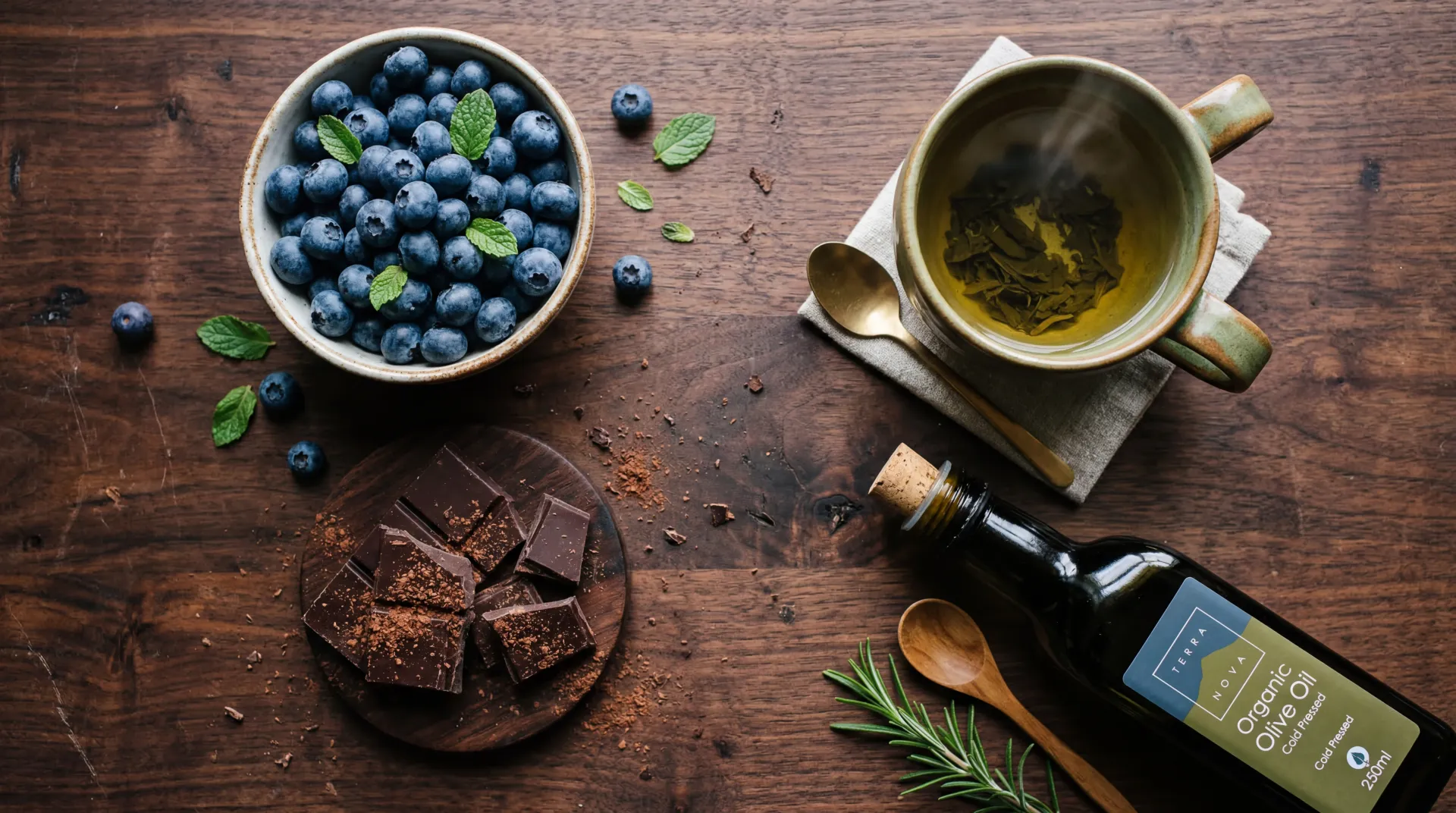
| Cocoa flavanols | Moderate | 2-3 mmHg | From dark chocolate or cocoa extract, not milk chocolate |
| Garlic extract | Limited-Moderate | 3-5 mmHg systolic | Aged garlic extract studied most; variable quality |
| Hibiscus tea | Limited | Small reductions noted | Limited study size and quality |
A critical point from NCCIH: "No dietary supplement has been shown to have effects comparable to those of drugs used to treat hypertension." Worth repeating. Supplements may contribute to a broader strategy, but they don't replace medications when medications are needed.
Also worth noting — some supplements can raise blood pressure. NCCIH specifically warns about bitter orange, ephedra, ginseng, and licorice root. And supplements can interact with blood pressure medications in dangerous ways, including potassium supplements in combination with ACE inhibitors or potassium-sparing diuretics.
The supplements with the best evidence — omega-3s, magnesium, and dietary polyphenols from sources like cocoa and beets — tend to work through mechanisms we understand well: nitric oxide production, arterial relaxation, and reduced inflammation. When something has a clear mechanism and modest but reproducible effects, I take it more seriously than a single dramatic trial.
Quick take: No supplement replaces medication when you need it. Magnesium, omega-3s, and dietary nitrates from beets have the most consistent evidence. Everything else is speculative or too variable to rely on.
Exercise, Sleep, and Stress — the Three Levers Nobody Wants to Pull
Dietary changes get the most attention in blood pressure conversations, partly because they're the easiest to study in controlled trials and partly because people prefer swallowing something to changing behavior. But three lifestyle factors have effect sizes that rival or exceed most supplements — and two of them are free.
Exercise: 5-8 mmHg and it's not even close
Regular aerobic exercise lowers high blood pressure by about 5 to 8 mmHg, which exceeds the effect of any single supplement on this list. You have to keep doing it, though. When you stop, blood pressure rises again.
The NHLBI recommends at least 30 minutes of moderate physical activity most days of the week. Even modest amounts help — walking 10 minutes daily is better than nothing. The research also shows that reducing sedentary time independently helps lower blood pressure, separate from structured exercise.
Types of exercise that help:
- Aerobic: walking, cycling, swimming, dancing (aim for 150 minutes per week)
- Strength training: at least 2 days per week, which also lowers BP
- High-intensity interval training (HIIT): short bursts of intense activity with recovery periods
Exercise also works upstream of blood pressure by reducing weight. Mayo Clinic notes that blood pressure drops approximately 1 mmHg for every kilogram (about 2.2 pounds) of weight lost. For someone carrying 20 excess pounds, that's a potential 9 mmHg reduction from weight loss alone, on top of the direct exercise effect.
Sleep: the overlooked blood pressure lever
Getting fewer than seven hours of sleep per night over weeks can contribute to hypertension. Mayo Clinic recommends 7 to 9 hours per night, noting that conditions disrupting sleep — sleep apnea, restless leg syndrome, insomnia — all worsen blood pressure control.
Sleep timing also matters — research suggests that when you sleep affects cardiovascular risk independently of how long you sleep. Shift workers and people with irregular sleep schedules tend to have higher blood pressure than those with consistent sleep-wake patterns.
Stress: real effects, hard to measure
The NHLBI recognizes that people with long-term depression, anxiety, stress, or PTSD may develop high blood pressure. The mechanism involves chronic activation of the sympathetic nervous system — the fight-or-flight response that constricts blood vessels and raises heart rate.
The NCCIH reports that meditation, tai chi, qigong, and yoga may have small beneficial effects on blood pressure. In 2013, the American Heart Association suggested that biofeedback and Transcendental Meditation, used alongside conventional medication, can help lower blood pressure.
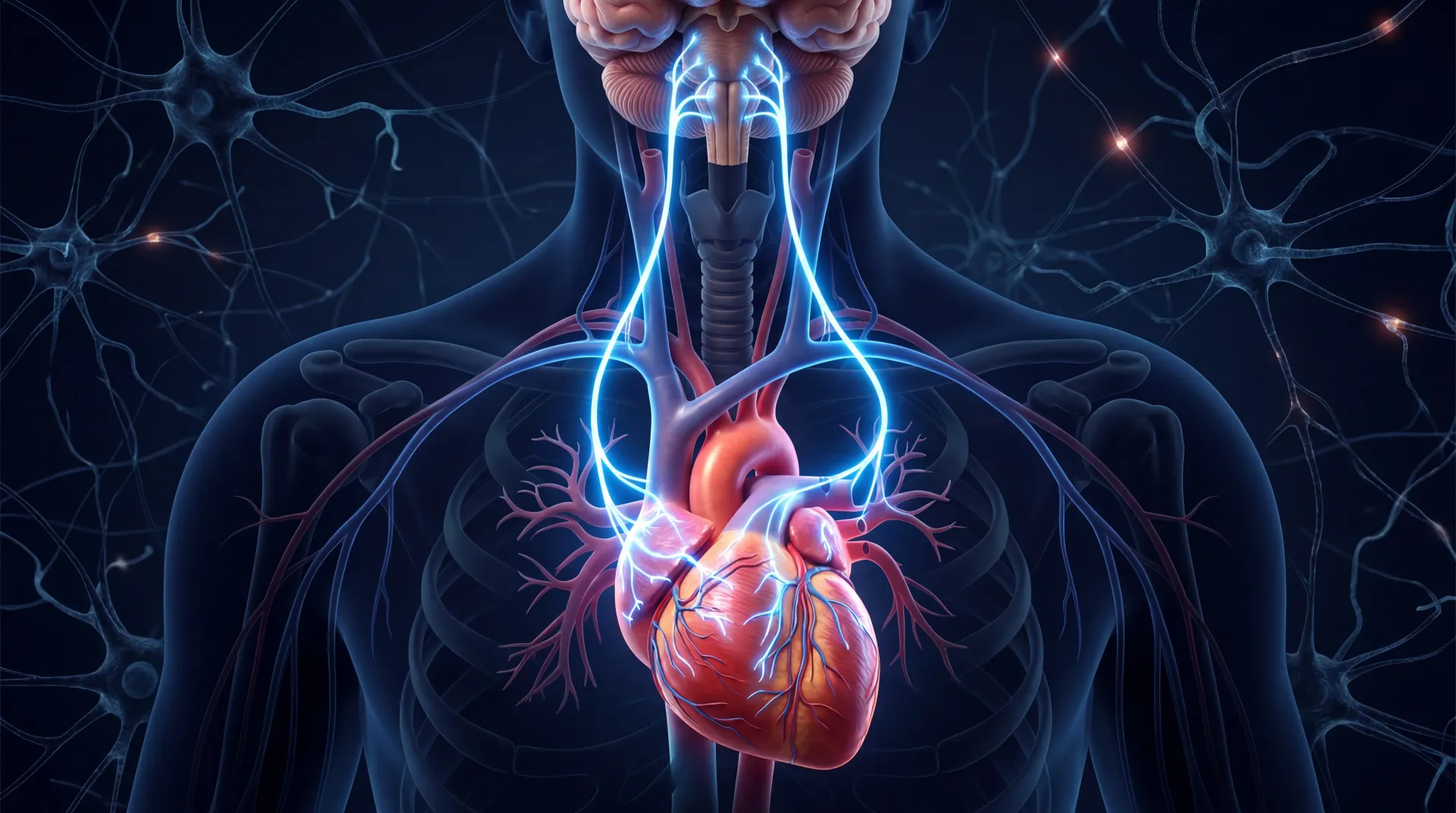
"Small beneficial effects" is honest phrasing. Stress reduction probably won't move your blood pressure by 10 points the way the DASH diet might. But chronic stress compounds other risk factors — it leads to poor sleep, overeating, excess alcohol, and reduced exercise motivation. Addressing stress addresses the cascade. The vagus nerve, which regulates the relaxation response, is increasingly studied as a mediator between stress management practices and cardiovascular outcomes.
Myth vs. Evidence: Blood Pressure Edition
| Common belief | What the evidence says |
|---|---|
| "I'd feel it if my blood pressure was high" | High blood pressure almost never causes symptoms until organ damage has occurred. The CDC calls it a "silent killer" because most people with it are unaware. |
| "Salt is the only dietary factor that matters" | Sodium reduction helps (5-6 mmHg), but potassium, magnesium, calcium, and fiber from the full DASH pattern produce larger combined effects (up to 11 mmHg). |
| "Supplements can replace blood pressure medication" | No dietary supplement has effects comparable to BP medications, according to NCCIH. Supplements may complement but should never replace prescribed treatment. |
| "Young people don't get high blood pressure" | Hypertension risk is rising in children and teens, largely driven by increasing rates of overweight and obesity (NHLBI). |
| "Drinking red wine is good for blood pressure" | Alcohol in any amount raises blood pressure. Limiting intake to one drink per day or less reduces BP by about 4 mmHg (Mayo Clinic). |
| "Stress causes high blood pressure" | Chronic stress, depression, anxiety, and PTSD are linked to sustained higher BP — but acute stress (a bad day at work) produces temporary spikes, not lasting hypertension. |
| "Coffee raises blood pressure dangerously" | Caffeine causes short-term spikes but doesn't appear to cause lasting hypertension in habitual drinkers. The NHLBI lists caffeine as a risk factor but notes the effect is usually temporary. |
Frequently Asked Questions
How quickly can lifestyle changes lower blood pressure?
Some dietary changes, particularly sodium reduction, can produce measurable blood pressure decreases within a few weeks. The DASH diet trials showed significant reductions within 2 weeks of starting the eating plan. Exercise effects typically appear within 1 to 3 months of consistent activity. However, the reductions only last as long as you maintain the changes — stopping the DASH diet or exercise program causes blood pressure to rise again.
Can I stop taking blood pressure medication if I change my diet?
Never stop blood pressure medication without consulting your doctor. While lifestyle changes can sometimes reduce the need for medication — or reduce the dose — this decision should be made collaboratively with your healthcare provider based on your specific readings over time. Abruptly stopping BP medication can cause dangerous rebound spikes in blood pressure.
Is sea salt or Himalayan salt better for blood pressure than regular table salt?
No. The sodium content is nearly identical across all types of salt. Sea salt and Himalayan pink salt contain trace minerals in amounts too small to produce health effects. The blood pressure impact comes from sodium, which is the same regardless of the salt's origin or color. What helps is consuming less sodium overall.
How much potassium do I need to lower blood pressure?
The adequate intake is 2,600 mg per day for women and 3,400 mg per day for men. Mayo Clinic suggests aiming for 3,500 to 5,000 mg daily, primarily from food sources, for a blood pressure reduction of 4 to 5 mmHg. Focus on potassium-rich foods like lentils, potatoes, bananas, spinach, and salmon rather than supplements, since most potassium supplements are limited to 99 mg per serving.
Does magnesium type matter for blood pressure?
Yes. Magnesium citrate, glycinate, and taurate are better absorbed than cheaper forms like magnesium oxide. The NIH notes that forms that dissolve well in liquid have higher absorption. For blood pressure specifically, the meta-analyses showing positive results typically used doses exceeding 370 mg per day of elemental magnesium.
Related Articles
- The Best Types of Magnesium for Heart Health — A detailed look at which magnesium forms work best for palpitations, blood pressure, and arrhythmia.
- Polyphenol-Rich Foods for Heart Health — How dietary polyphenols from cocoa, berries, and green tea support cardiovascular function.
- Mediterranean Diet for Brain Health and Longevity — The evidence behind a diet pattern that shares many features with DASH.
- How Sleep Timing Affects Your Heart — Why when you sleep matters for cardiovascular risk, not just how long.
- Vagus Nerve and Heart Health — Research on the nerve connecting stress management to heart function.
Medical Disclaimer
This article is for informational and educational purposes only and is not medical advice, diagnosis, or treatment. Always consult a licensed physician or qualified healthcare professional regarding any medical concerns. Never ignore professional medical advice or delay seeking care because of something you read on this site. If you think you have a medical emergency, call 911 immediately.