CBD oil is everywhere. It shows up in pharmacies, wellness shops, sports recovery kits, and social feeds. The hard part is not finding it. The hard part is figuring out what it can realistically do for your health, what is still uncertain, and what could make it risky in your specific case.
This guide is written to answer that in plain language. You will see where evidence is strongest, where it is mixed, and where marketing has run ahead of science. You will also get a practical framework for choosing products, checking labels, and speaking with your clinician before you mix CBD with prescription drugs.
If you are new to cannabinoids, it helps to start with the difference between intoxicating and non-intoxicating compounds. This primer on CBD vs THC explains the basics clearly, and this broader guide on what CBD oil is and how people use it can help you understand the product market before you buy anything.
Quick reality check: CBD is neither useless nor magical. It has proven medical value in some conditions, possible value in others, and real safety limits that many labels ignore.
What CBD Oil Is and Is Not
CBD (cannabidiol) is one of many compounds found in cannabis plants. Unlike THC, CBD does not produce the classic intoxicating high. That difference drives much of its popularity: people want symptom relief without feeling impaired. But non-intoxicating does not mean biologically inactive. CBD interacts with many signaling systems, including serotonin pathways, inflammatory mediators, and enzymes that process other drugs.
Regulation matters here. In the United States, the FDA has approved one purified oral CBD medicine, Epidiolex, for specific seizure disorders. The agency also warns that many over-the-counter CBD products are not evaluated like prescription drugs and may vary in quality and dose. You can review the FDA's current position on cannabis-derived products including CBD.
That creates an unusual market: one area with strong medical evidence and standardized dosing, and another area with looser claims and variable quality. If you are shopping retail products, keep in mind that the bottle design and buzzwords do not tell you much about actual chemistry.
Extraction and formulation also affect how a product behaves. A quick comparison of methods in this article on CBD extraction approaches shows why two oils with the same milligrams on the label can feel different in practice. Carrier oils, terpene profile, and lab quality all matter.
Where Evidence Is Strongest Right Now
The clearest evidence for CBD benefits is in specific forms of drug-resistant epilepsy. That is not a small claim. In a landmark randomized trial in Dravet syndrome, adding CBD to usual care significantly reduced convulsive seizure frequency compared with placebo. A later dose-ranging randomized clinical trial reinforced the signal, showing clinically meaningful seizure reductions with adjunctive oral CBD.
Evidence also extends to Lennox-Gastaut syndrome. A systematic review and meta-analysis found improved seizure outcomes with adjunctive CBD, though adverse effects were also more common than placebo in some study groups.
Why does this matter for general readers who are not treating epilepsy? Because it sets the benchmark. We know CBD can work in certain conditions when the dose is high enough, quality is controlled, and monitoring is structured. It proves CBD is not just placebo. At the same time, it reminds us that many claims in retail wellness settings are based on smaller or weaker studies than the epilepsy data.
| Condition | Evidence strength | What is known | Main caveat |
|---|---|---|---|
| Dravet syndrome | Strong | Randomized trials show seizure reduction with adjunctive CBD | Medical supervision and higher therapeutic doses are needed |
| Lennox-Gastaut syndrome | Strong to moderate | Meta-analytic support for reduced seizure burden | Adverse effects and interactions still require monitoring |
| Anxiety and sleep | Emerging | Small trials and case data suggest possible benefit | Heterogeneous protocols and short follow-up |
| Chronic pain | Mixed | Some studies report improvement, others do not | Many trials evaluate cannabinoids broadly, not CBD alone |
When people ask whether CBD benefits are real, this is the honest answer: yes for some clinically defined use cases, maybe for several everyday symptoms, and still unclear for many heavily advertised outcomes.
Anxiety, Sleep, and Stress: Promising but Limited
Anxiety is one of the most common reasons people try CBD. The science is encouraging but not settled. In a controlled trial, CBD reduced anxiety during simulated public speaking in treatment-naive social anxiety patients. That is useful because it tested an anxiety-provoking event, not just a self-rating taken at rest.
Real-world clinical data are also interesting. A large psychiatric case series reported improvements in anxiety scores for many patients and mixed but sometimes positive sleep outcomes. Case series do not prove causation like randomized trials do, but they can still signal where larger studies should focus.
Some people notice better sleep with CBD because evening anxiety drops and physical tension eases. Others feel no difference, especially if the main sleep problem is untreated sleep apnea, circadian disruption, heavy alcohol use, or stimulants late in the day. CBD cannot compensate for every sleep disruptor.
There is also growing interest in craving and stress pathways. In a double-blind trial, CBD reduced cue-induced craving and anxiety in abstinent individuals with heroin use disorder. This does not mean CBD is a universal addiction cure, but it does support the idea that CBD may influence stress-reactivity circuits in clinically relevant ways.
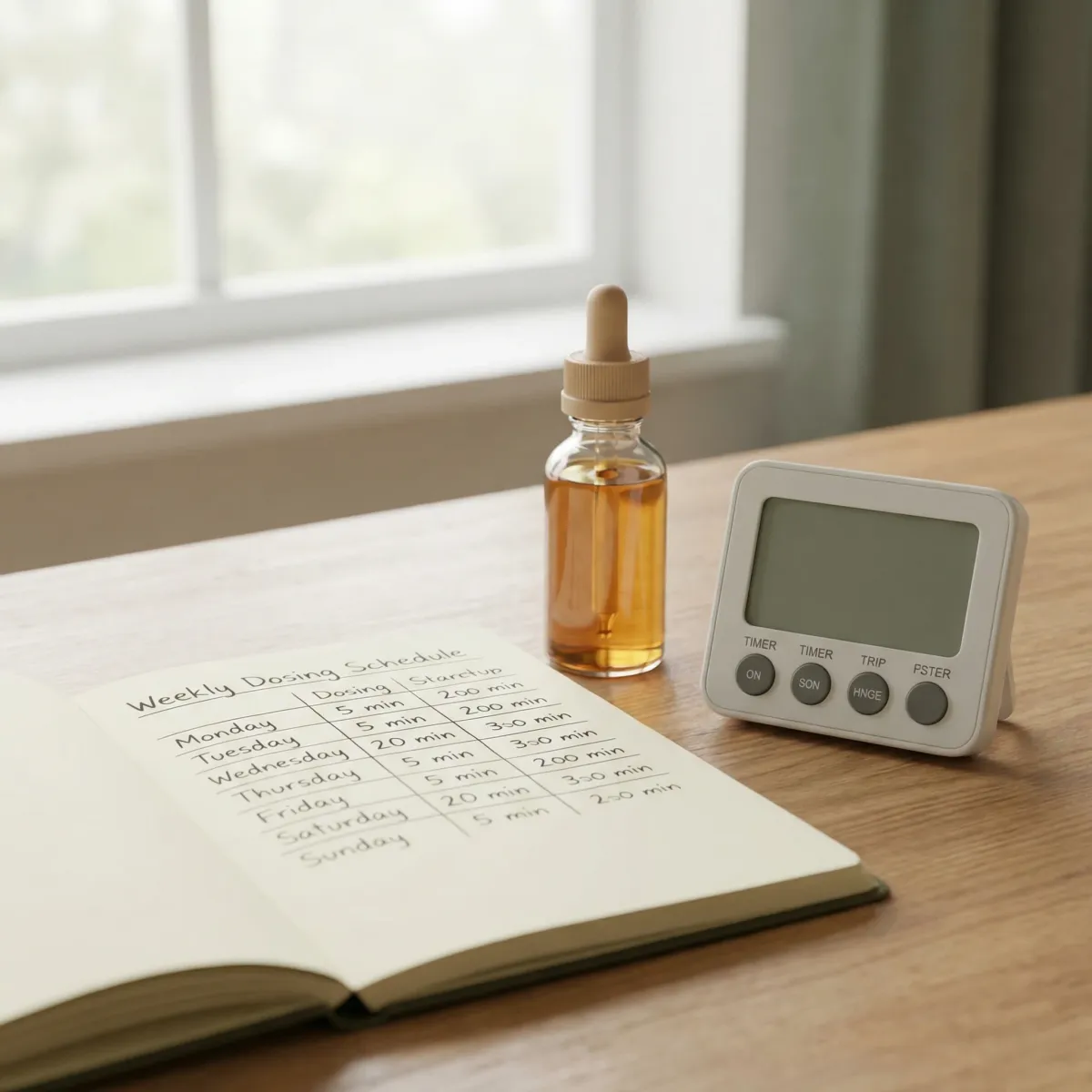
If your goal is calmer evenings and better sleep continuity, CBD may be worth discussing with your clinician. Just frame it as a trial, not a guaranteed fix, and track outcomes with simple measures like sleep latency, nighttime awakenings, and morning alertness.
Pain and Inflammation: What Studies Show
Pain is the largest commercial market for CBD, and also one of the most confusing evidence areas. Part of the confusion is that many studies evaluate cannabis-based medicines with mixed cannabinoid profiles, not purified CBD alone. A broad meta-analysis in chronic non-cancer pain found modest average benefits with cannabinoids overall, but also side effects and heterogeneity across trials.
More recent work focused specifically on CBD, including this systematic review of clinical and preclinical evidence for pain treatment, points to potential analgesic and anti-inflammatory effects while emphasizing how uneven human protocols still are. Different doses, delivery routes, and patient populations make direct comparisons difficult.
From a practical standpoint, some people with musculoskeletal pain report meaningful relief, especially when poor sleep and stress amplify symptoms. Others do not. The most reliable way to evaluate benefit in your own case is to define a narrow target first: for example, reduce evening pain from 7/10 to 5/10 within three weeks, or improve walking tolerance by 15 minutes. Without a defined target, it is easy to keep buying products without clear value.
If your pain condition is severe, progressive, or neurological, CBD should be considered an adjunctive strategy, not a replacement for diagnosis and evidence-based care. For a grounded safety overview before combining products, this internal review of known CBD side effects is worth reading.
Safety, Drug Interactions, and Liver Risk
CBD is often marketed as gentle, and compared with many sedatives or opioids, it can be better tolerated. But the key safety issue is not just side effects like fatigue or diarrhea. The bigger issue is interactions with other medications and potential liver enzyme changes at higher or sustained doses.
A recent systematic review of cannabinoid drug-drug interactions summarizes why this matters clinically. CBD can affect enzyme systems that metabolize common prescriptions, potentially raising or lowering drug exposure. A phase I trial with tacrolimus also highlights how careful monitoring is needed in settings where precise drug levels are critical.
Another issue is liver monitoring. In a randomized clinical trial of healthy adults, oral CBD was associated with liver enzyme elevations in some participants, reinforcing the need for dose awareness and follow-up testing in higher-intake scenarios.
Product quality adds another layer of risk. A widely cited analysis on labeling accuracy of CBD extracts sold online found that many products were mislabeled, with some containing substantially more or less CBD than claimed and some containing measurable THC despite non-intoxicating marketing language.
| Safety topic | What to watch for | Why it matters | Action step |
|---|---|---|---|
| Sedation and fatigue | Daytime drowsiness, slower reaction time | Can affect driving and work safety | Start at low doses and avoid new dosing before driving |
| GI symptoms | Nausea, loose stools, appetite changes | Can mimic other illness and reduce adherence | Adjust dose timing and discuss persistent symptoms with clinician |
| Drug interactions | Changes in effect of anticoagulants, anti-seizure meds, immunosuppressants | May increase adverse-event risk or reduce therapeutic effect | Medication review before starting CBD |
| Liver enzyme elevations | Unexpected lab changes, especially at higher intakes | Can indicate hepatic stress | Consider baseline and follow-up liver labs when clinically appropriate |
If you take prescription medications, this is the non-negotiable rule: review CBD use with your pharmacist or prescriber first. A short medication check can prevent expensive and dangerous problems.
How to Read a CBD Label and Buy More Safely
Most CBD disappointments happen at purchase, not after use. People buy products with weak testing, confusing labels, or unrealistic claims. A little label literacy saves money and improves safety.
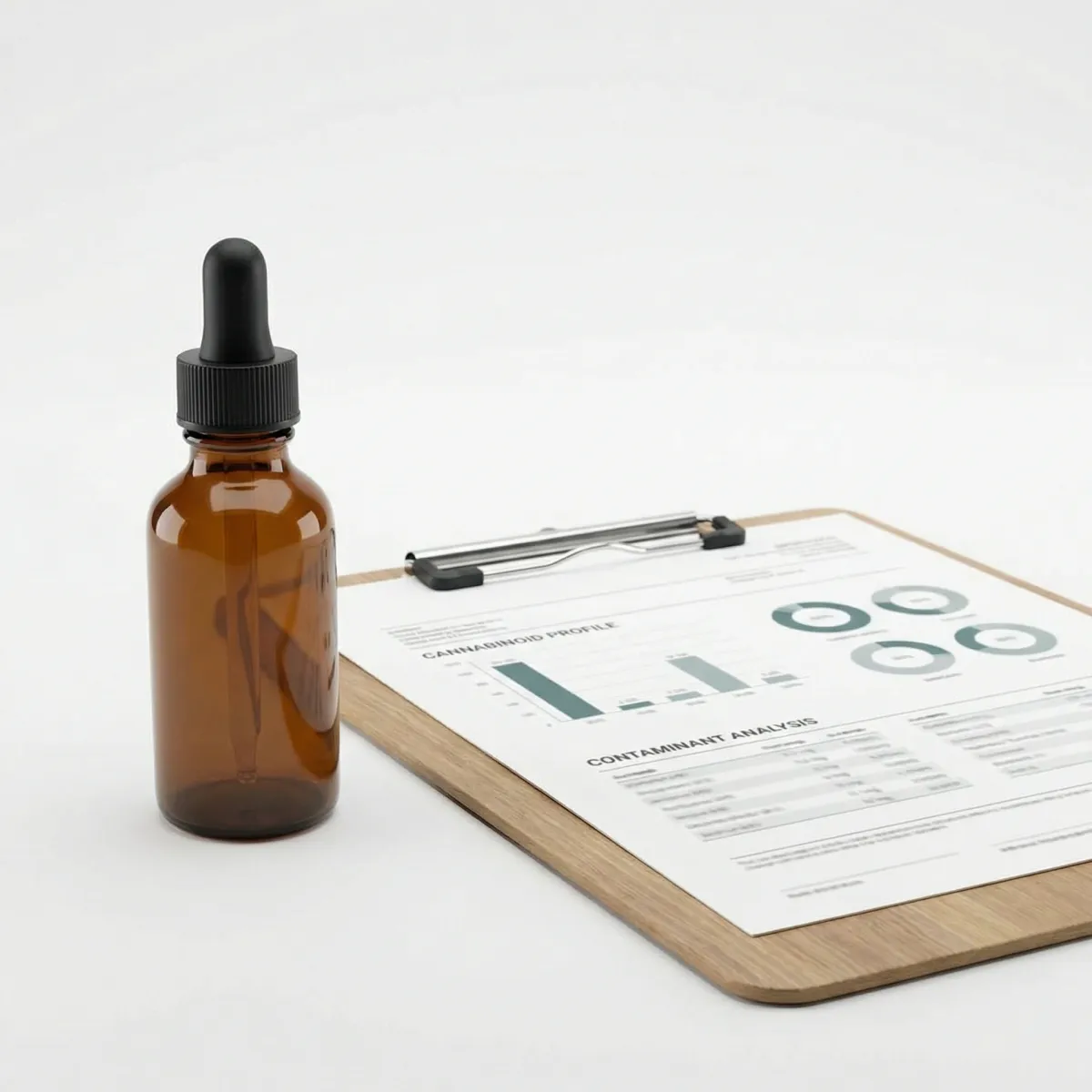
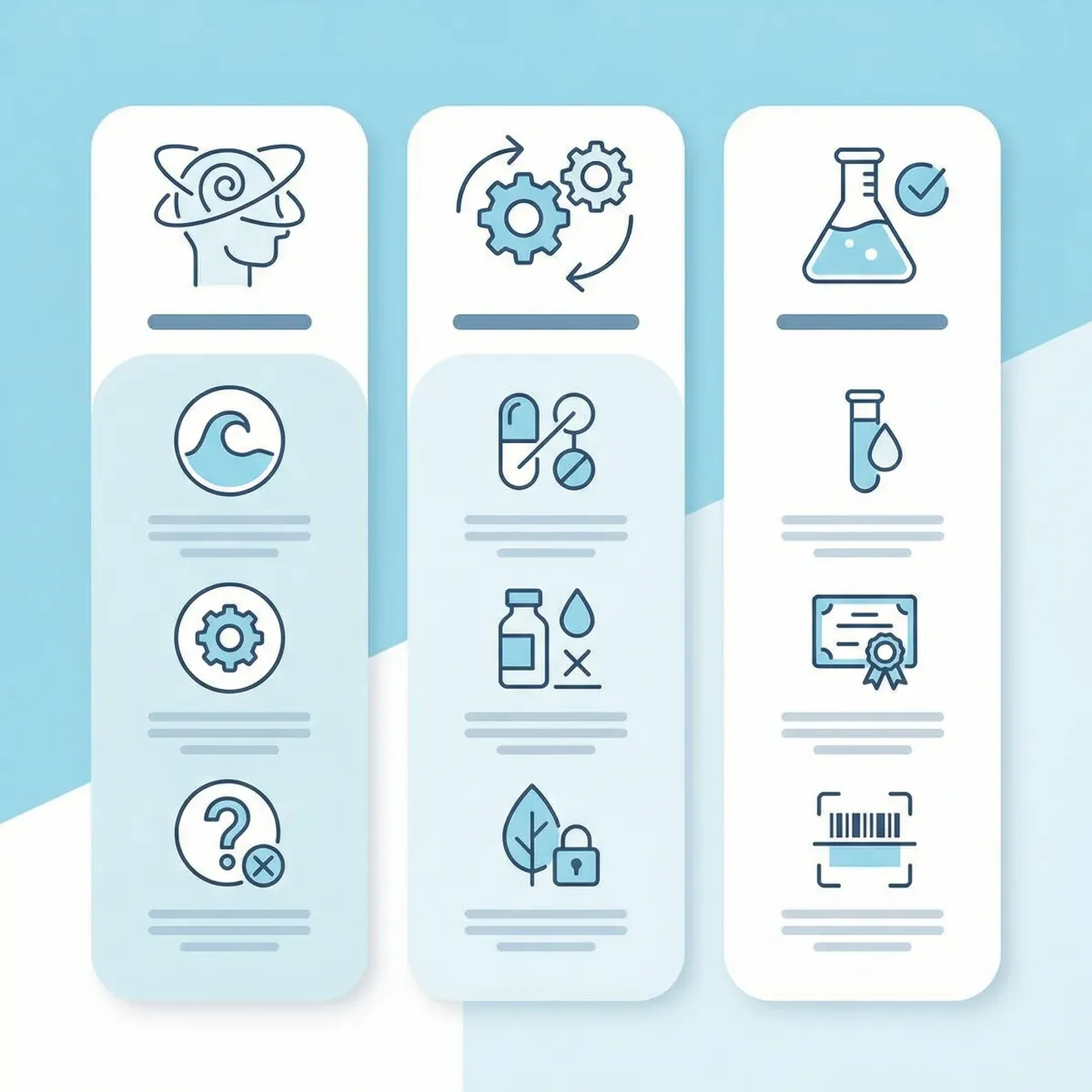
First, look for a recent third-party certificate of analysis (COA) tied to the exact batch number on your bottle. If the company does not provide batch-level testing, that is a red flag. Second, confirm total CBD content and serving-size CBD are both clearly listed. Third, check for contaminant panels: pesticides, heavy metals, residual solvents, and microbial contamination.
Formulation terms matter too. Full-spectrum products include multiple cannabinoids and trace compounds. Broad-spectrum products usually remove THC while retaining some other plant compounds. Isolate products focus on CBD only. None of these is automatically best. The right choice depends on your sensitivity, job-related drug testing risk, and symptom target. This detailed comparison on CBD oil vs cannabis oil vs THC oil can help if product terminology is still confusing.
| Label checkpoint | Minimum acceptable standard | Why it matters |
|---|---|---|
| COA availability | Batch-specific, recent, independently tested | Confirms potency and contamination profile |
| CBD concentration clarity | Per bottle and per serving values both visible | Prevents accidental underdosing or overdosing |
| THC disclosure | Explicit quantified value, not vague wording | Important for sensitivity and drug-testing concerns |
| Contaminant testing | Pesticides, heavy metals, solvents, microbials | Screens for avoidable quality risks |
| Lot traceability | Bottle lot number matches downloadable report | Links your product to actual test data |
Avoid labels that promise universal cure effects. If a product claims to treat almost everything, it is usually a sign that marketing outran evidence.
CBD Oil Myth vs Fact
| Myth | Fact |
|---|---|
| CBD works the same for everyone. | Response is highly individual and depends on condition, dose, formulation, and co-medications. |
| If it is sold online, it must be accurately labeled. | Independent analyses have found frequent label inaccuracies in online CBD products. |
| Non-intoxicating means no side effects. | CBD can still cause adverse effects and clinically relevant drug interactions. |
| Higher dose always means better results. | Some people improve at lower doses, while higher doses can increase side-effect burden. |
| CBD can replace medical care for serious disease. | CBD may be adjunctive, but serious conditions still require diagnosis and standard treatment pathways. |
One more practical point: if a product is dramatically cheaper than comparable oils, there is usually a reason. Shortcuts in testing and sourcing are common in price-war segments of the market.
How to Start CBD Oil Carefully
If you decide to trial CBD, keep the process simple and measurable. Choose one symptom target. Use one product at a time. Change only one variable each week. That approach makes it easier to know whether the product is helping or just creating noise.
For beginners, many clinicians use a low-and-slow approach: start with a small evening dose, monitor for several days, then adjust gradually if needed. Exact dosing should be individualized, especially if you are older, have liver disease, or take interacting medications. Do not copy dosing from social media posts; those anecdotes rarely include full health context.
A basic tracking sheet can make your trial far more useful:
| Week | Daily CBD amount | Target symptom score | Sleep quality | Side effects |
|---|---|---|---|---|
| 1 | Starting low dose | Record baseline and daily trend | Record sleep onset and awakenings | Track fatigue, GI changes, headache |
| 2 | Small adjustment if needed | Compare with baseline week | Note consistency vs variability | Reassess tolerability |
| 3 | Hold or adjust once | Assess whether target improved meaningfully | Check daytime function | Flag any persistent issues |
| 4 | Maintain best tolerated level | Decide continue, modify, or stop | Confirm net benefit | Plan clinician follow-up if needed |
If four weeks pass without a clear functional benefit, that is useful information. Not every intervention works for every person. Stop, reassess the diagnosis, and pivot instead of escalating dose indefinitely.
For broader legal and policy context, review your own state rules, because cannabinoid access and product standards still vary significantly by location.
Frequently Asked Questions
How long does CBD oil take to work?
Timing depends on format and goal. Some people notice effects within one to two hours for acute stress, while sleep or pain patterns may require days to weeks of consistent tracking before you can judge whether it is helping.
Can CBD oil make you fail a drug test?
It can, especially if a product contains more THC than the label suggests or if you use full-spectrum products regularly. If drug testing is a concern, choose products with transparent THC quantification and strong batch testing, and discuss risk with your employer policy in mind.
Is CBD oil safe to combine with prescription medications?
Sometimes yes, sometimes no. CBD can alter metabolism of certain medications, so interaction screening is important before you start. This is especially critical for anti-seizure drugs, anticoagulants, and transplant medications.
What is the best type of CBD oil for beginners?
The best first product is usually the one with the cleanest lab documentation, clear dosing instructions, and straightforward ingredient list. Beginners often do better with a simple formula they can track consistently rather than complex multi-ingredient blends.
The Bottom Line
CBD oil benefits are real in some settings and overhyped in others. The strongest evidence supports specific seizure disorders under medical supervision. For anxiety, sleep, and pain, the data are promising but mixed, and outcomes vary by person and product quality. Safety is not optional: interactions, liver monitoring at higher intakes, and label accuracy all deserve attention.
If you approach CBD with clear goals, careful sourcing, and honest tracking, you can make better decisions and avoid most of the common mistakes. Treat it like any other health intervention: evidence first, marketing second.
Related Articles
- CBD vs THC - A clear side-by-side breakdown of psychoactive effects, safety differences, and use cases.
- Known Side Effects of Cannabidiol (CBD) - A focused look at adverse effects and practical risk reduction.
- CBD Extraction Methods - Understand how extraction choices influence purity, flavor, and consistency.
- CBD Oil vs Cannabis Oil vs THC Oil - Terminology and formulation guide for comparing product labels.
Medical Disclaimer
This article is for informational and educational purposes only and is not medical advice, diagnosis, or treatment. Always consult a licensed physician or qualified healthcare professional regarding any medical concerns. Never ignore professional medical advice or delay seeking care because of something you read on this site. If you think you have a medical emergency, call 911 immediately.