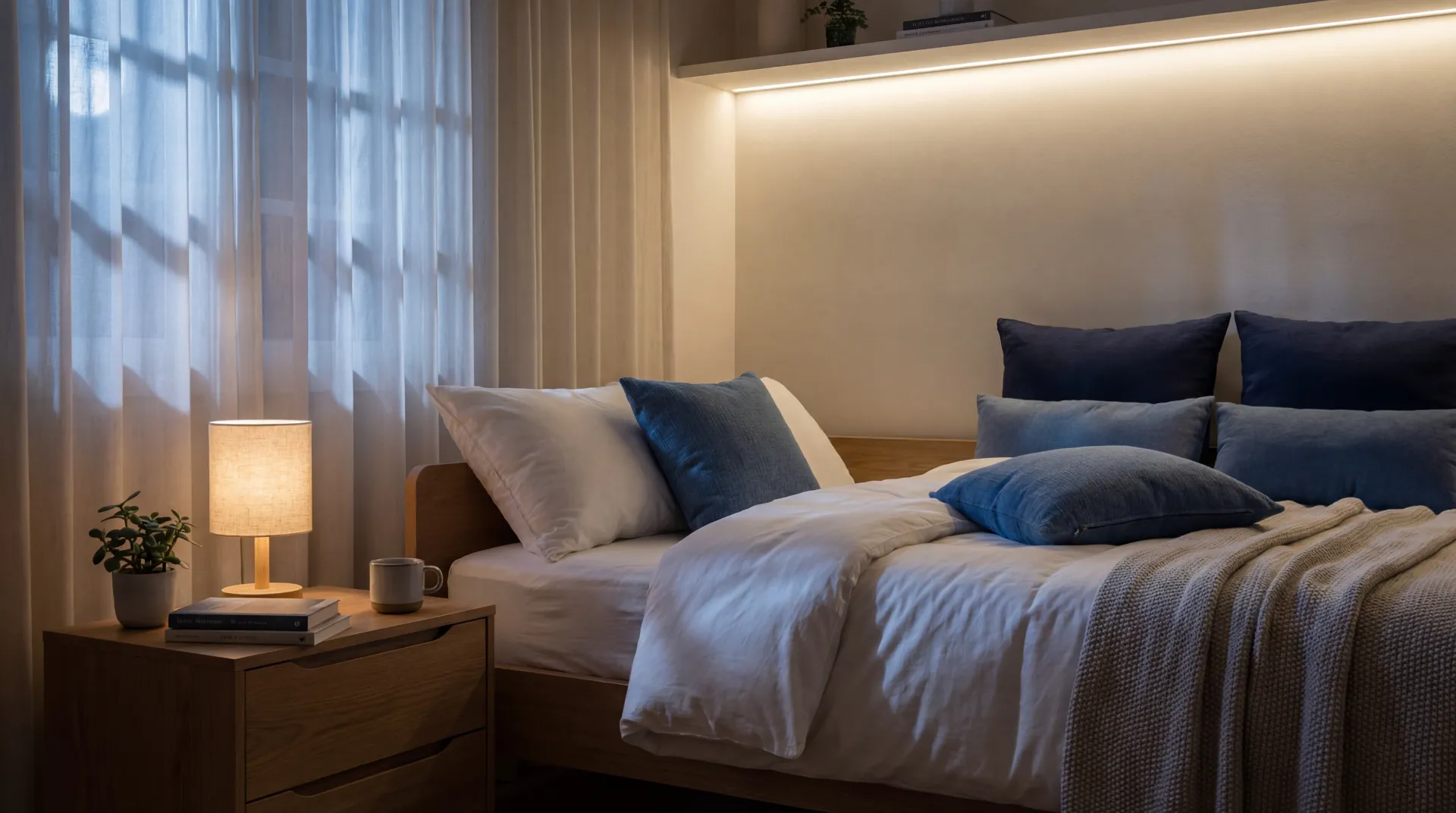
About one in three American adults regularly sleeps less than seven hours a night, according to CDC surveillance data. That single statistic sits behind a cascade of health problems most people never trace back to their pillow. Poor sleep chips away at heart health, sharpens appetite for junk food, clouds judgment, and rewires mood regulation over time. Most sleep problems, though, respond well to straightforward changes in habits and environment. This guide covers what actually happens during sleep, which popular beliefs the research contradicts, and what you can do about it starting tonight.
Why Your Brain Needs Sleep More Than You Think
Sleep is not passive downtime. Your brain uses that time to consolidate memories, clear metabolic waste, repair tissue, and regulate hormones. Every night, your body cycles through four distinct stages roughly every 90 to 110 minutes, repeating the sequence four to six times before morning.
The National Library of Medicine's clinical reference on sleep stages breaks the cycle into non-REM stages N1, N2, and N3, followed by REM sleep. Each stage serves a different function:
| Stage | Share of Total Sleep | Duration (First Cycle) | Primary Function |
|---|---|---|---|
| N1 (Light Sleep) | ~5% | 1-5 minutes | Transition from wakefulness; muscles relax |
| N2 (Intermediate) | ~45% | 10-25 minutes | Memory consolidation; sleep spindles form |
| N3 (Deep Sleep) | ~25% | 20-40 minutes | Tissue repair; immune strengthening; growth hormone release |
| REM | ~25% | ~10 minutes (lengthens to 60 min by final cycle) | Emotional processing; dreaming; procedural memory |
Deep sleep dominates early in the night, while REM periods stretch longer toward morning. That pattern explains why cutting your sleep short by even an hour disproportionately steals REM time, the phase tied to emotional regulation and creative problem-solving. Research from Harvard Medical School's Division of Sleep Medicine confirms that sleep-dependent memory consolidation requires cycling through all stages multiple times, not just logging a certain number of hours.
People restricted to four to six hours of sleep per night for two weeks show cognitive impairment equivalent to going 24 to 48 hours without any sleep at all, yet most report feeling only mildly tired. — PMC Sleep and Cognition Review, 2018
The Hidden Cost of Poor Sleep
Short sleep carries real risks across multiple organ systems. The data from large-scale studies spells this out clearly.
| Health Outcome | Risk Increase with Short Sleep | Source |
|---|---|---|
| Cardiovascular disease | 9% higher relative risk | PMC meta-analysis, 18 cohort studies, 2023 |
| Obesity (sleeping <5 hours) | 55% increased odds | PMC meta-analysis, 604,509 adults, 2018 |
| Frequent mental distress | 2.5x increased odds | CDC Preventing Chronic Disease, n=273,695, 2021 |
| Depression (with insomnia) | 5x more likely | Harvard Medical School |
| All-cause mortality (<6 hours) | 13% higher risk | RAND Corporation, peer-reviewed, 2017 |
Beyond individual health, sleep deprivation drains the economy. A peer-reviewed RAND Corporation study estimated that insufficient sleep costs the United States between $280 billion and $411 billion annually, roughly 1.6 to 2.3 percent of GDP, and that the country loses approximately 1.23 million working days each year to tired workers calling in sick or underperforming.
The hormonal effects are just as concrete. Sleeping fewer than six hours reduces the satiety hormone leptin by about 18 percent while boosting the hunger hormone ghrelin by 28 percent, according to a systematic review on sleep and obesity. That hormonal shift explains why chronically short sleepers tend to reach for calorie-dense snacks and struggle with weight management, something that connects directly to natural strategies for managing appetite.
What Actually Disrupts Your Sleep
Modern life stacks the deck against good sleep in ways our grandparents never faced. Understanding the specific mechanisms helps you target the right fixes.
Artificial light after sunset. Your circadian rhythm relies on the suprachiasmatic nucleus in the hypothalamus, a tiny cluster of nerve cells that uses light signals from your retina to calibrate the 24-hour internal clock. A detailed review of melatonin and circadian regulation explains that light exposure suppresses melatonin production, the hormone that signals your body it is time to wind down. Sleep propensity increases sharply about two hours after melatonin onset, so bright screens in the evening can push that window later than you realize.
Irregular schedules. Shift work, social jet lag from weekend sleep-ins, and inconsistent bedtimes weaken the circadian signal. Night-shift workers have significantly higher rates of drowsy driving, workplace accidents, and metabolic disease compared to daytime workers.
Stress and hyperarousal. Chronic stress activates the hypothalamic-pituitary-adrenal axis, elevating cortisol levels that directly antagonize sleep onset. If racing thoughts keep you awake, techniques like structured breathing exercises can help downregulate that stress response before bed.
Caffeine timing. Most people know caffeine keeps them awake but underestimate its half-life, which runs five to seven hours. A coffee at 3 PM still has half its caffeine circulating at 8 or 9 PM. A comprehensive sleep hygiene review found that large caffeine doses near bedtime acutely disrupt sleep architecture, though habitual users develop partial tolerance.
Alcohol. The same review found that while alcohol shortens the time to fall asleep, it fragments the second half of the night, delays REM onset, and increases middle-of-the-night awakenings. The sedation effect is real but the overall sleep quality suffers.
Sleep Myths vs. What Research Actually Shows
A panel of sleep medicine experts at NYU Langone rated common public beliefs about sleep on both falseness and public health significance. Their findings, published in a peer-reviewed study on sleep myths, revealed that some of the most widely held beliefs are flatly wrong.
| Common Belief | What the Evidence Says | Why It Matters |
|---|---|---|
| "Adults can get by on five hours or less" | Rated the most dangerous sleep myth (falseness score: 4.63/5). Chronic short sleep accumulates cognitive and metabolic damage. | Normalizes a habit linked to 13% higher mortality. |
| "Your brain shuts off during sleep" | Unanimously false (5.0/5). The brain is highly active, cycling through complex stages of consolidation and repair. | Leads people to undervalue sleep relative to waking hours. |
| "Alcohol before bed helps you sleep" | Alcohol sedates initially but disrupts REM, increases arousals, and worsens overall sleep quality in the second half of the night. | Encourages a habit that makes sleep worse, not better. |
| "If you can fall asleep anywhere, anytime, you're a great sleeper" | Falling asleep instantly is actually a hallmark of sleep deprivation, not sleep health. | Masks a serious sleep deficit as a positive trait. |
| "A warmer bedroom is more comfortable for sleep" | The Sleep Foundation recommends 60-67°F (15.6-19.4°C) based on thermoregulation research. Cooler rooms facilitate the core body temperature drop needed for sleep onset. | Many people overheat their bedrooms and then blame insomnia on stress. |
| "Snoring is harmless" | Snoring can indicate obstructive sleep apnea, a condition with serious cardiovascular consequences. An estimated 80-90% of cases go undiagnosed. | Delays diagnosis of a treatable, potentially dangerous condition. |
Evidence-Based Strategies for Better Sleep
Sleep hygiene is not a single habit but a package of behaviors that work together. A systematic review of sleep hygiene evidence notes that while individual recommendations vary in strength, the combined effect of several consistent habits does improve sleep quality for most people, even when any single recommendation on its own shows modest results.
Lock in a consistent schedule. Go to bed and wake up at the same time every day, including weekends. Your circadian clock calibrates to regularity. Social jet lag, the gap between weekday and weekend sleep timing, weakens the circadian signal over time.
Build a wind-down buffer. Dim lights and step away from screens at least 30 to 60 minutes before bed. This protects the natural melatonin rise. If you need something to do, try reading, gentle stretching, or a warm bath. A regular meditation practice also trains the nervous system to downshift more efficiently at night.
Exercise, but time it right. Regular physical activity is one of the strongest predictors of good sleep. A systematic review found that exercising four to eight hours before bed shows the strongest sleep benefits. Contrary to older advice, moderate evening exercise does not disrupt sleep for most people. What matters more is consistency. Regular exercise also supports cognitive function and brain health, which in turn makes falling asleep easier.
Use light strategically. Get bright natural light exposure within the first hour of waking. This sharpens the circadian signal and advances sleep onset timing. In the evening, switch to warm, dim lighting.
Limit naps to 20 minutes before 3 PM. Research suggests short naps do not substantially impair nighttime sleep, but long or late naps can shift the sleep pressure curve and delay sleep onset.
Reserve the bed for sleep. Stimulus control therapy, one of the most evidence-supported insomnia treatments, is built on this principle: if you are lying in bed awake for more than 20 minutes, get up, do something calm in dim light, and return only when sleepy.
How Food and Drink Affect Your Sleep
What you eat and when you eat it directly shapes sleep quality. Some nutrients support the biochemical pathways behind sleep, while certain habits interfere with them.
Foods that support sleep:
- Tart cherries are one of the few natural food sources of melatonin. Small studies show tart cherry juice modestly improves sleep duration.
- Fatty fish like salmon and mackerel provide omega-3 fatty acids and vitamin D, both linked to better sleep regulation.
- Chamomile tea contains apigenin, a compound that binds to brain receptors involved in sleepiness. It has a long history as a gentle sleep aid, and research on chamomile's broader health effects supports its mild calming properties.
- Almonds and walnuts supply magnesium, a mineral involved in muscle relaxation and GABA regulation.
- Kiwi showed promising results in a small trial where eating two kiwis an hour before bed improved sleep onset by 35 percent over four weeks.
Habits that hurt sleep:
- Eating large, heavy meals within two hours of bed forces active digestion during sleep, which can cause reflux and fragment the night.
- Caffeine after early afternoon leaves residual stimulation at bedtime. Switch to herbal tea or water after lunch.
- Alcohol might feel like it helps, but it reliably disrupts the second half of the night and suppresses REM.
- High-sugar snacks before bed can cause blood sugar fluctuations that trigger middle-of-the-night waking.
Building a Sleep Environment That Works
Your bedroom should signal one thing: sleep. A few cheap changes here can make a real difference.
Temperature. The Sleep Foundation recommends keeping your bedroom between 60 and 67°F (15.6-19.4°C). Your core body temperature needs to drop slightly to initiate sleep, and a cool room facilitates that process. If you tend to run hot, consider breathable cotton or bamboo sheets and a lighter duvet.
Darkness. Even dim light from a charging indicator or hallway crack can suppress melatonin. Blackout curtains or a well-fitted sleep mask create the total darkness your circadian system expects after sunset.
Noise. If you cannot control environmental noise, a white noise machine or fan creates a consistent sound floor that masks disruptive sounds. Avoid falling asleep to television, which delivers irregular audio and light that can pull you out of deeper sleep stages.
Mattress and pillow. There is no universally "best" mattress, but one that properly supports your spine without creating pressure points is worth the investment. Most mattresses lose structural support after seven to ten years. If you wake with aches that fade within an hour of getting up, your mattress may be the culprit.
Electronics out. Phones, tablets, and laptops in the bedroom create temptation and ambient light. Charging them outside the bedroom removes both the light source and the impulse to check notifications.
When Poor Sleep Signals Something Deeper
Sometimes the issue is not your habits or your bedroom. It is a medical condition that sleep hygiene alone will not fix.
Obstructive sleep apnea (OSA) affects an estimated 50 to 70 million Americans with sleep disorders, and the Sleep Foundation estimates that 80 to 90 percent of OSA cases remain undiagnosed. Symptoms include loud snoring, gasping during sleep, and excessive daytime sleepiness despite spending adequate time in bed. OSA is treatable, but it will not improve with sleep hygiene alone.
Chronic insomnia lasting more than three months may respond better to cognitive behavioral therapy for insomnia (CBT-I) than to medication. CBT-I addresses the thought patterns and behaviors that perpetuate insomnia and is considered first-line treatment by most sleep medicine guidelines.
Restless legs syndrome, circadian rhythm disorders, and narcolepsy each have specific diagnostic criteria and treatments. If you consistently struggle with sleep despite following evidence-based hygiene practices, a sleep specialist can run targeted testing. Conditions like chronic fatigue syndrome can also overlap with and complicate sleep disorders.
If you snore loudly, stop breathing during sleep (reported by a partner), or feel exhausted after a full night in bed, talk to your doctor about a sleep study. These are not normal aging symptoms.
Frequently Asked Questions
How many hours of sleep do adults actually need?
The CDC recommends at least seven hours per night for adults aged 18 to 60, seven to nine hours for those 61 to 64, and seven to eight hours for adults 65 and older. Individual needs vary slightly, but consistently sleeping fewer than seven hours is associated with increased health risks across multiple organ systems.
Does melatonin really help you fall asleep?
Not exactly. Melatonin signals your body that nighttime has arrived, but it is not a sedative. It works best for circadian timing issues: jet lag, shift work adjustment, delayed sleep phase. For garden-variety insomnia, the evidence is modest. If you do try it, take it two to three hours before your target bedtime, not right at lights-out.
Is it bad to exercise in the evening?
For most people, moderate evening exercise does not impair sleep and may actually help. The old recommendation to avoid all exercise within two hours of bed has been softened by recent research showing that only vigorous, high-intensity exercise very close to bedtime consistently disrupts sleep onset. A walk, gentle yoga session, or moderate workout in the early evening is fine.
Can you catch up on lost sleep over the weekend?
Partial recovery is possible, but weekend sleep-ins do not fully erase the cognitive and metabolic effects of weekday sleep debt. Worse, large shifts in sleep timing create social jet lag, which weakens your circadian rhythm. A more effective strategy is to keep a consistent schedule and add 30 to 60 minutes of extra sleep nightly rather than banking hours on weekends.
What should I do if I wake up at 3 AM and cannot fall back asleep?
Get out of bed. Seriously. Go to another room, do something quiet in dim light (reading works well), and come back only when you feel sleepy. Lying there watching the clock trains your brain to associate the bed with frustration. Sleep researchers call this stimulus control, and it is one of the most effective techniques for breaking the cycle.
Related Articles
- Meditation Techniques, Guides, Tips, and Benefits — A complete guide to meditation practices that calm the nervous system and support better sleep.
- Top Breathing Techniques to Relieve Stress — Structured breathing methods that help downregulate the stress response before bed.
- Health Benefits of Chamomile and Side Effects — What research says about chamomile as a natural calming agent and sleep aid.
- Chronic Fatigue Syndrome: Causes, Symptoms, and Treatment — Understanding the overlap between sleep disorders and persistent fatigue conditions.
- Physical Exercise and Brain Health — How regular movement supports both cognitive function and sleep quality.
Medical Disclaimer
This article is for informational and educational purposes only and is not medical advice, diagnosis, or treatment. Always consult a licensed physician or qualified healthcare professional regarding any medical concerns. Never ignore professional medical advice or delay seeking care because of something you read on this site. If you think you have a medical emergency, call 911 immediately.