A 3,000-Year-Old Compound Getting a Second Look
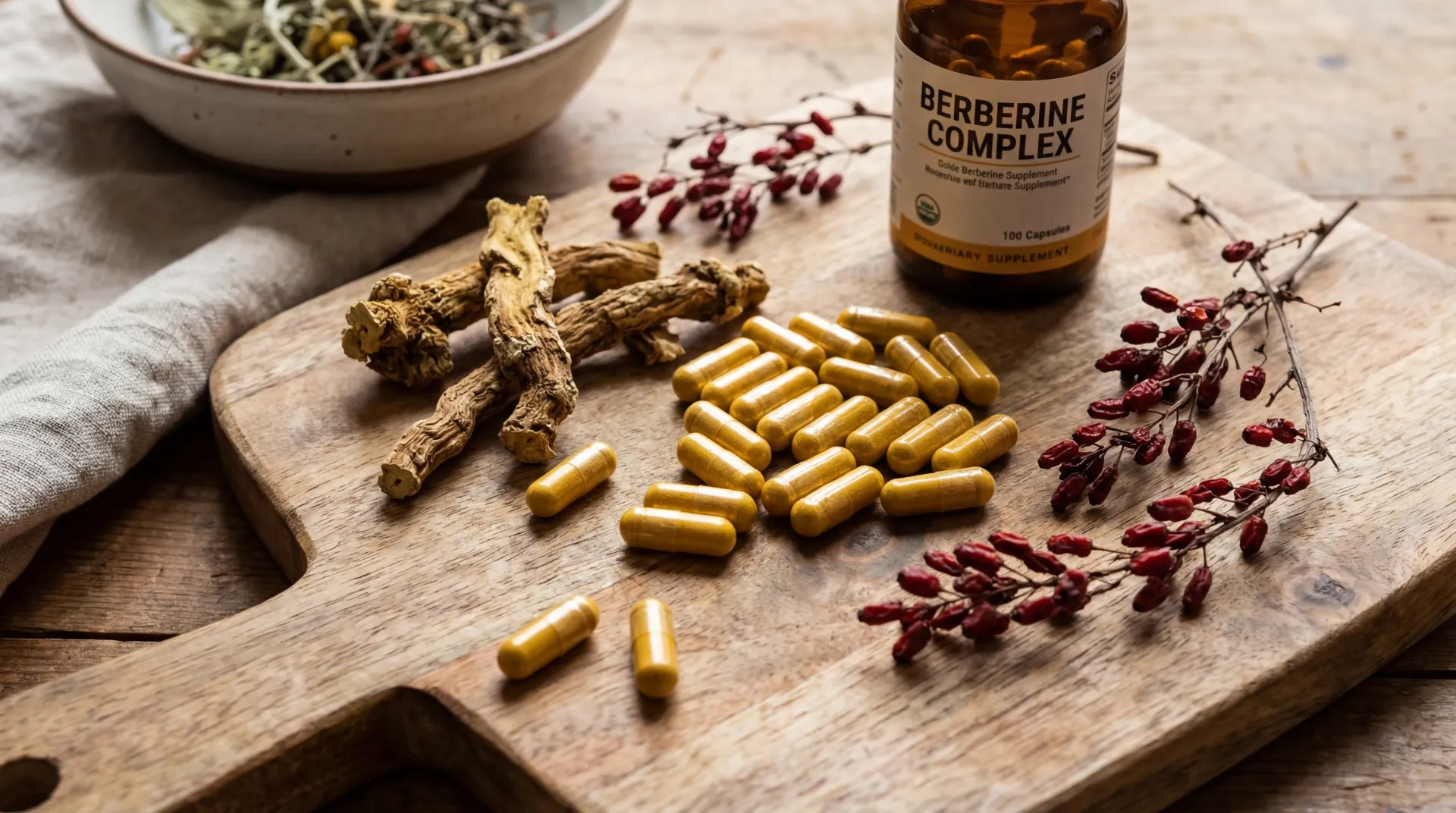
Berberine is a bright yellow alkaloid pulled from the bark and roots of several plants, including goldenseal, Oregon grape, barberry, and Chinese goldthread. Traditional Chinese and Ayurvedic medicine practitioners have used it for thousands of years to treat infections, digestive complaints, and inflammatory conditions.
What changed in the last two decades is that researchers started running controlled trials on berberine, and the results caught the medical community off guard. A 2008 study published in Metabolism: Clinical and Experimental showed berberine lowered HbA1c by roughly 2 percentage points in newly diagnosed type 2 diabetics. That kind of reduction rivals prescription drugs.
The supplement gained viral attention when social media users started calling it "nature's Ozempic," though that label overpromises. Berberine works through completely different pathways than GLP-1 receptor agonists, and the weight loss evidence, while real, is far more modest. Still, the blood sugar data is hard to ignore, and the compound deserves a fair reading of what it can and cannot do.
If you're interested in how natural compounds interact with metabolic health, our guide on the health benefits of turmeric covers another well-researched plant compound with overlapping anti-inflammatory effects.
The AMPK Switch and Your Gut Bacteria
Berberine's primary mechanism centers on activating an enzyme called AMP-activated protein kinase, or AMPK. Think of AMPK as your cells' fuel gauge. When energy runs low, AMPK flips on and tells the body to start burning stored fat and pulling glucose from the bloodstream into cells. This is the same master switch that metformin activates, which is why researchers keep drawing the comparison.
AMPK is not the only pathway berberine touches. A review in Oncotarget documented its effects on PPARα, PPARγ, MAPK, and PKC signaling pathways. In plain terms, berberine is reaching into glucose metabolism, lipid processing, and inflammatory response all at once.
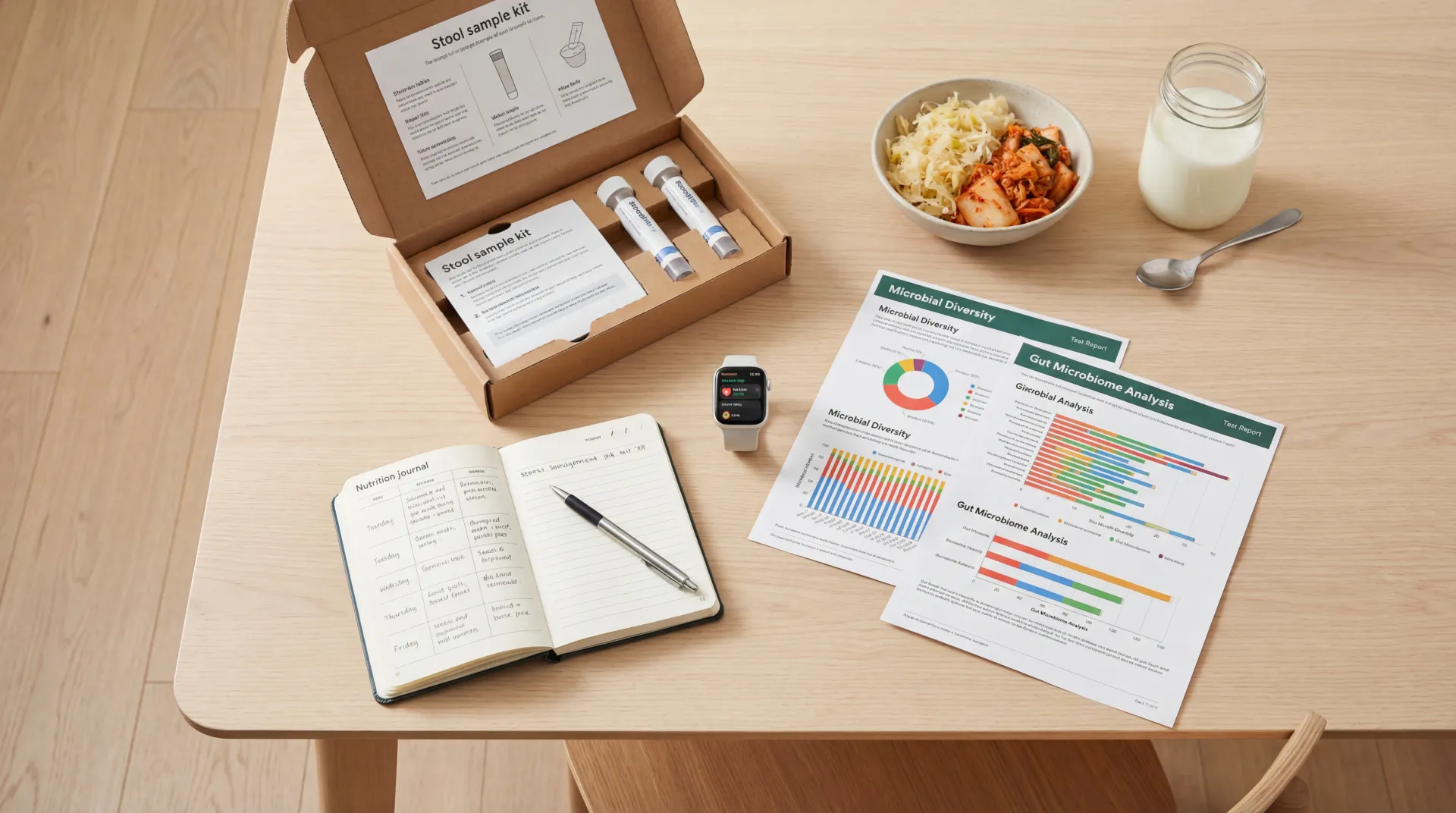
The gut microbiome angle adds another layer. Research published in Frontiers in Cellular and Infection Microbiology found that berberine promotes the growth of beneficial bacteria like Bacteroides, Bifidobacterium, and Lactobacillus while suppressing harmful strains such as E. coli. That microbiome shift bumps up short-chain fatty acid production, which in turn helps with insulin sensitivity and dials down inflammation. If gut health is on your radar, you may also want to read about the health benefits of probiotics and how they complement metabolic function.
There is an ironic twist to berberine's pharmacology. The compound has notoriously poor oral bioavailability — less than 1% of an oral dose reaches systemic circulation unchanged. Your gut bacteria actually convert berberine into dihydroberberine, which has an intestinal absorption rate roughly five times higher than the parent compound. So the very microbes berberine nurtures are the ones that help your body absorb it. This bidirectional relationship between berberine and the microbiome is one reason researchers think the compound's clinical effects exceed what its blood levels would predict.
Quick fact: Berberine activates AMPK, the same metabolic master switch targeted by metformin. It also reshapes gut bacteria in ways that improve its own absorption, a biological feedback loop that researchers are still mapping out.
Same Target, Different Routes
The berberine-metformin comparison shows up in every discussion of this supplement, so let's lay the data side by side.
Both compounds inhibit mitochondrial respiratory complex I, which triggers AMPK activation. Both lower fasting blood glucose, reduce HbA1c, and improve lipid profiles. A head-to-head clinical trial of 36 adults with newly diagnosed type 2 diabetes found that berberine's blood-sugar-lowering effect was statistically comparable to metformin over three months at 500 mg taken three times daily.
Where they diverge is bioavailability. Metformin reaches plasma concentrations of roughly 10 μM with standard dosing and accumulates in mitochondria at 100 to 500 times higher concentrations. Berberine? Its plasma concentration after chronic dosing lands at about 4.0 ± 2.0 nM. That is thousands of times lower. Poor membrane permeability, P-glycoprotein efflux, and heavy hepatic metabolism by CYP2D6 all chip away at berberine's blood levels.
| Parameter | Berberine | Metformin |
|---|---|---|
| Primary mechanism | AMPK activation | AMPK activation |
| Typical daily dose | 900–1,500 mg | 1,500–2,000 mg |
| Plasma concentration | ~4 nM | ~10 μM |
| HbA1c reduction | ~2 percentage points | ~1.5 percentage points |
| LDL cholesterol effect | 20–30% reduction | Modest reduction |
| FDA-approved | No (supplement) | Yes (prescription) |
| Main side effects | GI discomfort | GI discomfort, lactic acidosis (rare) |
| Regulatory oversight | None (supplement) | Full FDA regulation |
Here is the part that gets glossed over in supplement marketing: metformin has decades of large-scale trial data behind it, including cardiovascular outcome studies involving tens of thousands of patients. Berberine's evidence base is mostly smaller trials, and a disproportionate number were conducted in Chinese populations. Dr. Dana Ellis Hunnes of UCLA Health put it bluntly: "There needs to be more gold-standard, randomized, controlled clinical trials to understand the true potential of berberine."
One interesting wrinkle: a six-month trial with 60 type 2 diabetes patients found that combining berberine with metformin worked better than metformin alone. So the real question might not be "which one?" but "both?"
The Numbers That Got Researchers Talking
The 2008 trial published in Metabolism is the one that gets cited constantly, and for good reason. It actually contained two separate studies.
In Study A, a monotherapy comparison, 36 patients with newly diagnosed type 2 diabetes were randomly assigned to either berberine or metformin at 500 mg three times daily for three months. The berberine group saw their HbA1c drop from 9.5% to 7.5%, fasting blood glucose fell from 10.6 to 6.9 mmol/L, and triglycerides decreased from 1.13 to 0.89 mmol/L.
Study B tested berberine as an add-on therapy. Forty-eight patients already taking other diabetes medications added berberine at the same dose. HbA1c dropped from 8.1% to 7.3%, fasting glucose fell from 9.6 to 7.6 mmol/L, and triglycerides went from 1.73 to 1.39 mmol/L. About 34.5% of participants experienced transient GI side effects, but no liver or kidney damage was observed.
| Marker | Study A Baseline | Study A After 3 Months | Study B Baseline | Study B After 3 Months |
|---|---|---|---|---|
| HbA1c (%) | 9.5 ± 0.5 | 7.5 ± 0.4 | 8.1 ± 0.2 | 7.3 ± 0.3 |
| Fasting glucose (mmol/L) | 10.6 ± 0.9 | 6.9 ± 0.5 | 9.6 ± 0.4 | 7.6 ± 0.3 |
| Triglycerides (mmol/L) | 1.13 ± 0.13 | 0.89 ± 0.03 | 1.73 ± 0.17 | 1.39 ± 0.18 |
Those individual results held up when researchers pooled data from multiple trials. A 2021 meta-analysis in Oxidative Medicine and Cellular Longevity found that berberine, used solo or alongside diabetes drugs, consistently improved glucose metabolism, lipid markers, and inflammatory indicators across the board.
A 2022 systematic review and meta-analysis in Frontiers in Pharmacology reinforced berberine's glucose-lowering capacity in type 2 diabetes. If you or someone you know is managing blood sugar concerns, our overview of diabetes information and resources offers broader context on the condition itself.
Modest Losses, Not Miracles
The "nature's Ozempic" label set expectations that berberine's weight loss data cannot meet. GLP-1 receptor agonists like semaglutide produce average weight losses of 15 to 20 percent of body weight. Berberine's numbers are far smaller, but they are not zero.
Studies show berberine at 1 gram daily can produce weight loss between 5% and 7% of body weight in people with overweight or obesity, typically appearing after at least eight weeks of consistent use. The compound also reduces waist circumference and BMI. A 2019 study on metabolic syndrome patients found significant improvements in body weight alongside the expected glucose and lipid benefits.
The mechanism circles back to AMPK. Flip that switch and your body ramps up fatty acid oxidation while putting the brakes on lipogenesis. Translation: you burn more stored fat and make less new fat. Berberine also nudges adipokine signaling and bile acid metabolism, which influence where and how your body parks fat.
| Weight Loss Approach | Typical Body Weight Reduction | Onset Time | Prescription Required |
|---|---|---|---|
| Berberine (1g/day) | 5–7% | 8+ weeks | No |
| Semaglutide (GLP-1) | 15–20% | 4–8 weeks | Yes |
| Metformin | 2–5% | 12+ weeks | Yes |
| Lifestyle changes alone | 3–10% | Varies | No |
One thing that does stand out in the data is berberine's effect on visceral fat — the deep abdominal fat packed around organs that drives insulin resistance and cardiovascular risk. Several studies found waist circumference reductions that outpaced what the scale alone would suggest. Losing belly fat specifically, even without dramatic overall weight loss, can meaningfully shift metabolic risk markers.
For those exploring supplement-based weight management strategies, our guide on natural fat burners and weight loss reviews other evidence-backed options and how they stack up.
Reality check: Berberine produces real but modest weight loss, roughly 5–7% of body weight over two or more months. It is not comparable to GLP-1 drugs and should not be treated as a pharmaceutical replacement.
What Berberine Does for Your Lipid Panel
Blood sugar gets the headlines, but berberine's lipid-lowering effects may be just as clinically relevant. A 2005 study in Nature Medicine identified berberine as a novel cholesterol-lowering agent that works through a mechanism distinct from statins. Where statins block HMG-CoA reductase, berberine stabilizes LDLR mRNA, increasing the number of LDL receptors on liver cell surfaces. More receptors mean more LDL gets pulled from the bloodstream.
A meta-analysis of 18 randomized controlled trials found berberine reduced LDL cholesterol by 0.46 mmol/L, total cholesterol by 0.48 mmol/L, and triglycerides by 0.34 mmol/L. It also nudged HDL cholesterol up by 0.06 mmol/L. Notably, the HDL increase was more pronounced in women at 0.11 mmol/L compared to men.
In a clinical study of 32 patients with high cholesterol, three months of oral berberine cut serum cholesterol by 29%, triglycerides by 35%, and LDL cholesterol by 25%. While these reductions fall short of what moderate-intensity statins achieve (30 to 50% LDL lowering), they sit in a range that matters for people who cannot tolerate statins or prefer to try non-prescription options first.
Berberine also decreases PCSK9, a protein that breaks down LDL receptors. In animal studies, it blocked intestinal cholesterol absorption by 45%. Add in its anti-inflammatory and anti-arrhythmic effects and the cardiovascular picture goes deeper than lipid numbers on a lab report. For more on heart-protective nutrients, see our guide to omega-3 benefits and sources.
Getting the Dose Right Without Getting Sick
Most clinical trials have used berberine at 500 mg taken two to three times daily, totaling 900 to 1,500 mg per day. Taking it with meals is not optional. Berberine takes advantage of the postprandial glucose and lipid spike, and food in the stomach also reduces the GI side effects that are the most common complaint.
The standard recommendation from organizations like the Cleveland Clinic is to start with a lower dose and work up. Beginning at 500 mg once daily for the first week lets your gut adjust before stepping up to the full dose. Berberine has been used safely in doses up to 1.5 grams daily for six months in clinical settings.
Side effects are almost entirely gastrointestinal. Diarrhea, constipation, gas, bloating, cramping, and nausea are all documented. These tend to be worst in the first two weeks and often resolve as the body adapts. No serious adverse events have been reported in clinical trials, and no liver or kidney damage has been observed.
Drug interactions deserve more attention than they usually get. Berberine inhibits CYP2D6 and CYP3A4 enzymes, meaning it can spike the blood levels of other medications you're taking. The list includes metformin, cyclosporine, omeprazole, and losartan. If you're already on diabetes medications, stacking berberine on top could drop your blood sugar to dangerous levels. Talk to your doctor and pharmacist before combining berberine with anything prescription.
Who should avoid berberine entirely: pregnant and breastfeeding women, due to risk of bilirubin buildup in infants. People on immunosuppressant drugs like cyclosporine, since berberine can dramatically increase their blood levels. Anyone with low blood pressure, since berberine can lower it further. And children, for whom no safety data exists.
One more consideration: supplement quality varies wildly. The FDA does not evaluate dietary supplements for potency, purity, or accuracy of labeling. Independent testing has found berberine products that contain less active ingredient than claimed, or that include undisclosed fillers. Look for products tested by third-party labs like USP, NSF, or ConsumerLab. The clinical trials used berberine hydrochloride, so that specific form is the best-supported choice.
Myth vs. Fact: "Berberine is a safe herbal supplement with no side effects." — False. While generally well-tolerated, berberine causes GI distress in about one-third of users and has significant drug interactions. It is a bioactive compound that affects multiple organ systems. Treat it with the same caution you would give any metabolically active substance.
Frequently Asked Questions
Can berberine replace metformin for type 2 diabetes?
No. While berberine shows comparable blood sugar reductions in small trials, metformin has decades of large-scale outcome data, FDA approval, and standardized dosing. Berberine is an unregulated supplement with variable product quality. If you currently take metformin, do not stop or substitute without your doctor's explicit guidance.
How long does berberine take to lower blood sugar?
Clinical trials typically show measurable reductions in fasting blood glucose within two to four weeks, with HbA1c improvements becoming apparent after two to three months of consistent use at 900 to 1,500 mg daily.
Is berberine actually "nature's Ozempic"?
No. Ozempic (semaglutide) is a GLP-1 receptor agonist that produces 15 to 20% body weight loss. Berberine works through AMPK activation and produces 5 to 7% weight loss at best. They operate through entirely different mechanisms. The comparison is marketing, not science.
Does berberine affect cholesterol levels?
Yes. Meta-analyses show berberine reduces LDL cholesterol by 20 to 30%, total cholesterol by roughly 29%, and triglycerides by about 35%. It works through a different pathway than statins, stabilizing LDL receptor mRNA rather than blocking cholesterol synthesis.
What are the most common side effects of berberine?
Gastrointestinal symptoms dominate: diarrhea, constipation, bloating, gas, and nausea. About one-third of clinical trial participants experience these effects, usually in the first two weeks. Starting at a lower dose and taking it with food minimizes discomfort.
Related Articles
- 12 Health Benefits of Turmeric — Another well-researched plant compound with potent anti-inflammatory and metabolic benefits.
- Health Benefits of Probiotics — How beneficial gut bacteria support metabolic health and complement compounds like berberine.
- Diabetes: Causes, Symptoms, and Management — A comprehensive overview of the condition that berberine targets most directly.
- Natural Fat Burners and Weight Loss Guide — Other evidence-backed supplements for weight management compared and evaluated.
- Omega-3 Benefits, Sources, and Supplements — Heart-protective nutrients that pair well with berberine's cardiovascular profile.
Medical Disclaimer
This article is for informational and educational purposes only and is not medical advice, diagnosis, or treatment. Always consult a licensed physician or qualified healthcare professional regarding any medical concerns. Never ignore professional medical advice or delay seeking care because of something you read on this site. If you think you have a medical emergency, call 911 immediately.