What Is Seed Cycling?
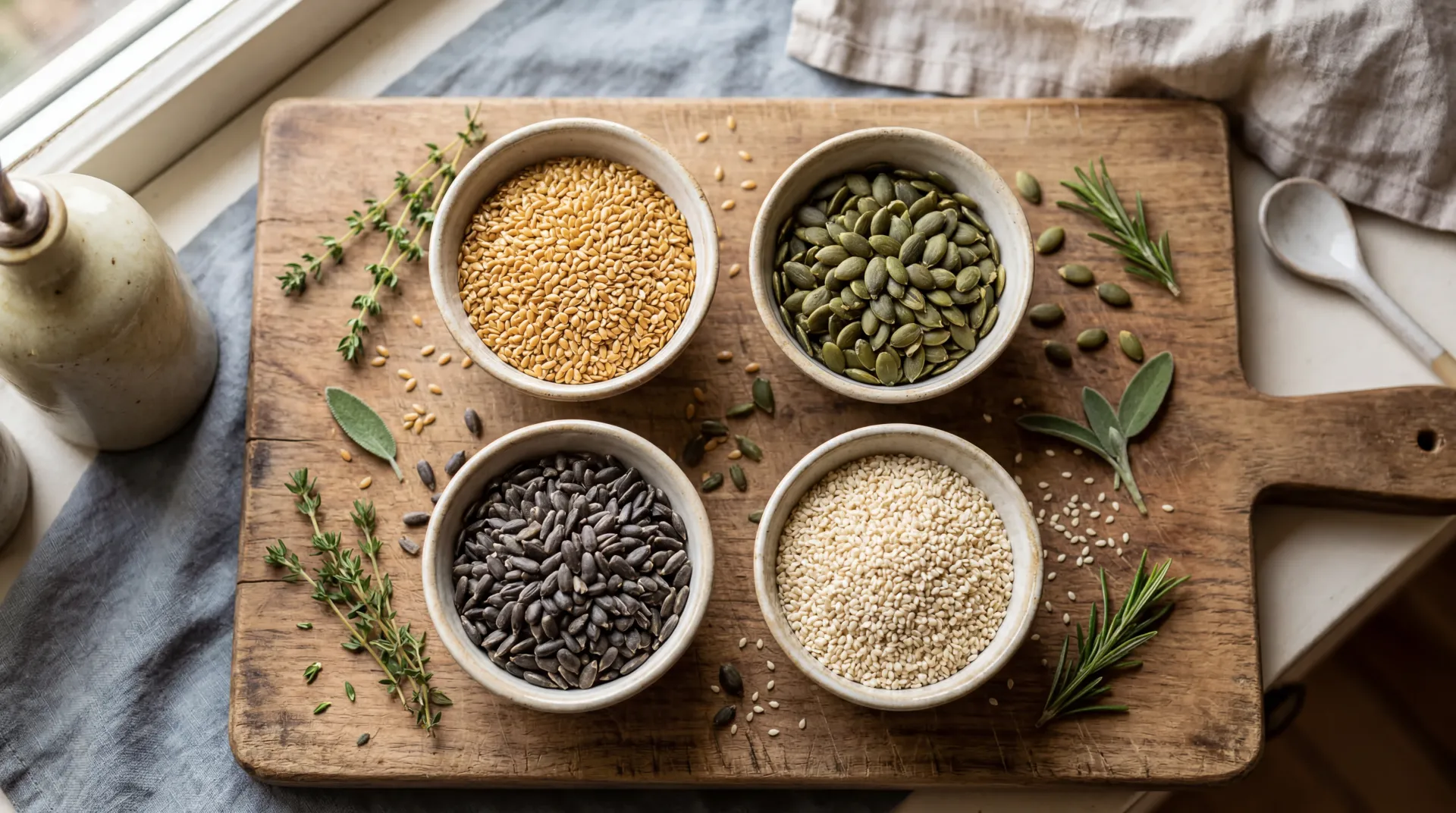
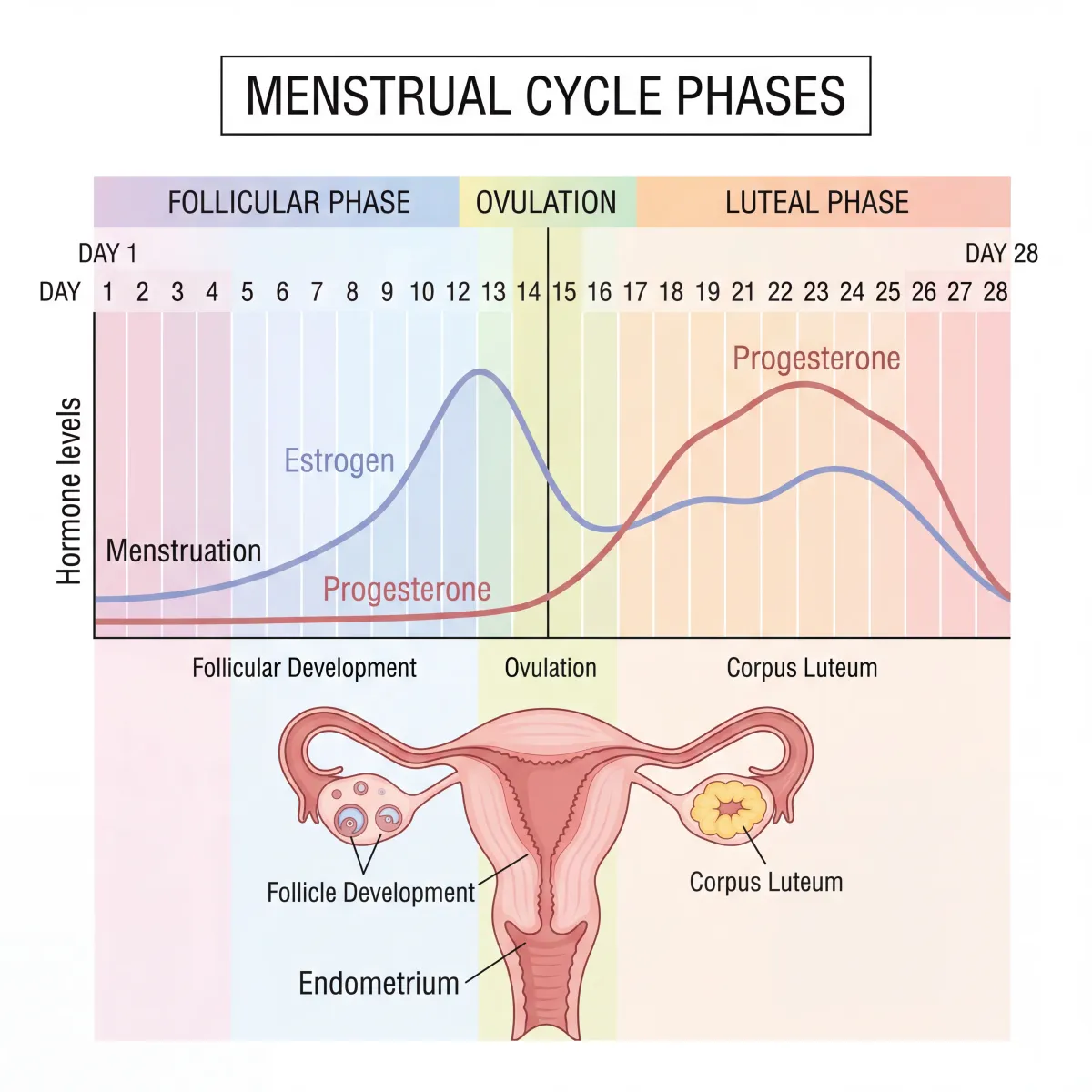
Seed cycling is a dietary practice where you eat specific seeds during each half of your menstrual cycle, with the idea that this supports hormone balance. The protocol itself is pretty simple: one tablespoon each of ground flaxseeds and pumpkin seeds during the follicular phase (days 1 through 14), then one tablespoon each of ground sesame seeds and sunflower seeds during the luteal phase (days 15 through 28).
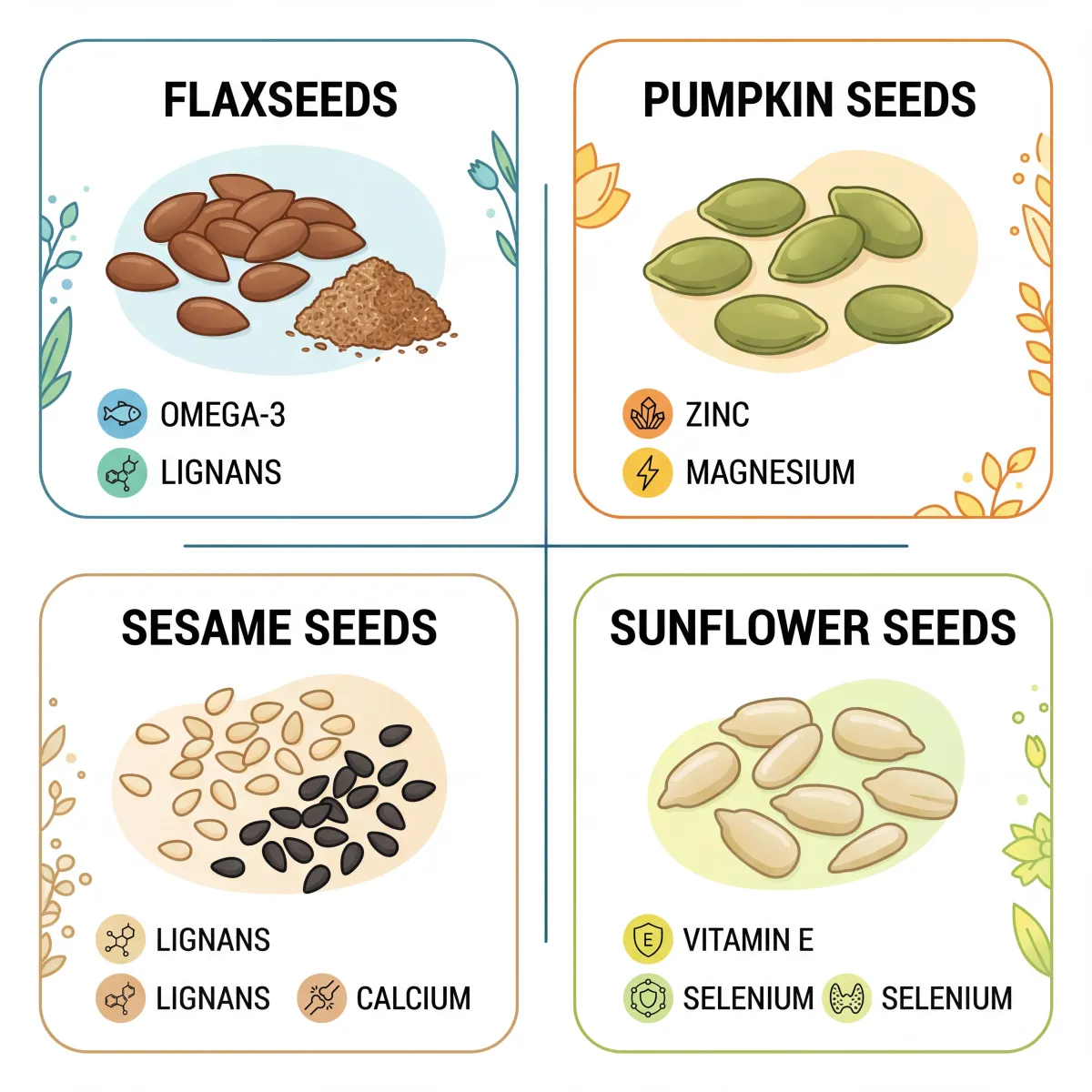
The theory goes that certain nutrients in these seeds, like lignans, zinc, selenium, omega-3 fatty acids, and vitamin E, can nudge estrogen and progesterone production at the times when each hormone should be dominant. Proponents say it helps with irregular periods, PMS, acne, and even fertility.
If you spend any time on wellness TikTok or Instagram, you've probably seen seed cycling come up. It's everywhere in integrative health circles. But does the clinical evidence actually back it up, or is this a trend that just sounds plausible?
It depends on what you mean. The individual seeds do have real research behind them. But the specific protocol of rotating seeds by cycle phase? That has only recently started to get formal scientific attention.
The Science Behind the Seeds
Before judging the practice, it helps to know what each seed actually does in the body.
Follicular Phase Seeds: Flaxseeds and Pumpkin Seeds
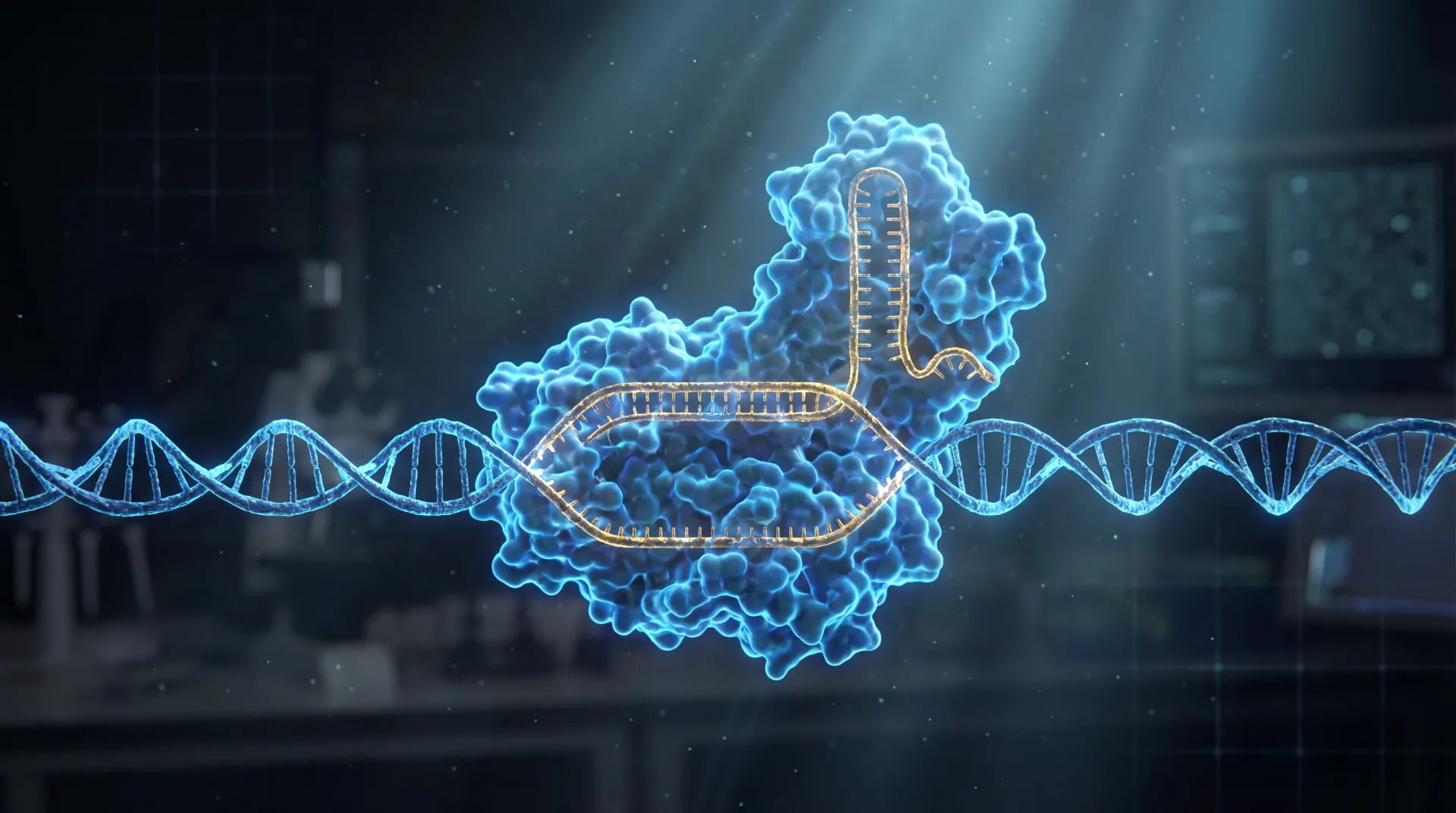
Flaxseeds are the richest dietary source of plant lignans we know of, specifically secoisolariciresinol diglucoside (SDG). Your gut bacteria convert SDG into enterolignans called enterodiol and enterolactone. These compounds bind to estrogen receptors (ER-alpha and ER-beta) and can act as weak estrogens or anti-estrogens, depending on how much estrogen your body is already producing.
That dual action is why flaxseed lignans are interesting for hormone balance. If your estrogen is low (early follicular phase), lignans may offer mild estrogenic support. If estrogen is already high, they compete for receptor binding and help dial down the overall effect.
Flaxseeds are also a good source of alpha-linolenic acid (ALA), an omega-3 fatty acid that's a precursor to the longer-chain EPA and DHA. The body converts only about 5 to 10 percent of ALA into those forms, but ALA still feeds into anti-inflammatory pathways that matter for reproductive health.
Pumpkin seeds bring zinc to the table. Research published in Biology of Reproduction found that zinc is a cofactor for enzymes and transcription factors involved in reproductive hormone synthesis, including pituitary release of FSH and LH. One ounce of pumpkin seeds gives you about 2.2 mg of zinc, which covers roughly 20 percent of the daily recommended intake for women.
Luteal Phase Seeds: Sesame Seeds and Sunflower Seeds
Sesame seeds have their own lignans (sesamin and sesamolin) and a decent amount of zinc. In a randomized trial, sesame seed consumption reduced menstrual pain scores in university students with primary dysmenorrhea. Sesame lignans may also help the body metabolize estrogen in ways that give progesterone more room during the luteal phase.
Sunflower seeds pack a lot of vitamin E: one ounce has about 7.4 mg, close to half the daily value. Vitamin E is a fat-soluble antioxidant that protects cell membranes from oxidative damage. Sunflower seeds also contain selenium, a trace mineral your body needs for thyroid hormone metabolism and antioxidant defense. Thyroid problems can throw off your whole cycle, so selenium intake matters more than most people realize.
What Does the Research Actually Say?
The biggest knock on seed cycling has always been the lack of direct clinical evidence. That's starting to change.
The 2025 Systematic Review
A systematic review published in Cureus in August 2025 looked at 10 studies involving 635 women of reproductive age. The review covered both seed cycling protocols and individual seed-based interventions for PMS and PCOS. The results were mixed but leaned positive:
- Seed cycling was linked to improved menstrual regularity across multiple studies
- PMS symptom severity went down in several intervention groups
- Sex hormone levels shifted favorably, including changes in FSH, LH, and testosterone
- Some studies saw metabolic improvements like lower insulin resistance and better lipid numbers
- None of the studies reported adverse effects
That said, the review's authors flagged real limitations. Most of the studies were small. They were geographically concentrated in South Asia and the Middle East. Methodologies varied quite a bit. Evidence quality was moderate to good overall, but we still don't have large-scale randomized controlled trials.
The Classic Flaxseed Study
The study that gets cited most often in seed cycling circles is from Phipps et al., published in the Journal of Clinical Endocrinology and Metabolism in 1993. It was small: 18 normally cycling women ate 10 grams of ground flaxseed daily for three menstrual cycles. But the results were striking. Not a single anovulatory cycle occurred during the 36 flaxseed cycles, compared to three anovulatory cycles during the 36 control cycles. The flaxseed cycles also had significantly longer luteal phases, which suggests better progesterone production.
It's a 30-year-old study with 18 participants. That limits how much weight you can put on it. But it did show measurable hormonal changes from a food, and that's not nothing.
Flaxseed and PCOS
More recent research has zeroed in on flaxseed and polycystic ovary syndrome (PCOS). A randomized controlled trial in Nutrition Journal (2020) assigned 41 women with PCOS to either 30 grams of ground flaxseed daily or standard dietary advice for 12 weeks. The flaxseed group saw statistically significant drops in BMI (p = 0.001), waist circumference, fasting insulin, HOMA-IR (a measure of insulin resistance), triglycerides, and leptin compared to controls.
Then in 2025, an open-label RCT in Frontiers in Endocrinology found that flaxseed supplementation raised FSH (p = 0.027) and lowered the LH-to-FSH ratio (p = 0.031) in women with PCOS. Both of those shifts point toward better ovarian function.
A Meta-Analysis on Flaxseed and Sex Hormones
A 2023 meta-analysis in Frontiers in Nutrition pooled data from multiple flaxseed supplementation trials and looked at sex hormone levels in adults. Flaxseed did have measurable effects on circulating sex hormones, but the direction and size of the effect depended on who was being studied: premenopausal women, postmenopausal women, women with PCOS, and healthy controls all responded differently.
| Study | Year | Participants | Key Finding |
|---|---|---|---|
| Phipps et al. (JCEM) | 1993 | 18 healthy women | Zero anovulatory cycles with flaxseed vs. 3 in control |
| Haidari et al. (Nutr J) | 2020 | 41 women with PCOS | Reduced BMI, insulin resistance, triglycerides |
| Najdgholami et al. (Front Endocrinol) | 2025 | PCOS patients | Increased FSH, decreased LH:FSH ratio |
| Rasheed et al. (Food Sci Nutr) | 2023 | PCOS patients | Modest reductions in FSH (1.2-2.5%) and LH (1.5-2%) |
| Nagarajan et al. (Cureus) | 2025 | 635 (systematic review) | Improved regularity, PMS reduction, metabolic benefits |
Seeds and Their Nutritional Profiles
Looking at what's actually in each seed makes it clear why practitioners landed on this particular combination. One tablespoon (roughly 10-15 grams) of each seed breaks down like this:
| Nutrient | Flaxseed (10g) | Pumpkin Seeds (15g) | Sesame Seeds (10g) | Sunflower Seeds (15g) |
|---|---|---|---|---|
| Calories | 55 | 86 | 57 | 88 |
| Protein | 1.9g | 4.2g | 1.8g | 3.1g |
| Total Fat | 4.3g | 6.3g | 5.0g | 7.6g |
| Omega-3 (ALA) | 2.4g | trace | trace | trace |
| Fiber | 2.8g | 0.8g | 1.2g | 1.3g |
| Zinc | 0.4mg | 1.3mg | 0.8mg | 0.8mg |
| Selenium | 2.5mcg | 0.9mcg | 3.4mcg | 7.9mcg |
| Vitamin E | 0.3mg | 0.4mg | 0.3mg | 5.2mg |
| Lignans | Very high | Low | High | Low |
Each seed has its own strength. Flaxseeds are the lignan and omega-3 powerhouse. Pumpkin seeds have the most zinc and protein of the four. Sesame adds a second source of lignans along with zinc. And sunflower seeds are where the vitamin E and selenium come from. Put them together and you're covering a lot of the micronutrients that matter for reproductive health.
How to Practice Seed Cycling
The protocol itself is about as simple as dietary interventions get.
Follicular Phase (Days 1 to 14)
Day 1 starts with the first day of menstruation. During this phase, consume daily:
- 1 tablespoon ground flaxseeds
- 1 tablespoon ground pumpkin seeds
Luteal Phase (Days 15 to 28)
After ovulation (typically around day 14), switch to:
- 1 tablespoon ground sesame seeds
- 1 tablespoon ground sunflower seeds
Practical Tips for Getting Started
| Consideration | Recommendation |
|---|---|
| Grinding | Grind seeds fresh or store pre-ground in the freezer. Whole flaxseeds pass through the digestive tract undigested. |
| Storage | Keep ground seeds in an airtight container in the refrigerator or freezer. Omega-3 fats oxidize quickly. |
| Irregular cycles | If your cycle is irregular, some practitioners suggest following the lunar cycle (new moon = day 1). |
| Postmenopausal women | Follow the lunar calendar or a fixed 28-day rotation since there is no natural cycle to track. |
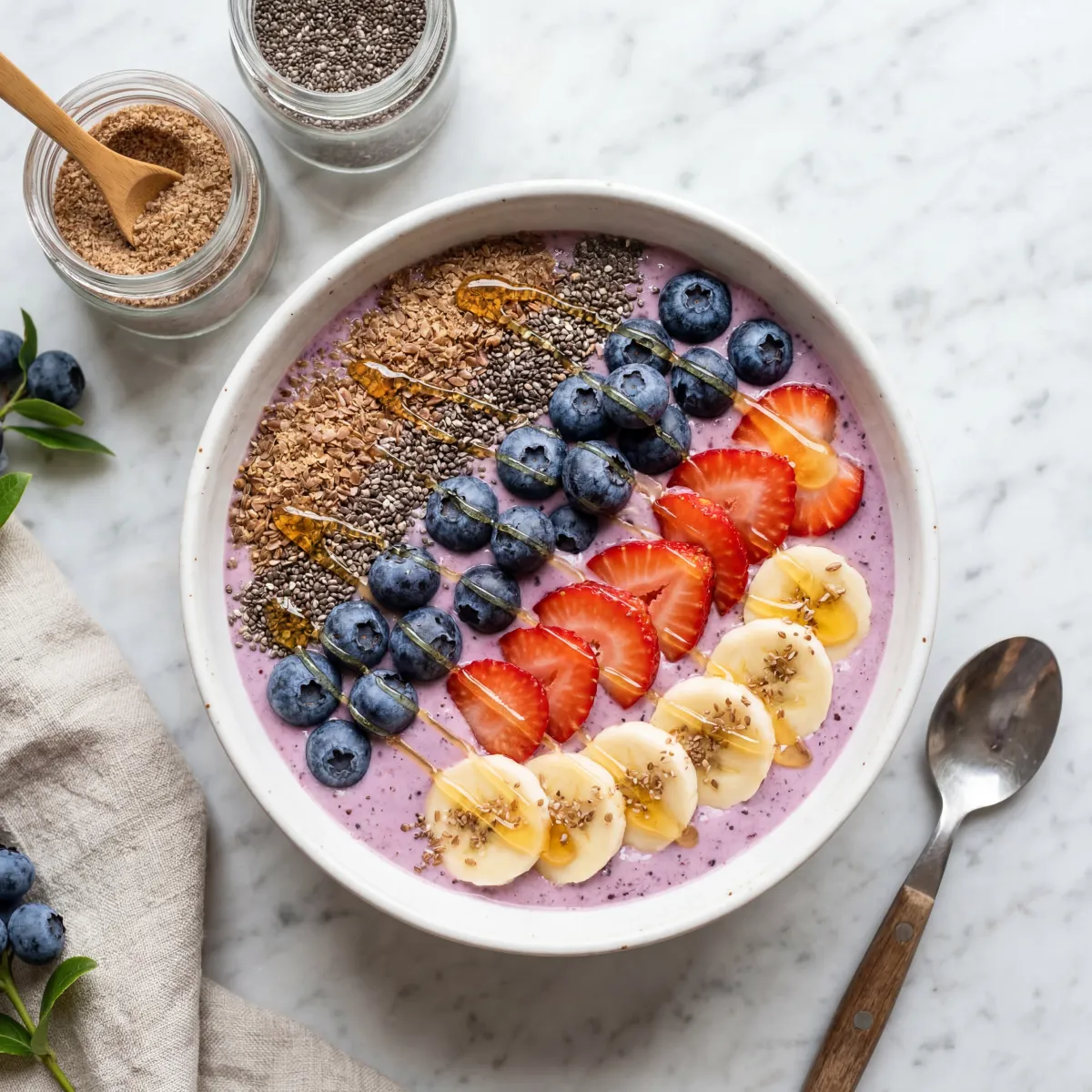
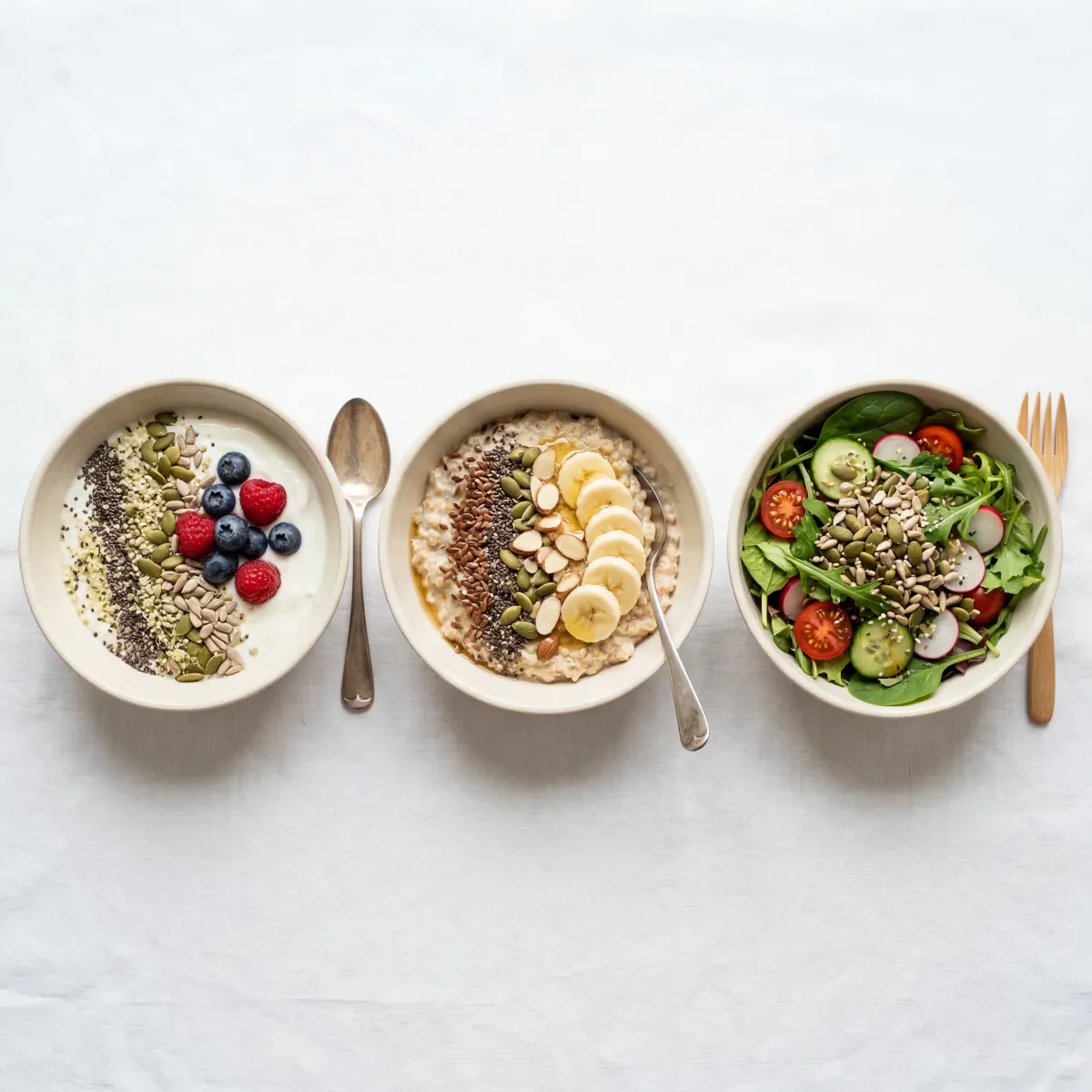
| How to eat them | Mix into smoothies, yogurt, oatmeal, or salads. Avoid heating flaxseeds at high temperatures. |
| Timeline | Most practitioners suggest continuing for at least 3 menstrual cycles before evaluating effects. |
Seed Cycling Myths vs. Facts
As seed cycling has gotten more popular, some claims about it have drifted pretty far from what the science actually shows. A few things hold up. Others don't.
| Claim | Verdict | What the Evidence Says |
|---|---|---|
| Seeds directly increase or decrease estrogen and progesterone | Oversimplified | Lignans modulate estrogen receptor activity rather than directly changing circulating hormone levels. The effect is more regulatory than stimulatory. |
| Seed cycling can replace hormone therapy | Not supported | No clinical evidence supports seed cycling as a substitute for prescribed hormonal treatments. It may complement medical approaches but should not replace them. |
| Flaxseed consumption improves menstrual regularity | Supported | Multiple studies, including a 2025 systematic review of 10 studies, found associations between flaxseed intake and improved cycle regularity. |
| Seed cycling works within one cycle | Unlikely | Most studies showing effects used interventions lasting 8 to 12 weeks. Hormonal shifts don't happen that fast. |
| The specific seed rotation timing matters more than the nutrients | Unproven | No study has directly compared rotating seeds by cycle phase vs. consuming all four seeds daily. The rotation is theoretical. |
| Seeds are nutritionally worthless for hormones | False | Zinc, selenium, lignans, omega-3s, and vitamin E all have documented roles in reproductive endocrinology. |
Potential Benefits Beyond Hormones
Even if you're not sold on the rotation theory, there's a separate case for eating these four seeds on a regular basis. The benefits go beyond cycle timing.
Cardiovascular Health
Flaxseeds are one of the richest plant sources of alpha-linolenic acid (ALA), an omega-3 linked to lower cardiovascular risk. The fiber in all four seeds helps with cholesterol metabolism, too. The Haidari et al. PCOS trial saw a significant drop in triglycerides in the flaxseed group.
Blood Sugar Regulation
Several studies in the 2025 systematic review saw fasting blood sugar and insulin resistance improve with seed-based interventions. If you have PCOS, where insulin resistance is a central problem, that metabolic improvement might honestly matter more than any direct hormonal shift.
Digestive Health
Two tablespoons of mixed seeds add roughly 3 to 4 grams of dietary fiber, which is a real dent in the 25 grams recommended daily for women. Flaxseed fiber also acts as a prebiotic, feeding beneficial gut bacteria. That matters for hormones too, because the gut microbiome directly influences estrogen metabolism through what researchers call the estrobolome, the collection of gut bacteria that can break down and recirculate estrogen.
Antioxidant Protection
Sunflower and sesame seeds both contain selenium, and sunflower seeds are loaded with vitamin E. Both nutrients feed the body's antioxidant defenses. That matters because oxidative stress can mess with endocrine function. Selenium also drives thyroid hormone metabolism, and your thyroid has a direct line to menstrual regularity and reproductive function.
Supporting Perimenopause and Menopause
Some women going through perimenopause or menopause use seed cycling as part of a broader dietary approach. A 2024 single-blind, randomized, placebo-controlled study found that women taking 1,000 mg of flaxseed daily for six weeks had fewer and shorter episodes of hot flashes and night sweats.
Bottom line: Nobody has proven that rotating seeds by cycle phase works better than just eating all four every day. But eating these seeds regularly? That part is well supported. You're getting fiber, healthy fats, plant protein, and a range of micronutrients your body actually uses for hormone production, blood sugar regulation, and gut health.
Frequently Asked Questions
Can seed cycling help with PCOS?
The early research leans positive but isn't conclusive yet. A 2025 systematic review of 10 studies found that seed-based interventions, especially flaxseed, were linked to improved menstrual regularity, lower LH-to-FSH ratios, and metabolic gains like reduced insulin resistance and better lipid profiles in women with PCOS. But most of these studies were small, and nobody has run a large-scale RCT testing the full seed cycling protocol for PCOS specifically.
How long does it take for seed cycling to work?
Most studies that showed hormonal or metabolic effects ran for 8 to 12 weeks, which is roughly 2 to 3 menstrual cycles. Practitioners generally say to give it at least 3 full cycles before deciding if it's working. One cycle isn't enough time to see a change.
Is seed cycling safe during pregnancy?
Seeds are whole foods and generally safe during pregnancy. The phytoestrogenic properties of flaxseed lignans do raise theoretical concerns at high doses, but there's no clinical evidence of harm at seed cycling amounts (about 1 tablespoon daily). Still, talk to your healthcare provider before starting any new dietary practice during pregnancy.
Do I need to grind the seeds?
Yes, at least for flaxseeds. Whole flaxseeds have a tough outer shell that your body can't break down. They'll pass right through your GI tract intact, and you won't absorb the lignans or omega-3s. Grinding cracks the shell open and makes those nutrients available. Pumpkin, sesame, and sunflower seeds can be eaten whole or ground, though grinding may help with absorption.
Can men do seed cycling?
The phased rotation is based on the menstrual cycle, so it doesn't directly apply to men. That said, the nutrients in these seeds (zinc, selenium, omega-3s, lignans) do have documented benefits for male reproductive health, including testosterone production and sperm quality. Men can eat a mix of all four seeds daily without bothering with the phase rotation.
Related Articles
- PCOS Natural Management: Diet, Supplements, and Lifestyle — A comprehensive guide to evidence-based natural approaches for managing polycystic ovary syndrome.
- Perimenopause Symptoms and Natural Management Strategies — What to expect during perimenopause and which natural approaches have research support.
- Menopause Natural Remedies: What Actually Helps Hot Flashes and Sleep — Evidence-based natural remedies for the most common menopause symptoms.
- Electrolytes Explained: Sodium, Potassium, Magnesium for Hydration — How key minerals including magnesium support overall metabolic and hormonal health.
Medical Disclaimer
This article is for informational and educational purposes only and is not medical advice, diagnosis, or treatment. Always consult a licensed physician or qualified healthcare professional regarding any medical concerns. Never ignore professional medical advice or delay seeking care because of something you read on this site. If you think you have a medical emergency, call 911 immediately.